

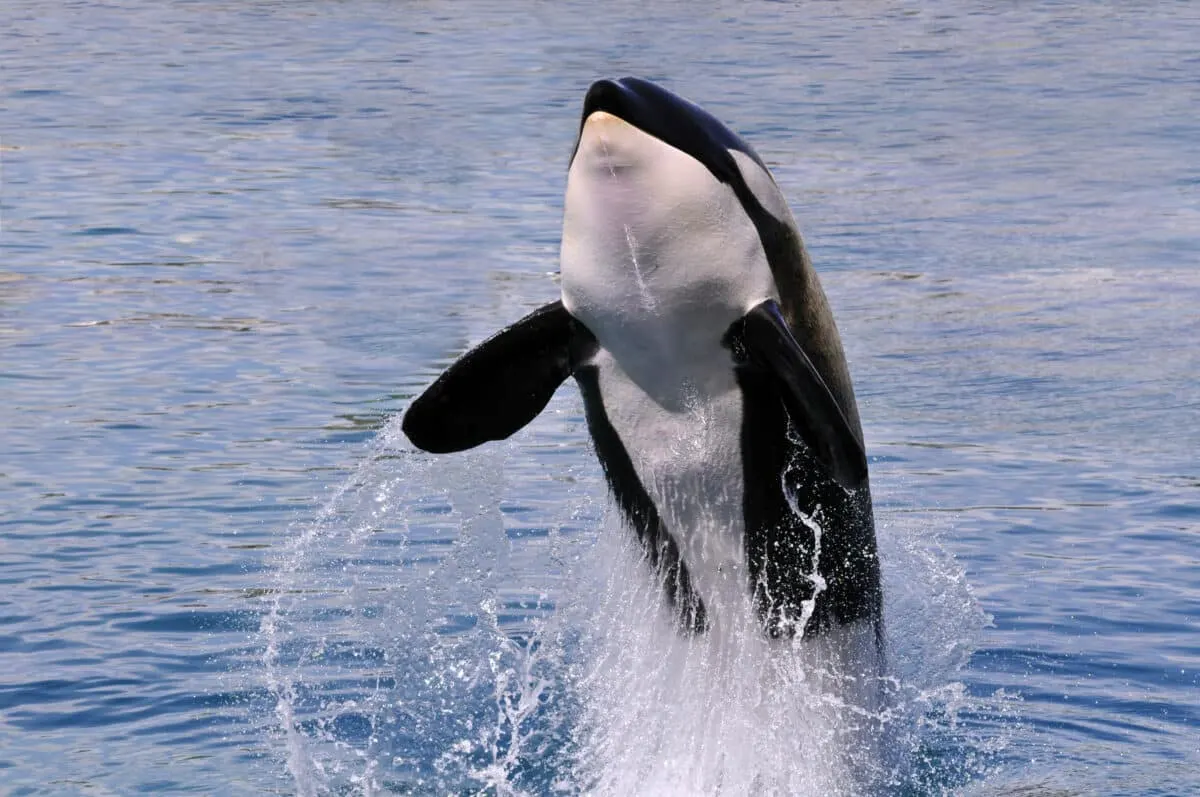
Orcas, often referred to as killer whales, are among the most remarkable creatures in our oceans. Despite their common nickname, these magnificent marine mammals are actually the largest members of the dolphin family rather than true whales. Their distinctive black and white coloration makes them instantly recognizable, but their uniqueness extends far beyond their appearance. Orcas possess a combination of physical abilities, social behaviors, and hunting techniques that set them apart from all other cetaceans. From their extraordinary intelligence to their diverse dietary preferences and complex social structures, orcas have evolved capabilities that make them true apex predators of the sea. This article explores fifteen remarkable things that orcas can do that no other whale species can match, highlighting why these majestic creatures continue to captivate scientists and ocean enthusiasts alike.
15. Form Distinct Cultural Traditions
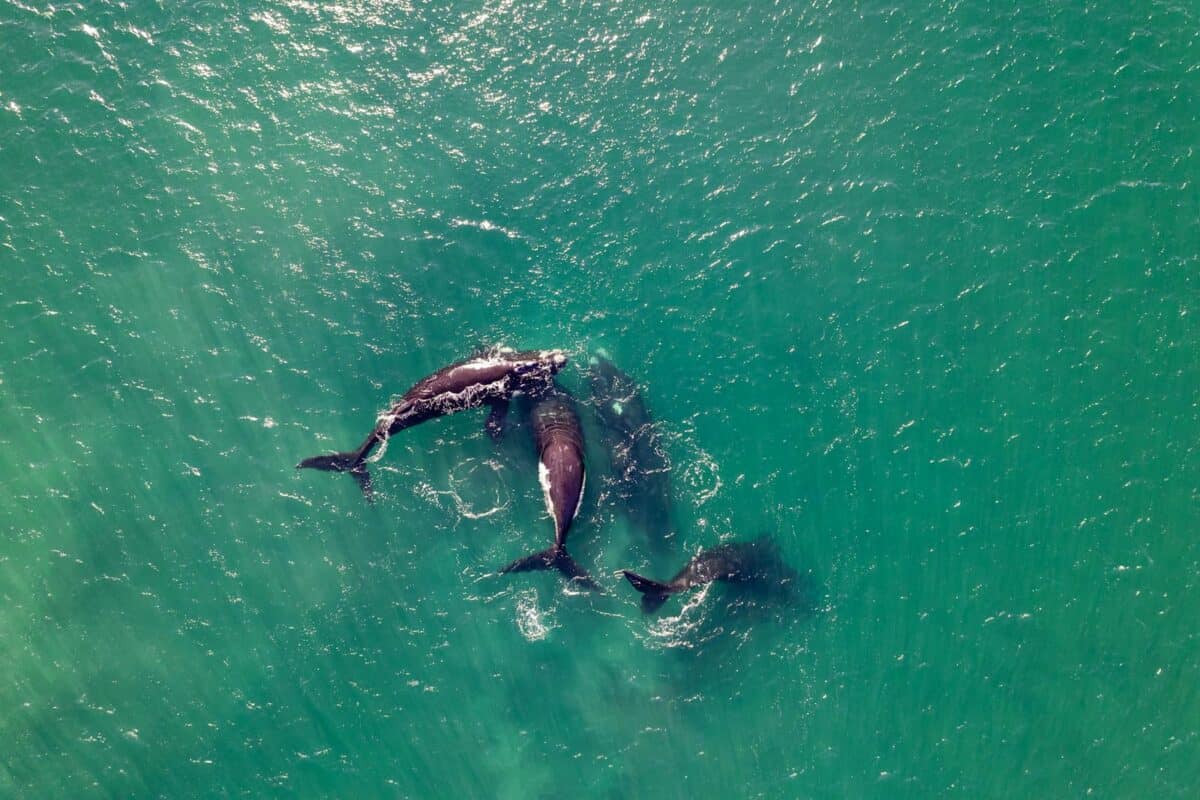
Orcas exhibit a level of cultural complexity unmatched by any other whale species. Different orca populations around the world develop and maintain unique traditions that are passed down through generations. For example, the resident orcas of the Pacific Northwest have specific vocal dialects that differ from those of transient orcas in the same waters. These dialects serve as cultural markers that identify pod membership and lineage. Beyond vocalizations, orcas also develop pod-specific hunting techniques, prey preferences, and social behaviors that constitute distinct cultures. In New Zealand, some orcas specialize in hunting rays, while Antarctic orcas have developed sophisticated wave-washing techniques to knock seals off ice floes. This cultural diversity is transmitted through social learning rather than genetics, demonstrating a level of cultural sophistication previously thought to exist only in humans and some primates.
14. Deliberately Beach Themselves to Hunt
One of the most astonishing behaviors exclusive to certain orca populations is intentional beaching for hunting purposes. In locations like Península Valdés in Argentina and the Crozet Islands, orcas have developed the remarkable ability to deliberately strand themselves on beaches to capture sea lions and elephant seals. This high-risk hunting strategy involves the orca charging onto the shore, grabbing prey in its jaws, and then using the incoming waves to slide back into deeper water. What makes this behavior particularly extraordinary is that adult orcas teach this technique to their offspring through careful demonstration and supervised practice, sometimes even physically assisting younger whales who become stranded during training. This behavior requires precise timing, spatial awareness, and calculated risk assessment not observed in any other whale species, highlighting the exceptional problem-solving abilities and cultural transmission capabilities of orcas.
13. Hunt Great White Sharks

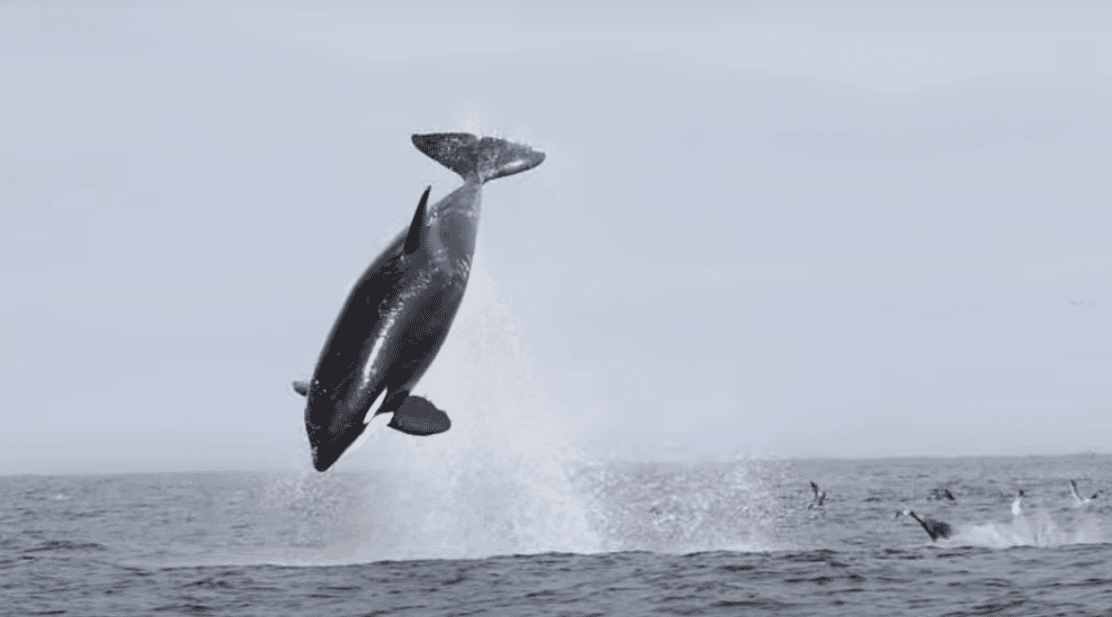
Orcas are the only whale species known to successfully hunt and kill great white sharks, creatures that themselves are apex predators. This remarkable hunting capability was documented off the coast of South Africa, where orcas have developed a specific technique for hunting these fearsome sharks. The orcas flip the sharks upside down, inducing a state of tonic immobility that renders them helpless. Once immobilized, the orcas precisely extract the shark’s nutrient-rich liver, leaving the rest of the carcass largely intact. This surgical precision demonstrates the orcas’ exceptional understanding of shark anatomy. The mere presence of orcas in an area has been observed to cause great white sharks to flee, sometimes abandoning traditional hunting grounds for up to a year. This behavior, where one apex predator instills fear in another, creates what scientists call a “landscape of fear” and dramatically illustrates the orca’s position at the absolute pinnacle of the marine food chain.
12. Coordinate Wave Washing Techniques
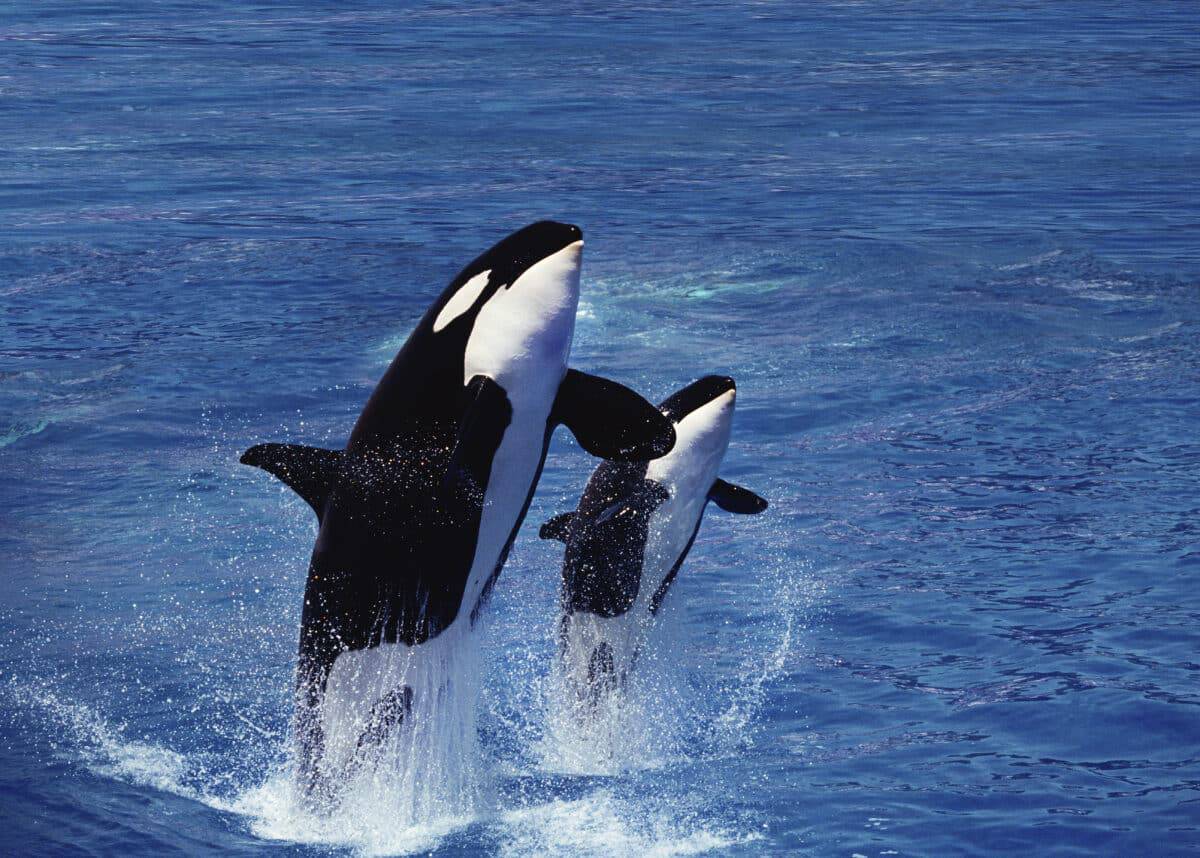
Antarctic orcas have developed a sophisticated hunting technique known as “wave washing” that demonstrates their unparalleled ability for coordinated hunting. When seals or penguins rest on ice floes, these orcas work together to create artificial waves by swimming in formation. They synchronize their movements, swimming parallel to the ice edge before making a sharp turn to generate a powerful wave that washes over the ice floe. This coordinated action either dislodges the prey directly into the water or breaks the ice floe into smaller, less stable pieces. The orcas then continue the process until their prey has nowhere left to hide. This hunting technique requires exceptional communication, timing, and spatial coordination among pod members. Researchers have observed orcas teaching this technique to younger pod members, with adults often allowing juveniles to make the final capture, facilitating hands-on learning of this complex hunting strategy. No other whale species demonstrates this level of coordinated, premeditated manipulation of their environment to capture prey.
11. Recognize Themselves in Mirrors

Orcas are among the very few animals in the world capable of self-recognition, a cognitive ability that suggests a level of self-awareness previously attributed only to humans, great apes, and some dolphins. When presented with mirrors, orcas display behaviors that indicate they understand the reflection is themselves rather than another animal. They perform unusual behaviors while watching their reflection, seemingly to test the mirror, and may inspect parts of their body that would otherwise be invisible to them. This self-recognition ability requires a sophisticated level of neural processing and abstract thinking. What makes orcas unique among whales is that this self-awareness exists alongside their highly developed social intelligence, creating a cognitive profile that combines individual identity with strong group affiliation. This combination underpins their complex social structures and may explain their ability to develop diverse cultural traditions across different populations. No other whale species has demonstrated this level of self-awareness in controlled studies, highlighting the exceptional cognitive abilities that set orcas apart.
10. Develop Specialized Feeding Strategies

Orcas exhibit an unmatched diversity of specialized feeding strategies, with different populations developing unique hunting techniques tailored to their specific environments and available prey. In Norwegian waters, orcas practice carousel feeding, herding herring into tight balls and then stunning them with tail slaps before consuming them one by one. In the Antarctic, some orcas have mastered the art of creating waves to wash seals off ice floes, while others specialize in hunting other whale species, including the massive blue whale. Perhaps most remarkable is the “kerplunking” technique used by orcas in shallow waters around New Zealand, where they slap their tails on the surface to detect rays hiding beneath the sand before extracting them with surgical precision. What sets orcas apart from other whales is not just the diversity of these techniques but also how they’re culturally transmitted within specific populations. Each orca ecotype maintains its specialized hunting methods through social learning, creating what amounts to unique “professional specializations” within the orca species. This combination of innovation, specialization, and cultural transmission of feeding techniques exceeds what has been observed in any other whale species.
9. Speak Different Dialects

Orcas have developed the most complex vocal dialects documented in any whale species, with distinct “languages” that vary between pods and larger clan groupings. Each orca pod maintains a unique vocal repertoire consisting of specific calls that serve as acoustic badges of identity, allowing members to recognize their family group even in darkness or over long distances. What makes this phenomenon particularly remarkable is that these dialects persist over generations with minimal drift, suggesting intentional preservation of cultural vocal traditions. In the Pacific Northwest, resident orca pods maintain distinct dialects that have remained stable for the decades they’ve been studied, with neighboring pods sharing some call types but maintaining distinct variations. These dialects are so specific that researchers can identify which pod is present simply by listening to their vocalizations. Furthermore, some orcas appear capable of “code-switching” between dialects when interacting with different groups, demonstrating a linguistic flexibility not observed in other whale species. This sophisticated vocal culture suggests a level of social identity and group cohesion that exceeds what has been documented in any other marine mammal.
8. Form Life-Long Matriarchal Societies

Orcas form the most stable and long-lasting matriarchal societies of any whale species, with family bonds that can span over 100 years across multiple generations. Unlike most mammals where offspring eventually disperse, orca calves—particularly males—typically remain with their mothers for their entire lives. This creates multi-generational pods led by the oldest females, who serve as repositories of ecological knowledge and social traditions. The matriarch’s survival directly impacts the survival prospects of the entire family; research has shown that male orcas over 30 years old are 8 times more likely to die within a year after their mother’s death. This phenomenon, sometimes called the “grandmother effect,” demonstrates how crucial these elder females are to pod cohesion and survival. The depth and permanence of these matrilineal bonds exceed what is observed in other whale species, including the otherwise socially complex sperm whales and humpbacks. This exceptional social structure allows for the accumulation and transmission of knowledge across generations, creating a form of cultural evolution that has enabled orcas to adapt to diverse environments worldwide while maintaining strong group identities.
7. Hunt Cooperatively with Humans

In a behavior unparalleled among whale species, orcas near Eden, Australia, historically formed a hunting partnership with human whalers in what became known as the “Law of the Tongue.” During the 19th and early 20th centuries, a pod of orcas led by a male named “Old Tom” would alert human whalers when they detected baleen whales in the area. The orcas would herd these larger whales toward the whalers’ boats and even help hold the carcass after the whale was killed. In return, the whalers would allow the orcas to feed on the lips and tongues of the whale before processing the rest. This mutually beneficial relationship lasted for generations, with specific orcas recognized by name by the whalers. Physical evidence of this partnership exists in Old Tom’s skeleton, displayed at the Eden Killer Whale Museum, which shows tooth wear consistent with gripping whale carcasses. This extraordinary example of cross-species cooperation demonstrates the orcas’ exceptional ability to recognize opportunity, adapt their behavior, and form working relationships even with humans—a level of behavioral flexibility and intelligence not documented in any other whale species.
6. Prey on Other Whale Species

Orcas are the only cetaceans that regularly prey on other whale species, including those substantially larger than themselves, earning them the nickname “wolves of the sea.” They hunt baleen whales like minke, gray, and even blue whales—the largest animals on Earth—using sophisticated pack-hunting techniques. When targeting a large whale, orcas work in coordinated groups to exhaust their prey, taking turns harassing it and preventing it from breathing properly. They focus their attacks on the whale’s most vulnerable areas: the flippers, flukes, and mouth. With larger prey like blue whales, orcas specifically target the tongue, which is rich in fat and easier to access. In a particularly strategic approach, some orcas will position themselves over the blowhole of their prey to prevent it from breathing. Recent documentation off the coast of Australia has shown orcas successfully hunting blue whales, systematically weakening them over several hours before making the kill. This ability to coordinate complex attacks against the world’s largest animals demonstrates a level of strategic hunting prowess unmatched by any other marine predator and places orcas in the unique position of being apex predators capable of hunting virtually any marine creature.
5. Show Distinct Ecotypes with Different Appearances
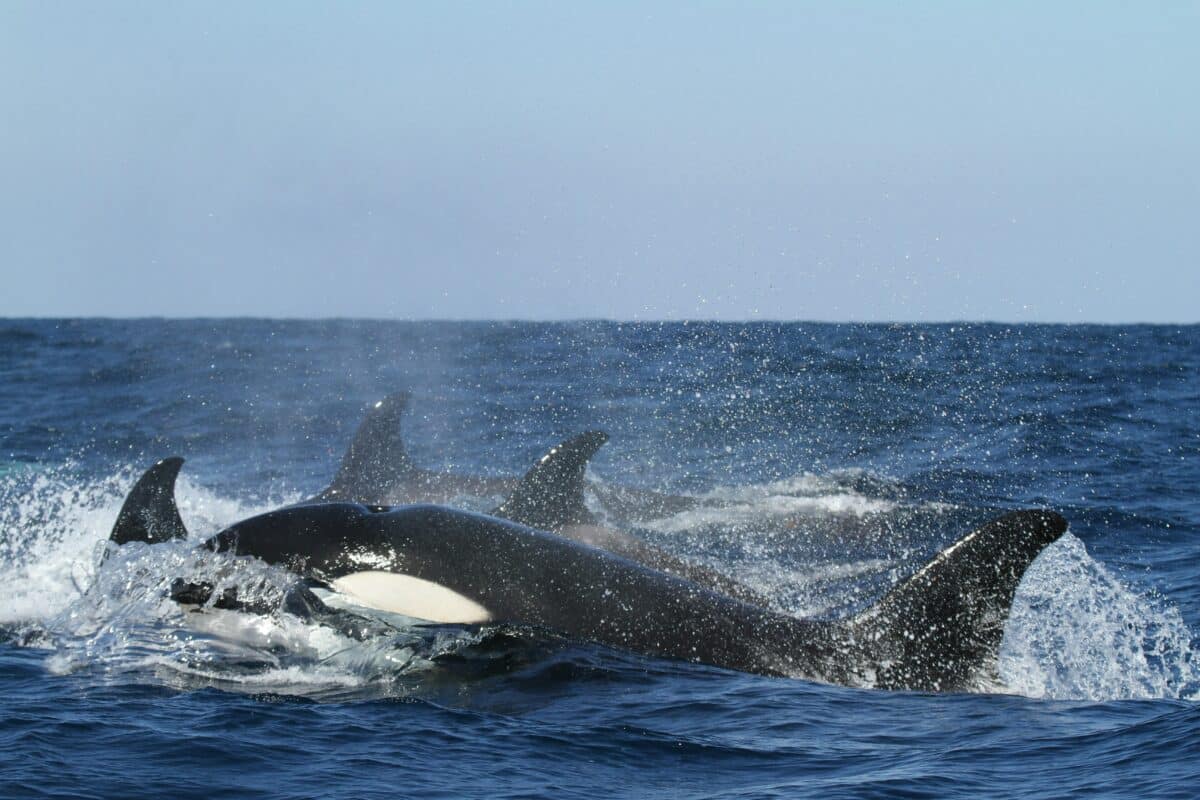
Orcas display a level of ecotype diversification unparalleled among whale species, with at least 10 genetically and morphologically distinct types recognized worldwide. These ecotypes differ not just in their hunting strategies and vocalizations but also in their physical appearance, to the extent that they were once considered separate species. Antarctic orcas include Types A through C, with Type B featuring a distinctively large eye patch and often a yellowish tint due to diatom growth. The “offshore” ecotype of the North Pacific has a more rounded dorsal fin and typically shows extensive scarring from hunting sharks. Perhaps most visually distinctive is the “saddle patch”—the white area behind the dorsal fin—which varies significantly between populations and can serve as a visual identifier. These ecotypes remain genetically isolated despite sometimes overlapping geographically, suggesting cultural barriers to interbreeding. This combination of physical, behavioral, and genetic differentiation between populations living in the same ocean represents an extraordinary example of sympatric divergence not seen to this degree in other whale species. Scientists now recognize this diversity as evidence of orcas being in the process of speciation, potentially evolving into separate species through cultural rather than geographical isolation—a phenomenon rarely documented in the animal kingdom.
4. Display Intergenerational Teaching

Orcas exhibit the most sophisticated system of intergenerational teaching documented in any whale species, with adults deliberately instructing younger pod members in essential skills. Unlike the incidental learning observed in other cetaceans, orcas engage in what appears to be intentional pedagogy, sometimes at personal risk or energy cost to the teacher. In Argentina’s Península Valdés, adult orcas demonstrating beach hunting will intentionally strand themselves alongside juveniles, sometimes even physically pushing younger whales back into the water if they become stuck. Researchers have documented what they call “practice runs,” where adults catch prey but then release it alive, allowing young orcas to practice the capture technique. Similarly, when teaching the wave-washing technique in Antarctica, adults will perform the behavior at reduced efficiency when juveniles are present, seemingly to provide a clearer demonstration. This intentional modification of behavior for teaching purposes suggests a level of metacognition—awareness of others’ knowledge states—that exceeds what has been observed in other whale species. This sophisticated teaching system likely explains how complex cultural traditions remain stable across generations and contributes to the extraordinary ecological success of orcas across diverse marine environments worldwide.
3. Develop Post-Reproductive Female Leaders

Orcas are the only whale species in which females experience a substantial post-reproductive lifespan, with females typically ceasing reproduction in their 30s or 40s but often living into their 80s or even 100s. This extended post-reproductive life is extremely rare in the animal kingdom and shared only with humans and a few other species. What makes this trait particularly remarkable in orcas is its clear evolutionary function: these post-reproductive females become invaluable repositories of ecological knowledge and leadership. Research has shown that pods led by older, post-reproductive females have significantly higher survival rates during times of food scarcity, as these matriarchs remember productive feeding grounds from decades past. In resident orca populations of the Pacific Northwest, these elder females take the lead during salmon migrations, using their decades of experience to guide the pod to the most productive feeding areas. Studies have revealed that post-reproductive females disproportionately lead group movement, especially during challenging foraging conditions. This “grandmother effect” represents a form of information storage and transmission that extends beyond individual lifespans, creating a form of cultural knowledge accumulation that enhances the entire pod’s survival prospects in ways not observed in other whale species.
2. Exhibit Grieving Behaviors

Orcas demonstrate grief responses of exceptional duration and complexity unmatched by other whale species, showing behaviors that appear to reflect deep emotional attachments and bereavement. The most documented case was that of Tahlequah (J35), a Southern Resident orca who carried her dead newborn calf for an unprecedented 17 days over approximately 1,000 miles in 2018. This “tour of grief” was supported by her pod members, who took turns helping to keep the calf’s body afloat. Beyond this extreme example, orcas frequently engage in protracted vigilance behaviors around deceased pod members, sometimes maintaining positions near the body for days while vocalizing in patterns distinct from their normal communications. Researchers have observed orcas bringing food to deceased pod members before accepting their death. What distinguishes orca grief from the mourning-like behaviors occasionally observed in other cetaceans is its extended duration, the social coordination of the grieving process, and the apparent support system that emerges within the pod. These complex responses to death suggest a level of emotional processing and social bonding that reflects the orcas’ exceptional neural development and their lifelong family bonds, representing an emotional intelligence that stands apart from other whale species.
1. Exhibit Play and Innovation in Captivity

While the ethics of orca captivity remain highly controversial, captive orcas have demonstrated unparalleled abilities for play, innovation, and creative problem-solving compared to other whale species. They create sophisticated games without human training, such as developing bubble rings that they manipulate with their movements or generating underwater vortices they can swim through. Captive orcas have been observed creating their own entertainment by trapping fish in bubble nets of their design or balancing objects on their rostrum with extraordinary precision. Most impressively, orcas invent and share novel behaviors.
Conclusion: The Unmatched Intelligence and Adaptability of Orcas
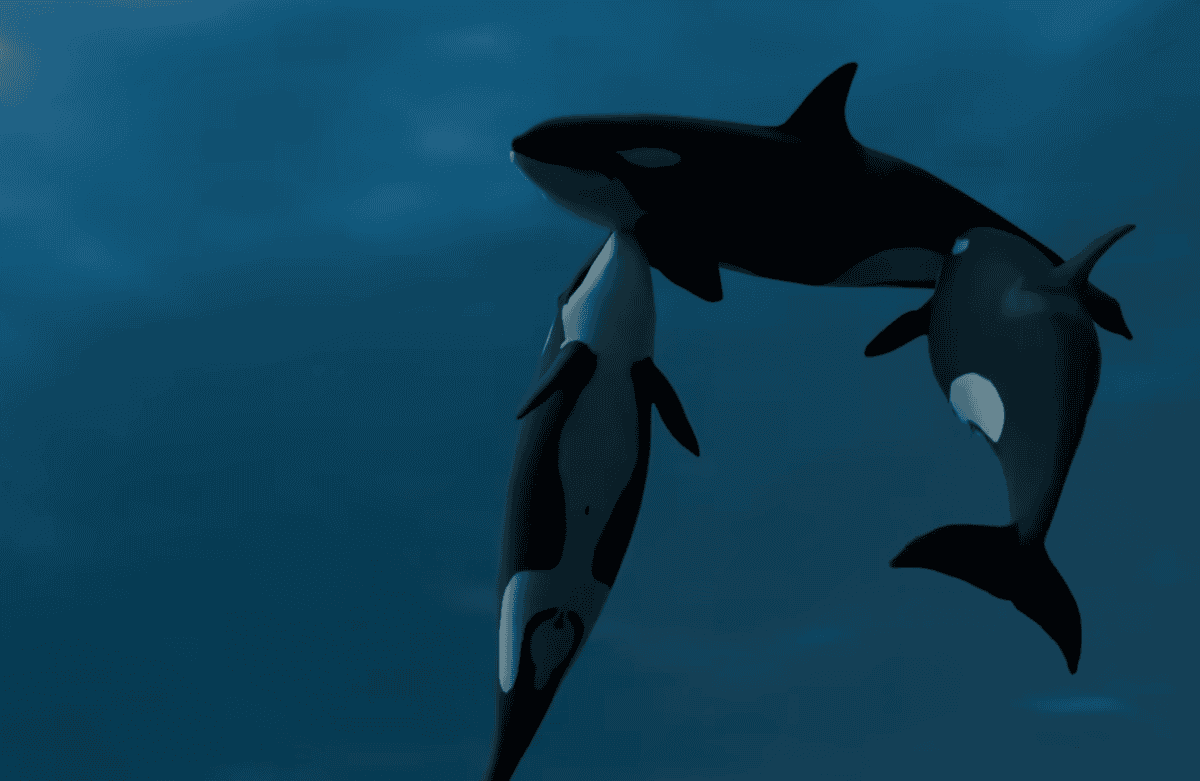
From complex cultural traditions and intergenerational teaching to cooperative hunting strategies and emotional depth, orcas stand out as one of the most intelligent and adaptable species on the planet. No other whale exhibits such a diverse array of specialized behaviors, cognitive abilities, and social structures. Whether deliberately beaching themselves to hunt, communicating with unique dialects, or even forming historical partnerships with humans, orcas consistently demonstrate problem-solving, innovation, and emotional intelligence that rival those of primates and humans.
Their existence challenges our understanding of marine life and highlights the profound impact of culture, memory, and learning in the animal kingdom. As apex predators with rich family bonds and evolving traditions, orcas embody the intersection of instinct, intelligence, and community. Protecting these remarkable creatures and their habitats is not only a matter of conservation—it’s a recognition of their extraordinary place in Earth’s natural legacy.

As a little kid, I fell in love with nature, wildlife, and animals. Living in the USA, South Africa, Italy, China and Germany gave me the opportunity to discover the world's Wildlife. My favorite animals are Mountain Gorillas, Siberian Tigers, and Great White Sharks.
I'm a certified PADI Open Water Diver, went to Everest Base Camp and Trekked Gorillas in Uganda. I hold a Master of Science in Economics and Finance.
Please send any feedback to feedback@animalsaroundtheglobe.com
- 13 Cat Breeds That Get Along with Dogs - July 20, 2026
- The 12 Largest Dog Breeds That Still Love to Cuddle - July 20, 2026
- 12 Pet Habits That Secretly Mean They Love You - July 20, 2026