

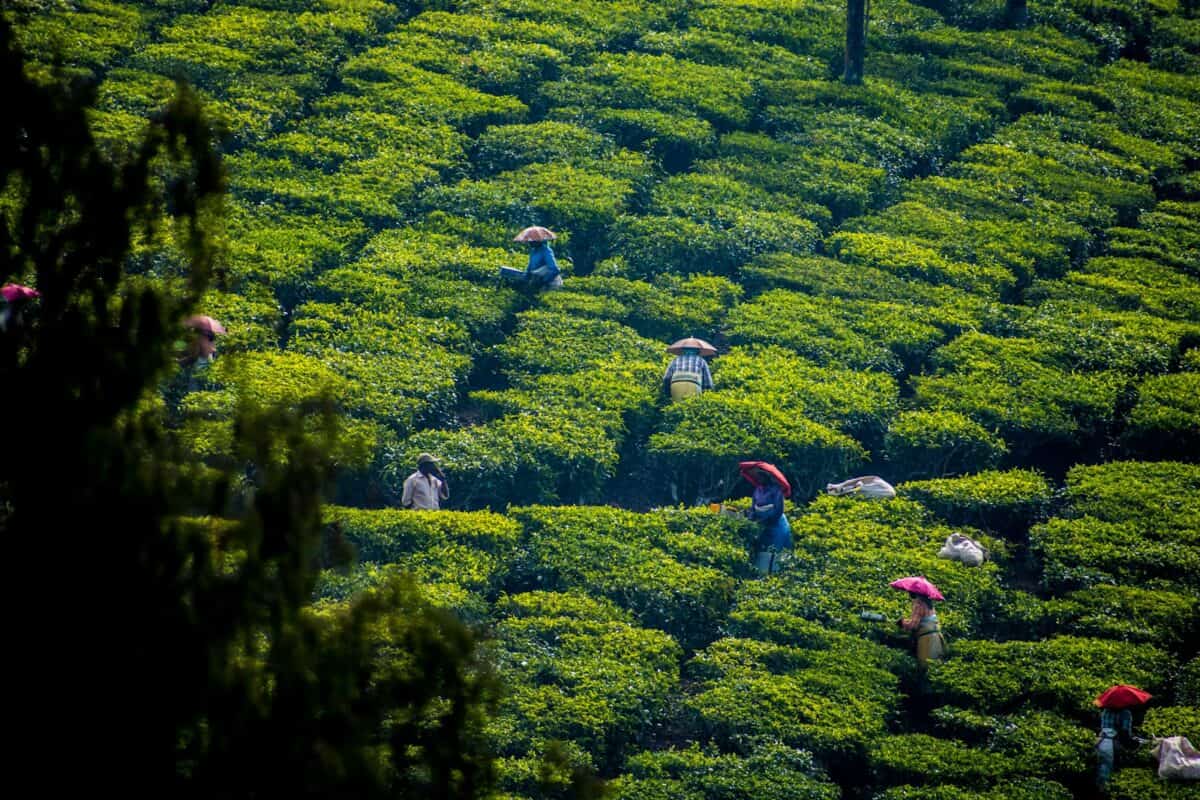
Tea, one of the world’s most beloved beverages, is cultivated across vast landscapes that are often hotspots of biodiversity. From the misty highlands of Sri Lanka to the rolling hills of Assam, tea-growing regions overlap with critical habitats for countless species. As global demand for tea continues to rise, how these agricultural lands are managed has profound implications for wildlife conservation. Sustainable farming practices in tea regions offer a promising path forward, balancing productive agriculture with ecological stewardship. This article explores the intricate relationship between sustainable tea farming and wildlife protection, examining how environmentally conscious cultivation methods are helping preserve biodiversity in some of the world’s most ecologically sensitive regions.
The Biodiversity Challenge in Tea Landscapes
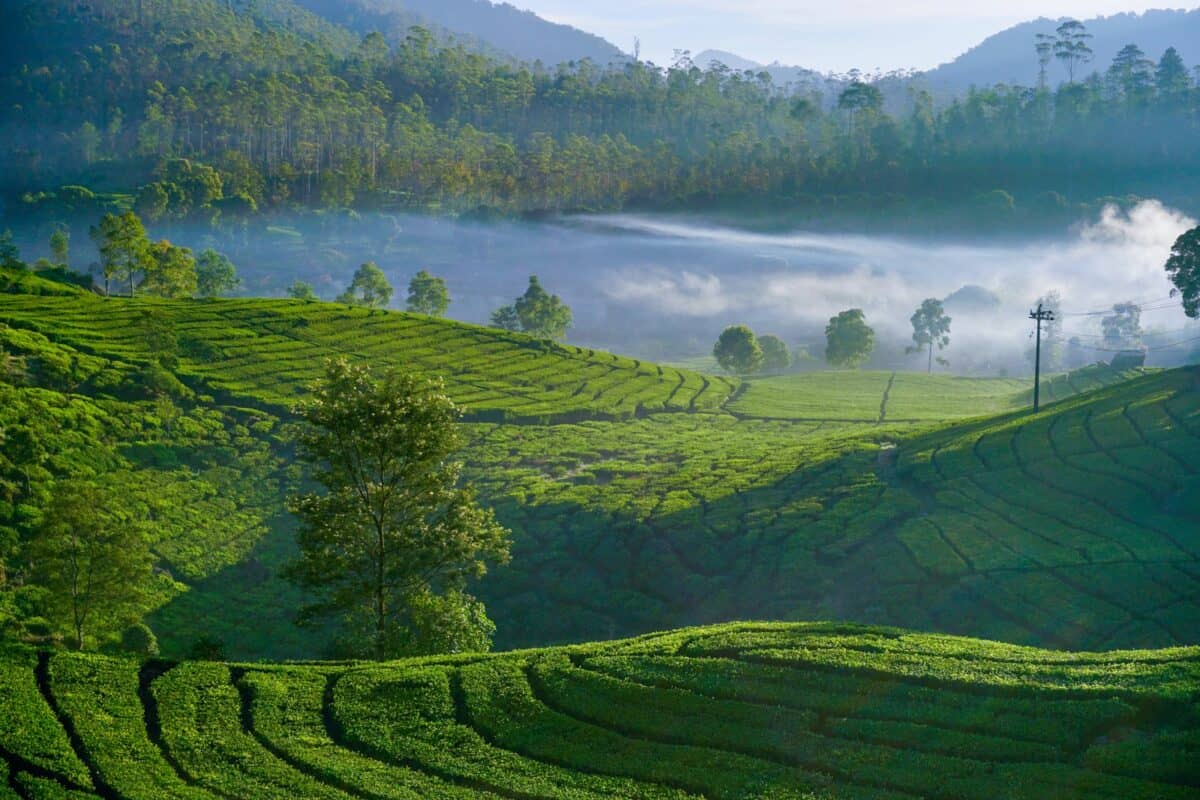
Tea cultivation spans approximately 4.1 million hectares globally, with major production centers in China, India, Kenya, and Sri Lanka. These regions coincide with areas of exceptional biodiversity, including several biodiversity hotspots that harbor unique and endangered species. Traditional tea plantations, particularly large-scale monocultures, have historically contributed to habitat fragmentation, soil erosion, and biodiversity loss. The conversion of natural forests to tea estates has reduced available habitat for wildlife, while conventional farming practices involving synthetic pesticides and fertilizers have further degraded ecosystem health. In India’s Western Ghats, a UNESCO World Heritage site and biodiversity hotspot, approximately 76,000 hectares are under tea cultivation, directly impacting habitat availability for endemic species like the Nilgiri tahr and lion-tailed macaque.
Agroforestry: Creating Habitat Within Tea Farms
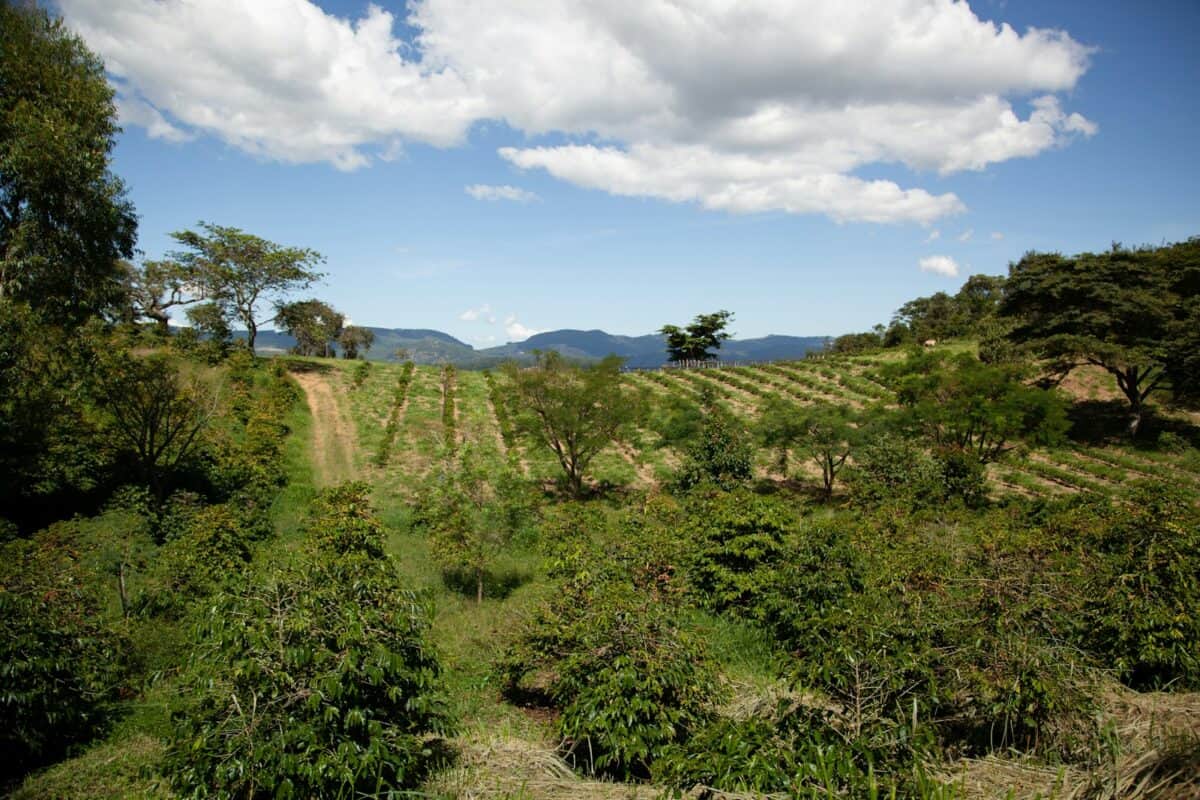
Agroforestry systems integrate native trees within tea cultivation, creating multi-layered vegetation structures that mimic natural forests. These systems provide critical habitat connectivity and resources for wildlife while maintaining tea production. Research in Sri Lanka’s tea landscapes found that agroforestry plots supported 90% more bird species compared to conventional monoculture plantations. The shade trees provide nesting sites, food resources, and protective cover for birds, small mammals, and reptiles. In particular, native shade trees like Albizia and Grevillea species produce fruits, seeds, and nectar that support diverse food webs. Additionally, these trees create microhabitats with varying temperature, humidity, and light conditions that accommodate different wildlife species. In China’s Yunnan province, ancient tea agroforestry systems harbor up to 262 bird species, demonstrating the remarkable biodiversity potential of these integrated farming approaches.
Organic Cultivation and Wildlife Health
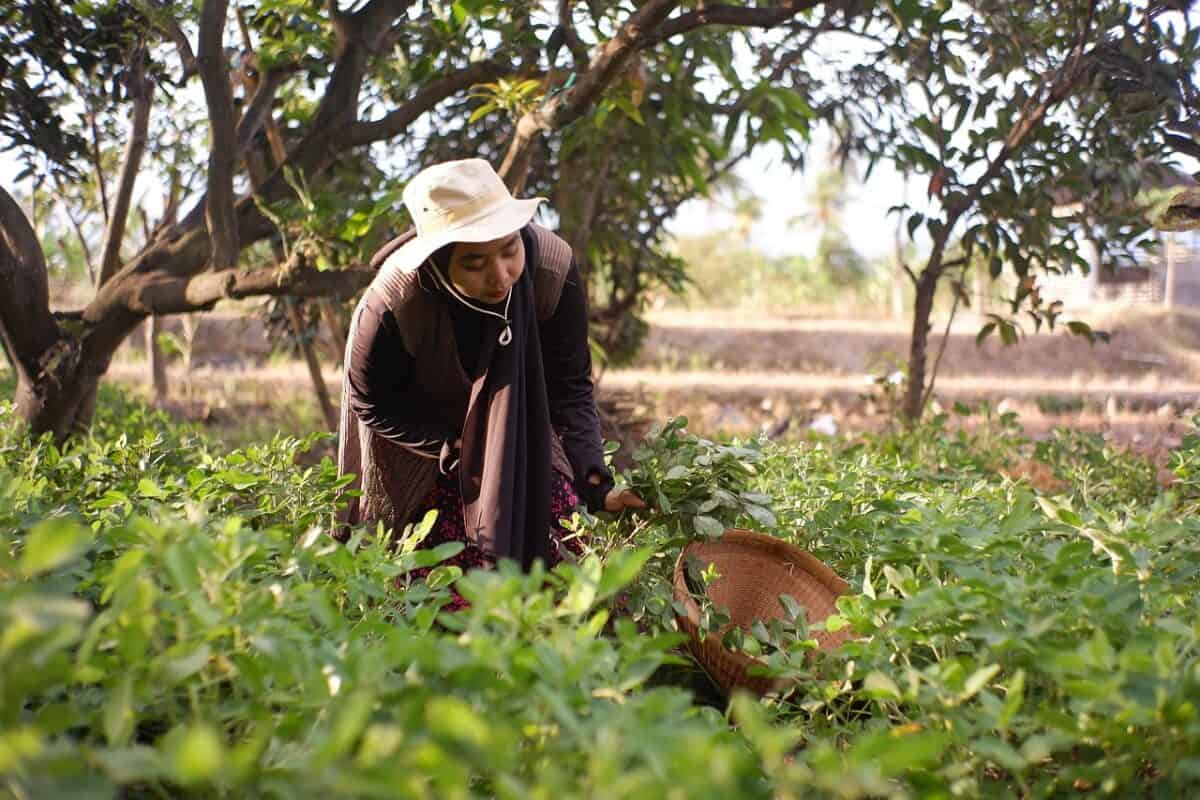
Conventional tea production typically relies on synthetic pesticides, herbicides, and fertilizers that can harm wildlife through direct toxicity and food chain disruption. Organic tea cultivation eliminates these chemicals, creating a safer environment for beneficial insects, amphibians, and other wildlife. Studies from organic tea gardens in Darjeeling, India demonstrate 48% higher earthworm biomass compared to conventional farms, indicating improved soil ecosystem health. These earthworms, in turn, support populations of birds and small mammals that feed on them. The absence of synthetic pesticides also allows natural predator-prey relationships to regulate pest populations. Research in organic tea gardens shows significantly higher populations of beneficial insects like ladybugs, lacewings, and predatory wasps that control tea pests naturally. Additionally, the elimination of herbicides preserves understory vegetation that provides habitat for ground-dwelling wildlife and supports pollinators essential for ecosystem function.
Riparian Buffer Zones and Aquatic Ecosystems
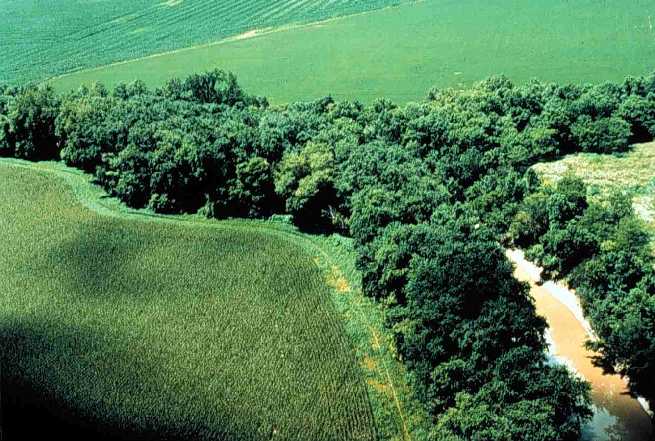
Tea estates often intersect with water systems, including rivers, streams, and wetlands that support diverse aquatic wildlife. Sustainable farming practices include establishing and maintaining riparian buffer zones—vegetated areas along waterways that filter runoff, prevent erosion, and create corridors for wildlife movement. These buffer zones, typically 5-30 meters wide depending on topography, protect water quality by intercepting sediment and agricultural chemicals before they reach aquatic ecosystems. In Kenya’s tea-growing regions, implementation of riparian buffers has been linked to a 62% increase in water bird diversity and improvements in fish populations in adjacent streams. These zones also provide critical habitat connectivity, allowing wildlife to move between fragmented forest patches across agricultural landscapes. Research in Sri Lanka’s tea estates found that riparian corridors supported 76% of the mammal species found in nearby protected forests, highlighting their value as wildlife highways.
Biological Pest Control and Predator Conservation

Sustainable tea farming promotes biological pest control by creating conditions favorable to natural predators of tea pests. This approach not only reduces dependence on chemical pesticides but actively supports populations of predatory wildlife species. Birds like the black drongo and barn owl consume significant quantities of agricultural pests, with a single barn owl family capable of consuming up to 3,000 rodents annually. In Indian tea gardens implementing sustainable practices, researchers documented increased populations of insectivorous birds corresponding with reduced pest damage to tea bushes. Similarly, maintaining rock piles, hollow logs, and other microhabitats within tea landscapes provides shelter for reptiles like the wolf snake and bronze-backed tree snake, which control rodent populations. Even larger predators benefit from and contribute to sustainable tea farming—leopards in the tea-growing regions of India’s Western Ghats help control populations of wild boar and deer that might otherwise damage tea bushes.
Water Conservation Strategies and Wetland Wildlife
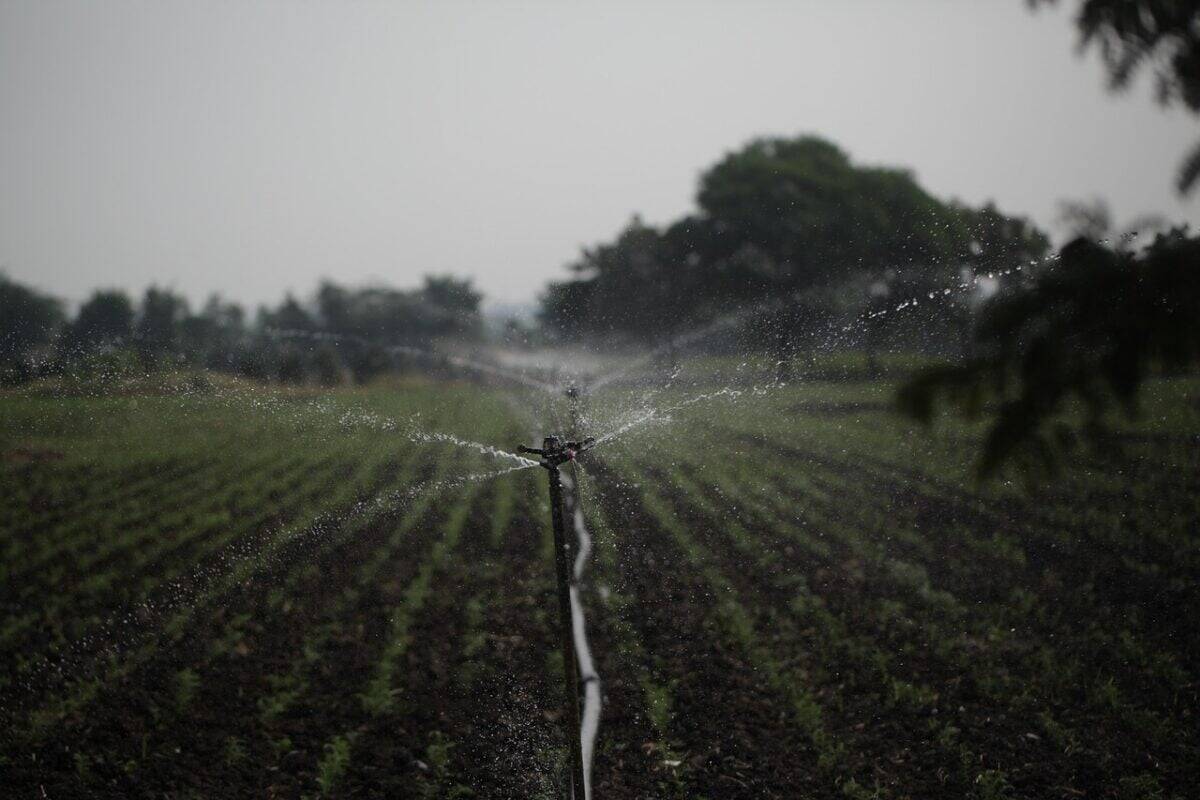
Tea processing requires substantial water resources, and traditional methods often lead to watershed degradation affecting wetland wildlife. Sustainable tea operations implement water conservation techniques including rainwater harvesting, drip irrigation, and water recycling systems. These approaches maintain natural flow regimes in streams and rivers, protecting fish spawning grounds and amphibian breeding habitat. In Sri Lanka’s central highlands, tea estates implementing water conservation measures have recorded 40% higher amphibian diversity compared to conventional operations. Constructed wetlands for wastewater treatment have become a feature of many sustainable tea farms, creating additional habitat for waterfowl, wading birds, and aquatic invertebrates. One certified sustainable tea estate in Assam documented 37 bird species utilizing its constructed wetlands, including vulnerable species like the black-necked stork. By maintaining natural hydrological cycles, sustainable tea farming preserves seasonal wetlands that serve as critical breeding habitat for frogs, toads, and numerous invertebrate species.
Forest Conservation and Restoration Initiatives

Progressive tea companies are implementing forest conservation and restoration programs within and around their production areas. These initiatives preserve critical wildlife habitat while securing ecosystem services essential for tea cultivation. The Rainforest Alliance certification program requires tea farms to maintain at least 30% of their land as natural ecosystem reserves. In Rwanda’s tea-growing regions adjacent to Nyungwe National Park, a UNESCO World Heritage site, cooperative efforts between tea companies and conservation organizations have resulted in the protection of 6,400 hectares of buffer forest. These protected areas support endangered species including chimpanzees, golden monkeys, and numerous endemic plants. Reforestation efforts using native tree species create wildlife corridors connecting isolated forest fragments. Research tracking wildlife movement through these corridors in Sri Lanka documented use by 26 mammal species, including the endangered fishing cat and purple-faced langur.
Monitoring and Research Partnerships
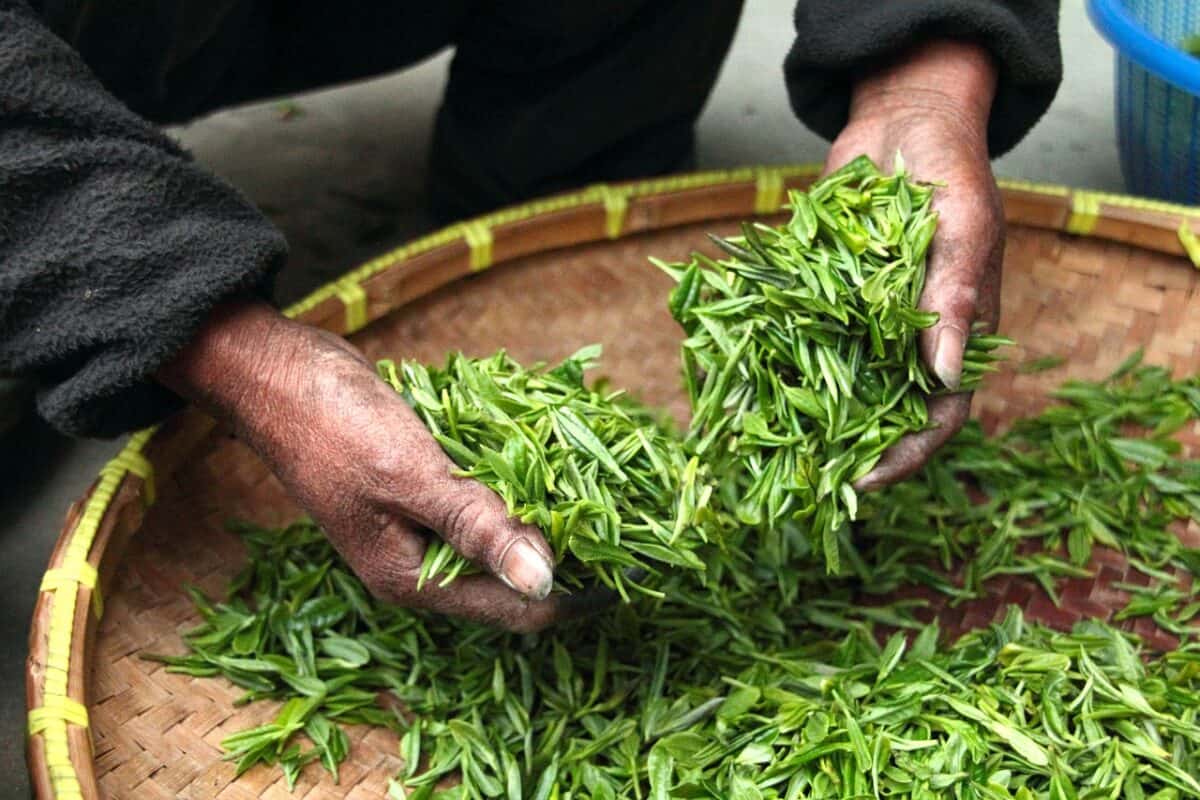
Sustainable tea operations increasingly partner with scientific institutions to monitor wildlife populations and evaluate the effectiveness of conservation measures. These research partnerships generate valuable data on biodiversity while informing adaptive management practices. In India’s Assam region, collaboration between tea estates and the Wildlife Trust of India has established a monitoring program tracking 47 mammal species across tea landscapes, including the endangered Asian elephant and Bengal tiger. Camera trap networks operated jointly by tea companies and conservation organizations provide insights into wildlife movement patterns, habitat use, and population trends. In Kenya’s tea-growing highlands, a collaborative research program involving tea farmers has documented 327 bird species, contributing important data to national conservation planning. These monitoring efforts help tea producers adjust their management practices to better accommodate wildlife needs, such as timing pruning activities to avoid bird nesting seasons or establishing additional wildlife corridors where movement bottlenecks are identified.
Human-Wildlife Conflict Mitigation
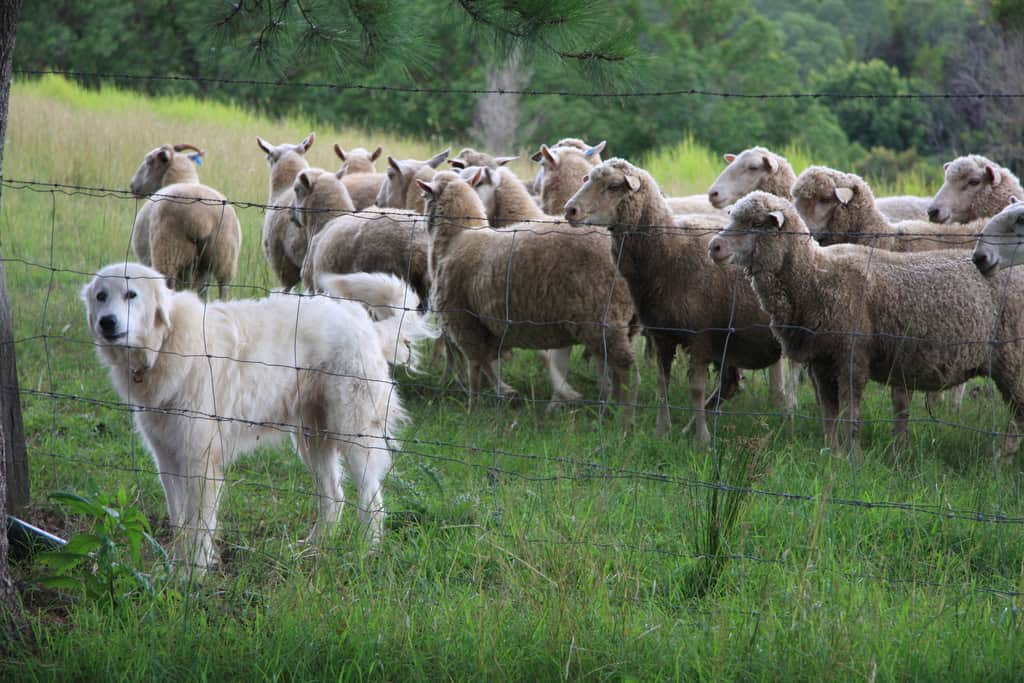
Where tea cultivation occurs near protected areas or critical wildlife habitat, human-wildlife conflicts can threaten both wildlife and farmer livelihoods. Sustainable tea operations implement proactive measures to mitigate these conflicts while protecting wildlife. In India’s Nilgiri Hills, tea estates have installed solar-powered electric fencing that deters elephants without harming them, reducing crop damage by 87% while preventing retaliatory killing of these endangered animals. Community-based early warning systems alert farmers to the presence of wildlife, allowing preventative measures to be taken. In Sri Lanka, sustainable tea cooperatives employ dedicated “wildlife watchers” who monitor animal movement and guide wildlife safely through agricultural areas. Education programs for workers and local communities build tolerance and appreciation for wildlife, transforming potential adversaries into conservation advocates. Research in Kenya’s tea landscapes found that estates implementing conflict mitigation strategies experienced 63% fewer incidents of wildlife poaching compared to those without such programs.
Certification Standards and Wildlife Protection

Third-party certification systems like Rainforest Alliance, UTZ, and organic standards incorporate specific wildlife conservation requirements that tea farms must meet. These standards create market incentives for biodiversity protection while providing consumers with assurance that their tea purchases support wildlife-friendly practices. The Rainforest Alliance certification, for example, requires farms to maintain wildlife inventories, protect threatened species, and prohibits hunting of all wildlife. Research comparing certified and non-certified tea estates in India found that Rainforest Alliance certified farms supported 38% higher bird diversity and maintained twice the area of natural habitat compared to conventional farms. The UTZ certification mandates riparian buffer zones and restricts agricultural activities in designated conservation areas within tea landscapes. Organic certification prohibits synthetic inputs that harm wildlife and requires practices that build healthy ecological relationships. These standards are regularly updated based on scientific findings, with the most recent Rainforest Alliance standard revision strengthening requirements for wildlife corridors and habitat connectivity.
Indigenous Knowledge and Wildlife Conservation
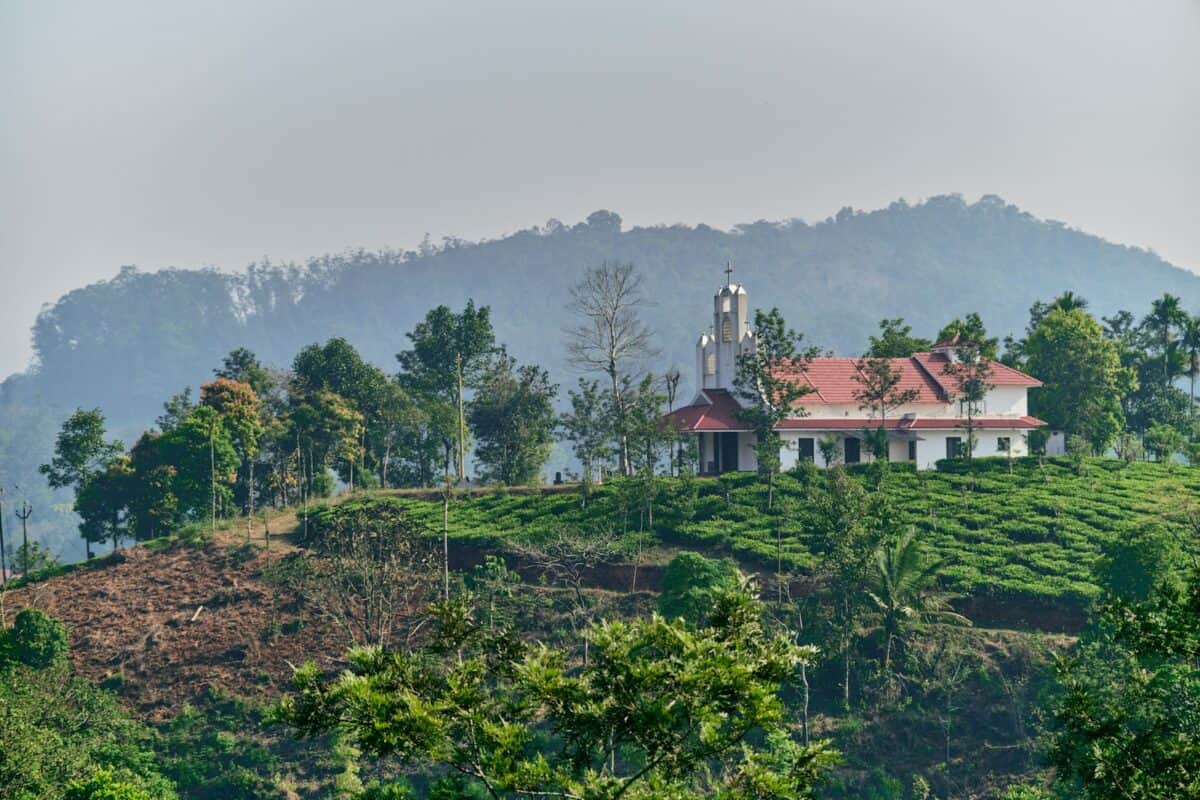
Indigenous and traditional farming communities often possess sophisticated ecological knowledge that can inform wildlife conservation in tea landscapes. Sustainable tea operations increasingly recognize and incorporate this knowledge into their management practices. In China’s Yunnan province, traditional Jinuo and Akha tea cultivation systems maintain sacred forests as integral components of tea landscapes, protecting habitat for numerous wildlife species including the endangered black-crested gibbon. These indigenous agroforestry systems have evolved over centuries to balance production with conservation, often incorporating diverse native tree species selected for their ecological functions. In India’s Nilgiri Biosphere Reserve, the traditional ecological knowledge of the Toda and Kota communities informs wildlife-friendly tea cultivation practices, including seasonal timing of activities to avoid disrupting wildlife breeding periods. Integration of traditional knowledge with scientific approaches creates more effective and culturally appropriate conservation strategies. Studies of indigenous tea gardens in Vietnam found these systems support 72% more butterfly species than conventional plantations, demonstrating their biodiversity value.
Climate Resilience and Wildlife Adaptation

Climate change presents significant challenges for both tea cultivation and wildlife conservation. Sustainable farming practices increase ecosystem resilience, helping both agricultural systems and wildlife adapt to changing conditions. Agroforestry tea systems with diverse shade trees are 2-4°C cooler than monoculture plantations, creating climate refugia for heat-sensitive wildlife species. These microclimates will become increasingly important as regional temperatures rise. Carbon sequestration in soils and biomass of sustainable tea landscapes contributes to climate change mitigation while improving habitat quality. Research in Kenya’s tea zones found that agroforestry systems store 64% more carbon than monoculture plantations. Water conservation measures in sustainable tea operations help maintain water availability for wildlife during increasingly frequent drought periods. By protecting forest fragments, sustainable tea farming preserves potential climate migration corridors that allow wildlife to shift their ranges in response to changing conditions. Monitoring programs in Sri Lanka’s tea landscapes have documented upslope range shifts in 17 bird species over the past decade, highlighting the importance of altitudinal corridors through agricultural areas.
Sustainable farming practices in tea regions represent a critical opportunity to reconcile agricultural production with wildlife conservation in some of the world’s most biodiverse landscapes. The examples highlighted throughout this article demonstrate that tea cultivation and wildlife protection can be complementary rather than competing goals. By implementing agroforestry systems, organic practices, habitat protection, and wildlife-friendly management, tea farmers are creating landscapes that support both productive agriculture and thriving ecosystems. These approaches not only benefit wildlife but also enhance the resilience and sustainability of tea production itself. As consumers increasingly seek products aligned with their environmental values, wildlife-friendly tea cultivation offers a market advantage while contributing to global conservation goals. The path forward requires continued innovation, research partnerships, and policy support to scale up these practices across the world’s tea landscapes, ensuring that our morning cup contributes to rather than compromises the extraordinary biodiversity of tea-growing regions.

- How Crickets Chirp Using Their Wings - July 20, 2026
- The Largest Sea Turtle Ever Rescued Off North Carolina - July 20, 2026
- The Ocean’s Escape Artist: Why Octopuses Outsmart Us All - July 20, 2026