


The elusive red panda, with its russet fur and endearing features, holds profound cultural significance across the Eastern Himalayas, particularly in Nepal and China where most wild populations remain. Beyond their undeniable charm that has captured global attention, these endangered mammals have been woven into the cultural fabric of local communities for centuries, appearing in folklore, religious practices, and serving as powerful conservation symbols. As habitat loss threatens their existence, understanding the deep cultural connections between red pandas and the people who share their mountainous homes becomes increasingly vital for conservation efforts. This exploration reveals how these remarkable creatures transcend their biological importance to embody spiritual beliefs, national identity, and the complex relationship between humans and wildlife in two nations where they hold special significance.
The Mythological Red Panda in Himalayan Folklore

In the misty mountains of Nepal and southwestern China, red pandas have featured prominently in local folklore for generations. Among some ethnic communities in Nepal’s eastern regions, particularly the Kirat and Limbu peoples, traditional stories portray the red panda as a mediator between the natural and spiritual worlds. These tales often describe how a red panda guided lost travelers through foggy mountain passes or warned villages of impending natural disasters, earning them reverence as forest guardians with supernatural awareness.
Chinese folklore, especially among communities in Yunnan and Sichuan provinces, contains similar mythological references. In some local traditions, spotting a red panda was considered an auspicious sign, representing good fortune and prosperity. These cultural narratives reflect the mysterious nature of the animal itself—seldom seen, moving silently through forests, and displaying remarkable adaptations to life in the challenging mountain environment. The mythological status of red pandas helped establish their cultural importance long before their scientific discovery by Western researchers in the 19th century.
Red Pandas in Buddhist Symbolism and Practice
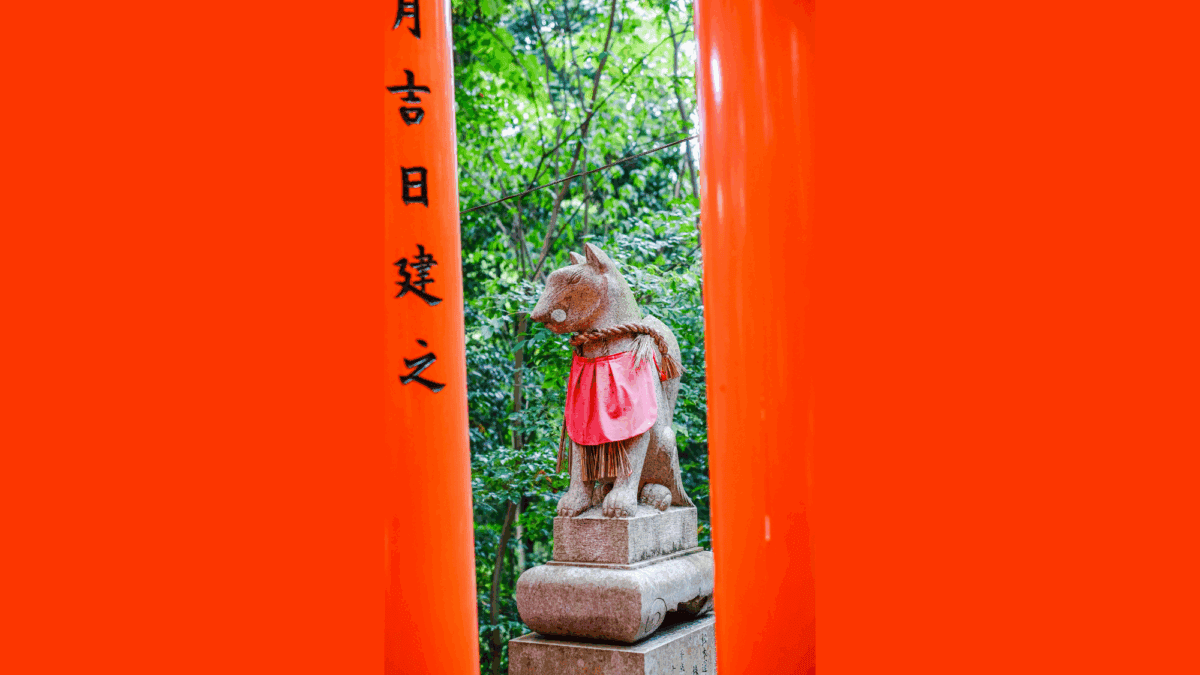
The connections between red pandas and Buddhist traditions run deep in both Nepal and China, where Buddhism has shaped cultural perspectives on wildlife for centuries. In certain Buddhist monasteries across the Himalayan region, red pandas symbolize harmony with nature and peaceful existence. Their predominantly vegetarian diet (though they occasionally consume small animals) aligns with Buddhist principles of non-violence. Some Buddhist texts and artwork from these regions include stylized representations of red pandas as forest spirits or companions to enlightened beings.
In remote monasteries near red panda habitats, monks have historically served as unofficial guardians of these animals, discouraging hunting and promoting respect for all forest creatures. Buddhist philosophy emphasizes interconnectedness between all living beings, and in areas where red pandas dwell, this has translated into protective cultural attitudes. The gentle, non-aggressive nature of red pandas further strengthens their symbolic association with Buddhist ideals of tranquility and mindfulness. This religious dimension adds significant weight to conservation messaging in Buddhist communities throughout Nepal and China.
Naming and Classification: Cultural Identity in Taxonomy

The very name “red panda” reflects the cultural contexts from which scientific understanding of these animals emerged. The Nepali name “nigalya ponya” means “bamboo eater,” highlighting their distinctive dietary preference that local communities observed long before scientific classification. In China, they are called “xiao xiong mao” (小熊猫), meaning “little bear cat,” a name that captures their unique appearance combining features reminiscent of bears, cats, and raccoons. These indigenous names demonstrate how local knowledge preceded scientific taxonomy.
When French zoologist Frédéric Cuvier formally described the species in 1825, he named it Ailurus fulgens, meaning “shining cat.” This scientific classification was influenced by both European taxonomic traditions and translations of local names. The ongoing scientific debate about whether red pandas should be classified in their own family (Ailuridae) rather than with raccoons or bears reflects the animal’s distinctive evolutionary path—something local cultures had recognized through their naming practices. This intersection of indigenous knowledge and scientific classification shows how cultural understanding has shaped our identification of this unique species.
Red Pandas as National Symbols in Nepal

In Nepal, the red panda has emerged as an important national symbol, representing the country’s unique biodiversity and conservation priorities. The Nepali government has featured the red panda on postage stamps, currency, and official tourism materials, establishing it as an ambassador species for Nepal’s natural heritage. In 2019, Nepal even declared the red panda its official “national animal ambassador” for promoting ecotourism, highlighting its growing significance in national identity.
This national symbolism extends beyond government recognition into popular culture. Nepali conservation organizations, schools, and businesses frequently use red panda imagery in their logos and educational materials. The animal has become a rallying point for national pride in Nepal’s biodiversity, especially as conservation awareness has grown. Rural communities in eastern Nepal increasingly recognize the economic potential of red panda conservation through ecotourism initiatives, further cementing the species’ importance to national identity and sustainable development goals. This elevation to national symbol status has helped transform cultural appreciation into concrete conservation support.
The Cultural Economics of Red Panda Conservation

In both Nepal and China, red pandas have become important economic assets through conservation-based initiatives that build on their cultural significance. Community-based conservation programs in Nepal’s eastern districts, such as Panchthar-Ilam-Taplejung (PIT) Red Panda Protected Forest, have created economic opportunities through red panda ecotourism. Local guides, homestay operators, and handicraft producers now generate income by hosting visitors hoping to glimpse these elusive creatures, creating financial incentives that reinforce cultural values of protection.
Similarly, China has developed tourism infrastructure around red panda conservation centers in Sichuan province, most notably at the Chengdu Research Base of Giant Panda Breeding, which also houses red pandas. These centers attract millions of visitors annually, generating revenue that supports conservation efforts while educating the public. The economic dimension of red panda conservation demonstrates how cultural values can translate into practical benefits for local communities. By monetizing conservation through responsible tourism rather than exploitation, both countries have created models where cultural significance supports economic development and vice versa.
Traditional Ecological Knowledge and Red Panda Conservation

Indigenous communities in Nepal and China have accumulated sophisticated knowledge about red pandas over generations of coexistence. In Nepal’s eastern mountains, the Sherpa, Limbu, and Rai communities possess detailed understanding of red panda behavior, habitat requirements, and population fluctuations. This traditional ecological knowledge includes awareness of seasonal bamboo flowering cycles (critical for red panda nutrition), recognition of preferred denning sites, and understanding of threats like predators and disease. Conservation organizations increasingly recognize the value of this knowledge and incorporate it into scientific monitoring programs.
Chinese communities in Yunnan and Sichuan provinces similarly maintain traditional knowledge systems regarding red pandas. Local forestry practices in these regions often included customary protections for red panda habitat, such as designating certain bamboo forests as community reserves or restricting harvesting during breeding seasons. Modern conservation efforts in both countries now aim to document and integrate this traditional knowledge with scientific approaches, recognizing that effective protection requires both cultural and technical solutions. This integration represents a significant shift toward respecting indigenous knowledge systems alongside Western scientific methods.
Artistic Representations in Traditional and Contemporary Culture

Red pandas have inspired artistic expression in Nepal and China for centuries, appearing in traditional paintings, textiles, and carvings. In Nepal’s eastern regions, traditional thangka paintings occasionally feature red pandas alongside more common religious imagery, while decorative woodcarvings and textile patterns incorporate stylized red panda motifs. These artistic traditions reflect the animal’s status as a creature worthy of cultural commemoration and aesthetic appreciation. Chinese artistic traditions, particularly in regions overlapping with red panda habitat, similarly include representations in scroll paintings and local crafts.
Contemporary artists in both countries continue this tradition while bringing red pandas into modern media. Nepali animation studios have created children’s programs featuring red panda characters that teach conservation lessons, while Chinese wildlife photographers and painters produce acclaimed works centered on these animals. Social media has amplified these artistic representations globally, with red panda imagery from Nepal and China reaching international audiences and increasing awareness of their cultural significance. This artistic dimension helps translate traditional cultural values into forms accessible to younger generations and global audiences, ensuring the cultural legacy continues evolving rather than becoming static.
Language and Terminology: Linguistic Cultural Markers

The language surrounding red pandas in local dialects reveals deep cultural connections and ecological understanding. In Nepal’s eastern regions, indigenous languages contain specific terminology not just for the animals themselves but for their behaviors, habitat requirements, and life stages. The Limbu language, for example, includes distinct terms for red panda feeding grounds, sleeping trees, and seasonal movements—demonstrating detailed observation accumulated over generations. These linguistic markers reveal how deeply the species has been integrated into local knowledge systems.
Similarly, in China’s southwestern mountain regions, local dialects contain specialized vocabulary relating to red pandas. Communities in parts of Yunnan province use specific terms to distinguish between male and female red pandas, juvenile and adult specimens, and even particular color variations. These linguistic distinctions show how cultural attention to these animals has generated specialized knowledge encoded in language itself. Linguists and conservationists now work to document these terms as valuable cultural heritage and as sources of ecological information that might otherwise be lost as younger generations adopt majority languages and move to urban areas.
Red Pandas in Traditional Medicine Practices

The relationship between red pandas and traditional medicine presents a complex aspect of their cultural significance. Historically, some traditional medicine systems in both Nepal and China included red panda parts, particularly fur and bones. In certain remote areas, red panda fur was believed to ward off evil spirits when worn as clothing, while other body parts were prescribed for various ailments. These practices contributed to population declines and now conflict with conservation efforts, creating tension between traditional beliefs and modern conservation science.
Contemporary approaches to this issue involve education and providing sustainable alternatives. In both countries, conservation organizations work with traditional medicine practitioners to eliminate red panda components from their pharmacopeia, substituting other ingredients with similar properties. These efforts respect cultural heritage while adapting practices to modern conservation realities. The declining use of red panda parts in traditional medicine represents a cultural shift driven by increased awareness of their endangered status and legal protections. This evolution demonstrates how cultural practices can adapt when presented with new information about sustainability and species preservation.
Cultural Festivals and Celebrations Featuring Red Pandas
Several communities in Nepal and China have developed festivals and public celebrations focused on red pandas, using cultural events to raise awareness and support conservation. In Nepal’s Ilam and Panchthar districts, annual Red Panda Festivals bring together local communities, conservation organizations, and tourists for events that include traditional performances, educational exhibits, and guided forest walks. These festivals celebrate both the species itself and the cultural heritage of communities that have lived alongside red pandas for generations, creating pride in this shared heritage.
In China, particularly in protected areas of Sichuan province, similar conservation-focused festivals have emerged. These events often coincide with traditional lunar calendar celebrations, incorporating red panda conservation themes into existing cultural practices. Public education campaigns in schools throughout red panda range areas also organize regular events around conservation themes, using cultural connections to inspire younger generations. By embedding conservation messaging within culturally meaningful celebrations, these events make environmental protection feel like a natural extension of cultural heritage rather than an externally imposed concept, increasing community buy-in for conservation initiatives.
Modern Cultural Ambassadors: Red Pandas in Global Media

Red pandas from Nepal and China have become global cultural ambassadors through their representation in international media. Western films like DreamWorks Animation’s “Kung Fu Panda” franchise featured a red panda character (Master Shifu) that introduced millions of viewers worldwide to these animals, albeit in a stylized form. The Mozilla Firefox browser logo, inspired by red pandas, has become one of the most recognized symbols globally. These international representations, while not always scientifically accurate, have dramatically raised awareness of red pandas and created emotional connections with audiences far from their native habitats.
This global visibility has benefited conservation efforts in Nepal and China, bringing international attention and funding to protection initiatives. Viral videos of red pandas from zoos and conservation centers regularly attract millions of views online, creating opportunities to educate viewers about the species’ status in the wild. Conservation organizations in both countries have strategically leveraged this international cultural appeal to build support for their work. This global dimension of red panda cultural significance demonstrates how local cultural values can be amplified through modern media to create worldwide conservation constituencies, ultimately benefiting protection efforts in their native ranges.
The Future of Red Pandas in Cultural Heritage Preservation

As both Nepal and China face rapid modernization and cultural change, the future significance of red pandas lies at the intersection of conservation and cultural heritage preservation. Conservation organizations increasingly recognize that protecting red pandas requires not just preserving their physical habitat but also maintaining the cultural knowledge, practices, and values that have historically supported their existence. Initiatives that document traditional ecological knowledge, support cultural festivals, and integrate local communities into conservation decision-making represent this holistic approach. This recognition that biological and cultural diversity are interconnected offers the most promising path forward for red panda conservation.
The continued cultural significance of red pandas will depend on successful adaptation to contemporary challenges while honoring traditional connections. Education programs that teach younger generations about both scientific conservation principles and cultural heritage related to red pandas are essential to this process. As Nepal and China continue developing national identities that balance modernization with cultural preservation, red pandas represent powerful symbols of this balance—creatures that require both traditional wisdom and modern science for their survival. Their future as cultural icons remains closely tied to broader questions of how traditional ecological knowledge can be valued and maintained in rapidly changing societies.

- How Crickets Chirp Using Their Wings - July 20, 2026
- The Largest Sea Turtle Ever Rescued Off North Carolina - July 20, 2026
- The Ocean’s Escape Artist: Why Octopuses Outsmart Us All - July 20, 2026