
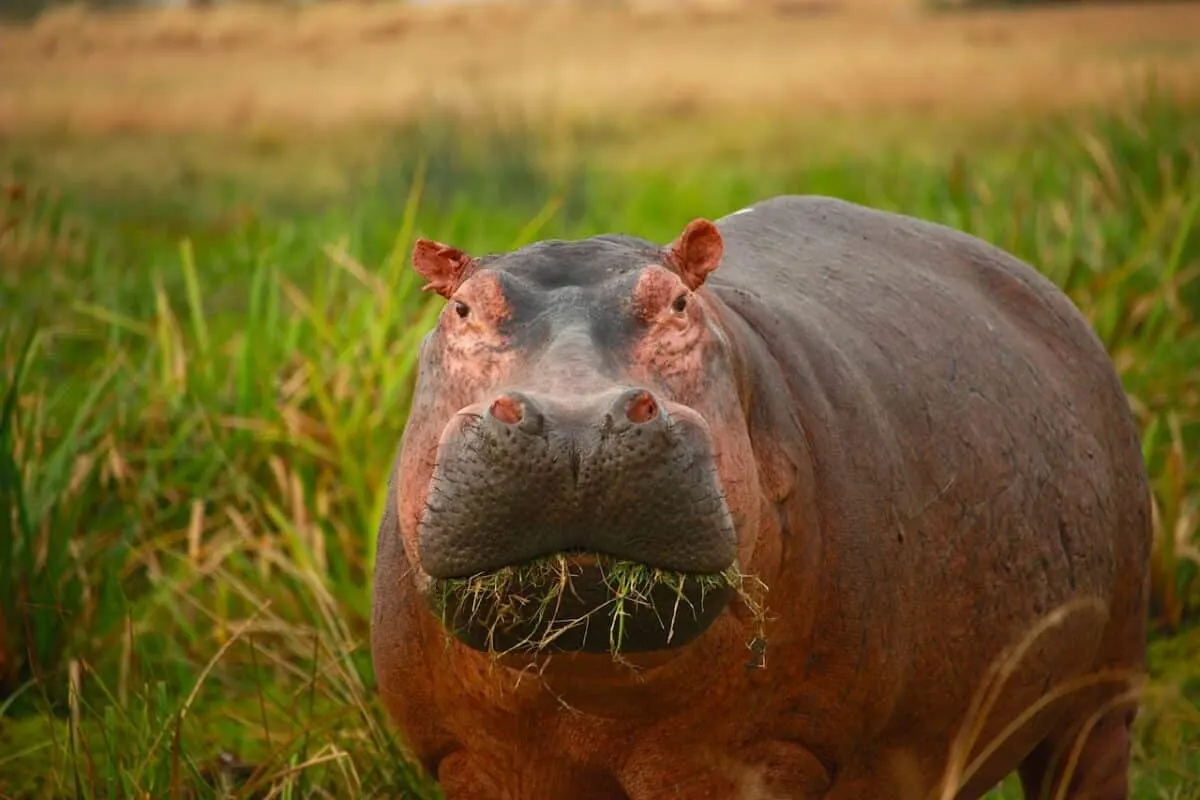
The hippopotamus, with its deceptively calm appearance and seemingly lazy demeanor, ranks among Africa’s most dangerous animals. Despite their rotund, almost comical appearance, hippos are responsible for an estimated 500 human deaths annually in Africa—more than lions, elephants, leopards, buffaloes, and rhinos combined. One particularly perilous situation is encountering a sleeping hippo. These massive semi-aquatic mammals, which can weigh up to 4,000 pounds, may appear peaceful when resting, but disturbing their slumber can trigger instantaneous aggression with potentially fatal consequences. This article explores the multifaceted reasons why approaching a sleeping hippopotamus is one of the most dangerous decisions a person could make in the wild.
The Deceptive Nature of Hippo Sleep

Hippos have evolved a unique sleep pattern that allows them to remain semi-alert even during rest periods. Unlike many mammals, hippopotamuses don’t enter deep sleep for extended periods. Instead, they cycle through brief moments of sleep, remaining partially aware of their surroundings. This evolutionary adaptation helps them stay vigilant against predators despite their vulnerable position. Research from the University of California has shown that hippos can even sleep underwater, automatically surfacing to breathe without fully waking. This semi-conscious state means that a seemingly peaceful sleeping hippo can transition from dormant to fully alert and aggressive in mere seconds—a critical fact that many unfortunate humans have discovered too late.
Hippos’ Territorial Aggression

Hippopotamuses are among the most territorially aggressive mammals on Earth. Males, in particular, fiercely defend their stretches of river or lake against any perceived intruders. A sleeping hippo that’s suddenly awakened will instinctively perceive the disturbance as a territorial threat. Scientists at the Wildlife Conservation Society have documented that male hippos regularly patrol and mark their aquatic territories, which typically span about 250-500 meters of shoreline. When disturbed from sleep, a hippo doesn’t take time to assess the situation rationally—its immediate response is defensive aggression. This territorial instinct is so powerful that hippos have been known to attack boats, vehicles, and humans that inadvertently enter their domain, especially when roused from rest.
The Speed Factor: Faster Than You Think

One of the most dangerous misconceptions about hippos is that their bulky build indicates slowness. In reality, hippopotamuses can reach speeds of up to 30 kilometers per hour (19 mph) on land—faster than most humans can run. This surprising agility means that the distance between you and a sleeping hippo can disappear alarmingly quickly if you disturb it. Zoologists at the Mpala Research Centre have recorded hippos accelerating from complete rest to full charge in under three seconds. Their short, powerful legs provide explosive acceleration, giving potential victims almost no reaction time. The combination of their weight, speed, and aggression makes a startled hippo one of Africa’s most formidable and unpredictable threats.
Lethal Dental Equipment

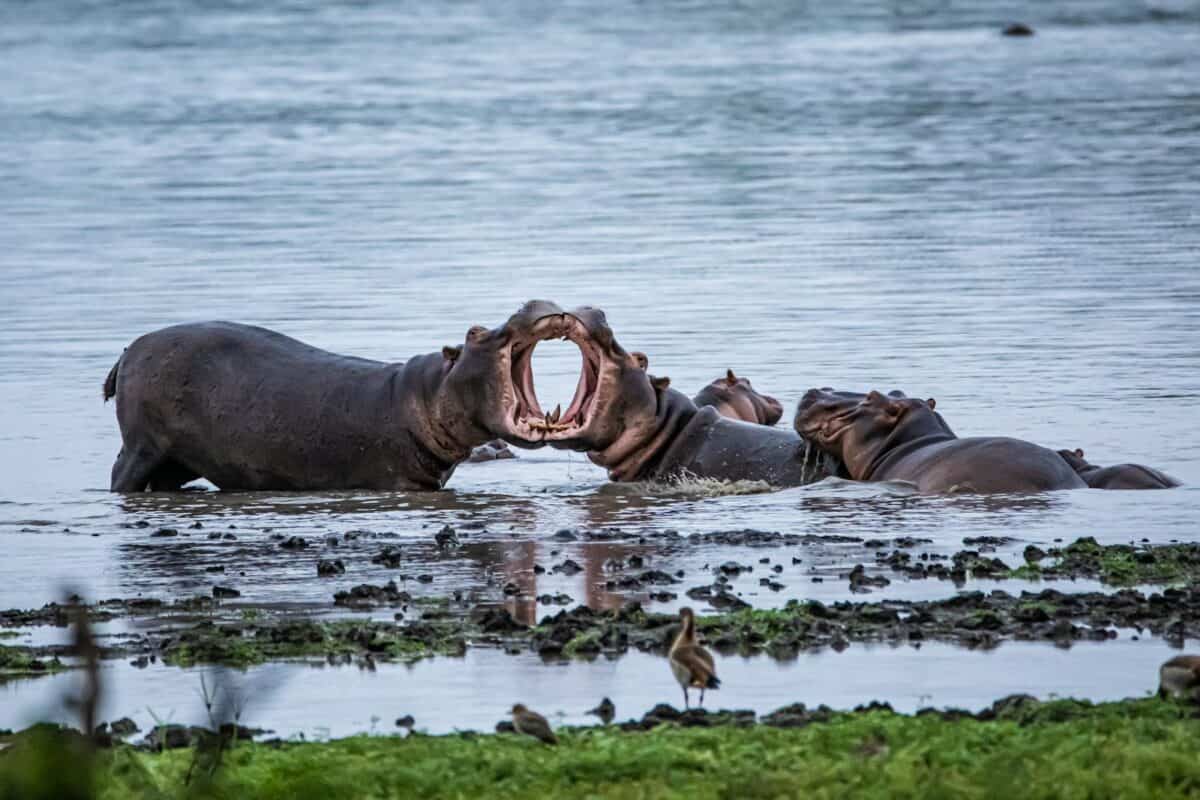
The hippopotamus possesses one of the most formidable natural weapons in the animal kingdom: its massive jaws and teeth. A hippo’s canine teeth can grow up to 50 centimeters (20 inches) long and are self-sharpening, constantly grinding against each other to maintain a razor-sharp edge. Their bite force has been measured at over 1,800 PSI—strong enough to slice a small boat in half or crush a human with minimal effort. A sleeping hippo that’s suddenly startled will often respond by opening its massive jaws in a threat display before potentially attacking. University of Cambridge researchers have found that hippo teeth are specialized for both defense and combat rather than feeding, indicating their evolutionary importance as weapons. These dental adaptations make even a single bite from a disturbed hippo almost certainly fatal.
Maternal Aggression: The Mother Factor

Female hippopotamuses with calves represent perhaps the most dangerous hippo encounter possible. Maternal instincts transform even typically cautious female hippos into hyper-aggressive defenders when they perceive a threat to their young. Researchers from the African Wildlife Foundation have documented that mother hippos remain vigilant even during rest periods, maintaining a state of semi-sleep when calves are nearby. A sleeping mother hippo disturbed near her calf will react with extreme aggression, charging without hesitation or warning. Conservation studies show that nearly 30% of human deaths from hippo attacks involve females protecting young. The powerful maternal instinct overrides any potential caution, making sleeping mother hippos particularly dangerous to approach under any circumstances.
Poor Eyesight but Compensatory Senses
Hippopotamuses have relatively poor eyesight, which might seem like an advantage for anyone foolish enough to approach a sleeping specimen. However, this sensory limitation has led to the evolution of highly developed hearing and smell that remain active even during rest periods. Research published in the Journal of Zoology indicates that hippos can detect sounds and scents from considerable distances, even during sleep cycles. This sensory adaptation means that you’re likely to be detected well before you reach a seemingly sleeping hippo. Their poor vision also contributes to their aggressive nature—when startled awake, hippos tend to react defensively rather than assess the actual threat level, as they cannot quickly visually identify the disturbance. This combination of sensory adaptations makes stealthy approaches virtually impossible and extremely dangerous.
The Unpredictable Sleep-Wake Transition

The transition from sleep to wakefulness in hippopotamuses is neurologically unique and particularly dangerous for potential intruders. Unlike many mammals that gradually awaken, hippos can snap from sleep to full alertness almost instantaneously. Neurobiologists studying large mammal sleep patterns have documented that hippos lack the gradual sleep-wake transition seen in most other large mammals. This adaptation likely evolved as a defensive mechanism against predators but makes hippo behavior highly unpredictable for humans. Research from the Serengeti Research Institute indicates that hippos can react defensively even before appearing fully awake, making it impossible to predict when a sleeping hippo might suddenly charge. This neurological quirk creates a situation where there is no safe way to approach or retreat from a sleeping hippopotamus.
Historical Incidents of Tragic Encounters

The historical record is filled with tragic accounts of people who underestimated the danger of sleeping hippos. In 2014, a Chinese tourist was killed in Kenya when he approached a seemingly docile hippo to photograph it resting near Lake Naivasha. In 2018, a Taiwanese tourist suffered a similar fate in Kenya when she ventured too close to a hippo that appeared to be sleeping on the shoreline. Local records from communities around Lake Victoria document numerous fatalities involving fishermen who accidentally disturbed resting hippos while setting or retrieving nets. One particularly notable incident occurred in 2020 when an experienced safari guide in Zimbabwe was fatally injured after inadvertently approaching a sleeping hippo hidden in tall grass. These documented cases represent only a fraction of the estimated hundreds of annual deaths attributed to hippo encounters, many involving people who mistakenly believed a sleeping hippo presented minimal danger.
The Unique Stress Response of Hippos
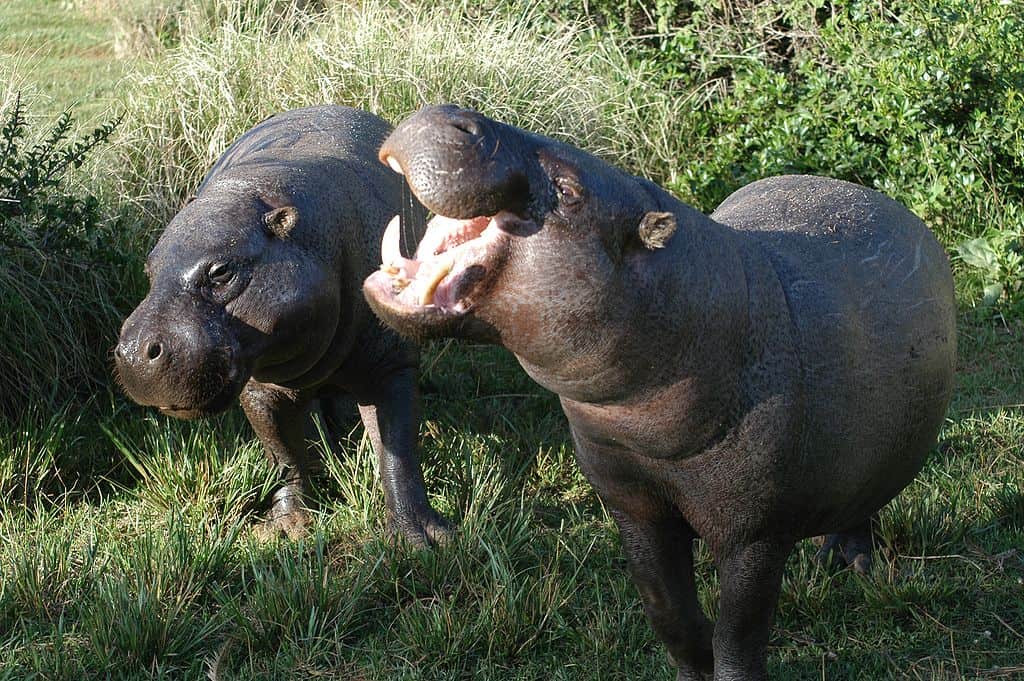
Hippopotamuses have evolved a distinctive stress response system that makes startled awakening particularly dangerous. Research from the University of Pretoria’s Mammal Research Institute indicates that hippos have an accelerated adrenal response that rapidly floods their system with stress hormones when disturbed. This physiological adaptation triggers an immediate fight-or-flight response heavily weighted toward “fight” rather than “flight.” Studies of hippo behavior show that when startled from sleep, nearly 90% of hippos respond aggressively rather than retreating. This stress response evolved to protect hippos from predators but becomes exceptionally dangerous when triggered by human presence. The neurophysiology of hippo aggression means that once this stress response is activated by an awakening hippo, de-escalation is rarely possible.
Land vs. Water Encounters
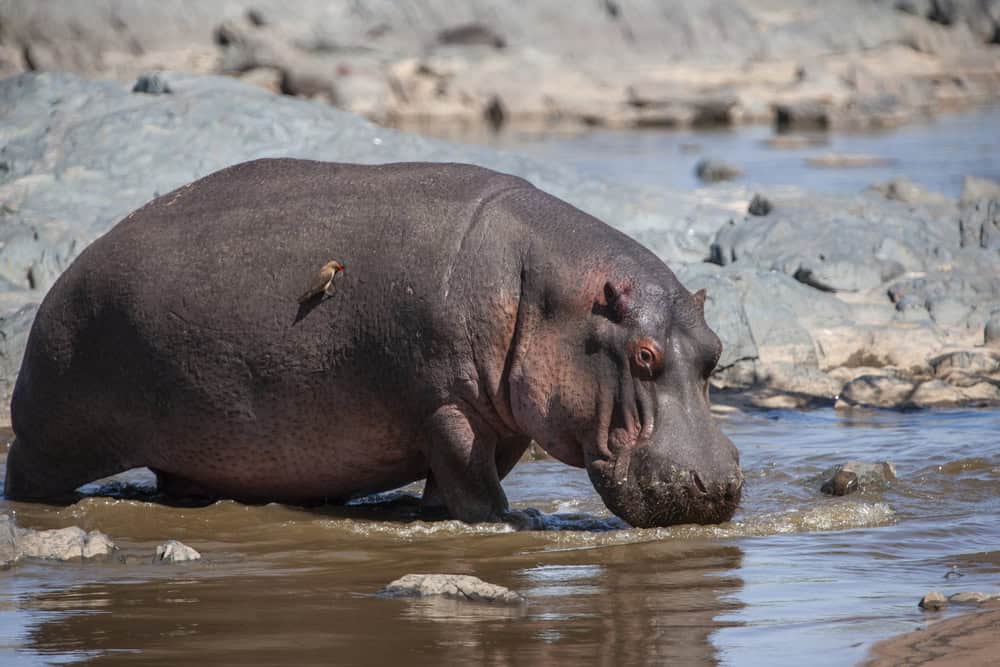
The location of a sleeping hippo dramatically influences the danger level of an encounter. Hippos typically spend their days resting in water bodies and emerge at night to graze on land. A sleeping hippo encountered on land is particularly dangerous because it feels more vulnerable outside its aquatic environment. Research from Zimbabwe’s Wildlife Conservation Research Unit shows that land-based hippo encounters result in charges approximately 75% of the time, compared to 50% for water-based encounters. Additionally, a hippo startled awake on land will often attempt to reach water, charging through anything—or anyone—in its path. Their path to safety becomes a deadly corridor as the hippo’s instinct drives it toward water with single-minded determination. This makes terrestrial encounters with sleeping hippos especially dangerous, though approaches in any environment remain extremely risky.
Hippos’ Social Structure and Aggression
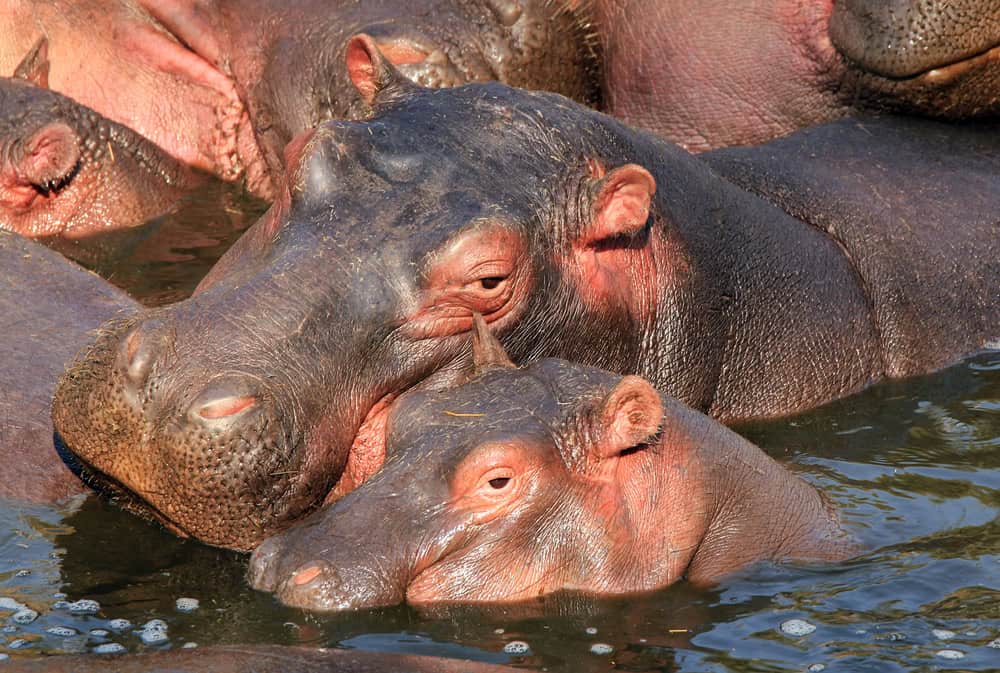
The social structure of hippo pods adds another layer of danger to approaching sleeping individuals. Hippopotamuses typically live in groups called pods, containing anywhere from 10 to 30 individuals. Within these pods, there’s a complex social hierarchy maintained through regular displays of dominance and aggression. Zoological research from the University of Minnesota has shown that when one hippo in a pod is startled or threatened, others often respond with synchronous aggressive behavior in a phenomenon known as “contagious aggression.” This means that disturbing a single sleeping hippo can potentially trigger an attack from multiple individuals simultaneously. The social amplification of threat responses makes approaching even isolated-looking sleeping hippos extremely dangerous, as unseen pod members may be resting nearby and ready to join a defensive charge.
Safe Observation Practices

For those who wish to observe hippos safely, wildlife authorities and safari operators have established strict guidelines. Professional safari guides emphasize maintaining a minimum distance of 200 meters from hippos in any state, sleeping or active. Observation should always occur from vehicles rather than on foot, providing both a quick escape route and some physical protection. Reputable tour operators in hippo habitats use powerful binoculars and telephoto lenses to provide close views without physical proximity. The Kenya Wildlife Service recommends that boat tours maintain at least 50 meters distance from hippo pods in water, approaching no closer even when the animals appear to be sleeping. Wildlife photography experts advise using long telephoto lenses (400mm or longer) to capture images of hippos rather than attempting close approaches. These professional guidelines have been developed through decades of observation and, tragically, learning from fatal incidents.
Conclusion: Respect from a Distance

The sleeping hippopotamus represents one of nature’s most dangerous deceptions—a seemingly peaceful giant that can transform into a lethal force in seconds when disturbed. The unique combination of size, speed, territorial instinct, and specialized aggression makes approaching a sleeping hippo an extraordinarily high-risk action with potentially fatal consequences. Scientific research consistently demonstrates that there is simply no safe way to approach these animals, regardless of how peaceful they may appear. For wildlife enthusiasts, the message is clear: appreciate these remarkable creatures from a safe, respectful distance, using optical equipment rather than physical proximity to observe their behaviors. The humble hippopotamus deserves our admiration and respect—but that respect must be demonstrated through caution and distance if we wish to safely coexist with one of Africa’s most formidable mammals.

- Why You Should Never Approach a Sleeping Hippo - July 21, 2026
- The Truth About Hyena Intelligence and Social Power - July 21, 2026
- The Glasswing Butterfly: Nature’s Invisible Beauty - July 21, 2026
Leave a comment
You must be logged in to post a comment.