


The iconic black and white birds of the Southern Hemisphere are making headlines for an unusual reason: some penguin species are expanding their ranges northward. While penguins have traditionally been associated with Antarctica and the southern regions of our planet, changing environmental conditions are driving certain species to establish colonies in more northerly territories. This shift isn’t just a curious animal behavior story—it represents a tangible indicator of our changing planet and carries significant implications for Arctic ecosystems that have never before encountered these charismatic birds. As these tuxedoed wanderers venture into new territories, scientists are closely monitoring their movements to understand what these migrations reveal about our warming world and what their arrival could mean for the delicate balance of Arctic environments.
Understanding Penguin Distribution: A Traditional Southern Hemisphere Story

Contrary to popular belief, not all penguins live in Antarctica. Of the 18 recognized penguin species, many inhabit temperate and even tropical regions. The Galapagos penguin lives right at the equator, while species like the African penguin, Humboldt penguin, and Magellanic penguin have traditionally made their homes in southern Africa and South America. However, what all penguin species have historically shared is their exclusive presence in the Southern Hemisphere—until recently.
The traditional distribution of penguins has been shaped by the availability of cold, nutrient-rich ocean currents that support the fish, krill, and squid these birds depend upon for survival. This historic pattern is now changing as ocean temperatures and currents shift, creating suitable habitats in previously inhospitable areas.
Climate Change: The Primary Driver of Penguin Range Shifts

The northward movement of penguin populations is directly linked to climate change. As global temperatures rise, ocean temperatures and currents are changing in ways that affect marine ecosystems worldwide. For some penguin species, these changes have made traditional habitats less viable while simultaneously opening new territories further north.
Scientific data shows that the Southern Ocean has warmed at approximately twice the rate of the global average in recent decades. This warming has disrupted the abundance and distribution of the prey species penguins depend on, forcing them to adapt or perish. The resulting range shifts represent a natural response to changing conditions, as penguins follow their food sources to new locations—sometimes hundreds of kilometers from their traditional ranges.
Which Penguin Species Are Moving North?
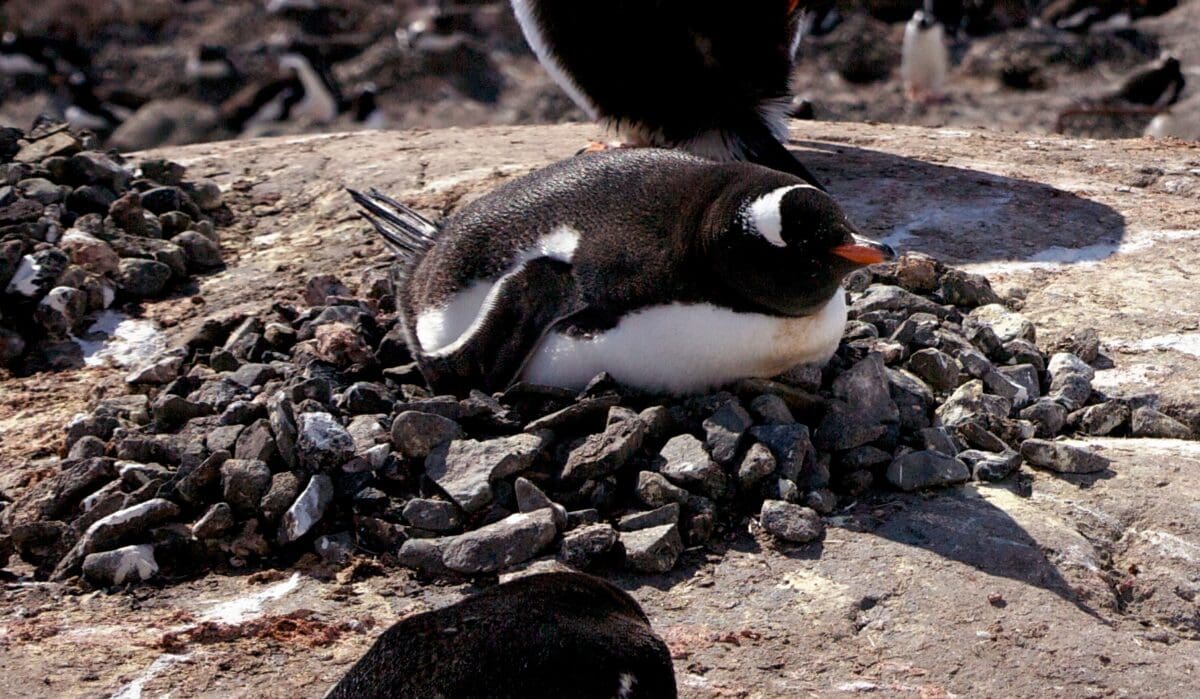
The most notable northward expansion has been observed in Gentoo penguins (Pygoscelis papua), whose range has extended significantly in recent years. Once confined primarily to the Antarctic Peninsula and sub-Antarctic islands, Gentoo colonies have now been established on islands further north. Magellanic penguins (Spheniscus magellanicus) have also shown substantial range changes, with colonies appearing hundreds of kilometers north of their historical distribution along the South American coast.
King penguins (Aptenodytes patagonicus) are similarly expanding their breeding territories northward from sub-Antarctic islands. These species share adaptable characteristics that make them more capable of adjusting to new environments compared to their more specialized Antarctic relatives, such as Emperor and Adélie penguins, which remain more tightly bound to sea ice ecosystems.
The Arctic: A New Frontier for Penguin Species

While no penguin species has yet established permanent colonies in the Arctic Circle, the continued warming of our planet makes this scenario increasingly plausible in the coming decades. The Arctic region shares many characteristics with the sub-Antarctic areas where penguins traditionally thrive: cold waters rich in marine life, coastal breeding grounds, and seasonal patterns that could support penguin breeding cycles.
Computer models projecting ocean warming and ecosystem changes suggest that by mid-century, parts of the Arctic could become suitable habitat for certain penguin species. The irony is striking—as the Arctic’s native species like polar bears face habitat loss due to melting sea ice, these areas may become new opportunities for adaptable Southern Hemisphere species like penguins, creating a planetary reshuffling unprecedented in human history.
Ecological Impacts: What Happens When Penguins Enter Arctic Ecosystems?
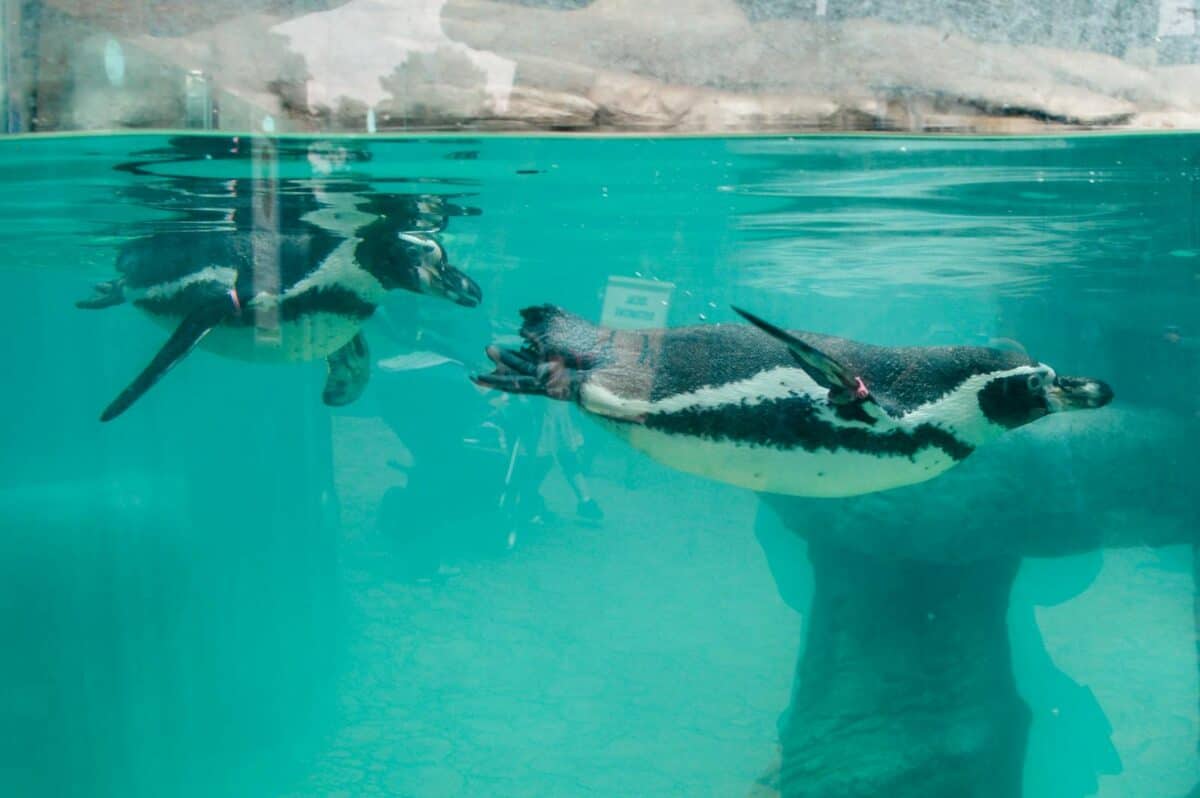
The introduction of penguin species to Arctic ecosystems would represent a significant ecological shift with far-reaching consequences. As highly efficient marine predators, penguins consume substantial amounts of fish, krill, and squid—potentially competing with native Arctic species like auks, puffins, and guillemots that occupy similar ecological niches. This competition could disrupt food webs that have evolved over thousands of years without penguin presence.
Additionally, penguin colonies transform their breeding grounds through guano deposition, which can alter soil chemistry and vegetation patterns. Some scientists express concern that Arctic ecosystems, already stressed by rapid climate change, may struggle to accommodate these new arrivals. Others point out that penguins could potentially fill ecological gaps left by declining native species, though this remains speculative until actual colonization occurs.
The Potential for Competition with Arctic Seabirds

The Arctic is home to numerous seabird species that could find themselves in direct competition with northward-moving penguins. Birds like the thick-billed murre, Atlantic puffin, and black guillemot have evolved to exploit the same marine resources that would attract penguins—primarily schooling fish and marine invertebrates. These Arctic seabirds currently face multiple threats, including climate change, pollution, and commercial fishing pressure.
The addition of efficient predators like penguins could further stress these populations. Research on similar ecological interactions in the Southern Hemisphere shows that when penguin populations increase in an area, they can significantly impact prey availability for other seabirds. The potential competition wouldn’t be limited to food resources—suitable nesting sites could also become contested territory as penguins establish breeding colonies on Arctic shores previously dominated by native species.
Indicators of a Changing Planet: What Penguin Movements Tell Scientists

Scientists view the northward expansion of penguin ranges as a biological indicator of broader climate change impacts. Unlike temperature readings or satellite measurements, which provide abstract data, species distribution changes offer visible, tangible evidence of our warming planet. Researchers are using penguin movements to validate and refine climate models, as these birds effectively “vote with their feet” by relocating to areas that now meet their habitat requirements.
Long-term studies tracking penguin colonies provide valuable datasets that complement other climate research. For example, a 30-year study of Gentoo penguins showed their range expanding southward on the Antarctic Peninsula where warming has been most pronounced, while simultaneously pushing northward at the edges of their traditional range—demonstrating their sensitivity to changing conditions and ability to take advantage of newly suitable habitats.
The Impact on Indigenous Arctic Communities

Any significant ecological change in the Arctic will inevitably affect the indigenous communities that have lived in harmony with these environments for thousands of years. Traditional hunting, fishing, and cultural practices of circumpolar peoples like the Inuit, Yupik, and Sámi are intimately connected to the rhythms and resources of Arctic ecosystems. The potential arrival of penguin colonies represents yet another change to which these communities would need to adapt.
Some indigenous knowledge holders have already reported unusual wildlife sightings as southern species move northward. While penguins could potentially become a new resource or tourism opportunity for these communities, they also represent further disruption to traditional ways of life already challenged by rapid climate change. Indigenous perspectives and knowledge will be essential in monitoring and managing any future penguin colonization of Arctic territories.
Scientific Monitoring: Tracking Penguin Movements in Real Time

Advanced technology is enabling scientists to track penguin movements with unprecedented precision. Satellite tags, DNA analysis, and drone surveys are revealing migration patterns and breeding behaviors that would have been impossible to document just decades ago. International scientific collaborations like the Southern Ocean Observing System (SOOS) and the Scientific Committee on Antarctic Research (SCAR) coordinate efforts to monitor penguin populations across their expanding ranges.
Citizen science initiatives also play a crucial role, with programs like PenguinWatch engaging thousands of volunteers to help analyze camera trap images from remote colonies. These monitoring efforts are essential not only for understanding penguin biology but also for predicting future range expansions and identifying areas that might require conservation management as these charismatic birds colonize new territories.
Conservation Challenges: Protecting Species in Transition

The northward movement of penguin populations presents unique conservation challenges. While range expansion might seem positive for these species, it doesn’t necessarily mean they’re thriving—rather, they’re adapting to survive in a changing world. Many penguin species remain vulnerable or endangered due to multiple threats including fisheries bycatch, oil pollution, and habitat degradation. Conservation strategies must evolve to protect both traditional habitats and newly colonized areas.
This requires international cooperation, as penguin ranges cross national boundaries and potentially enter new jurisdictions. Protected area designations may need updating to accommodate shifting distributions, and fishing regulations might require adjustment to ensure sufficient prey remains available for penguins in their new territories. Conservation organizations like the World Wildlife Fund and BirdLife International are already incorporating range shift projections into their long-term planning for penguin protection.
The Economic Implications of Penguins in the Arctic

The potential arrival of penguin colonies in Arctic regions carries significant economic implications. Tourism represents the most obvious economic opportunity—penguin viewing is already a major driver of ecotourism in the Southern Hemisphere, generating hundreds of millions of dollars annually for countries like Argentina, Chile, and South Africa. Arctic communities could potentially develop similar tourism infrastructure to benefit from penguin watching.
Commercial fisheries would face both challenges and opportunities, as they would need to adapt to the presence of new predators competing for fish stocks but might also gain valuable ecological data from monitoring penguin foraging patterns. Research expeditions and scientific monitoring programs would create jobs and bring funding to remote Arctic regions. However, balancing economic development with conservation needs would require careful planning to ensure that any penguin colonies establishing in the Arctic remain protected from excessive human disturbance.
Future Projections: Will We See Penguin Colonies in the Arctic Circle?
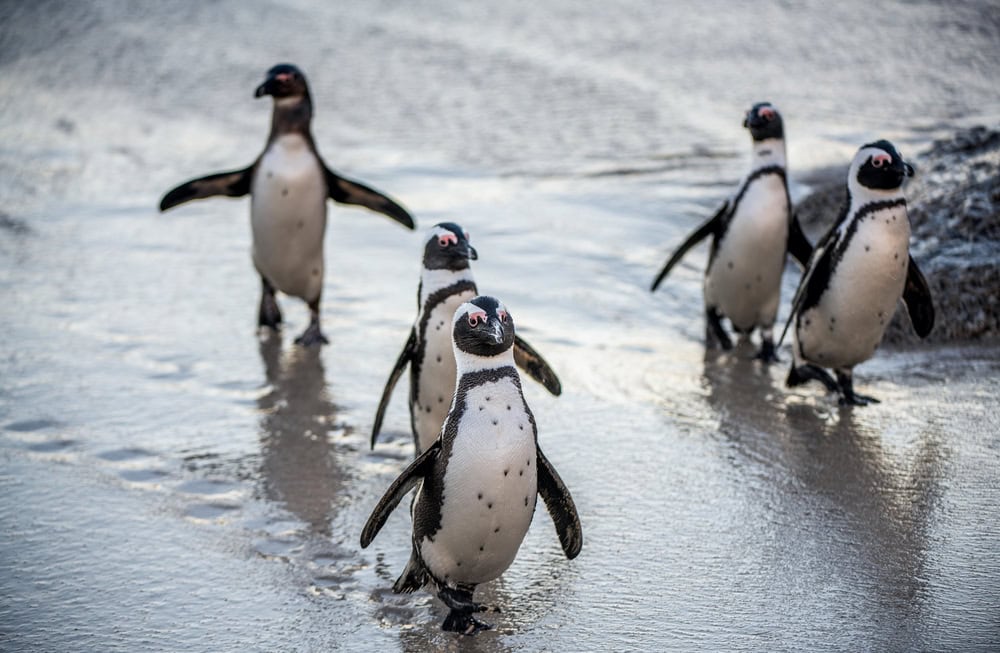
While no permanent penguin colonies have yet been established within the Arctic Circle, climate scientists and marine biologists have developed models projecting potential future scenarios. These models incorporate factors including ocean temperature projections, prey species distribution forecasts, and the known temperature tolerances and adaptability of different penguin species. According to middle-range climate scenarios, parts of the southern Arctic Ocean could become suitable for certain penguin species by the 2060s.
The most likely candidates for Arctic colonization include Gentoo penguins, which demonstrate remarkable adaptability, and Magellanic penguins, which already inhabit relatively diverse climates. However, these projections contain significant uncertainty. Natural barriers like tropical waters still present formidable obstacles for penguins moving between hemispheres, and competition from established Arctic species could prevent successful colonization even if climate conditions become suitable.
Conclusion: A Symbol of Our Changing World
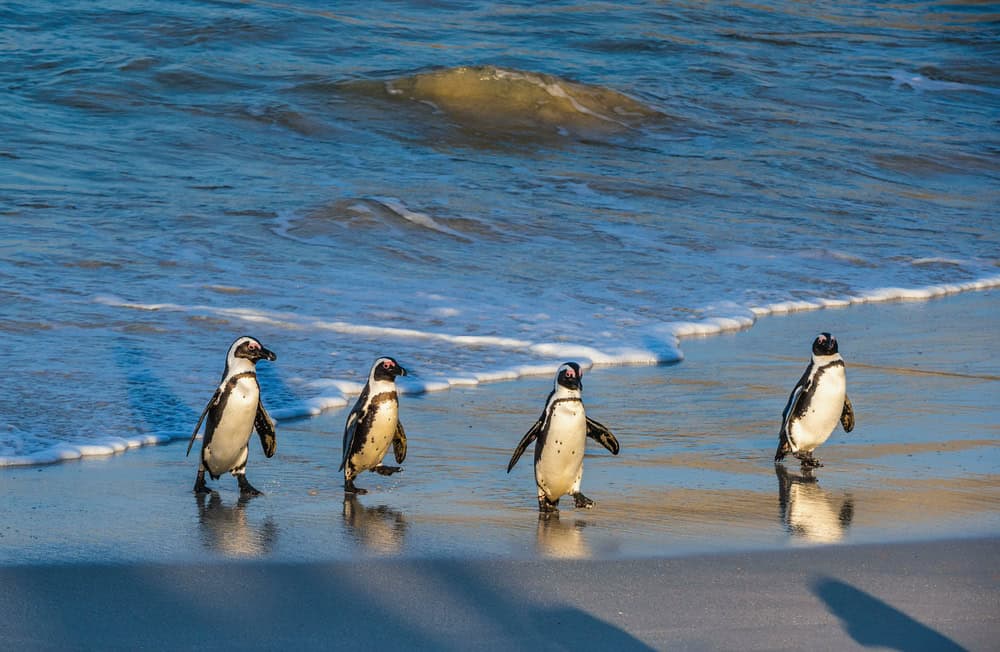
The northward movement of penguin populations represents far more than an interesting zoological curiosity—it stands as a powerful symbol of our rapidly changing planet. As these charismatic birds push the boundaries of their traditional ranges, they offer visible evidence of the environmental shifts that climate scientists have long predicted. The potential future establishment of penguin colonies in Arctic waters would constitute an ecological milestone marking unprecedented planetary change within human history.
While we cannot know with certainty whether Arctic penguins will become reality in our lifetimes, the mere possibility highlights the interconnectedness of our global ecosystems and the far-reaching impacts of human-induced climate change. By monitoring and protecting these adaptable birds as they navigate a changing world, we gain not only valuable scientific insights but also powerful motivation to address the underlying causes of climate change before even more dramatic ecosystem transformations occur.

From exploring the marine wonders in the Azores and witnessing the vast savannas of Kenya, to delving deep into the rich biodiversity of South Africa and traversing iconic landscapes in Australia and the US like Yellowstone, Chris's experiences are vast.
With a penchant for diving alongside sharks, the ocean holds a special place in his heart.
Through his academic insights, he champions wildlife conservation, striving with 'Animals Around The Globe' to cultivate a profound connection between humans and animals, enhancing our mutual appreciation.
Connect with him at Feedback@animalsaroundtheglobe.com.
- Why Spiders Don’t Get Stuck in Their Own Webs - July 20, 2026
- What Scientists Found in a 10,000-Year-Old Beehive - July 20, 2026
- This Spider Builds Fake Decoys of Itself - July 20, 2026