


Birds are integral to urban ecosystems, yet their populations face numerous threats in cities worldwide. From habitat loss to light pollution, urban birds navigate countless challenges daily. While many people notice birds primarily through their morning songs or occasional window visits, these creatures play vital ecological roles that extend far beyond mere aesthetics. The potential extinction of birds from urban environments would trigger a cascade of environmental, ecological, and social consequences that most city dwellers can scarcely imagine. This article explores the multifaceted impacts that would unfold if birds disappeared from our urban landscapes.
The Current State of Urban Birds
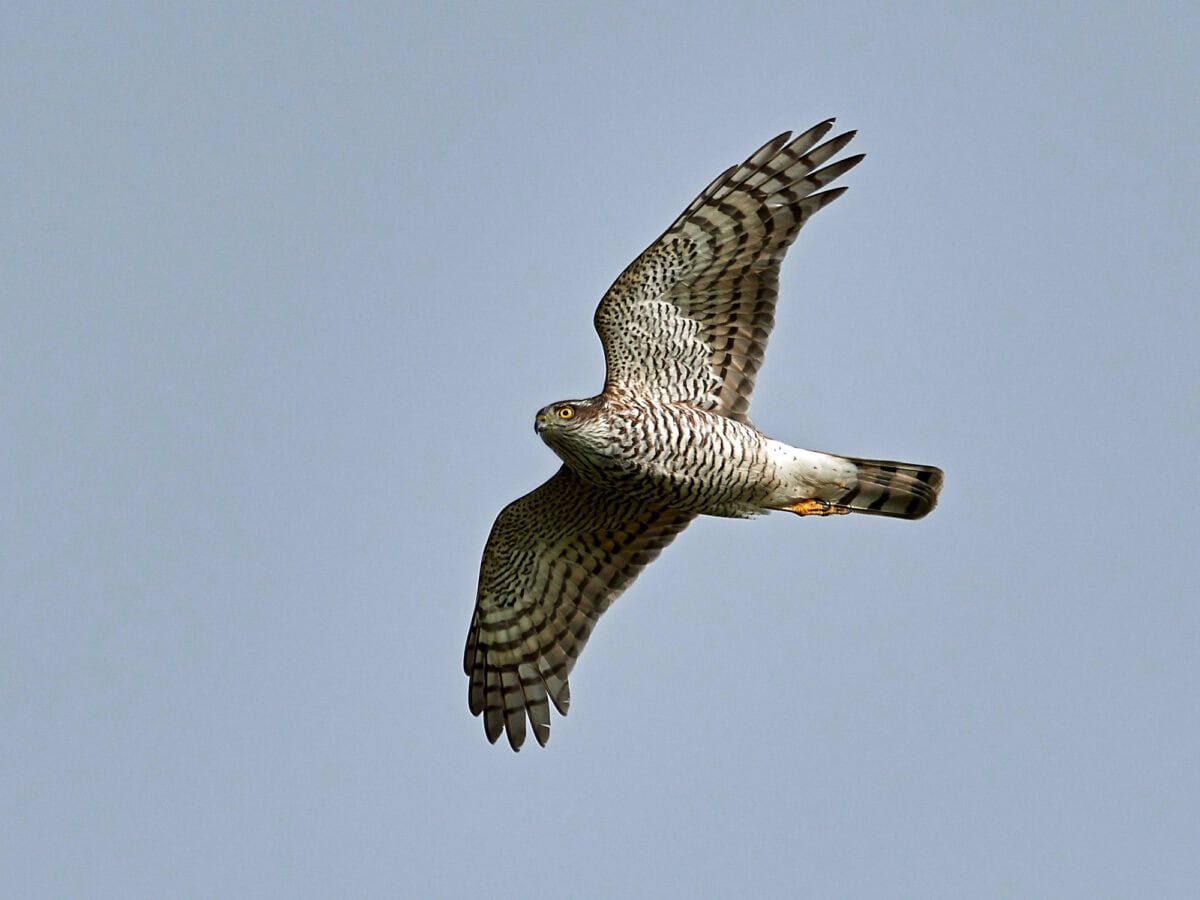
Urban environments currently host hundreds of bird species worldwide, though at lower densities than natural habitats. Cities like New York, London, and Singapore provide homes to resident species such as house sparrows, pigeons, and starlings, as well as seasonal migrants that use urban green spaces as stopover points. Research indicates that approximately 20% of all bird species inhabit urban areas to some degree, adapting to human-created landscapes. However, urban bird populations have declined by an estimated 29% since 1970 in North America alone, according to studies from the Cornell Lab of Ornithology.
The causes include building collisions (killing an estimated 600 million birds annually in the United States), habitat fragmentation, predation by cats, and pollution—all suggesting that the scenario of bird extinction in cities isn’t merely hypothetical but a concerning trajectory if current trends continue unchecked.
Ecological Imbalance: The Insect Explosion

Perhaps the most immediate and noticeable impact of bird extinction in cities would be an explosive growth in insect populations. Urban birds consume vast quantities of insects daily—a single chickadee family can devour up to 9,000 insects in one breeding season. Without these natural predators, mosquitoes, flies, cockroaches, and other urban pests would multiply unchecked. This would create not only nuisance issues but significant public health concerns, as insects serve as vectors for diseases including West Nile virus, dengue fever, and Lyme disease.
The economic cost would be substantial as cities would need to dramatically increase pesticide use, potentially exposing residents to harmful chemicals while simultaneously damaging other beneficial invertebrates. A study in the journal Science estimated that birds provide approximately $5.4 billion worth of pest control services annually in the United States alone—a service that would vanish with their extinction, leaving cities to face both ecological and financial consequences.
Collapse of Urban Plant Diversity

Birds are essential seed dispersers in urban environments, transporting seeds from parks and green spaces to forgotten corners of cities where new plants can establish themselves. Research published in Ecology Letters found that birds disperse seeds of over 70% of woody plant species in some urban areas. Without birds, this natural reseeding process would cease, causing plant diversity to decline dramatically over time. Urban forests would become less resilient, with fewer new saplings establishing in areas beyond human planting zones.
Species that depend on bird-mediated dispersal, including many native berry-producing shrubs, would gradually disappear from city landscapes. Additionally, many plants rely on birds for pollination services. Hummingbirds alone pollinate hundreds of plant species that would struggle to reproduce without them. The resulting homogenization of urban flora would create less resilient green spaces more vulnerable to disease and climate stressors, ultimately diminishing the ecosystem services that urban vegetation provides to cities, from air purification to temperature regulation.
Rodent Population Explosion

Many urban birds of prey—including hawks, falcons, and owls—serve as natural rodent controllers. A single barn owl family can consume over 1,000 rodents annually, providing an ecological service that helps keep urban rodent populations in check. The absence of these avian predators would allow rat and mouse populations to surge dramatically in urban environments. Cities already struggle with rodent management—New York City’s rat population is estimated at about 2 million—but without birds of prey, these numbers would increase exponentially.
Beyond the obvious disgust factor, expanding rodent populations carry serious health implications as they can transmit over 35 diseases to humans, including leptospirosis, hantavirus, and salmonellosis. The economic burden would also be substantial, with cities forced to allocate more resources to rodent control measures while businesses and homeowners face increased property damage. The CDC estimates that rodents already cause billions in damages annually—a figure that would multiply without birds keeping their numbers in check.
Impact on Urban Water Bodies
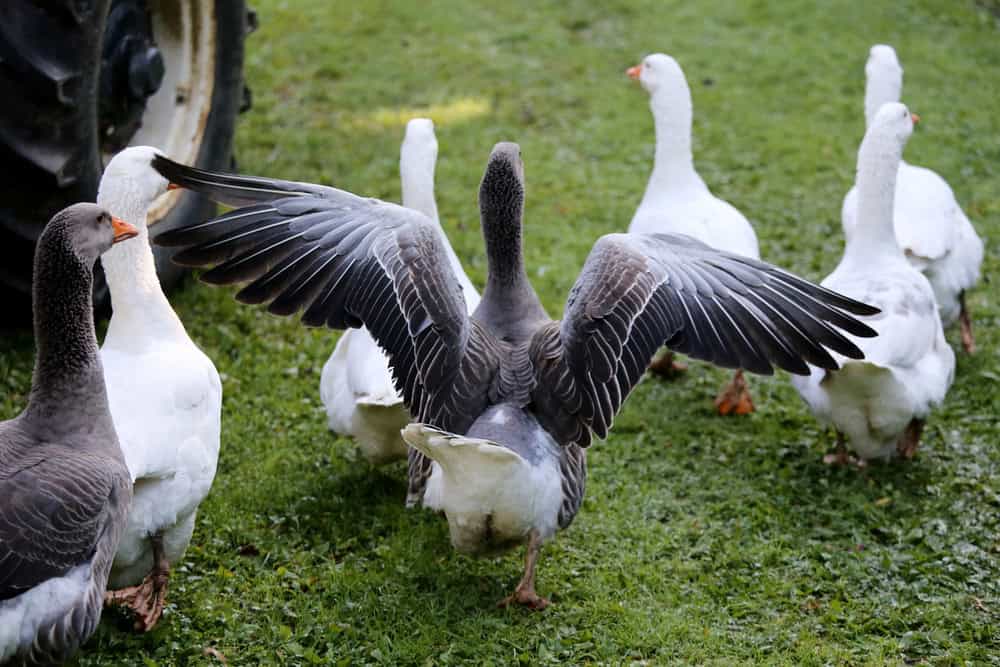
Birds that frequent urban lakes, rivers, and ponds play crucial roles in aquatic ecosystem health. Waterfowl like ducks and geese help circulate nutrients through water bodies, while wading birds like herons keep fish populations balanced. Without these birds, urban water systems would face multiple challenges. Nutrient cycling would slow, potentially leading to more frequent algal blooms and decreased water quality.
Fish populations would become imbalanced without predatory birds, potentially leading to overpopulation of certain species that could deplete oxygen levels in urban ponds and lakes. Additionally, birds that feed on aquatic insects help prevent mosquito outbreaks around urban water bodies—a service that would disappear with their extinction. Research from wetland ecosystems shows that bodies of water lacking avian inhabitants often develop poorer water quality and less biodiversity over time. As urban areas already struggle with water management issues, the loss of birds would represent yet another challenge to maintaining healthy aquatic systems within city boundaries.
Trees and Urban Forests at Risk

Many birds serve as essential forest health monitors, consuming insects that would otherwise damage urban trees. Woodpeckers, nuthatches, and chickadees specifically target wood-boring insects and bark beetles that can kill trees when present in high numbers. A single woodpecker can consume up to 900 beetle larvae per day, providing a vital ecosystem service to urban forests. Without these birds, infestations would spread more rapidly through city trees, requiring increased chemical treatments or resulting in greater tree mortality.
Research from the U.S. Forest Service suggests that birds reduce insect damage to trees by up to 75% in some urban forests. The disappearance of this natural pest control would coincide with climate change stressors already affecting urban trees, creating a perfect storm that could decimate urban canopies. The consequent loss of mature trees would diminish air quality, increase urban heat island effects, and remove critical carbon sequestration capacity just when cities need these services most. The American Forestry Association estimates that a mature urban tree provides approximately $273 worth of environmental benefits annually—benefits that would be jeopardized by the absence of birds.
Silent Spring Becomes Reality

The psychological and cultural impact of birdless cities would be profound. The morning chorus that greets urban dwellers would disappear entirely, creating what Rachel Carson famously termed a “silent spring.” This acoustic absence would represent more than just the loss of pleasant background noise—research in environmental psychology indicates that bird songs contribute significantly to perceived quality of life and mental wellbeing in urban areas.
Studies published in the Journal of Environmental Psychology found that hearing bird songs improves attention, reduces stress, and helps people recover from mental fatigue. Without this natural soundscape, urban residents would experience an environment further dominated by mechanical noises and human activity, potentially exacerbating urban stress and disconnection from nature. The cultural loss would extend beyond aesthetics—birds have inspired art, music, and literature throughout human history, and their absence would remove a significant source of creative inspiration and natural connection from urban life.
Economic Consequences Beyond Ecosystem Services

Birds contribute to urban economies in numerous ways that extend beyond their ecological services. Birdwatching is surprisingly big business in cities—the U.S. Fish and Wildlife Service estimates that urban birding generates billions in economic activity through equipment purchases, travel, and related spending. Cities like Vancouver, Seattle, and New York have developed “urban birding trails” that attract tourists specifically interested in urban avifauna. Without birds, this economic sector would vanish entirely.
Property values would also be affected, as research from real estate economists has found that proximity to biodiverse urban parks with abundant birdlife increases residential property values by 4-5% on average. Beyond these direct impacts, there would be substantial costs associated with replacing bird ecosystem services. A 2011 study published in Ecological Economics estimated that birds provide ecosystem services worth more than $5,000 per bird annually when accounting for their roles in pest control, seed dispersal, and nutrient cycling—services that would require expensive technological or chemical substitutes in their absence.
Cultural and Educational Loss

Birds serve as accessible entry points to nature for urban residents, particularly children. For many city dwellers, birds represent their primary daily connection to wildlife. Schools utilize urban birds for educational programs about ecology, biology, and conservation. The disappearance of birds would eliminate these opportunities, further disconnecting urban populations from natural systems. This disconnection has consequences beyond mere knowledge gaps—research in environmental education demonstrates that early exposure to wildlife significantly influences adult environmental attitudes and behaviors.
Without birds as familiar wildlife ambassadors, urban populations might develop increasingly abstract relationships with nature, potentially reducing public support for broader conservation efforts. Indigenous and traditional knowledge systems that incorporate urban birds would also face disruption. Many cultural practices and traditional ecological knowledge systems incorporate observations of urban birds as indicators of seasonal changes, weather patterns, and environmental health—knowledge systems that would lose functionality without birds present in city environments.
Cascading Effects on Other Wildlife

Birds exist within complex ecological networks, and their absence would trigger cascading effects on other urban wildlife. Species that prey on birds, such as peregrine falcons (which have successfully colonized many cities worldwide) would lose their primary food source and likely disappear. Small mammals that compete with birds for resources might initially benefit, but would eventually suffer from the same habitat degradation affecting the broader ecosystem. Meanwhile, the insects that birds would have consumed would damage plants that serve as habitat for butterflies, bees, and other beneficial insects—creating cascading effects that ripple through the entire urban ecosystem.
Additionally, many bird species create cavities in trees that are subsequently used by other animals for shelter—without woodpeckers and other cavity-creating birds, species from flying squirrels to certain bats would lose critical nesting sites. Research in urban ecology suggests that birds often serve as “umbrella species” whose protection benefits many other organisms sharing their habitat. Their extinction would therefore have multiplier effects well beyond the direct loss of avian biodiversity.
Public Health Implications
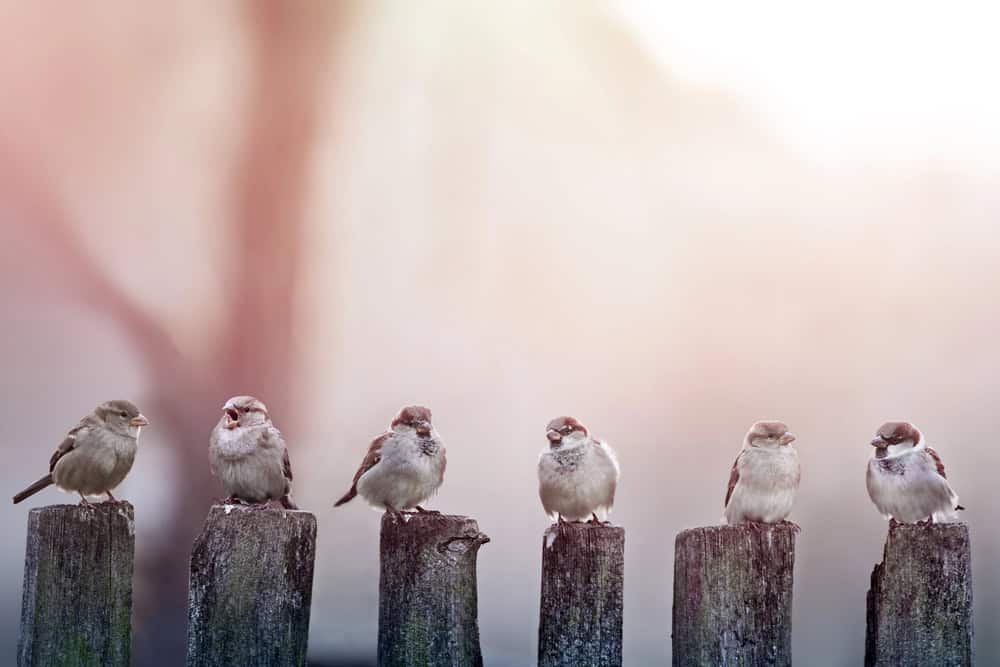
The disappearance of urban birds would create several public health challenges. Most directly, increased insect and rodent populations would elevate the risk of vector-borne diseases. Mosquito-transmitted illnesses like West Nile virus and dengue fever could become more prevalent without birds consuming mosquito larvae and adults. Research published in PLOS ONE estimated that birds prevent millions of potential disease transmissions annually through their consumption of disease vectors. Beyond disease transmission, there would be mental health consequences.
A growing body of research demonstrates connections between exposure to biodiversity (including birds) and improved mental health outcomes. Studies from the University of Exeter found that people living in neighborhoods with more birds report lower levels of depression, anxiety, and stress. The elimination of birds from urban environments would remove these mental health benefits at a time when cities already struggle with high rates of mental health challenges. Additionally, the increased need for chemical pesticides to replace birds’ natural pest control would introduce new public health concerns related to chemical exposure, particularly for vulnerable populations.
Climate Change Implications

Birds contribute to urban climate resilience in several important ways that would be lost with their extinction. Through their consumption of insects, birds protect urban trees that provide cooling shade and carbon sequestration. Without this protection, urban forests would be more vulnerable to insect outbreaks, potentially reducing tree cover and exacerbating urban heat island effects. Research from the USDA Forest Service indicates that cities with healthy urban forests can be 2-8°F cooler than areas lacking tree cover—a benefit increasingly critical as climate change brings more frequent heat waves to urban areas.
Additionally, birds contribute to soil health through their droppings, which contain nitrogen and other nutrients that support plant growth. This fertilization helps maintain urban green spaces that absorb carbon dioxide and mitigate flooding during extreme weather events. While individual birds may seem insignificant in the global climate picture, their cumulative impact on urban ecosystem health translates to meaningful climate resilience benefits that would disappear with their extinction, leaving cities more vulnerable to climate change impacts.
Conclusion: The Future Without Urban Birds

The extinction of birds from urban environments would transform cities in profound and largely negative ways, triggering ecological cascades that would ultimately diminish urban livability. From exploding insect populations to failing plant communities, from silent mornings to new public health challenges, birdless cities would be fundamentally altered ecosystems struggling to provide the services that residents depend on. This scenario underscores the need for urban planning that explicitly incorporates bird conservation through bird-friendly building designs, protected green spaces, light pollution reductions, and urban habitat restoration.
The good news is that unlike many environmental challenges, urban bird conservation offers numerous co-benefits that align with other urban priorities: greener spaces, reduced pesticide use, climate resilience, and improved quality of life for residents. By recognizing birds as essential components of healthy urban ecosystems rather than mere decorative elements, cities can work to prevent this extinction scenario while creating more livable environments for all inhabitants—human and avian alike.

From exploring the marine wonders in the Azores and witnessing the vast savannas of Kenya, to delving deep into the rich biodiversity of South Africa and traversing iconic landscapes in Australia and the US like Yellowstone, Chris's experiences are vast.
With a penchant for diving alongside sharks, the ocean holds a special place in his heart.
Through his academic insights, he champions wildlife conservation, striving with 'Animals Around The Globe' to cultivate a profound connection between humans and animals, enhancing our mutual appreciation.
Connect with him at Feedback@animalsaroundtheglobe.com.
- How Bison Are Reshaping the American Prairie - July 10, 2026
- How Ocean Animals Are Affected by Climate Change - July 10, 2026
- 23 Popular Dog Breeds Illinois Vets Secretly Wish You’d Stop Choosing - July 10, 2026