


In the vast expanse of our world’s oceans, sea turtles embark on some of the most remarkable journeys in the animal kingdom. These ancient mariners navigate with astonishing precision across thousands of miles of open ocean, often returning to the very beaches where they were born to lay their own eggs. But how do these creatures, with brains much smaller than our own, accomplish such extraordinary feats of navigation? The answer lies in a fascinating combination of evolutionary adaptations, sensory capabilities, and environmental awareness that scientists are still working to fully understand. From magnetic field detection to celestial navigation, sea turtles employ multiple sophisticated systems that allow them to traverse the world’s oceans with remarkable accuracy. This article explores the incredible navigational abilities of sea turtles and the science behind their epic migrations.
The Remarkable Journeys of Sea Turtles

Sea turtles are among the animal kingdom’s most accomplished navigators, undertaking migrations that span thousands of miles across featureless ocean basins. The leatherback turtle holds the record for the longest migration, with individuals documented traveling more than 10,000 miles across the Pacific Ocean from Indonesia to the coast of Oregon. Green turtles routinely swim 1,500 miles between their feeding grounds and nesting beaches. Loggerhead turtles born on beaches in Japan cross the entire Pacific Ocean to feeding grounds off Mexico and California, a journey of over 7,500 miles, before returning years later to breed at their natal beaches. These incredible journeys occur with remarkable precision, with turtles often returning to the same 30-mile stretch of beach where they were born, despite years or even decades away. Such navigational precision over vast distances has fascinated scientists and pushed them to investigate the mechanisms that make these journeys possible.
Earth’s Magnetic Field: Nature’s GPS
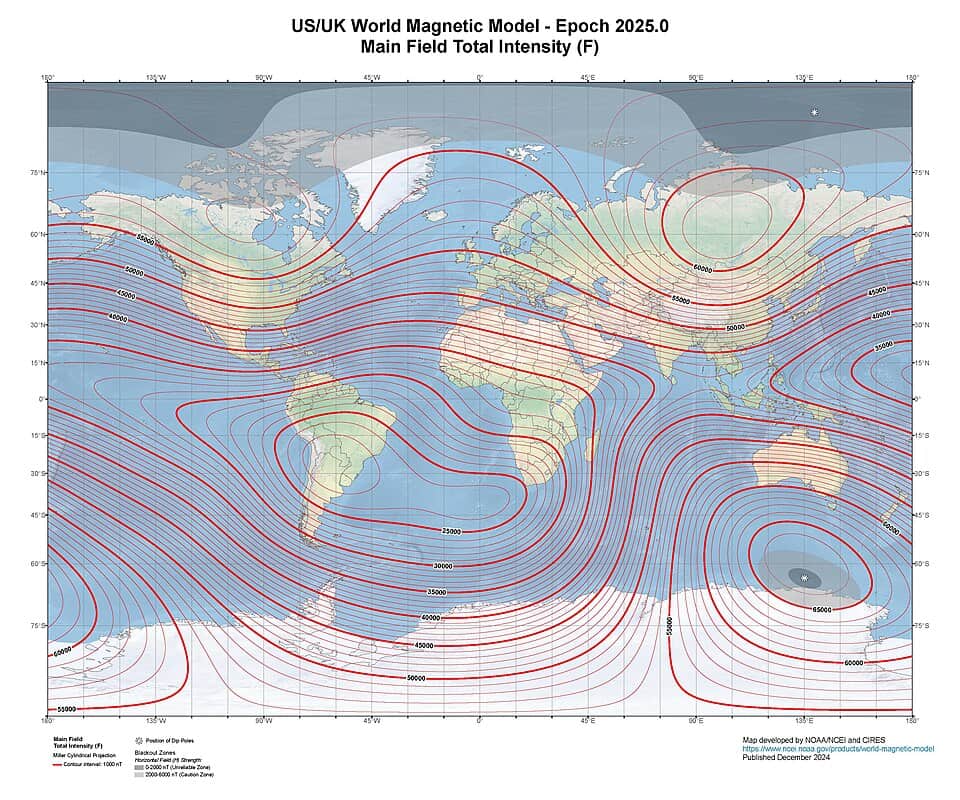
The primary navigational tool in a sea turtle’s arsenal appears to be an ability to detect Earth’s magnetic field. Unlike humans, sea turtles possess specialized cells containing magnetite, a naturally magnetic mineral that allows them to sense the intensity and angle of Earth’s magnetic field. This creates what scientists call a “magnetic map” that turtles can reference during their travels. Each location on Earth has a unique magnetic signature based on the field’s strength and inclination angle. Research by Dr. Kenneth Lohmann at the University of North Carolina has demonstrated that hatchling turtles can detect differences in magnetic fields and adjust their swimming direction accordingly. When placed in artificial magnetic fields mimicking those of locations hundreds of miles away, the turtles changed direction as if they were navigating in the wild. This sensory ability allows turtles to determine both latitude and longitude, effectively giving them a biologically integrated GPS system that functions without satellites or external technology.
Magnetic Imprinting: The Natal Homing Phenomenon
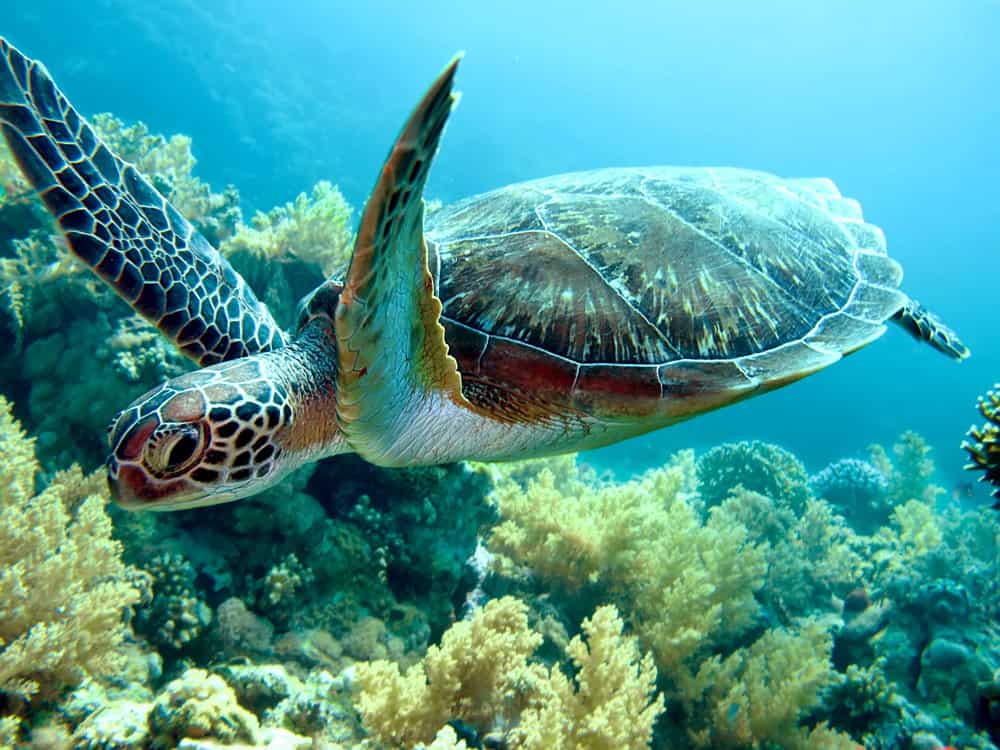
One of the most mysterious aspects of sea turtle navigation is their ability to return to their birthplace after decades at sea—a behavior known as natal homing. Scientists believe this remarkable feat is accomplished through a process called magnetic imprinting. When turtles hatch, they apparently imprint on or memorize the unique magnetic signature of their natal beach. This magnetic “address” is stored throughout their lives, allowing them to return with astonishing precision when it’s time to breed. Recent studies support this theory by showing that sea turtles tend to return to beaches with similar magnetic signatures to their birthplace, even if those beaches are not their exact natal site. This also explains why turtles sometimes make navigational “errors” when Earth’s magnetic field shifts slightly over time due to natural geomagnetic processes. The imprinting process likely occurs during the “frenzy period”—the first few days of a hatchling’s life when it races from the nest to the open ocean—creating a permanent navigational reference point that will guide the turtle throughout its life.
Celestial Navigation: Using the Stars and Sun

Beyond magnetic sensing, sea turtles also appear to use celestial cues for navigation. Research indicates they can orient themselves using the position of the sun during the day and the stars at night. Experiments with hatchlings have shown they can maintain a consistent heading even when placed in water tanks with only the night sky visible. This ability suggests turtles possess an innate astronomical compass that complements their magnetic sensing. The position of the sun also helps turtles determine the time of day, which may assist in maintaining their course. Scientists believe turtles integrate celestial information with magnetic data to enhance navigational accuracy, much like ancient human navigators who used both stars and compasses. This redundancy in navigational systems provides sea turtles with backup methods should one system be compromised by environmental conditions, such as cloud cover obscuring celestial bodies or local magnetic anomalies interfering with geomagnetic sensing.
Chemical Navigation: Following Scent Trails

Sea turtles also possess an acute sense of smell that may aid in navigation, particularly when approaching coastal areas. They can detect airborne and waterborne chemicals that indicate proximity to land or specific feeding grounds. Each geographic region has a distinct chemical signature based on local vegetation, soil composition, and marine organisms. This creates olfactory “landscapes” that turtles can recognize. When approaching nesting beaches, female turtles may identify their natal shores through specific chemical cues carried by ocean currents. Studies have shown that loggerhead turtles can detect and respond to the smell of mud and vegetation from their home beaches, even when tested in laboratory conditions. This chemical navigation becomes particularly important during the final stages of migration when turtles need to locate specific beaches or feeding grounds. While scent likely plays a secondary role in open-ocean navigation, it provides critical information for fine-scale movements in coastal environments.
Ocean Currents: The Oceanic Highway System

Ocean currents serve as natural highways for sea turtles, providing energetically efficient pathways across vast distances. Young turtles often embark on their journeys by deliberately entering major current systems like the Gulf Stream or the North Pacific Gyre. These currents transport the turtles while requiring minimal swimming effort, conserving precious energy. Satellite tracking has revealed that sea turtles frequently position themselves within these oceanic rivers, adjusting their position to remain in favorable currents. During the multi-year “lost years”—the period after hatching when young turtles disappear into the open ocean—they often circle entire ocean basins by riding these current systems. Adult turtles display remarkable awareness of current patterns, sometimes swimming perpendicular to currents to maintain their intended course or using countercurrents to their advantage. This ability to detect and utilize ocean currents represents another sophisticated component of their navigational repertoire, blending passive transport with active navigation to optimize their epic migrations.
Developmental Shifts in Navigation

The navigational abilities of sea turtles evolve throughout their lifecycle. Hatchlings emerge from nests with innate directional preferences that guide them toward the open ocean. They initially rely heavily on visual cues, orienting toward the brightest horizon (typically over the ocean) and away from dark silhouettes of dunes and vegetation. Once in deeper waters, they transition to magnetic orientation and begin to incorporate other navigational cues. As turtles mature, their navigational systems become more sophisticated and integrated. Juvenile turtles develop increasingly precise magnetic maps that enable more accurate position fixing. By adulthood, sea turtles possess fully developed multi-modal navigation systems that allow for the remarkable precision observed in their migrations. This developmental progression ensures that turtles have appropriate navigational capabilities for each life stage, from the initial beach-to-sea crawl to the complex open-ocean migrations of adulthood to the precise natal homing for reproduction.
Wave Direction and Polarized Light

Beyond the primary navigational mechanisms, sea turtles also utilize more subtle environmental cues. They can detect wave direction through specialized sensory organs, allowing them to maintain a consistent heading even when other navigational references are limited. Waves typically approach shorelines from consistent directions in specific regions, providing directional information. Additionally, sea turtles can perceive polarized light—light waves that vibrate in a specific plane. The polarization pattern of sunlight changes predictably across the sky throughout the day and in relation to the sun’s position. By detecting these patterns, turtles gain another reference point for determining direction. This ability is particularly useful during dawn and dusk when the sun is near the horizon and polarization effects are strongest. Laboratory experiments have demonstrated that disrupting a turtle’s ability to detect polarized light can disorient them, suggesting this capability plays a significant role in their navigational toolkit.
Obstacles to Navigation: Human Impacts

The sophisticated navigational systems of sea turtles face increasing challenges from human activities. Light pollution near nesting beaches disorients hatchlings, drawing them inland toward artificial lights instead of toward the ocean. Coastal development alters the magnetic signatures of beaches by introducing materials like steel and concrete, potentially disrupting magnetic imprinting. Ocean noise from shipping, military activities, and industrial operations may interfere with a turtle’s ability to detect subtle environmental cues. Climate change poses perhaps the most significant threat, as shifting ocean currents and changing magnetic field parameters may render turtles’ innate navigational maps less accurate. Plastics and other debris in the ocean can be mistaken for food, causing illness or death before migrations can be completed. Conservation efforts increasingly focus on mitigating these navigational disruptions, with measures such as light ordinances in nesting areas, protected migration corridors, and reduced electromagnetic interference in critical habitats being implemented to help preserve the remarkable journeys of these ancient mariners.
The “Lost Years” Mystery
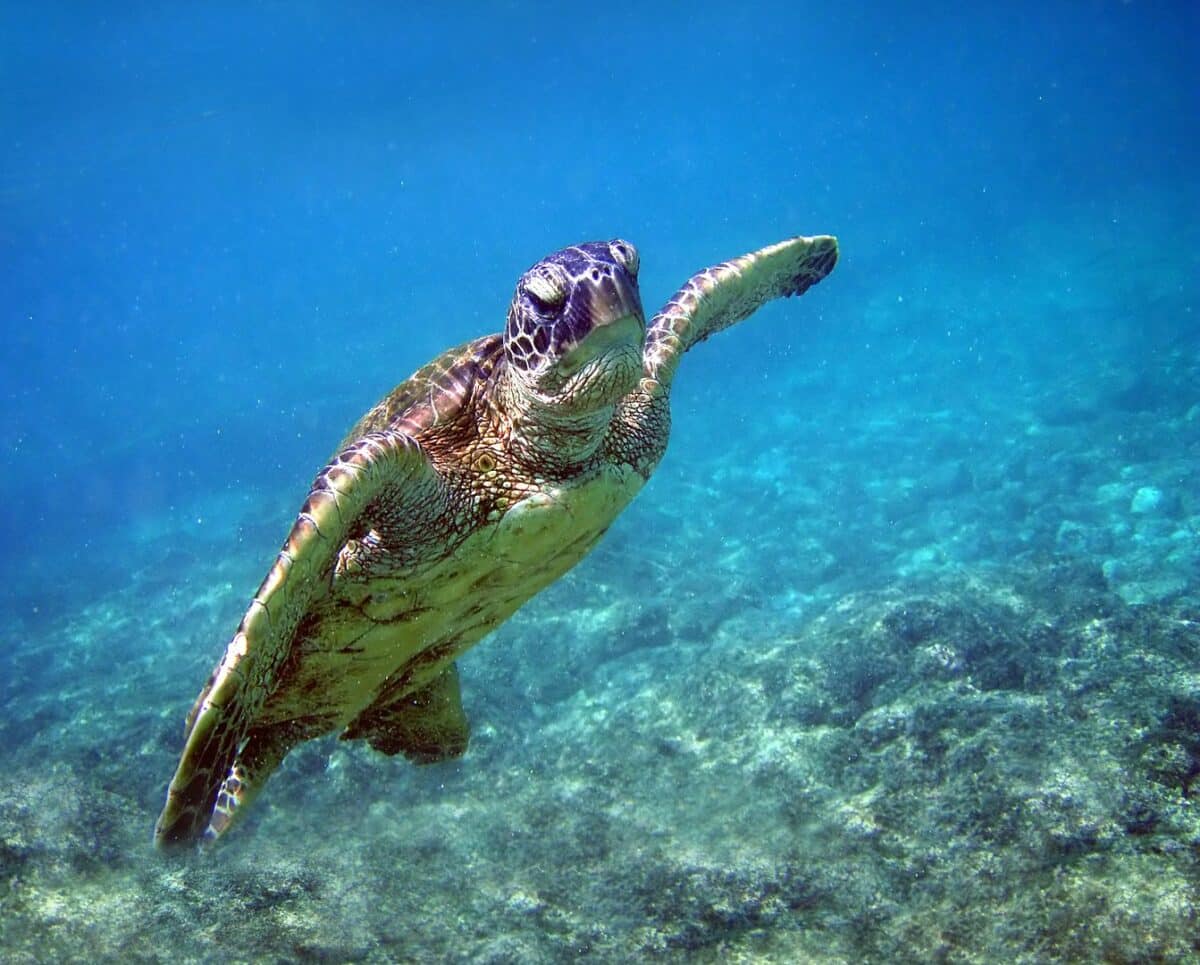
One of the most intriguing aspects of sea turtle navigation involves the so-called “lost years”—the period after hatchlings enter the ocean and before they reappear as juveniles in coastal feeding grounds. For many years, scientists had little idea where young turtles went during this time, which can last from 3-7 years depending on the species. Recent research using satellite tags specially designed for small turtles has begun to illuminate this mysterious period. Scientists now understand that many young turtles deliberately navigate to specific oceanic regions with abundant food and favorable temperatures. For instance, young loggerheads from Florida beaches often navigate to the Sargasso Sea, a region of the Atlantic with floating seaweed that provides both food and shelter. During these years, turtles appear to refine their navigational abilities, developing the sophisticated magnetic maps they’ll rely on as adults. This developmental period represents a crucial time when navigational errors can be fatal, making it a critical area for ongoing research and conservation efforts.
Experimental Evidence: How Scientists Study Turtle Navigation

Uncovering the secrets of sea turtle navigation has required ingenious experimental approaches. In laboratory settings, researchers have placed hatchlings in water tanks surrounded by electromagnets that can simulate any magnetic field condition on Earth. By observing how turtles orient themselves in these artificial fields, scientists can determine their navigational responses to specific magnetic signatures. Field studies involve fitting turtles with satellite transmitters that track their movements across oceans with remarkable precision. Some advanced tags even record diving behavior, water temperature, and acceleration data to provide context for navigational decisions. Arena experiments, where turtles are placed in circular tanks under controlled conditions, allow researchers to isolate specific navigational cues by manipulating variables like magnetic fields, light sources, or chemical signals. Genetic studies complement these approaches by examining whether navigational abilities have a hereditary component. Together, these diverse research methods have built our current understanding of sea turtle navigation while highlighting how much remains to be discovered about these remarkable animals.
Evolutionary Origins of Navigational Abilities

The extraordinary navigational capabilities of sea turtles didn’t develop overnight—they represent the product of over 100 million years of evolutionary refinement. Sea turtles evolved from terrestrial ancestors during the late Jurassic period, gradually developing adaptations for marine life, including their sophisticated navigation systems. The selective pressure for precise navigation likely intensified as turtles began making longer migrations between feeding and nesting grounds. Individuals with superior navigational abilities would have had higher reproductive success, passing their genetic advantages to offspring. The ability to detect Earth’s magnetic field likely evolved from simpler directional sensing mechanisms present in early reptiles. Comparative studies with other reptiles suggest that the basic framework for magnetic detection exists broadly across reptilian lineages but has been particularly refined in sea turtles due to their unique ecological niche as long-distance oceanic migrants. This evolutionary perspective helps explain why sea turtles possess such remarkably precise navigation systems—their survival has depended on these abilities for millions of years, through changing oceans, shifting continental positions, and even magnetic pole reversals.
The navigational feats of sea turtles represent one of nature’s most remarkable achievements—a sophisticated multi-sensory system that guides these ancient mariners across thousands of miles of open ocean with precision that rivals our most advanced technologies. From their ability to detect Earth’s magnetic field to their use of celestial cues, ocean currents, and chemical signals, sea turtles integrate multiple sources of information to maintain their course across featureless seas. Yet despite decades of research, many aspects of turtle navigation remain mysterious, with scientists continuing to uncover new dimensions of their capabilities. As we face a future where climate change, habitat destruction, and pollution threaten sea turtle populations worldwide, understanding their navigational systems becomes increasingly urgent for conservation efforts. By protecting their migratory routes and ensuring their ancient navigational cues remain intact, we can help ensure that these remarkable journeys—spanning both oceans and millennia—will continue for generations to come.

- The Threats Tigers Face Today—From Poaching to Habitat Loss - July 29, 2026
- The Most Chill Animals Taking Over the Internet: Meet the Capybara Kings - July 29, 2026
- Prairie Dogs and Bison: Wildlife of the Tallgrass Prairie - July 29, 2026
Leave a comment
You must be logged in to post a comment.