

In the quiet corners of our world, extraordinary creatures have been silently witnessing the passage of centuries. Turtles, with their distinctive shells and unhurried pace, rank among Earth’s most ancient living inhabitants. These remarkable reptiles have perfected the art of longevity, with some individuals surpassing the 100-year mark and continuing to thrive. Their endurance through changing climates, shifting landscapes, and human interference offers us a window into the mysteries of long-term survival. From secluded islands to conservation centers, the world’s oldest living turtles carry within them not just decades of experiences but potentially revolutionary insights into aging, adaptation, and resilience. This exploration takes us into their world, uncovering the remarkable stories of these ancient beings and the biological secrets that allow them to persist while countless other species have vanished into extinction.
The Remarkable Longevity of Turtles
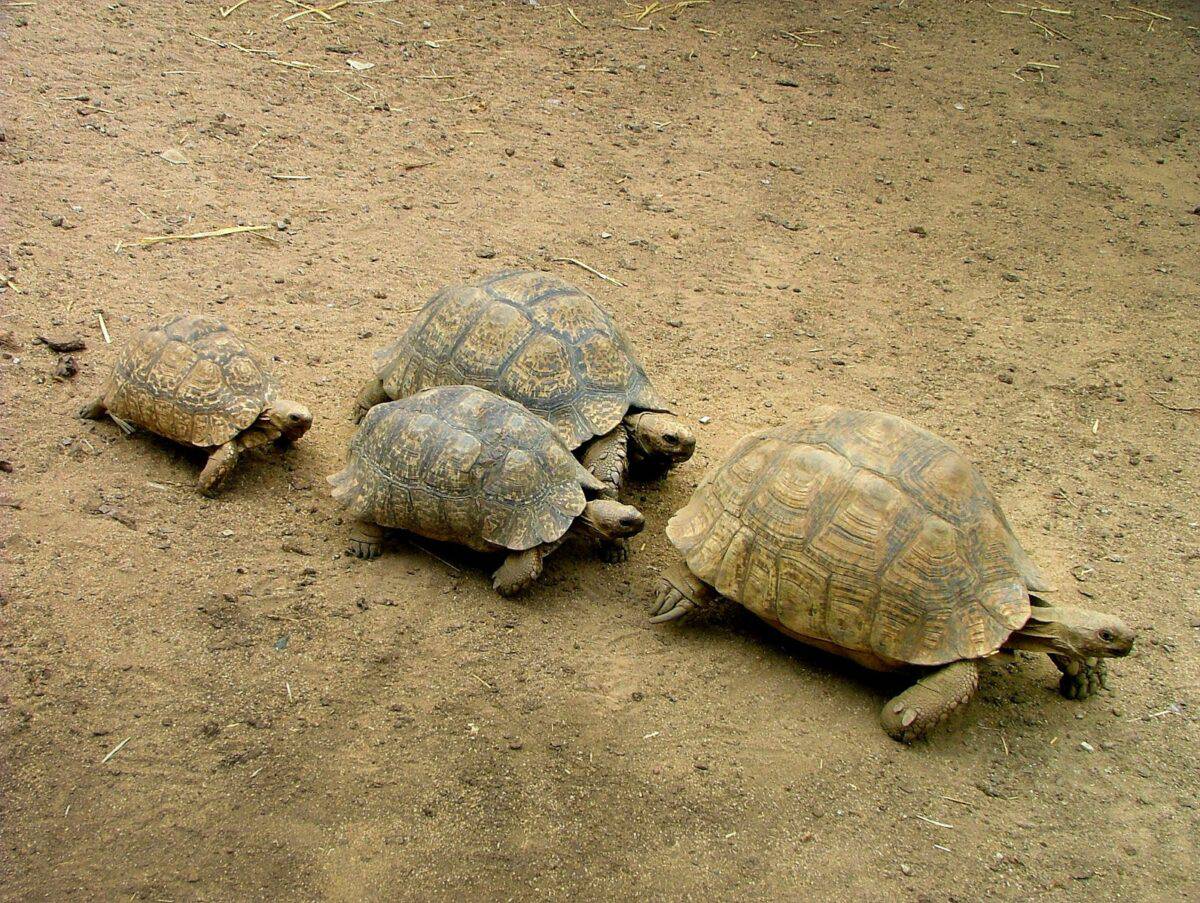
Turtles stand out in the animal kingdom for their exceptional longevity. Many species routinely live for decades, with some individuals surpassing the century mark. This remarkable lifespan places them among the longest-living vertebrates on Earth, alongside certain whale species and a few other reptiles. The biological mechanisms behind this longevity include slow metabolisms, efficient cellular repair systems, and specialized immune responses that appear to resist age-related deterioration better than those of mammals.
Scientists have identified several contributing factors to turtle longevity. Their ectothermic (cold-blooded) nature means they require less energy for daily functioning, reducing the metabolic wear and tear that contributes to aging in other animals. Additionally, research suggests that turtle cells possess superior DNA repair mechanisms that prevent the accumulation of mutations over time. Their slow reproductive cycles also align with evolutionary theories suggesting that species with longer generation times often evolve longer lifespans. These biological advantages have allowed individual turtles to survive through historical events ranging from the American Civil War to both World Wars and beyond.
Jonathan: The World’s Oldest Known Living Land Animal

On the remote South Atlantic island of Saint Helena, a Seychelles giant tortoise named Jonathan holds the distinction of being the world’s oldest known living land animal. Born approximately in 1832 (making him about 191 years old as of 2023), Jonathan has lived through the entire Victorian era, both World Wars, and the complete transformation of human society through technological revolution. He arrived on Saint Helena in 1882 as a fully mature adult, already at least 50 years old, when he was presented as a gift to the governor.
Despite his advanced age, Jonathan maintains a regular routine at the governor’s residence, Plantation House, where he lives with several other tortoises. Though he has experienced some age-related decline, including the loss of his sense of smell and cataracts affecting his vision, Jonathan continues to navigate his surroundings effectively. His diet consists primarily of fresh fruits, vegetables, and specially prepared nutritional supplements designed to support his health. Jonathan’s longevity has made him not just a living historical artifact but also an ambassadorial figure for conservation efforts worldwide. His caretakers monitor his health carefully, documenting his habits and physical condition to contribute to our understanding of extreme longevity in reptiles.
Tu’i Malila: The Documented Methuselah
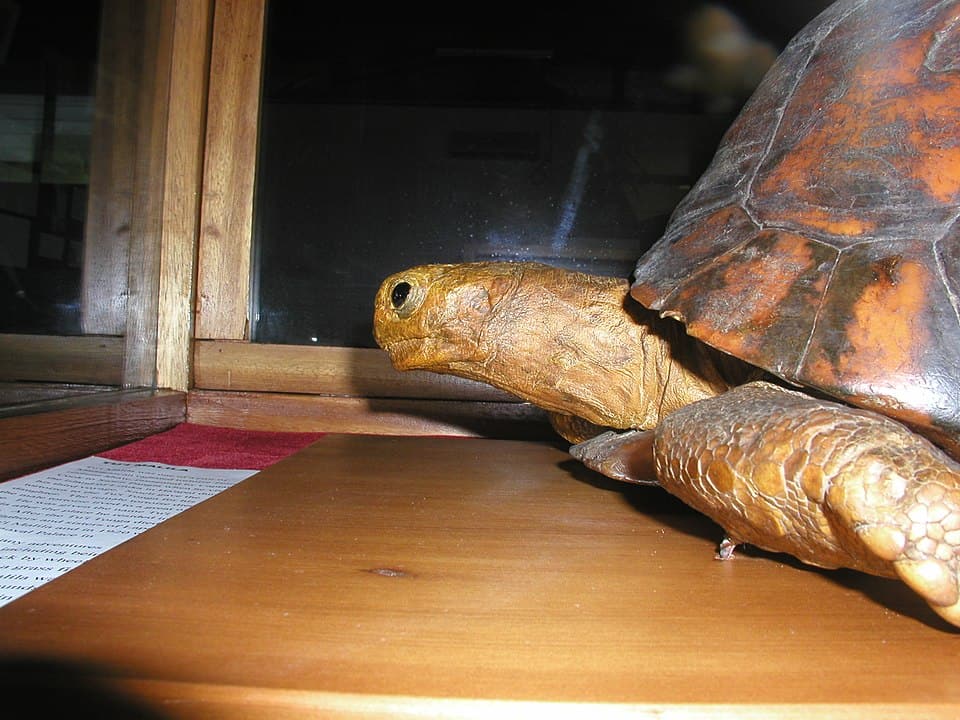
While no longer living, Tu’i Malila deserves recognition as one of history’s most well-documented long-lived turtles. This radiated tortoise from Madagascar was reportedly given to the royal family of Tonga by Captain James Cook in 1777. Tu’i Malila lived until 1965, reaching the approximate age of 188 years. Throughout his life, he was considered royal property and was carefully tended by successive generations of Tongan royalty, providing researchers with an unusually complete historical record of a tortoise’s lifespan.
Tu’i Malila’s life spanned the transformation of Tonga from an independent kingdom through its time as a British protectorate and into its modern era. His preserved remains are now housed in the Tongan National Museum, serving as a testament to the exceptional longevity possible in chelonians. The careful documentation of his existence, including numerous historical photographs and written accounts, offers valuable historical context for understanding turtle longevity outside laboratory conditions. Tu’i Malila’s case helped establish the potential maximum lifespan for radiated tortoises and contributed significantly to early scientific understanding of reptilian aging processes.
Harriet: Darwin’s Companion
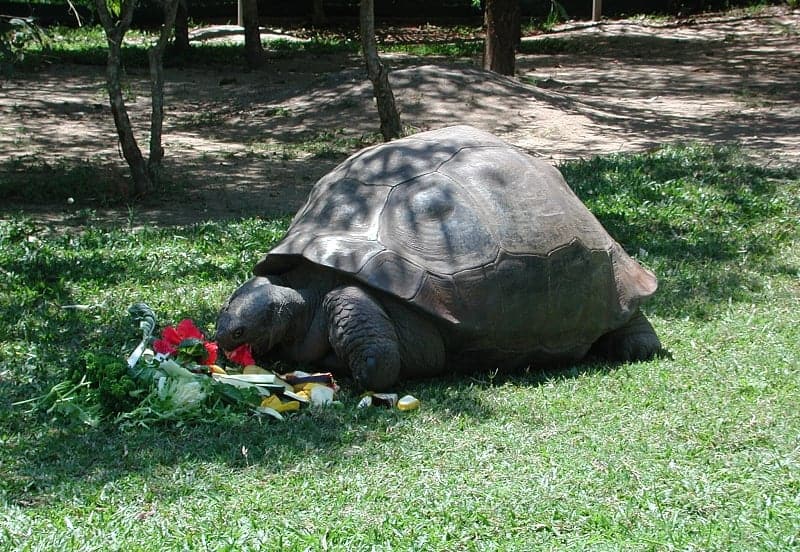
Among the most scientifically significant long-lived turtles was Harriet, a Galápagos tortoise who lived to the age of approximately 175 years. According to accounts that have been subject to both support and challenge, Harriet was collected by Charles Darwin himself during his famous voyage on the HMS Beagle in 1835. While this connection has been debated by historians, genetic testing confirmed that Harriet did indeed originate from the Galápagos Islands, specifically from Santa Cruz Island, during the appropriate timeframe to align with Darwin’s expedition.
After spending the early part of her life in England, Harriet was transported to Australia, where she lived at several zoological gardens before finding her final home at Australia Zoo in Queensland. Under the care of the Irwin family (of “Crocodile Hunter” fame), Harriet became a beloved ambassador for conservation. She passed away in 2006 from heart failure, having witnessed nearly two centuries of human history. Throughout her later years, Harriet contributed to numerous scientific studies on tortoise longevity, behavior, and health. Her remarkable journey from the volcanic Galápagos archipelago to becoming one of the world’s most famous tortoises highlights the adaptability and resilience that characterize these extraordinary reptiles.
Adwaita: The Giant of Calcutta
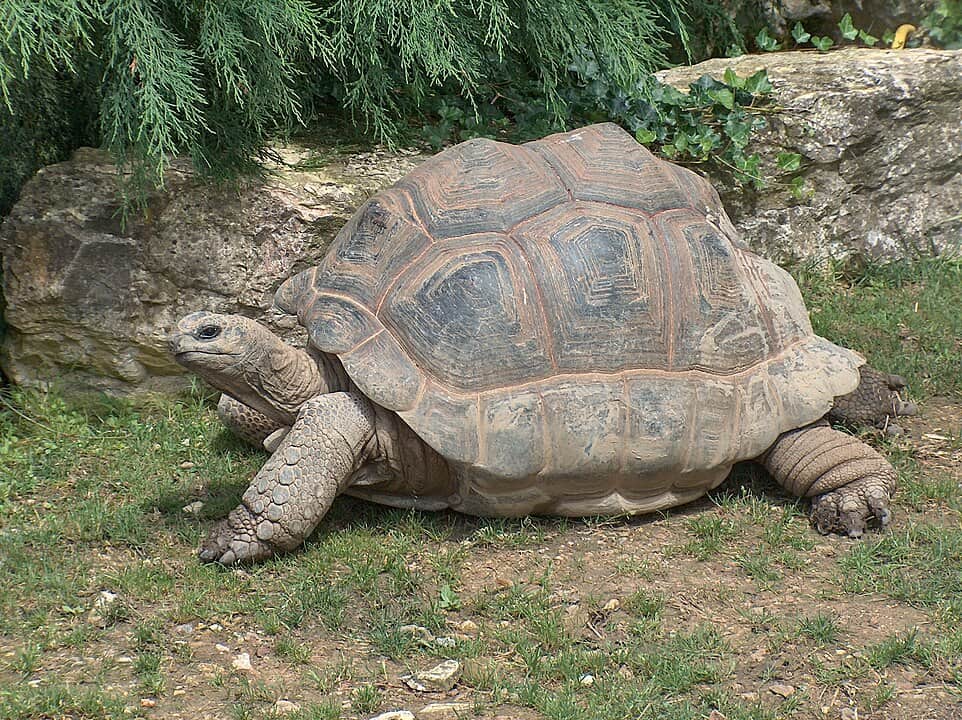
In the annals of turtle longevity, Adwaita stands as a towering figure—both literally and figuratively. This massive Aldabra giant tortoise reportedly lived to be approximately 255 years old, though this extreme age claim remains subject to scientific debate. According to historical records, Adwaita was brought to India in the 18th century as a gift to Lord Robert Clive of the British East India Company. If the accounts are accurate, Adwaita was born around 1750, making him a contemporary of Mozart and witnessing the American Revolution from afar.
For most of his life, Adwaita resided at the Alipore Zoological Gardens in Kolkata (formerly Calcutta), India, where he became a beloved fixture and attracted visitors from around the world. Weighing approximately 250 kilograms (550 pounds), he exemplified the impressive growth potential of his species. When he died in 2006, his shell was preserved for scientific study and public display. Carbon dating of his shell and other remains has offered some support for his exceptional age, though the precise dating remains challenging. Regardless of whether Adwaita lived for two centuries or somewhat less, his life represents one of the most remarkable cases of longevity in the animal kingdom and continues to inspire scientific investigation into the biological mechanisms that allow certain species to far outlive humans.
The Biological Secrets of Turtle Longevity
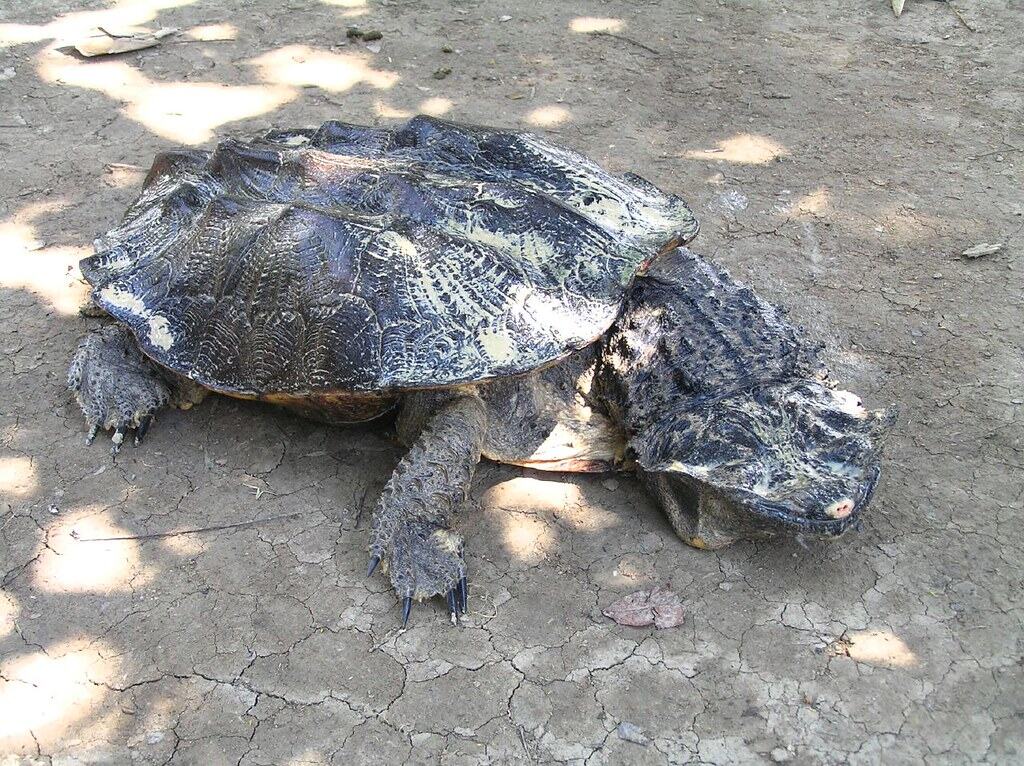
The exceptional lifespan of turtles has become a focal point for scientific research into aging and longevity. At the cellular level, turtles possess several adaptations that appear to slow the aging process. Studies have revealed that turtle cells demonstrate remarkable resistance to oxidative damage—the harmful chemical reactions that contribute to aging in most organisms. Their cells maintain more stable telomeres (the protective caps at the ends of chromosomes) throughout their lives, preventing the telomere shortening associated with aging in mammals.
Perhaps most intriguingly, turtles exhibit negligible senescence—showing few signs of physical deterioration with age until very late in life. Their organs maintain functionality with minimal decline, and they remain reproductively viable well into advanced age. Researchers have identified several genes in turtles that may contribute to their longevity, including enhanced versions of DNA repair genes and immune system components. The field of comparative gerontology increasingly looks to turtles as model organisms for understanding how biological systems can remain functional over century-spanning timescales. Some scientists theorize that these adaptations evolved as part of the same evolutionary process that produced their protective shells, creating a comprehensive survival strategy centered on durability rather than rapid reproduction.
Conservation Status and Threats to Long-lived Turtles

Despite their evolutionary success and impressive longevity, many of the world’s longest-lived turtle species face significant threats in the modern era. Of the 360-plus turtle species worldwide, over 60% are considered threatened or endangered. Species like the Galápagos tortoise and Aldabra giant tortoise—known for their exceptional lifespans—have experienced dramatic population declines due to human activities. Habitat destruction, hunting for meat and shells, the introduction of invasive predators, and the illegal pet trade have all contributed to these declining numbers.
Climate change presents a particular challenge for long-lived species, as they typically have slow reproductive rates and limited genetic diversity, making rapid adaptation difficult. Rising temperatures affect sex determination in many turtle species, potentially skewing population demographics in ways that threaten long-term viability. Additionally, sea level rise threatens nesting beaches for marine turtles, while changing ocean temperatures disrupt feeding patterns. The very characteristics that allow individual turtles to live for centuries—slow growth, delayed maturity, and conservative reproduction—make their populations especially vulnerable to sudden environmental changes and exploitation. Conservation programs focused on habitat protection, captive breeding, and community education represent essential efforts to ensure that future generations will still marvel at century-old turtles carrying the wisdom of ages past.
Metabolic Mysteries: How Turtles Cheat Time
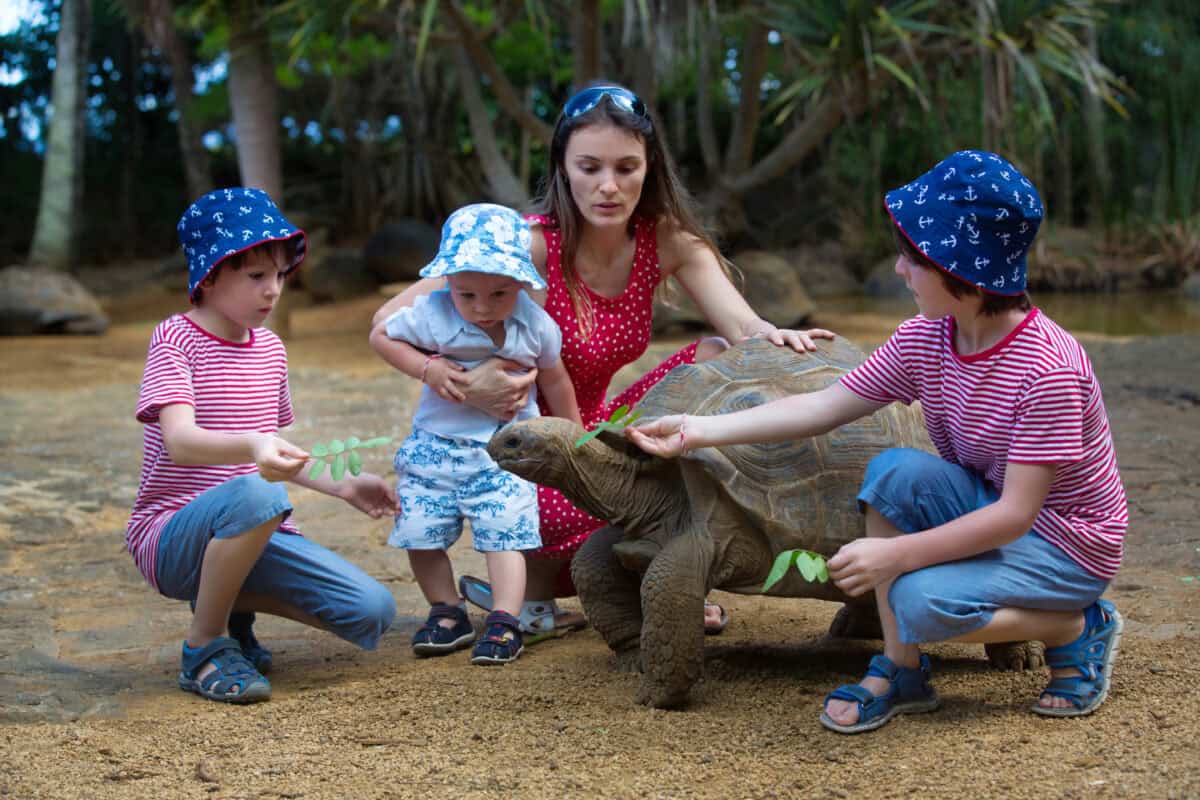
The metabolic adaptations of long-lived turtles represent one of their most fascinating survival strategies. Unlike mammals, which maintain relatively constant internal temperatures and high metabolic rates, turtles operate with a variable metabolism that can adjust to environmental conditions. This flexibility allows them to dramatically reduce energy expenditure during periods of scarcity or seasonal changes. Some species can lower their metabolism by up to 90% during brumation (the reptilian equivalent of hibernation), effectively placing their bodies in a state of suspended animation.
This metabolic plasticity contributes significantly to longevity by reducing lifetime oxidative stress. The “rate of living” theory suggests that animals with faster metabolisms typically have shorter lifespans due to increased production of free radicals and other damaging byproducts of cellular respiration. Turtles effectively sidestep this limitation through their efficient, low-energy lifestyle. Research has shown that even when active, turtles maintain lower resting metabolic rates than similarly sized mammals or birds. Their cardiovascular systems show remarkable efficiency, with hearts that can continue functioning under conditions that would be fatal to mammals. Some species can even switch to anaerobic respiration (generating energy without oxygen) for extended periods—a capability that provides emergency resilience during environmental crises and may contribute to their extraordinary longevity by reducing oxidative damage to tissues.
Reproduction and Aging: Defying Biological Expectations
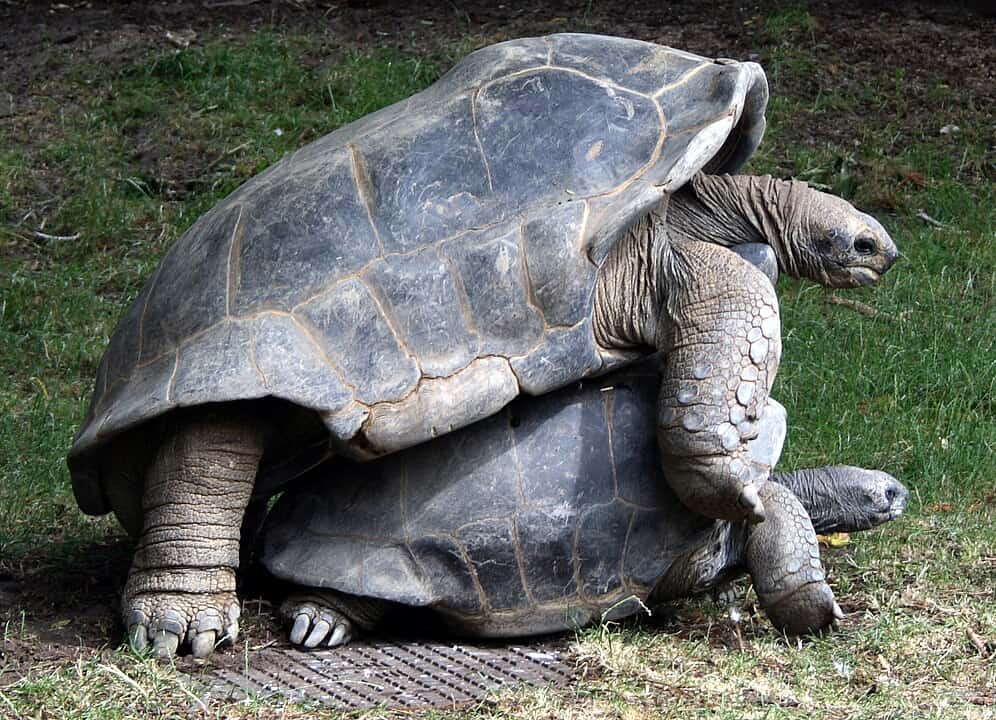
One of the most counterintuitive aspects of turtle biology is their relationship between aging and reproduction. In most vertebrates, reproductive capacity declines with age, and reproductive effort typically accelerates aging processes. Turtles, however, defy this pattern. Female turtles often become more fertile as they age, producing larger clutches of eggs and, in some species, healthier offspring. Male turtles likewise maintain reproductive viability well into advanced age. Jonathan, the 191-year-old Seychelles tortoise, has continued to show mating behaviors well past his 180th birthday, though his potential offspring production is limited by his partner’s fertility.
This unusual pattern of sustained or increasing reproductive capacity contradicts traditional evolutionary theories of aging, which suggest that natural selection favors early reproduction at the expense of longevity. Scientists theorize that turtles’ protective adaptations—their shells, resistant immune systems, and efficient cellular repair mechanisms—may have evolved primarily as anti-predator adaptations but subsequently allowed for the evolution of extended reproductive lifespans. The relationship between shell development, predator avoidance, and longevity represents an evolutionary package deal that has proven remarkably successful. From a conservation perspective, this pattern offers both challenges and opportunities: while turtle populations grow slowly, the extended reproductive lifespan of individuals means that protecting mature adults has an outsized impact on population recovery potential compared to shorter-lived species.
Genomic Insights: The Genetic Basis of Turtle Longevity

Recent advances in genomic sequencing have allowed scientists to investigate the genetic underpinnings of turtle longevity. The complete genomes of several turtle species, including the Galápagos tortoise and Chinese softshell turtle, have revealed intriguing adaptations that may contribute to their exceptional lifespans. Turtles possess multiple duplications of genes involved in DNA repair, potentially allowing for more efficient maintenance of genetic integrity throughout their long lives. They also show expansions in gene families related to immune function, particularly those involved in responding to microbial infections and cancer suppression.
Perhaps most significantly, turtles express enhanced versions of genes associated with preventing protein misfolding—a common feature in age-related diseases like Alzheimer’s and Parkinson’s. The PRDM8 gene, which regulates neural development and maintenance, shows evidence of positive selection in turtles, potentially contributing to their brain health over extended timeframes. Some turtle species also possess multiple copies of genes involved in detoxification processes, allowing them to more effectively eliminate harmful compounds that accumulate with age. Comparisons between the genomes of shorter-lived and longer-lived turtle species have identified specific genetic variations that correlate with lifespan differences. These genomic insights not only illuminate the mechanisms behind turtle longevity but also suggest potential applications for human medicine, particularly in treating age-related diseases and potentially extending healthy human lifespans.
Learning from Ancient Reptiles: Scientific Applications
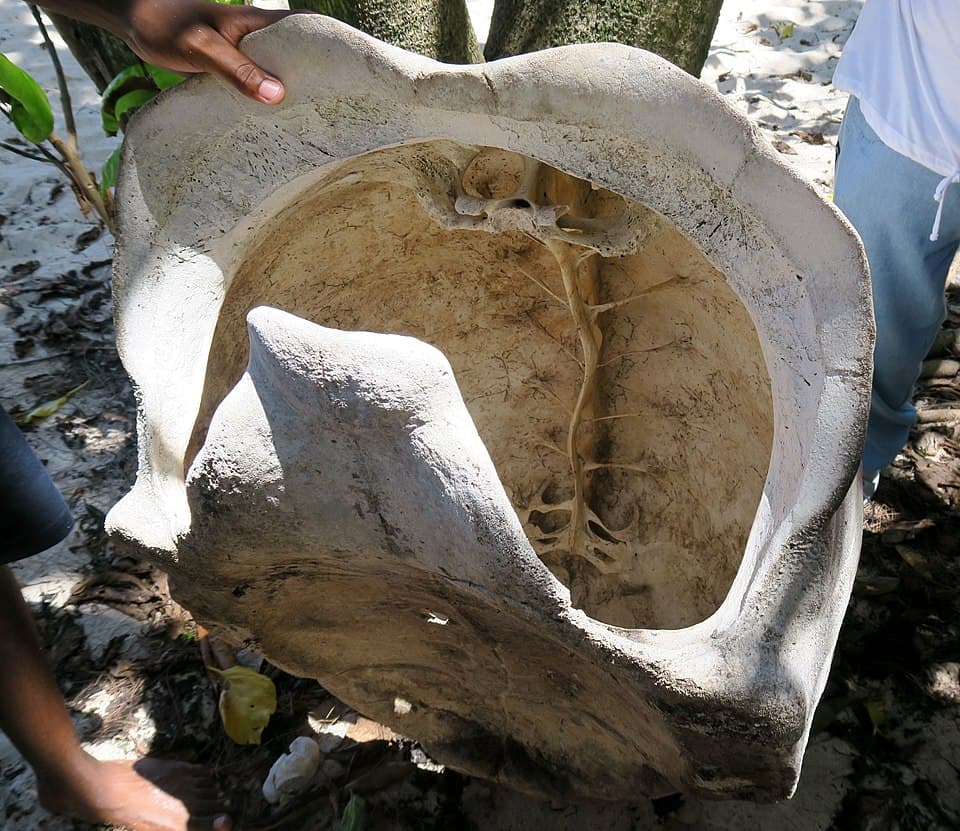
The extraordinary longevity of turtles has captured the interest of researchers seeking to understand and potentially address human aging. Comparative biology studies examining the differences between short-lived mammals and long-lived turtles have identified several promising areas for biomedical research. The cellular resistance to oxidative stress observed in turtle tissues has led to investigations of antioxidant compounds and pathways that might be enhanced in human cells. Similarly, the stable immune function maintained by elderly turtles contrasts sharply with immunosenescence (immune system decline) in aging humans, suggesting potential interventions to maintain immune competence throughout human life.
Cancer resistance represents another area where turtle biology offers valuable insights. Despite their long lives—which should theoretically increase lifetime cancer risk through accumulated mutations—turtles rarely develop malignancies. Research into the molecular mechanisms behind this cancer resistance has identified several promising pathways that might be targeted in human cancer prevention and treatment. Additionally, turtles’ ability to withstand oxygen deprivation without tissue damage has applications for treating stroke and heart attack patients, where oxygen deprivation causes significant cellular death. Companies specializing in longevity research have begun developing drugs based on turtle biochemistry, hoping to translate these reptiles’ remarkable durability into therapies that extend healthy human lifespans. While significant biological differences between humans and turtles limit direct applications, the comparative approach continues to yield valuable insights into fundamental mechanisms of aging and resilience.
Cultural Significance and Symbolic Importance
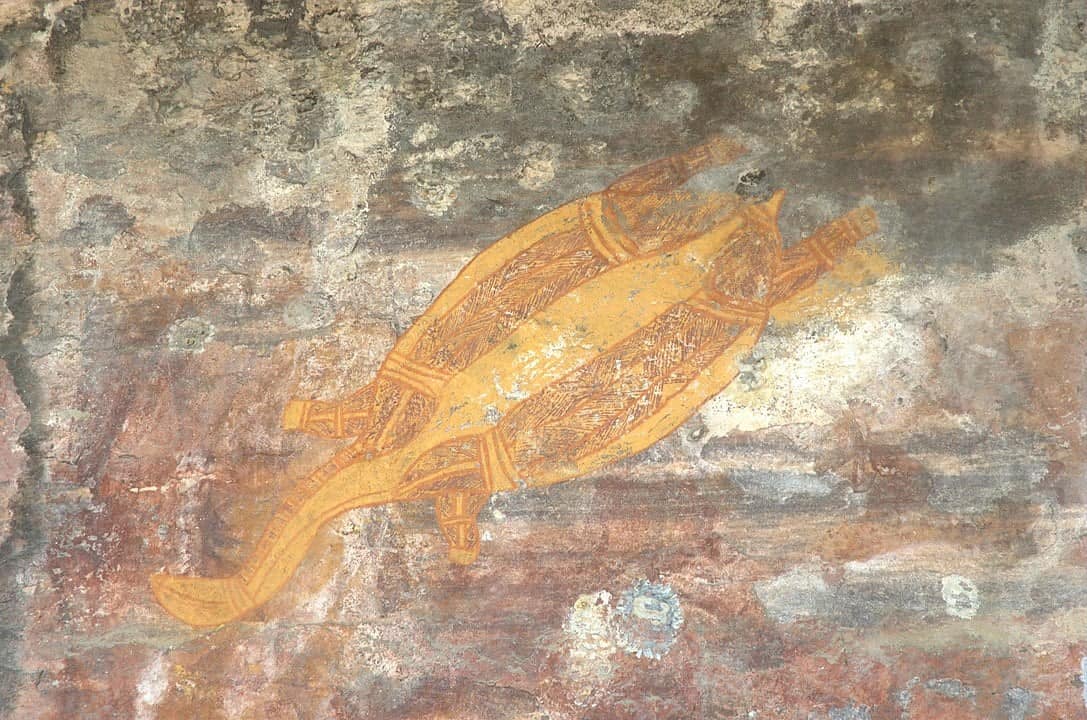
Across human civilizations, turtles have consistently symbolized longevity, wisdom, and stability. In Chinese tradition, the turtle is one of the four celestial guardians, representing the north and the element of water, while also serving as a symbol of longevity that frequently appears in art and architecture. Similar associations exist in Native American cultures, where the turtle often represents the earth itself, supporting all life through its patient endurance. These cultural resonances reflect humanity’s long-standing recognition of turtles’ exceptional lifespans and their seemingly timeless presence in the natural world.
The world’s oldest individual turtles have become cultural touchstones in their own right. Jonathan of Saint Helena has been featured on postage stamps, currency, and in documentaries, serving as a living link to the Victorian era. Similarly, Harriet the Galápagos tortoise became a beloved figure in Australia, with her birthday celebrations attracting international media attention. These ancient individuals transcend their biological significance to become symbols of continuity and resilience in a rapidly changing world. Their ability to persist through wars, social transformations, and environmental changes offers a perspective that few other living beings can provide—a reminder of both the brevity of human lives and the possibility of sustainable existence over genuinely geological timeframes. As climate change and biodiversity loss create unprecedented challenges, the symbolic power of these ancient beings takes on new significance,

- How Crickets Chirp Using Their Wings - July 20, 2026
- The Largest Sea Turtle Ever Rescued Off North Carolina - July 20, 2026
- The Ocean’s Escape Artist: Why Octopuses Outsmart Us All - July 20, 2026