

In the animal kingdom, survival often depends on innate instincts – behaviors coded into DNA that require little to no learning. However, some species stand apart, requiring extended learning periods before reaching full behavioral maturity. This phenomenon, particularly prevalent in highly intelligent species, represents an evolutionary trade-off: longer dependency periods in exchange for adaptability, problem-solving abilities, and cultural transmission. These prolonged learning phases allow juveniles to acquire complex skills, social norms, and ecological knowledge essential for survival. From great apes navigating complex social hierarchies to elephants remembering migration routes across generations, let’s explore the fascinating world of species whose development relies heavily on years of learning and knowledge acquisition before reaching maturity.
Humans: The Ultimate Learners
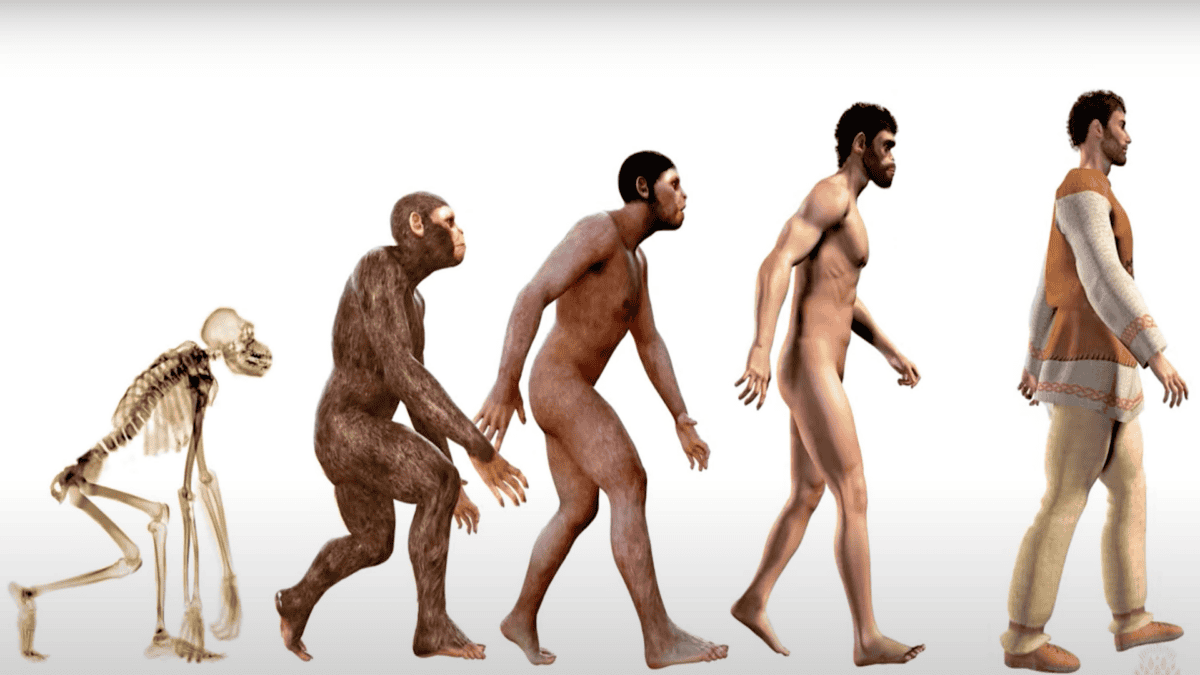
Humans stand as the quintessential example of a species requiring extensive learning before maturity. Our prolonged childhood and adolescence spans roughly 18-25 years – an extraordinarily long developmental period compared to other mammals. This extended learning phase correlates directly with our species’ remarkable success. Human children are born with highly immature brains, with the prefrontal cortex – responsible for executive functions, decision-making, and social behavior – continuing development well into the mid-20s. This lengthy maturation allows for extensive cultural learning, language acquisition, and the development of complex social skills. Anthropologists note that this protracted development emerged as a crucial adaptation, enabling the transmission of increasingly complex technologies and social structures that would have been impossible to acquire in a shorter developmental window. This “apprenticeship in humanity” requires years of observation, instruction, play, and practice, creating generational knowledge accumulation that has allowed humans to adapt to virtually every ecosystem on Earth.
Great Apes: Sophisticated Social Learners
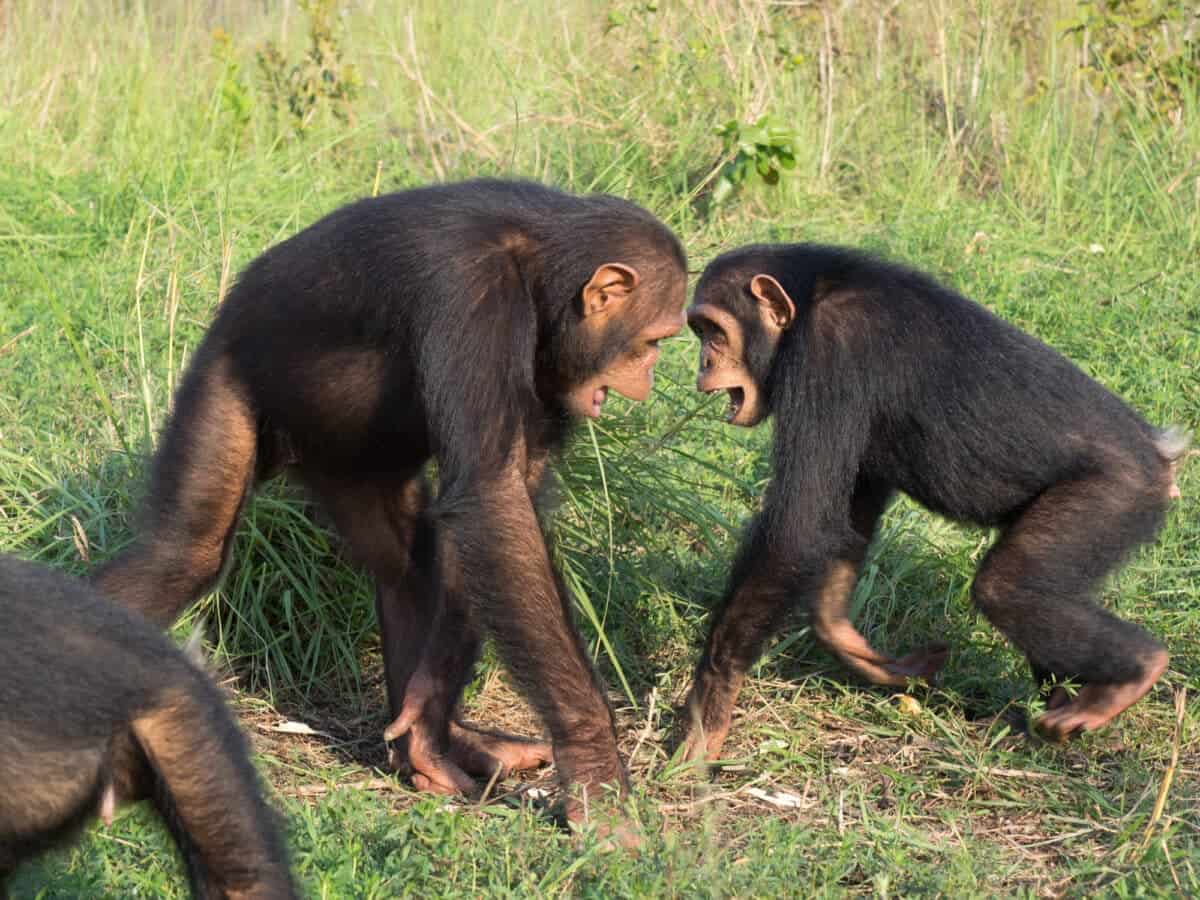
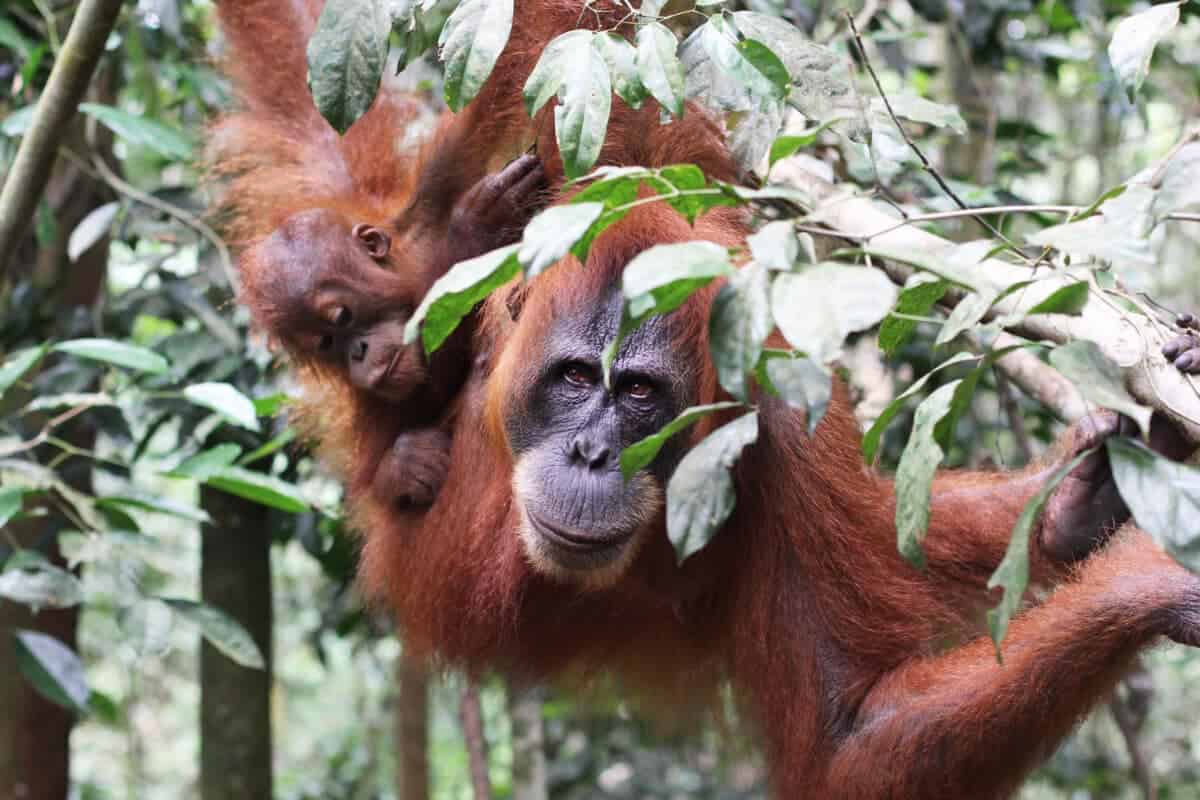
Our closest relatives, the great apes (chimpanzees, bonobos, gorillas, and orangutans), demonstrate remarkably extended learning periods before reaching behavioral maturity. Chimpanzees, for instance, spend approximately 8-10 years in development before becoming fully independent. During this time, juvenile chimps learn critical survival skills through observation and practice, including complex tool use like cracking nuts with stone hammers, extracting termites with modified twigs, and medicinal plant use. Young orangutans remain with their mothers for 7-9 years – among the longest dependency periods of any non-human mammal – mastering complex arboreal navigation, identifying hundreds of food sources across different seasons, and learning nest-building techniques. Research from primatologists at sites like Gombe Stream National Park has documented how young apes watch their mothers intently, often practicing observed behaviors repeatedly before achieving proficiency. This extended learning period allows for the transmission of cultural traditions that vary between communities, creating distinct “cultures” within the same species – an adaptation that would be impossible without extended juvenile development.
Elephants: Matriarchal Knowledge Transfer

Elephants represent one of the most dramatic examples of extended learning requirements, with juveniles depending on family groups for up to 18 years before reaching full maturity. Female elephants never truly leave their maternal herds, creating multi-generational matriarchies led by the oldest females – often 50-70 years old. These matriarchs serve as repositories of ecological knowledge, including the locations of seasonal water sources, migration routes that may span hundreds of miles, and crisis response strategies during droughts or predator threats. Research from Amboseli National Park in Kenya has documented how young elephants learn complex social rules governing herd dynamics, communication techniques using over 70 distinct vocalizations and body postures, and mothering skills through “alloparenting” (helping care for non-offspring calves). Young males eventually leave the maternal herd around age 14, but continue learning from older bulls who model appropriate mating behaviors and social hierarchies. The catastrophic disruption of these learning systems through poaching of older elephants has demonstrated the critical importance of multi-generational knowledge transfer, as orphaned elephants raised without proper role models often demonstrate aberrant social behaviors that persist throughout life.
Orcas: Cultural Specialists of the Ocean

Killer whales (Orcinus orca) demonstrate some of the most complex learning-dependent behaviors in the marine environment, with young orcas remaining with their maternal pods for life. Juveniles require 10-15 years to master the specialized hunting techniques unique to their cultural group or “ecotype.” For example, transient orcas that hunt marine mammals must learn sophisticated coordinated hunting strategies to successfully prey on seals or sea lions, while resident orcas specialize in salmon hunting techniques passed down through generations. Among the most striking examples is the beach-rubbing behavior of Northern Resident orcas in British Columbia, a cultural tradition absent in nearby Southern Resident populations despite their genetic similarity. Perhaps most remarkable are the “intentional stranding” techniques demonstrated by some pods in Patagonia, where orcas temporarily beach themselves to capture seal pups – an extremely dangerous hunting method that requires years of careful observation and practice under adult supervision. Researchers have documented distinct dialects of vocalizations that differ between pods, functioning as acoustic “cultural markers” that juveniles must master to maintain group cohesion. This cultural transmission is reinforced by orcas’ extended lifespan, with females living 50-80 years, allowing multiple generations to learn from experienced elders.
Corvids: Feathered Problem Solvers

Corvids (ravens, crows, jays, and their relatives) demonstrate remarkable cognitive abilities requiring extended learning periods despite their relatively short lifespans. Young corvids typically spend 1-2 years under parental guidance, learning complex foraging techniques, social dynamics, and problem-solving skills. New Caledonian crows, famous for manufacturing hooked tools from twigs to extract grubs, transmit these sophisticated techniques through social learning, with juveniles observing adults before refining their own tool-crafting skills. Research in western North America has revealed that juvenile ravens engage in “cultural enrollment” by observing and copying dominant birds’ responses to novel situations, allowing rapid adaptation to environmental changes. Similarly, scrub jays develop elaborate food-caching strategies, remembering hundreds of cache locations while learning counter-strategies against potential thieves – cognitive skills requiring extended developmental periods. Perhaps most remarkably, crow and raven juveniles participate in “funeral-like” gatherings around deceased flock members, apparently learning to identify potential dangers through these social events. This combination of extended juvenile learning, social transmission, and innovative problem-solving has allowed corvids to thrive in diverse habitats worldwide despite lacking the physical advantages of larger animals.
Cetaceans: Big Brains Need Big Learning

Beyond orcas, numerous cetacean species (whales and dolphins) demonstrate extended learning periods correlating with their exceptional intelligence. Bottlenose dolphins remain dependent on their mothers for 3-6 years, during which juveniles must master complex echolocation skills, cooperative hunting techniques, and pod-specific communication systems. Humpback whales learn elaborate song patterns that evolve culturally across seasons, with juveniles gradually incorporating these changing patterns through years of listening and practice. Perhaps most remarkably, sperm whales organize into matrilineal “clans” distinguished by unique vocal codas (rhythmic click patterns) that juveniles must master over approximately 7-10 years of development. Research in the Caribbean has documented distinct “dialects” between sperm whale clans that remain stable across generations despite occupying overlapping geographic ranges. The significant maternal investment in cetacean offspring, including the longest gestation periods in the animal kingdom (16 months in sperm whales) and energy-intensive lactation lasting years, appears directly linked to the transmission of complex cultural knowledge necessary for survival in marine environments. The correlation between brain size, social complexity, and extended learning periods in cetaceans provides compelling evidence for the importance of cultural transmission in highly intelligent species.
Big Cats: From Playful Cubs to Expert Hunters

Young big cats require extended learning periods to develop the hunting proficiency necessary for survival. Lion cubs remain dependent on pride adults for approximately 2-3 years, during which time they progress through distinct learning phases. Initially engaging in play-fighting that develops coordination and strength, juveniles later observe hunts from a distance before gradually participating under adult supervision. Research from the Serengeti has documented how adolescent lionesses require approximately 20 practice opportunities before becoming proficient hunters. Cheetah cubs face an even steeper learning curve, requiring their mothers to teach them the precise timing and techniques of high-speed pursuit. Researchers have observed mother cheetahs deliberately bringing small, live prey to cubs to practice killing techniques, gradually increasing prey size and difficulty as cubs develop. Solitary big cats like tigers, leopards, and jaguars face the additional challenge of learning complex hunting strategies without group support, with juveniles remaining with their mothers for 18-36 months before independence. The extended dependency period in felids correlates with their reliance on learned hunting behaviors rather than instinctual patterns, demonstrating the critical importance of maternal knowledge transfer despite the evolutionary costs of prolonged offspring care.
Wolves: Cooperative Hunters in Training

Wolf pups engage in a sophisticated, multi-year learning process before becoming fully contributing pack members. For approximately 2-3 years, juvenile wolves progress through structured developmental stages under the guidance of the entire pack. Initially, pups remain at rendezvous sites while adults hunt, gradually joining hunts as observers around 6-8 months of age. Research from Yellowstone National Park has documented how adolescent wolves first participate in low-risk roles during hunts, gradually taking more active positions as their skills develop. Beyond hunting techniques, juvenile wolves must master complex pack communication, including diverse vocalizations, body postures, and facial expressions that maintain social cohesion. The intricate dominance hierarchies within wolf packs require extensive social learning, with juveniles carefully navigating relationships through play, submission signals, and alliance formation. Perhaps most importantly, wolves must learn territory-specific knowledge, including prey movement patterns, competing pack boundaries, and optimal denning locations – information that may take years to fully acquire. This extended learning period creates strong selective pressure for multigenerational packs that facilitate knowledge transfer, with wolf social structures explicitly evolved to support this cultural transmission across generations.
Primates Beyond Apes: Extended Learning Across the Order
Beyond the great apes, numerous primate species demonstrate extended learning periods corresponding to their ecological and social complexity. Japanese macaques provide a striking example of cultural transmission, with juveniles requiring several years to master traditions like potato-washing and hot spring bathing – behaviors that originated with single innovative individuals before spreading through social learning. Capuchin monkeys, renowned for their tool use, undergo approximately 5-6 years of development before mastering techniques like using stones to crack nuts or specialized foraging strategies. Research in Costa Rica has documented how young capuchins progress through distinct learning stages, beginning with exploratory object manipulation before refining techniques through observation of skilled adults. Spider monkeys, navigating complex fission-fusion social systems similar to chimpanzees, require extended learning periods to master the social knowledge necessary to navigate constantly changing group compositions. Particularly fascinating are species-specific traditions that vary between populations of the same species despite similar environments, such as distinct grooming styles in vervet monkeys that juveniles must learn to integrate socially. These examples demonstrate that extended learning periods evolved independently multiple times across the primate order, suggesting strong selection pressure for cultural transmission systems when ecological niches demand behavioral flexibility.
Humans’ Best Friends: Dogs as Social Learners

Domestic dogs represent a fascinating case of extended learning periods shaped by artificial selection. While wolves reach behavioral maturity around 2-3 years, many dog breeds continue showing juvenile behaviors and learning capacity well beyond this age – a phenomenon known as neoteny (retention of juvenile traits into adulthood). This extended developmental period allows dogs to form strong social bonds with humans and learn complex commands, working roles, and social expectations unique to human environments. Working dogs in specialized roles demonstrate the most dramatic learning curves, with service dogs, herding dogs, and hunting dogs typically requiring 1-2 years of intensive training before reaching behavioral maturity. Border collies, consistently ranked among the most intelligent breeds, continue developing their herding skills through approximately 4 years of age, learning incredibly nuanced commands and responses. Most interestingly, research from the Family Dog Project in Hungary has demonstrated that dogs learn primarily through observation of human models rather than other dogs, an evolutionary adaptation to their human-centered ecological niche. This specialized form of social learning, relatively rare in non-human animals, helps explain why dogs require extended developmental periods compared to similarly-sized mammals with less complex social requirements.
Marine Mammals Beyond Cetaceans: Otters and Pinnipeds

Several non-cetacean marine mammals demonstrate extended learning requirements corresponding to their technical foraging challenges. Sea otters, famous for using stones to crack shellfish, require approximately 6 months of maternal instruction to master tool use and diving techniques. Young otters progress through distinct learning stages, beginning with observing maternal demonstrations before practicing with progressively more challenging prey items. Research in Monterey Bay has documented how young otters develop distinct foraging specializations matching their mothers’ techniques, creating matrilineal “foraging cultures” that persist across generations. Among pinnipeds (seals, sea lions, and walruses), harbor seal pups require approximately one year of maternal guidance to develop complex foraging strategies, while sea lion juveniles spend up to two years learning specialized hunting techniques for tracking predictable fish migrations. Steller sea lions demonstrate particularly extended learning periods, with juveniles gradually mastering complex foraging dives that can exceed 1,000 feet in depth – skills requiring significant practice under maternal supervision. In all these cases, the technical challenges of marine foraging appear to have selected for extended learning periods and sophisticated maternal teaching strategies, despite the high energetic costs of prolonged juvenile dependency in challenging aquatic environments.
The Evolutionary Cost-Benefit Analysis

The evolution of extended learning periods represents a fascinating cost-benefit analysis in evolutionary terms. The primary costs are substantial: increased parental investment, delayed reproduction, greater predation risk during extended dependency, and increased resource requirements during development. These costs create significant selective pressure against extended juvenile periods unless the benefits outweigh them substantially. The primary benefit appears to be behavioral flexibility – the ability to adapt to environmental challenges through learned responses rather than fixed instincts. This flexibility proves particularly valuable in species facing complex, variable, or unpredictable environments where rigid behavioral programs would fail. Interestingly, there exists a strong correlation between relative brain size (encephalization quotient) and learning period duration across mammalian species. Dolphins, elephants, and primates rank highest in both metrics, suggesting coevolution between neural architecture and developmental timing. Social complexity represents another crucial factor, with the most socially complex species generally requiring the longest learning periods to master intricate dominance hierarchies, alliance formation, and communication systems. Perhaps most compelling is the relationship between technological complexity and learning duration, with tool-using species universally requiring extended development to master these skills. This evolutionary pattern suggests that when ecological niches demand behavioral sophistication, selection favors extended learning despite the considerable biological costs involved.
The extended learning periods observed across diverse species highlight a profound evolutionary strategy: investing in behavioral flexibility over rigid instincts. This adaptation allows knowledge to accumulate across generations, creating cultures that can respond to environmental challenges more rapidly than genetic evolution alone. The correlation between intelligence, social complexity, ecological challenges, and learning duration appears consistently across mammalian, avian, and even some reptilian species, suggesting powerful convergent evolution toward this developmental strategy. As human intervention increasingly disrupts natural knowledge transmission systems through habitat fragmentation, removal of experienced individuals, and population declines, conservation efforts must consider not just population numbers but the preservation of knowledge transfer systems essential for these species’ survival. Understanding the extended learning requirements of these remarkable animals offers not only scientific insights but a deeper appreciation for the sophisticated social and cognitive lives unfolding in the natural world around us.

- How Crickets Chirp Using Their Wings - July 20, 2026
- The Largest Sea Turtle Ever Rescued Off North Carolina - July 20, 2026
- The Ocean’s Escape Artist: Why Octopuses Outsmart Us All - July 20, 2026