

The animal kingdom is rich with remarkable cultural traditions that span generations, proving that complex social learning isn’t uniquely human. From elaborate hunting techniques to sophisticated tool use, these animal traditions represent vital knowledge transfer systems that ensure survival and social cohesion within species. What makes these behaviors particularly fascinating is how they’re preserved and modified across time—not through genetic encoding alone, but through observation, imitation, and active teaching. As we explore these remarkable examples of animal culture, we discover that the line between human and animal societies may be more blurred than we once thought.
Chimpanzee Tool Traditions

Among our closest genetic relatives, chimpanzees demonstrate some of the most documented cultural traditions in the animal kingdom. Different chimpanzee communities across Africa maintain distinct tool-use traditions that persist across generations. In Tanzania’s Gombe Stream National Park, chimpanzees fashion “fishing sticks”—carefully selected twigs modified by stripping leaves and chewing the ends to create tools for extracting termites from mounds. Meanwhile, in the Taï Forest of Ivory Coast, chimpanzees use stone hammers and wooden anvils to crack nuts, a complex skill that takes young chimps up to seven years to master through observation of their mothers and other skilled adults. Researchers have identified over 40 different cultural behaviors among wild chimpanzees, with communities separated by just a few miles sometimes exhibiting entirely different traditions, highlighting that these behaviors are socially learned rather than instinctual.
Orca Hunting Techniques

Killer whales, or orcas, possess some of the most sophisticated and varied hunting traditions in the marine world. Different orca populations have developed specialized hunting strategies passed down through generations. In Argentina, some orcas have mastered the dangerous technique of intentionally beaching themselves to capture sea lion pups on the shoreline—a behavior that requires precise timing and extraordinary coordination. Young orcas spend years observing adults before attempting this risky maneuver. In the waters of New Zealand, other orca pods have developed specialized techniques for hunting rays, pinning them to the seafloor to avoid their venomous barbs. Perhaps most remarkably, in Antarctic waters, groups of orcas have learned to create waves that wash seals off ice floes, a cooperative hunting strategy requiring coordination among multiple individuals. These distinct hunting traditions are so culturally embedded that they help define different orca ecotypes, essentially forming the basis of orca “ethnicities” with their own unique cultural identities.
Elephant Matriarchal Knowledge

African elephant herds function under the leadership of elder matriarchs who serve as repositories of multi-generational knowledge essential for the group’s survival. These matriarchs can live up to 70 years, accumulating crucial information about migration routes, water sources, and danger areas that they pass down to younger generations. During periods of drought, researchers have observed matriarchs leading their herds to water sources not used for decades, suggesting they maintain mental maps of resources encountered throughout their long lives. Studies in Amboseli National Park in Kenya found that herds led by older matriarchs had higher reproductive success during drought periods compared to those with younger leaders, demonstrating the survival value of this cultural memory. Beyond resource knowledge, these elder females also transmit complex social protocols that govern interactions within and between herds, teaching younger elephants appropriate greeting ceremonies, mourning rituals, and conflict resolution behaviors that maintain social cohesion across generations.
Dolphin Sponging Behavior

In Australia’s Shark Bay, a remarkable cultural tradition has emerged among a subset of bottlenose dolphins. These dolphins, primarily females, have developed a unique foraging technique called “sponging,” where they break marine sponges from the seafloor and wear them on their beaks as protective tools while probing in rocky substrate for fish. This behavior protects their sensitive rostrums from scrapes and stings while allowing them to access food sources other dolphins cannot. Genetic studies have confirmed that this behavior is not inherited but culturally transmitted, primarily from mothers to daughters. The practice has persisted for at least four generations of dolphins and appears to be expanding to new areas within the bay. What makes this case particularly interesting to scientists is its exclusivity—not all dolphins adopt this behavior even when exposed to it, suggesting that cultural traditions in dolphins, like in humans, may involve elements of identity and social affiliation beyond mere survival value.
Bird Song Dialects

Many bird species develop regional “dialects” in their songs that are passed culturally from one generation to the next, creating distinctive vocal traditions that can persist for decades or even centuries. White-crowned sparrows have been particularly well-studied in this regard, with populations separated by just a few miles sometimes singing markedly different song patterns. Young males learn these specific regional songs during a critical period in their development by listening to adult males in their area. In an experiment where young white-crowned sparrows were raised in acoustic isolation and then exposed to recordings of songs from different regions, they consistently chose to learn and reproduce the songs from their ancestral region, suggesting a fascinating interplay between genetic predisposition and cultural learning. These dialects not only help birds identify members of their local group but also play crucial roles in territorial defense and mate attraction. Female birds often prefer males singing the local dialect, creating a selective pressure that reinforces cultural continuity across generations.
Orangutan Nest-Building Innovations
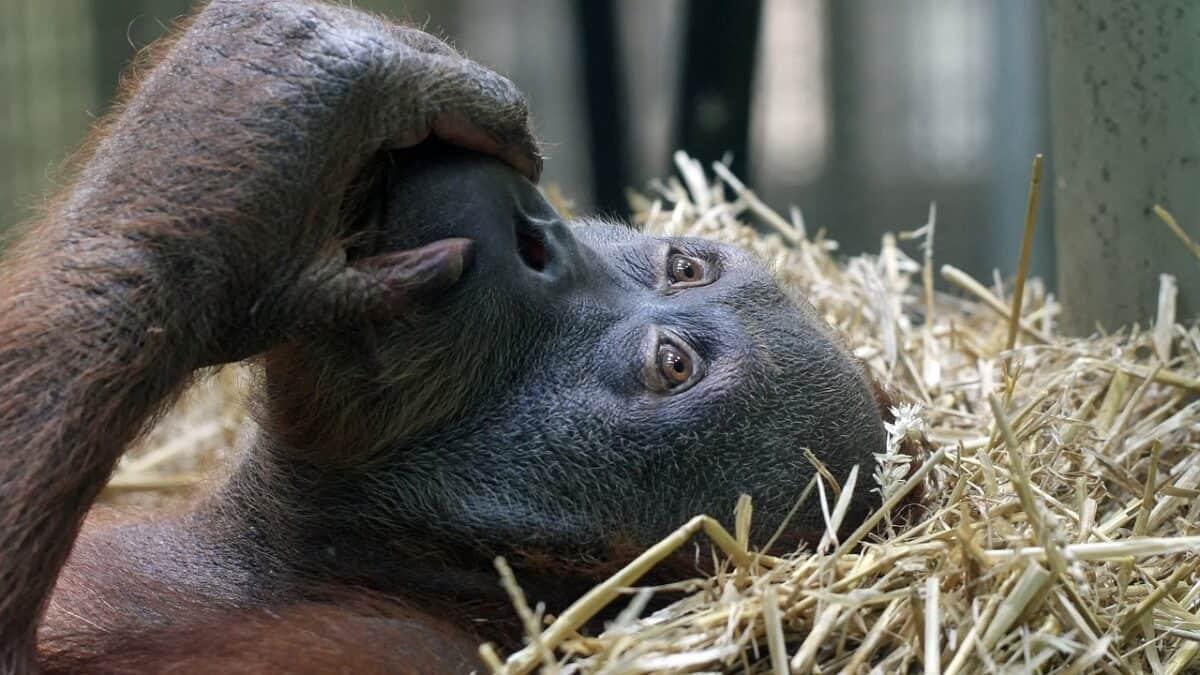
Wild orangutans construct some of the most sophisticated nightly shelters in the animal kingdom, and the specific techniques for building these nests represent cultural knowledge passed from mothers to offspring over years of development. Young orangutans spend up to eight years observing their mothers’ nest-building techniques before mastering the skill themselves. Researchers have documented distinct regional variations in nest construction methods across different orangutan populations in Borneo and Sumatra. Some groups consistently incorporate specific architectural features like rain covers or cushioned floors made from particular materials, while others in similar habitats do not. In some regions, orangutans have been observed using leafy branches as makeshift pillows or creating specialized nests for afternoon naps that differ from their nighttime structures—innovations that spread through populations via social learning. The sophistication of these shelters demonstrates not just the transmission of a basic survival skill but the accumulation of improvements and refinements over generations—a hallmark of true cultural evolution.
Japanese Macaque Food Traditions

One of the most famous examples of animal culture emerged in 1953 when researchers observed a young female Japanese macaque named Imo on Koshima Island washing sweet potatoes in seawater before eating them. This novel behavior, which removed sand and added a salty flavor to the food, gradually spread through the troop—first to Imo’s playmates, then to their mothers, and eventually becoming standard practice among younger generations. Within a decade, this tradition had transformed from an innovation by a single individual into an established cultural norm. Building on this success, the same female later invented a technique for separating wheat from sand by tossing the mixture into water, allowing the wheat to float while the sand sank. This behavior also spread through the social network, demonstrating how animal traditions can develop and propagate in ways remarkably similar to human cultural transmission. These macaque innovations highlight how animal cultures can emerge rapidly when novel behaviors provide clear advantages and when social structures facilitate learning opportunities between individuals.
Whale Song Evolution
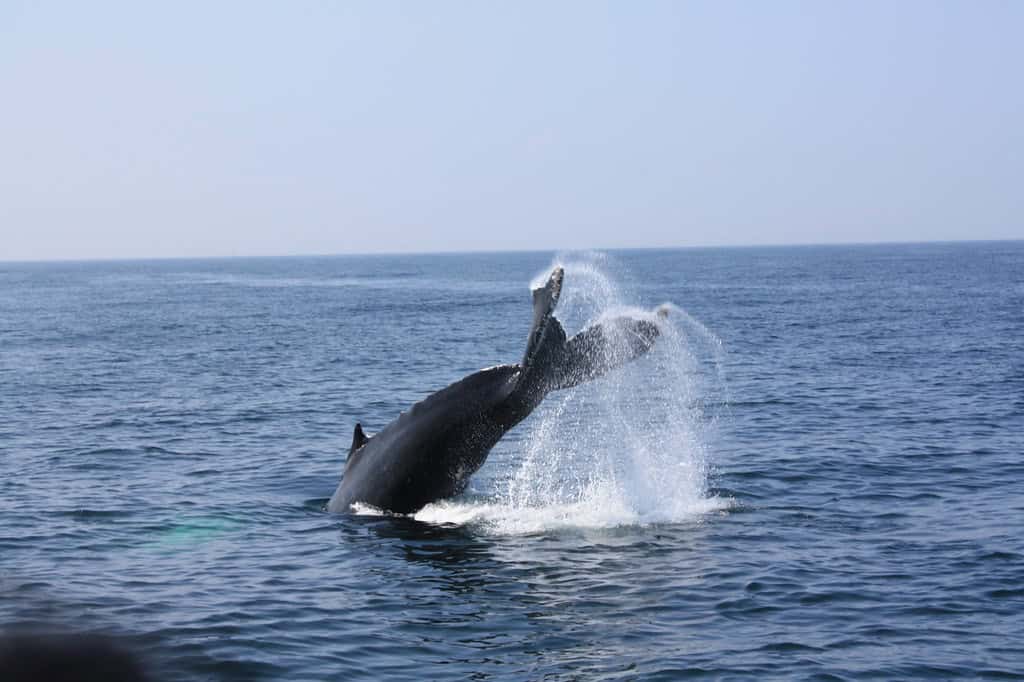
Humpback whale songs represent one of the most complex and dynamic cultural systems in the non-human world. Male humpbacks produce elaborate songs that can last up to 30 minutes, with all males in a population singing roughly the same song at any given time. Remarkably, these songs gradually evolve throughout the breeding season as males incorporate small changes that are then adopted by others in the population. Over years, the songs transform completely while maintaining their recognizable structure. Even more fascinating is the documented phenomenon of “song revolutions,” where an entirely new song introduced by whales migrating from a different population can rapidly replace the existing song within just 2-3 years. This wholesale adoption of new cultural material has been observed spreading eastward across the South Pacific, with songs moving from Australia to French Polynesia over several breeding seasons. This pattern of cultural transmission represents one of the largest-scale examples of cultural exchange in any non-human species and challenges our understanding of how complex communicative traditions can spread and evolve across vast geographic distances.
Rat Poison Avoidance Networks
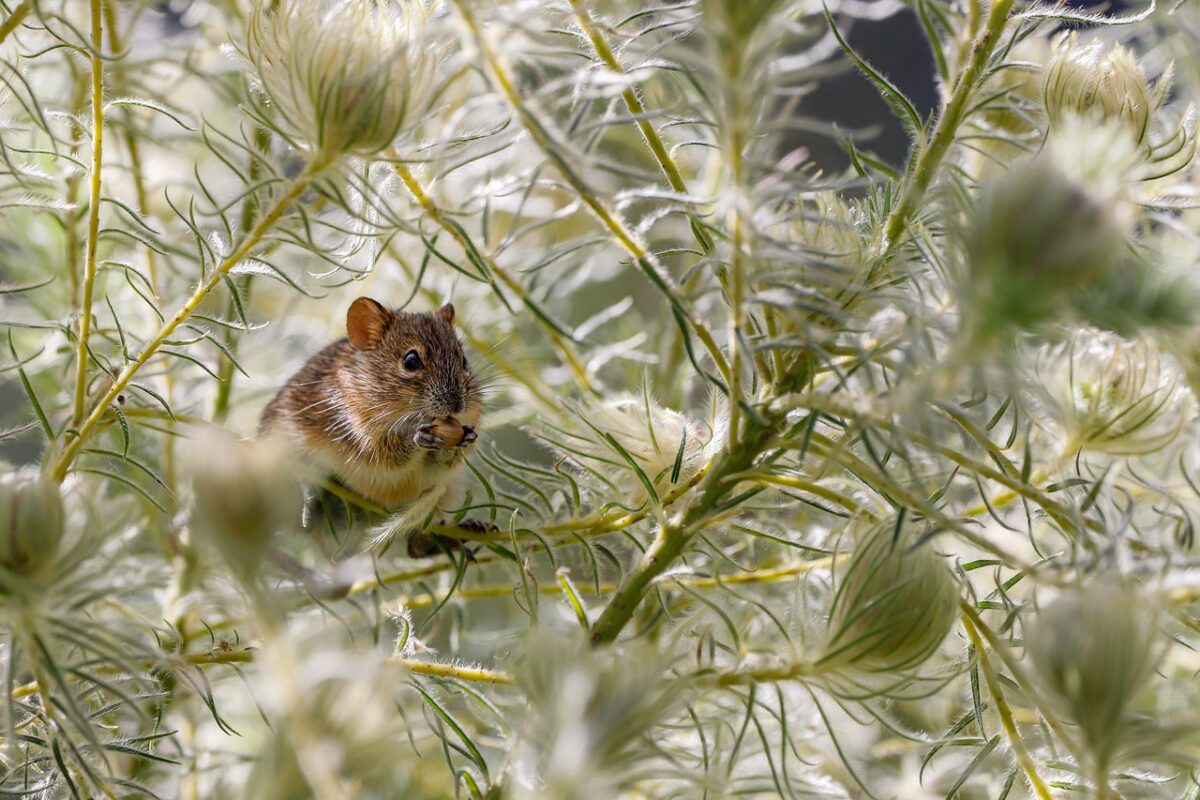
Norway rats have developed sophisticated cultural systems for avoiding dangers, particularly poisoned foods. Unlike many animals that have to learn about toxins through direct experience (often fatal), rats have evolved a social learning system that allows information about dangerous foods to spread rapidly through their communities. When a rat discovers that a particular food causes illness, it associates the taste with the negative consequence. More remarkably, other rats can learn to avoid that same food simply by smelling it on the breath of the affected rat. This “poison avoidance” information cascades through social networks, creating a community-wide aversion to dangerous foods that can persist across generations. Laboratory studies have shown that these food aversions can be maintained in rat populations even when all individuals who had direct experience with the poison have been removed, demonstrating true cultural transmission. This system allows rat communities to rapidly adapt to new threats in their environment without requiring each individual to risk potentially lethal experimentation, showing how cultural learning can provide adaptive advantages that complement genetic adaptations.
Bighorn Sheep Migration Knowledge

Bighorn sheep in the Rocky Mountains maintain complex migratory traditions that depend entirely on cultural knowledge passed from experienced individuals to younger animals. Studies using GPS tracking collars have revealed that these sheep follow precise seasonal routes between high alpine meadows in summer and lower elevation wintering grounds—routes that remain remarkably stable across decades. When biologists have attempted to reintroduce bighorn sheep to historic ranges where populations were previously extirpated, they’ve discovered that the animals often fail to migrate effectively because they lack the cultural knowledge of traditional routes. In successful reintroductions, researchers observed that migration patterns took up to 30 years to reestablish as animals gradually discovered effective routes through trial and error, with successful strategies gradually becoming traditions shared across the growing population. This highlights how the loss of cultural knowledge in animal populations can be as devastating as the loss of genetic diversity, particularly for species that depend on complex migratory traditions for survival in seasonal environments.
Meerkats’ Teaching Behaviors
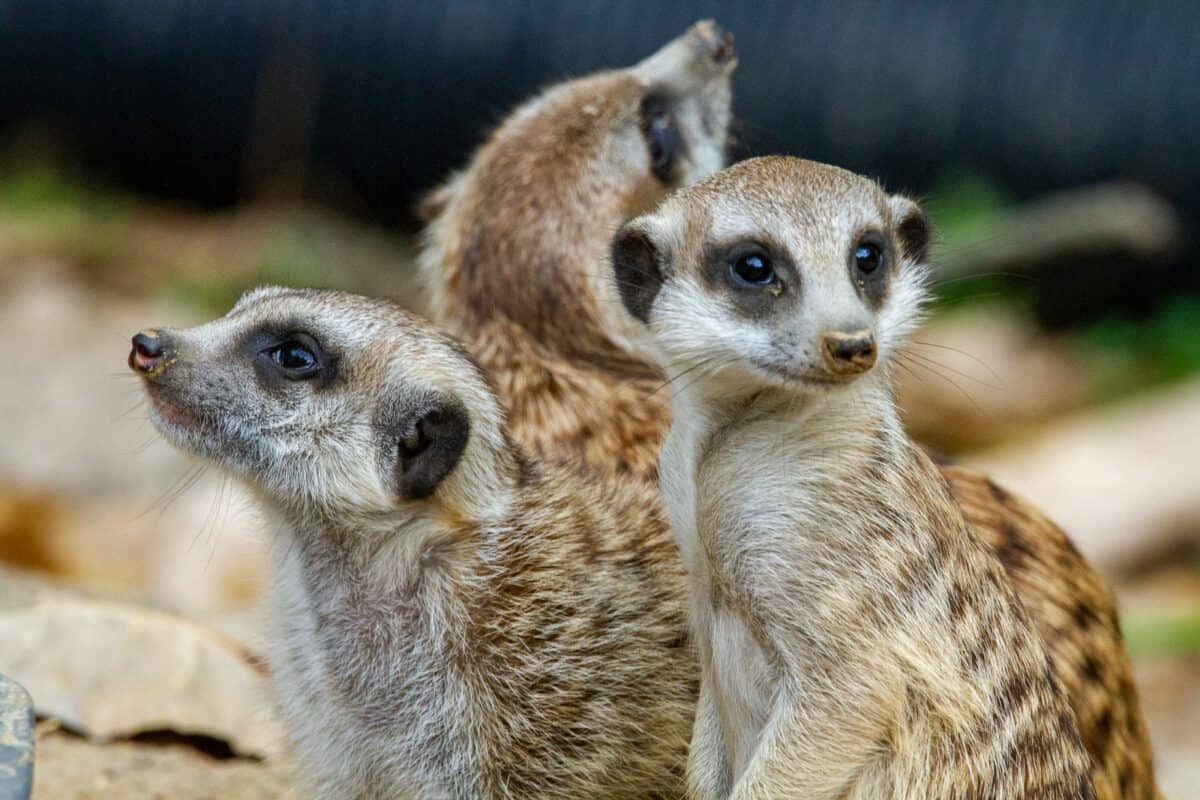
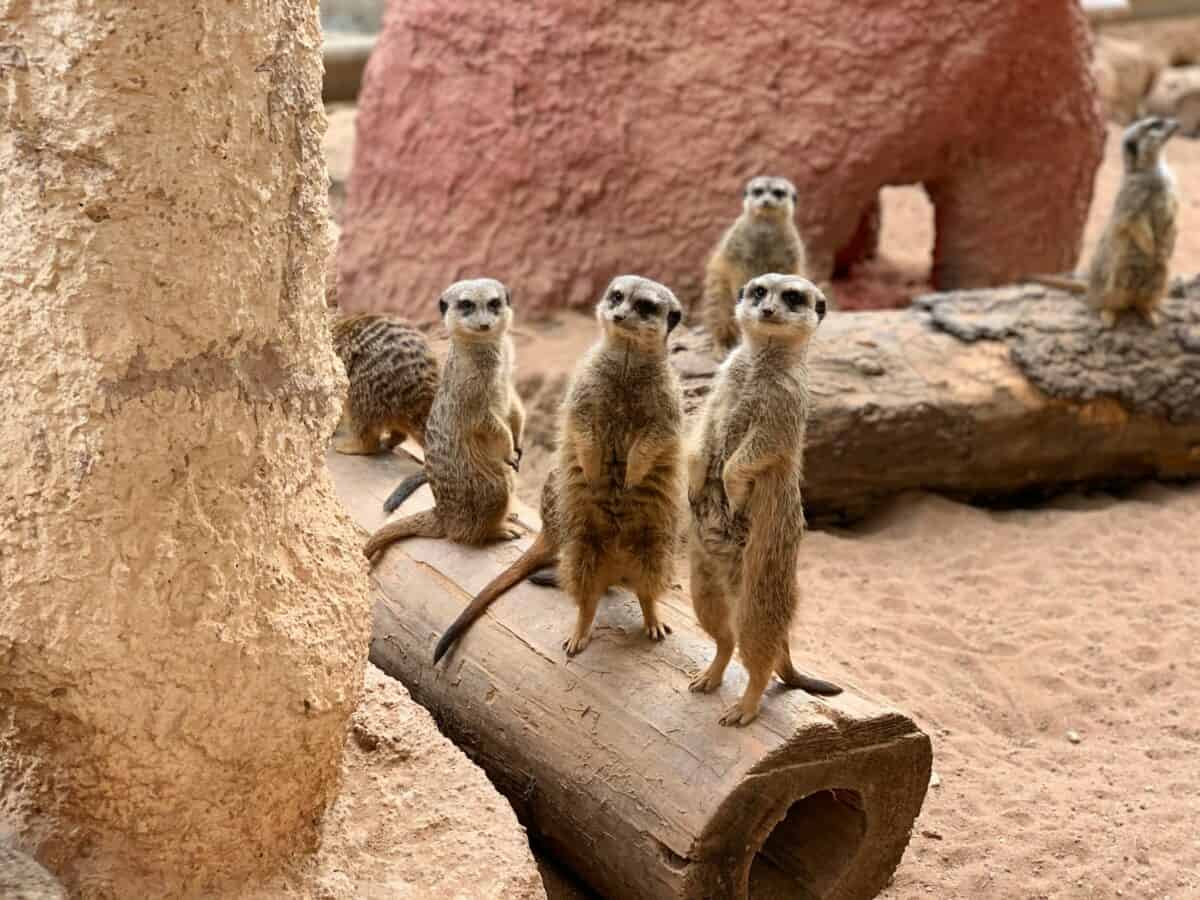
Meerkats in the Kalahari Desert demonstrate one of the clearest examples of active teaching in non-human animals, particularly when it comes to the dangerous skill of handling scorpions—a protein-rich but potentially deadly prey item. Adult meerkats systematically modify their teaching based on the age and experience level of their pupils. For very young pups, adults will kill scorpions and deliver them dead. As pups grow, adults progressively present more challenging prey: first bringing disabled scorpions with stingers removed, then partially immobilized scorpions, and finally live but slightly disabled specimens. This graduated approach allows young meerkats to develop hunting skills while minimizing risk. Researchers have confirmed this represents true teaching by demonstrating that adults modify their behavior at a cost to themselves (it would be easier to consume the scorpion than to prepare it as a teaching aid) and that they adjust their teaching techniques based on feedback from the pupils’ performance. This sophisticated teaching system ensures that each new generation masters critical foraging skills that have been refined through countless previous generations.
The rich tapestry of animal traditions described here challenges our understanding of what separates human culture from the social learning systems of other species. While human cultural transmission benefits from language and deliberate instruction, many animals have developed remarkably effective systems for preserving and propagating adaptive behaviors across generations. These traditions are not merely interesting behavioral quirks but vital survival mechanisms that allow animal communities to retain and build upon successful innovations, creating a form of non-genetic inheritance that complements their biological evolution. As we continue to study these fascinating examples of animal culture, we gain not only deeper appreciation for the cognitive capabilities of our fellow species but also new insights into the evolutionary roots of our own cultural behaviors. Perhaps most importantly, recognizing the cultural dimensions of animal societies creates additional ethical imperatives for conservation efforts, as we now understand that when a population disappears, we lose not just genetic diversity but also irreplaceable cultural knowledge accumulated over countless generations.

- This Lizard Can Breathe Underwater - July 22, 2026
- The Wild Horses of North Carolina’s Coast - July 22, 2026
- These Creatures Can Freeze Themselves to Survive - July 22, 2026