


In the great blue expanse of our oceans, one of the most sophisticated communication systems in the animal kingdom thrives beneath the waves. Dolphins, those intelligent marine mammals that have captivated humans for centuries, don’t just communicate—they speak in unique dialects specific to their social groups or pods. This fascinating phenomenon represents one of nature’s most intricate examples of cultural transmission and social learning. Each dolphin pod develops its own vocal signature, a distinctive set of whistles, clicks, and calls that functions as an underwater linguistic fingerprint, setting them apart from other dolphin communities.
Scientists studying these remarkable cetaceans have discovered that dolphin communication goes far beyond simple signaling. Their sophisticated vocalizations suggest a complex system that might be compared to human language in certain aspects. As we dive deeper into the world of dolphin dialects, we’ll explore how these marine linguists develop their pod-specific “languages,” what functions these dialects serve, and what they reveal about dolphin intelligence and social structures.
The Fundamentals of Dolphin Communication
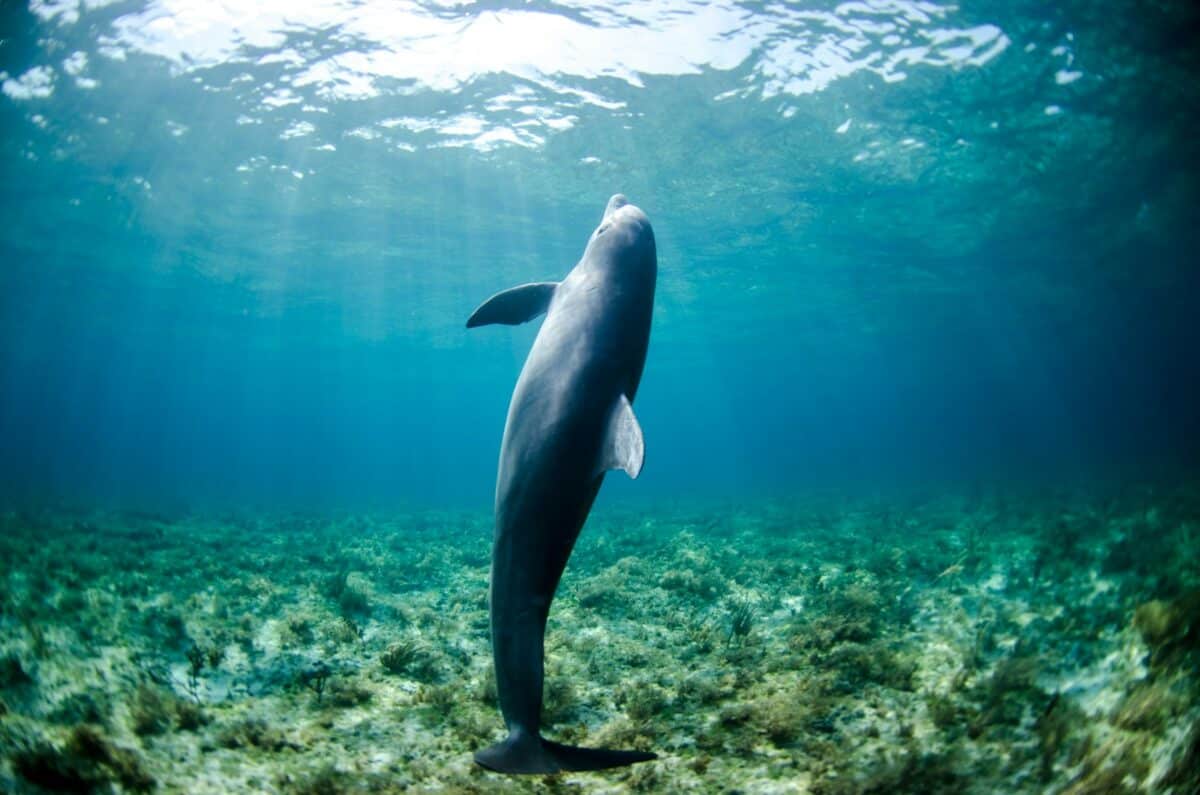
To understand dolphin dialects, we must first grasp the basics of how dolphins communicate. Dolphins produce three main types of sounds: clicks, burst-pulsed sounds, and whistles. Clicks are primarily used for echolocation—the biological sonar that allows dolphins to navigate and hunt by sending out sound waves that bounce off objects in their environment. Burst-pulsed sounds, which include squawks, barks, and raspberries, are often associated with social interaction and emotional states like aggression or excitement.
The most studied element of dolphin communication is their whistles, which can range from simple to complex patterns and frequently carry over long distances underwater. Among these whistles, the “signature whistle” stands out as particularly significant. Each dolphin develops its own unique signature whistle within the first year of life, functioning essentially as a name. This distinctive call helps dolphins identify each other and maintain group cohesion, especially in murky waters where visual identification is difficult. These signature whistles form the foundation upon which pod-specific dialects are built.
What Makes a Dolphin Dialect?
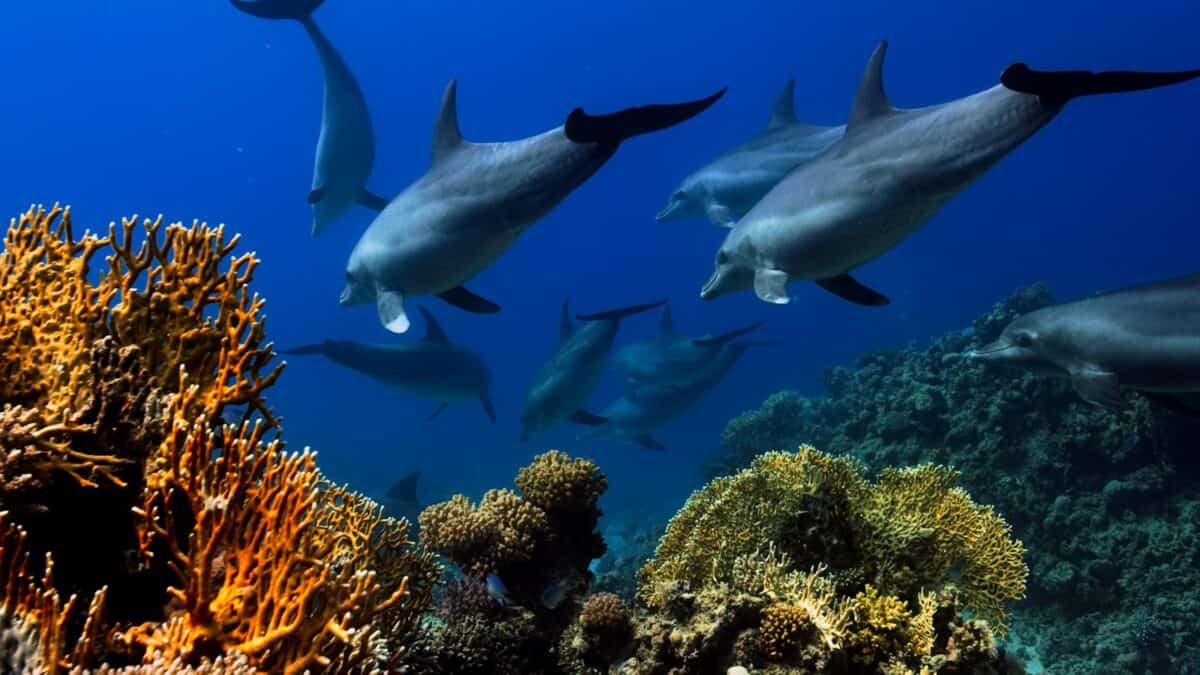
A dolphin dialect encompasses more than just individual signature whistles—it represents a shared vocal repertoire that members of a specific pod use and understand. These dialects manifest in several ways: through unique whistle contours (the pattern of frequency changes over time), specific call types that only certain pods use, and even in the acoustic parameters of common dolphin sounds that vary between groups. For example, one pod might produce their whistles at consistently higher frequencies than neighboring pods, or they might favor particular rhythmic patterns in their burst-pulsed sounds.
What’s remarkable is that these dialects aren’t merely random variations—they’re systematically shared within social groups and demonstrate stability over time. Young dolphins learn the specific dialect of their pod through a process resembling cultural transmission. Research has shown that dolphins from the same pod share whistle features that differ from those of other pods, even when these pods inhabit overlapping territories. This suggests that dialects serve as a form of social identity rather than being simple adaptations to different acoustic environments.
The Discovery of Pod-Specific Dialects

The first substantial evidence of pod-specific dialects came from studies of killer whales (Orcinus orca), which are actually the largest members of the dolphin family. In the 1980s, researchers in the Pacific Northwest found that resident orca pods each possessed their own distinctive set of calls. This groundbreaking research opened the door to investigations of similar phenomena in other dolphin species. It wasn’t long before scientists discovered that bottlenose dolphins (Tursiops truncatus), spinner dolphins (Stenella longirostris), and numerous other dolphin species also exhibit dialect variations between social groups.
A landmark study published in 2000 by Vincent Janik showed that bottlenose dolphins in Scotland’s Moray Firth used group-specific whistle types. Later research in Sarasota Bay, Florida, confirmed that dolphins from different communities maintained distinct whistle patterns even when their ranges overlapped. These discoveries challenged the earlier assumption that dolphin communication was primarily innate and highlighted the importance of social learning in shaping how dolphins “talk” to each other. The evidence for culturally transmitted dialects dramatically changed our understanding of dolphin cognition and social complexity.
How Dolphins Develop Their Pod Dialects

The development of pod-specific dialects begins early in a dolphin’s life. Calves are born with the ability to produce sounds, but they must learn the specific vocal patterns of their pod. For the first few months, young dolphins experiment with various sounds, gradually refining their vocalizations to match those of their mothers and pod members. This learning process involves extensive listening and practice, similar to how human infants acquire language.
Research indicates that dolphin calves go through distinct stages of vocal development. They begin with simple, unstructured calls before progressing to more complex vocalizations that increasingly resemble adult patterns. By about one year of age, most dolphins have developed their signature whistle, which remains stable throughout their life but may incorporate elements that reflect their pod’s dialect. This combination of individual identity within a shared group vocal tradition creates an elegant balance between personal recognition and group cohesion. The learning process continues throughout a dolphin’s life, as they may need to adjust their vocalizations when joining new social groups or responding to environmental changes.
The Role of Dialects in Social Bonding

One of the primary functions of pod-specific dialects appears to be strengthening social bonds. When dolphins share a common “language,” they reinforce their identity as a cohesive social unit. This shared vocal repertoire helps maintain group solidarity in a fluid marine environment where visual contact can be limited. Researchers have observed that when pods meet at sea, they often exchange vocalizations that highlight their different dialects, perhaps serving as a form of group introduction.
Dialects may be particularly important for dolphin species that maintain stable, long-term social relationships. For example, resident killer whales stay in their maternal pods for life, and their highly distinctive vocal dialects help reinforce these permanent social bonds. In more fluid dolphin societies, like those of bottlenose dolphins, dialect differences may be more subtle but still serve important social functions. The shared dialect creates an acoustic boundary that helps define “us” versus “them” in the underwater world, similar to how human accents can indicate regional or cultural identity. This social dimension highlights how vocal learning in dolphins goes beyond mere communication to serve complex social purposes.
Geographic Variations in Dolphin Dialects

Dolphin dialects don’t just vary between pods—they also show fascinating geographic patterns. Pods living in different regions often develop distinctive regional “accents” that may reflect both cultural differences and adaptations to local acoustic environments. For instance, bottlenose dolphins living in shallow coastal waters typically produce lower-frequency whistles than those living in deeper offshore habitats, likely because lower frequencies travel better in shallow water environments with more obstacles.
A striking example of geographic variation comes from a study comparing bottlenose dolphin whistles across the Atlantic Ocean. Researchers found significant differences between the whistle characteristics of dolphins in American waters versus those near Scotland, with consistent patterns that marked them as belonging to distinct “vocal cultures.” Similarly, spinner dolphins in different regions of Hawaii have been found to use different acoustic repertoires. These geographic variations create a rich tapestry of dolphin communication across the world’s oceans, with each region hosting its own distinctive dolphin “languages.” What makes this particularly remarkable is that these differences persist despite the absence of physical barriers that would prevent different populations from interacting.
Learning New Dialects: Dolphin Cultural Exchange

Dolphins demonstrate remarkable vocal flexibility when it comes to learning new sounds. When pods merge or individuals transfer between social groups, they often adapt their vocalizations to match their new companions. This ability to learn new “words” throughout life is relatively rare in the animal kingdom and shares similarities with human language acquisition. In captivity, dolphins have been observed incorporating novel sounds from their environment, including mimicking the whistles of tank-mates or even human speech patterns.
One fascinating study documented how a group of bottlenose dolphins changed their whistle repertoire after being housed with a pod of Atlantic spotted dolphins. Over time, both species modified their vocalizations to create a shared communication system—a kind of dolphin pidgin language. This remarkable flexibility suggests that dolphin dialects are dynamic rather than static, capable of evolving as social circumstances change. The ability to learn new dialects probably provides significant adaptive advantages, allowing dolphins to integrate into new social groups when necessary while maintaining the benefits of pod-specific communication when stable groups are advantageous.
Technical Challenges in Studying Dolphin Dialects
Researching dolphin dialects presents scientists with formidable technical challenges. Water conducts sound very differently than air does, requiring specialized hydrophones (underwater microphones) to capture the full range of dolphin vocalizations. Additionally, identifying which dolphin is making which sound in a group setting is extraordinarily difficult. Researchers have developed ingenious methods to address this, including using arrays of hydrophones to triangulate sound sources and attaching acoustic recording tags directly to individual dolphins.
Another significant challenge lies in analyzing the complex acoustic signals that dolphins produce. Their whistles can vary in numerous parameters including frequency, duration, modulation patterns, and harmonics. Modern research relies heavily on advanced signal processing techniques and machine learning algorithms to detect patterns in these multidimensional sound data. Despite these challenges, new technologies continue to improve our ability to decode dolphin communication. Recent advances include real-time acoustic localization systems that can track multiple vocalizing dolphins simultaneously and artificial intelligence approaches that can identify signature whistles with high accuracy, opening new avenues for understanding the intricacies of dolphin dialects.
Comparing Dolphin Dialects to Human Language
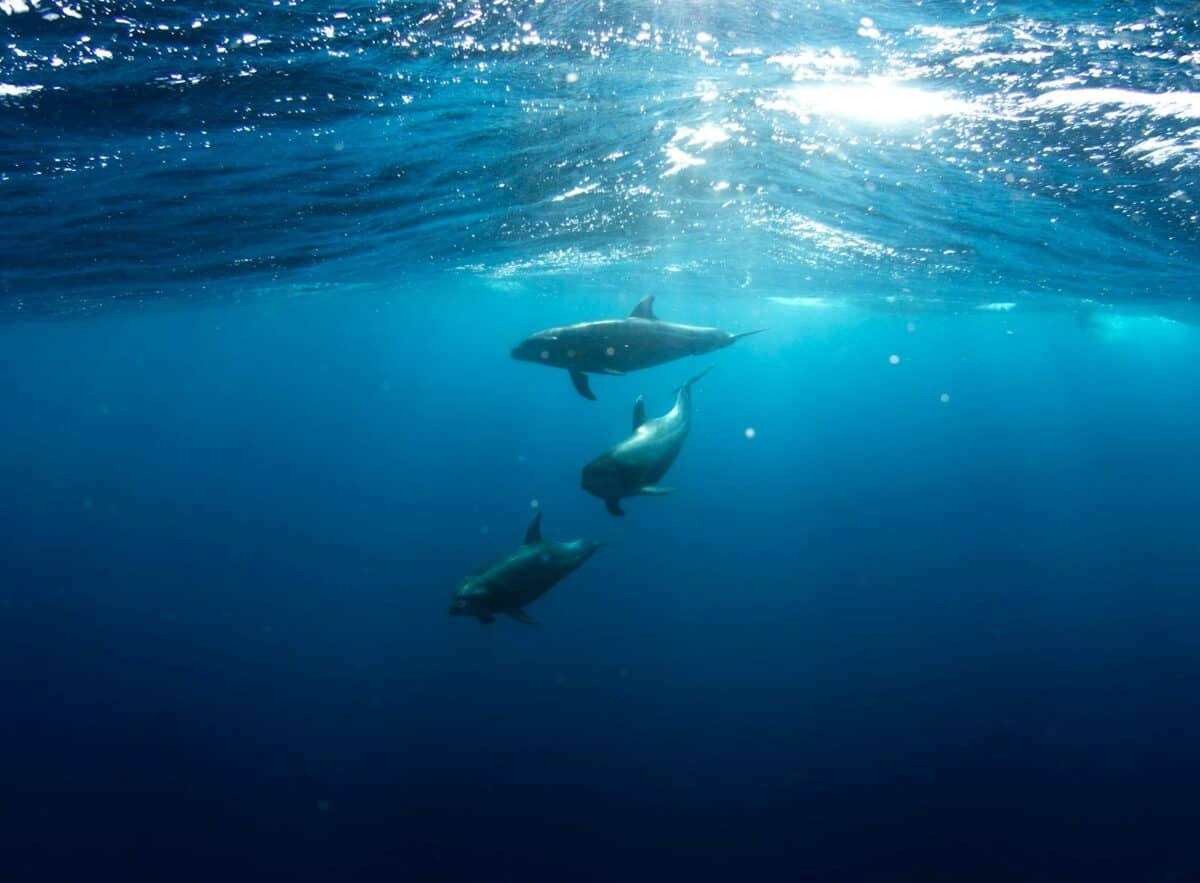
While dolphin dialects share fascinating parallels with human language, important distinctions remain. Like human languages, dolphin dialects are socially learned, show cultural transmission across generations, and include both group-wide patterns and individual variations. They also demonstrate regional differences that resemble human accents or dialects. However, researchers remain cautious about claiming that dolphin communication constitutes “language” in the human sense, as we haven’t conclusively demonstrated that they possess syntax (grammatical rules) or semantics (fixed meanings) comparable to human language.
Nonetheless, the sophisticated nature of dolphin communication continues to surprise researchers. Dolphins can transmit detailed acoustic information, recognize individual voices, and maintain vocal traditions over generations. Some studies suggest they may even use signature whistles referentially—”naming” other dolphins in their absence, a capability previously thought unique to humans. The comparison between dolphin dialects and human language offers valuable insights into the evolution of communication systems and raises profound questions about different forms of intelligence in the animal kingdom. As research techniques advance, we continue to narrow the gap in our understanding of just how complex dolphin communication might be.
Conservation Implications of Dialect Research

Understanding dolphin dialects has important implications for conservation efforts. Different pods with their own dialects may represent distinct cultural units worthy of specific conservation attention, even if they’re not genetically different enough to be classified as separate subspecies. When dolphin populations decline, they may lose unique dialects—a form of cultural extinction that occurs even before biological extinction. This phenomenon has been documented in sperm whales, where declining populations showed less diverse vocal repertoires.
Dialect research also highlights the potential impacts of noise pollution on dolphin communities. Human-generated underwater noise from shipping, military activities, and offshore development can mask dolphin vocalizations, potentially disrupting their communication systems. If pods can’t hear each other’s distinctive calls, their social cohesion may suffer. Some dolphins appear to modify their whistles in noisy environments—raising their pitch or changing call duration—but these adaptations may have energetic costs or reduce communication effectiveness. By understanding the importance of acoustic communication to dolphin societies, conservation managers can better evaluate the potential impacts of underwater noise and develop more effective protection measures for these acoustically sensitive marine mammals.
Case Studies: Notable Dolphin Dialect Discoveries

Some of the most fascinating research on dolphin dialects comes from specific populations that have been studied intensively over many years. The resident killer whales of the Pacific Northwest represent perhaps the most well-documented case of pod-specific dialects. Each pod has a unique vocal repertoire that has remained stable for generations and serves as an acoustic identifier. Remarkably, related pods share some call types while maintaining distinct variations, creating what researchers describe as an acoustic clan structure that reflects their genetic relationships.
Another illuminating case study involves the bottlenose dolphins of Shark Bay, Australia. These dolphins have developed a unique foraging culture where some individuals use sponges as tools to protect their rostrums (beaks) while hunting on the seafloor. Researchers discovered that “spongers” share distinct whistle characteristics that differ from non-sponging dolphins, suggesting that vocal traditions may accompany other cultural behaviors. In the Mediterranean, different pods of striped dolphins (Stenella coeruleoalba) maintain distinct whistle repertoires despite living in adjacent areas with no geographic barriers. These case studies provide compelling evidence that dolphin dialects represent true cultural phenomena rather than simple responses to different environments, highlighting the rich tapestry of dolphin cultures that exist throughout the world’s oceans.
Future Directions in Dolphin Dialect Research

The study of dolphin dialects stands at an exciting frontier, with new technologies promising deeper insights. Machine learning approaches are revolutionizing our ability to analyze vast acoustic datasets, potentially allowing researchers to detect subtle dialect patterns that human analysts might miss. Autonomous underwater vehicles equipped with hydrophones now enable long-term monitoring of dolphin communication in remote locations, providing unprecedented data on how dialects may change over time or differ between rarely-studied populations.
Several tantalizing questions await further investigation. Do dolphins understand the dialects of unfamiliar pods, or are foreign “accents” unintelligible to them? How quickly do dialects evolve, and what factors drive these changes? Can juveniles who learn multiple dialects serve as “translators” between pods? Research is also expanding beyond whistles to examine whether other aspects of dolphin communication, such as body postures, synchronized swimming, or tactile contact, might also show pod-specific patterns that complement their vocal dialects. As our understanding of dolphin cognition grows, we may need to reconsider the traditional boundaries between human language and animal communication, recognizing that these intelligent marine mammals have developed their own sophisticated communication systems uniquely adapted to their ocean environment.
Conclusion: The Ocean’s Linguistic Tapestry

The discovery and ongoing study of pod-specific dolphin dialects has fundamentally transformed our understanding of these remarkable marine mammals. Far from producing simple, instinctive calls, dolphins participate in complex acoustic cultures that bear striking parallels to human linguistic diversity. Each pod’s unique dialect represents a living cultural tradition, passed down through generations and continuously evolving through social learning and innovation. This sophisticated communication system reflects the extraordinary cognitive abilities and rich social lives of dolphins, challenging us to expand our conception of intelligence beyond human-centric models.
As we continue to decipher the nuances of dolphin communication, we gain not only scientific knowledge but also a deeper appreciation for the diverse forms of intelligence that have evolved on our planet. The existence of these underwater “languages” reminds us that meaningful communication takes many forms beyond human speech. For conservation efforts, recognizing the cultural significance of pod dialects emphasizes that protecting dolphin populations means preserving not just their genetic diversity but also their cultural heritage. In the complex vocal exchanges of dolphin pods, we glimpse another intelligent species with its own way of making sense of the world—a perspective that enriches our understanding of consciousness itself.
Perhaps most profoundly, dolphin dialects illustrate that culture—the social transmission of knowledge and behavior—is not uniquely human but a phenomenon we share with other highly social, intelligent species. As we face growing environmental threats to marine ecosystems, understanding and protecting these sophisticated communication systems becomes not just a scientific pursuit but an ethical imperative. In the underwater conversations of dolphins, encoded in whistles, clicks, and calls unique to each social group, we find a powerful reminder of the cognitive complexity and cultural richness that exists beyond the human realm—a parallel intelligence that has evolved in the alien environment of Earth’s oceans.

From exploring the marine wonders in the Azores and witnessing the vast savannas of Kenya, to delving deep into the rich biodiversity of South Africa and traversing iconic landscapes in Australia and the US like Yellowstone, Chris's experiences are vast.
With a penchant for diving alongside sharks, the ocean holds a special place in his heart.
Through his academic insights, he champions wildlife conservation, striving with 'Animals Around The Globe' to cultivate a profound connection between humans and animals, enhancing our mutual appreciation.
Connect with him at Feedback@animalsaroundtheglobe.com.
- This Monkey Has a Mustache - July 21, 2026
- How Steve Irwin Changed the World’s View of Wildlife - July 21, 2026
- The Catfish That Caused Earthquakes in Japanese Folklore - July 21, 2026