


Across the animal kingdom, one of the most fascinating threads is empathy—the ability to understand and share the feelings of another. Long considered a uniquely human trait, scientific research has increasingly revealed that many animal species demonstrate remarkable capacities for empathic responses. From elephants consoling distressed herd members to rats freeing trapped companions, the animal kingdom is rich with examples of creatures recognizing suffering in others and acting to alleviate it. These behaviors challenge our understanding of animal consciousness and blur the lines we’ve traditionally drawn between human and animal emotional capabilities. This article explores the subtle, often overlooked ways that animals show empathy toward their own kind, illuminating the compassionate connections that exist beyond human experience.
The Evolution of Empathy in Animals

Empathy likely evolved as an adaptive trait that enhanced survival for social species. In evolutionary terms, the ability to recognize and respond to the distress of group members serves several critical functions. It strengthens social bonds, increases group cohesion, and can directly benefit survival—particularly for species where cooperative behavior determines success. Scientists theorize that empathy developed from the parental care instinct, where offspring survival depended on parents’ ability to recognize and respond to their young’s needs.
This foundation expanded into broader social contexts as species became more complex. Neurobiological studies have identified that many animals possess mirror neurons—specialized brain cells that fire both when an animal performs an action and when it observes another performing the same action—providing a physiological basis for empathic responses. This neural mechanism creates a shared experience between observer and observed, allowing animals to effectively “feel” what others feel.
Consolation Behaviors Among Primates

Our closest evolutionary relatives, primates, show some of the most documented examples of empathetic consolation. Chimpanzees, bonobos, and gorillas regularly engage in behaviors where they comfort distressed group members through physical contact, hugging, grooming, or simply staying close to the affected individual. Research by primatologist Frans de Waal has extensively documented how chimpanzees will approach and embrace victims of aggression, offering reassurance through gentle touches and vocalizations.
In one striking study, juvenile chimpanzees were observed to console upset individuals more quickly and consistently than adults, suggesting that empathy may be more pronounced in younger animals before social hierarchies fully form. Bonobos take empathetic behavior even further—they’ve been observed sharing food with strangers from other groups and comforting unfamiliar individuals, suggesting their empathy extends beyond immediate social circles. These consolation behaviors appear genuinely altruistic, as they offer no immediate benefit to the consoler and sometimes even put them at risk of becoming targets of aggression themselves.
Elephants’ Emotional Intelligence and Mourning

Elephants demonstrate some of the most profound examples of empathy in the animal kingdom. Their complex social structures and remarkable memory create a foundation for deep emotional connections. When herd members are distressed, other elephants often respond by touching them with their trunks, making comforting sounds, or standing protectively nearby. Perhaps most moving is elephants’ response to death. They have been repeatedly documented performing what appears to be mourning rituals—standing vigil over deceased herd members, gently touching the remains with their trunks, and even covering the bodies with branches and earth.
In one documented case, a group of elephants visited the site where a matriarch had died for years afterward, suggesting long-term emotional memory. Elephants also show cross-species empathy; there are accounts of elephants attempting to help injured humans and other animals. Elephant researcher Joyce Poole has observed that elephants will adjust their behavior around disabled herd members, slowing their pace to accommodate those who cannot keep up, demonstrating awareness of others’ limitations and needs.
Canine Emotional Contagion and Support

Dogs, having co-evolved with humans for thousands of years, have developed sophisticated empathetic responses. Research shows that dogs experience emotional contagion—the automatic mirroring of another’s emotional state—particularly with humans and other dogs they’re bonded with. When one dog in a household becomes distressed, others often approach, initiating physical contact through nuzzling or leaning against the upset individual. Studies have shown that dogs will attempt to break through barriers to reach distressed humans or canine companions, even with no training or reward involved.
In multi-dog households, researchers have observed that when one dog is injured or ill, healthy dogs often modify their play behavior to be gentler with the compromised individual. Some dogs even bring toys or food to sick companions, though they rarely share these resources under normal circumstances. This suggests they recognize the altered state of their companion and adjust their behavior accordingly. Interestingly, recent research indicates that dogs can detect human emotions through scent alone, potentially explaining how they seem to know when we need comfort before we show visible signs of distress.
Empathy Among Marine Mammals

Marine mammals, particularly cetaceans like dolphins and whales, demonstrate remarkable empathetic behaviors despite living in environments vastly different from our own. Dolphins have been observed supporting sick or injured pod members, helping them surface to breathe by swimming beneath them and lifting them toward air. This supportive behavior can continue for days, with pod members taking turns assisting the injured individual. In one documented case, sperm whales adopted a deformed bottlenose dolphin, suggesting cross-species empathy.
Orcas (killer whales) display profound grief responses when calves die, with mothers sometimes carrying deceased offspring for days or weeks—behavior that appears to have no survival function beyond emotional processing. Marine researchers have noted that cetacean empathy extends to coordinated assistance during birthing, with “midwife” dolphins positioning themselves to help newborns reach the surface for their first breath. The social complexity of these marine societies likely creates evolutionary pressure for empathetic responses, as group survival depends on maintaining strong social bonds and caring for vulnerable members.
Rodent Empathy: Beyond Survival Instincts

Some of the most surprising evidence for animal empathy comes from rodents, creatures often dismissed as driven purely by survival instincts. Laboratory studies have shown that rats will free trapped cage-mates even when there’s no direct benefit to themselves. In groundbreaking research conducted at the University of Chicago, rats consistently freed trapped companions, even when they had to figure out complex mechanisms to do so.
More remarkably, when given the choice between opening a container with chocolate—a favorite treat—and freeing a distressed companion, many rats chose to help their friend first and then share the treat afterward. This suggests not just empathy but some form of moral decision-making. Mice have also demonstrated empathetic responses, showing increased pain sensitivity after witnessing other mice in pain—a phenomenon called emotional contagion. Prairie voles, small monogamous rodents, console stressed partners by grooming them, which measurably reduces the distressed vole’s anxiety levels. These findings challenge our preconceptions about rodent consciousness and suggest that empathy may be more widespread in the animal kingdom than previously believed.
Birds: The Empathetic Feathered Societies

Bird species, particularly corvids (ravens, crows, and jays) and parrots, exhibit sophisticated social awareness that includes empathetic responses. Ravens share food with less fortunate flock members and form consolation relationships after conflicts. In one study, ravens that witnessed conflicts between other ravens later provided reassurance to the victims through physical proximity and preening. African grey parrots have been observed sharing tokens with other parrots who lacked them, suggesting an understanding of inequity and a desire to rectify unfair situations.
Geese form lifelong pair bonds and show extreme distress when separated from their partners. When one mate is sick or injured, the other will often remain nearby, foregoing migration if necessary. Researcher Irene Pepperberg’s work with Alex, an African grey parrot, demonstrated that these birds can develop deep emotional bonds with both humans and other parrots, showing signs of grief when separated from those they’re attached to. Even chickens, often underestimated in cognitive studies, show empathetic responses to their chicks’ distress and will adjust their behavior to protect uncomfortable or frightened offspring.
Interspecies Empathy and Unexpected Alliances

Perhaps the most remarkable examples of animal empathy occur between different species, where there’s no evolutionary advantage to helping an animal from another taxonomic group. Numerous documented cases show animals adopting orphans of different species—from cats nursing squirrels to gorillas protecting human children who fall into enclosures. In Kenya’s Samburu National Reserve, a lioness repeatedly adopted baby antelopes, the very prey her species typically hunts. While these adoptions usually end when predatory instincts eventually surface, they suggest a maternal empathy that can temporarily override even the most basic survival drives.
Marine biologists have documented dolphins protecting swimmers from shark attacks and guiding stranded whales back to deeper water. In domestic settings, unlikely friendships form between species that would naturally be predator and prey—cats and birds, dogs and rabbits—with the larger or predatory animal showing restraint and protective behavior toward the smaller companion. These cross-species connections suggest that empathy in animals can transcend evolutionary programming and manifest as genuine concern for other living beings, regardless of species barriers.
The Neuroscience Behind Animal Empathy

The biological foundations of empathy in animals mirror those found in humans in surprising ways. Neuroimaging studies have revealed that many mammals possess similar neural structures associated with empathetic responses. The anterior cingulate cortex, anterior insula, and amygdala—brain regions involved in human empathy—show activation in animals witnessing the distress of others. The discovery of mirror neurons in primates, and later in other species, provided a neurological explanation for emotional contagion and empathetic responses.
These specialized neurons fire both when an animal performs an action and when it observes another animal performing that same action, creating a neurological bridge between self and other. Oxytocin, often called the “love hormone,” plays a crucial role in empathetic behaviors across species. Studies show that animals with higher oxytocin levels display more caregiving behaviors toward distressed companions. When researchers artificially increase oxytocin levels in animals, empathetic behaviors typically increase as well. This neurobiological evidence suggests that empathy isn’t simply anthropomorphism—projecting human emotions onto animals—but rather a shared biological capacity that has evolved across many species that benefit from social cohesion.
Subtle Signs of Empathy Often Overlooked

While dramatic rescues and consolation behaviors make headlines, animals often show empathy through subtle cues that human observers might miss without careful observation. Minor adjustments in body positioning can reveal awareness of another’s discomfort—a dominant animal shifting to make space for a subordinate, or a healthy animal slowing its pace for an injured companion. Vocalizations often change when animals interact with distressed group members, with softer, higher-pitched sounds replacing normal communication tones. Grooming patterns shift in response to others’ emotional states, with increased attention to individuals who have experienced stress or conflict.
Eye contact patterns and pupil dilation can indicate emotional attunement between animals, particularly in species with complex social structures. Changes in heart rate and breathing patterns often synchronize between bonded animals during emotional encounters, a physiological manifestation of empathetic connection that requires specialized equipment to detect. These subtle indicators reveal that empathy operates constantly in animal societies, not just during dramatic events, creating a continuous web of emotional awareness that strengthens social bonds and promotes group cohesion.
How Domestication Shapes Empathetic Responses

The process of domestication has profoundly influenced empathetic capabilities in certain species, particularly those that have lived alongside humans for thousands of years. Dogs, having co-evolved with humans longer than any other species, show heightened sensitivity to human emotional states compared to their wolf ancestors. Selective breeding has amplified traits for social attunement, creating animals uncannily adept at reading and responding to human distress. Studies comparing wolves and dogs raised in identical environments show that dogs make more eye contact with humans and are more likely to seek help from humans when faced with unsolvable problems.
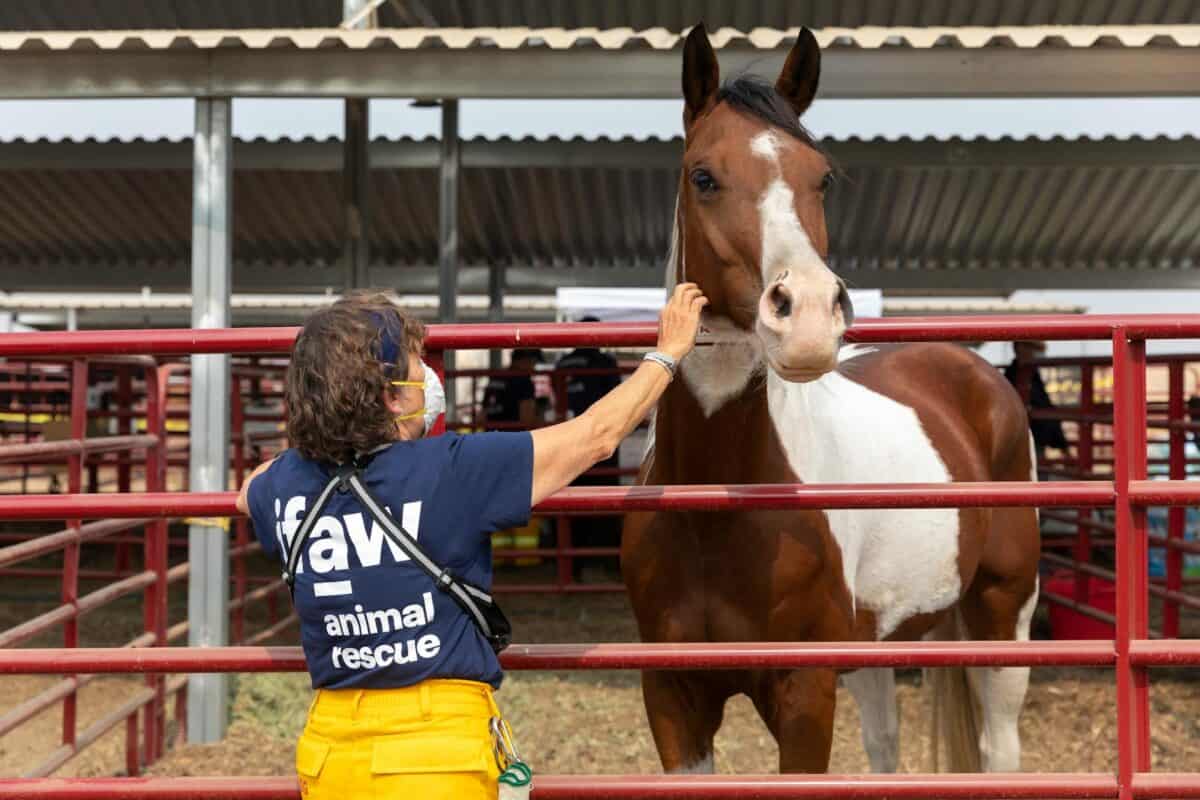
Cats, despite their reputation for aloofness, have similarly developed nuanced empathetic responses through domestication. Research shows that cats can distinguish their owners’ voices from strangers and often respond to human emotional states, though their expressions of concern may be more subtle than dogs’. Farm animals like horses, goats, and pigs also demonstrate enhanced empathetic capabilities after generations of domestication, showing particular sensitivity to human emotional cues. This suggests that living alongside humans has created selection pressure for animals that can attune to human emotional states, effectively making empathy a valuable trait in the domestication process.
Empathy as a Survival Strategy
While empathy is often framed as altruistic, evolutionary biologists note that empathetic behaviors ultimately serve survival functions for social species. In cooperative hunting groups like wolf packs or lion prides, awareness of pack members’ emotional states enhances coordination and hunting success. When hunters recognize fatigue or injury in companions, they can adjust strategies accordingly. In prey species, empathetic responses facilitate rapid transmission of fear through the group—when one individual detects a predator and displays alarm, the emotional contagion spreads quickly, allowing the entire herd to respond to threats even if only one animal initially spotted the danger.
For young animals, empathy from group members can prove life-saving. In many species, orphaned young are adopted by related or even unrelated adults, giving them significantly improved survival chances. Researchers have observed that animals living in harsh environments often show more pronounced empathetic behaviors than those in resource-rich settings, suggesting that mutual aid becomes more critical when survival margins are thin. The evolutionary advantages of empathy explain why it has independently evolved across diverse taxonomic groups, from mammals to birds and even some reptiles and fish.
Conclusion: Redefining Our Understanding of Animal Consciousness

The growing body of evidence documenting empathy across animal species compels us to reconsider traditional boundaries between human and animal emotional capacities. What was once considered uniquely human—the ability to recognize and respond to another’s suffering—clearly exists on a spectrum throughout the animal kingdom, manifesting in ways both familiar and alien to human experience.
This recognition has profound implications for animal welfare, conservation policies, and ethical considerations about how we interact with other species. If animals can feel for one another, our moral responsibility toward them takes on new dimensions that extend beyond preventing suffering to considering their emotional well-being and social needs. The study of animal empathy also offers a humbling reminder that humans are not separate from nature but part of a continuum of beings with shared emotional foundations, similar neural mechanisms, and a common evolutionary heritage of caring for others.

From exploring the marine wonders in the Azores and witnessing the vast savannas of Kenya, to delving deep into the rich biodiversity of South Africa and traversing iconic landscapes in Australia and the US like Yellowstone, Chris's experiences are vast.
With a penchant for diving alongside sharks, the ocean holds a special place in his heart.
Through his academic insights, he champions wildlife conservation, striving with 'Animals Around The Globe' to cultivate a profound connection between humans and animals, enhancing our mutual appreciation.
Connect with him at Feedback@animalsaroundtheglobe.com.
- Why Spiders Don’t Get Stuck in Their Own Webs - July 20, 2026
- What Scientists Found in a 10,000-Year-Old Beehive - July 20, 2026
- This Spider Builds Fake Decoys of Itself - July 20, 2026