

Beneath the evergreen forests and volcanic landscapes of Oregon lies a hidden world—a labyrinth of ancient lava tubes that have transformed from channels of molten rock into sanctuaries for diverse wildlife. These subterranean passageways, formed thousands of years ago during volcanic eruptions, now serve as crucial habitats for numerous species seeking shelter from harsh environmental conditions and human disturbance. Oregon’s lava tubes represent a fascinating ecological evolution, where geological formations created by destructive forces have paradoxically become havens of life and biodiversity. From bats and insects to specialized fungi and bacteria, these underground corridors support complex ecosystems that have adapted to the unique conditions of perpetual darkness, stable temperatures, and high humidity. This article explores how these volcanic remnants have transformed into vital wildlife refuges, the species that call them home, and the importance of preserving these distinctive ecological niches in an ever-changing landscape.
The Geological Origins of Oregon’s Lava Tubes
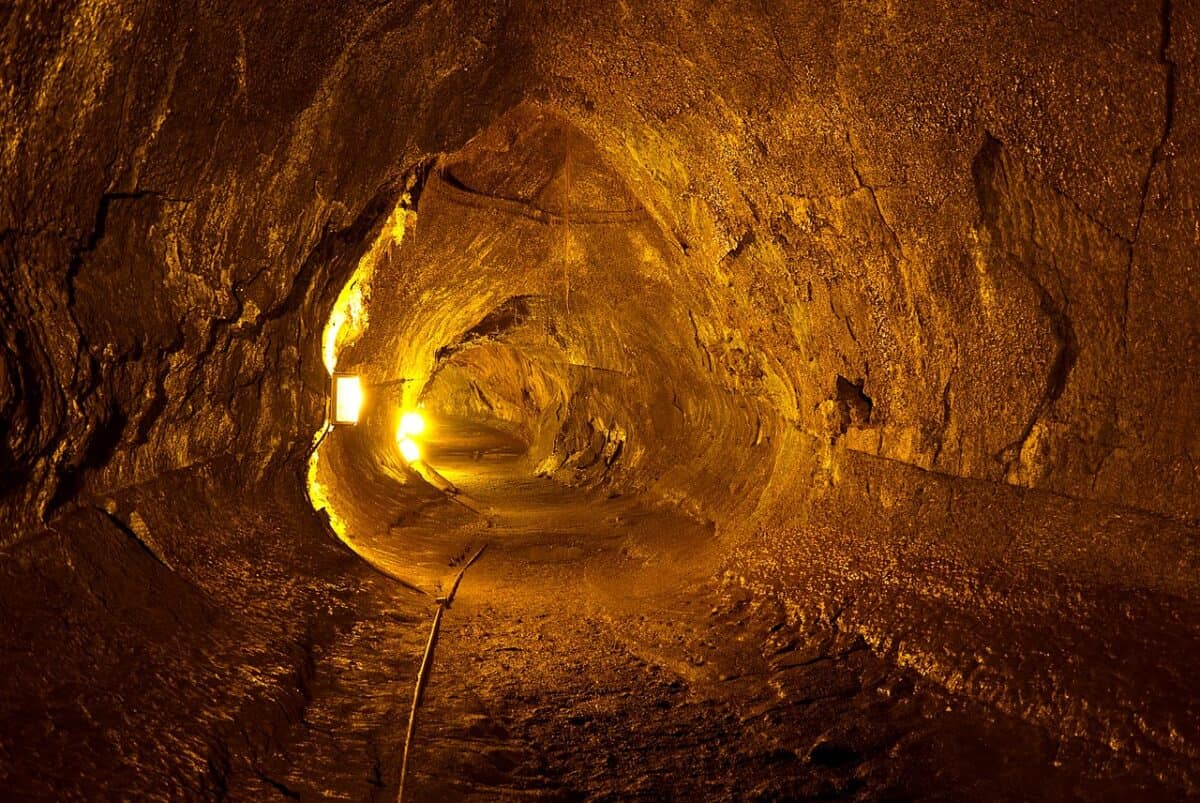
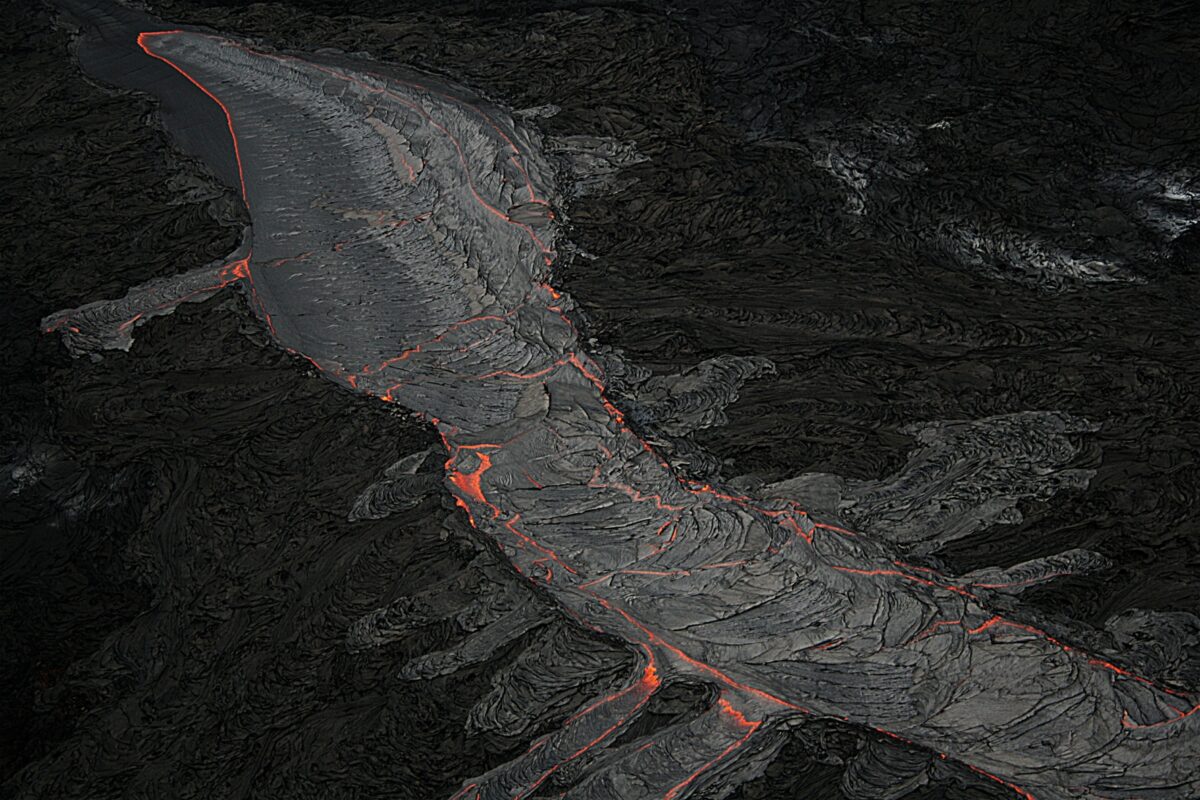
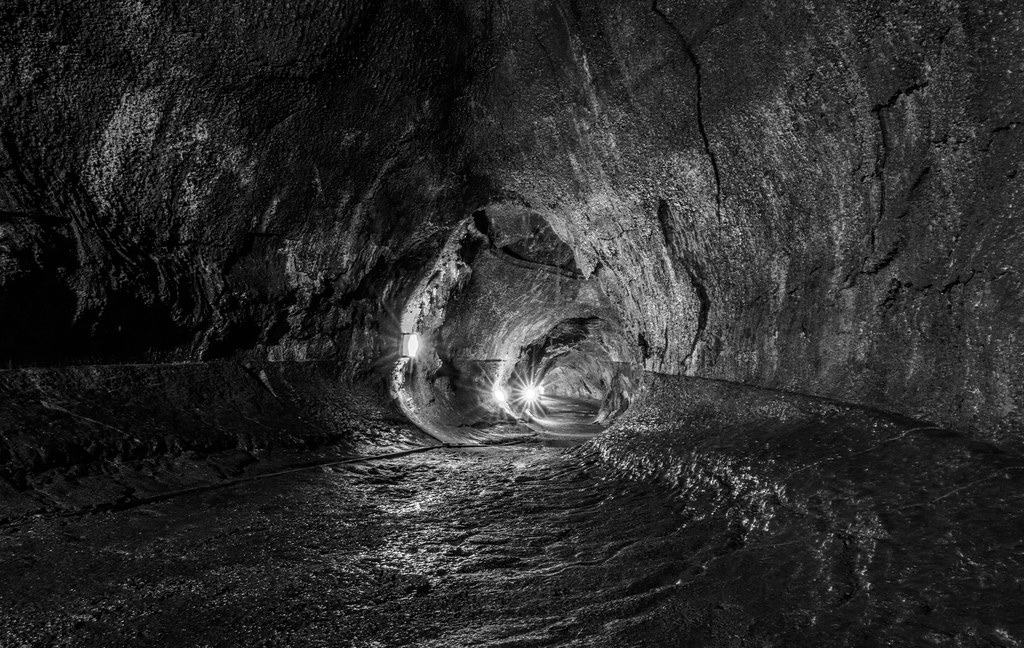
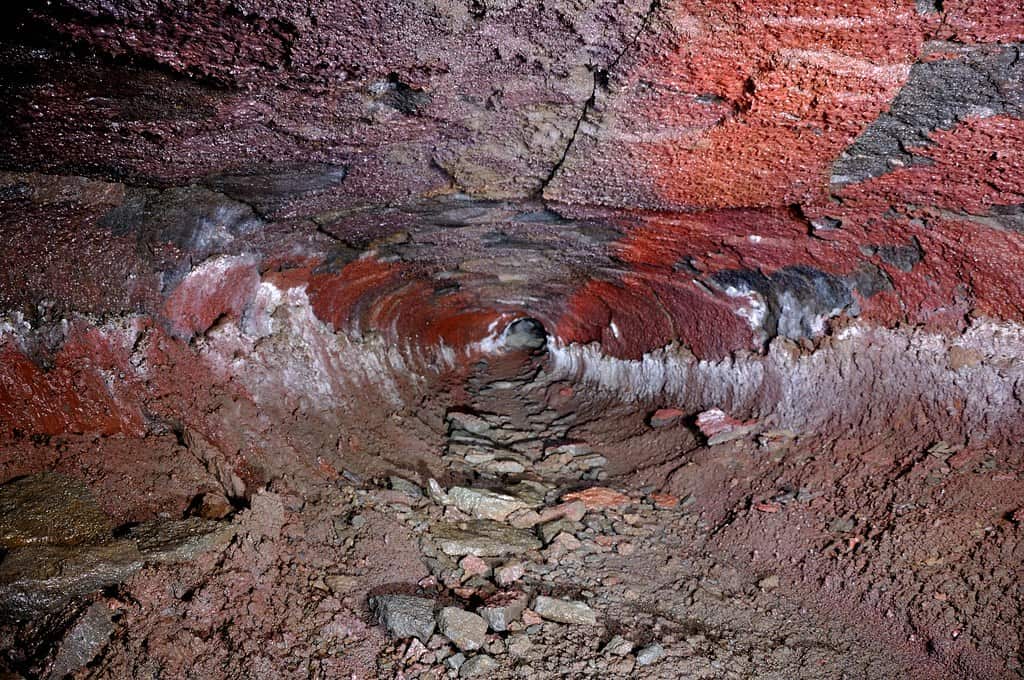
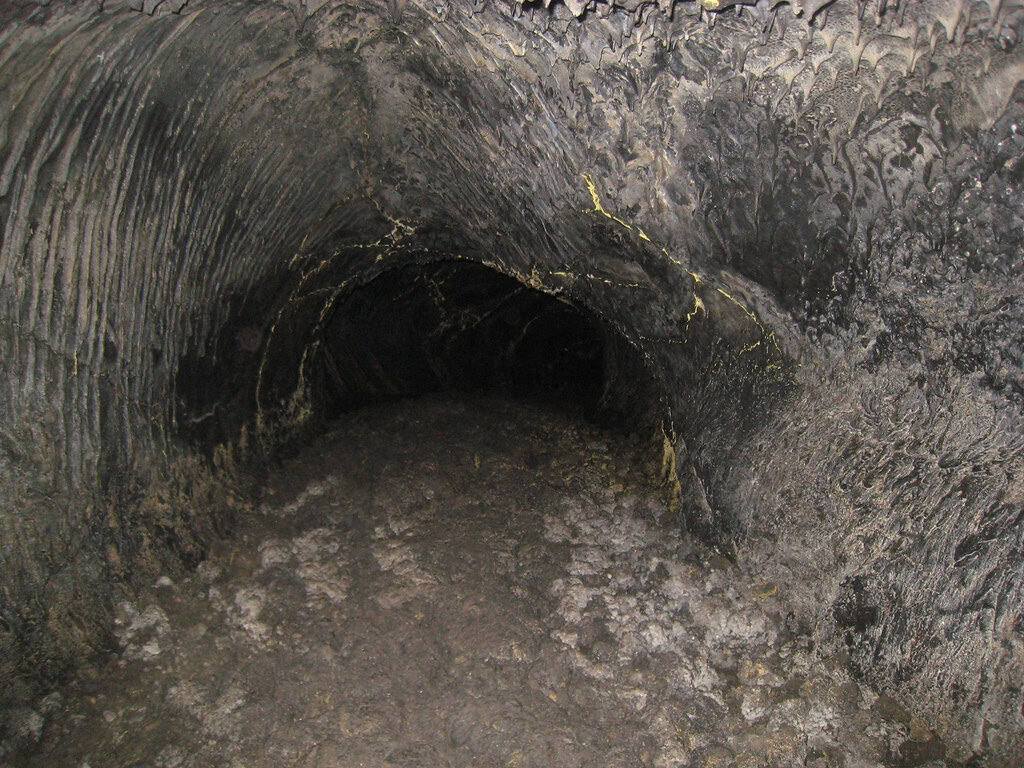
Oregon’s lava tubes began their existence during volcanic eruptions primarily from the Cascade Range and Newberry Volcano between 80,000 and 3,000 years ago. When basaltic lava flows downhill, its surface cools and hardens while the interior continues to flow, eventually draining out and leaving behind hollow tunnels. These tubes can stretch for miles—the longest in Oregon, the Horse Lava Tube System near Bend, extends for more than 50,000 feet. The cooling process also created unique features within the tubes, including lavacicles (lava stalactites) and flow lines that record the historic lava movements. The tubes’ interiors were initially sterile environments, entirely devoid of life after their formation due to the extreme heat. Over thousands of years, these geological formations transitioned from barren tunnels to complex ecosystems as organisms gradually colonized them. The tubes’ entrances typically formed when sections of the ceiling collapsed, creating natural skylights called sinkholes that provided the first access points for wildlife to enter these underground spaces.
Perfect Microclimates for Wildlife

What makes lava tubes particularly attractive to wildlife is their remarkable microclimate stability. While Oregon’s surface temperatures can fluctuate dramatically between seasons—from scorching summer heat to freezing winter conditions—lava tubes maintain relatively constant temperatures year-round, typically ranging between 40-55°F (4-13°C). This thermal stability creates ideal conditions for species that cannot tolerate extreme temperature variations. Additionally, the tubes maintain high humidity levels, often between 80-100%, providing moisture even during drought conditions on the surface. The deeper sections of lava tubes are characterized by total darkness, creating environments for truly cave-adapted species. These consistent conditions have allowed lava tubes to function as refugia during climate shifts throughout history, providing shelter during both warming and cooling periods. Scientists studying Oregon’s lava tubes have documented how these microclimates have become increasingly important to wildlife as surface climate changes accelerate, with some species spending more time underground than they historically did.
Bat Populations: The Primary Residents

Bats represent the most prominent mammalian inhabitants of Oregon’s lava tubes, with at least 15 species documented using these subterranean spaces. Townsend’s big-eared bats (Corynorhinus townsendii) are particularly associated with lava tubes, using them as hibernacula during winter months when they enter torpor to conserve energy. These bats, with their distinctive large ears, are extremely sensitive to disturbance and have increasingly relied on the isolation of lava tubes as surface habitats have been altered by human development. The tubes also serve as maternity colonies where female bats gather to give birth and raise their young. A single maternity colony in a Deschutes County lava tube has been documented housing over 5,000 female Myotis bats during summer months. Research conducted by Oregon State University has shown that bat populations in undisturbed lava tubes remain more stable than those using man-made structures or disturbed cave systems. These bat communities provide critical ecosystem services beyond the caves, consuming tons of insects annually, including agricultural pests and disease vectors like mosquitoes.
Specialized Arthropods of the Underground
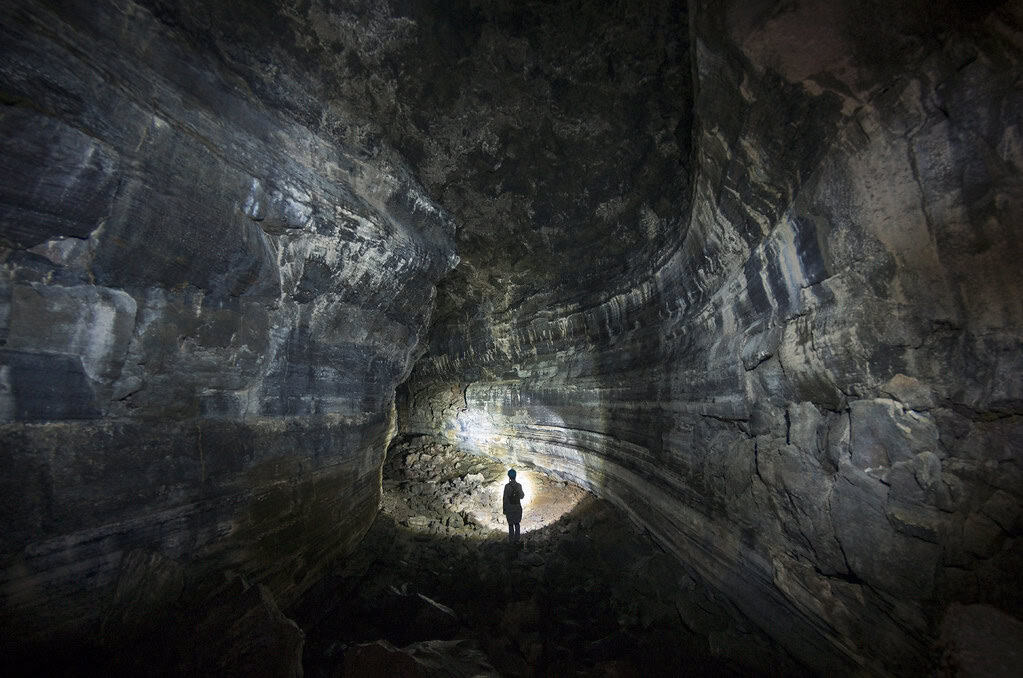
The lava tubes host remarkably diverse communities of arthropods, with over 80 species identified, including many found nowhere else on Earth. These include troglobites (obligate cave-dwellers) that have evolved specific adaptations for subterranean life, such as reduced or absent eyes, elongated appendages, and loss of pigmentation. The Oregon cave millipede (Ameractis grahami) exemplifies these adaptations, with its pale, almost translucent exoskeleton and heightened sensory capabilities that compensate for the lack of visual cues in their pitch-black habitat. Several species of cave crickets (Rhaphidophoridae) serve as crucial components of the lava tube food web, leaving the caves at night to forage and returning with organic material that supports other cave organisms. Pseudoscorpions unique to specific lava tube systems, including the newly discovered Parobisium charlotteae found in 2010 in central Oregon lava tubes, demonstrate the ongoing discovery of new species in these environments. Scientists estimate that many arthropod species in Oregon’s lava tubes remain undescribed, highlighting the importance of these habitats as reservoirs of undocumented biodiversity.
The Subterranean Food Web
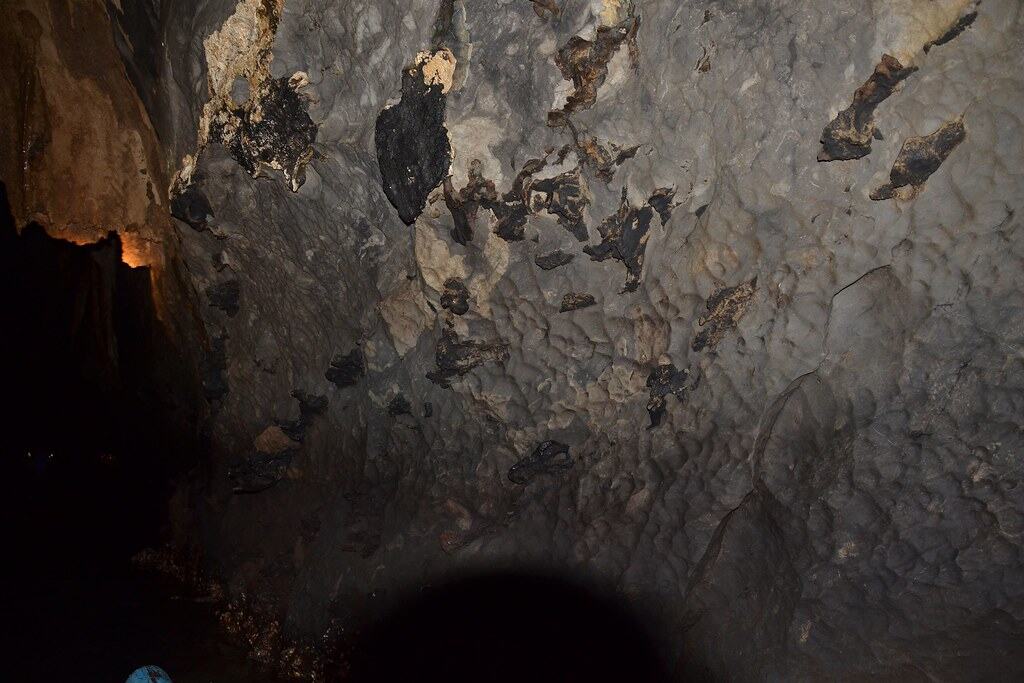
Lava tubes support complex food webs that begin with organic material transported into the caves through various means. Bat guano (feces) represents a primary energy source, deposited by colonies and supporting communities of specialized decomposers. Plant debris washed in through sinkholes or brought in by animals creates patches of nutrient-rich substrate. The energy flow in these ecosystems typically follows three pathways: material brought in by animals, material washed in by water, and nutrients filtered through rock from the surface. Specialized fungi and bacteria form the base of the food chain, breaking down organic matter and creating sustenance for larger organisms. Springtails and other micro-arthropods feed on these microorganisms and in turn become prey for predatory invertebrates like spiders and beetles. Research led by the Oregon Cave Conservancy has documented how these food webs remain relatively simple compared to surface ecosystems but show remarkable resilience to environmental changes. The limited nutrient availability has led to intense competition and specialized feeding adaptations, including some invertebrates that can survive months or even years without food when necessary.
Amphibians and Reptiles Finding Refuge
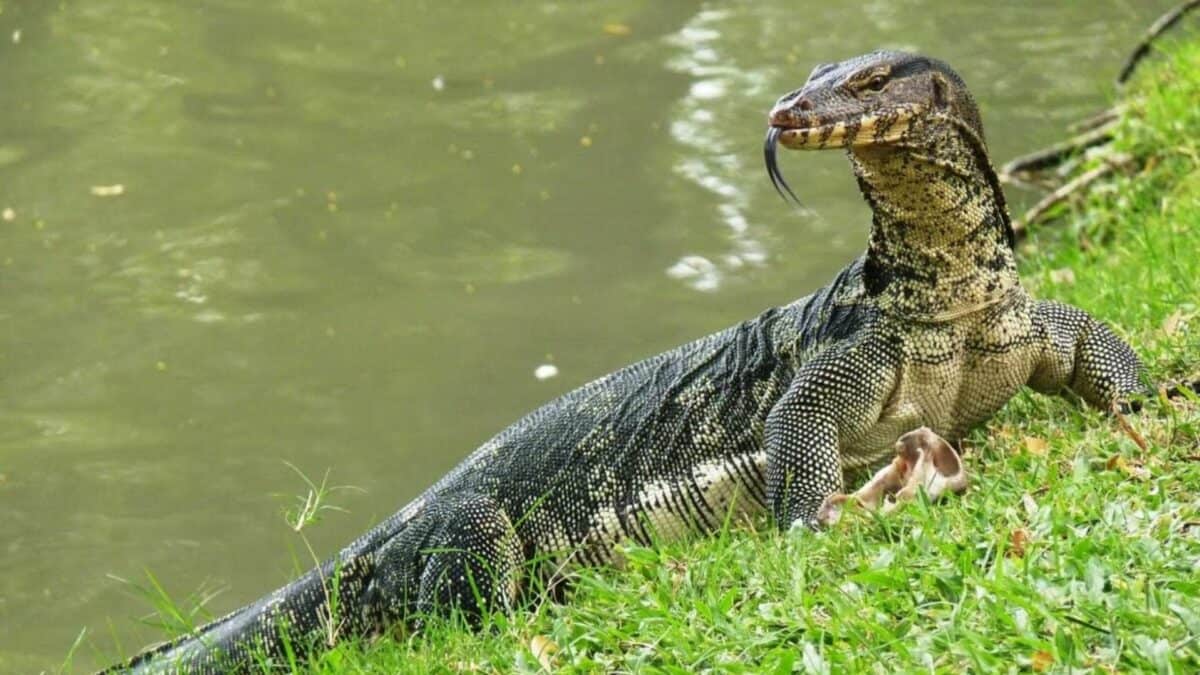
Several of Oregon’s amphibian and reptile species utilize lava tubes seasonally or opportunistically, particularly near entrance zones where light still penetrates. Western long-toed salamanders (Ambystoma macrodactylum) have been documented using the moister sections of lava tubes during dry summer months, effectively estivating underground until more favorable conditions return. The stable moisture levels make these environments particularly attractive to amphibians with permeable skin that requires consistent humidity. Garter snakes (Thamnophis spp.) occasionally venture into the entrance zones of lava tubes to regulate their body temperature, using the cooler conditions during hot summer days and the warmer environment during cool spring and fall periods. In the Bend area, researchers have observed northern alligator lizards (Elgaria coerulea) using rocks around lava tube entrances as basking sites, retreating into the tubes when threatened by predators. These vertebrates generally remain within the twilight zones of lava tubes where some light still penetrates, rarely venturing into the perpetually dark deeper sections unless accidentally transported there.
Microbial Communities in the Darkness
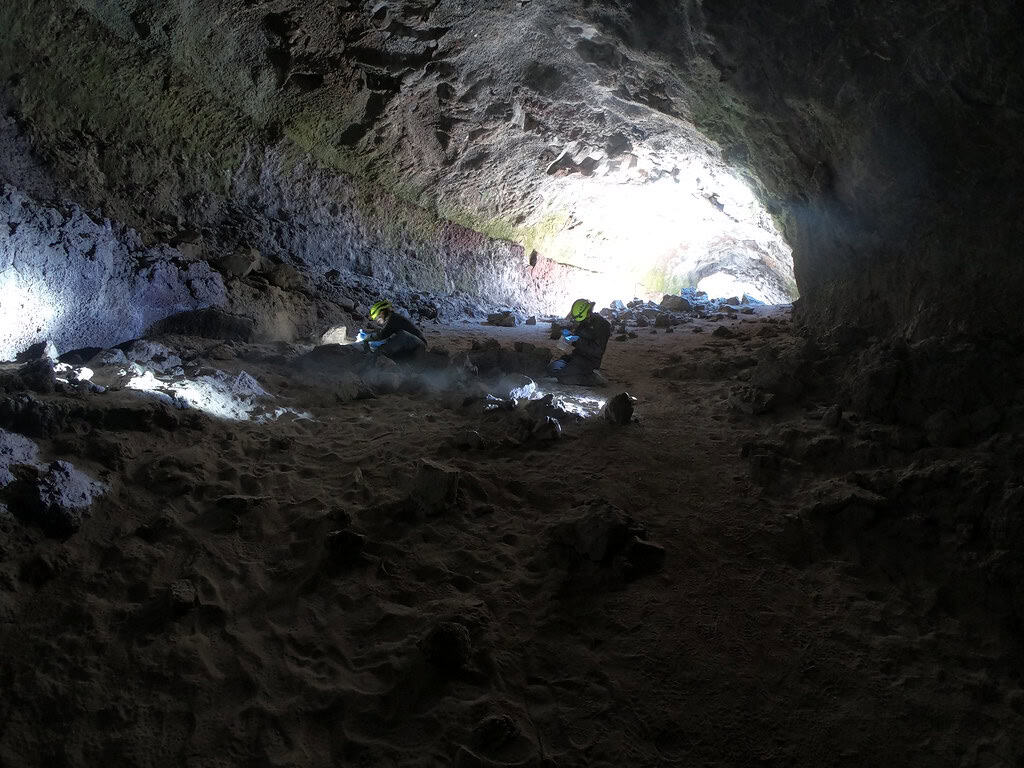
Perhaps the most overlooked but scientifically significant inhabitants of Oregon’s lava tubes are their diverse microbial communities. Recent studies using advanced DNA sequencing have revealed extraordinary biodiversity at the microscopic level, with thousands of bacterial and archaeal species present. Some tubes contain colorful microbial mats visible to the naked eye, often in vibrant reds and yellows from iron-oxidizing bacteria. These microorganisms have evolved to survive in an environment with minimal organic input, often deriving energy from chemical reactions with the basaltic rock itself—a process called chemolithotrophy. Scientists from NASA have studied these communities as potential analogs for life that might exist in similar subsurface environments on Mars, as Martian lava tubes share many physical and chemical characteristics with their terrestrial counterparts. Several previously unknown microbial species have been identified in Oregon’s lava tubes, including Basaltibacter oregonensis, isolated from Lava River Cave in 2018, which possesses unique enzymes capable of breaking down complex organic compounds. These microbial communities represent untapped potential for biotechnology applications, from enzyme discovery to potential new antibiotics.
Seasonal Wildlife Usage Patterns

The wildlife utilization of Oregon’s lava tubes follows distinct seasonal patterns tied to both surface conditions and the biological needs of different species. Winter sees the highest mammalian usage, with bat hibernation colonies forming from November through March when thousands of individuals may cluster together for warmth. Small mammals like bushy-tailed woodrats (Neotoma cinerea) and deer mice (Peromyscus maniculatus) often move deeper into the tubes during winter months, creating nests from gathered materials. Spring triggers notable population shifts as hibernating bats emerge and maternity colonies begin to form, with pregnant females seeking specific thermal zones within the tubes. Summer usage varies by location, with higher-elevation lava tubes seeing increased wildlife activity as animals seek relief from heat, while some lower-elevation tubes may become too warm near their entrances to attract certain species. Fall brings transitional patterns with higher overall movement as animals prepare for winter, including swarms of bats near cave entrances in a behavior called “swarming” that serves important social and mating functions. These seasonal patterns create a dynamic ecosystem where the dominant species and activities shift throughout the year in response to both biological imperatives and environmental conditions.
Conservation Challenges and Threats
Despite their geological resilience, Oregon’s lava tubes face numerous conservation challenges that threaten their function as wildlife havens. Human visitation, particularly in popular tubes like those in the Newberry National Volcanic Monument, can disturb sensitive wildlife and introduce foreign materials into the ecosystem. White-nose syndrome, a fungal disease devastating bat populations across North America, represents an existential threat to cave-dwelling bat colonies, with confirmed cases in Oregon since 2016. Climate change affects the hydrological systems that maintain humidity levels in the tubes, with several historically wet caves now showing decreased moisture levels. Vandalism, including graffiti and the destruction of geological features, continues to impact both the aesthetic and ecological value of accessible lava tubes. Invasive species, including non-native rats and certain fungal organisms, have established themselves in some tube systems, outcompeting native species. Land development above lava tubes can alter water infiltration patterns and introduce pollutants that seep into these subterranean environments. Managing these threats requires balanced approaches that protect wildlife while still allowing for appropriate educational and recreational access to select sites.
Protected Status and Management Efforts
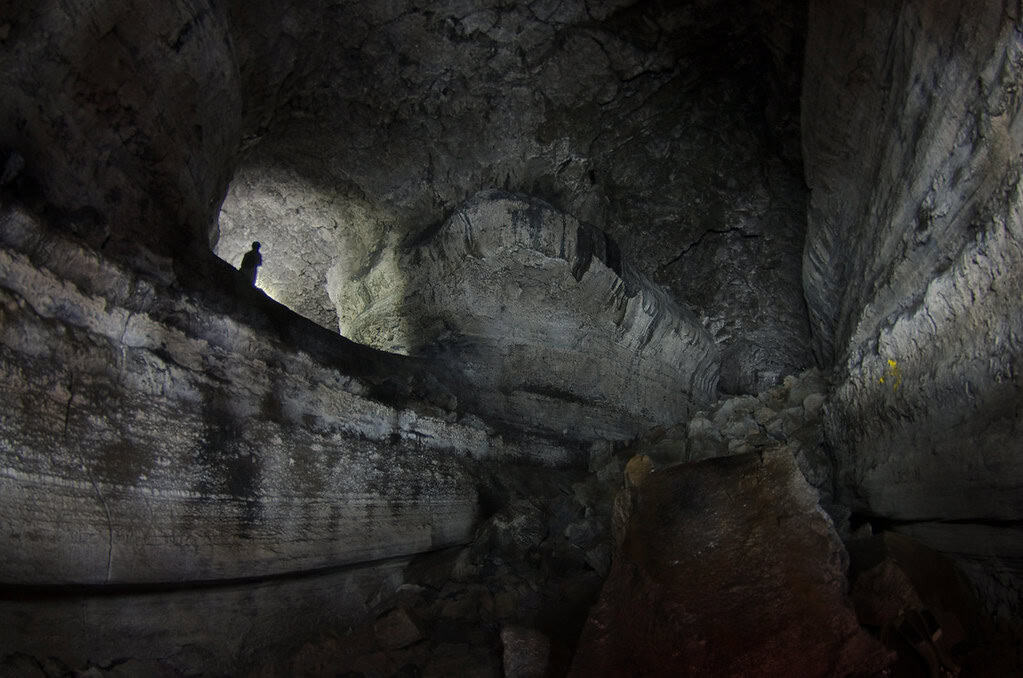
Recognizing the ecological importance of lava tubes, various management strategies have been implemented to protect these unique habitats. The Federal Cave Resources Protection Act of 1988 provides legal protection for significant caves on federal lands, which includes many of Oregon’s most important lava tube systems. The Oregon Caves Conservation Agreement, established in 2005, created a framework for inter-agency cooperation in managing cave resources, including lava tubes. Several key lava tubes have been designated as Research Natural Areas that strictly limit human access to scientific research purposes only. Seasonal closures protect sensitive wildlife periods, particularly during bat hibernation and maternity seasons. The Oregon Bat Grid project, a partnership between state agencies and conservation organizations, monitors bat populations in lava tubes and other habitats throughout the state. Physical protection measures include specialized gates at some cave entrances that allow bats and other wildlife to pass while preventing unauthorized human entry. The Oregon Grotto of the National Speleological Society partners with land management agencies to provide visitor education and conservation support. These multifaceted approaches aim to balance preservation with appropriate use and study of these remarkable geological features.
Scientific Research and Discoveries
Oregon’s lava tubes continue to yield scientific discoveries that extend beyond wildlife biology into multiple disciplines. Paleontological excavations have uncovered well-preserved remains of now-extinct Pleistocene mammals, including a nearly complete skeleton of a short-faced bear (Arctodus simus) found in a central Oregon lava tube in 1997. Ongoing climate research utilizes the stable conditions of lava tubes to study historical climate patterns through mineral deposits that form under specific temperature and humidity conditions. Bioprospecting efforts have identified novel extremophile microorganisms with potential applications in medicine and industry, including cold-adapted enzymes that function at temperatures far below the optimum for most biological processes. Archaeological investigations have documented Native American usage of lava tube entrances dating back thousands of years, with some sites containing well-preserved artifacts protected by the stable cave environment. The Oregon High Desert Grotto coordinates an ongoing survey project that has mapped over 500 lava tubes, with new discoveries occurring regularly. Long-term ecological monitoring within selected tubes tracks biodiversity changes and provides early warning of environmental threats. These research efforts improve our understanding of these complex systems while highlighting their importance as natural laboratories for scientific inquiry.
Educational Value and Public Awareness
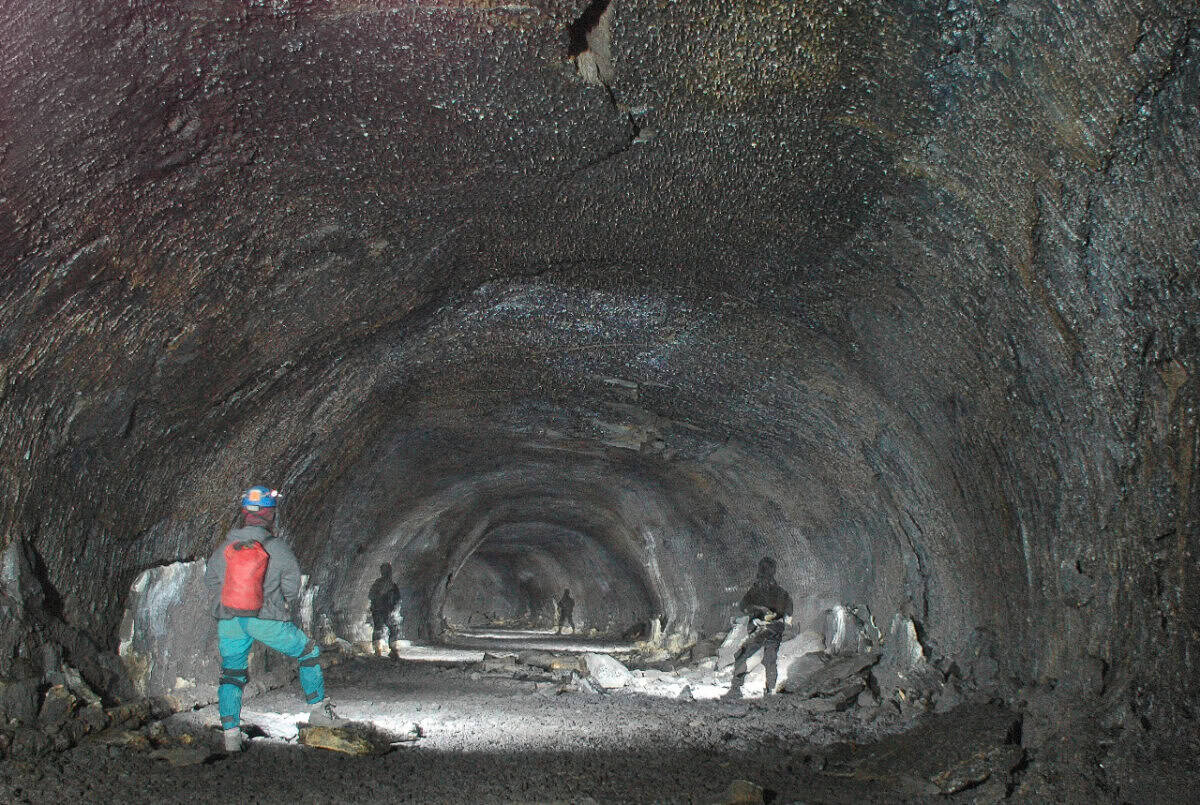
Beyond their ecological significance, Oregon’s lava tubes serve important educational functions in raising public awareness about subterranean ecosystems. The Lava River Cave at Newberry National Volcanic Monument receives over 75,000 visitors annually, featuring interpretive programs that highlight both geological processes and wildlife conservation. The Oregon Cave Education Project, launched in 2012, has developed curriculum materials for K-12 students that use lava tubes as teaching tools for concepts in geology, biology, and conservation. Virtual tour technologies have been implemented at several sensitive sites, allowing public viewing without physical disturbance to these fragile ecosystems. The High Desert Museum near Bend features permanent exhibits on lava tube formation and their ecological importance in the regional landscape. Citizen science initiatives engage volunteers in monitoring programs, including the annual bat count conducted at accessible lava tubes under scientific supervision. Photography exhibitions displaying the unique beauty of lava tube formations and wildlife have traveled throughout Oregon, building public appreciation for these hidden ecosystems. Educational efforts emphasize responsible visitation practices under the “Leave No Trace” principles, focusing on minimizing human impact in these sensitive environments.
The Future of Oregon’s Lava Tube Ecosystems
The future of Oregon’s lava tubes as wildlife havens stands at a critical juncture, balanced between increasing threats and growing conservation efforts. Climate projections indicate potential shifts in the surface ecosystems above lava tubes, which will inevitably affect the subterranean environments as water infiltration patterns change and surface vegetation communities transform. Conservation biologists are developing predictive models to identify which lava tube systems may serve as climate refugia as conditions change, prioritizing these sites for enhanced protection. Advanced technologies, including remote sensing and environmental DNA sampling, are improving monitoring capabilities while minimizing disturbance to sensitive species. Ongoing restoration efforts in damaged lava tubes demonstrate that with proper management, these ecosystems can recover from human impacts. The increasing recognition of lava tubes as biodiversity hotspots has strengthened legal protections, with several additional systems currently under consideration for Research Natural Area designation. Public education programs continue to expand, building a constituency of informed citizens advocating for lava tube conservation. Indigenous knowledge is increasingly being incorporated into management approaches, recognizing the cultural significance of these sites to Native American tribes. Despite the challenges, the increased scientific understanding and public awareness of these unique habitats provide hope that Oregon’s lava tubes will continue to serve as wildlife havens far into the future.
Conclusion
Oregon’s lava tubes represent a remarkable transformation from conduits of destruction to sanctuaries of life, demonstrating nature’s extraordinary ability to adapt and thrive in seemingly inhospitable environments. These underground passages have evolved from sterile volcanic remnants into complex ecosystems supporting diverse communities of specialized wildlife, from microscopic extremophiles to colonies of bats that provide vital ecological services throughout the region. The scientific value of these systems extends beyond their biological diversity to include their function as natural laboratories for studying evolution, climate history, and adaptation to extreme environments. As surface habitats face increasing pressures from development and climate change, the protected environments within lava tubes may become even more critical as refuge habitats for sensitive species. The ongoing conservation of Oregon’s lava tubes requires continued collaboration between scientists, land managers, indigenous communities, and the public to ensure these unique wildlife havens remain protected for future generations to study and appreciate.

- The Secret Language of Dolphins Decoded by Researchers - July 20, 2026
- 7 Animals That Can Survive Extreme Environments You Couldn’t - July 20, 2026
- The Longest Snake Ever Found in the U.S. - July 20, 2026