


As our planet faces escalating environmental challenges, desertification stands as one of the most concerning threats to ecosystems and human communities alike. This process—where once-fertile land gradually transforms into arid desert—affects approximately 40% of Earth’s land surface and impacts the livelihoods of over 1 billion people worldwide. While traditional anti-desertification approaches have often focused on small-scale interventions or technological solutions, a more holistic strategy has been gaining traction among scientists, conservationists, and land managers: rewilding. This nature-based approach aims to restore ecosystems to their natural state by reintroducing key species and allowing ecological processes to recover. The question increasingly being asked is whether rewilding could provide a sustainable, long-term solution to combat the relentless spread of deserts across our planet.
Understanding Desertification: A Global Crisis

Desertification represents one of humanity’s greatest ecological challenges, defined by the United Nations Convention to Combat Desertification (UNCCD) as “land degradation in arid, semi-arid, and dry sub-humid areas resulting from various factors, including climatic variations and human activities.” This process doesn’t simply create deserts; it systematically degrades soil fertility, reduces water retention capacity, and diminishes vegetation cover.
The statistics are alarming: every year, we lose approximately 12 million hectares of productive land—an area roughly the size of England—to desertification and drought. This degradation costs the global economy an estimated $490 billion annually through decreased agricultural productivity and increased poverty in affected regions. The drivers of desertification include overgrazing, deforestation, unsustainable agricultural practices, climate change, and urbanization—many of which have accelerated in recent decades as human populations grow and consumption patterns intensify.
The Concept of Rewilding Explained

Rewilding represents a progressive conservation approach that aims to restore natural ecological processes and repair damaged ecosystems by reintroducing keystone species and stepping back from intensive human management. Unlike traditional conservation, which often focuses on preserving specific species or habitats in a static state, rewilding embraces dynamic change and ecological complexity. The concept was pioneered in the 1990s by conservation biologists Michael Soulé and Reed Noss, who emphasized the importance of “the three Cs”: cores (protected wilderness areas), corridors (connections between habitats), and carnivores (apex predators that regulate ecosystems).
Modern rewilding approaches vary in scale and methodology but share the common goal of reinstating natural processes that can self-regulate once established. This might include reintroducing large herbivores that shape vegetation through grazing patterns, bringing back predators that control herbivore populations, or restoring hydrological systems that have been altered by human activity. The philosophy behind rewilding recognizes that ecosystems possess intrinsic resilience and self-organizing capabilities when key ecological relationships are restored.
The Ecological Mechanisms: How Rewilding Fights Desertification

Rewilding combats desertification through multiple interconnected ecological mechanisms that collectively enhance ecosystem resilience. First, large herbivores like bison, horses, and elephants serve as ecosystem engineers, breaking up compacted soil with their hooves, which increases water infiltration and prevents runoff—a crucial factor in arid regions. Their grazing patterns also prevent any single plant species from dominating, promoting biodiversity and creating a mosaic of vegetation types that better withstand environmental stresses. Second, these animals transport seeds across landscapes through their digestive systems and fur, facilitating plant dispersal and regeneration. Research in the Sahel region has documented how seed dispersal by large mammals can increase plant establishment rates by 40-60% compared to areas lacking these animals. Third, the reintroduction of predators creates trophic cascades—ecological chain reactions that regulate herbivore populations and behavior, preventing overgrazing that can trigger desertification. Finally, restored plant communities develop deeper, more extensive root systems that stabilize soil, increase organic matter content, and create microhabitats for soil organisms that further enhance soil health. These processes work synergistically to rebuild ecosystem function, gradually transforming degraded landscapes into more productive, water-efficient systems capable of withstanding drought and other climatic extremes.
Keystone Species: Nature’s Desert Fighters

Keystone species—those with disproportionately large effects on their environment relative to their abundance—play critical roles in preventing desertification when reintroduced through rewilding initiatives. Large herbivores like elephants in Africa serve as “ecosystem architects,” breaking down woody vegetation that competes with grasses for water and nutrients, thereby maintaining savanna ecosystems that might otherwise transition to desert.
Studies in Kenya have shown that elephants can increase grass biomass by up to 300% in certain environments. Beavers represent another powerful ally against desertification; their dam-building activities create wetlands that raise water tables, reduce erosion, and create moisture refuges during drought periods. A single beaver family can store up to 10 million liters of water behind their dams, creating buffer zones against desertification. Prairie dogs in North America create complex burrow systems that channel rainwater deep into the soil, while their grazing activities increase plant diversity and nitrogen content. Even dung beetles play a crucial role by burying manure, incorporating organic matter into the soil, and creating channels for water infiltration.
Each of these species represents a natural tool in the fight against desertification, often performing ecosystem services more efficiently and sustainably than technological alternatives. By identifying and reintroducing these keystone species, rewilding practitioners leverage natural ecological relationships to restore degraded lands.
Case Study: The Remarkable Transformation of the Loess Plateau
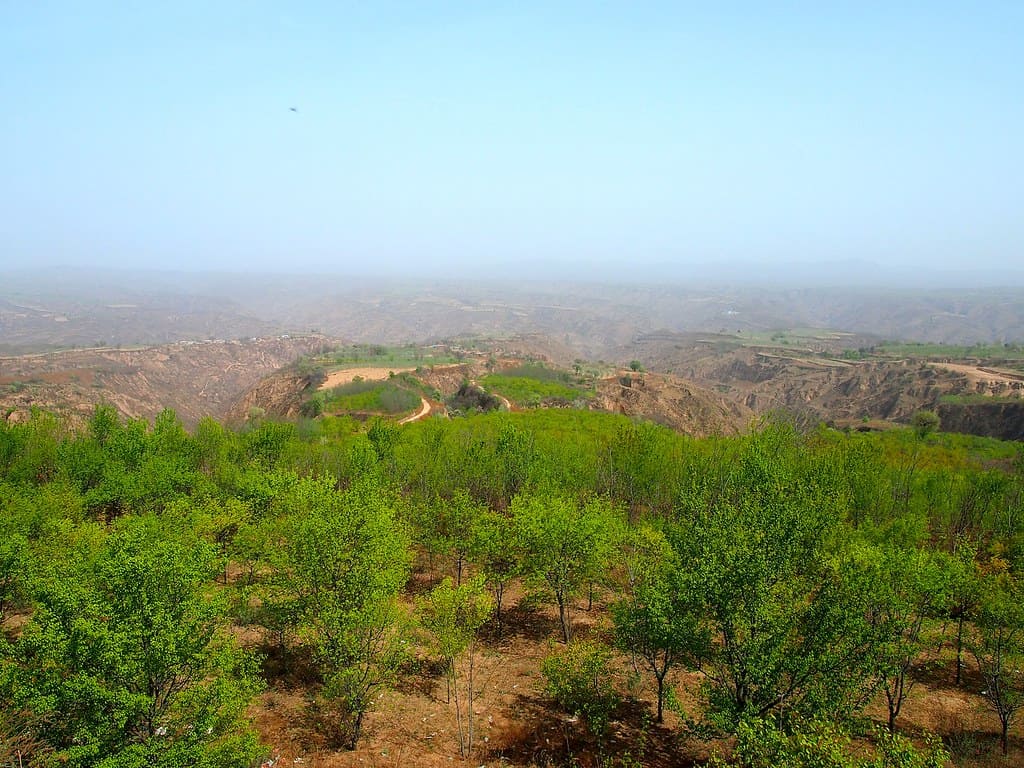
China’s Loess Plateau represents one of the most dramatic examples of landscape restoration through rewilding principles. Once a fertile cradle of Chinese civilization, centuries of overgrazing and intensive agriculture had transformed this 640,000 square kilometer region into an eroded, desertified landscape by the late 20th century.
In 1994, the Chinese government partnered with the World Bank to implement an ambitious restoration project that incorporated many rewilding elements. The program banned grazing in heavily degraded areas, replanted native vegetation, and reintroduced traditional sustainable farming practices. The results have been remarkable: by 2009, more than 4 million hectares of land had been restored, sediment loads in the Yellow River decreased by over 100 million tons annually, and groundwater levels rose significantly. Perhaps most impressively, grain yields increased by 60% despite a reduction in farmland area.
A key element of success was allowing natural vegetation communities to reestablish themselves through minimized human intervention once initial restoration was complete. Wildlife returned to the region, with populations of native pheasants, deer, and small predators rebounding as habitat quality improved. The project’s success demonstrates how rewilding principles can be applied at landscape scales to reverse desertification, even in densely populated regions with thousands of years of human impact.
The Sahel: Africa’s Green Wall Initiative and Rewilding
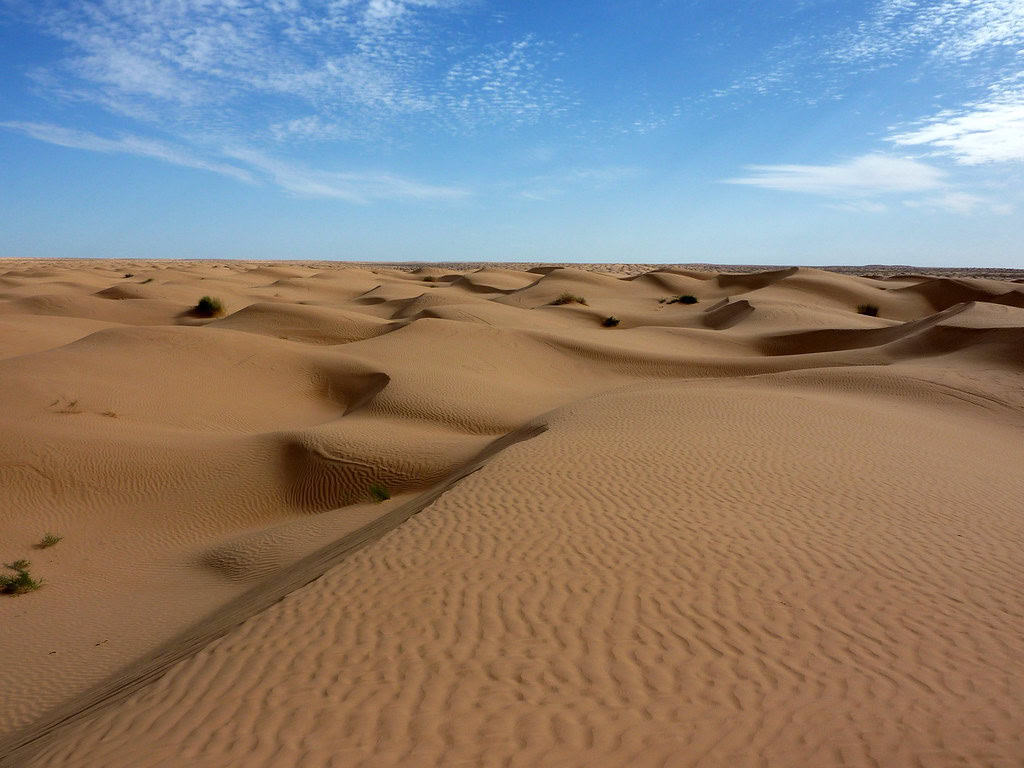
The Great Green Wall initiative, launched in 2007 by the African Union, represents one of humanity’s most ambitious attempts to combat desertification across the Sahel region—an 8,000-kilometer stretch along the southern edge of the Sahara Desert. While initially conceived as a literal wall of trees, the project has evolved to embrace rewilding principles and natural regeneration techniques.
In Niger, farmer-managed natural regeneration has allowed native trees like Faidherbia albida to return to farmlands, with spectacular results: over 5 million hectares have been regreened, groundwater levels have risen by an average of 14 meters, and crop yields have increased by 100-200% in participating communities. In Senegal, the reintroduction of native herbivores like antelopes has helped disperse seeds and create microhabitats that facilitate natural vegetation recovery.
The most successful Great Green Wall projects have moved beyond tree planting to restore complete ecological communities, including animals that help maintain the vegetation. Research from Burkina Faso demonstrates that areas where grazing is managed to mimic natural herbivore patterns show 30% better vegetation recovery than areas with simple tree planting alone. These successes highlight how rewilding principles—working with natural processes rather than imposing rigid human designs—can accelerate desertification reversal even in challenging environments like the Sahel.
The Economics of Rewilding vs. Traditional Anti-Desertification Methods

From an economic perspective, rewilding often presents a cost-effective alternative to conventional anti-desertification strategies. Traditional engineering approaches such as large-scale irrigation systems, mechanical soil treatments, and artificial barriers typically require substantial initial investments and ongoing maintenance costs. For example, a World Bank analysis found that large-scale water diversion projects in the Sahel cost between $10,000-25,000 per hectare to implement and maintain over a 20-year period.
By contrast, rewilding initiatives that focus on reintroducing keystone species and allowing natural regeneration have shown costs ranging from $300-3,000 per hectare over the same timeframe. A comprehensive study by the Economics of Land Degradation Initiative found that every dollar invested in ecological restoration through rewilding principles returns an average of $7-30 in ecosystem services, including improved agricultural productivity, carbon sequestration, and reduced disaster risk. Additionally, rewilding creates diverse livelihood opportunities through ecotourism, sustainable harvesting of natural products, and payment for ecosystem services.
In Spain’s Cantabrian Mountains, rewilding initiatives have generated over €500,000 annually in nature tourism revenue for rural communities previously affected by desertification and economic decline. These economic benefits extend beyond direct financial returns to include reduced migration from rural areas, enhanced food security, and improved public health outcomes in regions where successful rewilding has reversed desertification.
Social and Cultural Dimensions of Rewilding Approaches

The success of rewilding as an anti-desertification strategy hinges not only on ecological principles but also on social and cultural acceptance. Throughout history, local and indigenous communities have developed sophisticated land management practices that prevented desertification while maintaining productive landscapes. Many rewilding projects now incorporate traditional ecological knowledge into their approaches.
In Australia’s Western Desert, Aboriginal fire management practices have been reintroduced alongside the reestablishment of native animal populations, reducing desertification risks while strengthening cultural connections to land. However, rewilding can also face resistance when it challenges established land use patterns or economic interests. Pastoralist communities may view predator reintroductions or grazing restrictions as threats to their livelihoods, while industrial agricultural interests often oppose land use changes that limit production. Successful rewilding initiatives address these concerns through participatory planning processes, benefit-sharing mechanisms, and transitional support for affected communities.
The “Rewilding Europe” program demonstrates this approach by creating new economic opportunities in ecotourism and wildlife-friendly products as communities transition from intensive land use practices that contribute to desertification. Research shows that rewilding projects with strong community ownership and clear economic benefits achieve 40-60% better ecological outcomes than those imposed without local buy-in. This suggests that the social dimensions of rewilding may be as important as the ecological aspects in determining whether these approaches can effectively combat desertification at scale.
Challenges and Limitations of Rewilding in Arid Environments

Despite its promise, rewilding faces substantial challenges when applied to combat desertification, particularly in severely degraded arid environments. First, climate thresholds may have been crossed in some regions, creating conditions too extreme for ecological recovery without intensive intervention. Research in the Negev Desert indicates that areas receiving less than 200mm of annual rainfall may lack sufficient moisture for passive rewilding approaches to succeed. Second, rewilding results often unfold over decades rather than years, requiring patience and sustained commitment that can be difficult to maintain amid political and funding cycles. Third, degraded soils in desertified areas frequently lack the seed bank, soil biota, and organic matter needed to jumpstart natural regeneration processes. In such cases, preliminary restoration steps may be necessary before rewilding can proceed. Fourth, conflicts with human land uses remain persistent, particularly in regions where population pressure and food security concerns drive continued expansion of agriculture into marginal lands. Additionally, the reintroduction of large predators and herbivores can create human-wildlife conflicts that undermine community support.
Technical challenges also exist around identifying appropriate reference ecosystems for rewilding in regions that have been degraded for centuries or millennia, raising questions about which historical baseline should guide restoration efforts. Despite these challenges, adaptive management approaches that combine rewilding principles with context-specific interventions have shown promise in overcoming these limitations.
The Role of Technology in Supporting Rewilding Efforts
While rewilding emphasizes natural processes, modern technology plays an increasingly important supporting role in maximizing its effectiveness against desertification. Satellite remote sensing enables scientists to monitor vegetation recovery, soil moisture, and landscape changes across vast areas, allowing for real-time assessment of rewilding outcomes. Advances in DNA metabarcoding and environmental DNA (eDNA) analysis help track biodiversity recovery, including soil microorganisms crucial to ecosystem function but previously difficult to monitor.
GPS tracking of reintroduced animals provides insights into their movement patterns and habitat use, informing management decisions and helping prevent conflicts with human activities. Drone technology facilitates cost-effective seed dispersal in remote or dangerous terrain where traditional planting would be impractical. Sophisticated climate modeling helps predict how rewilded ecosystems might respond to future climate scenarios, allowing practitioners to select species assemblages resilient to anticipated changes. Digital platforms connect rewilding projects globally, enabling knowledge sharing and collaborative problem-solving.
The “Wildchain” project exemplifies this tech-nature integration by using blockchain technology to create transparent funding mechanisms for rewilding initiatives, allowing individuals worldwide to support and track specific anti-desertification efforts. These technological tools don’t replace the fundamental ecological processes at the heart of rewilding but rather enhance our ability to implement, monitor, and adapt rewilding strategies in the fight against desertification.
Policy Frameworks and Governance for Successful Rewilding

Effective governance and supportive policy frameworks are essential for rewilding to reach its full potential as an anti-desertification strategy. At the international level, the UN Convention to Combat Desertification has increasingly recognized nature-based solutions like rewilding in its policy recommendations, while the Convention on Biological Diversity’s post-2020 framework specifically mentions ecological restoration targets. However, implementation requires translation into national and local policies. Countries that have successfully integrated rewilding into anti-desertification efforts typically employ a mix of regulatory measures, economic incentives, and institutional arrangements.
Spain’s national strategy against desertification explicitly incorporates rewilding principles and provides tax benefits to landowners who convert degraded agricultural land to rewilding projects. Mongolia has revised its land tenure systems to create community-managed “ecological restoration zones” where traditional nomadic grazing patterns that prevent desertification are legally protected. Cross-boundary governance mechanisms are particularly important since ecological processes rarely conform to administrative borders.
The Kavango-Zambezi Transfrontier Conservation Area spanning five southern African countries demonstrates how international cooperation can facilitate large-scale rewilding across boundaries, with coordinated management of wildlife movements and water resources that has reduced desertification risk across 520,000 square kilometers. Research indicates that successful governance for rewilding requires flexible, adaptive approaches that can accommodate ecological uncertainty and evolving community needs while maintaining long-term restoration goals.
Future Prospects: Scaling Up Rewilding to Combat Global Desertification

The future potential of rewilding as an anti-desertification strategy depends largely on our ability to scale successful approaches from local projects to landscape and continental levels. Several promising developments suggest this scaling is increasingly feasible. First, international financing for nature-based climate solutions has grown exponentially, with the World Bank, Green Climate Fund, and private investors committing over $8 billion specifically to land restoration projects incorporating rewilding elements since 2018. Second, technological advances in remote monitoring and data analysis now enable effective oversight of large-scale rewilding initiatives that would have been impossible to manage a decade ago. Third, policy momentum is building as countries integrate rewilding into their Nationally Determined Contributions under the Paris Climate Agreement—Argentina, for example, has committed to rewilding 15 million hectares of degraded drylands by 2030.
Scientific understanding of restoration thresholds and tipping points is also advancing rapidly, helping practitioners identify where and how rewilding interventions can most effectively reverse desertification dynamics. Perhaps most encouragingly, successful large-scale examples like China’s Loess Plateau restoration and the southern expansion of the Sahara being halted in parts of Niger demonstrate that landscape-level reversal of desertification through rewilding principles is achievable. These precedents provide both practical models and inspiration for applying rewilding at scales commensurate with the global desertification challenge.

From exploring the marine wonders in the Azores and witnessing the vast savannas of Kenya, to delving deep into the rich biodiversity of South Africa and traversing iconic landscapes in Australia and the US like Yellowstone, Chris's experiences are vast.
With a penchant for diving alongside sharks, the ocean holds a special place in his heart.
Through his academic insights, he champions wildlife conservation, striving with 'Animals Around The Globe' to cultivate a profound connection between humans and animals, enhancing our mutual appreciation.
Connect with him at Feedback@animalsaroundtheglobe.com.
- The Truth About Pangolin Intelligence Might Surprise You - July 31, 2026
- The Animal With the Heaviest Horns Uses Them Like Sledgehammers - July 30, 2026
- Why Some Animals Are Getting Smaller—and Others Bigger - July 30, 2026