


The natural world harbors an extraordinary array of creatures equipped with deadly chemical weapons. Venomous animals have evolved sophisticated biochemical arsenals designed to immobilize prey, deter predators, or serve as defensive mechanisms. From the depths of the oceans to arid deserts, these creatures inspire both fascination and fear. While venom is often misunderstood as merely a tool for aggression, it represents millions of years of evolutionary refinement and serves crucial ecological functions. This comprehensive exploration reveals the 20 most venomous creatures on Earth, examining their potency, delivery mechanisms, and the unique properties that make their toxins so formidable.
Understanding Venom vs. Poison A Critical Distinction
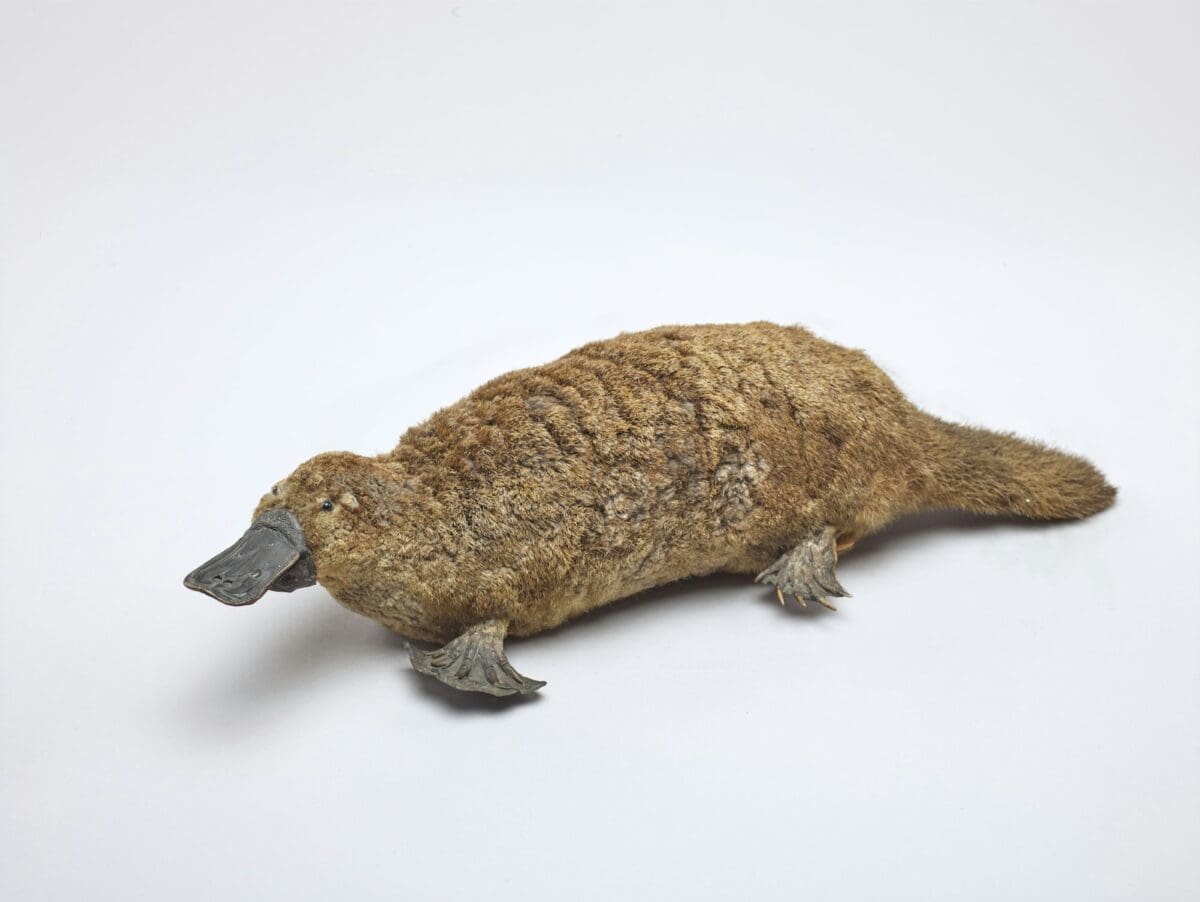
Before delving into the world’s most venomous creatures, it’s essential to clarify the difference between venom and poison. Venom is actively injected into victims through specialized delivery mechanisms like fangs, stingers, or spines. This injection-based delivery system is what defines venomous creatures. Conversely, poisonous organisms contain toxins that cause harm when touched or ingested but lack delivery systems. This distinction explains why venomous snakes can consume their own venom without harm (as it’s designed to work when injected directly into the bloodstream), while poisonous animals often carry toxins throughout their tissues. The creatures on this list all qualify as venomous due to their specialized injection mechanisms, ranging from sophisticated fangs to microscopic harpoon-like structures.
Inland Taipan The World’s Most Venomous Snake

The Inland Taipan (Oxyuranus microlepidotus), also known as the “fierce snake,” holds the title of the world’s most venomous snake based on the toxicity of its venom. Native to the arid regions of central east Australia, this reclusive reptile possesses venom estimated to be 200-400 times more toxic than that of a common cobra. A single bite can deliver enough venom to kill approximately 100 adult humans or 250,000 mice. The venom contains a potent neurotoxin that attacks the nervous system, causing paralysis, and a procoagulant that disrupts blood clotting, potentially leading to internal bleeding, kidney failure, and death within 45 minutes if left untreated. Despite its lethal potential, the Inland Taipan is naturally shy and reclusive, preferring to avoid human contact. Remarkably, due to its remote habitat and non-aggressive nature, there have been no recorded human fatalities from this species in the wild.
Box Jellyfish Invisible Ocean Killer

The Box Jellyfish (Chironex fleckeri) stands as one of the most lethal marine creatures on the planet. Found primarily in the coastal waters of Australia’s northern tropics, this nearly transparent predator possesses up to 60 tentacles that can extend up to 10 feet in length. Each tentacle contains millions of microscopic cnidocysts—specialized cells that function like miniature harpoons loaded with venom. When triggered by contact, these cells fire into the victim’s skin, delivering a potent cardiotoxic and neurotoxic venom. The venom is so potent that it can cause cardiovascular collapse within minutes, with victims often dying before reaching shore. An adult Box Jellyfish contains enough venom to kill 60 adult humans. Beyond its immediate painful sting, the venom can induce Irukandji syndrome, characterized by severe back pain, nausea, vomiting, sweating, and a sense of impending doom. Modern antivenoms have reduced fatality rates, but the Box Jellyfish remains responsible for approximately 100 human deaths annually, many of which occur in remote locations without immediate access to medical care.
Blue-Ringed Octopus Tiny but Deadly
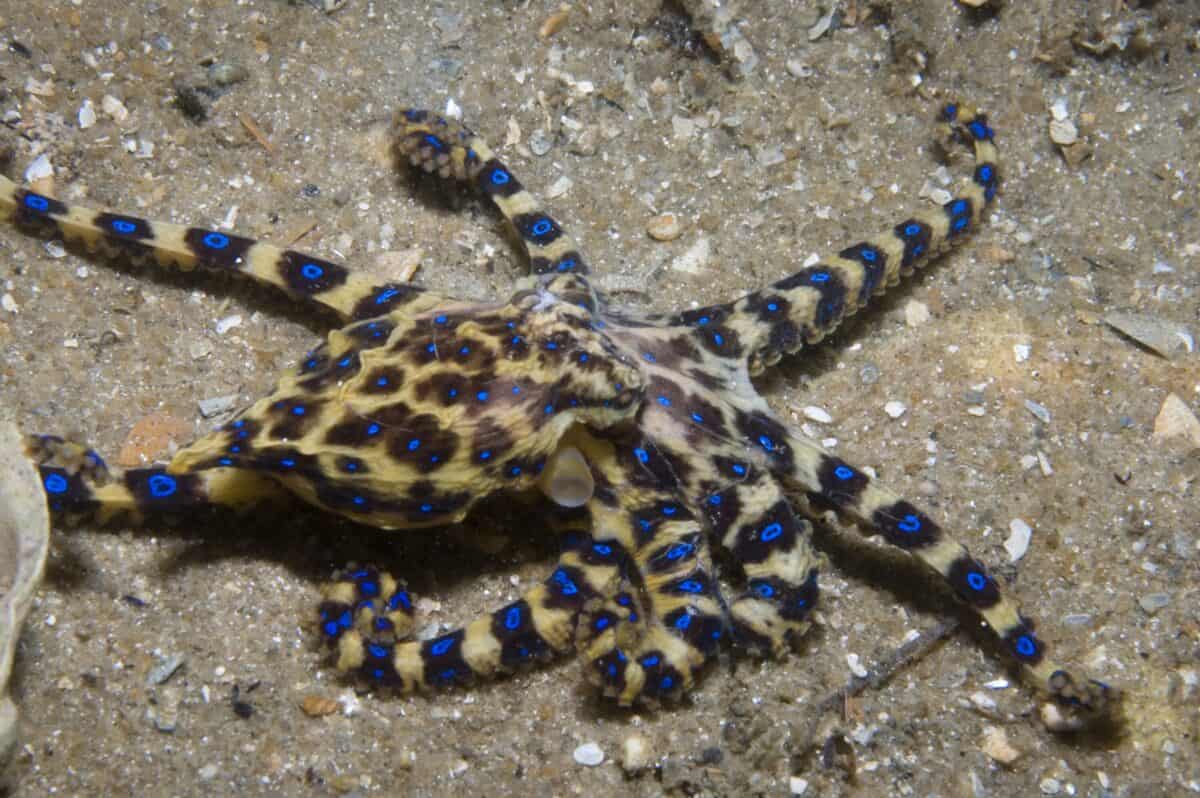
The Blue-Ringed Octopus (genus Hapalochlaena) represents one of the ocean’s most deceptively dangerous creatures. Despite its small size—typically measuring just 5-8 inches—this cephalopod packs a lethal punch. Native to tide pools and coral reefs in the Pacific and Indian Oceans, particularly around Australia and Japan, the Blue-Ringed Octopus is known for the iridescent blue rings that appear on its yellowish skin when threatened. These rings serve as a warning display before it strikes. The octopus delivers tetrodotoxin, a potent neurotoxin also found in pufferfish, through a painless bite often unnoticed by victims. This venom is 1,200 times more powerful than cyanide, with a single octopus carrying enough venom to kill 26 adult humans. The toxin blocks nerve signals, causing respiratory muscle paralysis within minutes, while the victim remains fully conscious—essentially trapped in a paralyzed body while suffocating. No antivenom exists; treatment consists solely of maintaining artificial respiration until the toxin naturally metabolizes, which can take up to 24 hours. Despite its deadliness, the Blue-Ringed Octopus is docile and only bites when directly threatened or handled.
Cone Snail Deadly Underwater Harpoonist

Cone Snails (genus Conus) represent some of the most venomous gastropods on the planet, with the Geography Cone (Conus geographus) being particularly lethal. These seemingly innocuous sea snails, found in warm tropical waters worldwide, hunt using a modified radula tooth that functions like a harpoon loaded with potent venom. When prey approaches, the cone snail extends its proboscis and fires this venomous harpoon with remarkable speed and precision. The venom, known as conotoxin, contains over 100 different toxins that target the neuromuscular system, causing paralysis within moments. A single sting from the Geography Cone contains enough venom to kill 20 adult humans, with symptoms progressing from localized numbness to respiratory paralysis within hours. Fatalities typically result from respiratory failure. Despite their deadly nature, cone snail venoms have become valuable in medical research, leading to the development of powerful non-addictive painkillers. The drug Ziconotide (Prialt), derived from cone snail venom, is 1,000 times more potent than morphine without causing dependence, demonstrating how nature’s deadliest toxins can sometimes yield medical breakthroughs.
King Cobra The Largest Venomous Snake
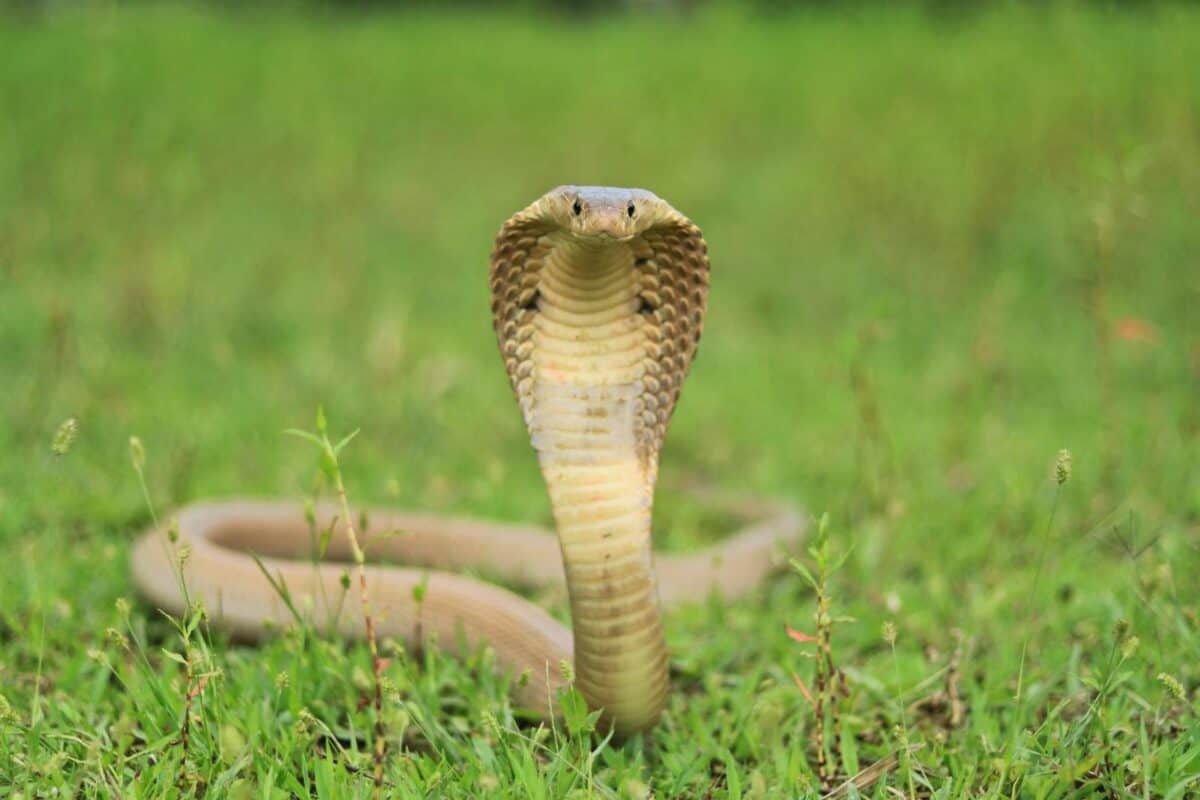
The King Cobra (Ophiophagus hannah) earns its regal name as the world’s longest venomous snake, capable of reaching lengths of 18 feet. Native to forests across South and Southeast Asia, this iconic serpent can deliver massive amounts of neurotoxic venom in a single bite—up to 7ml, enough to kill an elephant or 20 humans. While not the most toxic venom drop-for-drop, the sheer quantity delivered makes the King Cobra exceptionally dangerous. Its venom primarily attacks the central nervous system, causing respiratory failure and cardiac arrest within hours. Unlike many snakes that strike and retreat, the King Cobra can deliver multiple bites in a single attack, increasing the venom load. Perhaps most remarkable is this snake’s intelligence and defensive behavior—when threatened, it can raise up to one-third of its body length off the ground, spread its distinctive hood, and look a human directly in the eye. The King Cobra is also the only snake known to build nests for its eggs and exhibit parental care, with females guarding their clutches for months until hatching. Despite its fearsome reputation, King Cobras typically avoid human contact and most bites occur when the snakes are cornered or their nests threatened.
Stonefish Camouflaged Reef Assassin
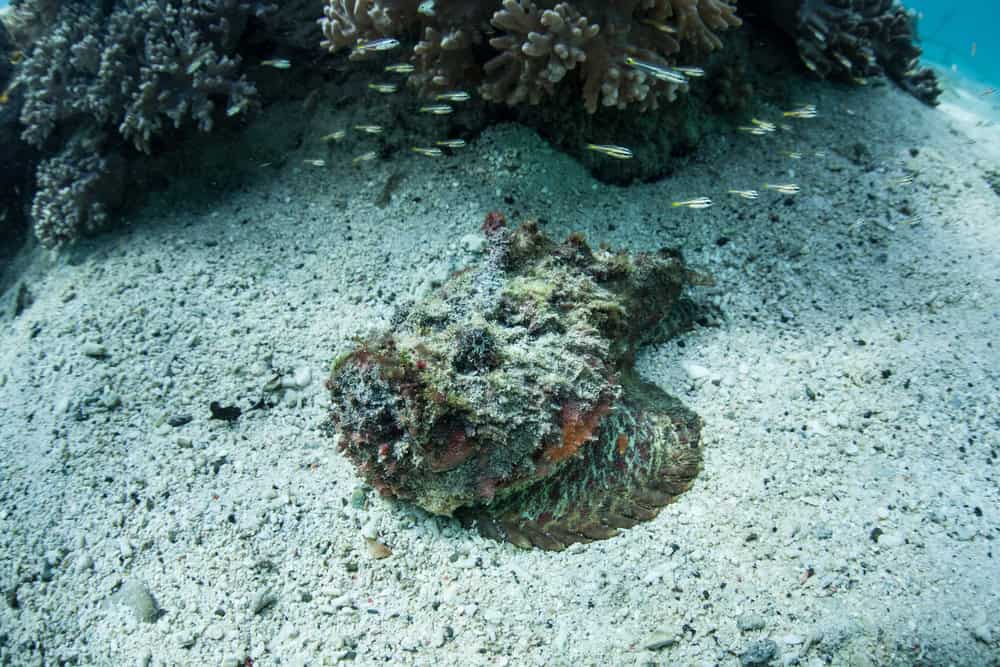
The Stonefish (genus Synanceia) holds the title of the world’s most venomous fish, perfectly disguised as a rock or coral on ocean floors throughout the Indo-Pacific region. This master of camouflage possesses 13 sharp dorsal fin spines, each connected to two venom glands that activate when pressure is applied—typically when stepped on by unsuspecting beachgoers. The venom contains stonustoxin, a potent protein that causes excruciating pain (described by victims as feeling like being hit by a sledgehammer or burned by acid), tissue necrosis, cardiovascular complications, and potentially death if left untreated. The pain is so severe that victims have been known to beg for limb amputation or commit suicide if immediate relief isn’t available. Beyond its venomous defense, the stonefish’s remarkable camouflage extends to textured skin that often grows algae, further enhancing its disguise. When hunting, the stonefish can strike with astonishing speed, engulfing prey in its cavernous mouth within 0.015 seconds—among the fastest strikes in the animal kingdom. Antivenom exists for stonefish stings, but in remote areas, traditional first aid involves immersing the wound in hot water (around 45°C/113°F), as heat helps denature the venom’s proteins, providing temporary pain relief while medical attention is sought.
Death Stalker Scorpion Desert’s Neurotoxic Threat

The Death Stalker Scorpion (Leiurus quinquestriatus) stands among the most dangerous arachnids on Earth, recognized by its yellowish color and slender pincers. Native to North Africa and the Middle East, this highly aggressive scorpion thrives in arid environments and rocky deserts. Unlike many venomous creatures that rely on venom primarily for hunting, the Death Stalker frequently uses its potent neurotoxic venom defensively. Its sting delivers a complex cocktail of toxins that attack the nervous system and cause intense, spreading pain, fever, convulsions, paralysis, and potentially respiratory failure. What makes this scorpion particularly dangerous is its venom’s ability to cross the blood-brain barrier, allowing neurotoxins direct access to the central nervous system. While healthy adults typically survive with proper medical care, the venom poses significant risk to children, elderly individuals, and those with compromised immune systems, with mortality rates reaching 30-40% in untreated cases among these vulnerable populations. Paradoxically, this deadly venom has become invaluable in medical research, with one component—chlorotoxin—showing promise in binding specifically to brain tumor cells, potentially revolutionizing brain cancer diagnosis and treatment by allowing surgeons to precisely distinguish between healthy and cancerous tissue during operations.
Sydney Funnel-Web Spider Australia’s Notorious Arachnid
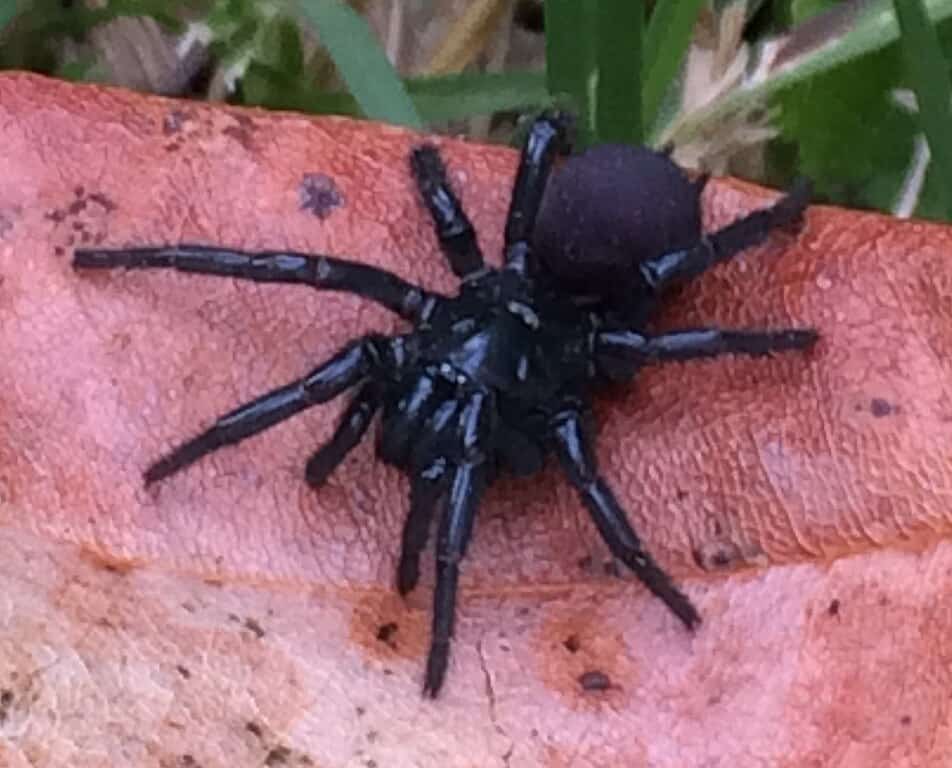
The Sydney Funnel-web Spider (Atrax robustus) represents one of the world’s most dangerous arachnids, notorious for its aggressive temperament and powerful venom. Endemic to eastern Australia, particularly around Sydney, these glossy black spiders construct distinctive funnel-shaped webs with trip lines that alert them to prey. What makes the Sydney Funnel-web particularly dangerous is its unusually toxic venom, delivered through large fangs capable of penetrating fingernails and even soft shoes. The venom contains a compound called delta-atracotoxin, which disrupts the human nervous system by preventing nerve cells from switching off their sodium channels, leading to continuous firing of neurons. This causes a cascade of symptoms including intense pain, muscle spasms, profuse salivation, lacrimation, elevated heart rate, respiratory distress, and potentially fatal pulmonary edema. Interestingly, while the venom is highly toxic to primates, it has minimal effect on most other mammals, suggesting an evolutionary adaptation specifically dangerous to humans by coincidence rather than design. Since the introduction of antivenom in 1981, there have been no recorded deaths from Funnel-web bites. Another distinctive aspect of this species is that, unlike most spiders where females pose the greater threat, male Sydney Funnel-webs are five times more venomous than females and frequently wander during mating season, increasing human encounters.
Marbled Cone Snail Beautiful but Lethal

The Marbled Cone Snail (Conus marmoreus) exemplifies nature’s warning that beauty often conceals danger. This elegantly patterned marine gastropod, found throughout the Indo-Pacific coral reefs, possesses one of the most sophisticated venom delivery systems in the animal kingdom. Unlike the Geography Cone mentioned earlier, the Marbled Cone Snail specializes in hunting fish despite its slow movement. It accomplishes this through a modified radula tooth that functions as a venomous harpoon, capable of extending from its proboscis with remarkable speed and precision. What distinguishes the Marbled Cone’s venom is its specialized “cabal” of toxins—different combinations deployed depending on whether the snail is hunting, defending itself, or subduing prey. The venom contains conotoxins that target specific ion channels and receptors in neuromuscular systems, causing paralysis within seconds. For humans, a sting causes immediate pain followed by numbness, swelling, and potential respiratory paralysis leading to death if untreated. The Marbled Cone’s toxins are so precise in their targeting that they’ve become invaluable research tools for neurological studies, leading to the development of non-addictive pain medications. Among cone snail enthusiasts, there’s a macabre saying: “When the shell comes off, so does the respirator”—highlighting that by the time victims realize they’ve been stung by this beautiful creature, it’s often too late for medical intervention.
Brazilian Wandering Spider Aggressive Forest Hunter
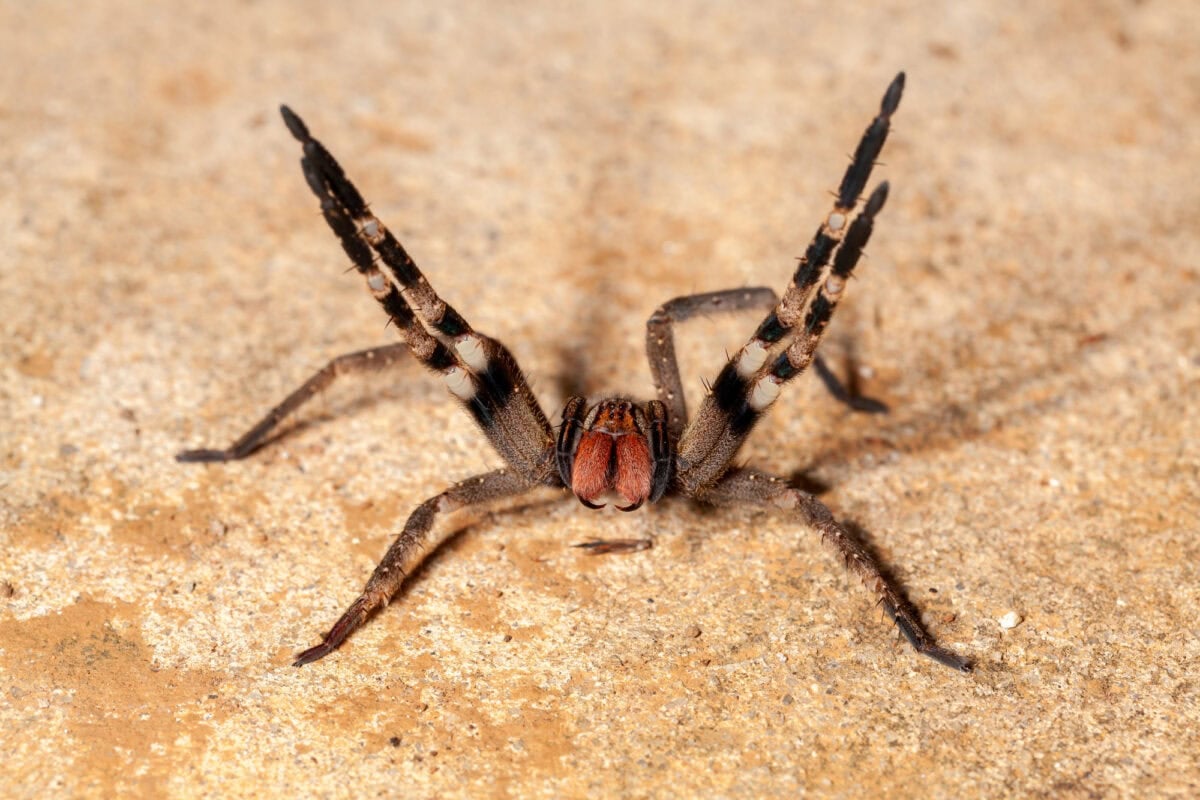
The Brazilian Wandering Spider (genus Phoneutria, particularly P. fera and P. nigriventer) has earned its place in the Guinness Book of World Records as the world’s most venomous spider based on toxicity per milligram. Unlike most spiders that build webs and wait for prey, these aggressive hunters actively roam forest floors throughout Central and South America at night, explaining their “wandering” moniker. With a leg span reaching up to 7 inches, these arachnids are distinguished by their defensive posture—raising their front legs to display red-haired jaws when threatened. Their venom contains a complex mixture of toxins, particularly neurotoxins like PhTx3 that disrupt calcium channels and cause respiratory paralysis. A bite delivers microscopic amounts of venom that trigger immediate, intense pain, followed by sweating, elevated heart rate, elevated or lowered blood pressure, and potentially respiratory paralysis within hours. One of the venom’s most unusual effects in male victims is priapism—painful, prolonged erections lasting hours that can lead to impotence—a side effect that has ironically led to medical research using diluted toxins to treat erectile dysfunction. Their nickname “banana spider” stems from their habit of hiding in banana shipments, leading to occasional appearances in grocery stores far from their native habitat. While potentially lethal, effective antivenoms have reduced the death rate, with only about 10 recorded fatalities despite thousands of bites annually.
Reef Stonefish Master of Disguise with Deadly Spines

The Reef Stonefish (Synanceia verrucosa) represents the pinnacle of venomous fish evolution, with a toxicity that exceeds even that of its relative, the common stonefish. Native to the coral reefs of the Indo-Pacific region, this ambush predator has perfected the art of camouflage, resembling an algae-covered rock so convincingly that even experienced divers often fail to notice it until too late. The reef stonefish possesses 13 dorsal spines, each connected to two venom glands that activate when pressure is applied—typically when stepped on by unsuspecting humans. Unlike many venomous creatures whose venom serves primarily to subdue prey, the stonefish’s venom functions purely as a defensive mechanism. The venom contains stonustoxin and verrucotoxin, proteins that cause immediate, excruciating pain described as “worse than childbirth” by victims, followed by muscular paralysis, tissue necrosis, and cardiovascular complications including heart failure. What makes the reef stonefish particularly dangerous is its ability to remain alive out of water for up to 24 hours, meaning it can pose a threat even on beaches when washed ashore. Traditional treatments in remote areas include immersing the wound in water as hot as the victim can tolerate (ideally 113°F/45°C) to denature the heat-sensitive proteins in the venom, providing temporary relief until antivenom can be administered.
Conclusion:

The natural world’s most venomous creatures showcase the remarkable—and often terrifying—complexity of evolutionary adaptation. From tiny octopuses and deceptive snails to elusive spiders and hidden reef dwellers, these animals have developed specialized venom systems not out of malice, but as precise tools for survival. Their toxins are the products of millions of years of natural selection, tailored to immobilize prey, fend off predators, or secure territory. While their potency commands fear, it also offers insight into the intricacies of biology and chemistry, revealing pathways for groundbreaking medical research and drug development. Ultimately, these creatures remind us that the line between danger and discovery is often razor-thin, and that nature’s deadliest designs can yield some of its most profound scientific treasures.

As a little kid, I fell in love with nature, wildlife, and animals. Living in the USA, South Africa, Italy, China and Germany gave me the opportunity to discover the world's Wildlife. My favorite animals are Mountain Gorillas, Siberian Tigers, and Great White Sharks.
I'm a certified PADI Open Water Diver, went to Everest Base Camp and Trekked Gorillas in Uganda. I hold a Master of Science in Economics and Finance.
Please send any feedback to feedback@animalsaroundtheglobe.com
- 13 Cat Breeds That Get Along with Dogs - July 20, 2026
- The 12 Largest Dog Breeds That Still Love to Cuddle - July 20, 2026
- 12 Pet Habits That Secretly Mean They Love You - July 20, 2026