


The once bustling corridors of human activity are experiencing a profound transformation. As cities evolve, contract, or face economic hardship, certain urban spaces fall silent of human footsteps—but nature abhors a vacuum. Abandoned factories, vacant lots, foreclosed neighborhoods, and even entire ghost towns are becoming theaters for an extraordinary ecological performance: the return of wildlife to urban spaces. This phenomenon of wildlife reclamation represents not just a biological curiosity, but a complex interplay between human development patterns, ecological resilience, and the adaptability of animal species. From Detroit’s declining neighborhoods to Chernobyl’s exclusion zone, from forgotten industrial complexes to pandemic-emptied business districts, wildlife is staging a remarkable comeback in spaces humans have surrendered, either temporarily or permanently.
The Ecological Process of Reclamation
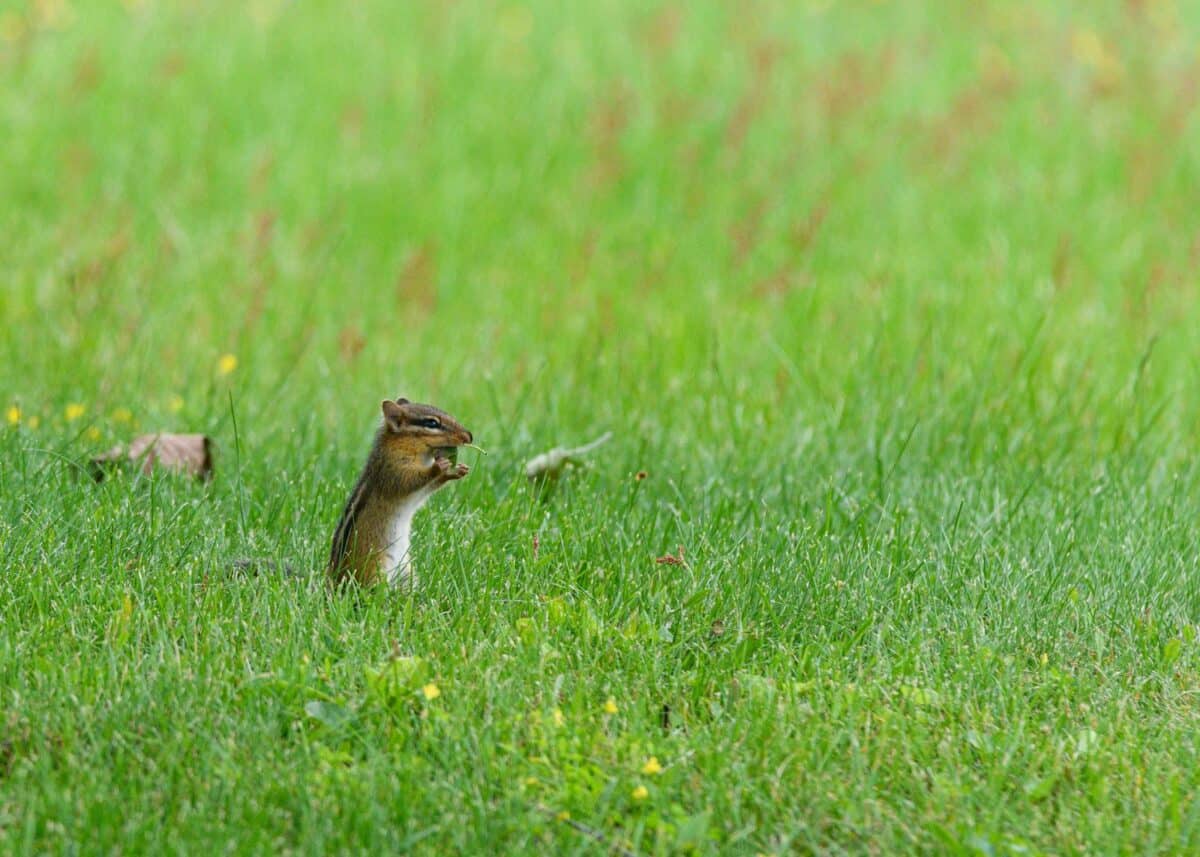
Nature’s reclamation of urban landscapes follows predictable ecological succession patterns, but at accelerated rates compared to natural habitats. The process begins almost immediately after human abandonment, with pioneer species—typically grasses, weeds, and insects—colonizing cracks in concrete and accumulating soil in the most inhospitable environments. Within months, small rodents, birds, and reptiles follow the emergent food sources. As vegetation grows increasingly complex over years, larger mammals and predators establish territories.
What makes urban reclamation unique is the presence of existing structures that create instant habitat niches: buildings become cliff analogues for peregrine falcons, basement pools serve as amphibian breeding grounds, and overgrown gardens transform into food-rich meadows. Research from the University of Illinois Urban Ecology Center shows that abandoned urban spaces can reach surprising biodiversity levels within just 5-10 years, sometimes surpassing the ecological complexity of managed parks.
Detroit: America’s Premier Wildlife Comeback City
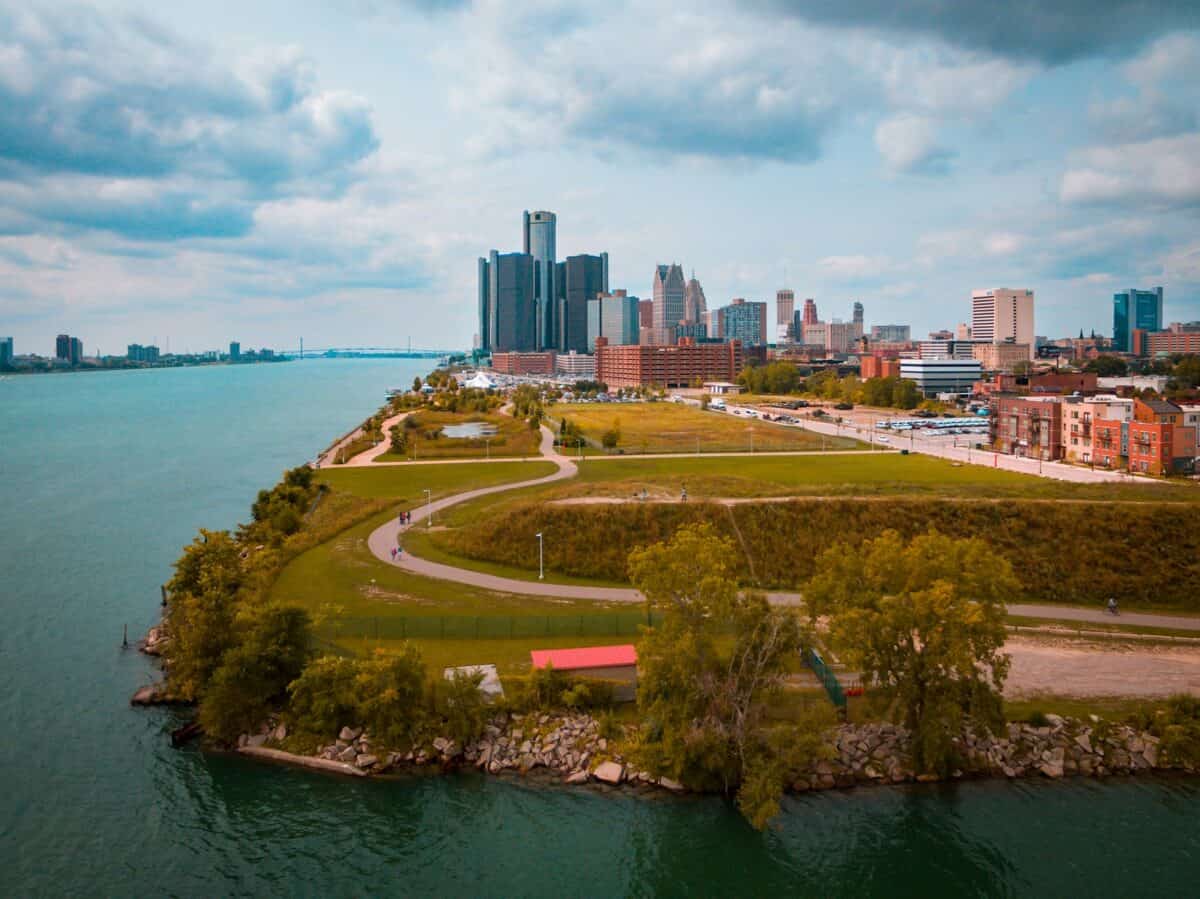
Detroit stands as perhaps the most studied example of urban wildlife reclamation in North America. As the city’s population declined from 1.8 million in 1950 to less than 700,000 today, approximately one-third of the city transformed into vacant land. This unintentional rewilding has created a laboratory for urban ecology. According to the Detroit Wildlife Study, the city now hosts more than 250 bird species, including increasingly common sightings of pheasants, wild turkeys, and even bald eagles.
Coyotes have established territories throughout the city, with an estimated population exceeding 1,000. Particularly striking has been the return of beavers to Detroit’s waterways after an absence of nearly a century, engineering ecosystems by building dams along creek channels. The reclamation has been so significant that ecologists now reference the “Detroit phenomenon” when discussing rapid urban biodiversity recovery in post-industrial landscapes.
Chernobyl: Radiation’s Paradoxical Wildlife Sanctuary

The Chernobyl Exclusion Zone represents the most dramatic example of wildlife reclaiming abandoned human landscapes. Despite persistent radiation levels, the absence of human activity has created a de facto nature reserve spanning 1,000 square miles. The scientific consensus, based on three decades of research, has revealed surprising ecological resilience. Wolf populations within the zone are seven times higher than in surrounding areas, while rare Przewalski’s horses, intentionally introduced in the 1990s, have established thriving herds.
Camera trap studies conducted by the University of Portsmouth documented unprecedented biodiversity, including brown bears, lynx, bison, and over 200 bird species. While some animals show elevated mutation rates and reduced lifespans, population dynamics remain robust. Researchers now consider Chernobyl evidence that for many species, human presence is more detrimental than radiation—a sobering ecological insight. The zone demonstrates that even after the most catastrophic environmental disasters, wildlife demonstrates remarkable reclamation capabilities when humans withdraw.
Urban Explorers: Species Adapting to Post-Human Spaces

Certain wildlife species have proven exceptionally adept at colonizing abandoned urban environments, becoming the vanguard of ecosystem reclamation. Peregrine falcons, once endangered, have established nesting sites on abandoned skyscrapers and industrial structures across North America and Europe, using these artificial cliffs as hunting perches. Red foxes have demonstrated remarkable behavioral flexibility in abandoned urban zones, establishing territories in vacant office parks where they utilize existing infrastructure for denning sites.
Research from urban ecologists at Cornell University has documented raccoons developing specialized skills for accessing resources in abandoned buildings, including opening stuck doors and navigating complex architectural spaces. Perhaps most surprising are beavers, whose engineering abilities transform abandoned water management infrastructure into complex wetland habitats. These “ecosystem engineers” create cascading habitat benefits that accelerate biodiversity recovery by modifying waterways in ways that benefit countless other species. The adaptability of these pioneer species challenges traditional notions about wildlife requiring pristine wilderness.
The COVID-19 Effect: Temporary Abandonment and Wildlife Response

The COVID-19 pandemic provided an unprecedented global experiment in temporary urban abandonment. As lockdowns emptied city centers worldwide, wildlife responded with remarkable speed. In Barcelona, wild boar ventured from surrounding forests into the city center within days of lockdown, while mountain goats reclaimed the streets of Llandudno, Wales, becoming a global viral sensation. A comprehensive study published in Nature Ecology documented wildlife movements into 45 major urban centers during initial pandemic lockdowns, finding that medium-sized mammals extended their active ranges by an average of 45% during periods of human absence.
Particularly notable was the speed of response—within 72 hours of significant human activity reduction, most monitored species showed behavioral changes. This temporary urban rewilding demonstrated that many species exist at the periphery of human activity, capable of immediately reclaiming space when our presence diminishes. While most wildlife retreated as human activity resumed, the pandemic provided valuable insights into the elastic boundary between human and wildlife domains in urban settings.
Industrial Ruins as Wildlife Havens
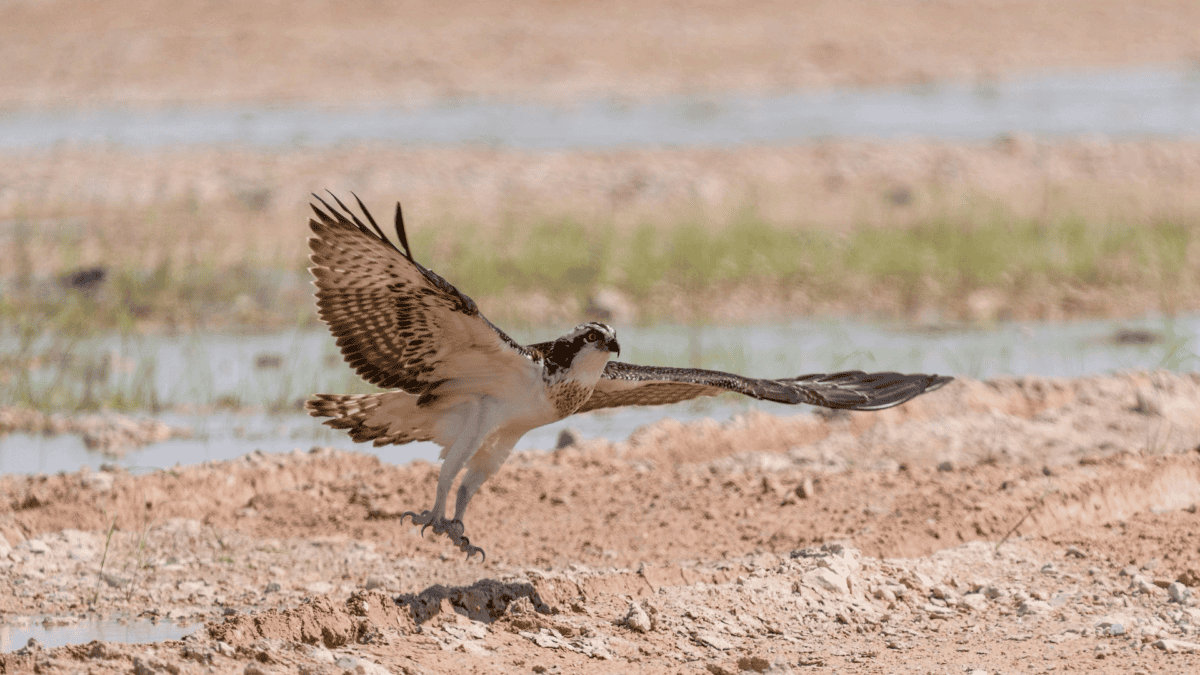
Abandoned industrial sites, once considered ecological dead zones, have emerged as surprising biodiversity hotspots. Their unique combination of structural complexity, water features, and minimal human disturbance creates ideal conditions for ecological succession. The former Bethlehem Steel plant in Pennsylvania now hosts nesting bald eagles and peregrine falcons that utilize the towering structures as nesting sites. In Germany’s Ruhr Valley, the Industrial Nature Trail connects former coal mines and steel plants that have been colonized by over 1,000 plant species and nearly 300 bee species—higher diversity than surrounding agricultural areas.
These post-industrial spaces often contain unusual microclimates: warmer areas from residual heat, alkaline soils from concrete degradation, and varied water features from collection ponds. A study in the Journal of Urban Ecology found that abandoned industrial sites average 30% higher species diversity than purpose-built urban parks of similar size, largely due to reduced management intervention and greater structural complexity. This counter-intuitive finding suggests that the most effective urban wildlife spaces may be those where humans step back rather than manage intensively.
Ghost Towns: Complete Ecosystem Restoration

Ghost towns—completely abandoned human settlements—provide the most complete picture of ecosystem reclamation processes. Centralia, Pennsylvania, abandoned due to an underground coal fire burning since 1962, has transformed from a town of 1,000 residents to a woodland ecosystem harboring white-tailed deer, black bears, and coyotes. Vegetation has reclaimed 98% of former built environments, with only road traces remaining visible. In Japan, villages abandoned during rural depopulation have experienced complete ecological succession within 30-40 years, with former rice paddies evolving into wetland ecosystems supporting populations of the rare Japanese crested ibis.
The Salton Riviera in California, once a thriving resort community that collapsed due to water quality issues, has become one of North America’s most important migratory bird stopover points, hosting over 400 species. These complete abandonment scenarios demonstrate that, given sufficient time without human intervention, nature can reclaim even the most developed landscapes and restore functional ecosystems—suggesting that our built environment may be more temporary than we imagine.
Challenges and Threats to Urban Wildlife Reclamation
Despite the remarkable capacity for wildlife to reclaim urban spaces, this process faces significant challenges and limitations. Soil contamination presents a persistent barrier in many post-industrial sites, with heavy metals and persistent organic pollutants creating toxic conditions that can bioaccumulate through food chains. Fragmentation remains problematic even in abandoned landscapes, as roads, fences, and infrastructure continue to divide habitats and limit movement corridors.
Perhaps most significant is the temporary nature of many abandonments—economic cycles often bring redevelopment pressure to reclaimed areas just as wildlife has established sustainable populations. In Detroit, areas where coyotes had established territories for a decade are now facing new development, forcing wildlife displacement. Invasive species present another challenge, as abandoned urban environments often favor non-native opportunists that can outcompete native wildlife. A study of 60 abandoned lots across Chicago found that 70% were dominated by invasive plant species within five years of abandonment, creating simplified ecosystems that supported less diverse wildlife communities than native-dominated sites.
Urban Wildlife Corridors: Connecting Reclaimed Spaces

As wildlife reclaims abandoned urban spaces, an emerging conservation strategy focuses on connecting these habitat islands through intentional wildlife corridors. Chicago’s Bloomingdale Trail (The 606) represents an innovative approach by transforming an abandoned elevated railway into a combination of public park and wildlife corridor, maintaining native plant sections specifically designed to support pollinator movement through the city.
In Detroit, the Wildlife Corridor Initiative maps abandoned properties to prioritize connected habitat preservation during redevelopment decisions. Research from urban ecologists at Michigan State University demonstrates that connected networks of abandoned properties support 40% higher mammal diversity than isolated habitat patches of equivalent total area. These corridor networks prove especially critical for predator species like coyotes and foxes that require larger territories than individual abandoned sites can provide. The strategic preservation of these wildlife highways represents a shift in urban planning—rather than viewing all abandoned spaces as awaiting redevelopment, some are now intentionally preserved as permanent ecological infrastructure within the urban fabric.
Human-Wildlife Conflicts in Reclaimed Spaces

As wildlife populations establish in abandoned urban areas, inevitable conflicts emerge when these spaces border inhabited neighborhoods. Coyote populations in reclaimed urban zones frequently trigger concern when their territories overlap active residential areas, with reported pet predation creating calls for management interventions. In parts of the American Rust Belt, deer overpopulation in abandoned neighborhoods has led to increased vehicle collisions and garden damage in adjacent occupied areas.
Disease transmission represents another concern, as the CDC has documented elevated Lyme disease risk in neighborhoods bordering abandoned urban properties where tick populations thrive in unmanaged vegetation. These conflicts highlight the complex reality of urban wildlife reclamation—while ecologically beneficial, these processes don’t always align with human expectations and concerns. Successful coexistence requires adaptive management approaches. Cleveland’s Urban Wildlife Management Plan exemplifies this balance by maintaining wildlife corridors through abandoned areas while implementing education programs and strategic intervention in conflict zones. This nuanced approach recognizes that wildlife reclamation brings both benefits and challenges to urban communities.
Designing for Coexistence: Managed Rewilding
As understanding of wildlife reclamation grows, some cities are adopting intentional approaches that blend abandonment with strategic management. Philadelphia’s vacant lot remediation program represents this hybrid model, converting selected abandoned properties into “managed meadows” with minimal intervention beyond twice-yearly mowing and invasive species removal. These sites provide urban wildlife habitat while addressing community concerns about completely unmanaged spaces.
Berlin’s Tempelhof Airport, decommissioned in 2008, demonstrates large-scale managed rewilding, with certain sections intentionally left for natural succession while others support compatible human recreation. The 950-acre site now hosts endangered skylarks and rare butterfly species alongside human visitors. In the United Kingdom, the “Brownfield Biodiversity” initiative identifies high-potential abandoned industrial sites for conservation designation, providing legal protection from development while implementing minimal management interventions focused on contamination remediation and invasive species control. These approaches represent a middle path—neither complete abandonment nor intensive management—that maximizes biodiversity benefits while accommodating human needs and addressing legitimate concerns about unmanaged urban spaces.
The Future of Urban Wildlands in an Era of Climate Change

Climate change is introducing new dimensions to wildlife reclamation of urban spaces. As climate zones shift, abandoned urban areas are becoming critical testing grounds for ecosystem adaptation. Research from Arizona State University’s Urban Resilience to Extremes project identifies abandoned urban lots as potential “climate refugia”—spaces where microclimate conditions might buffer species from temperature extremes. The urban heat island effect, usually considered negative, creates warmer conditions in abandoned urban spaces that may support species being pushed northward by warming trends.
Similarly, abandoned urban water management infrastructure—from retention ponds to drainage systems—provides critical moisture resources during drought conditions. This climate adaptation role may enhance the conservation value of reclaimed urban wildlands beyond their current biodiversity benefits. Future climate models predict that urban wildlife corridors, including reclaimed abandoned spaces, will become increasingly important migration pathways as species ranges shift in response to changing conditions. This emerging function suggests that today’s abandoned spaces may serve as tomorrow’s ecological lifeboats—transitional habitats supporting species movement through otherwise impermeable urban landscapes.
Conclusion: Finding Balance in the Urban Wilderness
The reclamation of abandoned urban landscapes by wildlife represents one of the most hopeful ecological narratives in an era often defined by environmental loss. These spaces demonstrate nature’s remarkable resilience and adaptability—given even minimal opportunity, life returns and ecosystems rebuild themselves with surprising speed and complexity. The phenomenon challenges our traditional separation of “urban” and “wild,” revealing that these categories exist on a spectrum rather than as absolute distinctions.
For urban planners, conservation biologists, and communities, these reclaimed spaces present both opportunity and responsibility. The strategic incorporation of managed rewilding into urban planning represents a promising direction, balancing ecosystem recovery with human needs. As cities continue to evolve through economic transitions, population shifts, and climate adaptation, their abandoned spaces may ultimately prove as ecologically significant as their designed parks and preserves—unintentional but invaluable wildlands emerging from the infrastructure of our own creation.

From exploring the marine wonders in the Azores and witnessing the vast savannas of Kenya, to delving deep into the rich biodiversity of South Africa and traversing iconic landscapes in Australia and the US like Yellowstone, Chris's experiences are vast.
With a penchant for diving alongside sharks, the ocean holds a special place in his heart.
Through his academic insights, he champions wildlife conservation, striving with 'Animals Around The Globe' to cultivate a profound connection between humans and animals, enhancing our mutual appreciation.
Connect with him at Feedback@animalsaroundtheglobe.com.
- How Tigers Mark Their Territory Using Scent and Scratches - July 29, 2026
- The Deadly Volcano That Erased a Town Is Now Active Again - July 29, 2026
- 12 Deep Sea Animals With Terrifying Adaptations - July 29, 2026