


In the ecosystems of the Americas, two predators with significantly different characteristics might occasionally find their territories overlapping: the mighty jaguar and the adaptable coyote. Though their natural ranges have historically had limited overlap, human-induced habitat changes and climate shifts are increasing the possibility of these remarkable predators encountering one another.
When a jaguar meets a coyote in the wild, the interaction is dictated by a complex interplay of ecological principles, behavioral traits, physical capabilities, and environmental context. This fascinating potential encounter offers insights into predator dynamics, territorial behavior, and the natural order of ecosystems. Let’s explore what would likely occur during such a rare meeting between these two iconic American predators.
Natural Geographic Ranges and Overlap

Jaguars (Panthera onca) historically ranged from the southwestern United States through Central America and into much of South America. Today, their consistent presence in the United States is limited primarily to occasional sightings in southern Arizona and New Mexico. Meanwhile, coyotes (Canis latrans) have demonstrated remarkable adaptability, expanding their range from their historical western territories to now occupy most of North America, from Alaska to Panama.
The potential geographical overlap between these species occurs primarily in Mexico, Central America, and the very southern portions of the United States. As climate change alters habitats and human development fragments wilderness areas, these zones of potential interaction may increase, creating more opportunities for these disparate predators to encounter one another in the wild.
Size and Physical Disparities

The physical differences between jaguars and coyotes are substantial and would significantly influence any interaction. Jaguars are the third largest cat species in the world, with adult males typically weighing between 126-250 pounds (57-113 kg) and measuring up to 6 feet (1.85 meters) in length, not including their tail. In contrast, coyotes are medium-sized canids, with adults weighing just 20-50 pounds (9-23 kg) and measuring about 3-4.5 feet (0.9-1.4 meters) in total length.
This dramatic size disparity places jaguars at a clear physical advantage, with approximately 3-5 times the body mass of a coyote. Additionally, jaguars possess one of the strongest bite forces relative to body size among all carnivores—estimated at around 1,500 pounds per square inch (PSI), compared to the coyote’s more modest 400 PSI bite force. These physical differences would be decisive factors in any direct confrontation between the species.
Predatory Behavior and Hunting Strategies
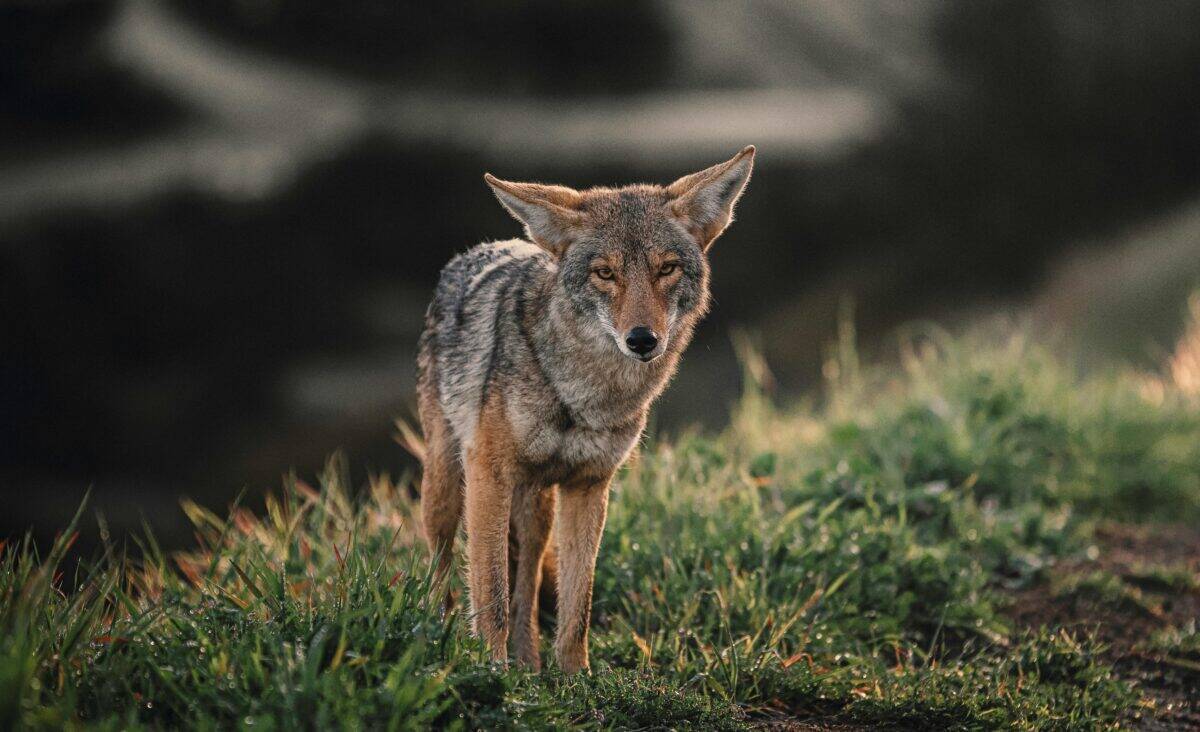
Jaguars and coyotes employ distinctly different hunting strategies that reflect their evolutionary adaptations and ecological niches. Jaguars are ambush predators, relying on stealth and explosive power to capture prey. They often kill with a unique technique of biting through the skull or cervical vertebrae of their prey—a method facilitated by their exceptional bite strength. In contrast, coyotes are opportunistic hunters and scavengers, known for their versatility in food acquisition.
They frequently hunt in pairs or small family groups for larger prey, using stamina and coordinated tactics rather than brute force. Coyotes also supplement their diet with vegetation, fruits, and carrion—demonstrating a dietary flexibility that jaguars lack. These fundamental differences in hunting approach would influence how each animal perceives and responds to the other during an encounter, with jaguars likely viewing a coyote as potential prey rather than a competitor.
The Likely Outcome of a Direct Encounter
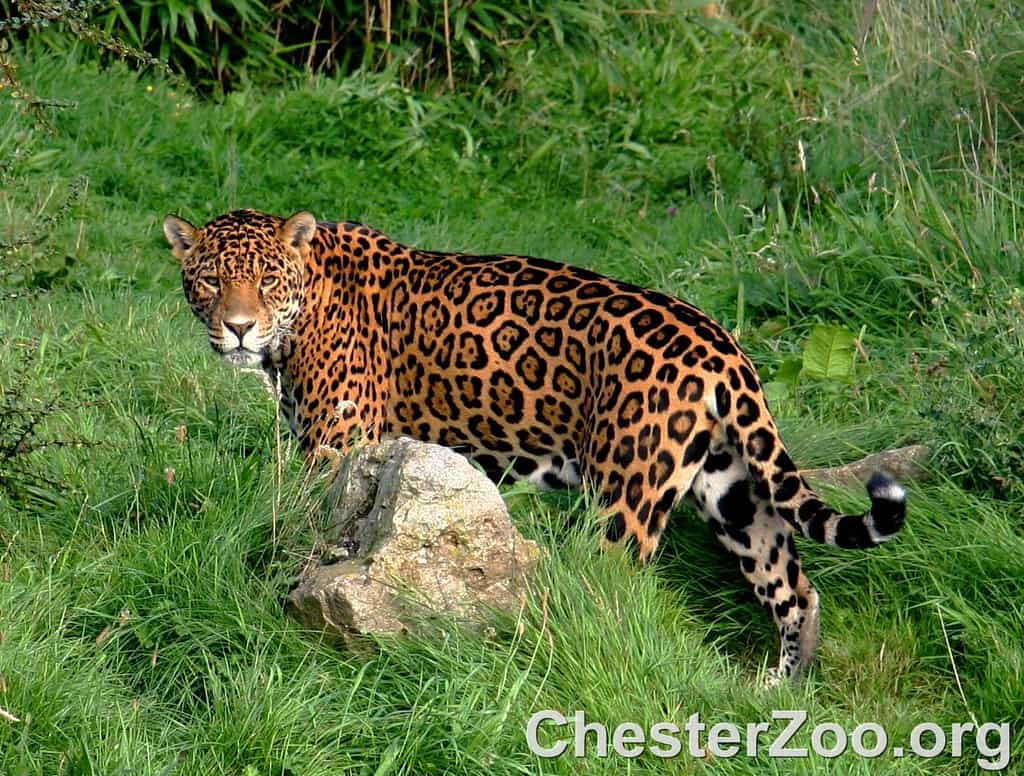
If a jaguar and coyote were to directly cross paths in the wild, the most probable outcome would heavily favor the jaguar. Given the extreme disparity in size, strength, and weaponry, a lone coyote would almost certainly retreat immediately upon detecting a jaguar. Coyotes have evolved to be highly risk-averse when facing larger predators, as their survival strategy prioritizes avoidance over confrontation.
A jaguar, conversely, might view a coyote as potential prey, particularly if the jaguar were hungry or if the encounter occurred in circumstances favorable for an ambush. Research on predator interactions shows that in the rare cases where such disparate predators do interact directly, the encounter typically results in predation rather than competition. Wildlife biologists have documented jaguars preying on similar-sized canids, including foxes and domestic dogs, suggesting that coyotes would likely fall within their prey profile.
Group Dynamics: Coyotes in Packs
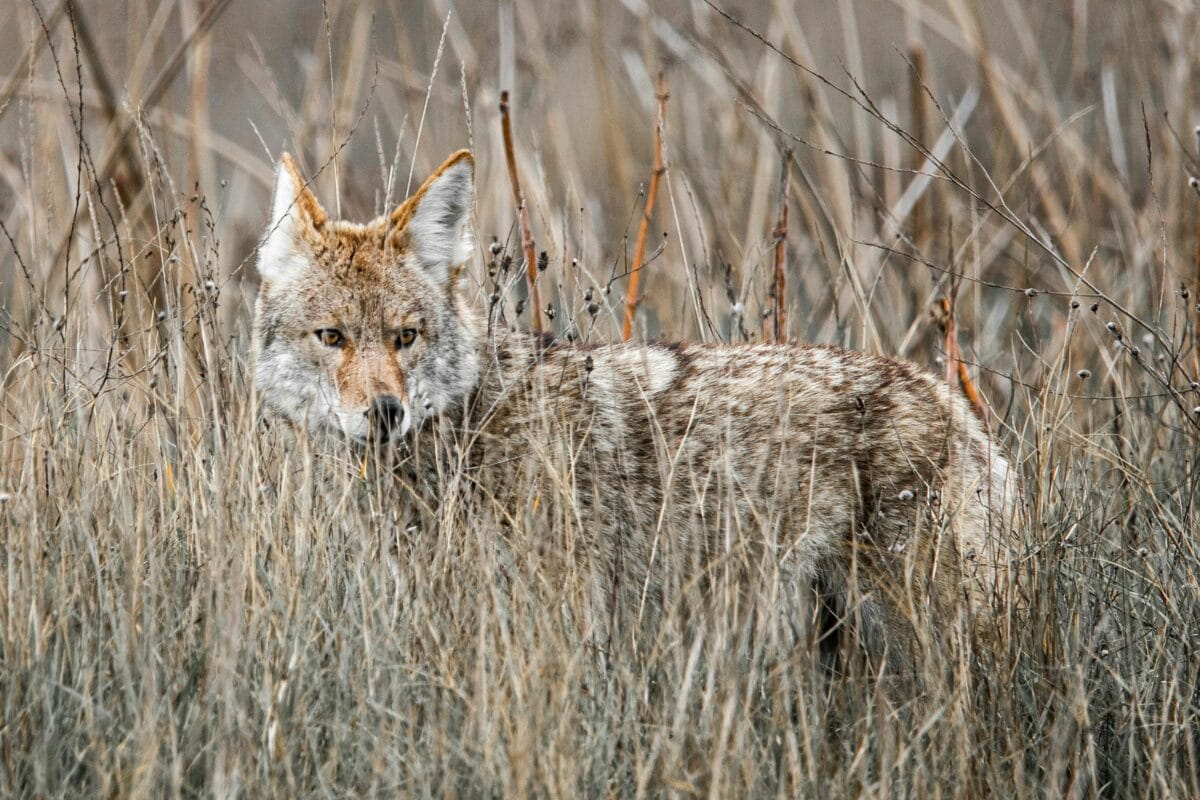
The equation changes somewhat when considering an encounter between a jaguar and multiple coyotes. Coyotes often travel and hunt in family groups or small packs, particularly in areas where they’ve assumed the ecological role of apex predator. A group of coyotes might exhibit more complex behavior when encountering a jaguar. While direct confrontation would still be unlikely, a coyote pack might engage in mobbing behavior—a harassment technique where multiple individuals work together to drive away a larger predator.
This strategy is most commonly employed to protect den sites or when coyotes have a significant numerical advantage. However, even in these scenarios, the outcome would likely favor the jaguar if it chose to stand its ground. Unlike wolves, which have evolved specific pack tactics for confronting larger prey, coyotes typically lack the coordinated aggression needed to seriously threaten a jaguar. Instead, the coyotes would likely maintain a safe distance while alerting others to the jaguar’s presence through vocalizations.
Territorial Considerations

Territorial dynamics would play a crucial role in any jaguar-coyote interaction. Jaguars are solitary and highly territorial, with males maintaining large territories that may encompass the ranges of several females. These territories are marked and defended against other jaguars, particularly other males. Coyotes, while more flexible in their territorial behavior, also establish and defend home ranges, especially when resources are abundant. If a jaguar were to enter an area with established coyote territories, the coyotes would likely modify their behavior patterns to avoid the larger predator.
Studies of predator interactions in overlapping habitats show that smaller predators often adjust their activity patterns temporally, becoming more nocturnal or crepuscular to minimize encounter risks. Additionally, coyotes might shift their territorial use spatially, avoiding core areas frequented by the jaguar while continuing to utilize peripheral zones. This spatial and temporal partitioning represents an evolutionary strategy that allows potentially competing predators to coexist with minimal direct conflict.
Resource Competition
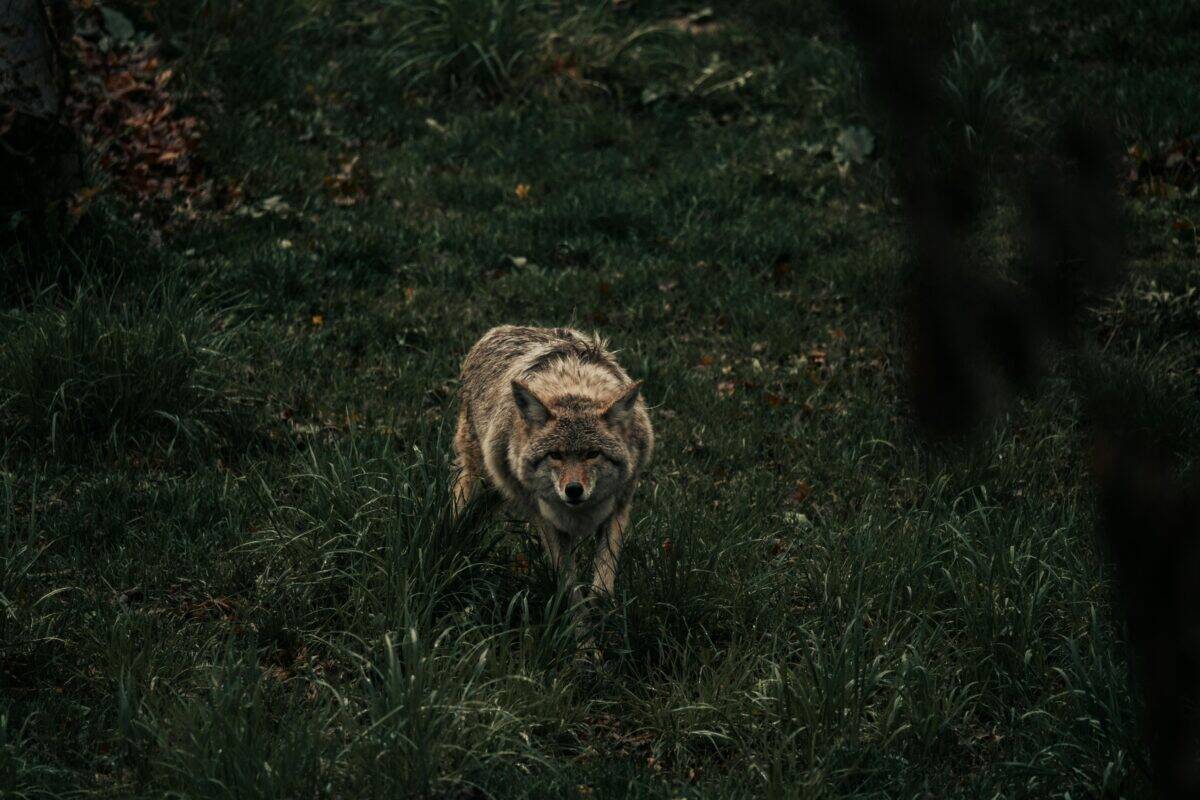
Despite their different sizes and hunting methods, jaguars and coyotes do share some dietary overlap, which could theoretically lead to competition in areas where their ranges coincide. Both species are capable of preying on small to medium-sized mammals, though jaguars regularly take much larger prey than coyotes can manage. In regions where white-tailed deer or similar ungulates are present, both predators might target these species, though using different strategies. Jaguars would typically ambush individual deer, while coyotes might target fawns or work together to bring down adults.
This potential resource competition would more severely impact coyotes than jaguars, as the latter’s broader prey size range gives them more dietary options. Ecological studies in areas where multiple predator species coexist suggest that when resources become limited, the larger, more dominant predator typically maintains access to preferred prey items, while smaller predators shift to alternative food sources or different habitats. This principle would likely apply to jaguar-coyote interactions, with coyotes adjusting their resource use in response to jaguar presence.
Documented Interactions in Scientific Literature

Direct observations of jaguar-coyote interactions in the wild are exceedingly rare, with few documented cases in the scientific literature. This scarcity of data reflects both the limited geographical overlap between the species and the tendency for coyotes to avoid areas with established jaguar presence. Camera trap studies in northern Mexico and the southwestern United States occasionally capture both species using the same travel corridors or water sources, though typically at different times.
In one notable study from Sonora, Mexico, researchers documented temporal shifts in coyote activity following the return of jaguars to a previously unoccupied area, suggesting behavioral adaptation to avoid encounters. The lack of documented predation events between these species likely indicates successful avoidance strategies by coyotes rather than peaceful coexistence. By comparison, there is more substantial documentation of jaguars preying on other canid species and of coyotes being killed by other large predators such as wolves, mountain lions, and bears, providing indirect evidence for the probable dynamics between jaguars and coyotes.
Ecological Role and Significance

The potential interaction between jaguars and coyotes illuminates broader ecological principles regarding predator hierarchies and community structure. As apex predators, jaguars exert top-down control on ecosystems, influencing the abundance and behavior of both their prey and other predators. This regulatory function, known as a trophic cascade, can reshape entire ecosystems. Coyotes, often described as mesopredators, occupy an intermediate position in the predator hierarchy.
In the absence of apex predators, coyotes may assume the top predator role, a phenomenon that has occurred across much of North America following the extirpation of wolves and other large carnivores. When apex predators like jaguars return to an ecosystem, the resulting “mesopredator release” reversal can reduce coyote populations and alter their behavior, which in turn affects smaller predators and prey species throughout the food web. This ecological restructuring highlights the importance of conserving complete predator guilds, including both apex predators like jaguars and adaptable mesopredators like coyotes, to maintain healthy, resilient ecosystems.
Impact of Human Activity on Potential Encounters

Human activities significantly influence the likelihood and nature of jaguar-coyote interactions. Habitat fragmentation due to agriculture, urbanization, and infrastructure development has compressed wildlife ranges and created artificial corridors that may force different species into closer proximity. Conversely, widespread persecution of jaguars throughout the 19th and 20th centuries dramatically reduced their range, eliminating them from many areas where they historically overlapped with coyotes.
Climate change represents another human-induced factor, potentially shifting suitable habitat for both species and creating new zones of overlap. Additionally, human-modified landscapes often feature altered prey communities that can change competitive dynamics between predators. In agricultural areas, for example, the abundance of livestock might reduce competition between jaguars and coyotes, as they exploit different aspects of this anthropogenic food source—jaguars occasionally preying on cattle while coyotes more frequently target smaller livestock like sheep and goats. These human influences continue to reshape the ecological context in which jaguars and coyotes interact, potentially increasing the frequency of encounters while simultaneously altering their outcomes.
Notable Behavioral Adaptations
Both jaguars and coyotes exhibit remarkable behavioral adaptations that would influence any potential interaction. Jaguars are among the few cat species comfortable in water, readily crossing rivers and hunting aquatic prey like caimans and capybaras. This affinity for aquatic environments might create ecological separation from coyotes in riparian zones, reducing potential conflict. Coyotes, meanwhile, have developed extraordinary behavioral plasticity that allows them to thrive across diverse habitats and social contexts.
Their ability to shift between solitary hunting and pack behavior depending on environmental conditions provides flexibility in responding to threats like jaguars. Perhaps most notably, coyotes demonstrate remarkable risk assessment capabilities, quickly learning to avoid areas frequented by larger predators. Research on coyote cognition suggests they can retain spatial memory of threatening encounters for extended periods, allowing them to develop sophisticated avoidance patterns. These adaptive behaviors by both species would likely minimize direct confrontations while enabling coexistence through spatial and temporal partitioning of shared habitats.
Conservation Implications

Understanding the dynamics between jaguars and coyotes has important implications for conservation efforts. Jaguars are listed as Near Threatened on the IUCN Red List, with populations declining throughout much of their range due to habitat loss, poaching, and human-wildlife conflict. Conservation strategies for jaguars must consider their interactions with other predators, including coyotes, particularly when planning reintroduction efforts or wildlife corridors. While coyotes are abundant and of Least Concern conservation status, their ecological role changes depending on the presence or absence of larger predators like jaguars. In areas where jaguar recovery is a conservation goal, the potential effects on coyote populations and their cascading ecological impacts should be anticipated and monitored.
Additionally, conservation programs that seek to restore complete predator communities must account for the hierarchical relationships between different predator species. By protecting sufficient habitat and connectivity to accommodate natural predator interactions, conservation initiatives can support more functional and resilient ecosystems. This approach recognizes that isolated conservation of individual species is less effective than preserving the complex ecological relationships that have evolved between species like jaguars and coyotes.
Conclusion: Nature’s Hierarchy in Action

When a jaguar crosses paths with a coyote in the wild, we witness the elegant complexity of nature’s predator hierarchy in action. The interaction between these species reveals fundamental ecological principles that have shaped predator communities throughout evolutionary history. While direct confrontations would almost certainly favor the physically superior jaguar, the most common outcome would be avoidance, with coyotes adapting their behavior to minimize encounter risks through spatial and temporal adjustments.
This dynamic reflects the sophisticated coexistence strategies that allow multiple predator species to share landscapes while reducing costly conflicts. As human activities continue to alter habitats and species distributions, understanding these predator interactions becomes increasingly important for effective conservation and ecosystem management. By preserving the ecological contexts in which species like jaguars and coyotes can interact naturally, we maintain the evolutionary processes that have produced the remarkable diversity and resilience of predator communities across the Americas.

From exploring the marine wonders in the Azores and witnessing the vast savannas of Kenya, to delving deep into the rich biodiversity of South Africa and traversing iconic landscapes in Australia and the US like Yellowstone, Chris's experiences are vast.
With a penchant for diving alongside sharks, the ocean holds a special place in his heart.
Through his academic insights, he champions wildlife conservation, striving with 'Animals Around The Globe' to cultivate a profound connection between humans and animals, enhancing our mutual appreciation.
Connect with him at Feedback@animalsaroundtheglobe.com.
- This Monkey Has a Mustache - July 21, 2026
- How Steve Irwin Changed the World’s View of Wildlife - July 21, 2026
- The Catfish That Caused Earthquakes in Japanese Folklore - July 21, 2026