

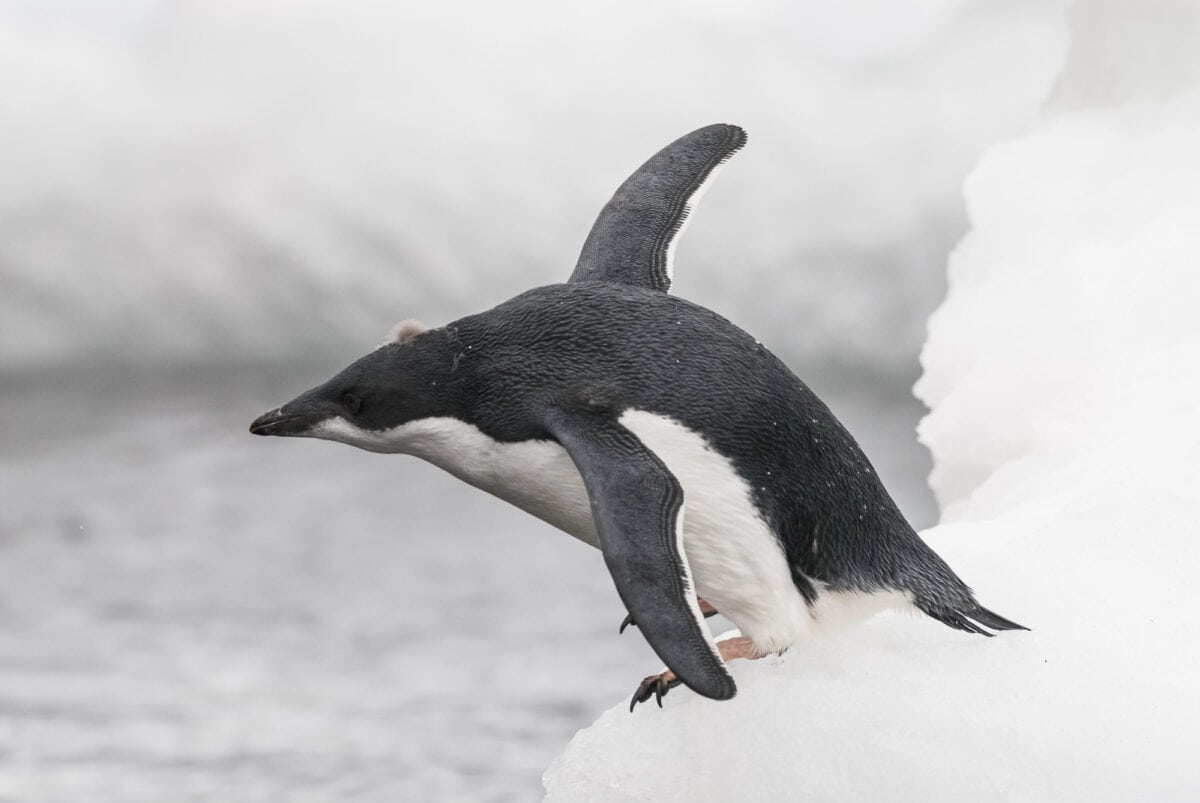
In the frigid expanses of Antarctica and other southern hemisphere locations, a heartwarming courtship ritual unfolds among certain penguin species. Male penguins, particularly Adélie and Gentoo penguins, are known for their endearing practice of presenting carefully selected pebbles to their prospective mates. This isn’t just any random behavior—it’s an intricate part of penguin courtship that has fascinated researchers and animal lovers alike for generations.
These small stones serve as more than mere gifts; they represent a penguin’s commitment, resourcefulness, and desire to create a family. The ritual is both pragmatic and symbolic, embodying the complexity of penguin social structures and the surprising depth of their mating behaviors. As we explore this fascinating aspect of penguin life, we’ll discover that these pebble presentations reveal remarkable similarities to human courtship traditions while highlighting the unique adaptations that make penguins such successful inhabitants of some of Earth’s most challenging environments.
The Science Behind Pebble Gifting

From a biological perspective, the pebble-gifting behavior serves multiple evolutionary purposes. Primarily, it allows female penguins to assess the quality of potential mates. Males who can find and present the most suitable pebbles—those that are the right size, shape, and material for nest-building—demonstrate their capability to provide for offspring. This selection process, known as sexual selection, helps ensure that females choose partners with favorable traits that will be passed on to the next generation.
Research has shown that female penguins often prefer males who present the most rounded, smooth pebbles, which make better nesting material. The ability to find these specific types of stones amid the Antarctic landscape demonstrates a male’s resourcefulness and determination. Studies conducted at various penguin colonies have documented females accepting pebbles from males they favor while rejecting stones from those they find less appealing, showing a clear preference mechanism at work in this courtship ritual.
Which Penguin Species Practice Pebble Gifting?

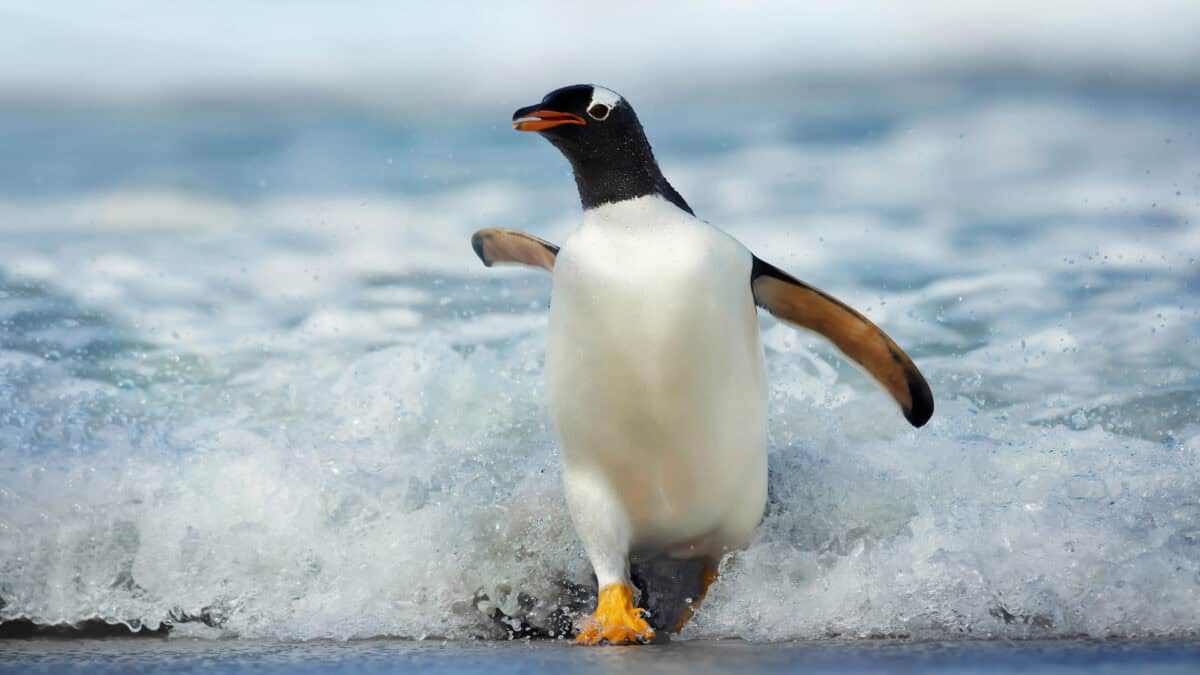
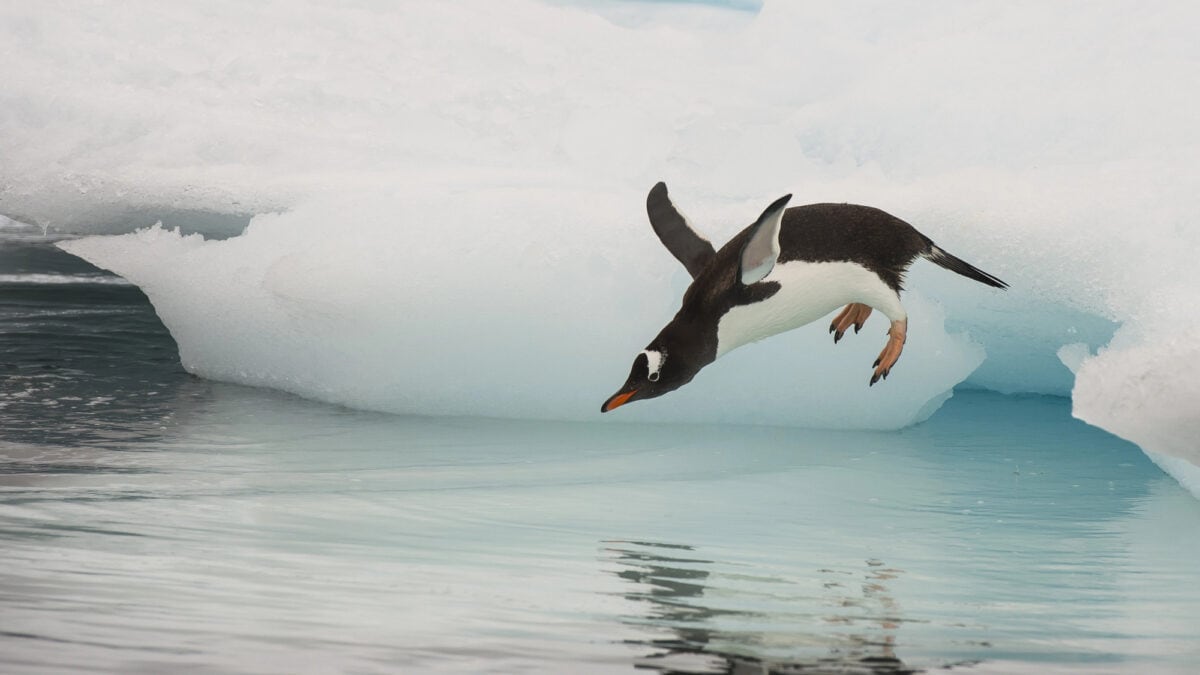
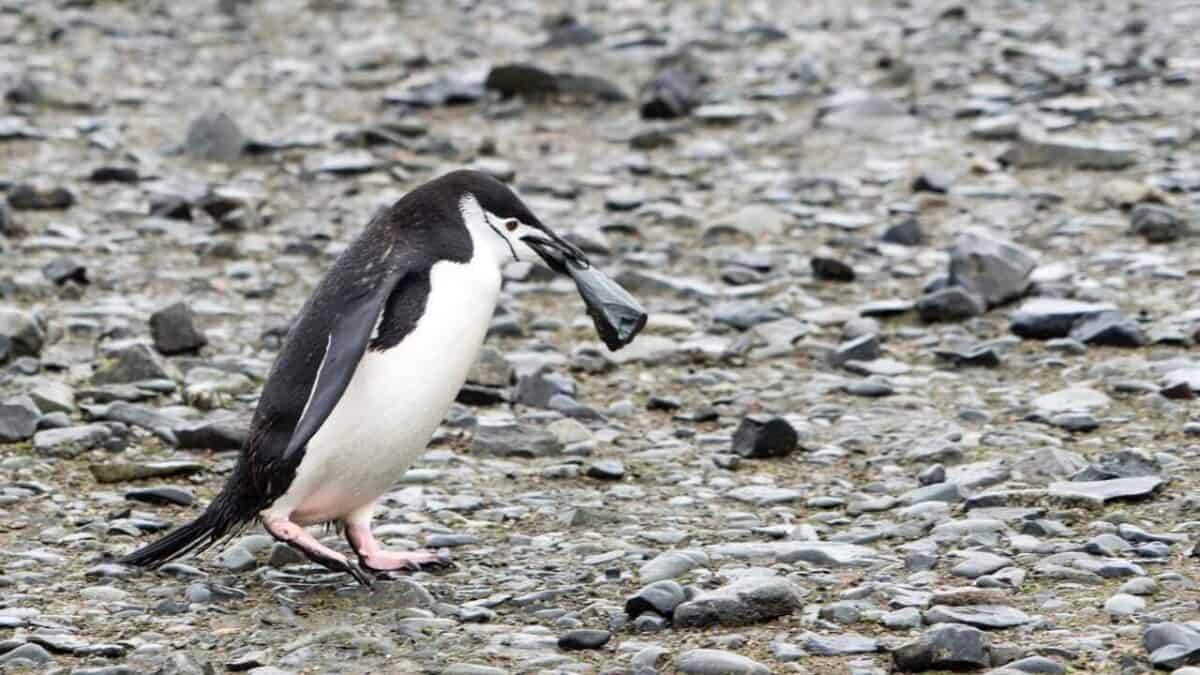
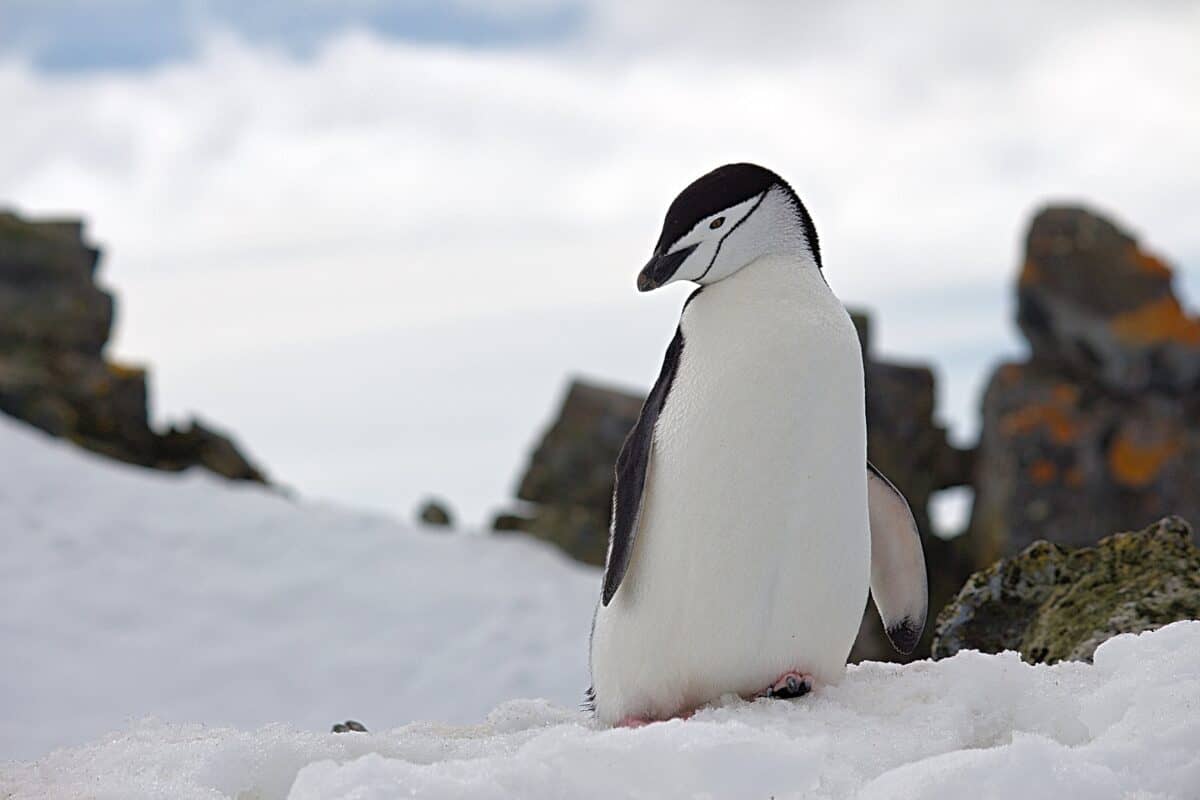
While the pebble-gifting behavior is most famously associated with Adélie penguins (Pygoscelis adeliae), it’s not exclusive to this species. Gentoo penguins (Pygoscelis papua) also engage in similar courtship displays. Chinstrap penguins (Pygoscelis antarcticus) have been observed participating in pebble exchanges as well, though to a lesser extent. These three species, all members of the Pygoscelis genus, share several behavioral traits including this distinctive courtship ritual.
Interestingly, other penguin species have developed different courtship displays. Emperor penguins (Aptenodytes forsteri), for instance, rely more on vocalizations and body posturing rather than gift-giving. King penguins (Aptenodytes patagonicus) perform elaborate mutual displays that include specific calls and body movements. The variation in courtship behaviors across penguin species reflects their diverse evolutionary paths and the specific environmental challenges they face in their respective habitats.
The Perfect Pebble: What Makes It Gift-Worthy?
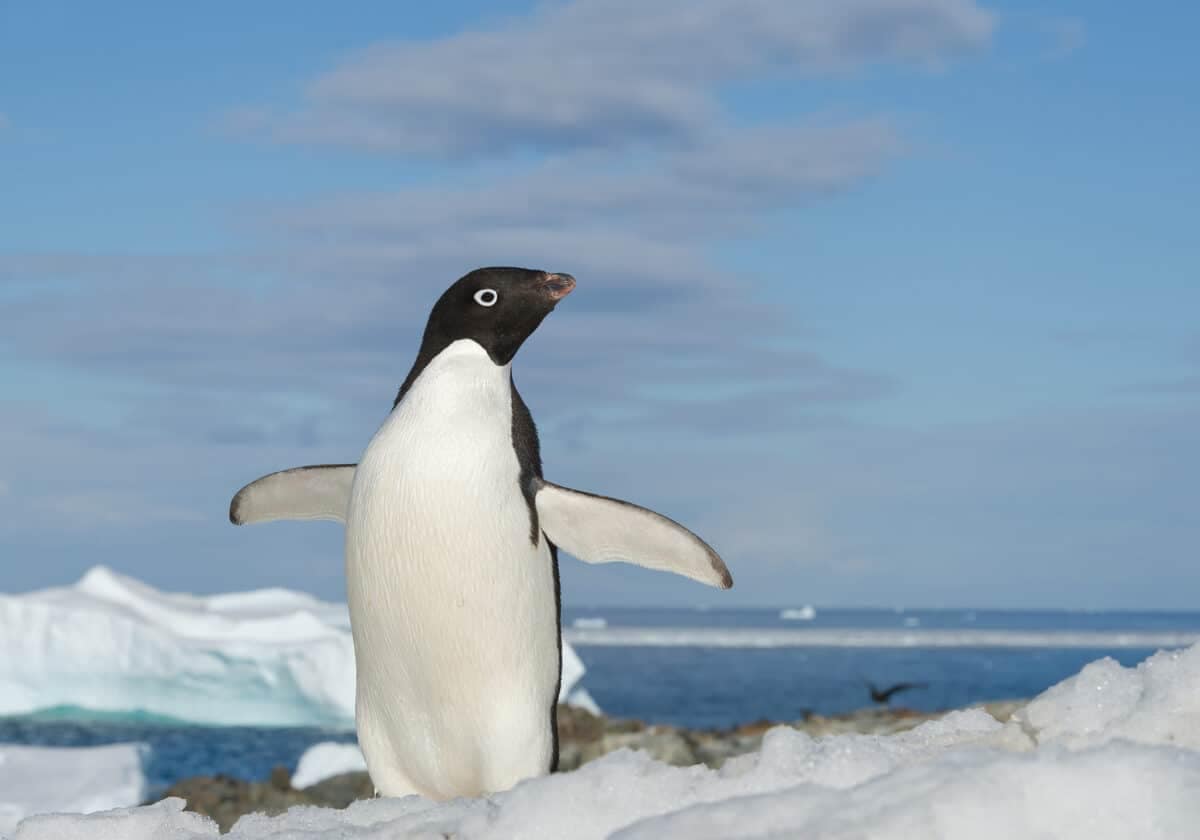
Not just any stone will do when it comes to penguin courtship. Males are surprisingly selective about the pebbles they choose to present. The ideal penguin pebble is typically smooth, rounded, and of a size that can be easily carried in the beak but substantial enough to contribute to nest building. Some researchers have observed that penguins may show preference for pebbles of particular colors or with unique patterns, though this varies among individuals and colonies.
The quest for the perfect pebble can lead to remarkable behaviors. Males have been documented traveling significant distances to find suitable stones, especially in areas where appropriate pebbles are scarce. Some enterprising penguins have even been observed “stealing” particularly desirable pebbles from neighboring nests when the owners are distracted—a behavior that highlights both the value placed on quality stones and the competitive nature of penguin courtship. This “pebble piracy” has become a well-documented phenomenon in dense breeding colonies.
Beyond Romance: The Practical Purpose of Pebbles
While the gifting of pebbles serves as an important courtship ritual, these stones also fulfill a crucial practical function. Penguins use pebbles to construct their nests, creating raised platforms that help protect their eggs and chicks from the cold, wet ground and potential flooding during snowmelt. The stones also provide drainage, allowing water to filter through while keeping the nesting area relatively dry. In the harsh Antarctic environment, this simple adaptation can mean the difference between successful reproduction and failure.
The collective gathering of pebbles continues throughout the nesting period, with both partners contributing to the nest’s construction and maintenance. A well-built penguin nest may contain hundreds of individual stones, carefully arranged to create a shallow depression in which eggs are laid. The investment in finding and transporting quality building materials represents a significant energy expenditure for penguins, underscoring the importance of this behavior to their reproductive success in extreme environments.
The Emotional Connection: Do Penguins Feel Affection?

While scientists are cautious about attributing human emotions to animals, research increasingly suggests that penguins form strong pair bonds that may involve emotional attachments comparable to affection. The pebble-gifting behavior appears to strengthen these bonds, with pairs engaging in mutual preening, vocalizations, and other displays of recognition and preference for their chosen mate. Most penguin species are monogamous, at least for a breeding season, and many pairs reunite year after year, suggesting a form of recognition and preference that goes beyond mere reproductive convenience.
Neurological studies have shown that penguins’ brains release oxytocin—often called the “love hormone” in humans—during pair bonding activities. This same hormone is associated with attachment and affection in many mammals, including humans. While penguin emotions surely differ from human experiences, the biological basis for their social bonds shares some similarities with our own. The pebble gift, then, might be seen as not just a pragmatic exchange but as part of a complex social ritual that helps cement emotional connections between penguin pairs.
Famous Pebble-Gifting Penguins in Popular Culture
The endearing pebble-gifting behavior of penguins has captured human imagination and appeared in various forms of popular media. Perhaps the most famous fictional representation comes from the animated film “Pebble and the Penguin” (1995), where the main character Hubie searches for the perfect pebble to present to his love interest. While the film takes creative liberties with penguin behavior, it drew inspiration from the real courtship rituals of Adélie penguins.
In recent years, social media has amplified real-life penguin romance stories. One notable example occurred at the Woodland Park Zoo in Seattle, where staff documented the pebble exchanges between a pair of Humboldt penguins, creating a viral sensation that educated millions about this behavior. Zoos around the world have capitalized on public interest in penguin courtship, creating educational programs and exhibits that highlight these fascinating rituals. These cultural representations help foster public appreciation for penguin conservation while showcasing the remarkable complexity of their social lives.
Observing the Ritual: Best Places to Witness Pebble Gifting
For those hoping to observe this charming behavior firsthand, several locations offer opportunities to witness penguin pebble gifting during breeding seasons. Research stations in Antarctica, particularly those near Adélie penguin colonies like those at Cape Royds or Cape Crozier in the Ross Sea region, provide viewing opportunities for scientists and limited numbers of tourists on specialized expeditions. The Falkland Islands (Islas Malvinas) host significant Gentoo penguin populations where courtship behaviors can be observed from a respectful distance.
Many reputable zoos and aquariums with penguin conservation programs also offer visitors chances to observe these behaviors in carefully maintained environments. Institutions like the New England Aquarium, Sea World facilities, and the San Diego Zoo maintain penguin habitats where breeding behaviors, including pebble gifting, may occur seasonally. For those unable to travel, many of these institutions now offer live webcams that stream penguin activities, making this fascinating behavior accessible to wildlife enthusiasts worldwide while minimizing disturbance to the animals.
Conservation Implications of Understanding Penguin Courtship
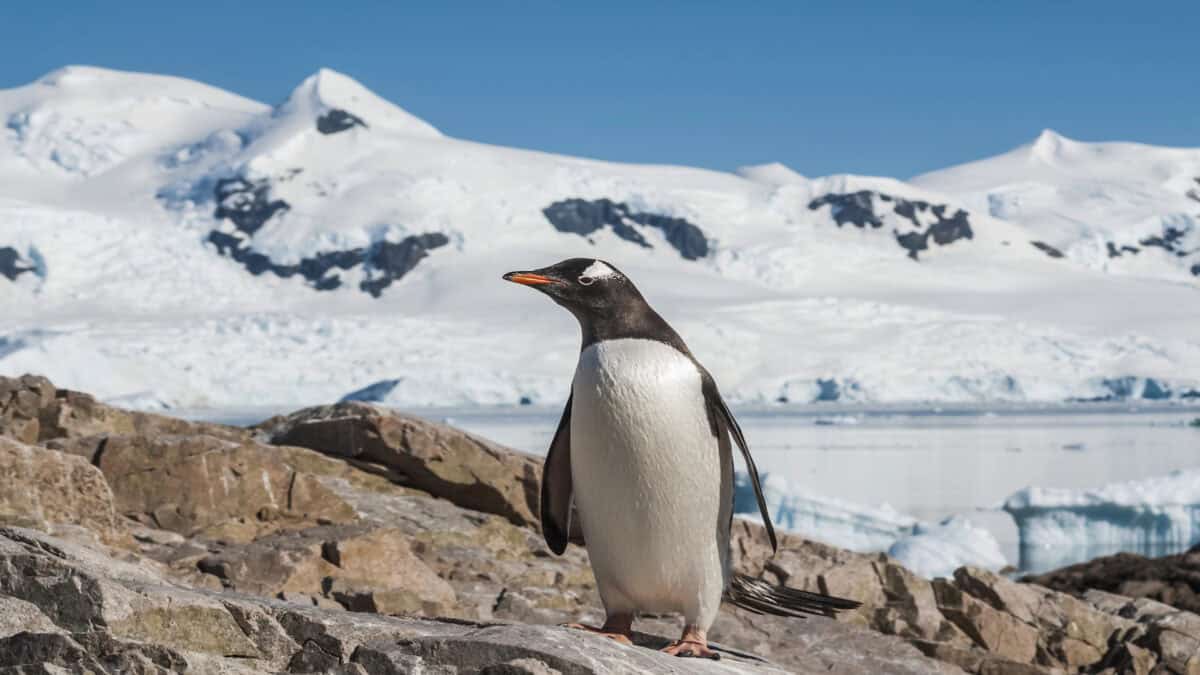
Studying penguin courtship behaviors, including pebble gifting, provides valuable insights for conservation efforts. As climate change alters Antarctic and sub-Antarctic ecosystems, penguin breeding habitats face unprecedented threats. Understanding the specific requirements for successful breeding—including access to suitable pebbles for nest construction—helps conservationists identify critical habitat features that must be protected. Some penguin species are already showing changes in breeding timing and success rates as their environments warm and food availability patterns shift.
Conservation programs at several research institutions now include provisions for maintaining appropriate nesting materials in protected penguin colonies. In some locations where human activity has degraded natural habitats, conservation efforts include replenishing suitable pebbles in breeding areas. By recognizing the importance of seemingly small details like pebble availability to penguin reproduction, scientists can develop more comprehensive and effective conservation strategies. This demonstrates how studying even charming behavioral quirks can contribute meaningfully to preserving threatened species in a changing world.
The Evolutionary Development of Pebble Gifting
Evolutionary biologists suggest that the pebble-gifting behavior likely developed over thousands of years as a specialized form of resource provision. In many animal species, males demonstrate their fitness as potential mates by providing food or building materials. For penguins, who nest in rocky coastal areas with limited vegetation, the ability to identify and transport suitable stones represented a valuable adaptation. Over time, this practical behavior appears to have become ritualized into the elaborate courtship display we observe today.
Comparative studies with related seabirds show that while some behaviors are shared across species, the specific pebble-gifting ritual appears unique to certain penguin groups. This suggests it emerged after penguins diverged evolutionarily from other avian lineages, representing a specialized adaptation to their particular environmental and social conditions. The behavior’s persistence across generations indicates its success as a mechanism for mate selection and reproductive success, even as other aspects of penguin biology have continued to evolve in response to changing environmental pressures.
Remarkable Documented Cases of Pebble Gifting
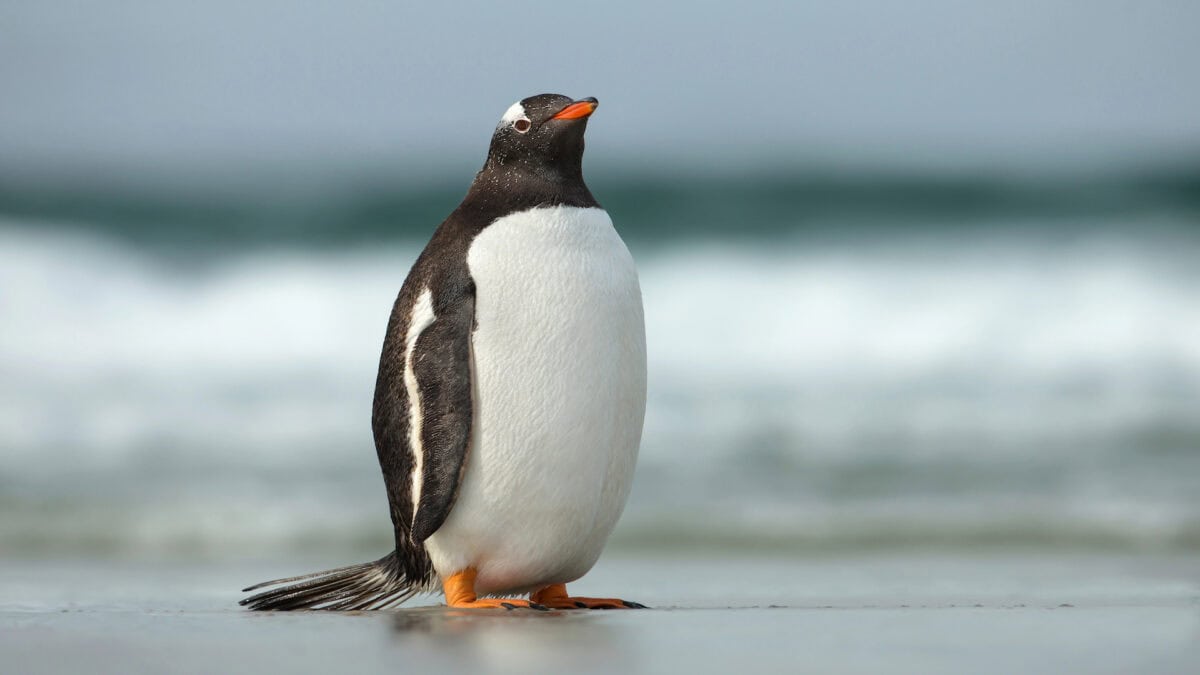
Among the most touching documented cases of penguin pebble gifting was observed at Hakkeijima Sea Paradise aquarium in Yokohama, Japan. Researchers recorded a male Gentoo penguin who consistently selected the most colorful stones available to present to his mate, showing what appeared to be aesthetic preferences. At another facility, the New England Aquarium, keepers documented a particularly devoted male who presented his partner with multiple pebbles daily throughout their 15-year relationship, far exceeding the typical frequency observed in wild populations.
In the wild, researchers at a long-term study site in Antarctica documented an exceptional case where a male Adélie penguin traveled over two kilometers to retrieve distinctive volcanic pebbles, passing many suitable but less remarkable stones along the way. This case suggested that some individuals may go to extraordinary lengths to find gifts that stand out from those offered by competitors. While anecdotal, these cases highlight the individual variation in how penguins express this behavior, suggesting complexities in penguin cognition and preference that continue to surprise researchers.
Conclusion: What Penguin Pebble Gifts Teach Us
The pebble-gifting behavior of penguins offers a fascinating window into the complex social lives of these remarkable birds, revealing that sophisticated courtship rituals aren’t exclusive to mammals or even to land-dwelling creatures. Through studying these behaviors, scientists continue to expand our understanding of animal cognition, social bonding, and the evolutionary purposes behind seemingly sentimental actions. The parallels between penguin courtship and human gift-giving traditions remind us of the shared biological underpinnings that connect us to other species despite our many differences.
As climate change threatens penguin habitats worldwide, the knowledge gained from studying their breeding behaviors becomes increasingly valuable for conservation efforts. By appreciating the depth and complexity of penguin social lives, including their touching pebble gifts, we may be more motivated to protect these charismatic birds and their fragile ecosystems. The penguin with a pebble in its beak stands as both a symbol of animal ingenuity and a reminder that expressions of preference, choice, and perhaps even affection extend far beyond the human realm, enriching our understanding of the diverse ways life has evolved to perpetuate itself in Earth’s most challenging environments.

From exploring the marine wonders in the Azores and witnessing the vast savannas of Kenya, to delving deep into the rich biodiversity of South Africa and traversing iconic landscapes in Australia and the US like Yellowstone, Chris's experiences are vast.
With a penchant for diving alongside sharks, the ocean holds a special place in his heart.
Through his academic insights, he champions wildlife conservation, striving with 'Animals Around The Globe' to cultivate a profound connection between humans and animals, enhancing our mutual appreciation.
Connect with him at Feedback@animalsaroundtheglobe.com.
- This Monkey Has a Mustache - July 21, 2026
- How Steve Irwin Changed the World’s View of Wildlife - July 21, 2026
- The Catfish That Caused Earthquakes in Japanese Folklore - July 21, 2026