
The sixth mass extinction is no longer a distant threat—it’s unfolding before our eyes. According to the Intergovernmental Science-Policy Platform on Biodiversity and Ecosystem Services (IPBES), approximately 3,500 species stand at the precipice of extinction due to climate change. From the iconic polar bear to obscure amphibians hidden in remote rainforests, rising temperatures and shifting weather patterns are fundamentally altering habitats and disrupting ecological relationships that evolved over millions of years. This unprecedented rate of change leaves many species with nowhere to go and little time to adapt. As temperatures climb, sea levels rise, and extreme weather events intensify, the animal kingdom faces a reshaping so profound that scientists warn it may take millions of years for biodiversity to recover—if it ever does. This article explores how climate change is driving this crisis, which species face the greatest threats, and what this massive biodiversity loss means for our planet’s future.
The Accelerating Rate of Extinction

The current extinction rate is estimated to be 1,000 to 10,000 times higher than the natural background rate. While extinctions have occurred throughout Earth’s history, what makes the current crisis different is its pace and cause. According to a 2019 UN report, one million plant and animal species are now threatened with extinction, many within decades. Of these, climate change directly threatens approximately 3,500 species classified as vulnerable, endangered, or critically endangered on the International Union for Conservation of Nature (IUCN) Red List. Unlike previous mass extinctions caused by asteroid impacts or volcanic eruptions, this one stems primarily from human activities, with climate change becoming an increasingly dominant driver. What took millions of years in previous mass extinctions is now happening within a human lifetime, giving species little opportunity to adapt through evolutionary processes that typically require thousands of generations.
The Arctic: Ground Zero for Climate Impacts

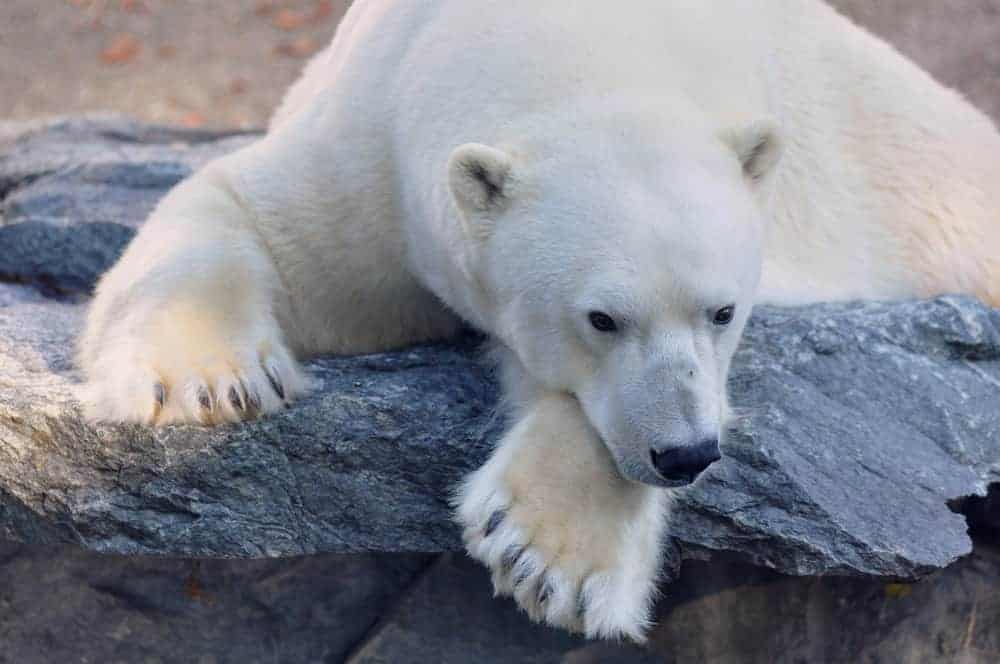
The Arctic is warming at more than twice the global average rate, making it the epicenter of climate change impacts on wildlife. The iconic polar bear has become the poster child for climate threats, with scientists projecting a 30% population decline by 2050 as sea ice—essential for hunting seals—continues to disappear. In 2020, the Arctic experienced its second-lowest sea ice minimum on record, continuing a trend that has seen summer ice extent decline by approximately 13% per decade since 1979. This affects not just polar bears but also walruses, Arctic foxes, and numerous seal species. Walruses, lacking ice platforms for resting between feeding sessions, are forced into dangerous mass gatherings on shrinking shorelines where trampling deaths are common. Meanwhile, Arctic foxes face increased competition from red foxes moving northward as temperatures rise, pushing these specialized arctic hunters toward the literal edge of their habitat with nowhere left to retreat.
Coral Reefs: The Underwater Tragedy
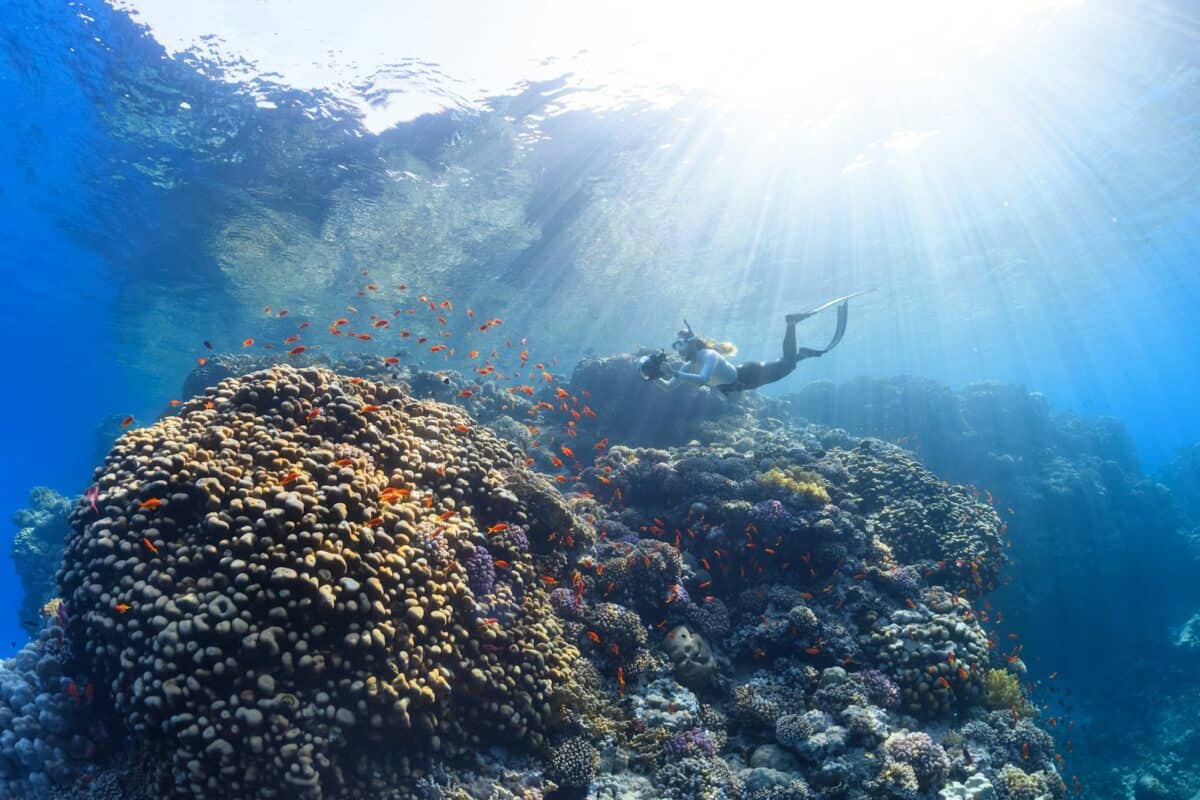
Perhaps no ecosystem demonstrates climate change’s devastating impact more clearly than coral reefs. These underwater rainforests support approximately 25% of all marine species while occupying less than 1% of the ocean floor. As oceans absorb about 30% of human-produced carbon dioxide, they become more acidic, making it difficult for corals to build their calcium carbonate skeletons. Simultaneously, rising water temperatures trigger coral bleaching—a stress response where corals expel their symbiotic algae, losing both their color and primary food source. The Great Barrier Reef has experienced three mass bleaching events since 2016, with the 2020 event affecting 60% of the reef. Without significant climate action, scientists project that 70-90% of coral reefs could disappear by 2050, taking with them hundreds of specialized fish species and invertebrates that have evolved to depend on these complex habitats. The loss of coral reefs represents not just an ecological catastrophe but a human one as well, threatening food security for half a billion people worldwide who depend on reef fisheries.
Amphibians: The Silent Disappearance
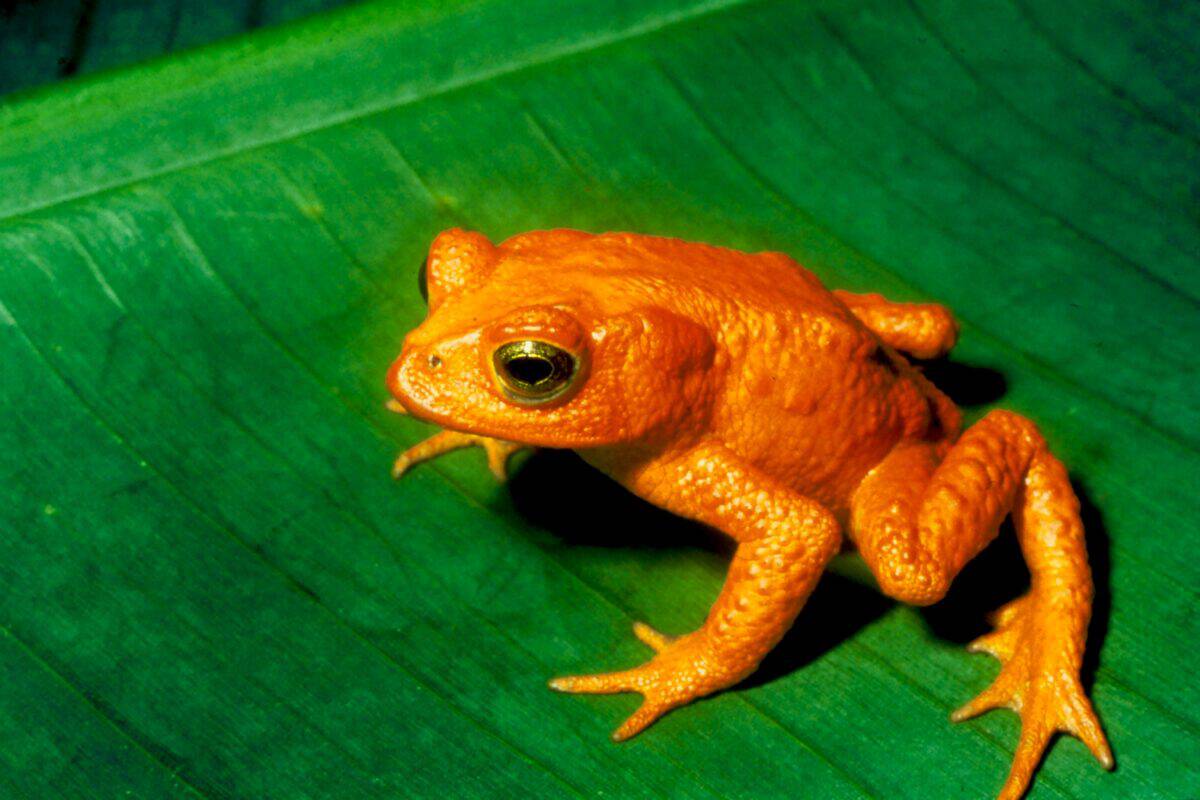
Amphibians are experiencing the most dramatic decline of any vertebrate group, with climate change compounding existing threats from habitat loss and disease. Their permeable skin and complex life cycles—requiring both aquatic and terrestrial environments—make them uniquely vulnerable to environmental changes. Of the approximately 8,000 known amphibian species, the IUCN estimates that 41% are threatened with extinction. Climate change affects amphibians through altered precipitation patterns that dry up breeding ponds, increased temperatures that disrupt hibernation cycles, and shifting seasons that create mismatches between breeding times and food availability. The critically endangered golden toad of Costa Rica became one of the first species recognized as a casualty of climate change when it disappeared in 1989 following unusually warm and dry conditions linked to global warming. Chytrid fungus, a pathogen responsible for amphibian declines worldwide, spreads more effectively under certain climate conditions, creating a deadly interaction between disease and climate change that has decimated amphibian populations on multiple continents.
Mountain Specialists Facing Uphill Battles

Species adapted to high mountain environments face a unique climate change predicament: as temperatures warm, their habitats literally move upslope, shrinking in area until they potentially disappear at mountain summits—a phenomenon scientists call “mountaintop extinction.” The American pika, a small relative of rabbits that cannot survive prolonged temperatures above 77°F (25°C), has already disappeared from over one-third of its historical range in the Great Basin. Similar patterns are emerging worldwide. In the Alps, plant species have been migrating upward at a rate of 1-4 meters per decade, forcing alpine animals to follow or face habitat loss. The snow leopard, already one of the world’s most endangered big cats with fewer than 6,500 remaining in the wild, could lose up to 30% of its Himalayan habitat to treeline advance as warming enables forests to establish at higher elevations. For these mountain specialists, there is a literal ceiling to adaptation—once they reach the summit, there’s nowhere left to go.
Ocean Acidification and Marine Life
Beyond warming, oceans face another climate threat: acidification. Since the Industrial Revolution, ocean pH has dropped by 0.1 units, representing a 30% increase in acidity. This seemingly small change has profound effects on marine life, particularly organisms that build shells or skeletons from calcium carbonate. Pteropods—tiny sea snails also known as “sea butterflies”—form a critical link in marine food webs, supporting fish populations that millions of people rely on for protein. Research shows their shells are already dissolving in parts of the Southern Ocean where acidification is most advanced. Similar threats face krill, corals, and many shellfish species. A 2019 study found that under high-emission scenarios, ocean acidification could cost the global economy $1.2 trillion annually by 2100 through impacts on fisheries, aquaculture, and coastal tourism. For many marine species, the combined stresses of warming, acidification, and deoxygenation (declining oxygen levels) create a trio of threats unprecedented in their evolutionary history.
Disrupted Migrations and Timing Mismatches
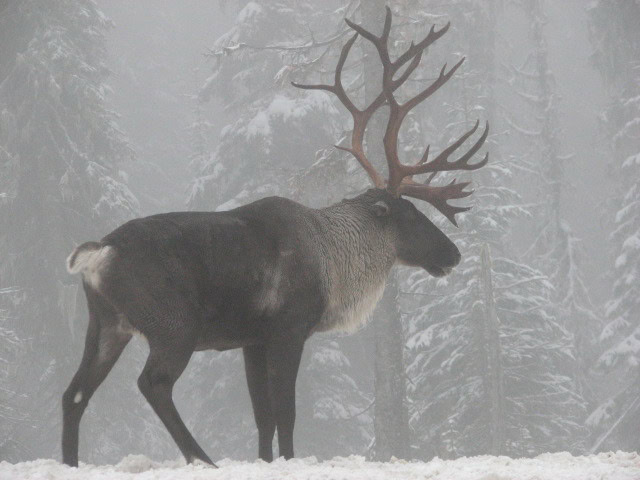
Climate change is disrupting the delicate timing of natural events that species have relied on for millennia. Many migratory birds now arrive at breeding grounds to find they’ve missed peak food abundance for their offspring because spring arrives earlier each year. The European pied flycatcher has declined by 90% in some regions because the caterpillars it feeds its young now peak before the birds arrive from Africa. Similar mismatches affect countless species, from sea turtles whose egg-laying beaches are disappearing under rising seas to monarch butterflies whose milkweed food plants bloom at different times than their historic migration patterns anticipate. Even predator-prey relationships are being disrupted; in parts of the Arctic, caribou calving now occurs before the peak of nutritious plant growth, while snowshoe hares still sporting white winter coats stand out starkly against increasingly snow-free landscapes, making them easy targets for predators. These timing mismatches represent a subtle but potentially devastating aspect of climate change, as they unravel ecological relationships that evolved over thousands of generations.
Shifting Ranges and Novel Ecosystems
As climate zones shift poleward and upward in elevation, species are following—when they can. A landmark study analyzing 4,000 species found that terrestrial species are moving poleward at an average rate of 17 kilometers per decade, while marine species move even faster, at 72 kilometers per decade. This mass movement is creating novel ecosystems with no historical analogs. In North America, southern flying squirrels have expanded northward into territories previously occupied only by northern flying squirrels, creating new hybridization zones. In the ocean, tropical fish are appearing in temperate waters, sometimes outcompeting native species. The problem is that not all species can move at the same pace—trees, for instance, migrate through seed dispersal at just 0.1-0.5 kilometers per year, far slower than the rate of climate change. This differential in migration abilities is fracturing ecological communities that evolved together, creating what ecologists call “ecological breakdown” where mutualistic relationships between plants, pollinators, seed dispersers, and predators come apart. For many species with specialized habitat requirements or those already isolated in fragmented landscapes, there’s simply nowhere to go.
Extreme Weather Events and Population Crashes

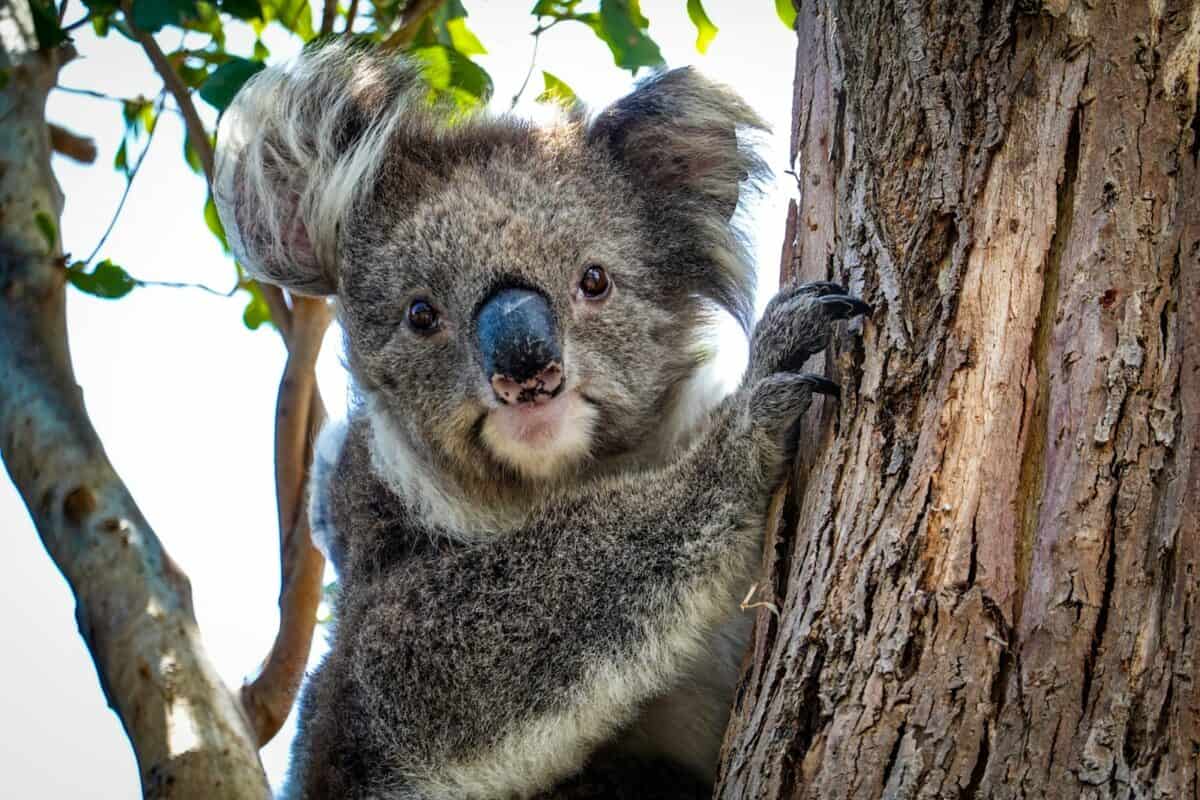
While gradual warming poses long-term threats, extreme weather events—which climate change makes more frequent and severe—can cause catastrophic population crashes in a single season. The 2019-2020 Australian bushfires, exacerbated by climate change-driven drought and heat, killed or displaced nearly three billion animals, including 60,000 koalas. The fires pushed at least 49 species closer to extinction. Similar climate-linked disasters are becoming commonplace globally. In 2014, an unprecedented marine heatwave dubbed “the Blob” in the North Pacific caused massive die-offs of seabirds and marine mammals when their food sources collapsed. Hurricane Maria in 2017 eliminated more than 50% of the remaining wild population of the critically endangered Puerto Rican parrot. Unlike gradual warming that might allow for some adaptation, these extreme events can overwhelm even resilient species, particularly those with small populations or restricted ranges. With the IPCC projecting continued increases in the frequency and intensity of heatwaves, droughts, and storms, many already-vulnerable species face repeated population shocks that prevent recovery between events.
The Cascading Effects of Keystone Species Loss

When climate change impacts keystone species—those with disproportionate effects on their ecosystems—the consequences cascade throughout entire ecological communities. Sea otters along the Pacific coast keep sea urchin populations in check, preventing urchins from overgrazing kelp forests that serve as nurseries for countless marine species. As warming oceans stress kelp and influence otter distributions, these relationships falter. On coral reefs, the loss of herbivorous parrotfish due to warming and acidification allows algae to overgrow and smother recovering corals after bleaching events. Perhaps most dramatically, the decline of Arctic sea ice affects not just polar bears but alters entire food webs, as ice algae—which grow on the underside of sea ice and feed zooplankton—disappear with the ice. This affects Arctic cod, which feed on zooplankton, and subsequently the seals, whales, and seabirds that depend on cod. Scientists use the term “ecological meltdown” to describe these cascading effects, where the loss of one species triggers a domino effect throughout the ecosystem. For indigenous communities in the Arctic, these changes threaten not only food security but cultural practices tied to traditional hunting and gathering that have sustained their societies for thousands of years.
Climate-Driven Disease and Parasitism

Climate change is redrawing the maps of disease distribution worldwide, exposing animals to pathogens they have no evolutionary history with and little immunity against. Warming temperatures allow parasites and pathogens to survive in regions previously too cold for them and can accelerate their life cycles, increasing infection pressure on host species. The spread of white-nose syndrome in North American bats has been linked to climate change altering hibernation patterns, while warmer waters have contributed to mass die-offs in pilchards, sea stars, and coral species due to disease outbreaks. In the Arctic, previously unknown pathogens are emerging from thawing permafrost, potentially exposing wildlife to diseases not seen for thousands of years. Mosquito-borne diseases like avian malaria are moving into highland areas previously too cool for mosquitoes, threatening high-elevation bird species in Hawaii that evolved without exposure to these diseases. With each 1°C increase in temperature, the altitudinal range of many mosquito species expands by approximately 150-200 meters. For specialized island or mountain species with nowhere to escape, these newly arriving diseases can cause rapid population collapse.
Conservation in a Changing Climate

In the face of such overwhelming challenges, conservation strategies are evolving. Traditional approaches focused on protecting static habitats in nature reserves are being supplemented with more dynamic methods that account for species movement and changing conditions. Wildlife corridors that connect protected areas allow species to shift ranges as climate changes. Some conservationists advocate for “assisted migration”—actively relocating species that cannot move quickly enough on their own. The controversial concept of “rewilding” aims to restore ecosystem functions by reintroducing keystone species and ecological engineers like wolves and beavers that make habitats more resilient to climate impacts. Meanwhile, advances in genomics are helping identify populations with genetic variations that might confer climate resilience, which could be used in breeding programs to enhance adaptive capacity. The most ambitious projects involve creating “insurance populations” in zoos and biobanks that preserve genetic material from threatened species. The San Diego Zoo’s Frozen Zoo maintains cells from over 1,000 species and has already been used to clone endangered animals. While these approaches offer hope, most conservationists acknowledge they are stopgap measures—the only true solution is rapidly reducing greenhouse gas emissions to limit warming.
Looking Ahead: The Future of Earth’s Biodiversity

The fate of the 3,500 species currently at highest risk from climate change will largely be determined by human actions in the coming decades. The IPCC’s 2022 report makes clear that limiting warming to 1.5°C would substantially reduce extinction risks compared to 2°C or higher scenarios. At 1.5°C of warming, 6% of insects, 8% of plants, and 4% of vertebrates are projected to lose over half their climatically suitable habitat. At 2°C, these numbers approximately double. Beyond temperature targets, the resilience of natural systems depends on addressing other human pressures like habitat destruction, pollution, and overexploitation that compound climate impacts. The potential for recovery remains if decisive action is taken. After receiving protection, humpback whale populations have rebounded despite warming oceans, demonstrating that reducing direct threats can give species breathing room to adapt to climate change. The ongoing negotiations around the Post-2020 Global Biodiversity Framework aim to protect 30% of Earth’s land and oceans by 2030, which could significantly improve survival prospects for many threatened species. Yet time is running short—for thousands of species, the window for effective intervention is rapidly closing, and with each extinction, we lose not just a unique evolutionary creation but potentially critical ecological functions and undiscovered benefits to humanity.
Conclusion
The climate crisis has placed approximately 3,500 species on the frontlines of extinction, representing an unprecedented reshaping of Earth’s biodiversity that will echo through ecological systems for millennia to come. From the rapidly disappearing sea ice of the Arctic to the bleaching coral reefs of tropical oceans, from mountain summits to coastal wetlands, climate change is altering habitats faster than many species can adapt. The cascading effects of these changes—disrupted migrations, novel diseases, extreme weather events, and the breakdown of ecological relationships—threaten not just individual species but the functional integrity of entire ecosystems upon which humanity depends. While innovative conservation approaches offer hope for some species, the scale of the challenge demands systemic change focused on rapidly reducing greenhouse gas emissions while simultaneously protecting and restoring natural habitats. The fate of these 3,500 species hangs in the balance, serving as both warning and opportunity—a call to reimagine our relationship with the natural world before we lose irreplaceable components of Earth’s living heritage.

- You’re More Likely to Spot a Moose Than a Deer in This State - July 16, 2026
- Can Snakes Give Birth Without Mating? - July 15, 2026
- The Hidden Desert Beneath a U.S. Forest—A Strange Natural Twist - July 15, 2026