
There’s a moment, somewhere deep in the Serengeti or along the banks of a Pacific river, when you watch an animal do something so precisely, so unerringly, without maps or teachers or rehearsal, and the only honest response is quiet bewilderment. Nature, it turns out, has been solving complex problems far longer than we have.
Scientists have spent centuries trying to unpack the machinery behind animal instinct. Progress has been real and genuinely remarkable. Yet the more we learn, the more layers appear. Some behaviors sit right at the edge of what current biology can cleanly explain, and that edge is a fascinating place to stand.
The Monarch Butterfly’s Multigenerational GPS
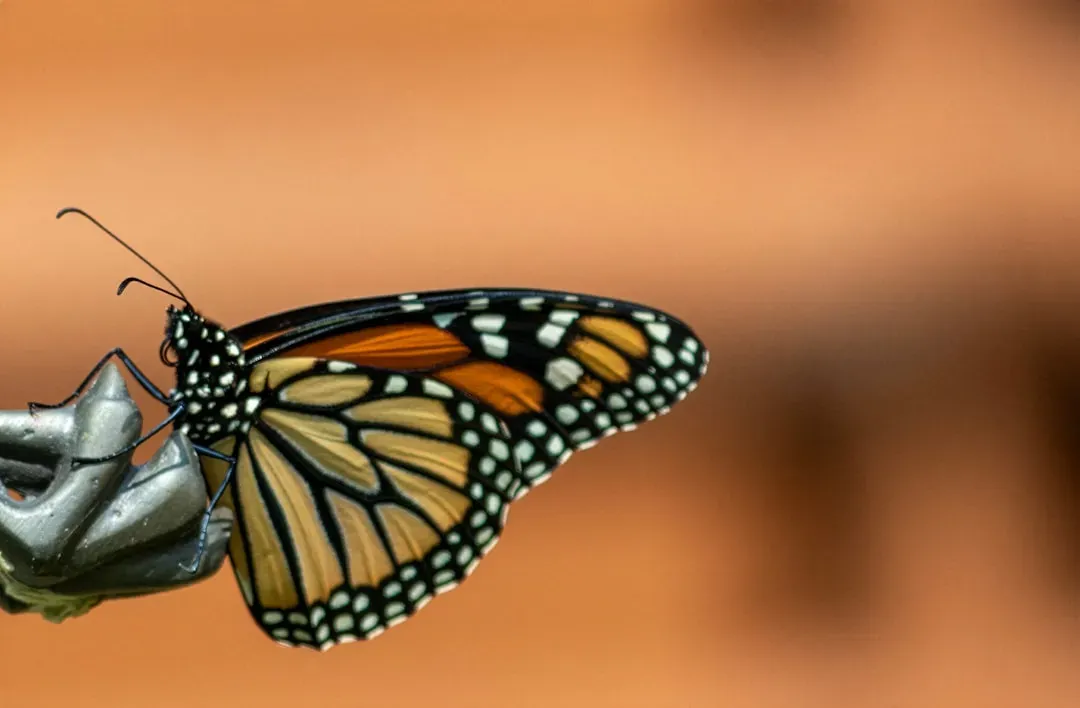
Of all the navigation feats in the animal kingdom, the monarch butterfly’s annual migration might be the most quietly astonishing. Monarch butterflies travel up to 4,800 kilometres in their fall and spring migrations. That’s an enormous distance for an insect that weighs less than a paperclip.
What makes it genuinely strange is the generational gap. The annual migration of monarch butterflies lasts longer than a typical monarch’s lifespan. No single butterfly makes the full round trip. The generation that returns in spring is not the same one that left in autumn, yet they find the same specific trees in Mexico.
These incredibly small animals can fly for up to 160 kilometres in one day, and generation after generation of butterflies instinctually find their way to the same homes as their ancestors. Monarch butterflies use the Sun as a compass to guide their southwesterly autumn migration from Canada to Mexico. The navigational information, somehow, is encoded and passed forward without any individual ever completing the full journey.
The Arctic Tern’s Pole-to-Pole Endurance
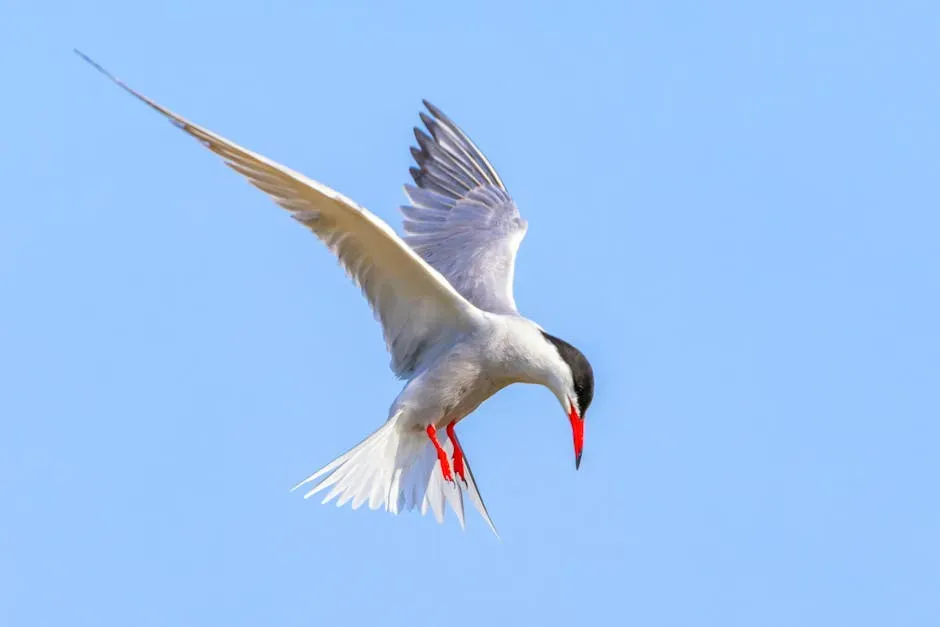
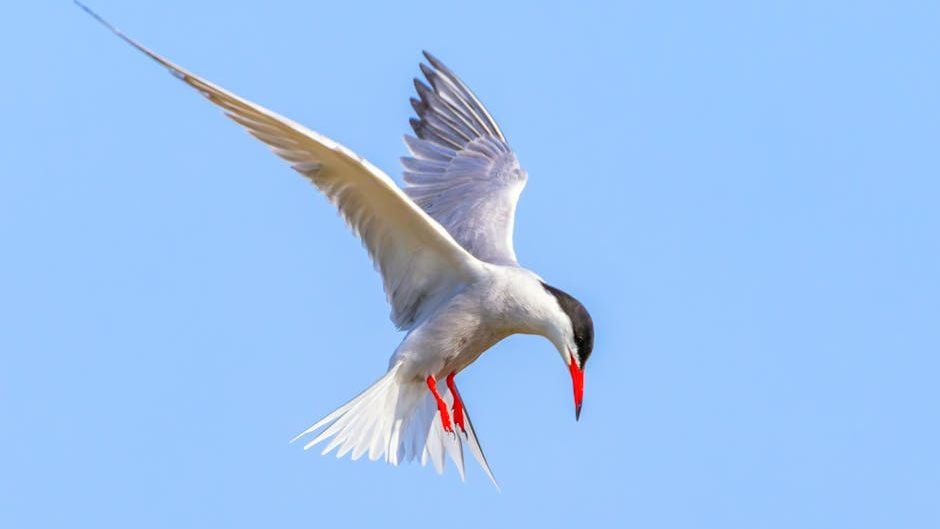
If distance is the measure, the Arctic tern holds a record that staggers the imagination. The longest migration in the animal kingdom is that of the Arctic tern. These seabirds fly about 90,000 kilometres every year, from the North Pole to the South Pole. They essentially chase perpetual summer, spending their entire lives between two of Earth’s most extreme environments.
The Arctic tern breeds in the Arctic regions and spends winters at the edge of the Antarctic Continent, thus staying in eternal summer, avoiding coldness and darkness. The internal drive pushing a small seabird to complete this circuit, year after year, without external instruction, is something researchers continue to study with genuine fascination.
The instinct that makes animals migrate at the right time, over the right distance, and in the right direction is shaped by endogenous circannual rhythms, a major breakthrough demonstrated from the 1960s onwards. These rhythms regulate migratory restlessness, fuel deposition, and preferred orientation during the annual cycle, and it is changing daylight that synchronizes these rhythms within a year. Still, a compass sense alone doesn’t fully account for the precision involved.
Salmon Returning to Their Exact Birthplace
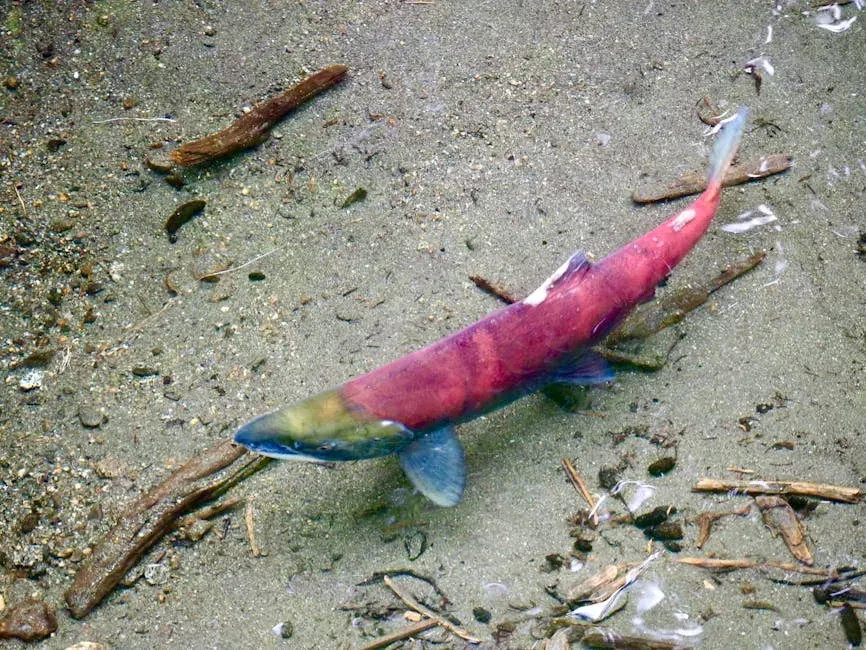
The migration of North Pacific salmon from the ocean to their freshwater spawning habitat is one of the most extreme migrations in the animal kingdom. The life cycle of a salmon begins in a freshwater stream or river. After spending four or five years in the ocean and reaching sexual maturity, many salmon return to the same streams they were born in to spawn. The precision of this return is almost unreal.
Science has identified two layered systems working together. Adult salmon returning to the Columbia River from the northern reaches of the Pacific Ocean use built-in geomagnetic orientation to find and return to the river’s plume and mouth, and then mostly follow olfactory cues to their spawning grounds. In other words, magnetism gets them to the coast, and smell guides them the rest of the way home.
Before their seaward migration, juvenile salmon learn specific odors associated with their natal stream. Maturing adults use retained odor memories to guide their homing migration. This stage involves olfactory imprinting, where salmon can distinguish between waters of different streams using their sense of smell. The hypothesis is based on the fact that streams differ in chemical makeup and are stable over time, so that salmon can learn this as juveniles and recognise these cues later in life. What remains less understood is how they navigate the open ocean before those olfactory cues can even reach them.
Elephants Communicating Through the Ground
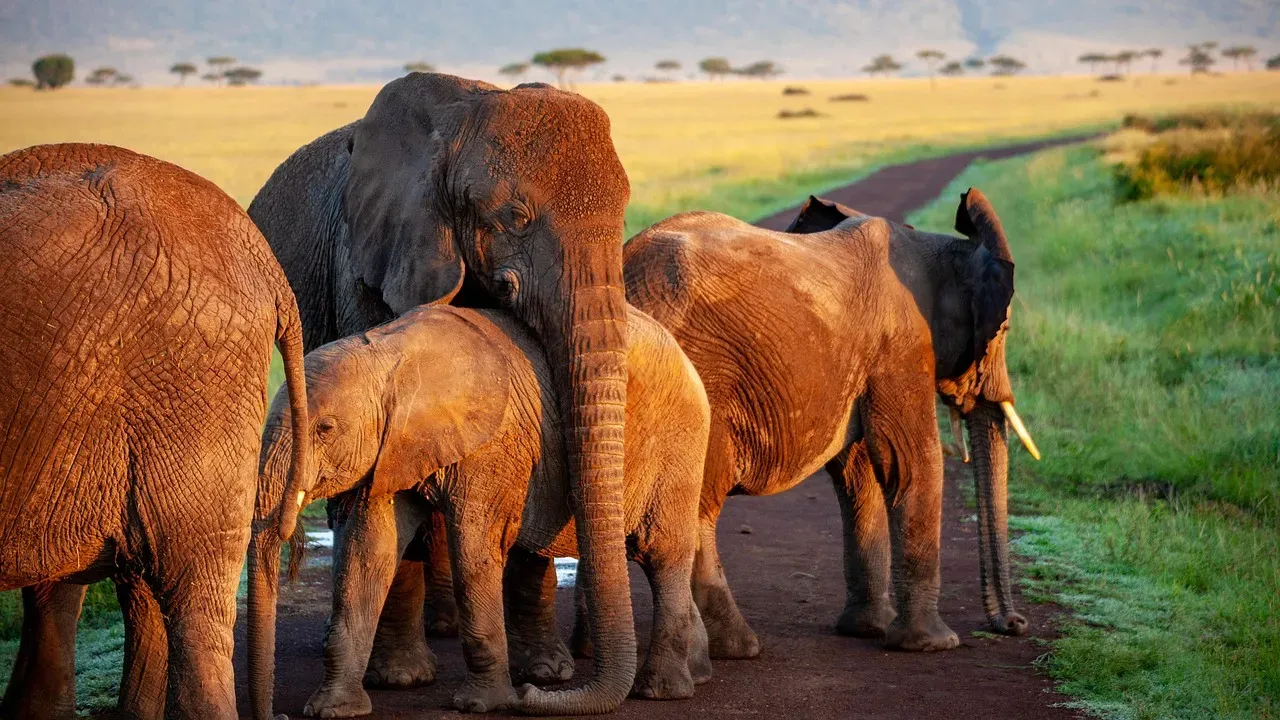
Most people picture elephants communicating through deep rumbles carried on the wind. The reality is considerably more layered than that. Elephants may use vibrations in the ground created by their low-frequency rumbles to communicate, according to scientists who have recorded seismic waves made by elephant calls for the first time.
When an elephant rumbles or moves, the energy doesn’t just travel through the air. It also couples into the ground as seismic waves, which occur in the range of 10 to 40 Hz, exactly where seismic energy travels efficiently. Elephants have specialized adaptations that help them detect these subtle ground vibrations, with their huge, padded feet being extremely sensitive to vibrations. These ground cues are transmitted through the skeleton and into sensory pathways that the elephant brain can interpret.
Elephants respond vigilantly to alarm call vocalizations transmitted through the ground, demonstrating that they can detect seismic information from background noise. In addition, elephants can discriminate subtle differences between seismic playbacks of the same call type made by different callers. Recent research suggests that elephants can also detect human-generated seismic noise, from vehicles and machinery, and may interpret it as risk cues, adjusting their behavior accordingly.
Birds Navigating by Stars, Magnetic Fields, and the Sun
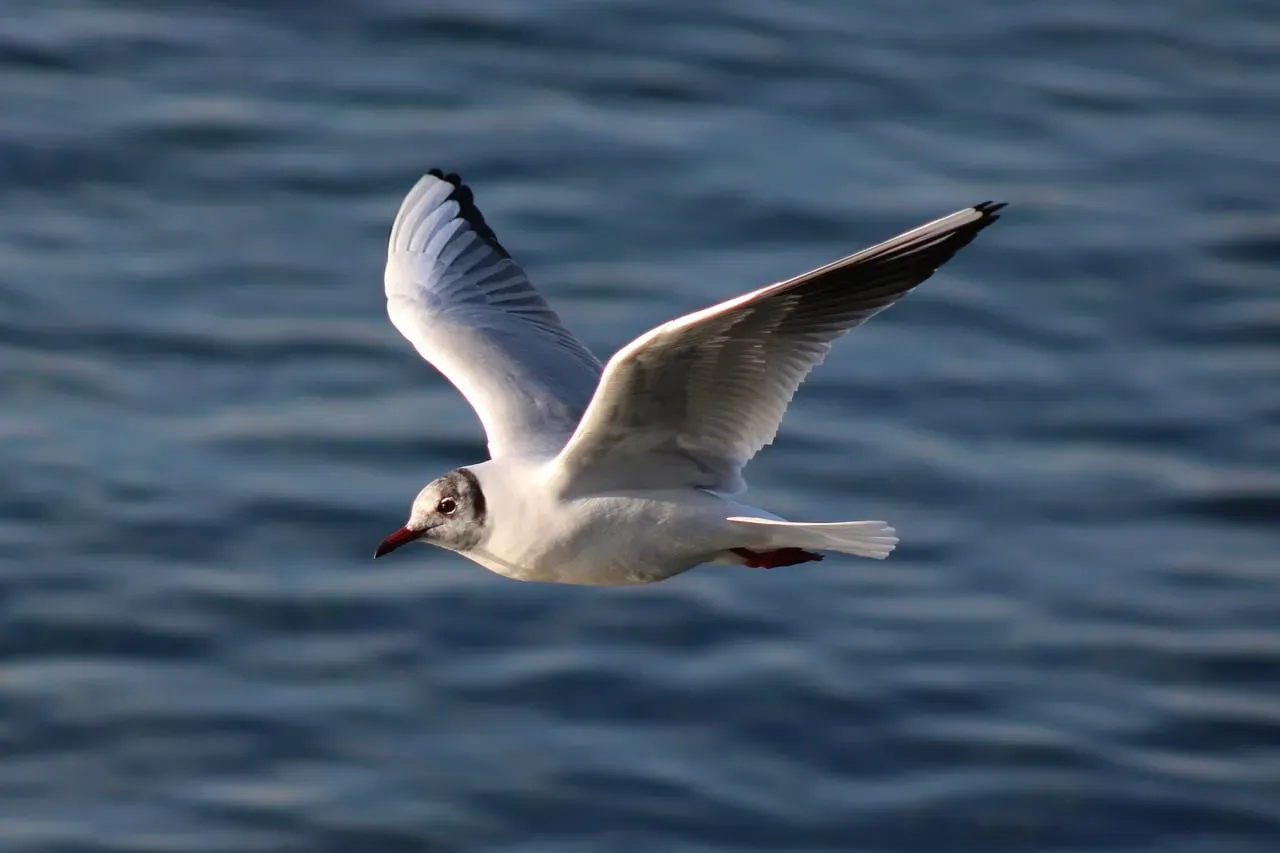
Bird navigation is one of those topics that keeps expanding the more closely scientists look at it. Karl von Frisch showed that honey bees can navigate by the Sun, by the polarization pattern of the blue sky, and by the Earth’s magnetic field. Birds operate with a similarly layered toolkit, sometimes using all of these systems in combination.
Birds are able to orient themselves correctly to the arrangement of night skies projected on the dome of a planetarium, indicating that true celestial navigation is involved. In experiments under an artificial autumn sky, blackcaps and garden warblers headed southwest, their normal direction, while lesser whitethroats headed southeast, their normal direction of migration in that season.
Animals that walk or fly typically use the sun as their primary compass, calibrated against their body clock based on the season and time of day. Migratory songbirds also use a star compass, knowing that dots of light in the night sky rotate around a centre corresponding to north or south depending on the hemisphere. Some species can sense the Earth’s magnetic field and use it as a compass to determine their spatial orientation, using magnetoreception. This is essential for animals that migrate in overcast weather or swim deep underwater.
Sea Turtles Returning Across Oceans to Their Birth Beach
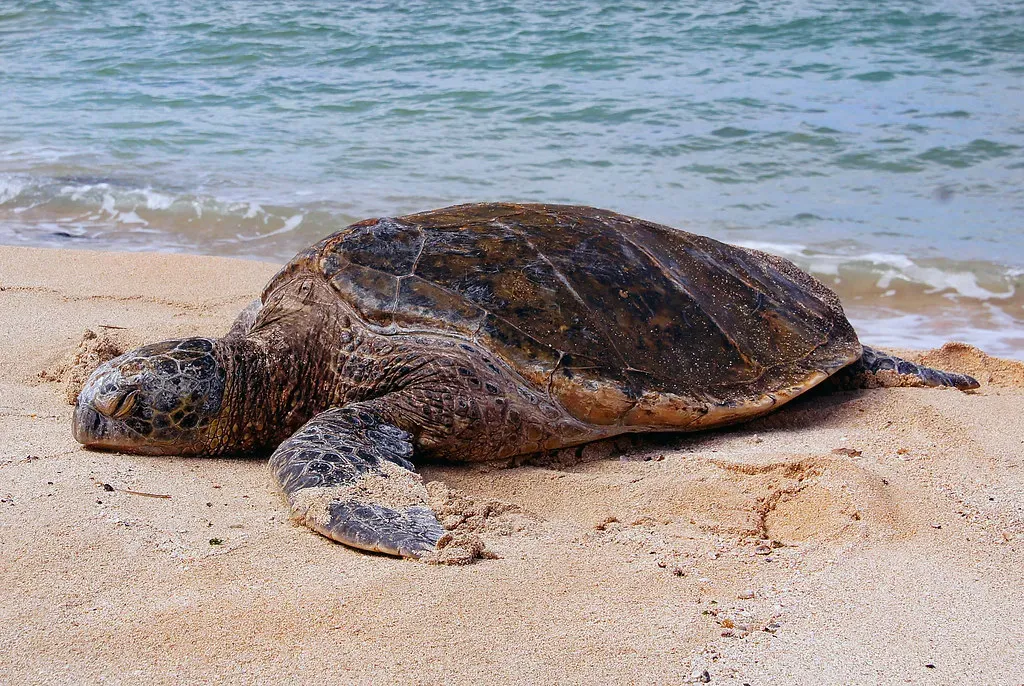
Female loggerhead sea turtles haul themselves onto the same beaches where they were born, decades later, to lay their own eggs. The accuracy is remarkable given the distances involved. Newly hatched sea turtles know to reach the ocean by moonlight. That’s the instinct at birth. The return trip, years later, is a whole separate feat.
Baby loggerhead sea turtles are able to find their way along an 8,000-mile migration route the first time they ever see it. Scientists took some turtles off course, but they were able to find their way back with little difficulty. Believing that some magnetic orienteering was involved, the next experiment subjected the turtles to a variety of magnetic fields that differed from the Earth’s natural field, and these turtles went off course. Exposure to a magnet that mimicked the Earth’s field set them right again, proof that the turtles can detect the Earth’s magnetic field and use it to navigate.
One of the most well-known examples of natal homing is sea turtles. Green turtles are an example of this: some populations nest on Ascension Island, and the hatchlings travel to forage near the Brazilian coast, a casual 2,000 kilometres away. Upon maturity, they return to Ascension Island to breed and nest. How they pinpoint a single small island after years at sea remains one of biology’s genuinely open questions.
Dung Beetles Navigating by the Milky Way
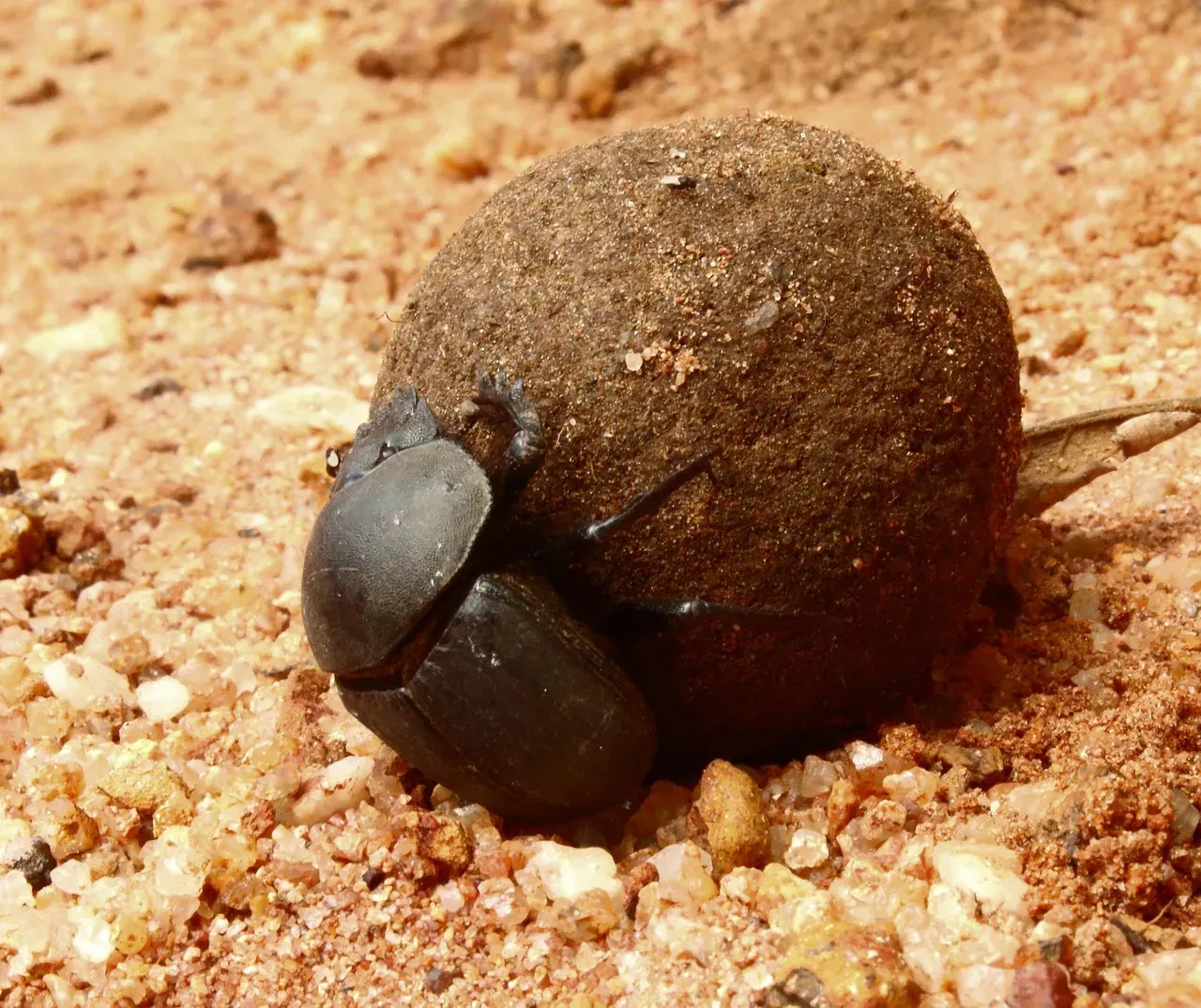
Most animals that use celestial navigation rely on the Sun or prominent stars. Dung beetles take a more ambitious approach. In 2003, the African dung beetle was shown to navigate using polarization patterns in moonlight, making it the first animal known to use polarized moonlight for orientation. That alone was a surprise. Then researchers looked further.
In 2013, it was shown that dung beetles can navigate when only the Milky Way or clusters of bright stars are visible, making dung beetles the only insects known to orient themselves by the galaxy. A small beetle, rolling a ball of dung in a straight line, using the faint smear of our galaxy as a compass. The functionality is real and verified, though precisely how their visual system processes that galactic light is still being studied.
What makes this especially striking is that one early tendency in navigation research was the assumption that animals sense at most the same cues as we do. It came as a total surprise when honey bees and many other species were found to be able to see UV light. The dung beetle story fits neatly into that pattern of humans repeatedly underestimating what the animal world is quietly capable of.
Superb Fairy-Wrens Teaching Songs Before Hatching
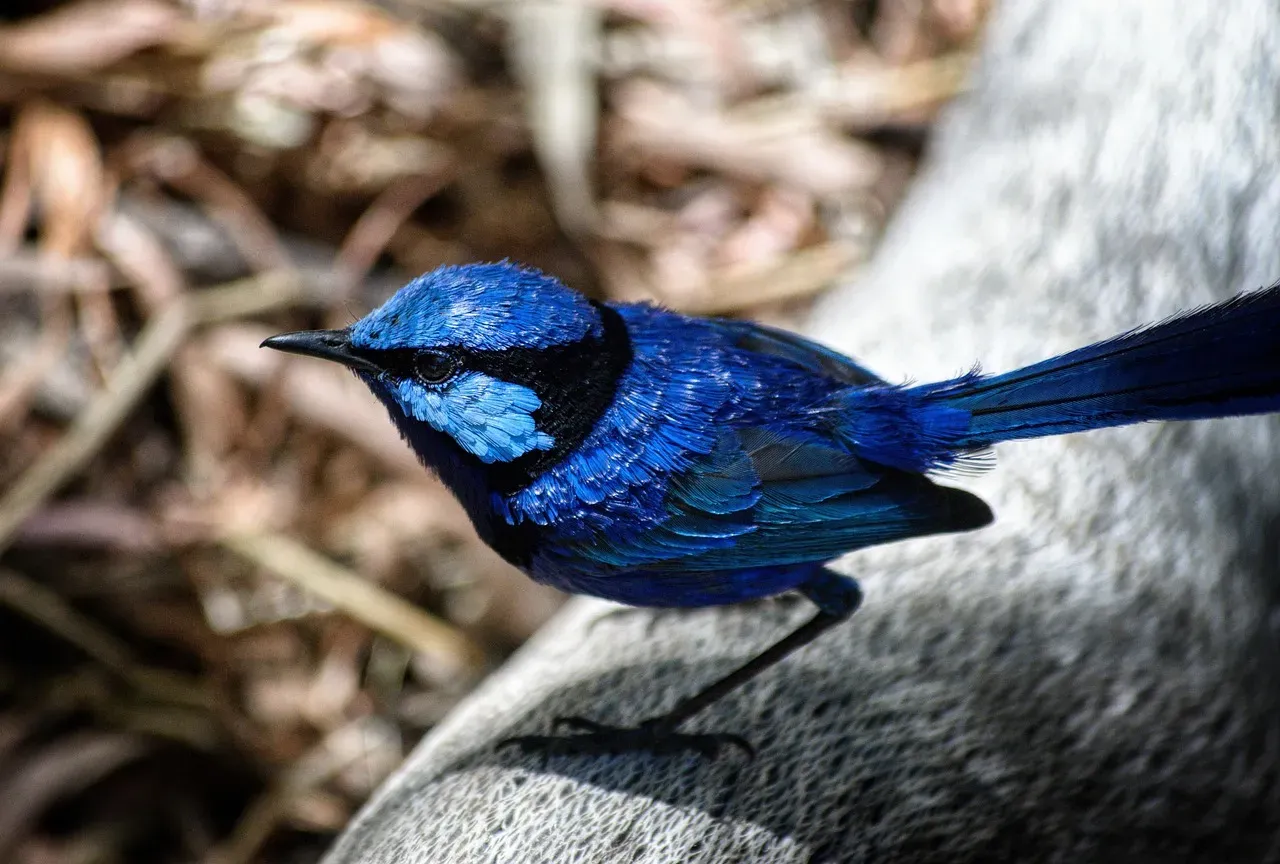
Communication between a mother and her offspring typically begins at birth. For the superb fairy-wren, it begins well before that. Wrens are remarkable creatures. Scientists in Australia found that wrens teach their chicks to sing before they’ve hatched. When the young birds emerge from their shells, they sing a similar tune to one their mother sang to them as eggs. This surprising behavior unveils the songbirds’ astonishing communication skills.
The implication is that meaningful learning can happen before the nervous system has even fully developed, and before the animal has any direct experience of the world. Many behaviors that scientists once perceived to be instincts in animals are actually learned before the species hatches or is born. The wren blurs that line in a particularly vivid way.
Scientists long thought that imprinting, where poultry hatchlings somehow identify and follow their mother, was a pure instinct: an innate, predetermined, genetically formed tendency that seemed unexplainable. Starting in 1963, developmental psychologist Gilbert Gottlieb made a revolutionary discovery: duck hatchlings are attracted to their mother’s vocalizations because they make their own vocalizations inside the egg as an embryo, priming their auditory systems before they are even born. Gottlieb’s duckling experiments pioneered a new understanding of what we mean by instinct and whether hardwired behaviors exist at all. The fairy-wren takes this pre-birth learning to a genuinely new level.
Conclusion: The Limits of “We Know How That Works”
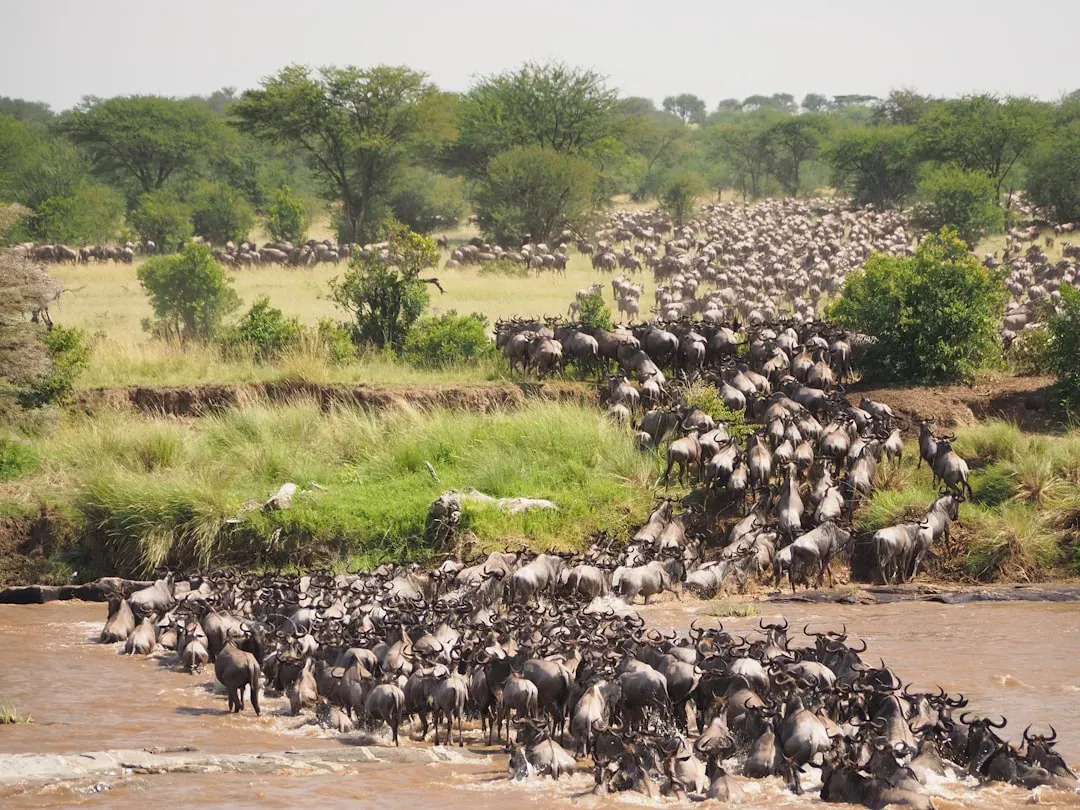
Science has made extraordinary inroads into explaining animal behavior. Magnetic compasses, olfactory imprinting, celestial navigation, and seismic communication all now have at least partial mechanistic explanations. That’s real progress. Yet even the best-understood of these instincts carries unanswered layers beneath it.
How does a butterfly encode multigenerational navigational memory? How does a sea turtle identify a specific island after a decade at sea? These aren’t gaps in public knowledge; they’re genuine open questions in active research programs. Much remains to be understood about the interplay of genetic programming, external stimuli, and learning in migration.
What these eight instincts share, beyond their strangeness, is a kind of functional perfection. Evolution has tweaked these processes so that, barring outside interference, their instincts work perfectly. In the absence of all external stimuli, many animals still know when to migrate and when to head home. That, perhaps, is what makes them feel inexplicable. Not that science can’t eventually explain them, but that something so precise could arise at all, quietly, over millions of years, without anyone planning it.
