

In the frigid wilderness of North America, an extraordinary amphibian performs what seems like a magical feat each winter. The wood frog (Lithobates sylvaticus) possesses the remarkable ability to freeze solid for months at a time, with no heartbeat or brain activity, before thawing in spring and hopping away as if nothing happened. This astonishing survival mechanism represents one of nature’s most impressive adaptations to extreme environments and has captivated scientists and nature enthusiasts alike. The wood frog’s ability to essentially “die” and come back to life challenges our understanding of what it means to be alive and offers promising insights for human medical applications, from organ preservation to trauma care.
Meet the Wood Frog: Nature’s Freeze-Tolerant Marvel

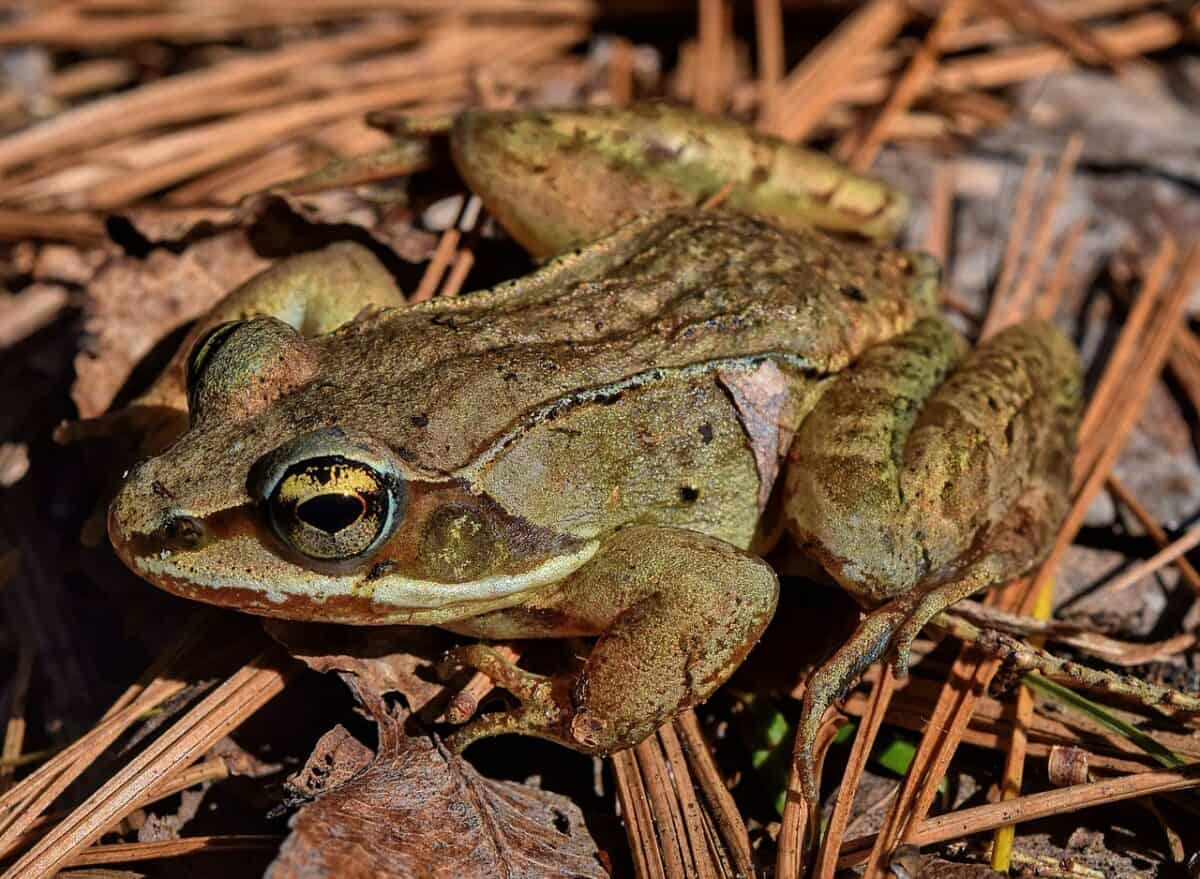
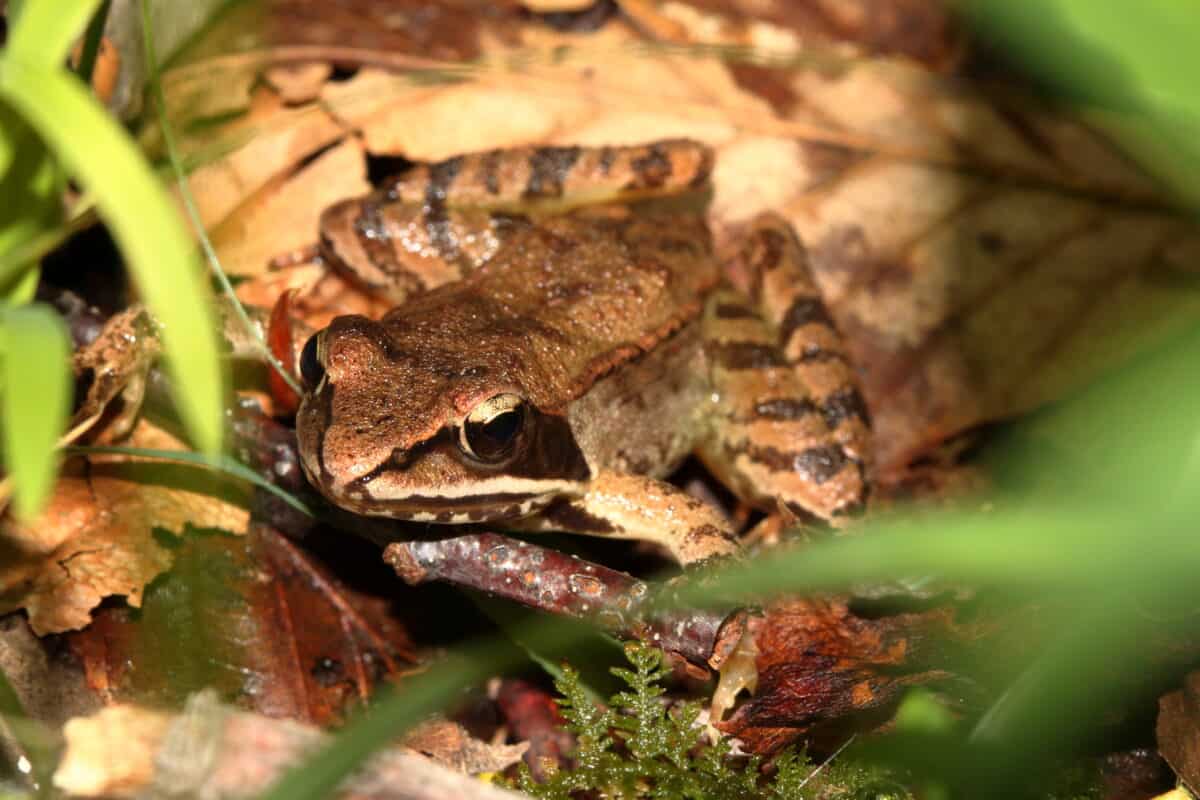
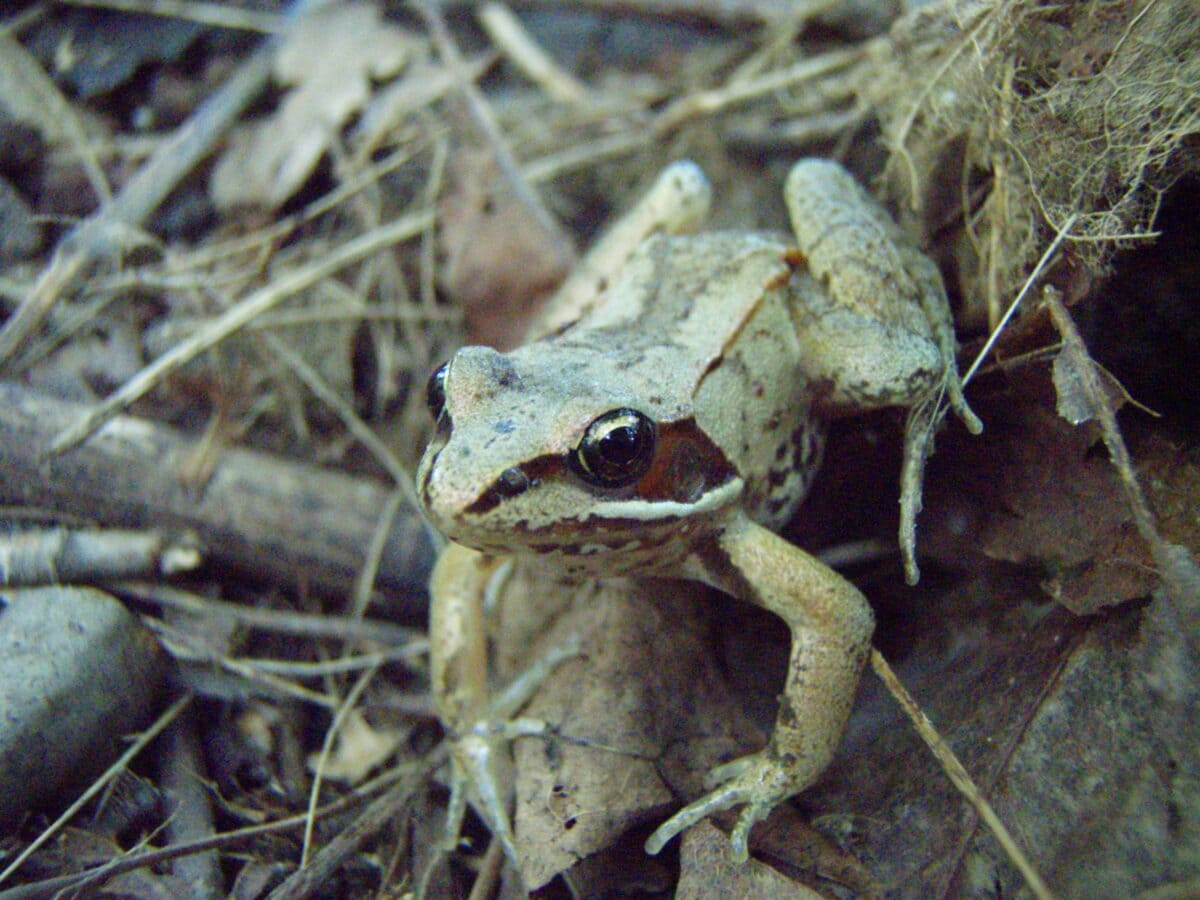
The wood frog (Lithobates sylvaticus) is a relatively small amphibian, typically measuring between 3.5 to 7 centimeters in length. Distinguished by its characteristic dark eye mask and tan to brown coloration, this unassuming creature inhabits forests across North America, ranging from Alaska and Canada down to the southern Appalachians. While their appearance may not immediately suggest extraordinary capabilities, these frogs are the most cold-tolerant amphibians in North America and the only frogs found north of the Arctic Circle. Their remarkable freeze-tolerance ability allows them to survive in habitats that would be lethal to most other amphibian species, making them true pioneers of cold-weather adaptation among vertebrates.
The Freezing Process: A Biological Miracle

When autumn temperatures drop and winter approaches, wood frogs prepare for an extraordinary transformation. As temperatures fall below freezing, ice crystals begin forming on the frog’s skin and slowly penetrate inward. Within hours, up to 65-70% of the frog’s total body water converts to ice. Their hearts stop beating, blood no longer flows, lungs cease functioning, and all measurable brain activity halts. To any observer, the frog appears completely dead—hard as a rock and frozen solid. The process is so complete that if you were to tap a frozen wood frog, it would sound like tapping on a small stone. This state of suspended animation can last for weeks or months, depending on the severity and duration of winter conditions in their habitat.
Nature’s Antifreeze: The Science Behind Survival

How does the wood frog prevent the lethal effects of ice formation that would kill most other vertebrates? The secret lies in a sophisticated biochemical strategy. As autumn progresses, wood frogs begin accumulating high concentrations of glucose and urea in their tissues and organs. This natural “antifreeze” solution can reach concentrations 50-100 times higher than normal levels. These cryoprotectants lower the freezing point of the frog’s cells and tissues, preventing intracellular freezing that would otherwise rupture cell membranes and cause irreparable damage. Additionally, the wood frog’s liver produces specialized proteins that control ice formation, ensuring it occurs in extracellular spaces rather than inside cells. This careful management of where ice forms is crucial—it allows the frog to freeze extensively without suffering the cellular destruction that would typically accompany such extreme freezing.
The Miraculous Thawing Process

The resurrection process is perhaps even more remarkable than the freezing. As spring temperatures rise, the thawing process begins from the inside out. Within 8-12 hours of warming, remarkable changes occur: ice melts, heart cells spontaneously resume contracting, blood begins flowing, and the previously solid frog gradually returns to normal function. Perhaps most impressive is that the wood frog’s brain—the most sensitive organ to oxygen deprivation—resumes function without apparent damage despite having been completely inactive for weeks or months. Within 24 hours of thawing, most frogs have regained normal movement and behavior. There’s no lengthy recovery period or rehabilitation—they simply thaw and continue their lives as if they hadn’t spent the winter as a frogsicle. This rapid return to function demonstrates the perfection of their freeze-tolerance adaptations.
Evolutionary Advantage: Why Freeze Tolerance Developed

Freeze tolerance evolved as a sophisticated survival strategy allowing wood frogs to exploit ecological niches unavailable to other amphibians. While many frogs overwinter deep underwater or buried below the frost line, wood frogs often hibernate in shallow depressions under leaves or logs, where freezing temperatures are inevitable. This seemingly risky strategy offers significant advantages: it allows them to be among the first amphibians active in spring, giving them priority access to food sources and breeding sites. Additionally, freezing provides protection from predators during vulnerable winter months—few predators would consider a frozen, apparently dead frog as potential prey. From an evolutionary perspective, the wood frog’s freeze tolerance represents a remarkable example of adaptation to extreme environmental pressures, illustrating how natural selection can produce extraordinary physiological solutions to challenging conditions.
The Limits of Freezing: How Much Can They Take?

While wood frogs’ freeze tolerance is impressive, it does have limits. Research has shown they can survive temperatures as low as -4°C to -8°C (25°F to 18°F) for extended periods. However, if temperatures drop much lower, their protective mechanisms may become overwhelmed. The frogs can also only tolerate a certain duration of freezing—typically up to several months, depending on the severity of conditions. Additionally, the freeze-thaw cycle takes a physiological toll. Wood frogs can endure multiple freeze-thaw events within a single winter, but each cycle depletes energy reserves and creates oxidative stress. Despite these limitations, their freeze tolerance far exceeds what any other North American amphibian can withstand, allowing them to survive in environments that would be lethal to their relatives.
More Than Just Wood Frogs: Other Freeze-Tolerant Animals

While wood frogs are the most famous freeze-tolerant vertebrates, they aren’t entirely alone in their capabilities. Several other North American frogs exhibit limited freeze tolerance, including spring peepers (Pseudacris crucifer), chorus frogs (Pseudacris triseriata), and gray treefrogs (Hyla versicolor). However, none match the wood frog’s degree of freeze tolerance or geographical range into Arctic regions. Beyond amphibians, certain reptiles like the painted turtle can survive partial freezing, and many insects employ similar strategies using different biochemical mechanisms. In Alaska, the Arctic ground squirrel achieves something even more remarkable—supercooling their body temperature to below freezing without actually forming ice crystals. These diverse examples of cold-weather adaptation demonstrate the multiple evolutionary pathways that have developed to overcome the challenges of surviving extreme winter conditions.
Ecological Importance: The Wood Frog’s Role in Ecosystems

Wood frogs play crucial ecological roles in their forest habitats. As early spring breeders, they produce thousands of tadpoles that become an important food source for many predators, helping to jumpstart the spring food web after winter scarcity. Adult wood frogs are voracious insect predators, helping to control populations of mosquitoes and other small invertebrates. Additionally, their biomass represents a significant transfer of energy through the ecosystem as they fall prey to snakes, birds, and mammals. Their freeze tolerance ability allows them to occupy northern habitats with fewer competitors and predators, where they often become a dominant amphibian species. By connecting aquatic and terrestrial ecosystems, wood frogs serve as important indicators of environmental health, with their presence or absence providing valuable information about ecosystem integrity and climate change impacts.
Medical Implications: Lessons from Frozen Frogs
The wood frog’s remarkable abilities have not gone unnoticed by medical researchers. Their natural cryoprotection mechanisms offer tantalizing possibilities for human applications. Medical scientists are studying these frogs to develop better methods of preserving human organs for transplantation. Currently, human organs remain viable for only hours outside the body, severely limiting transplant opportunities. If the protective mechanisms used by wood frogs could be adapted for organ preservation, it might extend viability from hours to days or even weeks, revolutionizing transplant medicine. Additionally, understanding how wood frogs prevent and repair cellular damage during freezing could inform treatments for frostbite, stroke, and heart attack—conditions where tissues suffer damage from oxygen deprivation. The natural antifreeze compounds produced by wood frogs are also being investigated for applications in cryosurgery and for preserving blood products and vaccines without refrigeration.
Climate Change Threats: An Uncertain Future

Despite their remarkable adaptability, wood frogs face new challenges from climate change. Their freeze-tolerance physiology is precisely calibrated to respond to seasonal temperature cues. Increasingly unpredictable winter weather patterns, including mid-winter thaws followed by refreezing, can deplete the frogs’ energy reserves and compromise their survival. Research indicates that multiple freeze-thaw cycles significantly increase mortality rates in wood frog populations. Additionally, earlier springs may disrupt the timing of breeding, potentially creating mismatches between tadpole development and food availability. Changing precipitation patterns also threaten the vernal pools wood frogs depend on for reproduction, as these temporary water bodies require specific hydrological conditions. While wood frogs have demonstrated remarkable resilience throughout their evolutionary history, the rapid pace of contemporary climate change presents unprecedented challenges that may test the limits of their adaptive capabilities.
Conservation Status and Efforts
Currently, wood frogs are considered a species of “least concern” on the IUCN Red List due to their widespread distribution and generally stable populations. However, this overall assessment masks regional concerns where habitat loss, pollution, and climate change have negatively impacted local populations. Conservation efforts focus on protecting the temporary woodland pools essential for wood frog breeding. These ephemeral water bodies often lack legal protection despite their ecological importance. Several states have implemented vernal pool certification programs and buffer zone requirements to safeguard these critical habitats. Citizen science projects monitoring wood frog breeding activity provide valuable data on population trends and breeding timing, helping scientists track responses to environmental changes. As climate change intensifies, conservation strategies may need to evolve to include corridor protection allowing wood frogs to shift their ranges northward, following suitable climate conditions.
The Wood Frog in Culture and Education
The wood frog’s extraordinary abilities have captured human imagination beyond scientific circles. Their freeze-tolerance has made them popular subjects in nature documentaries, children’s educational materials, and science museum exhibits. Indigenous cultures across the frog’s range have incorporated these amphibians into their traditional knowledge and stories, often recognizing their role as harbingers of spring. In educational settings, wood frogs serve as powerful examples for teaching concepts in adaptation, physiology, and environmental science. Their accessible life history and dramatic survival strategy make them ideal subjects for engaging students in discussions about evolution and ecological relationships. Citizen science programs focusing on wood frog breeding calls and egg mass counts have enabled thousands of non-scientists to contribute meaningful data while developing personal connections with these remarkable amphibians. This cultural and educational prominence helps raise awareness about amphibian conservation more broadly.
Conclusion: Nature’s Lessons in Resilience

The wood frog’s remarkable ability to freeze solid and return to life represents one of nature’s most extraordinary adaptations and challenges our fundamental understanding of life and death. Through complex biochemical processes refined over evolutionary time, these small amphibians accomplish what seems like science fiction, surviving conditions that would be fatal to most vertebrates. Their freeze-tolerance strategy offers important lessons about resilience and adaptation that extend far beyond herpetology. From potential medical breakthroughs in organ preservation to deeper ecological insights about climate adaptation, wood frogs continue to inspire scientists across disciplines. As we face increasing environmental challenges, these remarkable amphibians remind us of nature’s ingenious solutions to seemingly insurmountable problems and the importance of preserving the biological diversity that harbors such extraordinary capabilities.

- Can Snakes Give Birth Without Mating? - July 15, 2026
- The Hidden Desert Beneath a U.S. Forest—A Strange Natural Twist - July 15, 2026
- Rare Shark Sighting Alarms Scientists Near Baja California - July 15, 2026