
In the quest to understand aging and potentially extend human lifespan, scientists have turned their attention to creatures with extraordinary longevity. These so-called “immortal” animals aren’t truly deathless, but their biological capabilities for cell regeneration, cancer resistance, and extreme longevity offer tantalizing clues about the fundamental processes of aging. From jellyfish that can reverse their life cycle to naked mole rats that seem immune to cancer, these remarkable organisms are reshaping our understanding of what’s biologically possible. As researchers decode the genetic and cellular mechanisms behind these animals’ exceptional abilities, they’re uncovering insights that could revolutionize human medicine and challenge our assumptions about the inevitability of aging.
The Concept of Biological Immortality
Biological immortality doesn’t mean an organism lives forever in the literal sense. Rather, it refers to species that don’t experience senescence—the gradual deterioration of functional characteristics associated with aging. These organisms don’t have an increasing probability of death as they age; they can still die from predation, disease, or environmental changes, but not from old age in the way humans do. Scientists distinguish between negligible senescence (extremely slow aging) and potential biological immortality (no detectable aging). Understanding this distinction is crucial because it frames how researchers approach studying these extraordinary creatures. The mechanisms behind biological immortality vary widely across species, involving different genetic pathways, cellular processes, and evolutionary adaptations that together create resilience against the passage of time.
Hydra: The True Regeneration Masters
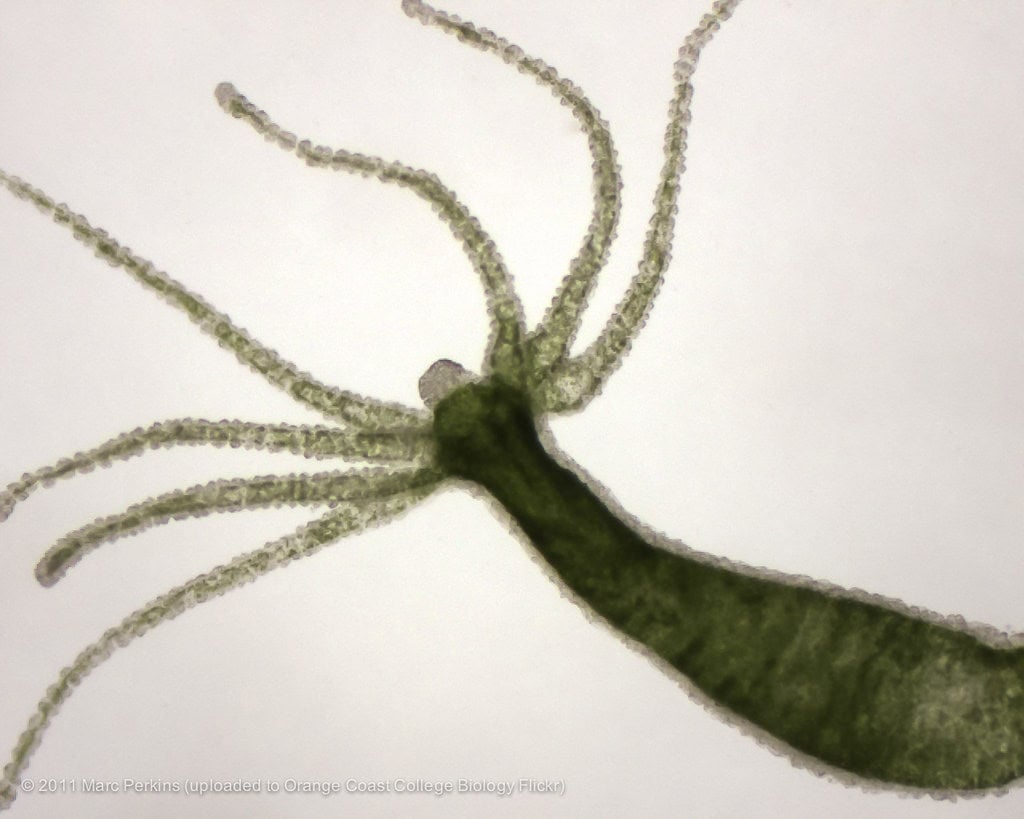
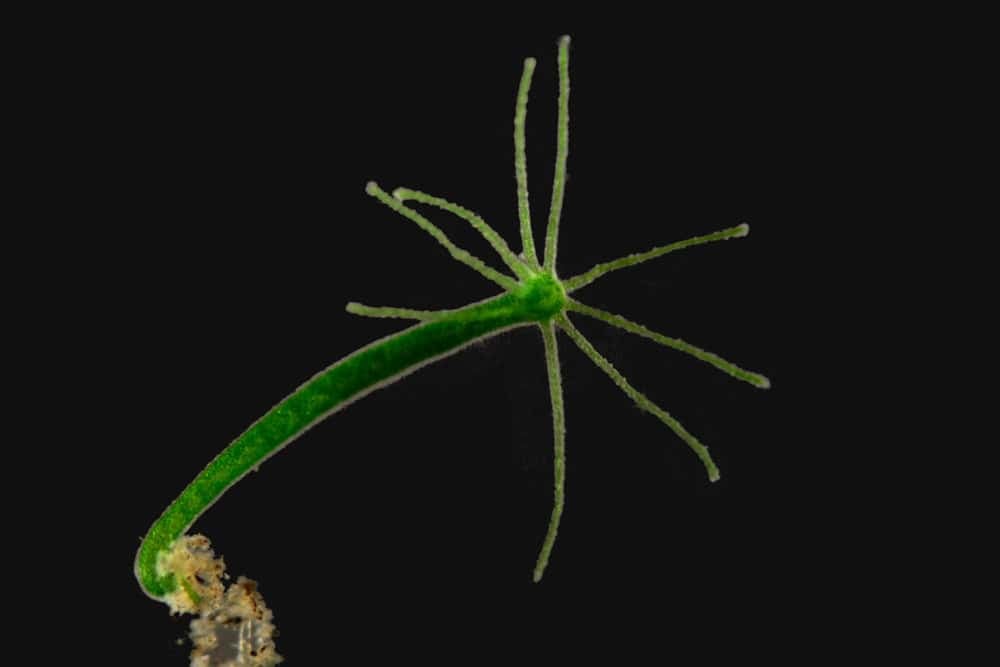
Hydra, small freshwater relatives of jellyfish, represent one of the most studied models of biological immortality. These tiny organisms, measuring just a few millimeters in length, possess remarkable regenerative abilities that allow them to potentially live indefinitely. If cut into pieces, each fragment can regenerate into a complete hydra within days. Their secret lies in their abundant stem cells—they maintain a population of these cells that continuously divide and differentiate throughout their lives, replacing aged or damaged cells. Unlike humans, whose stem cell populations decline with age, hydra maintain high levels of gene expression related to stem cell renewal. A key factor in their immortality is the constant expression of the enzyme telomerase, which prevents the shortening of telomeres (protective caps on chromosomes) that typically occurs with cell division in other organisms. This continuous telomere maintenance ensures genetic stability over countless cell divisions, effectively preventing cellular aging.
Turritopsis dohrnii: The Benjamin Button Jellyfish

Perhaps the most famous “immortal” animal is Turritopsis dohrnii, often called the immortal jellyfish. This remarkable creature has developed a biological trick that seems to defy the natural progression of life. When faced with environmental stress, physical damage, or even natural aging, this jellyfish can revert from its mature medusa stage back to its juvenile polyp stage—essentially reversing its life cycle. This process, called transdifferentiation, allows the jellyfish’s cells to transform from one type to another, enabling the adult jellyfish to collapse in on itself, reabsorb its tentacles, and transform back into a polyp colony that can produce new, genetically identical jellyfish. Theoretically, this cycle could continue indefinitely, giving the species potential immortality. The jellyfish accomplishes this remarkable feat through cellular reprogramming, activating genes that were silent in the mature stage. Scientists are particularly interested in understanding the genetic switches that control this process, as they could provide insights into cellular rejuvenation in humans.
Naked Mole Rats: Cancer-Resistant Centenarians

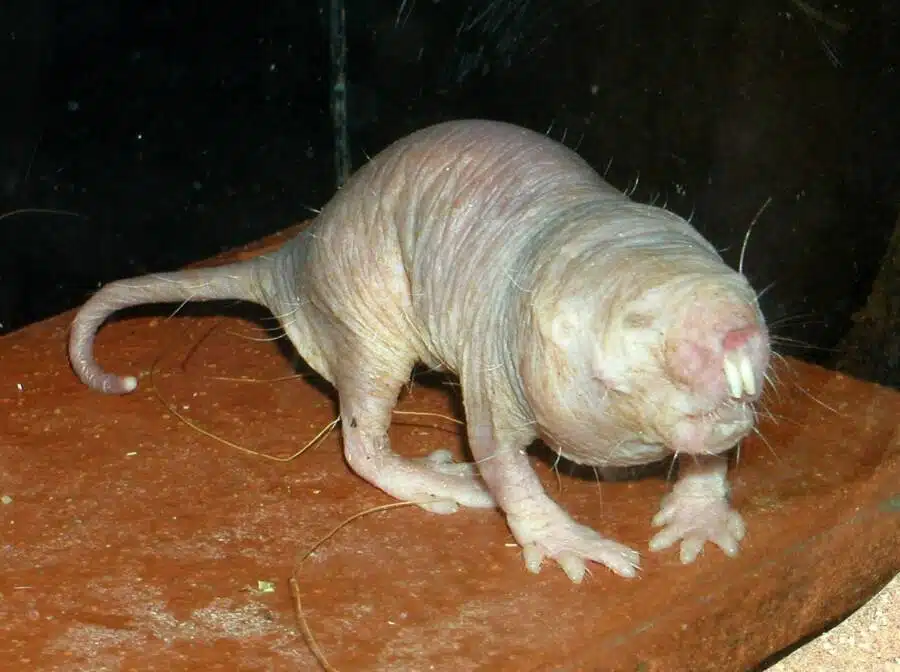
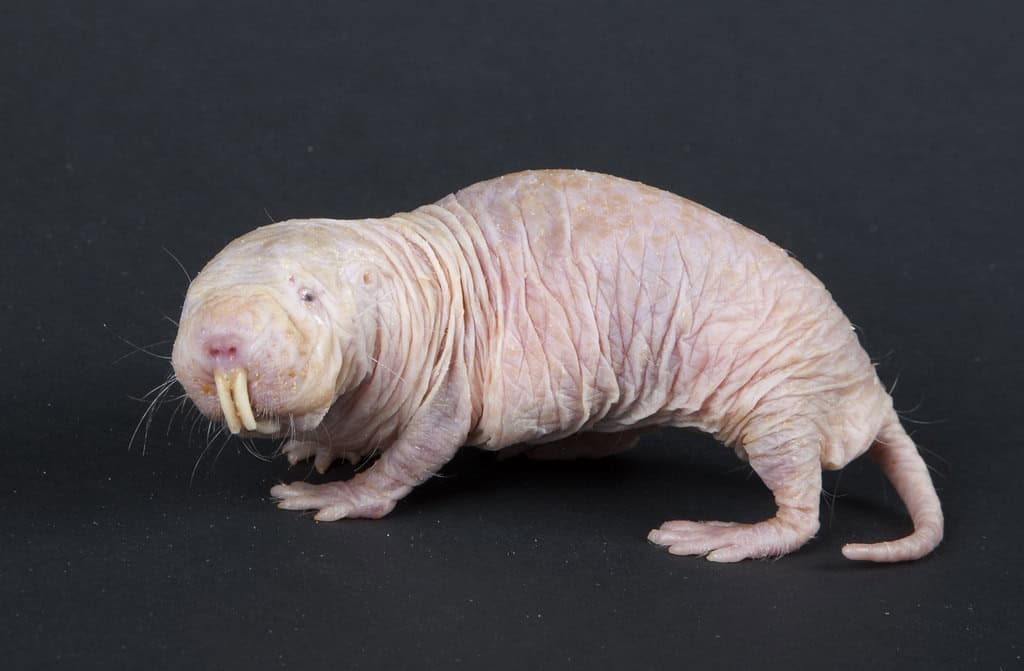
Naked mole rats (Heterocephalus glaber) present a fascinating case study in longevity and disease resistance. Despite their small size, these subterranean rodents can live over 30 years—nearly 10 times longer than similarly sized mice. Even more remarkably, they show virtually no signs of aging until very late in life and almost never develop cancer. This cancer resistance stems from several unique adaptations, including the production of a special form of hyaluronic acid that prevents cells from becoming overcrowded and turning cancerous. Their cells also possess an unusual “early contact inhibition” mechanism that stops cell division when too many cells accumulate, providing an extra layer of protection against tumor formation. Additionally, naked mole rats maintain protein quality throughout their lives better than other mammals, preventing the accumulation of damaged proteins that contributes to aging. Their exceptional oxygen efficiency—evolved for their low-oxygen underground environment—may also contribute to reduced oxidative damage. These adaptations make naked mole rats invaluable models for studying both cancer prevention and healthy aging.
Ocean Quahog Clams: The Methuselahs of the Sea

The ocean quahog clam (Arctica islandica) holds the record as one of the longest-lived non-colonial animals on Earth. The oldest documented specimen, nicknamed “Ming,” was estimated to be 507 years old when scientists unfortunately killed it while determining its age by counting growth rings in its shell. These remarkable bivalves show negligible senescence, maintaining physiological function throughout their centuries-long lives. Research suggests their extraordinary longevity stems from exceptional antioxidant defenses and DNA repair mechanisms that protect against cellular damage. Their cells demonstrate remarkable resistance to oxidative stress, and they maintain stable telomere lengths throughout their lifespan. Ocean quahogs also exhibit metabolic rate depression—essentially slowing down their biological processes—which may reduce the accumulation of cellular damage. This ability to dramatically lower their metabolic rate allows them to survive in low-oxygen environments and possibly contributes to their extended lifespan. By studying these mechanisms, scientists hope to better understand how to protect human cells from similar types of damage associated with aging and age-related diseases.
Planarian Flatworms: Eternal Youth Through Cell Renewal

Planarian flatworms possess perhaps the most extraordinary regenerative abilities in the animal kingdom. These small aquatic creatures can regenerate their entire bodies from tiny fragments—even a piece comprising just 1/279th of the original worm can reconstruct a complete animal. This remarkable ability stems from their abundant adult stem cells called neoblasts, which make up roughly 30% of all cells in their bodies. These pluripotent cells can divide and differentiate into any cell type needed for regeneration. When a planarian is cut, the neoblasts migrate to the wound site and begin rebuilding the missing parts, guided by complex genetic signaling pathways. This constant cellular renewal essentially keeps planarians in a perpetual state of youth. Some species can theoretically live indefinitely under ideal conditions, continuously replacing aged or damaged cells. Scientists have identified key genes involved in their regenerative processes, including components of the Wnt signaling pathway and the PIWI proteins that maintain stem cell function. Understanding how planarians regulate their stem cells so precisely could provide insights for regenerative medicine applications in humans.
Tardigrades: Surviving the Unsurvivable

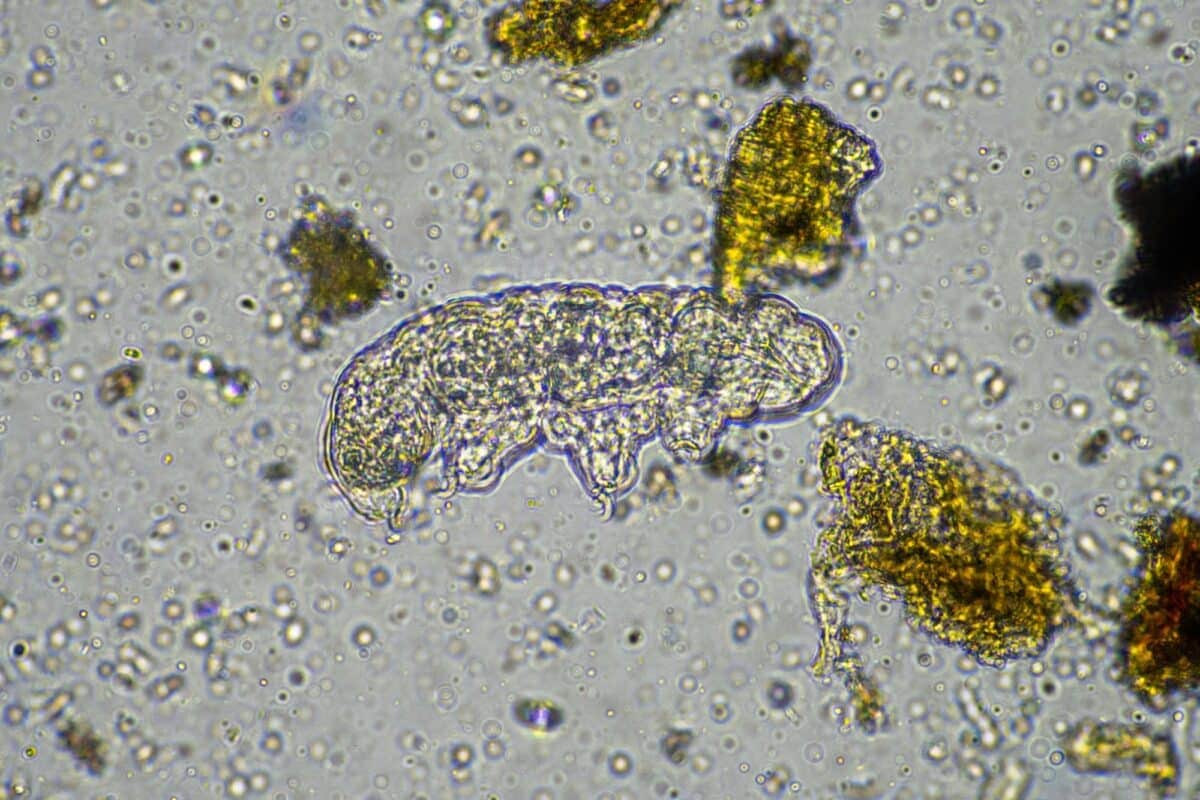
While not strictly “immortal” in terms of lifespan (they typically live 2-3 years), tardigrades or “water bears” exhibit extraordinary survival capabilities that make them relevant to longevity research. These microscopic eight-legged animals can survive conditions that would be fatal to almost any other organism on Earth. When faced with extreme environments, tardigrades enter a state called cryptobiosis, essentially suspending their metabolism almost completely. They can survive temperatures from near absolute zero (-272°C) to 150°C, pressures six times greater than those in the deepest ocean trenches, radiation levels thousands of times higher than what would kill humans, and complete dehydration for up to 30 years. During dehydration, they replace water in their cells with a sugar called trehalose that forms a glass-like state, preserving cellular structures. They also produce damage-suppressor proteins (Dsup) that protect their DNA from radiation damage. These mechanisms for repairing and protecting cellular components from extreme stress provide valuable insights into cellular preservation that could inform treatments for human diseases involving cellular damage, such as neurodegenerative disorders.
Lobsters: The Telomerase Connection

Contrary to popular belief, lobsters are not biologically immortal, but they do possess fascinating longevity traits that contribute to their impressive lifespan of potentially over 100 years. Unlike most animals, lobsters continue to grow throughout their lives through a process called molting, where they shed their old exoskeletons and grow new, larger ones. What makes lobsters particularly interesting to aging researchers is their production of telomerase throughout their lives. Telomerase is an enzyme that rebuilds telomeres—the protective caps on the ends of chromosomes that typically shorten with each cell division in most organisms, including humans. In most human cells, telomerase activity diminishes after embryonic development, contributing to cellular aging as telomeres gradually shorten. Lobsters, however, maintain high telomerase activity in various tissues throughout their lives, which may contribute to their cellular longevity. Their cells show remarkable resistance to the accumulation of damage that typically accompanies aging. While lobsters do eventually die from various causes, studying their telomerase activity provides valuable insights into the role of telomere maintenance in longevity.
Bdelloid Rotifers: Surviving Without Sex for Millions of Years
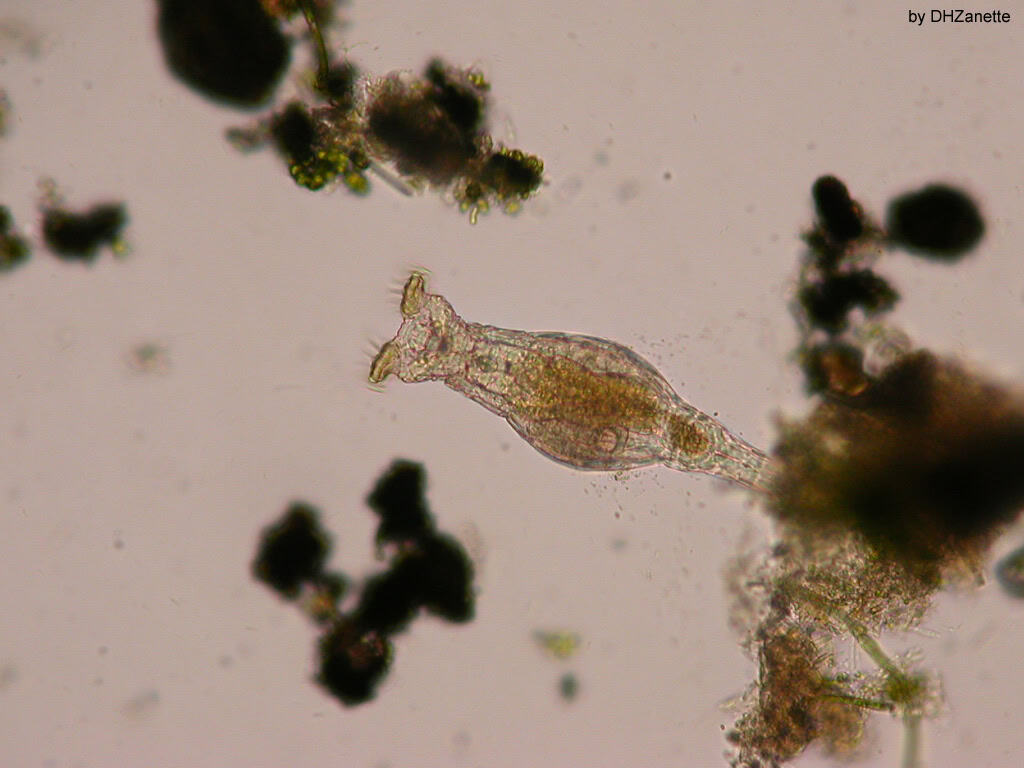
Bdelloid rotifers represent an extraordinary evolutionary case study in survival and longevity. These microscopic aquatic animals have survived without sexual reproduction for at least 40 million years—an evolutionary strategy that theoretically should lead to extinction due to the accumulation of harmful mutations. Yet bdelloid rotifers have not only survived but thrived, with over 450 known species. Their longevity secrets include an unusual ability to incorporate foreign DNA into their genomes—up to 10% of their genes come from bacteria, fungi, and plants. This horizontal gene transfer may provide genetic diversity usually gained through sexual reproduction. Additionally, bdelloid rotifers can survive complete desiccation (drying out) for up to 9 years, during which their DNA breaks into fragments. Upon rehydration, they repair this DNA damage with remarkable accuracy, suggesting highly efficient DNA repair mechanisms that may contribute to their genomic stability. Some individuals can live for several decades, unusual for such small organisms. Their resilience to environmental stressors and efficient cellular repair mechanisms make them valuable models for studying the genomic aspects of aging and longevity.
Bowhead Whales: The Long-lived Giants

Bowhead whales (Balaena mysticetus) are the longest-lived mammals known, with some individuals estimated to have lived over 200 years based on the discovery of ancient harpoon heads embedded in their bodies and analysis of eye lens proteins. These Arctic giants, weighing up to 100 tons, have evolved remarkable mechanisms to protect against age-related diseases despite their enormous size and lengthy lifespan. Researchers sequencing the bowhead whale genome have identified unique genetic adaptations related to DNA repair, cancer resistance, and immune function. For instance, they possess duplications and mutations in genes associated with DNA repair, potentially increasing their ability to fix cellular damage that accumulates over time. They also show unique adaptations in genes related to thermoregulation, which may help prevent protein damage in their cold environment. Additionally, bowhead whales have specific tumor suppressor genes that may contribute to their cancer resistance—solving what scientists call “Peto’s paradox,” where larger animals with more cells counter-intuitively don’t have higher cancer rates. Understanding how these massive, long-lived mammals avoid cancer and other age-related diseases could provide insights for human medicine.
Genetic and Cellular Mechanisms of Longevity

Across these diverse “immortal” animals, several common genetic and cellular mechanisms emerge that contribute to extended lifespan and resilience. DNA repair pathways are frequently enhanced, allowing these organisms to fix damage that accumulates with time and environmental exposure. Many long-lived species show upregulation of genes involved in protein quality control, ensuring that damaged or misfolded proteins don’t accumulate and cause cellular dysfunction. Stress response pathways are often more robust, helping cells cope with environmental challenges that might otherwise cause damage. Stem cell maintenance is another key factor—organisms like planarians and hydra maintain pools of stem cells throughout their lives, allowing continuous regeneration. Protection against oxidative stress through enhanced antioxidant defenses appears in multiple long-lived species. Telomere maintenance through regulated telomerase activity helps prevent cellular senescence in many of these animals. Interestingly, many long-lived species also show altered insulin/IGF-1 signaling pathways, which regulate metabolism and growth—a connection that appears in everything from nematodes to naked mole rats. The convergent evolution of these mechanisms across diverse species suggests they represent fundamental biological strategies for extending lifespan.
Implications for Human Aging Research
The study of “immortal” animals is transforming human aging research and potentially opening new therapeutic avenues. Perhaps most promising is the field of regenerative medicine, which draws inspiration from organisms like planarians and axolotls to develop techniques for regrowing human tissues and organs. The cellular reprogramming demonstrated by the immortal jellyfish has influenced research into induced pluripotent stem cells, where adult cells are reverted to an embryonic-like state. Cancer research has benefited tremendously from studying cancer-resistant species like naked mole rats and elephants, identifying novel tumor suppression mechanisms that could be translated to human therapies. The study of telomerase in long-lived species has informed research into telomere biology and its relationship to human aging and disease. Anti-aging interventions targeting cellular pathways identified in long-lived animals are being actively investigated, including compounds that mimic aspects of caloric restriction, a well-established life-extension strategy. These comparative studies have shifted the paradigm in aging research from viewing aging as inevitable to seeing it as a biological process that might be modifiable. While true biological immortality remains in the realm of science fiction for humans, these animal models suggest that significant extension of healthy lifespan may be achievable through targeted interventions.
Ethical Considerations and Future Directions
As research into “immortal” animals continues to advance our understanding of aging, important ethical questions arise about the potential applications of this knowledge. The prospect of significantly extending human lifespan raises profound societal questions about resource allocation, population dynamics, and intergenerational equity. Would life-extending technologies be equitably distributed, or would they exacerbate existing social inequalities? Environmental concerns also emerge—what would be the ecological impact of humans living significantly longer lives? Within scientific practice itself, ethical questions surround the research methods used to study these animals, particularly for endangered species like bowhead whales. The responsible development of longevity interventions requires balancing potential benefits against unintended consequences. Looking to the future, the field is moving toward more sophisticated comparative genomics, where multiple long-lived species are studied simultaneously to identify convergent evolutionary strategies for longevity. Advanced techniques in gene editing, single-cell analysis, and computational biology are accelerating discoveries. The integration of insights from diverse “immortal” animals may eventually lead to a comprehensive understanding of the aging process and potentially transformative interventions that extend healthy human lifespan without necessarily pursuing literal immortality.
Conclusion

The study of “immortal” animals represents one of the most fascinating frontiers in biology, offering profound insights into the fundamental nature of aging and the biological limits of longevity. From the cellular reprogramming of the immortal jellyfish to the cancer resistance of naked mole rats, these extraordinary creatures demonstrate that aging is not a uniform, inevitable process but rather a complex and potentially malleable phenomenon. While true biological immortality remains beyond human reach, the mechanisms these animals have evolved provide valuable blueprints for interventions that might extend healthy human lifespan and reduce the burden of age-related diseases. As research techniques advance and our understanding deepens, the lessons learned from these remarkable organisms will continue to reshape our conception of aging and perhaps transform the future of human health in ways we are only beginning to imagine.

- The Animal Kingdom’s Best Dads Ranked - July 22, 2026
- The Most Vulnerable Fish Species in U.S. Rivers Today - July 22, 2026
- Ancient Cave Art Reveals Forgotten Animal Species - July 22, 2026