


The prehistoric world was teeming with life, full of creatures that have long since vanished from our planet. While we’ll never be able to observe these ancient animals in their natural habitats, paleontologists have developed remarkable techniques to decode behavioral patterns from fossilized remains. These ancient clues offer us windows into how extinct species lived, interacted, migrated, hunted, and raised their young—painting a vivid picture of Earth’s evolutionary history. From dinosaur parenting strategies to ancient marine hunting techniques, fossil evidence continues to revolutionize our understanding of prehistoric animal behavior, challenging long-held assumptions and revealing surprising parallels with modern species.
The Trace Fossil Record: Footprints Through Time

Unlike body fossils (preserved remains of animal bodies), trace fossils record ancient behaviors through preserved footprints, burrows, nests, and feeding marks. These ichnofossils, as they’re scientifically known, provide direct evidence of animal activities rather than just their physical appearance. The 3.6-billion-year-old Laetoli footprints in Tanzania, for instance, reveal not just the presence of early hominids but their upright walking gait.
Similarly, dinosaur trackways have transformed our understanding of these creatures from slow, lumbering reptiles to dynamic, sometimes social animals. By analyzing stride length, depth of impressions, and trackway patterns, paleontologists can determine walking speeds, herd behaviors, and even potential predator-prey interactions from millions of years ago. These preserved moments in time offer unparalleled insights that skeletal remains alone cannot provide.
Fossilized Evidence of Parental Care
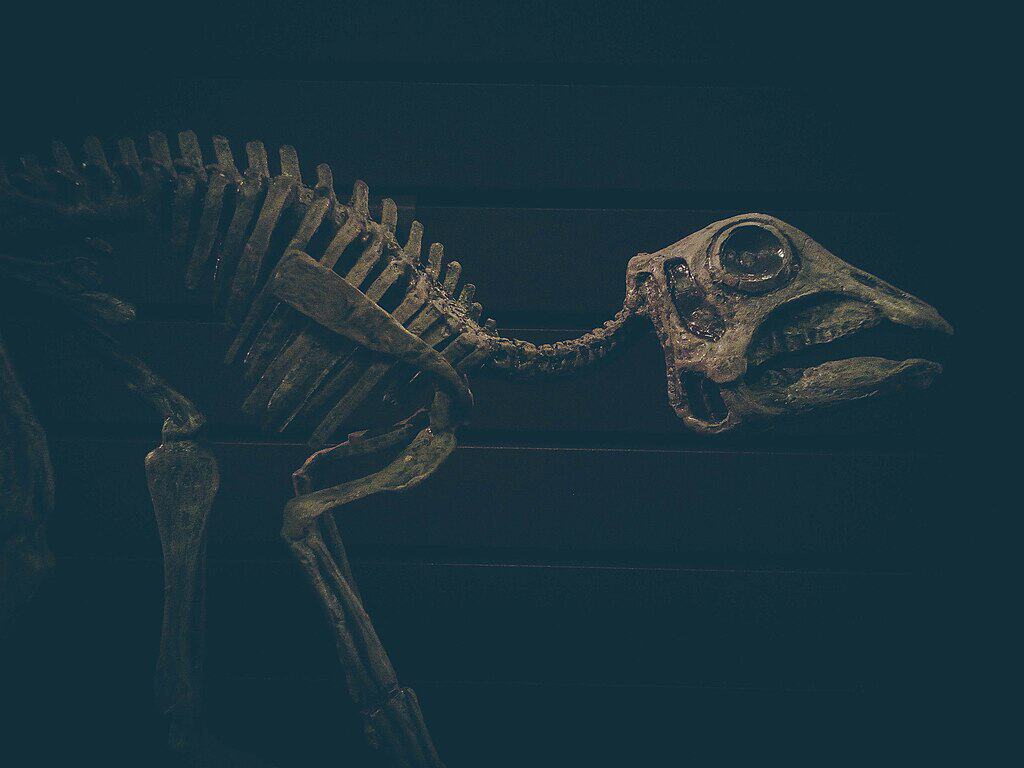
One of the most touching revelations from the fossil record is evidence of parental care among extinct species. The discovery of Maiasaura (“good mother lizard”) nests in Montana revealed that these duck-billed dinosaurs not only laid eggs in colonial nesting grounds but also cared for their hatchlings. Bone studies of the juveniles show growth patterns consistent with nestlings who remained in the nest while being fed by parents.
Perhaps even more remarkable is the Oviraptor specimen discovered in Mongolia—fossilized while brooding its eggs, positioned identically to modern birds, with its limbs symmetrically arranged around the nest and over its eggs. This specimen, dating to approximately 75 million years ago, was initially misinterpreted as an egg thief but later recognized as a devoted parent that perished while protecting its offspring. Such fossils fundamentally challenge the old notion that dinosaurs and other prehistoric creatures were simplistic in their reproductive behaviors.
Hunting and Predation Strategies Preserved in Stone
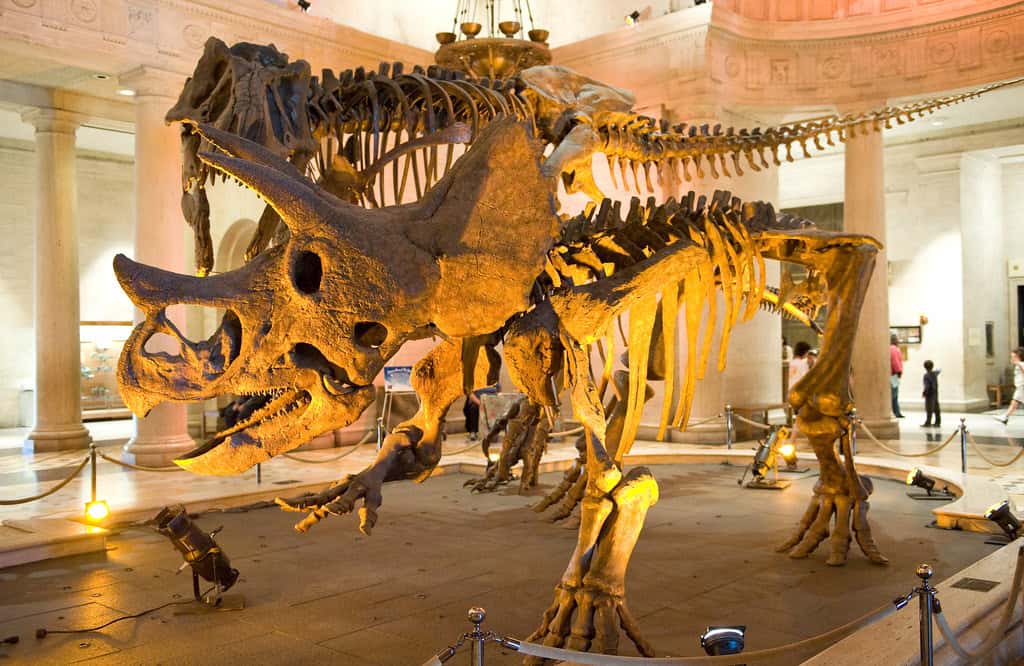
Dramatic evidence of ancient hunting behaviors occasionally survives in the fossil record, captured in what paleontologists call “frozen behavior.” The most spectacular examples include predators preserved while in the act of consuming their prey. In Germany’s Messel Pit, a 47-million-year-old fossil preserves a prehistoric horse-like animal, Propalaeotherium, with a large predatory bird, Messelastur, clutching it with its talons.
From the Jurassic period, fossils of the aquatic predator Hybodus have been found with their stomach contents intact, revealing their fish-heavy diet and opportunistic feeding strategy. Perhaps most famous is the “Fighting Dinosaurs” specimen from Mongolia—a Protoceratops and Velociraptor locked in combat, buried instantly by a collapsing sand dune. The Velociraptor’s sickle claw is positioned at its opponent’s neck, while the Protoceratops has the predator’s arm clamped in its beak. This extraordinary 80-million-year-old fossil captures not just anatomy but a predator-prey relationship in action, confirming hypotheses about how dromaeosaurids used their distinctive foot claws during hunting.
Social Behaviors and Herd Dynamics

Mass death assemblages—locations where multiple individuals of the same species died together—provide compelling evidence for social behavior in extinct animals. The infamous Cleveland-Lloyd Dinosaur Quarry in Utah contains the remains of at least 46 Allosaurus individuals, suggesting either pack hunting or competitive feeding at a predator trap. Even more convincing are the extensive bonebeds of Coelophysis at Ghost Ranch, New Mexico, and multiple sites with dozens of Psittacosaurus skeletons in China, indicating these dinosaurs lived in groups.
Modern techniques have revealed age structures within these assemblages, with some showing a mix of adults and juveniles that points to family groups rather than age-segregated herds. Perhaps most spectacular are the hadrosaurid “dragon’s tombs” in Mongolia, where multiple individuals were buried together during sandstorms, preserved in upright positions with their heads raised—suggesting coordinated responses to environmental threats. These fossils reveal that complex social structures evolved long before humans and continue to reshape our understanding of dinosaur behavior.
Migration Patterns Written in Bone

Ancient migration routes have been deduced through creative analysis of fossil evidence. By examining isotopes in fossilized teeth and bones, scientists can determine where an animal lived during different stages of its life. For example, strontium isotope analysis of Columbian mammoth teeth from the La Brea Tar Pits reveals seasonal migration patterns between different elevations in what is now California. Similar studies of hadrosaur teeth suggest some species undertook seasonal migrations of hundreds of kilometers between coastal plains and highlands. Even more impressive is the evidence from Arctic dinosaurs.
The discovery of cold-adapted dinosaur species in northern Alaska, including juveniles too small to have migrated long distances, suggests some dinosaurs remained in polar regions year-round despite months of darkness. Conversely, evidence from growth rings in the bones of some species indicates seasonal stress consistent with long migrations to avoid the harshest conditions. These findings fundamentally challenge our understanding of dinosaur physiology and behavior, suggesting greater adaptability than previously recognized.
Sleeping Postures and Daily Habits
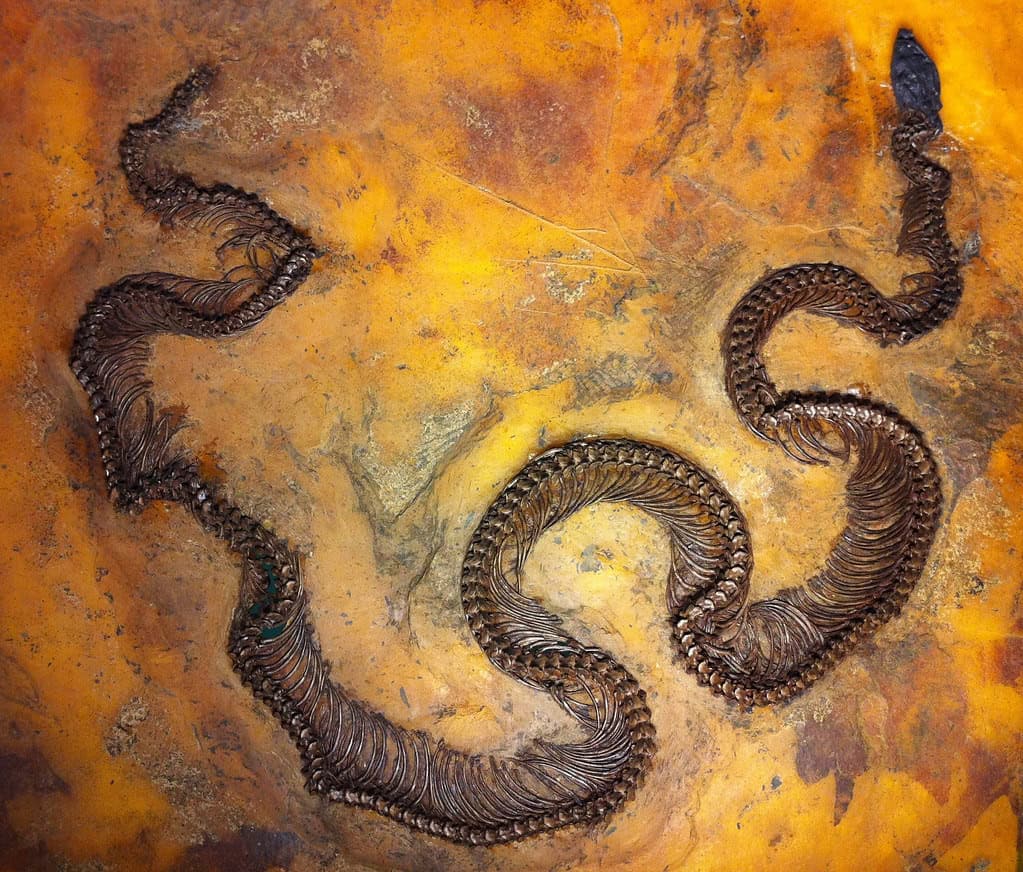
Occasionally, fossils preserve animals in their final resting positions, offering glimpses into sleeping behaviors and postures. The most famous example may be the “sleeping dragon” fossil—a beautifully preserved specimen of the small theropod dinosaur Mei long discovered in China. This 130-million-year-old fossil shows the animal in a bird-like sleeping position, with its head tucked under its arm and legs folded beneath its body. This posture, nearly identical to that seen in modern birds, provides compelling evidence for behavioral similarities between theropod dinosaurs and their avian descendants.
Similarly, multiple specimens of the small mammal Volaticotherium from the Jurassic period have been found in positions suggesting they died while resting. Even more revealing are the burrow casts of the mammal-like reptile Thrinaxodon from the early Triassic period. These preserved underground shelters show where these animals retreated during rest periods, sometimes containing multiple individuals that suggest social sleeping arrangements—behaviors that would otherwise be impossible to confirm in animals that lived over 250 million years ago.
Feeding Behaviors and Dietary Adaptations
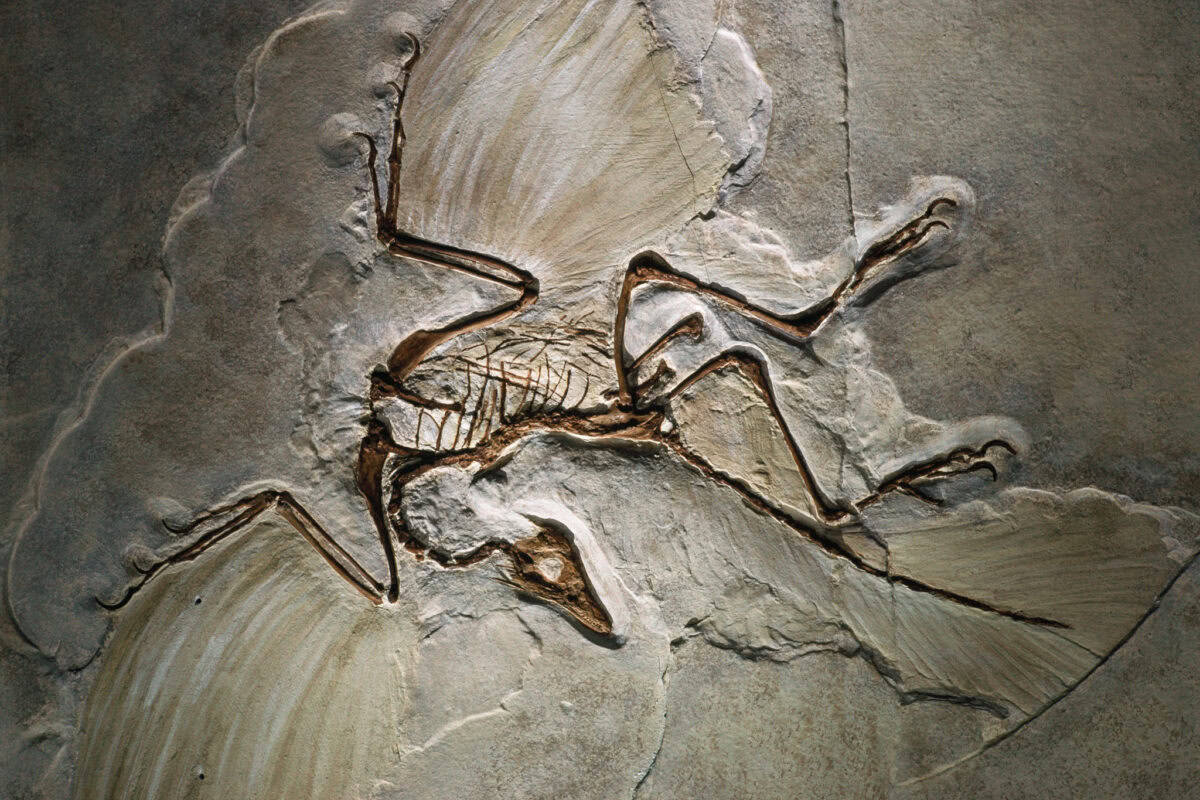
Fossilized stomach contents, coprolites (fossilized feces), and tooth wear patterns provide detailed information about ancient diets and feeding behaviors. The discovery of a fossilized Microraptor with the remains of a bird in its abdominal cavity confirmed that these small, four-winged dinosaurs hunted avian prey. Coprolites from large tyrannosaurs contain crushed bone fragments, indicating these predators could digest bone material similar to modern hyenas.
For herbivores, microscopic wear patterns on teeth reveal surprising details—the giant sauropod Nigersaurus had teeth replaced every 14 days due to intense wear from feeding close to the ground, suggesting a grazing lifestyle similar to modern cattle. Perhaps most fascinating are the preserved contents of the Ediacaran organism Dickinsonia, dating to 558 million years ago. Analysis of organic molecules in these fossils suggests these early animals absorbed food through their undersides while stationary—a feeding strategy unlike any modern animal. These diverse lines of evidence show that prehistoric feeding adaptations were often as specialized and diverse as those seen today, reflecting the constant evolutionary pressure to secure nutrition efficiently.
Disease and Injury: Stories of Survival

Paleopathology—the study of ancient diseases and injuries—reveals remarkable stories of resilience in prehistoric animals. A famous Tyrannosaurus rex specimen nicknamed “Sue” shows evidence of numerous healed injuries, including broken ribs, an infected jaw, and arthritis, indicating this apex predator survived multiple serious traumas during its lifetime. Even more impressive are fossils showing evidence of care for injured individuals. A Diplodocus specimen with a severely deformed foot would have required assistance from herd members to survive as long as it did with such a disability.
Among early humans and Neanderthals, numerous skeletons show evidence of long-term care for individuals with debilitating injuries or congenital conditions. Perhaps most poignant are the preserved footprints of an adult mammoth walking beside a limping juvenile at New Mexico’s White Sands National Park—tracks that show the adult slowing its pace to match the injured young one’s steps. These fossils demonstrate that mutual aid and recovery from injury aren’t uniquely human traits but have deep evolutionary roots across many species.
Reproductive Behaviors Beyond Nesting
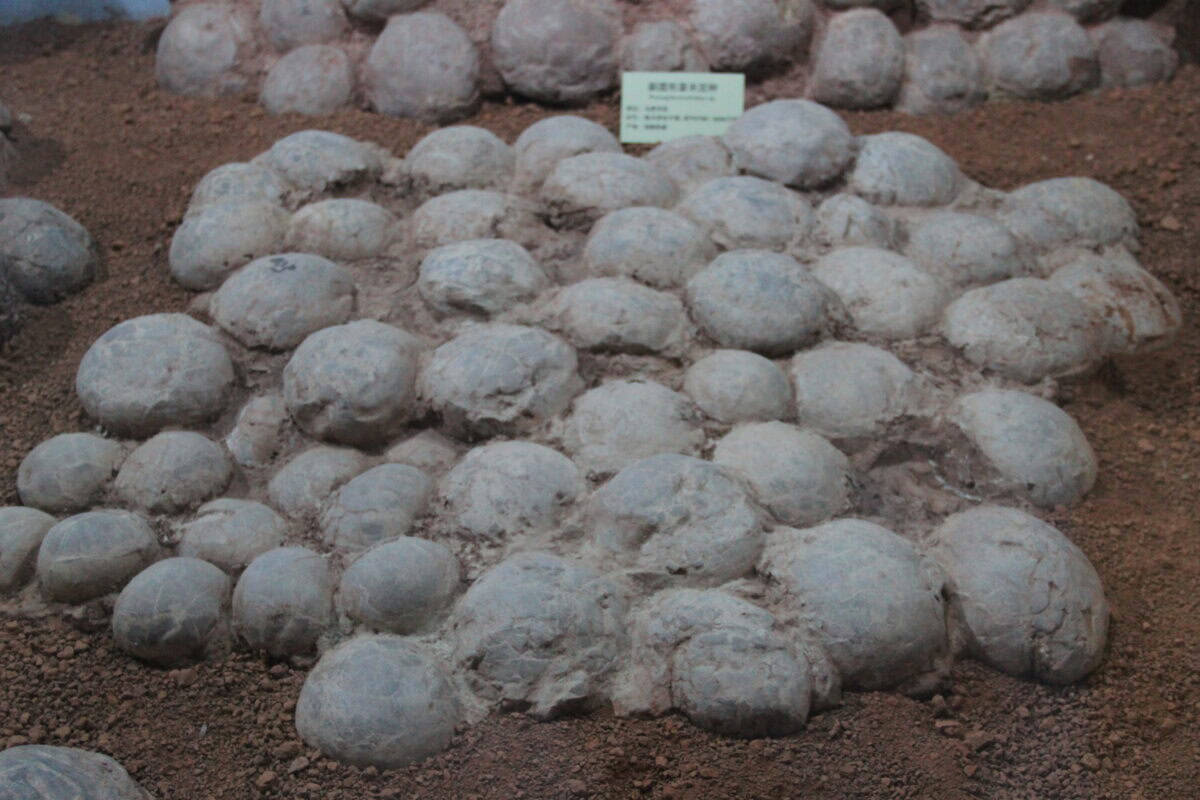
Fossil evidence has begun to illuminate complex reproductive behaviors beyond simple nesting. The discovery of a female Pterosaur specimen from China’s Jurassic Tiaojishan Formation revealed an egg still inside the mother’s body, with evidence suggesting these flying reptiles gave birth to precocial (well-developed) young that could fly shortly after hatching. Even more revelatory was the 2011 discovery of a 47-million-year-old horse ancestor, Eurohippus, preserved with its unborn foal. The positioning of the fetus and preserved soft tissue from the placenta revealed that early horses gave birth in essentially the same way as modern horses—with the foal typically emerging front legs first. Among dinosaurs, the wide pelvic openings of some species suggest they laid eggs while standing rather than in prepared nests. Perhaps most surprising is the evidence of sexual dimorphism in many dinosaur species, with males displaying elaborate crests, horns, or feathered displays to attract mates—behaviors previously difficult to confirm but now supported by statistical analysis of fossil populations. These discoveries indicate that complex reproductive strategies evolved repeatedly throughout evolutionary history.
Ancient Communication: Calls From the Past
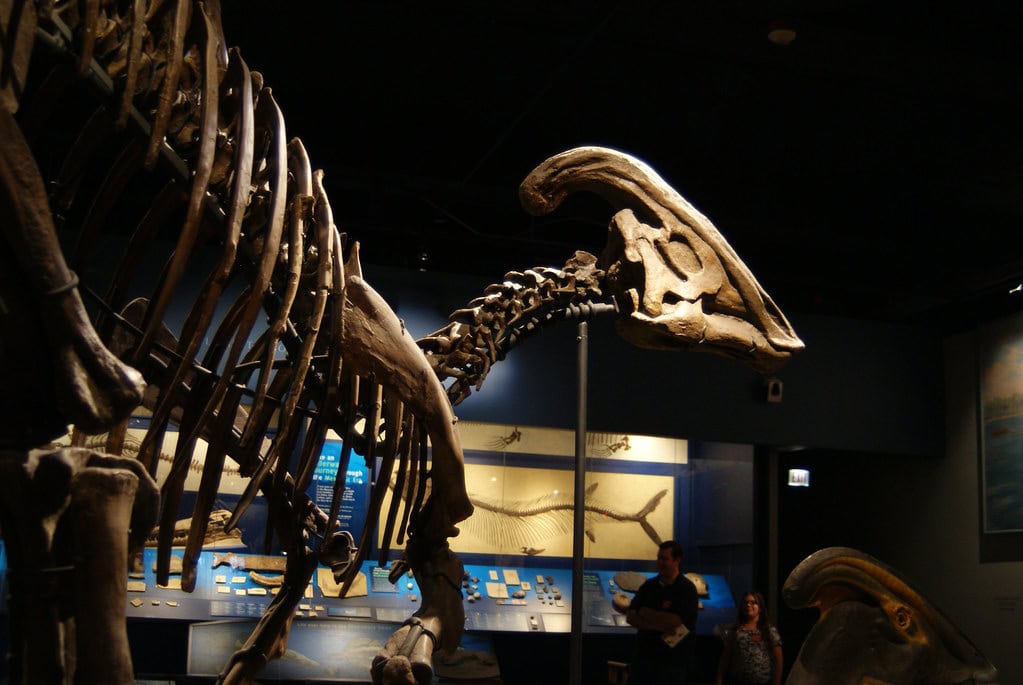
While sounds don’t fossilize, the structures that produced them sometimes do. The elaborate crests of lambeosaurine hadrosaurs like Parasaurolophus contained extended nasal passages that functioned as resonating chambers. Computer models based on CT scans of these hollow crests have allowed paleontologists to recreate the sounds these dinosaurs likely produced—low-frequency, trumpet-like calls that could travel for miles across prehistoric landscapes. Similar studies of the syrinx (voice box) in fossilized birds from the Cretaceous period suggest vocal capabilities comparable to modern birds.
Beyond direct sound production, evidence of visual communication appears in the elaborate display structures of many dinosaurs. The tail of Heterocephalus, a recently discovered ankylosaur, featured large bony plates arranged in a paddle-like structure that was likely used for visual signaling. Perhaps most intriguing is the evidence of color in fossil feathers; microscopic structures called melanosomes preserved in some fossils indicate the original coloration patterns of extinct birds and feathered dinosaurs. These findings reveal that prehistoric animals, like their modern descendants, utilized complex communication systems involving both auditory and visual signals.
Thermoregulation and Environmental Adaptation

Fossil evidence provides fascinating insights into how ancient animals managed body temperature and adapted to their environments. The discovery of dinosaur fossils in ancient polar regions, complete with eyes adapted for low-light conditions, suggests sophisticated adaptations to seasonal darkness.
Bone histology (the microscopic study of bone structure) reveals that many dinosaurs had growth patterns consistent with elevated metabolic rates, challenging the traditional view of them as strictly cold-blooded reptiles. Particularly revealing are studies of the nasal passages in large dinosaurs like Brachiosaurus, which show evidence of elaborate heat-exchange systems similar to those in modern elephants and camels—adaptations that would have helped regulate brain temperature. In marine reptiles, bone isotope studies indicate many ichthyosaurs and plesiosaurs maintained body temperatures several degrees above the surrounding water, suggesting partial endothermy (warm-bloodedness).
Perhaps most surprising is evidence from the 50-million-year-old fossil snake Titanoboa, which reached lengths of 42 feet but could only have existed in the extremely warm climate of ancient Colombia—a climate indicator preserved in this animal’s very biology. These diverse adaptations demonstrate that prehistoric animals developed sophisticated solutions to environmental challenges throughout evolutionary history.
Learning From Fossils: Implications for Modern Conservation

The study of ancient animal behaviors through fossils offers more than just historical curiosity—it provides valuable context for understanding modern biodiversity and conservation challenges. By examining how species responded to past climate changes, scientists can better predict how modern animals might adapt to current global warming.
The fossil record demonstrates that species with greater behavioral flexibility often survived major extinction events, while specialized species frequently perished. For example, mammals that could adjust their diets and habitats survived the asteroid impact that eliminated non-avian dinosaurs. Similarly, studying the social structures and migration patterns of extinct megafauna can inform conservation strategies for their modern relatives. The documented collapse of mammoth populations as their migration routes were disrupted by climate change parallels concerns about modern elephant conservation.
Perhaps most importantly, fossil behavior studies reveal the deep time context of animal intelligence and social complexity. Evidence of parental care, cooperative hunting, and problem-solving in extinct species underscores that these capabilities evolved repeatedly across diverse lineages. This understanding encourages more nuanced conservation approaches that consider not just preserving species but protecting the behavioral complexity that makes them unique.
Conclusion: Windows Into Lost Worlds

Fossils represent far more than static snapshots of ancient anatomy—they are dynamic records of lives lived millions of years before humans walked the Earth. Through innovative analytical techniques and careful observation, paleontologists continue to extract remarkably detailed behavioral information from these stone time capsules. The evidence reveals ancient worlds where dinosaurs tended their young, marine reptiles undertook seasonal migrations, and early mammals developed complex social structures.
These discoveries consistently demonstrate that sophisticated behaviors we once considered uniquely modern have deep evolutionary roots. As technology advances, allowing even more subtle information to be gleaned from fossil evidence, our understanding of prehistoric animal behavior will continue to expand, challenging assumptions and revealing new dimensions of life’s evolutionary journey. In studying these ancient behaviors, we gain not only knowledge about the past but also valuable perspective on the behavioral heritage that shapes all life on Earth today.

From exploring the marine wonders in the Azores and witnessing the vast savannas of Kenya, to delving deep into the rich biodiversity of South Africa and traversing iconic landscapes in Australia and the US like Yellowstone, Chris's experiences are vast.
With a penchant for diving alongside sharks, the ocean holds a special place in his heart.
Through his academic insights, he champions wildlife conservation, striving with 'Animals Around The Globe' to cultivate a profound connection between humans and animals, enhancing our mutual appreciation.
Connect with him at Feedback@animalsaroundtheglobe.com.
- What Happens When Earthquakes Hit Underwater - July 31, 2026
- Remembering Laika’s Brave Mission with Sputnik 2 - July 31, 2026
- Why Peacocks Are Sacred in Hindu and Greek Stories - July 31, 2026