


The Age of Dinosaurs—formally known as the Mesozoic Era—spanned approximately 180 million years from 252 to 66 million years ago. During this extensive period, dinosaurs evolved, diversified, and dominated terrestrial ecosystems while the world underwent dramatic changes in climate, geography, and biodiversity. The question of whether modern animals could survive in this ancient world is both fascinating and complex, requiring us to consider everything from atmospheric composition to predator-prey dynamics. As we explore this hypothetical scenario, we’ll examine how today’s creatures might fare against prehistoric challenges and which adaptations might prove beneficial or detrimental in a world ruled by dinosaurs.
The Mesozoic Environment: A Different World
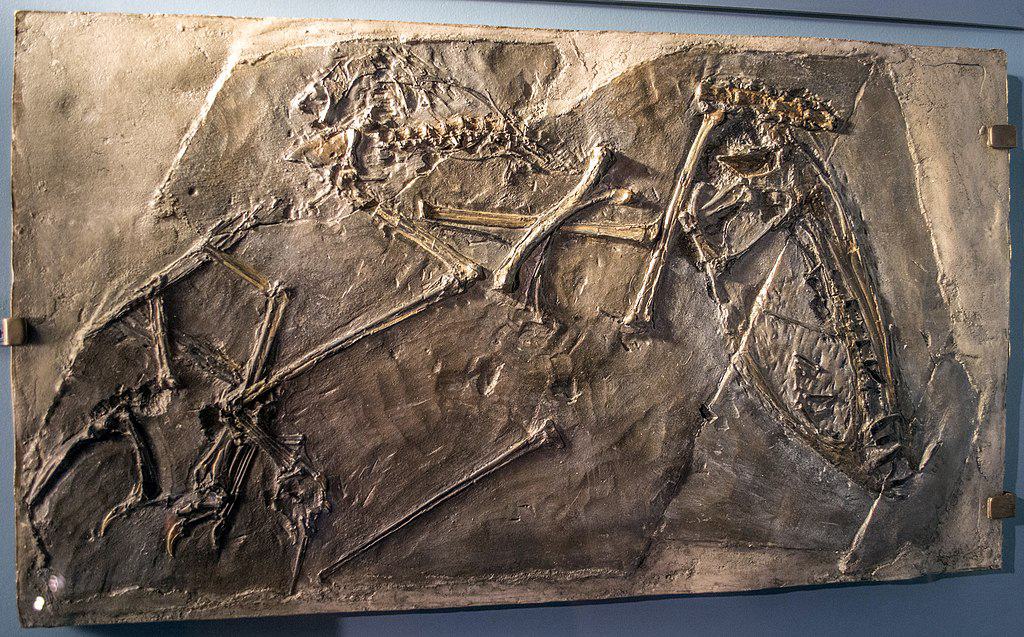
The Mesozoic Era presented environmental conditions markedly different from those we know today. Atmospheric oxygen levels fluctuated between 10% and 30% (compared to our current 21%), while carbon dioxide concentrations were significantly higher—at times reaching five times present levels. This created a generally warmer, more humid global climate with no polar ice caps. The continents were arranged differently, initially forming the supercontinent Pangaea before gradually drifting apart.
Plants were predominantly gymnosperms like conifers and cycads, with flowering plants only appearing late in the Cretaceous period. These fundamental environmental differences would pose immediate challenges for modern animals, affecting everything from respiratory efficiency to habitat availability and food resources. Many contemporary species have evolved precise adaptations to current conditions that might become disadvantages in the Mesozoic world.
Respiratory Challenges: Breathing Mesozoic Air

The Mesozoic atmosphere’s different composition would significantly impact modern animals’ respiratory functions. During the Triassic period (252-201 million years ago), oxygen levels dropped to as low as 10-15%, which would severely stress many modern mammals and birds that have evolved with higher oxygen requirements. Mammals like humans, dogs, and horses would likely experience symptoms similar to high-altitude sickness.
Conversely, the Jurassic and Cretaceous periods saw oxygen levels climb to 25-30%, which could potentially benefit some species but might prove toxic to others. Animals with simple respiratory systems like amphibians might adapt more readily to these fluctuations, while insects—which absorb oxygen directly through their exoskeletons—might thrive in oxygen-rich periods, potentially growing to larger sizes as their Carboniferous ancestors did. Marine mammals would face additional challenges due to different dissolved oxygen levels in Mesozoic oceans, potentially limiting their diving capabilities.
Predator-Prey Dynamics: New Rules of Engagement

The introduction of modern animals into dinosaur ecosystems would dramatically reshape predator-prey relationships. Large terrestrial mammals like elephants, rhinos, and hippos—while impressive by today’s standards—would suddenly find themselves in ecosystems dominated by much larger predators. A Tyrannosaurus rex, with its estimated bite force of 12,800 pounds, would easily overpower even the largest modern land mammals.
Modern predators would face even greater challenges; lions and tigers, supreme hunters in today’s world, would likely become mid-tier predators or even prey items in Mesozoic food chains. Smaller mammals and birds might fare better by exploiting ecological niches unavailable to larger dinosaurs, similar to how Mesozoic mammals survived as small, nocturnal creatures. Animals with defensive adaptations like porcupines, skunks, or venomous species might retain some protection against dinosaur predators, though these defenses evolved against mammalian threats and might prove less effective against reptilian physiology and sensory systems.
Competitive Advantages: Modern Animals’ Edge
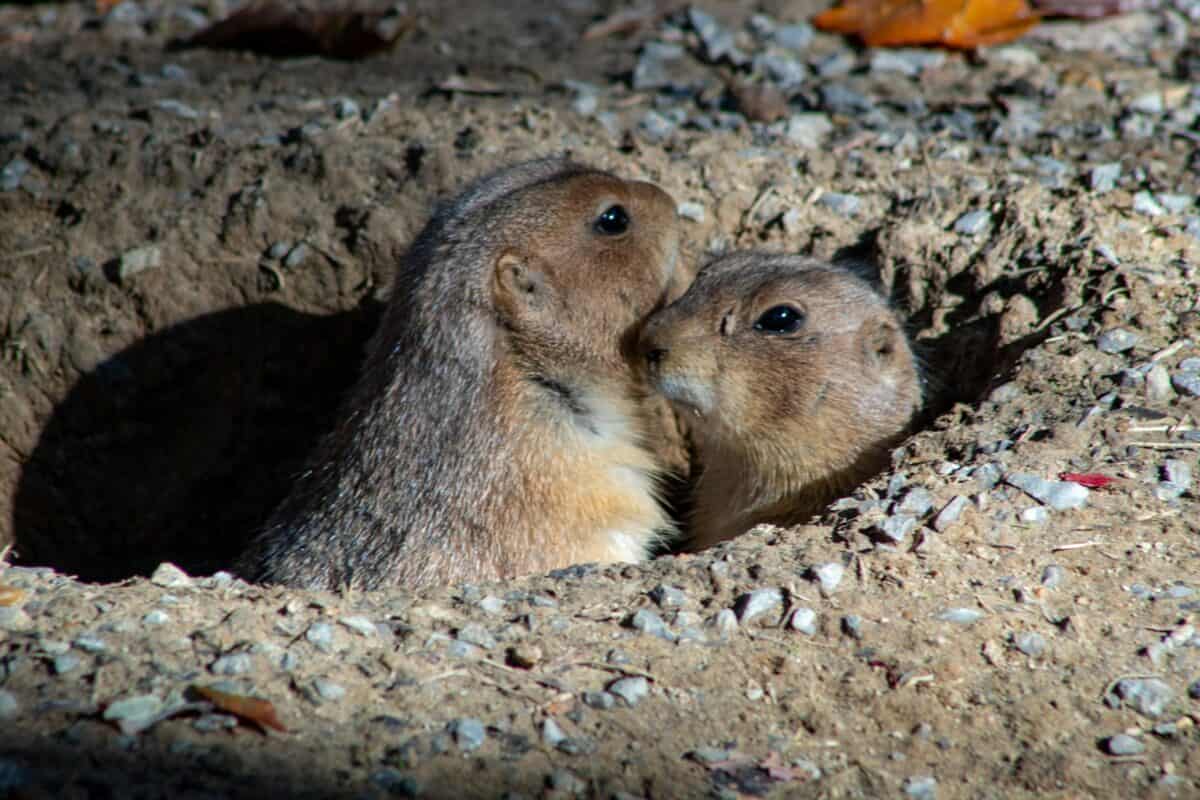
Despite the challenges, modern animals possess several adaptations that might provide competitive advantages in Mesozoic ecosystems. The most significant advantage might be intelligence—mammals and birds generally have larger brain-to-body ratios than most dinosaurs did, potentially allowing for more complex problem-solving and adaptive behaviors. Social cooperation, seen in species like wolves, elephants, and many primates, could provide critical survival advantages.
Endothermy (warm-bloodedness) might also prove beneficial, especially during cooler periods or at night, allowing sustained activity when many dinosaurs would become less active. Modern mammals’ and birds’ diverse locomotion methods—from the burrowing of prairie dogs to the gliding of flying squirrels—might open ecological niches unavailable to many dinosaur species. Additionally, the higher metabolic efficiency of some modern animals could provide advantages in resource competition, though this would come at the cost of increased caloric needs in an unfamiliar ecosystem.
Mammals: From Underdogs to Competitors

Mammals actually coexisted with dinosaurs throughout the Mesozoic Era, though primarily as small, shrew-like creatures rarely exceeding the size of a modern house cat. If today’s diverse mammalian fauna were transported back, they would face varying prospects. Large herbivores like elephants, while potentially vulnerable to predation, possess intelligence, social structures, and physical strength that might allow them to establish viable populations. Their reproductive strategy—fewer offspring with longer parental care—could prove disadvantageous initially but might yield more adaptable offspring in the long term.
Small mammals like rodents would likely thrive much as their ancestors did, exploiting microhabitats and food sources inaccessible to larger dinosaurs. Bats, with their unique flight capabilities and echolocation, would occupy ecological niches distinct from pterosaurs and early birds. Interestingly, semi-aquatic mammals like beavers and otters might find relatively untapped niches, as few dinosaurs specialized in such lifestyles. Primates, with their grasping hands and arboreal adaptations, might establish themselves in the emerging forests of the late Cretaceous.
Birds: The Dinosaurs That Survived
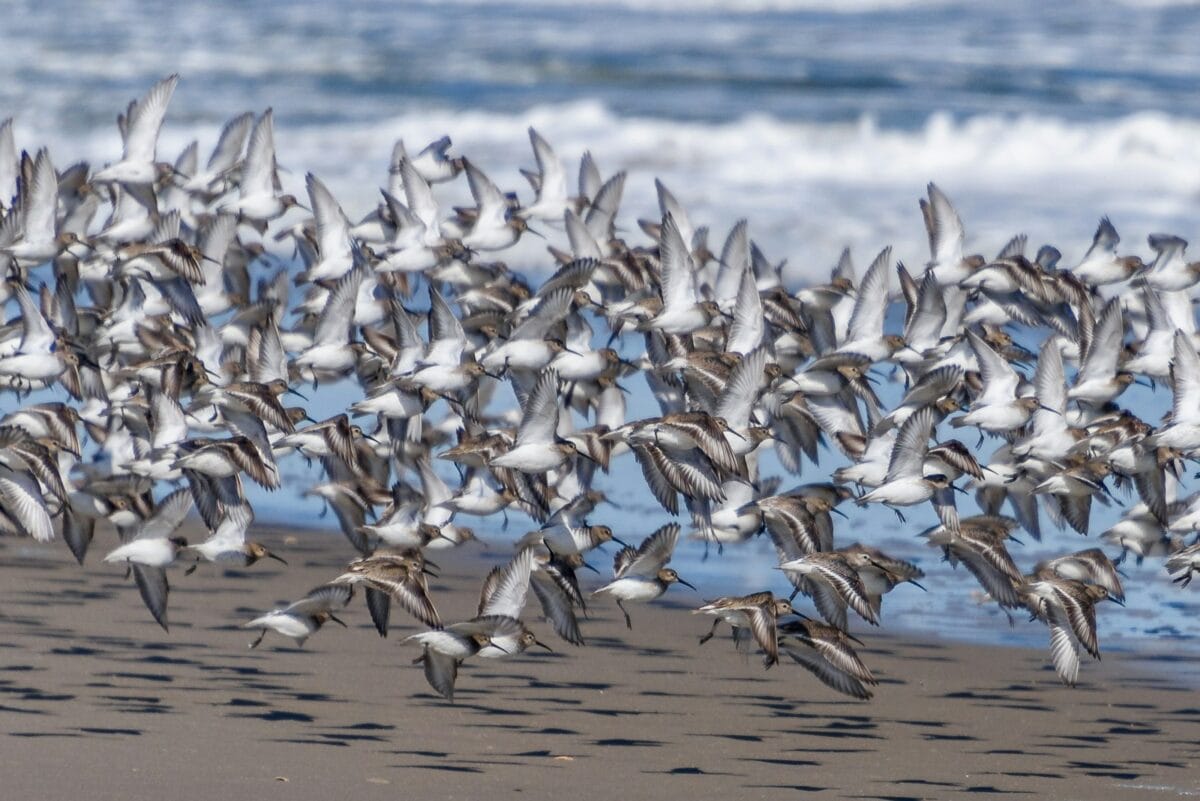
Birds represent a special case in this thought experiment, as they are technically living dinosaurs—the only surviving lineage of the theropod dinosaurs. Modern birds began diverging from their dinosaur ancestors during the Jurassic period, with true modern birds appearing in the late Cretaceous. Their introduction to earlier Mesozoic environments would essentially accelerate their evolutionary timeline. Flying birds would compete with pterosaurs but would likely carve out distinct niches due to their different flight mechanics and metabolic needs.
The highly specialized beaks of modern birds, adapted for everything from cracking seeds to filtering plankton, might provide competitive advantages over more generalized Mesozoic counterparts. Flightless birds like ostriches would face significant predation pressure but might survive in specific environments through speed and vigilance. Perhaps most interestingly, the advanced parental care observed in modern birds might provide significant advantages for offspring survival compared to many dinosaur species’ reproductive strategies, potentially allowing modern birds to establish viable populations despite competition from their evolutionary predecessors.
Reptiles and Amphibians: Returning to Dominance
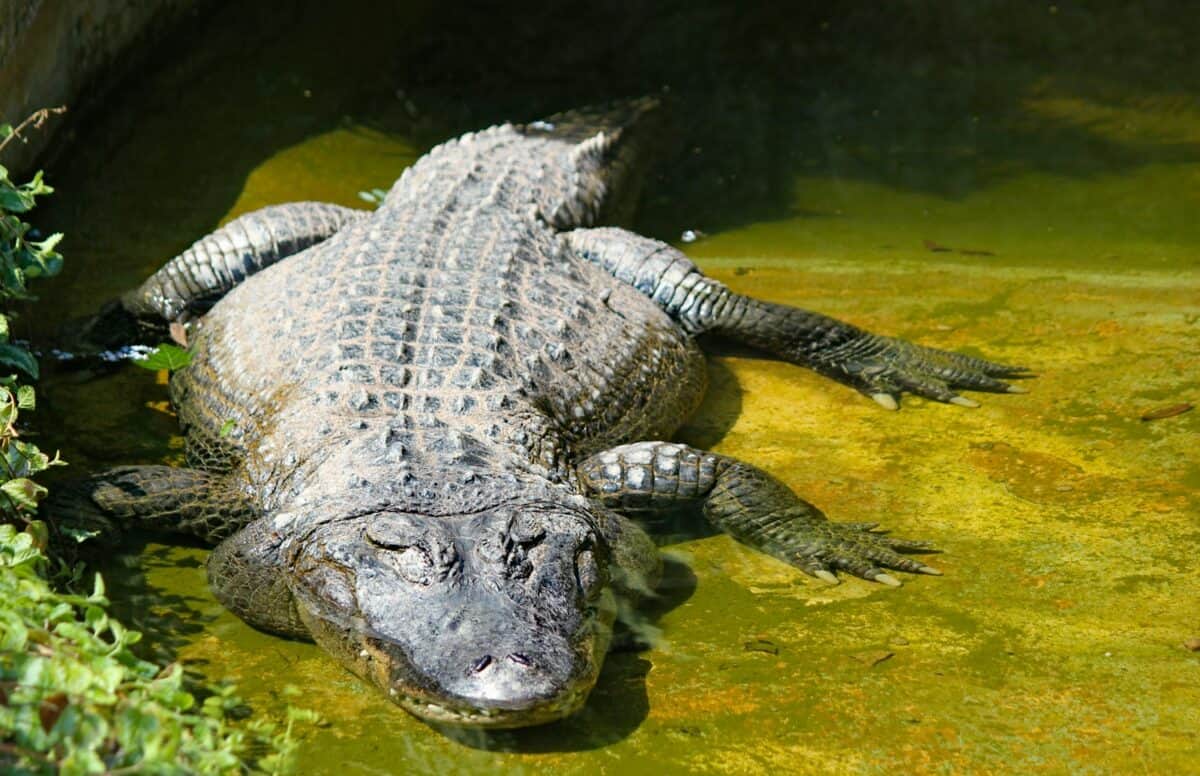
Modern reptiles and amphibians might adapt more readily to Mesozoic conditions than mammals and birds, given their closer physiological relationship to the era’s dominant fauna. Crocodilians, having changed relatively little since the Mesozoic, would essentially be returning to ecosystems they were already adapted to navigate, though they would face competition from similar niches already occupied by their ancient relatives. Snakes, which evolved during the Cretaceous period, might find themselves introduced to ecosystems before their evolutionary emergence, potentially thriving due to their unique locomotion and predation methods.
Lizards would face competition from small dinosaurs but might exploit specific microhabitats successfully. Amphibians would likely fare well in the humid, warm conditions prevalent throughout much of the Mesozoic, though they would need to adapt to different freshwater ecosystem dynamics and novel predator threats. Turtles, which have existed since the Triassic period, would essentially be returning to familiar territory, though modern species would encounter different marine predators and terrestrial challenges than their ancestors faced.
Marine Mammals: Challenging the Sea Monsters
The Mesozoic oceans presented a dramatically different setting than today’s seas, dominated by fearsome marine reptiles rather than mammals. Modern cetaceans (whales and dolphins) would find themselves competing with mosasaurs, plesiosaurs, and ichthyosaurs—formidable predators that occupied similar ecological niches. The largest modern whales exceed any known Mesozoic marine predator in size, potentially providing protection from predation as adults, though their calves would remain vulnerable.
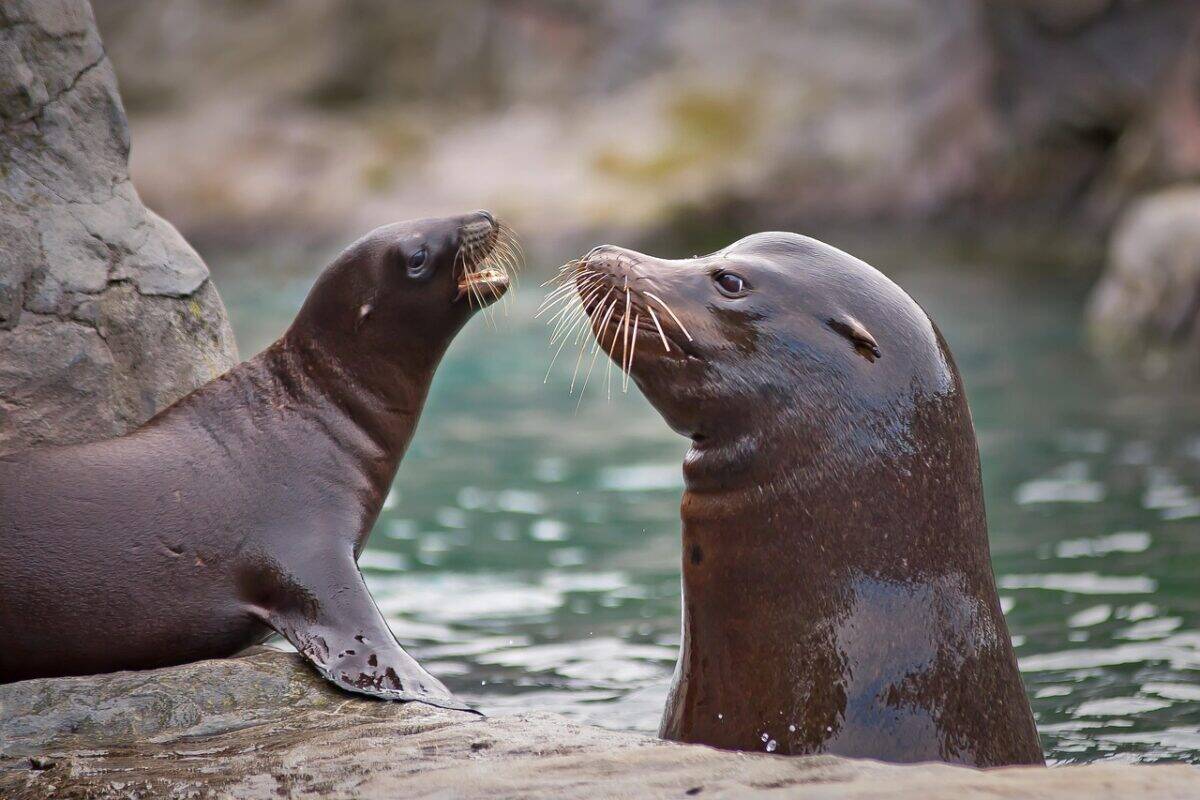
Marine mammals’ intelligence, social structures, and echolocation capabilities might provide competitive advantages, though they evolved these traits in the absence of Mesozoic marine reptiles. Pinnipeds (seals and sea lions) would face significant challenges, particularly when hauling out on land where they would be vulnerable to terrestrial dinosaur predators. The different oxygen content and temperature profiles of Mesozoic oceans might also affect diving capabilities and metabolic functions of marine mammals, potentially limiting their competitive abilities until they adapted to these new conditions. The question remains whether marine mammals’ sophisticated social behaviors and higher intelligence would compensate for competing with predators specifically evolved for Mesozoic marine conditions.
Insects and Invertebrates: The Resilient Survivors

Insects and other invertebrates might be among the most successful modern animals if transported to the Mesozoic. Many insect groups were already established by the early Mesozoic, though modern species have evolved specific adaptations since then. The higher oxygen levels during parts of the Mesozoic might allow insects to grow larger, similar to the giant insects of the Carboniferous period. Social insects like ants and bees might find particular success, as their colonies could rapidly adapt to new conditions through collective behavior and high reproductive rates.
Pollinators would face initial challenges in the pre-angiosperm (flowering plant) eras but might help accelerate the spread of early flowering plants when they appeared in the Cretaceous. Aquatic invertebrates would encounter different predation pressures and water chemistry conditions but would likely adapt quickly due to their typically short generation times. Perhaps most significantly, the high reproductive rates and adaptive potential of most invertebrates would allow them to evolve in response to Mesozoic conditions much more rapidly than vertebrates, potentially leading to successful integration into ancient ecosystems within relatively few generations.
Dietary Challenges: Finding Food in an Alien Ecosystem

Modern animals transported to the Mesozoic would face significant dietary challenges. Plant-eating species would encounter unfamiliar flora with different nutritional profiles and potential toxins. Flowering plants (angiosperms), which many modern herbivores depend on, only appeared during the Cretaceous period and were not yet dominant. Grazers like horses, zebras, and cattle would struggle in a world dominated by conifers, cycads, ferns, and horsetails rather than grasses (which evolved much later). Browsers like giraffes might adapt more readily to consuming gymnosperm vegetation.
Specialized herbivores such as koalas or pandas would face near-certain extinction unless they could rapidly adapt their highly specialized diets. Carnivores would find familiar prey if modern herbivores were also transported back, but competing with dinosaur predators would prove challenging. Insectivores might fare better, as insect populations were already diverse, though different from today’s. Omnivores and dietary generalists like bears, raccoons, and many primates would likely have the best chances of finding adequate nutrition in Mesozoic ecosystems, as their dietary flexibility would allow them to exploit whatever resources were available while adapting to the unfamiliar food web.
Climate Adaptation: Surviving in Greenhouse Earth

The Mesozoic climate was generally warmer and more humid than today’s world, with global average temperatures estimated at 6-8°C higher than present. Polar regions had no permanent ice caps and supported temperate forests rather than tundra. Modern animals adapted to cold environments—like polar bears, penguins, or Arctic foxes—would struggle significantly in this warmer world, likely retreating to higher elevations or the relatively cooler polar regions. Conversely, animals adapted to tropical conditions might thrive in the expanded warm zones of Mesozoic Earth.
Seasonal adaptations would need to shift, as seasons were less pronounced in the greenhouse climate of the dinosaur era. The higher humidity would benefit amphibians but might stress animals adapted to arid conditions. Dramatic climate events punctuated the Mesozoic, including oceanic anoxic events and the massive volcanic eruptions of the Central Atlantic Magmatic Province, which would pose additional survival challenges. Animals with greater physiological tolerance ranges and behavioral adaptability would have the best chances of navigating these unfamiliar climate conditions, while highly specialized species adapted to specific modern biomes might struggle to find suitable habitats.
Conclusion: Who Would Thrive, Who Would Survive, and Who Would Perish

If modern animals were transported to the Age of Dinosaurs, we would likely witness a complex reshuffling of ecological relationships rather than a simple success or failure scenario. The most adaptable generalists—such as rats, raccoons, crows, cockroaches, and similar opportunistic species—would probably fare best, utilizing their behavioral flexibility to find niches in the unfamiliar ecosystem. Animals with rapid reproduction rates would have evolutionary advantages, potentially adapting to Mesozoic conditions within relatively few generations.
Many specialized modern animals would likely face extinction unless their particular specialization happened to match an available Mesozoic niche. The introduction would create a fascinating evolutionary experiment, as modern animals with 66 million years of post-dinosaur adaptations competed against species specifically evolved for Mesozoic conditions. While this thought experiment remains firmly in the realm of speculation, it highlights the remarkable adaptive capacity of animal life and the intricate connections between species and their environments across deep time.

From exploring the marine wonders in the Azores and witnessing the vast savannas of Kenya, to delving deep into the rich biodiversity of South Africa and traversing iconic landscapes in Australia and the US like Yellowstone, Chris's experiences are vast.
With a penchant for diving alongside sharks, the ocean holds a special place in his heart.
Through his academic insights, he champions wildlife conservation, striving with 'Animals Around The Globe' to cultivate a profound connection between humans and animals, enhancing our mutual appreciation.
Connect with him at Feedback@animalsaroundtheglobe.com.
- Was A New Species of Wolf Was Just Found in Texas? - July 13, 2026
- Spinosaurus Was the First Dinosaur That Loved Water - July 13, 2026
- Bison, Bald Eagles, and Wolves—How These Species Are Making a Comeback - July 13, 2026