


In the shadowy depths of tropical forests, a peculiar behavior unfolds under the cover of darkness. Certain moths, equipped with specialized mouthparts and driven by an unusual dietary need, seek out the tears of sleeping animals and humans. These lachryphagous (tear-feeding) insects have developed remarkable adaptations to consume the nutrient-rich fluid that moistens our eyes. While the concept may sound like something from a horror story, it represents a fascinating evolutionary strategy that has allowed these insects to thrive in their ecological niches. Let’s explore the extraordinary world of tear-drinking moths and their unusual feeding habits.
The Moths That Feast on Tears
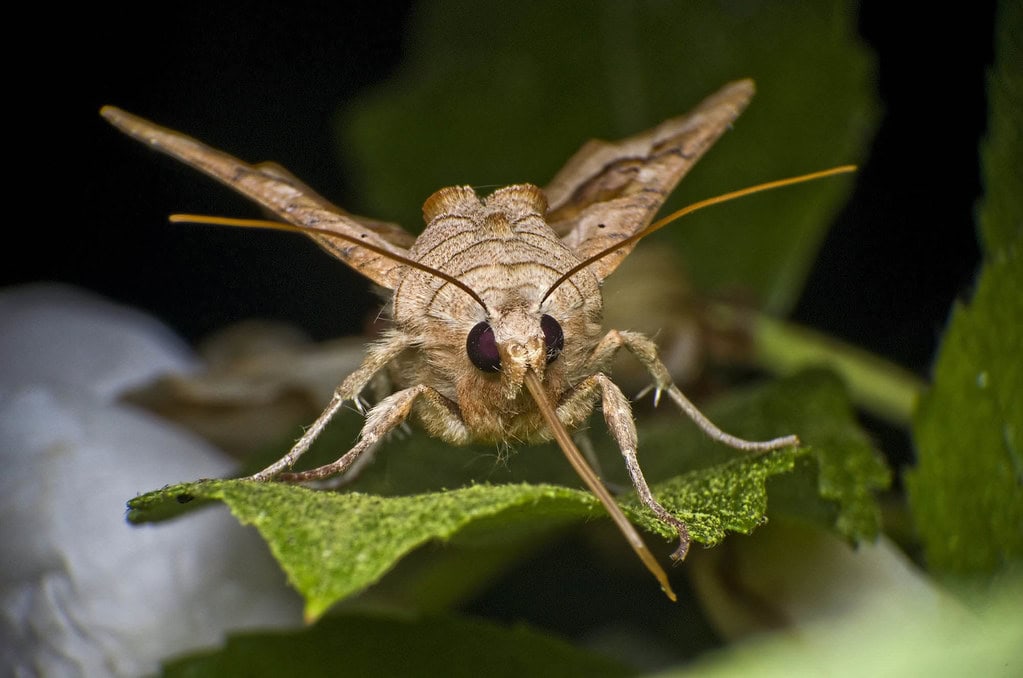
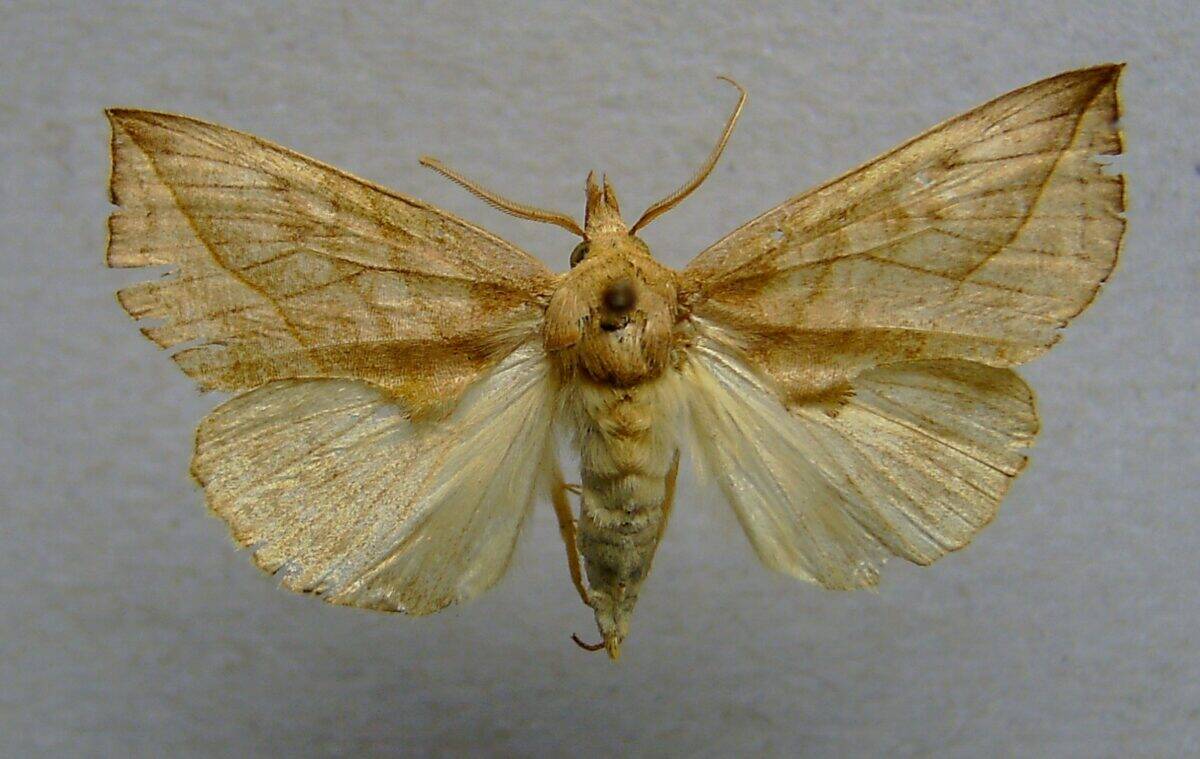
The primary tear-drinking insects belong to the moth family Erebidae, particularly those in the subfamily Calpinae. The most well-documented tear-drinkers include species like Lobocraspis griseifusa and moths from the genus Hemiceratoides.
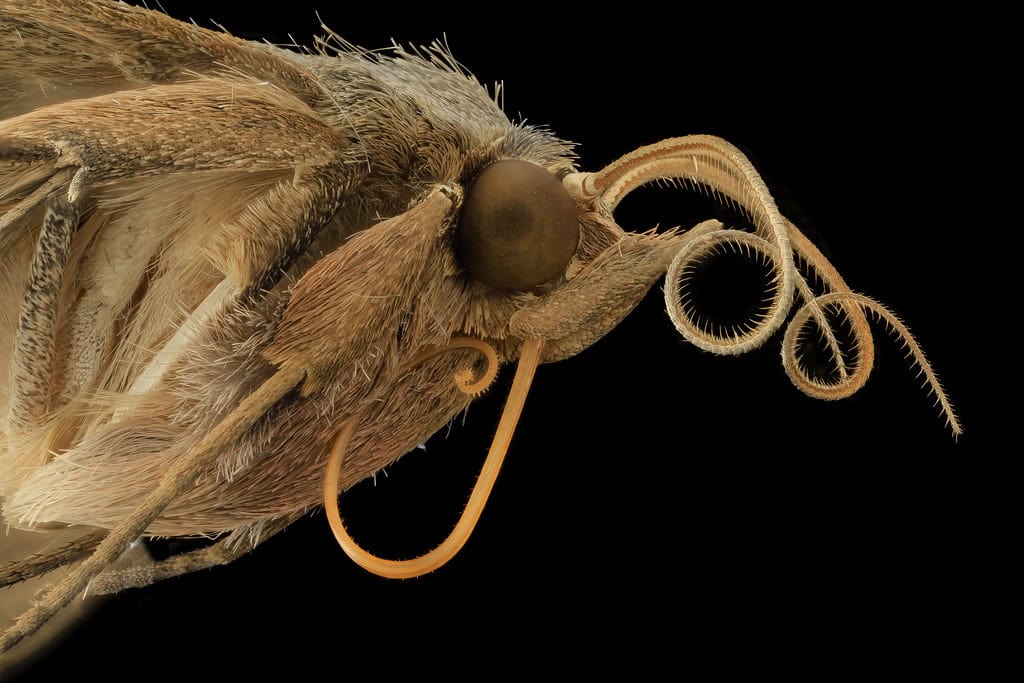
These nocturnal lepidopterans have evolved specialized proboscises (tube-like mouthparts) that allow them to extract tears from the eyes of hosts without causing pain or waking them. Unlike their nectar-feeding relatives whose proboscises are soft and flexible, tear-drinking moths have developed harder, more robust feeding apparatus with tiny barbs and hooks that help them maintain position on the eye surface of their hosts while feeding.
Why Tears? The Nutritional Benefits
Tears might seem like an unusual food source, but they’re actually packed with valuable nutrients that these moths crave. Lacrimal fluid contains proteins, electrolytes (particularly sodium and potassium), glucose, and various amino acids that are otherwise difficult for the moths to obtain in their environment.
The sodium content is especially important, as this mineral is often scarce in the tropical forests where these moths typically live. Plants contain very little sodium, so herbivorous insects must find alternative sources. By specializing in tear-feeding, these moths have tapped into a reliable supply of this essential nutrient, giving them a competitive advantage in their ecosystem.
Geographic Distribution

Tear-drinking behavior has been primarily documented in tropical regions across multiple continents. The majority of observations come from Southeast Asia, particularly Thailand, Malaysia, and India, where several species of Calpinae moths regularly engage in this behavior. Similar tear-feeding insects have been recorded in tropical parts of Africa and South America, suggesting this adaptation has evolved independently in different regions where environmental conditions favor such specialized feeding strategies. The warm, humid conditions of these tropical forests provide ideal habitats for both the moths and their potential hosts, creating ecological circumstances where tear-feeding can flourish as a viable nutritional strategy.
Choosing Their Hosts
These remarkable moths don’t limit themselves to human tears, though encounters with humans have been well-documented. They typically feed on the tears of larger mammals and birds, with documented cases involving cattle, water buffalo, deer, elephants, and various bird species. The moths seem to prefer docile, sleeping hosts that won’t easily disturb their feeding.
They approach with remarkable stealth, landing gently on the face of their host and carefully positioning themselves near the eye. Some researchers have observed that certain species appear to have preferred host animals, suggesting a possible co-evolutionary relationship between specific moths and their regular tear donors.
The Feeding Process
The actual feeding behavior is a delicate operation that demonstrates the evolutionary refinement of these moths. Once landed near the eye of a sleeping host, the moth extends its specialized proboscis toward the tear duct or eye surface. Using its modified mouthparts, it stimulates tear production through gentle movements that don’t cause pain or irritation significant enough to wake the host.
The feeding sessions can last anywhere from a few minutes to nearly half an hour, during which the moth steadily consumes the tears produced. Most remarkable is the moth’s ability to maintain position without disturbing the host, a testament to millions of years of evolutionary adaptation that has fine-tuned this unusual feeding strategy.
Adaptations for Tear-Feeding

The tear-drinking adaptation goes beyond just specialized mouthparts. These moths have developed several features that make them effective at their unusual feeding niche. Their legs have adapted to grip smooth surfaces like the skin around eyes, and some species have developed sensory adaptations that help them locate suitable hosts in the darkness.
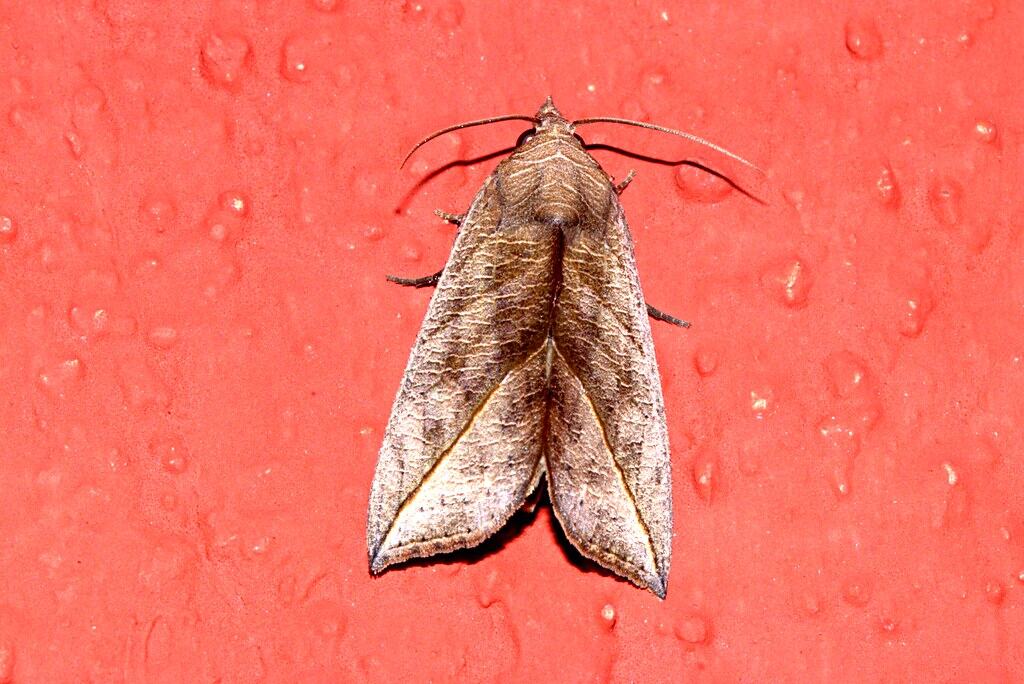
Their proboscises feature tiny serrations and hooks that help anchor them during feeding, and the tip is specially adapted to efficiently collect and channel the fluid. Additionally, these moths tend to be more muted in coloration than their flashier relatives, with grays and browns that help them remain inconspicuous while approaching potential hosts. These combined adaptations represent a remarkable example of evolutionary specialization.
Disease Transmission Concerns
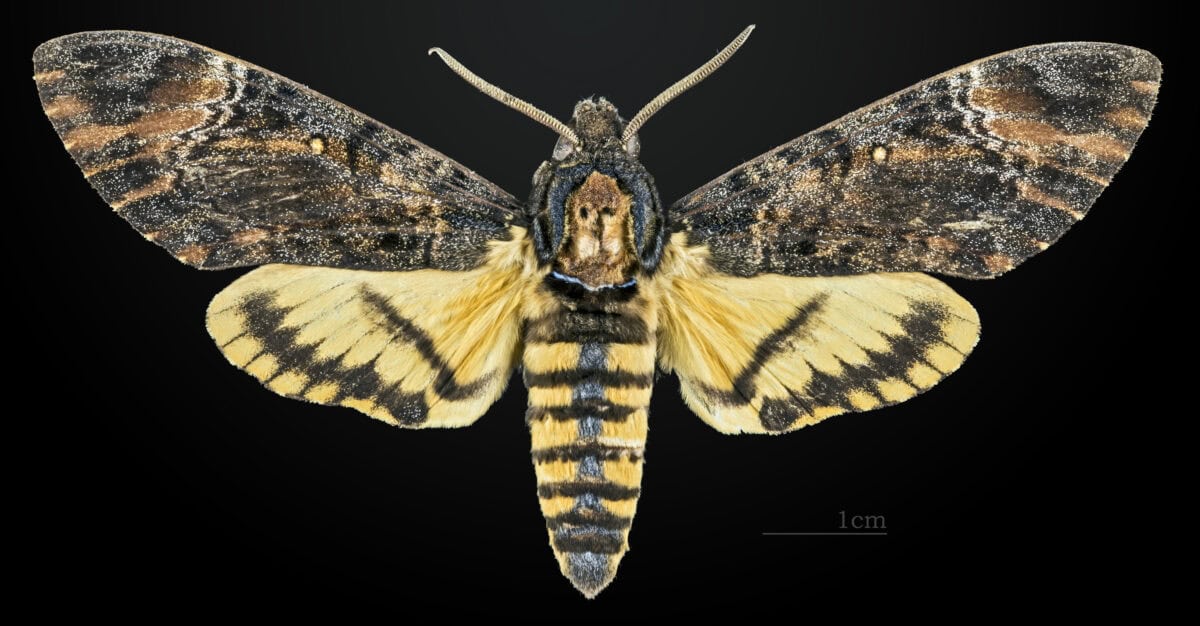
Whenever an organism feeds on body fluids from multiple hosts, concerns about disease transmission naturally arise. While tear-drinking moths haven’t been definitively linked to any major disease outbreaks, researchers have identified them as potential mechanical vectors for certain eye infections. As the moths move from one host to another, they could potentially transfer bacteria, viruses, or parasites present in the tears of an infected individual to a healthy one.
Studies have detected various microorganisms on the proboscises of captured specimens, suggesting that under certain circumstances, these moths could contribute to the spread of conjunctivitis or other eye infections. However, the overall public health impact appears to be minimal compared to other disease vectors like mosquitoes.
Beyond Moths: Other Tear-Drinking Insects

While moths are the most well-known tear-drinkers, they’re not alone in this unusual feeding behavior. Certain bee species, particularly in the genus Lisotrigona from Southeast Asia, have also been documented drinking tears from humans and animals. Like the moths, these “tear-drinking bees” are after the same nutritional benefits found in lacrimal fluid.
In some parts of Thailand, these bees have become notorious for their persistent attempts to drink human tears, sometimes causing minor irritation to people working outdoors. Additionally, some flies in the family Chloropidae (known as eye gnats or eye flies) are attracted to eye secretions, though their approach is generally more irritating to hosts than the stealthier moths.
Cultural Significance and Folklore
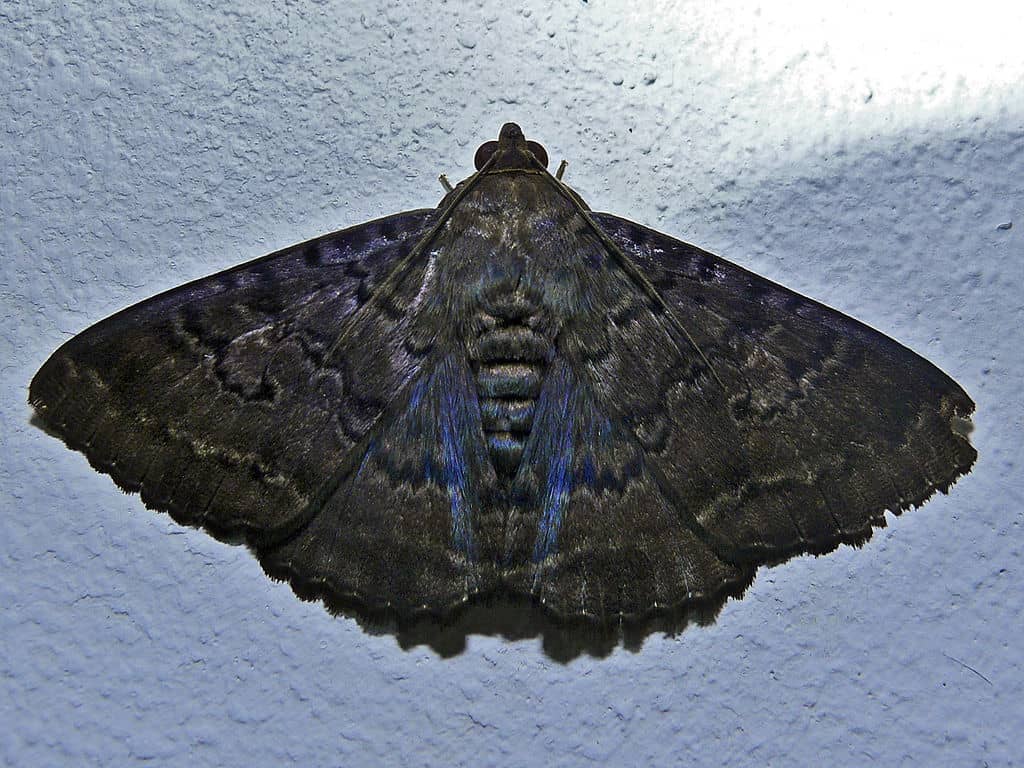
The unusual behavior of tear-drinking insects has not gone unnoticed in human cultures where these creatures are common. In parts of Southeast Asia, various superstitions and folklore have developed around these moths. In some Thai traditions, the appearance of a tear-drinking moth is considered an omen related to emotional matters, possibly because of the association with tears.
Some indigenous communities in regions where these moths are prevalent have incorporated them into traditional stories explaining human emotions or as spiritual messengers. While scientific understanding has replaced many of these beliefs, the cultural significance of these unusual insects highlights how their distinctive behavior has captured human imagination throughout history.
Scientific Research and Discoveries
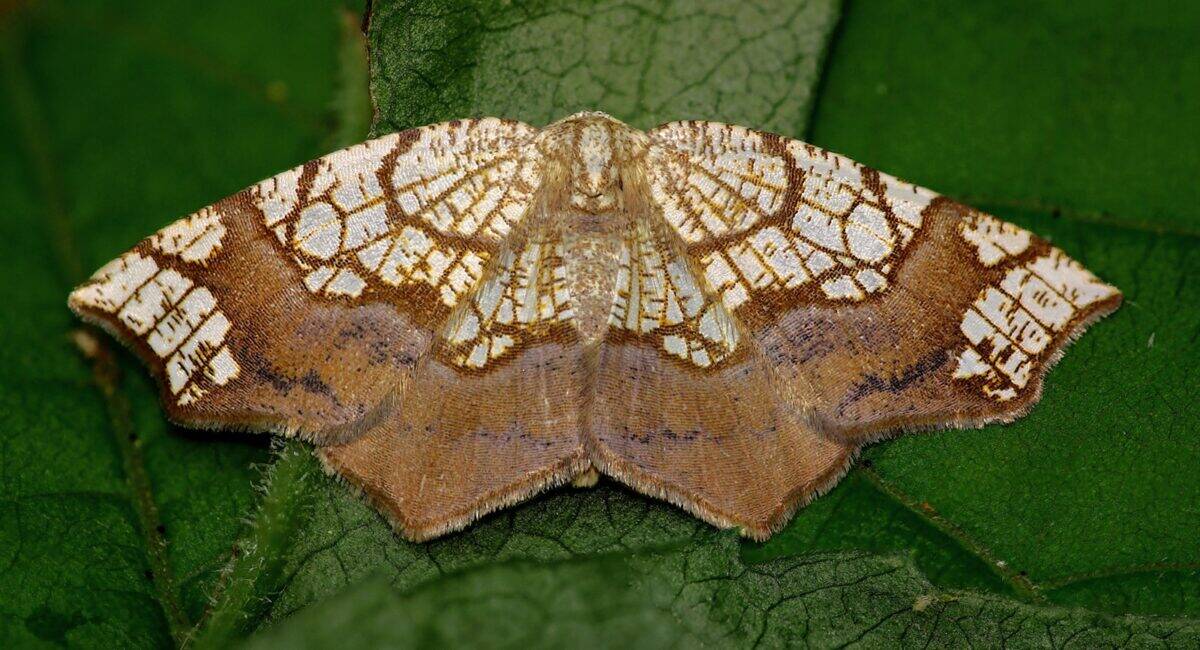
Scientific interest in lachryphagous insects has grown substantially in recent decades. Researchers like Dr. Hans Bänziger, who conducted extensive field studies in Thailand during the 1980s and 1990s, have documented numerous aspects of tear-feeding behavior, including host preferences, feeding duration, and the specific moth species involved.
More recent research has focused on the biochemical properties of the moths’ proboscises and how they interact with tear fluid without triggering defensive responses from hosts. Genetic studies are helping scientists understand the evolutionary pathways that led to this specialized feeding behavior, while ecological research examines how these moths fit into their broader ecosystems. Each new study provides further insights into this fascinating example of evolutionary specialization.
Human Encounters
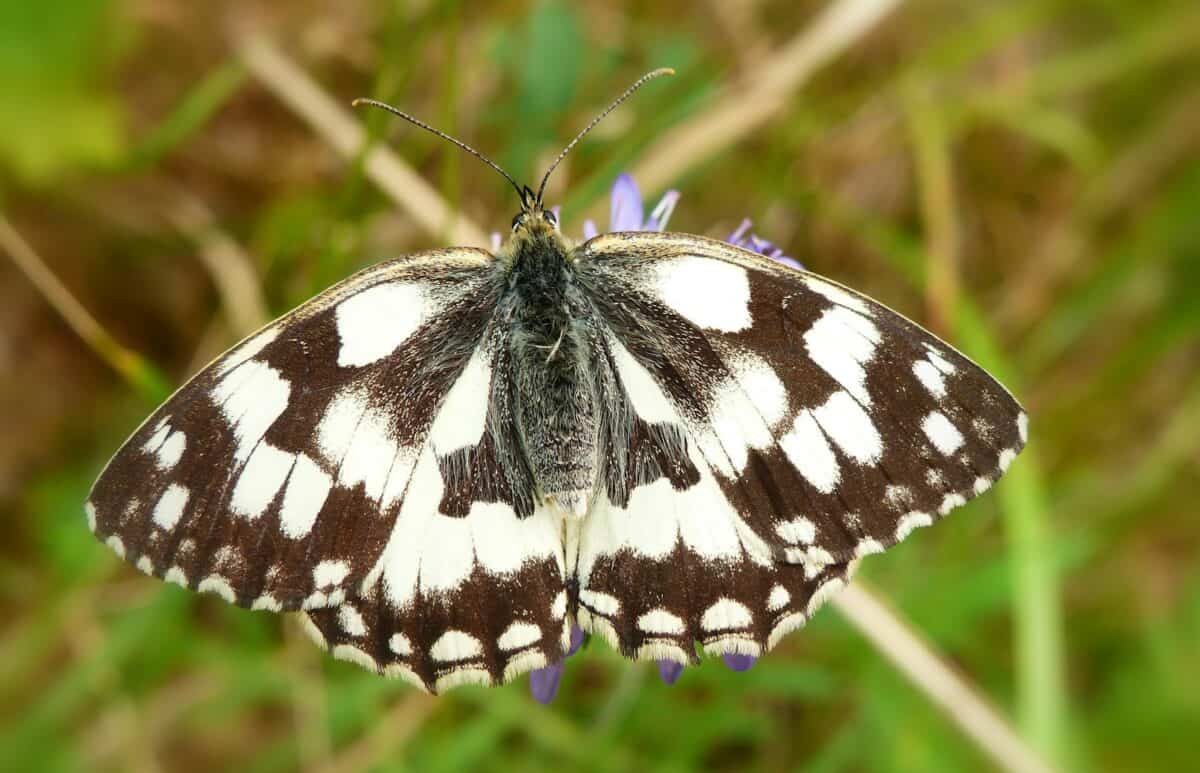
Human encounters with tear-drinking moths typically occur in rural areas within the insects’ native ranges, particularly among people who sleep outdoors or in open-air dwellings. Most people describe the experience as unusual rather than painful – often feeling a slight tickling sensation near the eye that might wake them. In most cases, the moth simply flies away when disturbed.
Medical reports of complications from these encounters are extremely rare, generally limited to mild, temporary irritation. For travelers visiting regions where these moths are common, sleeping with a mosquito net provides effective protection. Despite their somewhat unsettling feeding habits, tear-drinking moths pose very little threat to human health and generally avoid confrontation when detected.
Conservation Status

Despite their fascinating adaptations, relatively little is known about the conservation status of most tear-drinking moth species. Like many insects worldwide, they likely face threats from habitat destruction as tropical forests are cleared for agriculture and development. Climate change may also impact their populations by altering the distribution of host species or changing environmental conditions in their native ranges.
The specialized nature of their feeding behavior potentially makes them more vulnerable to ecological disruptions than generalist species. However, the same specialization that puts them at risk also makes them valuable subjects for conservation research, as they represent unique evolutionary adaptations that once lost, cannot be easily recovered. More research is needed to understand population trends and develop appropriate conservation strategies for these unusual insects.
Conclusion

The tear-drinking moths represent one of nature’s most remarkable examples of specialized feeding adaptation, demonstrating how evolution can produce extraordinary solutions to nutritional challenges. Their ability to extract essential nutrients from the tears of sleeping hosts without causing significant disturbance highlights the incredible precision that can develop through natural selection over millions of years.
While their behavior might seem unsettling from a human perspective, it represents a fascinating ecological strategy that has allowed these insects to carve out a unique niche in tropical ecosystems. As we continue to study these remarkable creatures, they remind us that the natural world is filled with unexpected wonders that challenge our understanding and expand our appreciation for the diverse ways life has adapted to thrive on our planet.

From exploring the marine wonders in the Azores and witnessing the vast savannas of Kenya, to delving deep into the rich biodiversity of South Africa and traversing iconic landscapes in Australia and the US like Yellowstone, Chris's experiences are vast.
With a penchant for diving alongside sharks, the ocean holds a special place in his heart.
Through his academic insights, he champions wildlife conservation, striving with 'Animals Around The Globe' to cultivate a profound connection between humans and animals, enhancing our mutual appreciation.
Connect with him at Feedback@animalsaroundtheglobe.com.
- Why Spiders Don’t Get Stuck in Their Own Webs - July 20, 2026
- What Scientists Found in a 10,000-Year-Old Beehive - July 20, 2026
- This Spider Builds Fake Decoys of Itself - July 20, 2026