


For decades, conservationists have championed rewilding—the reintroduction of apex predators to ecosystems where they once thrived—as a vital strategy for restoring ecological balance. The success stories are compelling: wolves returning to Yellowstone transformed river systems; sea otters protecting kelp forests from sea urchins; and large cats stabilizing herbivore populations across continents. Yet beneath these triumphant narratives lies a complex web of ecological, social, and ethical challenges that make predator reintroduction far more complicated than it initially appears. This intricate balancing act requires navigating scientific uncertainties, human-wildlife conflicts, and shifting baselines of what constitutes a “natural” ecosystem. As we’ll explore, rewilding predators demands nuanced approaches that account for both ecosystem functions and human dimensions—making it one of conservation’s most challenging frontiers.
The Ecological Ripple Effects of Apex Predators

When apex predators return to ecosystems, they trigger trophic cascades—chains of ecological interactions that ripple throughout entire food webs. The reintroduction of wolves to Yellowstone National Park in 1995 stands as perhaps the most celebrated example. As wolves reduced elk populations and altered their behavior, previously overbrowsed vegetation recovered. Aspen, willow, and cottonwood flourished, stabilizing riverbanks and creating habitat for beavers, which further transformed waterways. Bird diversity increased, and even river patterns changed—a phenomenon ecologists call “ecology of fear,” where prey species modify their behavior to avoid predation.
However, these cascading effects aren’t always predictable or universally beneficial. In some ecosystems, reintroduced predators may unexpectedly target endangered species rather than overabundant prey. The complexity of food webs means that removing one pressure point often creates another. For example, when sea otters were reintroduced along the Pacific Northwest coast, they controlled sea urchin populations that were devastating kelp forests—but this also affected indigenous communities that had traditionally harvested urchins. Each ecosystem has unique dynamics shaped by millions of years of coevolution, making it difficult to predict exactly how the reintroduction of a predator will reshape the environment.
The Human Dimension: Conflict and Coexistence
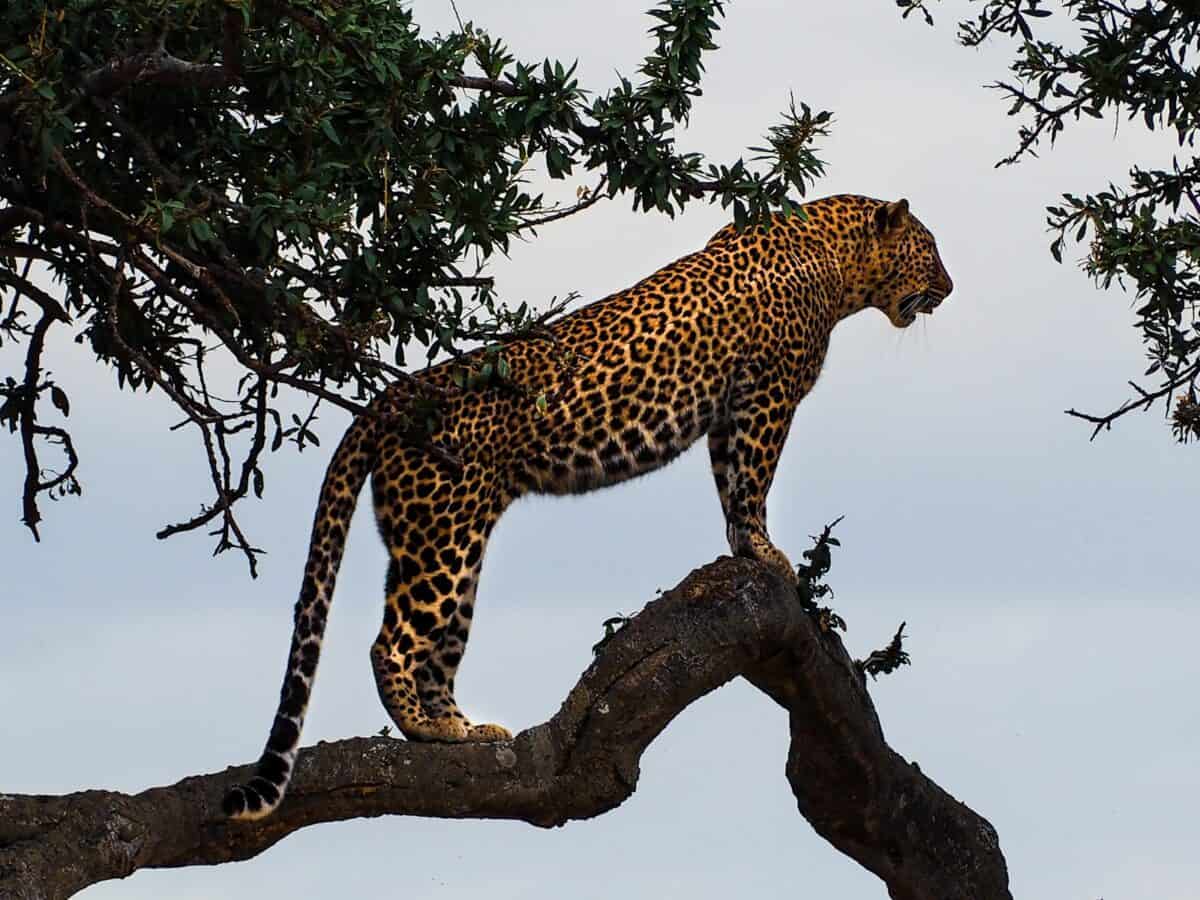
Perhaps the most significant complication in predator rewilding stems not from ecological considerations but from human perspectives. Unlike remote wilderness areas, most landscapes today exist in a human-modified context where people’s livelihoods depend on the land. Livestock producers face real economic threats from predators like wolves, bears, and big cats. A single wolf pack can cause significant financial losses to ranchers; bears can destroy beehives vital to both honey producers and agricultural pollination; and big cats occasionally prey on domestic animals.
These conflicts aren’t merely economic—they’re deeply cultural. Many rural communities have developed identities around predator-free landscapes over generations. The reintroduction of predators can feel like an urban imposition on rural ways of life, creating resentment and resistance. Successful rewilding requires more than just biological considerations; it demands community engagement, compensation programs for livestock losses, and adaptive management approaches that acknowledge and address human concerns. Without social acceptance, even biologically successful reintroductions may fail due to illegal killing of predators or political backlash.
Genetic Considerations and Population Viability
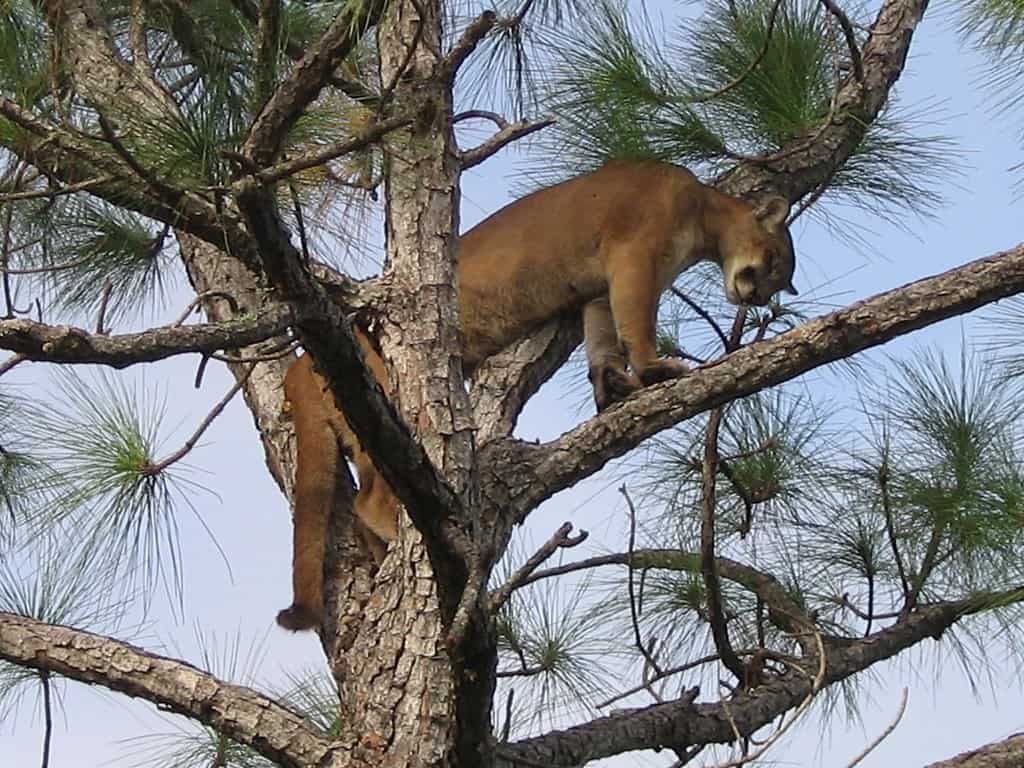
The genetic health of reintroduced predator populations presents another layer of complexity. Many predator species experienced severe genetic bottlenecks during their decline, and reintroduction efforts often begin with a small founder population. Florida panthers, for instance, suffered from genetic abnormalities caused by inbreeding until the introduction of Texas cougars provided genetic rescue. Similarly, many wolf reintroductions worldwide struggle with questions of genetic diversity—too little diversity threatens long-term viability, while introducing animals from distant populations risks disrupting local adaptations.
Conservation biologists must carefully consider source populations for rewilding efforts, balancing genetic diversity against adaptations to local conditions. They must also determine what constitutes a viable population size—large enough to maintain genetic diversity but not so large that human conflicts become unmanageable. In fragmented landscapes, connectivity between subpopulations becomes crucial for genetic exchange, requiring wildlife corridors that cross human-dominated landscapes. These genetic considerations highlight how rewilding isn’t simply about releasing animals but about establishing self-sustaining populations that can evolve and adapt over generations.
Shifting Baselines: What is “Natural”?

One of the most profound philosophical challenges in predator rewilding concerns the concept of ecological baselines. When conservationists aim to restore ecosystems to their “natural” state, they must answer a deceptively simple question: natural compared to when? Ecosystems have never been static—they’ve continuously evolved through climate shifts, species migrations, and natural disturbances long before human influence. The concept of “shifting baselines” describes how each generation perceives the ecosystem they first encountered as “natural,” regardless of how altered it already was.
This temporal ambiguity forces difficult questions about rewilding goals. Should we aim to restore predator populations to pre-European settlement levels? Pre-human levels? Or should we focus on ecological functions rather than historical composition? Some ecosystems have changed so fundamentally that exact historical restoration is impossible. In North America, for instance, the extinction of megafauna like dire wolves and saber-toothed cats means that modern wolf populations play ecological roles somewhat different from prehistoric times. Conservation scientists increasingly recognize that rewilding should focus less on recreating the past and more on establishing resilient, functional ecosystems for the future—what some call “novel ecosystems” that may include different combinations of species than existed historically.
Legal and Political Battlegrounds

Predator reintroduction inevitably unfolds within complex legal and political frameworks that can be as challenging as the ecological hurdles. The Endangered Species Act in the United States, the Habitats Directive in Europe, and similar legislation worldwide create legal obligations to protect predators once reintroduced. However, these protections often become flashpoints for political conflict. The legal battles over wolf management in the United States exemplify this challenge, with wolves repeatedly being listed, delisted, and relisted as endangered as different political administrations and court rulings reshape policy.
These legal frameworks also create jurisdictional complications. Predators don’t recognize political boundaries, often moving between protected and unprotected areas or crossing international borders. A wolf pack might be fully protected in one state or country and subject to hunting in another. This patchwork of regulations creates management inconsistencies that undermine conservation goals. Additionally, legal protections sometimes lack flexibility for adaptive management, creating situations where rigid regulations prevent practical solutions to emerging problems. Successful rewilding requires navigating these legal labyrinths while building political consensus across jurisdictional boundaries—a challenge that often proves more difficult than the biological aspects of reintroduction.
Ecological Surprises and Unintended Consequences
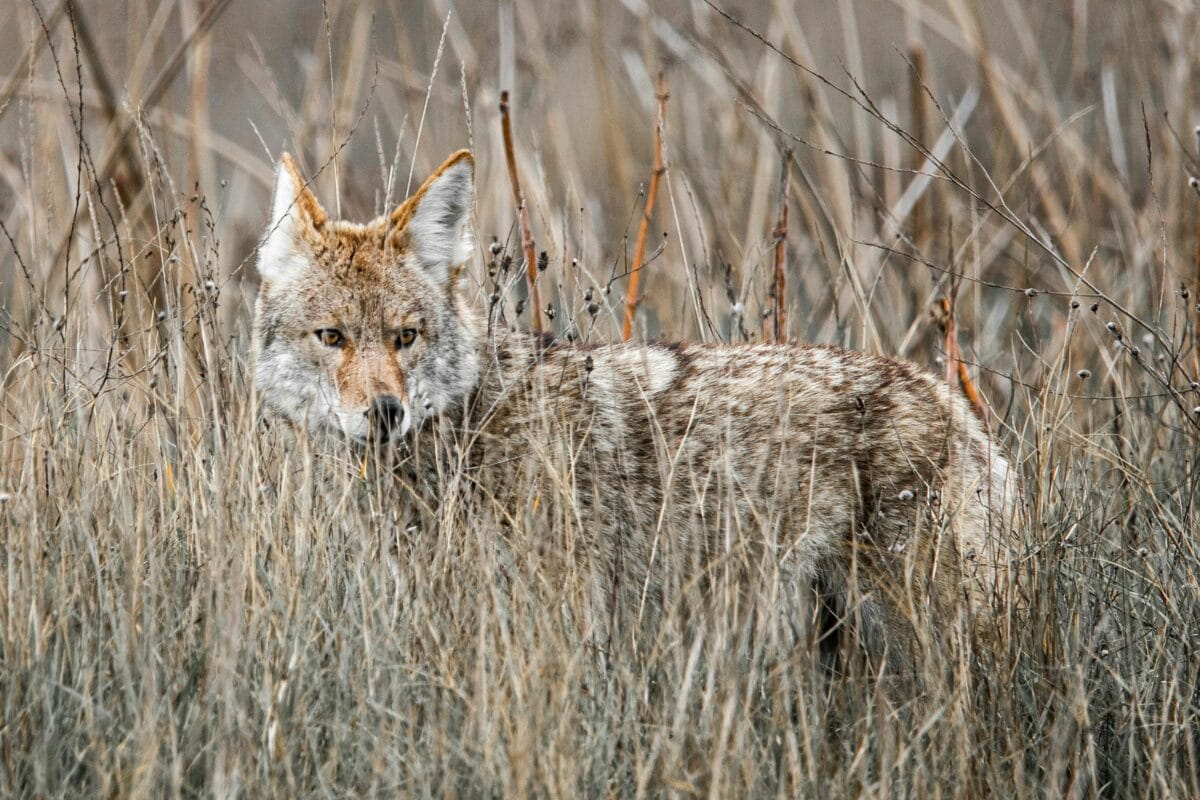
Even with careful planning, predator reintroduction often produces unexpected ecological outcomes that challenge simplistic restoration narratives. After decades of wolf absence, some ecosystems have reorganized in ways that don’t simply reverse when wolves return. In some regions, mesopredators like coyotes have expanded their ecological niches and don’t retreat as predicted when wolves reappear. Prey species that haven’t coevolved with predation pressure may lack appropriate defensive behaviors, leading to more dramatic population crashes than would have occurred historically.
Climate change further complicates these dynamics by altering habitat suitability, prey availability, and competitive relationships. Predators reintroduced today face different environmental conditions than their ancestors did—warmer temperatures, altered precipitation patterns, and novel competitors or diseases. These shifting conditions mean that historical relationships between predators and ecosystems may not reliably predict future outcomes. Conservation biologists increasingly recognize that rewilding must be approached as an experiment rather than a prescription, requiring careful monitoring and willingness to adjust strategies when unforeseen consequences emerge.
The Economics of Predator Reintroduction

The financial dimensions of predator rewilding create another layer of complexity. Reintroduction programs require substantial investment—capturing, transporting, monitoring, and managing predator populations costs millions of dollars. These expenses continue long after initial reintroduction, as ongoing monitoring, conflict mitigation, and community engagement require sustained funding. In an era of limited conservation budgets, these costs must be weighed against other conservation priorities.
Yet predators also generate economic benefits that complicate the calculus. Wolf tourism in Yellowstone contributes an estimated $35 million annually to local economies. Functioning predator-prey systems can reduce disease transmission in prey populations, benefiting hunting economies. Healthy predator populations can provide ecosystem services like controlling rodent populations that damage crops or spread disease. The challenge lies in ensuring these benefits flow to the same communities that bear the costs of coexistence. When urban tourists benefit from wolf-watching while rural ranchers absorb livestock losses, economic inequity fuels resentment. Developing fair compensation systems and creating local economic opportunities connected to predator conservation are essential for sustainable rewilding efforts.
Ethical Dimensions of Animal Translocation

The act of capturing and relocating predators raises ethical questions that extend beyond ecological considerations. Translocation causes stress and disorientation for individual animals, who may struggle to establish territories in unfamiliar landscapes. Mortality rates among reintroduced predators can be high as they navigate new terrain, encounter unfamiliar dangers, or face hostility from humans. These animal welfare concerns prompt difficult questions about whether the ecological benefits justify individual suffering.
These ethical considerations become even more complex when reintroduction involves breeding animals in captivity. Captive breeding programs, while sometimes necessary for critically endangered predators, raise questions about genetic selection, behavioral development, and the ethics of breeding animals for release into potentially hostile environments. Some ethicists argue that true rewilding should involve minimal human intervention, allowing natural recolonization where possible rather than engineered reintroductions. Others contend that humans have an ethical obligation to actively restore predators given our role in their historical elimination. These philosophical tensions reflect broader debates about humanity’s relationship with wildlife and our responsibility to repair damaged ecosystems.
The Challenge of Scale and Connectivity

Large predators require extensive territories—a single wolf pack may range over hundreds of square miles, while individual male mountain lions may require up to 150 square miles. This spatial requirement presents enormous challenges in today’s fragmented landscapes. Few protected areas are large enough to support viable predator populations in isolation, meaning successful rewilding depends on maintaining connectivity between habitat patches across human-dominated landscapes.
This need for connectivity transforms predator reintroduction from a localized conservation action to a landscape-scale challenge. Wildlife corridors must cross highways, agricultural lands, and suburban developments. These corridors aren’t merely physical pathways but socio-political constructs requiring cooperation from countless landowners, municipalities, and jurisdictions. Recent research suggests that even seemingly connected landscapes may contain invisible barriers—areas where human activities create mortality risks that predators rarely cross successfully. Maintaining functional connectivity requires addressing these “anthropogenic resistance” factors through highway crossings, land-use planning, and human behavior modification. Without addressing the scale and connectivity challenge, predator populations remain vulnerable to genetic isolation and local extinction despite successful initial reintroduction.
Learning from Indigenous Knowledge Systems

Western scientific approaches to rewilding sometimes overlook the sophisticated ecological knowledge held by indigenous communities who coexisted with predators for millennia. Many indigenous cultures maintained balanced relationships with predators through spiritual practices, hunting regulations, and landscape management techniques. These knowledge systems often reflect nuanced understanding of predator behavior and ecological relationships developed through generations of observation and adaptation.
Incorporating indigenous perspectives can enrich rewilding approaches in multiple ways. Traditional ecological knowledge may reveal historical predator-prey relationships not captured in scientific literature. Indigenous land management practices like controlled burning often created habitat mosaics beneficial to both predators and prey. Perhaps most importantly, many indigenous worldviews offer alternative frameworks for conceptualizing human-predator relationships—not as conflicts to be managed but as sacred relationships carrying mutual obligations. As rewilding efforts expand globally, conservation biologists increasingly recognize the value of collaborative approaches that integrate scientific methods with indigenous knowledge systems, creating more culturally responsive and ecologically sophisticated restoration strategies.
The Urban Predator Phenomenon
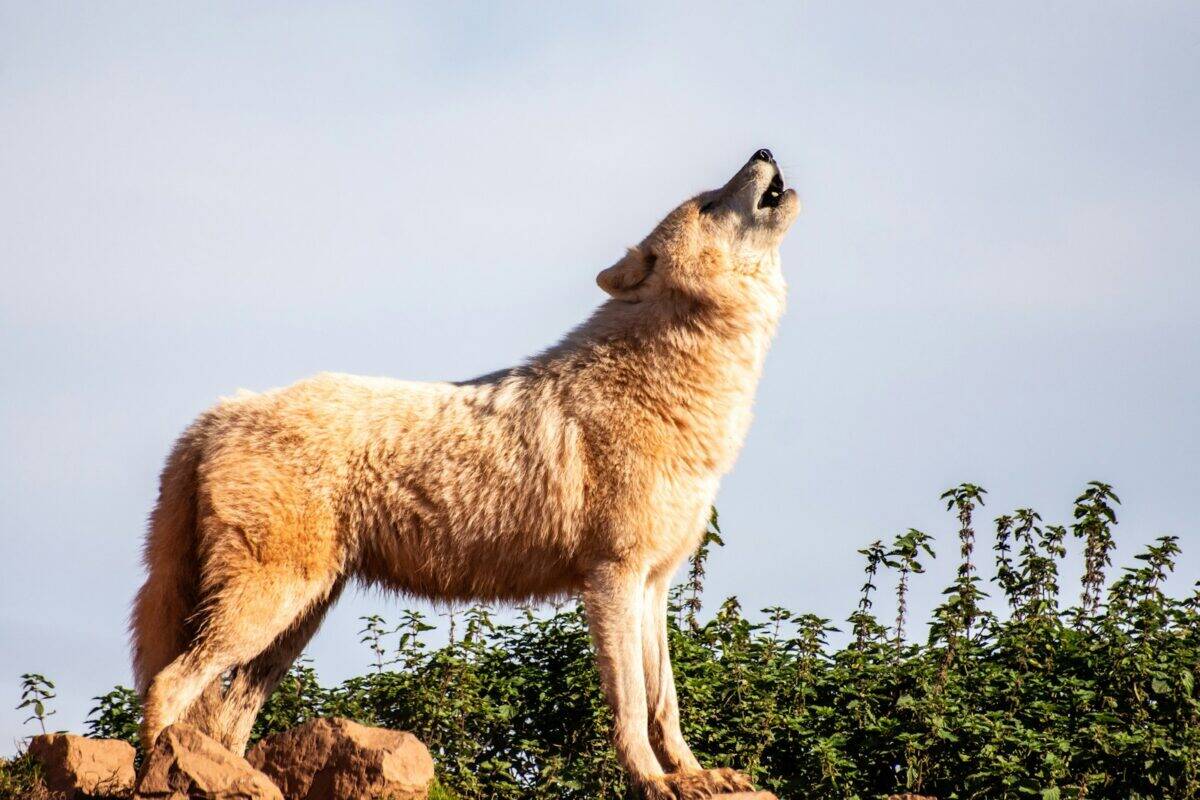
A surprising complication in predator rewilding comes from the remarkable adaptability of some predator species to urban environments. Coyotes now inhabit nearly every major city in North America; mountain lions regularly traverse suburban neighborhoods in western states; and European cities increasingly report fox and wolf sightings in urbanized areas. This adaptability challenges traditional rewilding approaches that focus exclusively on wilderness areas and protected landscapes.
Urban and suburban predators create both opportunities and challenges for conservation. On one hand, their presence demonstrates that coexistence is possible in highly modified landscapes and may increase public appreciation for wildlife. On the other hand, urban predators face unique threats from vehicle collisions, rodenticide poisoning, and human conflict. They may also develop behavioral adaptations that make them less suitable for fulfilling ecological roles in natural systems. Conservation strategies must increasingly consider the urban-wildland interface, developing approaches that safely accommodate predators across the full spectrum of human-modified landscapes rather than focusing exclusively on wilderness preservation.
Conclusion: Embracing Complexity in Predator Conservation

The rewilding of predators represents one of conservation’s most profound challenges—a complex intersection of ecology, ethics, economics, and social values that defies simplistic solutions. Successful predator restoration requires moving beyond idealized wilderness narratives to engage with the messy reality of human-wildlife coexistence in shared landscapes. This means adopting adaptive management approaches that respond to emerging challenges, developing inclusive governance structures that give voice to diverse stakeholders, and maintaining humility about our ability to predict ecological outcomes.
Perhaps most importantly, predator rewilding requires shifting from conflict-oriented frameworks toward models of coexistence that acknowledge both the ecological importance of predators and the legitimate concerns of human communities. This doesn’t mean abandoning rewilding efforts in the face of challenges, but rather approaching them with greater sophistication and nuance. The most successful rewilding initiatives combine sound science with cultural sensitivity, economic pragmatism, and ethical consideration—recognizing that predator conservation is as much about managing human perceptions and behaviors as it is about the predators themselves.
As climate change reshapes ecosystems and human development continues to transform landscapes, predator conservation will only grow more complex. Yet this complexity also creates opportunities for innovative approaches that transcend traditional conservation paradigms. By embracing rather than simplifying this complexity, we can develop more resilient, adaptive approaches to predator conservation—approaches that restore ecological functions while fostering new relationships between humans and the magnificent predators with whom we share our planet.

From exploring the marine wonders in the Azores and witnessing the vast savannas of Kenya, to delving deep into the rich biodiversity of South Africa and traversing iconic landscapes in Australia and the US like Yellowstone, Chris's experiences are vast.
With a penchant for diving alongside sharks, the ocean holds a special place in his heart.
Through his academic insights, he champions wildlife conservation, striving with 'Animals Around The Globe' to cultivate a profound connection between humans and animals, enhancing our mutual appreciation.
Connect with him at Feedback@animalsaroundtheglobe.com.
- How Tigers Mark Their Territory Using Scent and Scratches - July 29, 2026
- The Deadly Volcano That Erased a Town Is Now Active Again - July 29, 2026
- 12 Deep Sea Animals With Terrifying Adaptations - July 29, 2026