


It’s a scene that plays out in parks, beaches, and wilderness areas across the world: a well-meaning visitor tossing bread to eager ducks, offering peanuts to a curious squirrel, or leaving food out for deer. While these interactions might seem harmless or even beneficial, wildlife experts and ecologists have been sounding the alarm about the serious consequences of feeding wild animals. What appears to be a compassionate gesture can trigger cascading negative effects on animal health, behavior, and entire ecosystems. This comprehensive look at why feeding wildlife causes more harm than good reveals the complex relationship between humans and wild animals, and how our desire to connect with nature can sometimes lead to unintended consequences.
Disruption of Natural Diets and Nutrition

Wild animals have evolved specific dietary needs that are precisely met by their natural food sources. When humans introduce processed, nutrient-poor foods like bread, chips, or other human snacks, we disrupt carefully balanced nutritional intake that animals depend on. For example, waterfowl fed bread can develop a condition called “angel wing,” a wing deformity caused by excessive carbohydrates and inadequate nutrition during development.
This permanently cripples birds, preventing normal flight and migration. Similarly, deer fed corn during winter can experience fatal acidosis because their digestive systems are adapted for woody browse during cold months, not high-carbohydrate foods. Even when people offer “natural” foods like nuts or fruits, these items may be inappropriate for the season or region, causing nutritional imbalances that impact reproduction, growth, and overall health.
Creating Dangerous Dependencies

Regular feeding creates dependency patterns that fundamentally alter wild animal behavior. Animals quickly learn to associate humans with food, leading them to rely on these artificial food sources rather than developing or maintaining natural foraging skills. Research shows that black bears who obtain food from humans spend less time foraging naturally and more time near human developments.
When human-provided food sources suddenly disappear—perhaps due to seasonal tourist fluctuations or policy changes—animals that have grown dependent may struggle to find sufficient nutrition through natural means. This dependency is particularly dangerous for young animals who never properly learn critical survival skills. A study of fed deer populations in suburban areas found that fawns with food-conditioned mothers were less likely to develop normal foraging behaviors, making them vulnerable during times when supplemental feeding stopped.
Increasing Human-Wildlife Conflicts

Animals that associate people with food often lose their natural wariness, leading to increased conflicts that typically end badly for the wildlife involved. Bears, coyotes, and other larger mammals that become habituated to human food sources may approach people expecting handouts, behaviors that are frequently misinterpreted as aggression. According to wildlife management agencies, food-conditioned animals are much more likely to be involved in negative human interactions that result in the animals being relocated or euthanized.
Even smaller animals can create conflicts when they lose fear of humans—raccoons may become destructive, and gulls at beaches may become aggressive when expecting food. Data from the National Park Service indicates that in Yellowstone National Park alone, numerous bears have been euthanized over the years due to food conditioning and subsequent “problem behaviors,” a tragic outcome stemming from what began as seemingly innocent feeding interactions.
Disease Transmission Concerns
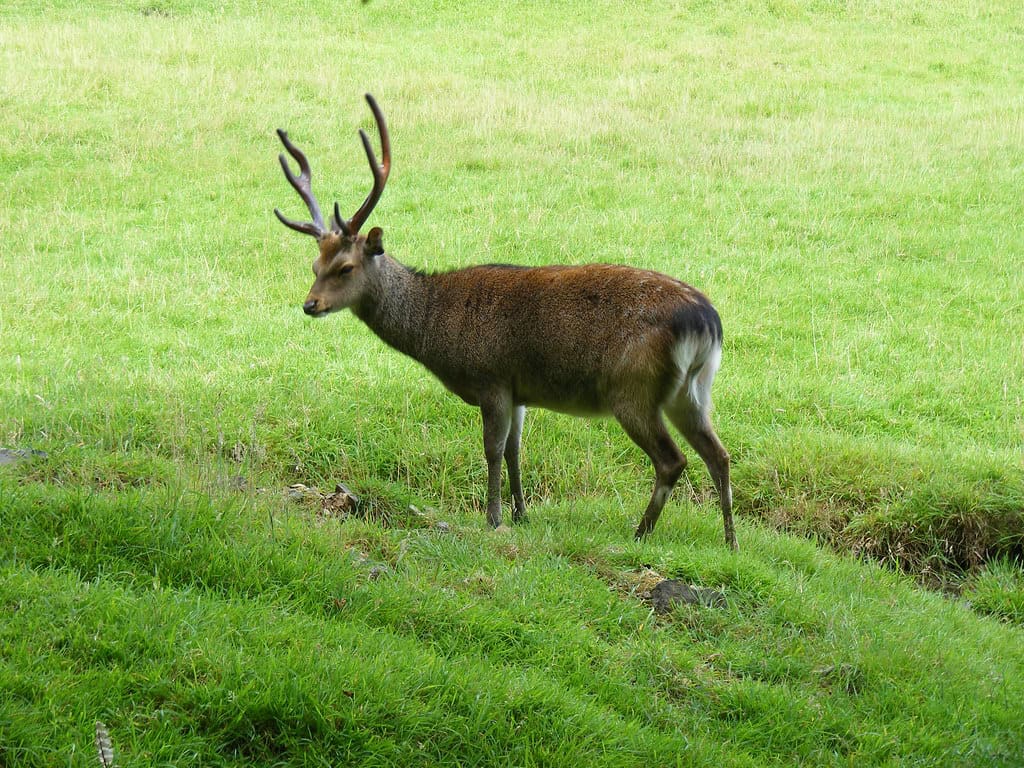
Feeding sites can become hotspots for disease transmission among wildlife populations. When animals congregate in unnaturally high densities around food sources, diseases spread more rapidly through direct contact, shared food, or contaminated feeding areas. Chronic Wasting Disease (CWD) in deer and elk populations spreads more readily at artificial feeding sites, as does avian botulism among waterfowl at consistently fed pond locations.
Researchers have documented higher parasite loads in regularly fed wildlife populations compared to those that forage naturally. Additionally, the close contact between different species at feeding stations can facilitate cross-species disease transmission that wouldn’t occur naturally. These disease risks extend to humans as well—wildlife feeding increases the likelihood of zoonotic disease transmission. Feeding stations that attract rodents may indirectly increase human exposure to diseases like hantavirus or plague, while direct contact with wild animals during feeding creates opportunities for scratches, bites, and subsequent infections.
Altering Population Dynamics

Artificial food sources can dramatically alter local wildlife populations in ways that disrupt natural ecological balances. Species that benefit from human feeding often experience population booms beyond what the natural habitat could support. Urban areas with regular bird feeding have documented significant increases in certain species like house sparrows or pigeons, sometimes at the expense of native birds.
These artificially inflated populations can collapse when feeding stops or create long-term imbalances in ecosystems. Supplemental feeding can also disrupt natural selection processes. Animals that might not survive in natural conditions due to illness or poor adaptation receive nutritional support that allows them to reproduce, potentially weakening the genetic pool of wild populations over time. Studies of urban fox populations with access to anthropogenic food sources show they often reach densities 10-20 times higher than their rural counterparts, creating unsustainable situations when food availability changes.
Impact on Migration Patterns
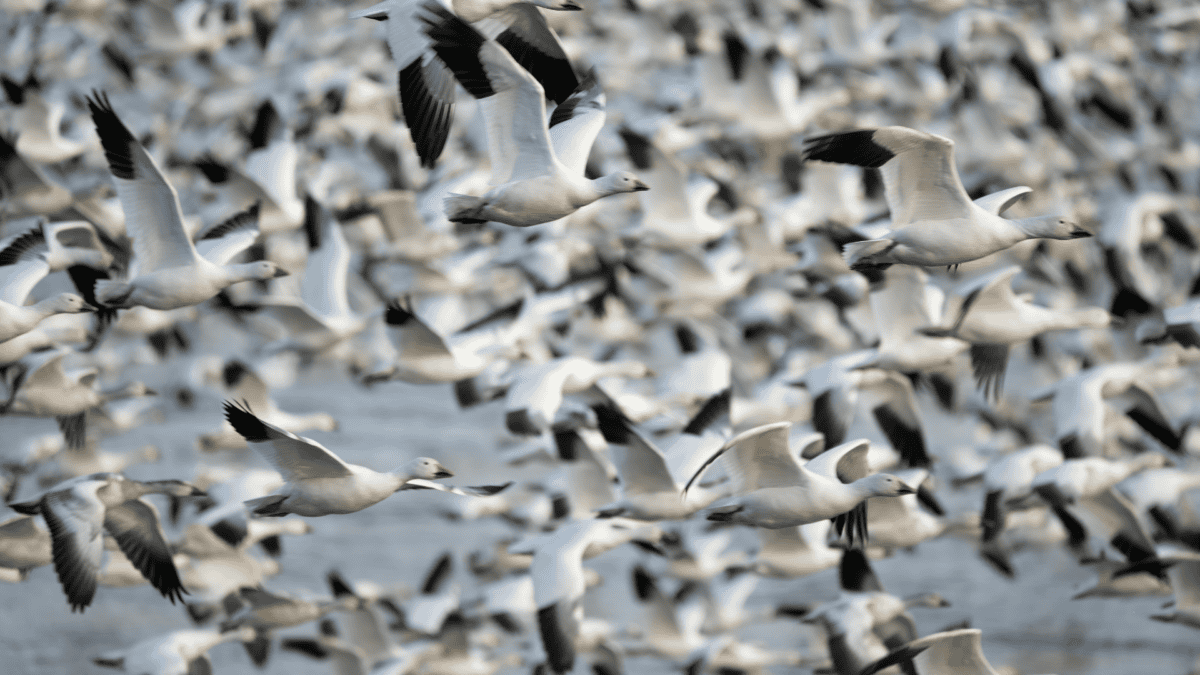
Migratory species face particular risks from human feeding activities. Birds that would normally migrate to different regions based on natural food availability may delay or completely skip migration when artificial food sources are consistently available. This disruption can have serious consequences for their long-term survival and reproductive success. Researchers studying Canada geese populations have found that regular feeding in urban parks has contributed to the establishment of year-round resident populations in areas where these birds would historically only be seasonal visitors.
These non-migratory populations often become problematic in urban environments while missing out on the ecological benefits of their natural migratory behaviors. The timing of migration is intricately linked to breeding cycles, food availability in different locations, and climate conditions—artificial feeding disrupts these complex natural rhythms that have evolved over thousands of years.
Environmental Contamination

The environmental impact of feeding wildlife extends beyond the animals themselves to their habitats. Excess food left by humans decomposes, affecting water quality in lakes and ponds where waterfowl are commonly fed. A study by the U.S. Fish and Wildlife Service found that popular duck-feeding areas often show elevated levels of nitrogen and phosphorus, contributing to harmful algal blooms that deplete oxygen and kill fish.
Food waste also attracts non-target species like rats and other pests, creating secondary environmental and public health issues in urban and suburban areas. Additionally, the packaging from human food items frequently becomes litter in natural areas. Environmental assessments at popular wildlife viewing areas have documented significant amounts of food packaging pollution, which can entangle animals or be ingested, causing injury or death.
Behavioral Changes and Habituation

Feeding fundamentally changes how wild animals behave in ways that extend far beyond food-seeking activities. Animals habituated to humans often display reduced vigilance behaviors that are critical for their survival. Studies of deer in areas with regular feeding show they spend less time scanning for predators and may venture into higher-risk areas they would normally avoid. These behavioral changes make them more vulnerable to predation, vehicle collisions, and other dangers.
Social dynamics within species can also be disrupted by feeding. Research on primate troops that receive food from tourists shows altered hierarchical structures and increased aggression as animals compete for human handouts rather than naturally available foods. Most concerning is that these behavioral changes can persist across generations—young animals learn these altered behaviors from their parents, creating lasting changes in wildlife populations even if feeding eventually stops.
Legal Implications and Regulations

Many people are unaware that feeding wildlife is actually illegal in numerous jurisdictions. National parks, state forests, and many municipal areas have enacted strict regulations against wildlife feeding, with violations resulting in significant fines. These regulations aren’t arbitrary but based on extensive ecological research demonstrating the harms of feeding. For example, feeding bears in Yellowstone National Park can result in fines up to $5,000 and six months imprisonment. In Florida, feeding alligators is a serious offense with similar penalties.
Even feeding smaller animals like squirrels or birds is prohibited in many protected areas. These legal restrictions highlight how seriously wildlife management authorities take the issue. The regulations often vary by location and species, creating confusion for well-meaning visitors. While backyard bird feeding is generally permitted with appropriate practices in residential areas, the same activity may be prohibited in parks or nature preserves just a short distance away.
Proper Wildlife Observation Ethics

Fortunately, there are ethical ways to observe and appreciate wildlife without the harmful effects of feeding. Wildlife photography with appropriate equipment allows for close observation without disruption. Using binoculars or spotting scopes creates memorable wildlife viewing experiences while maintaining safe distances. Conservation organizations recommend the practice of “Leave No Trace” principles, which include observing wildlife from a distance and never approaching, following, or attempting to attract animals.
Creating natural wildlife habitat in appropriate areas, such as native plant gardens that provide natural food sources, offers a constructive alternative to direct feeding. These gardens support wildlife through their natural ecological relationships rather than artificial feeding. For those specifically interested in birds, properly maintained bird feeders in residential settings can be appropriate when following best practices: regular cleaning to prevent disease spread, offering appropriate seeds for native species, and maintaining safe distances from windows to prevent collisions.
Exceptions to the Rule: Legitimate Feeding Programs

While casual feeding by the public is problematic, there are legitimate contexts where wildlife feeding serves important conservation purposes. Wildlife rehabilitation centers use carefully controlled feeding as part of their work with injured or orphaned animals, following strict protocols designed to prevent habituation while supporting recovery. Scientific research sometimes incorporates feeding as part of controlled studies to better understand wildlife behavior or ecology, always with appropriate permits and ethical oversight.
In extraordinary circumstances such as severe winters or after natural disasters, wildlife management agencies occasionally implement emergency feeding programs for at-risk populations. These efforts are carefully designed, temporary, and based on scientific assessment of need. The key difference between these legitimate programs and casual public feeding is the scientific basis, careful management, and specific conservation goals. These professional efforts typically include strategies to prevent dependency and minimize habituation, such as varying feeding locations and times, using remotely deployed feed, or gradually reducing provisions as natural conditions improve.
Teaching Children About Wildlife Ethics

Educating the next generation about appropriate wildlife interaction is crucial for long-term conservation success. Children naturally want to connect with animals, and feeding often seems like an obvious way to create that connection. Parents and educators can redirect this impulse toward more constructive and educational wildlife appreciation activities. Nature journaling encourages children to observe and document wildlife without interference. Participating in citizen science projects like bird counts or butterfly monitoring teaches children they can contribute to conservation while respecting wildlife boundaries.
Age-appropriate discussions about wildlife ecology help children understand why animals are healthier and happier finding their natural foods. Schools can incorporate wildlife ethics into science curricula through classroom activities that simulate the consequences of feeding wildlife, helping students understand complex ecological relationships. Many nature centers and wildlife organizations offer specially designed programs that teach children about ethical wildlife viewing while still providing exciting, close connections to nature.
Conclusion: Respecting Wildlife Means Keeping Them Wild

The impulse to feed wildlife often comes from a place of genuine compassion and desire to connect with nature, but the evidence clearly shows that this well-intentioned act typically does more harm than good. By understanding the complex ways that feeding disrupts wildlife nutrition, behavior, population dynamics, and ecosystem function, we can make more informed choices about how we interact with the natural world.
True respect for wildlife means appreciating animals on their terms—wild, self-sufficient, and maintaining their natural behaviors and ecological relationships. Conservation professionals emphasize that the best way to help wildlife is through habitat protection and restoration, supporting science-based wildlife management, and observing animals without interfering in their natural processes. By channeling our care for wildlife into these constructive approaches rather than direct feeding, we contribute to healthier ecosystems and wildlife populations that can thrive independently, as they have for millennia before human intervention.

From exploring the marine wonders in the Azores and witnessing the vast savannas of Kenya, to delving deep into the rich biodiversity of South Africa and traversing iconic landscapes in Australia and the US like Yellowstone, Chris's experiences are vast.
With a penchant for diving alongside sharks, the ocean holds a special place in his heart.
Through his academic insights, he champions wildlife conservation, striving with 'Animals Around The Globe' to cultivate a profound connection between humans and animals, enhancing our mutual appreciation.
Connect with him at Feedback@animalsaroundtheglobe.com.
- Why Spiders Don’t Get Stuck in Their Own Webs - July 20, 2026
- What Scientists Found in a 10,000-Year-Old Beehive - July 20, 2026
- This Spider Builds Fake Decoys of Itself - July 20, 2026