

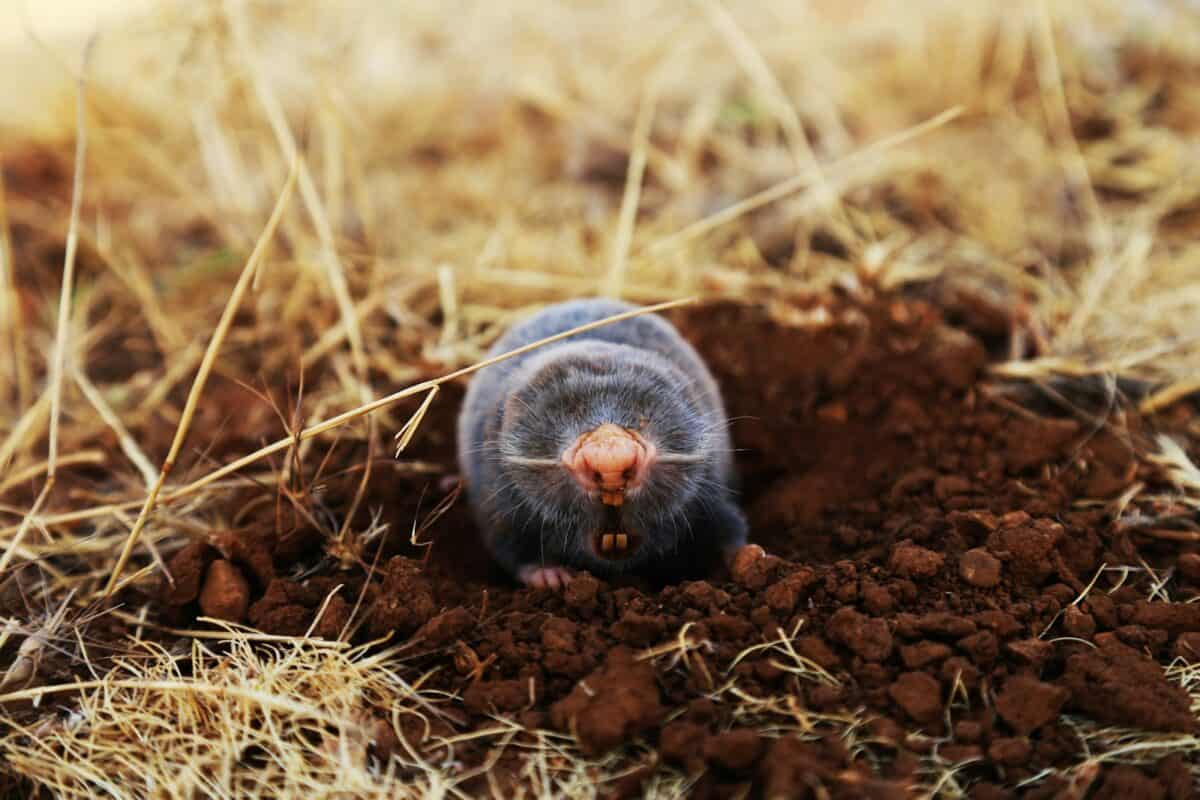
Beneath the earth’s surface lies a hidden world of nutrients and prey, accessed only by those with the tools and instincts to unearth them. Across diverse ecosystems, numerous species have evolved specialized adaptations for digging—powerful claws, sensitive snouts, and remarkable physical abilities that transform them into living excavators. These natural harvesters, from tiny ants to massive bears, rely on subterranean resources for their survival, demonstrating nature’s ingenious solutions to the universal challenge of finding food. This article explores the fascinating world of animals that dig for their meals, revealing their unique adaptations, behaviors, and ecological roles that enable them to turn soil into sustenance.
The Evolutionary Advantage of Digging
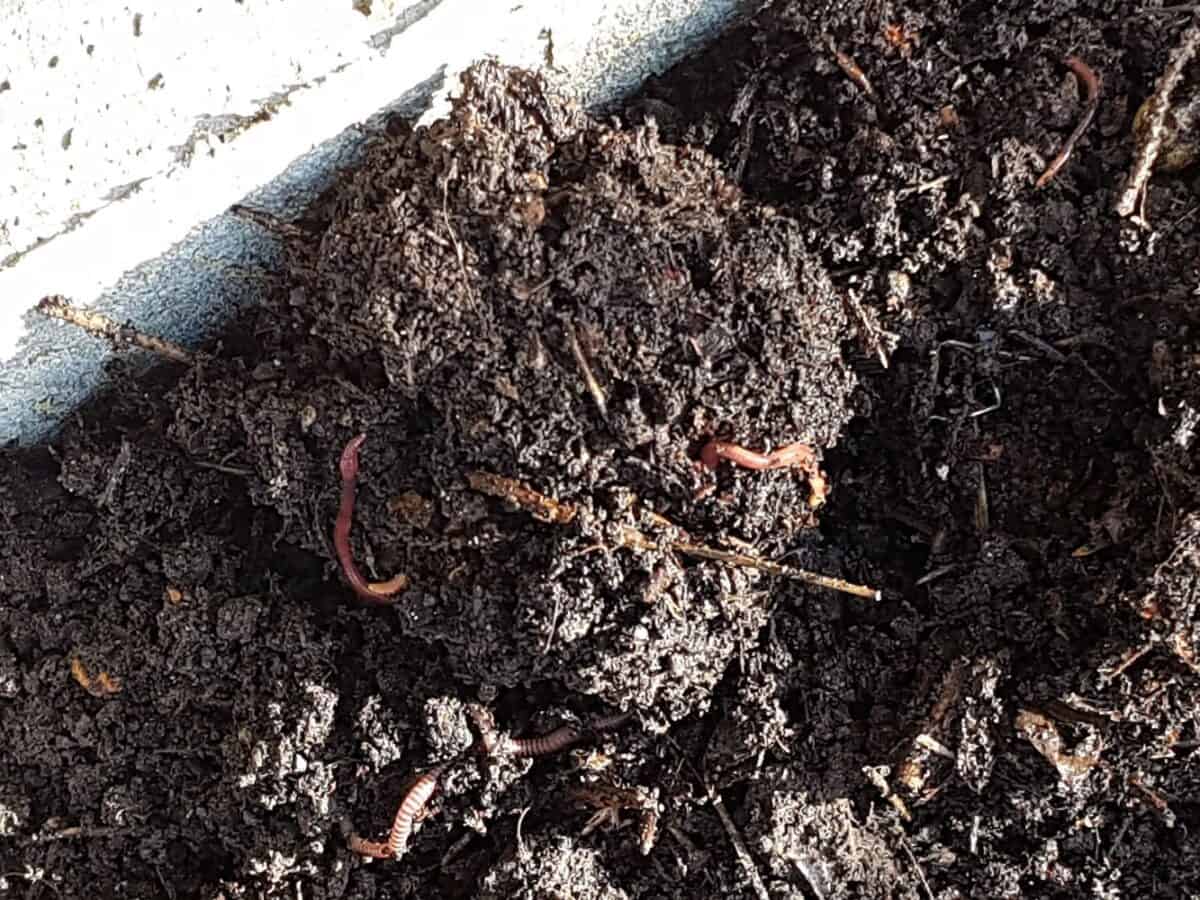
Digging for food represents one of evolution’s most successful strategies, allowing animals to access resources unavailable to their competitors. This adaptation has emerged independently across numerous unrelated species through convergent evolution, proving its effectiveness as a survival mechanism. Underground food sources offer several advantages: they’re often protected from harsh weather conditions, less visible to competitors, and available year-round in many ecosystems. Additionally, soil-dwelling organisms like insects, worms, and roots constitute an abundant food source that remains relatively untapped by non-digging animals. The energy investment required for digging is substantial, but for specialized diggers, the nutritional return justifies this expenditure, particularly in environments where surface foods are scarce or seasonal.
Badgers: Master Excavators

Badgers represent some of the animal kingdom’s most accomplished diggers, with adaptations perfectly suited for unearthing food. Their powerful, compact bodies feature extraordinarily strong forelimbs and large, non-retractable claws that function as effective digging tools. The European badger (Meles meles) can move approximately 40 pounds of soil in just 30 seconds when motivated. Their diet consists primarily of earthworms—a single badger may consume hundreds in one night—along with insects, small mammals, amphibians, and plant matter, all frequently obtained through digging. Badgers possess heightened olfactory abilities, capable of detecting prey several inches below the soil surface. Their characteristic “snuffle holes”—small conical depressions in grasslands—mark where they’ve excavated to extract earthworms or grubs. In North America, the related American badger (Taxidea taxus) has been observed digging complex tunnels exceeding 10 feet deep in pursuit of ground squirrels and other burrowing prey.
Aardvarks: Africa’s Nocturnal Diggers
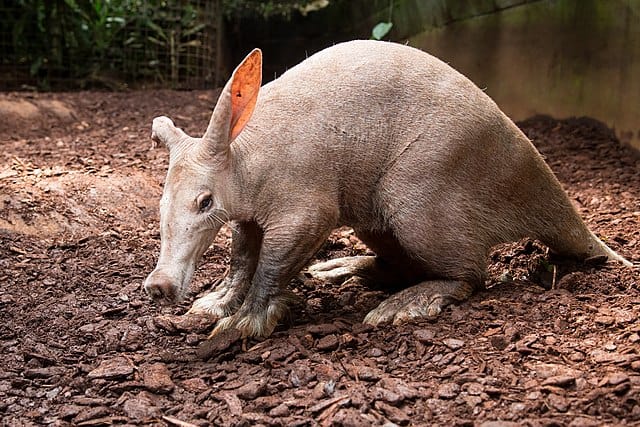
The aardvark (Orycteropus afer), whose name means “earth pig” in Afrikaans, stands as one of Africa’s most specialized digging mammals. These peculiar-looking creatures possess several adaptations perfectly suited for excavating termite mounds and ant colonies. Their muscular forelimbs are equipped with shovel-like claws, while their elongated snouts house extraordinarily long, sticky tongues that can extend up to 12 inches to lap up insects. Aardvarks can consume up to 50,000 ants and termites in a single night, using their keen sense of smell to locate prey and powerful claws to breach the hardened clay of insect mounds. Their thick skin provides protection against insect bites and the rough soil they navigate through. Research indicates that aardvarks can dig a three-foot burrow in about five minutes, making them among the fastest excavators in nature. Their ecological importance is significant, as their abandoned burrows provide shelter for numerous other species, while their feeding activity helps control insect populations that might otherwise damage vegetation.
Armadillos: Armored Insect Hunters
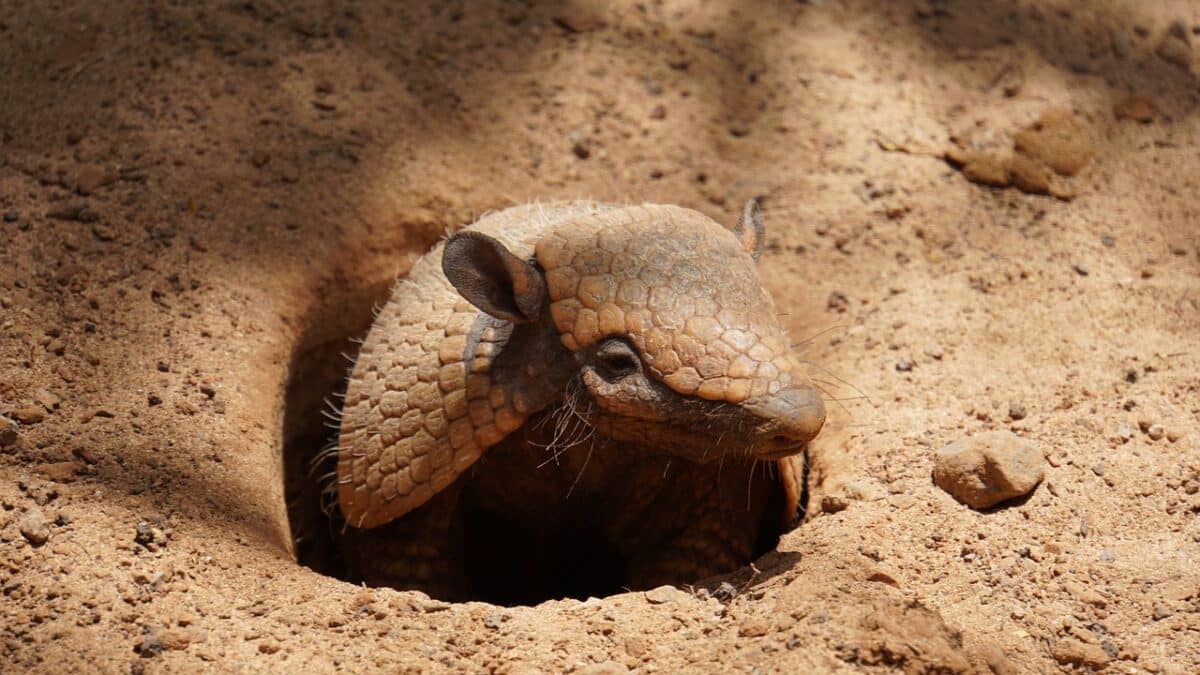
Armadillos, particularly the nine-banded armadillo (Dasypus novemcinctus) that has expanded its range into the southern United States, are prolific diggers with specialized adaptations for unearthing insects. Despite their armored appearance, these mammals possess surprisingly sensitive noses that can detect insects, grubs, and earthworms several inches below the soil surface. Their short, powerful legs and large claws enable efficient digging, while their long, sticky tongues help extract prey from narrow spaces. Armadillos can consume up to 500 insects in a single meal, making them valuable natural pest controllers. Their digging behavior leaves distinctive conical holes in lawns and gardens as they search for food. Interestingly, armadillos have poor vision but compensate with excellent hearing and olfactory capabilities. Their ecological impact is substantial—research indicates that a single armadillo can turn over as much as 7 cubic feet of soil annually through its foraging activities, aerating the soil and potentially accelerating decomposition processes in forest ecosystems.
Moles: Subterranean Specialists
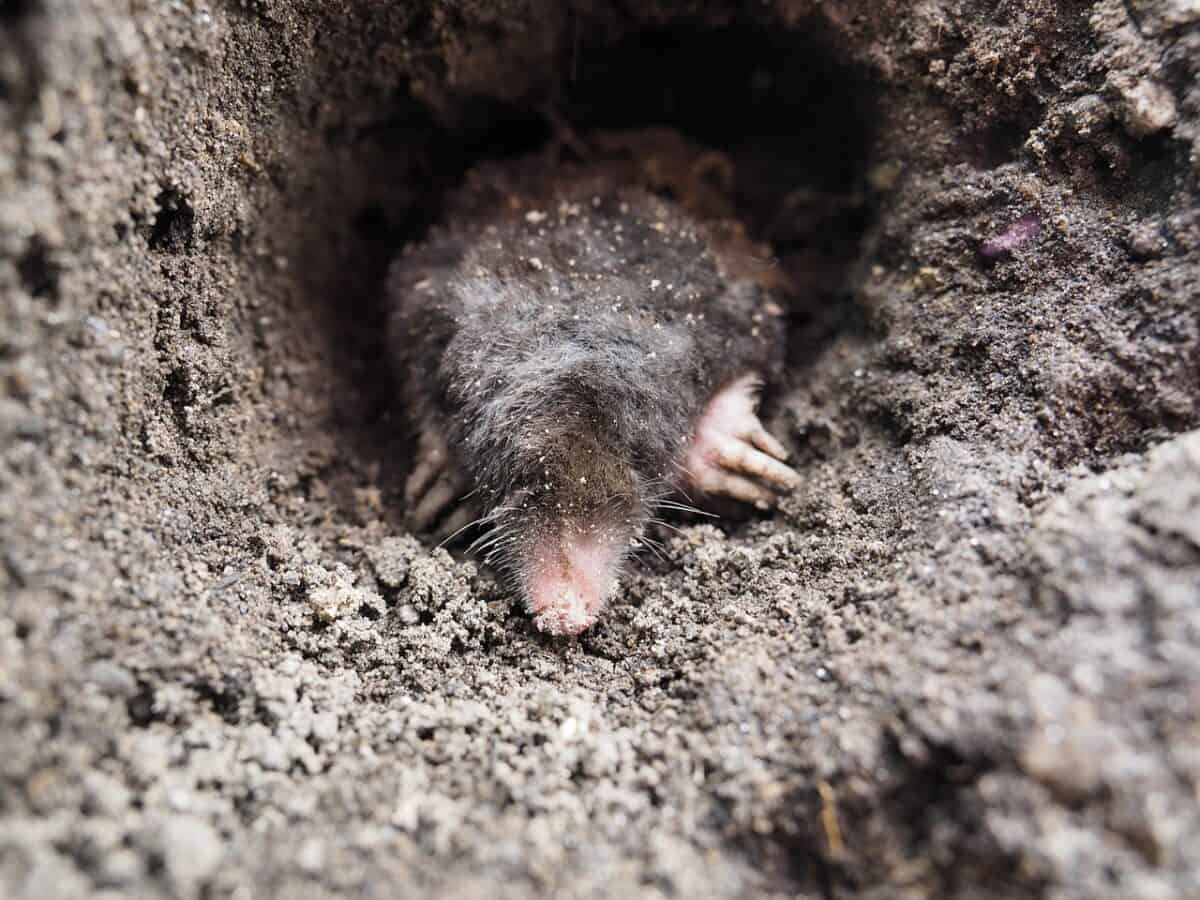
Moles represent nature’s quintessential underground specialists, with bodies exquisitely adapted for a life spent primarily beneath the soil. Their most distinctive features are their enormously enlarged forepaws, which are rotated outward like paddles and equipped with extra bones and powerful muscles that make them extraordinarily efficient digging tools. The star-nosed mole (Condylura cristata) of North America possesses perhaps the most sensitive touch organ of any mammal—22 fleshy appendages around its nose that contain more than 25,000 sensory receptors, allowing it to identify and consume prey in less than a quarter of a second. Moles primarily hunt earthworms and soil-dwelling insects, with some species creating specialized “worm pantries” where they store partially paralyzed earthworms for later consumption. A European mole (Talpa europaea) may eat 50-100% of its body weight daily to maintain its high-energy lifestyle. Their tunneling activities create complex underground networks that can extend hundreds of feet, with specialized chambers for resting and nesting. While gardeners may view their molehills as nuisances, ecologists recognize moles as important soil engineers that aerate soil, improve drainage, and disperse plant seeds.
Bears: Powerful Omnivorous Diggers

Despite their imposing size, bears are surprisingly adept diggers who regularly excavate to access food sources. Grizzly bears (Ursus arctos horribilis) possess massive, muscular shoulders and forelimbs equipped with claws up to four inches long that enable them to dig efficiently for roots, bulbs, ground squirrels, and other subterranean foods. In alpine regions, grizzlies create distinctive “bear digs”—large excavated areas where they’ve uprooted entire meadows searching for nutritious plant bulbs or army cutworm moths. Black bears (Ursus americanus) similarly dig for insects, particularly targeting ant and termite colonies, flipping logs and stones to access these protein-rich food sources. Research in Yellowstone National Park has documented individual bears excavating more than 400 square feet of terrain in a single feeding session. These digging activities play significant ecological roles—bear-created soil disturbances increase plant diversity by creating microhabitats for colonizing species and can facilitate nutrient cycling in forest ecosystems. The caloric rewards are substantial: a grizzly bear can consume over 20,000 calories daily during intensive feeding periods, with much of this nutrition coming from foods accessed through digging.
Pangolins: Specialized Ant and Termite Extractors
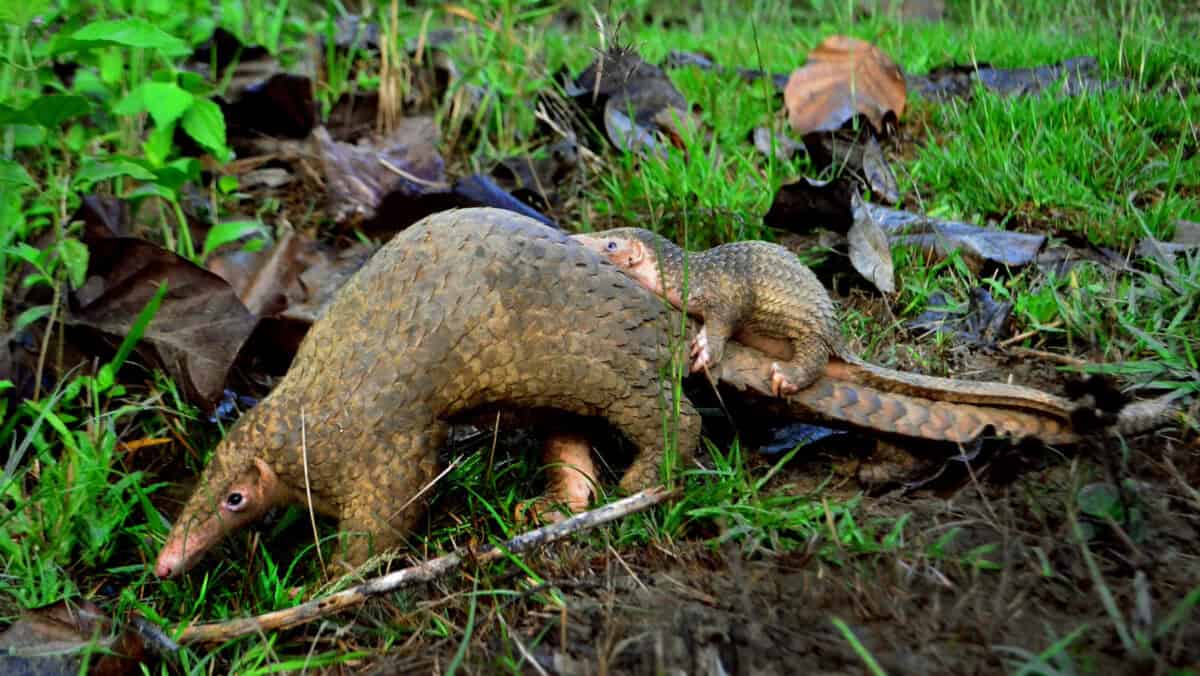
Pangolins, with their distinctive scaled bodies and remarkable specialization for myrmecophagy (ant and termite eating), represent some of the most unique digging specialists in the animal kingdom. These mammals possess extraordinarily powerful forelimbs with elongated middle claws specifically adapted for breaking into insect nests. Their lack of teeth is compensated by a specialized stomach lined with keratinous spines and containing small stones that grind food, similar to a bird’s gizzard. The most astonishing adaptation is their tongue, which can extend up to 16 inches in larger species and is coated with sticky saliva for capturing prey. When fully extended, a pangolin’s tongue can be longer than its entire body. Studies indicate that a single pangolin can consume over 70 million insects annually. Unfortunately, their specialized digging abilities and unique attributes have made them targets for poachers, as their scales are used in traditional medicine despite lacking proven medicinal properties. Their ecological importance is substantial—by controlling termite and ant populations, pangolins help protect trees and crops from potential damage while their digging activities aerate soil and create microhabitats for other organisms.
Fennec Foxes: Desert Digging Specialists
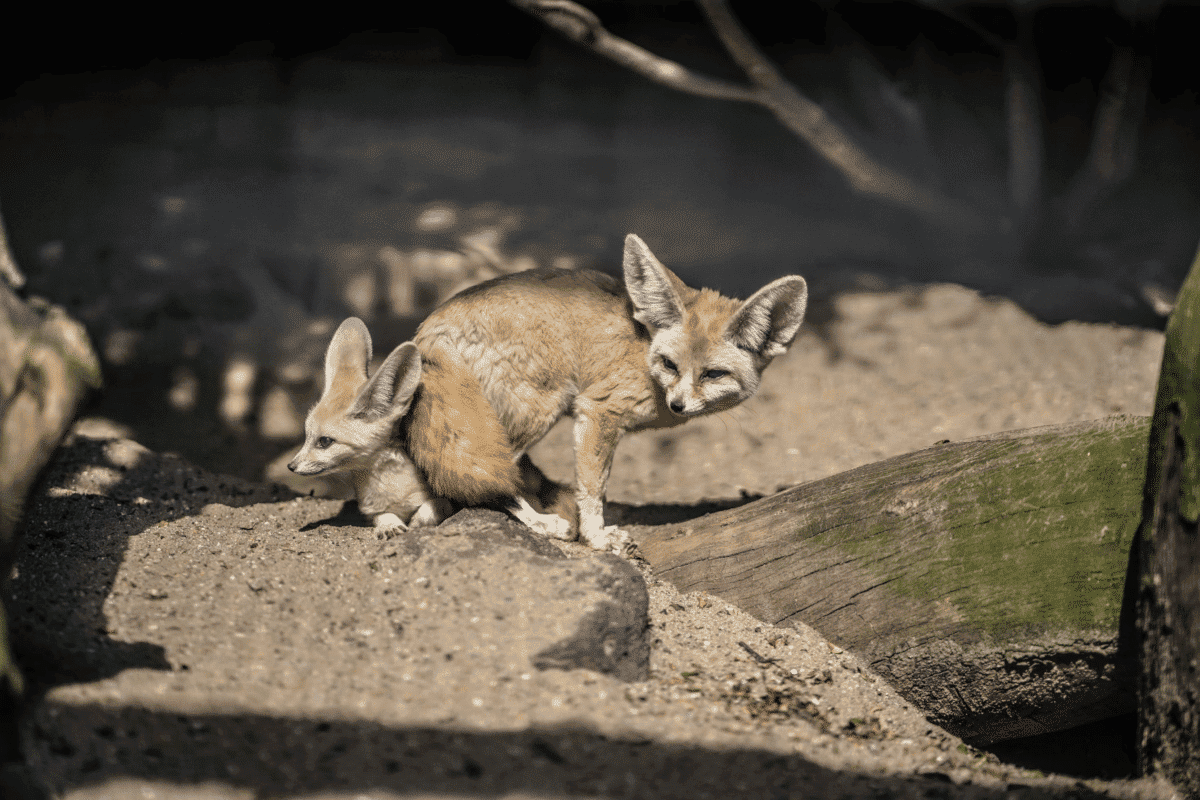
The fennec fox (Vulpes zerda), native to the Sahara Desert of North Africa, demonstrates how digging adaptations can be essential for survival in extreme environments. These diminutive canids, weighing just 2-3 pounds, possess disproportionately large ears that serve dual purposes: heat dissipation and enhanced hearing that allows them to detect prey moving underground. Their specialized feet feature fur-covered soles that provide insulation against hot sand and extra grip for digging. Fennec foxes employ their sharp claws and strong forelimbs to excavate burrows reaching up to 20 feet in length and 3-4 feet below the surface, creating cool retreats from desert heat. Their digging isn’t limited to den construction—they regularly excavate to unearth insects, small rodents, and lizards that constitute their diet. Research indicates that fennec foxes can detect insects and small vertebrates up to 6 inches below the sand surface using their acute hearing. In regions where fennec foxes have been studied, their digging activities have been shown to increase soil porosity and facilitate seed germination, demonstrating how even small-scale excavation can impact desert ecosystems.
Wombats: Australia’s Burrowing Herbivores
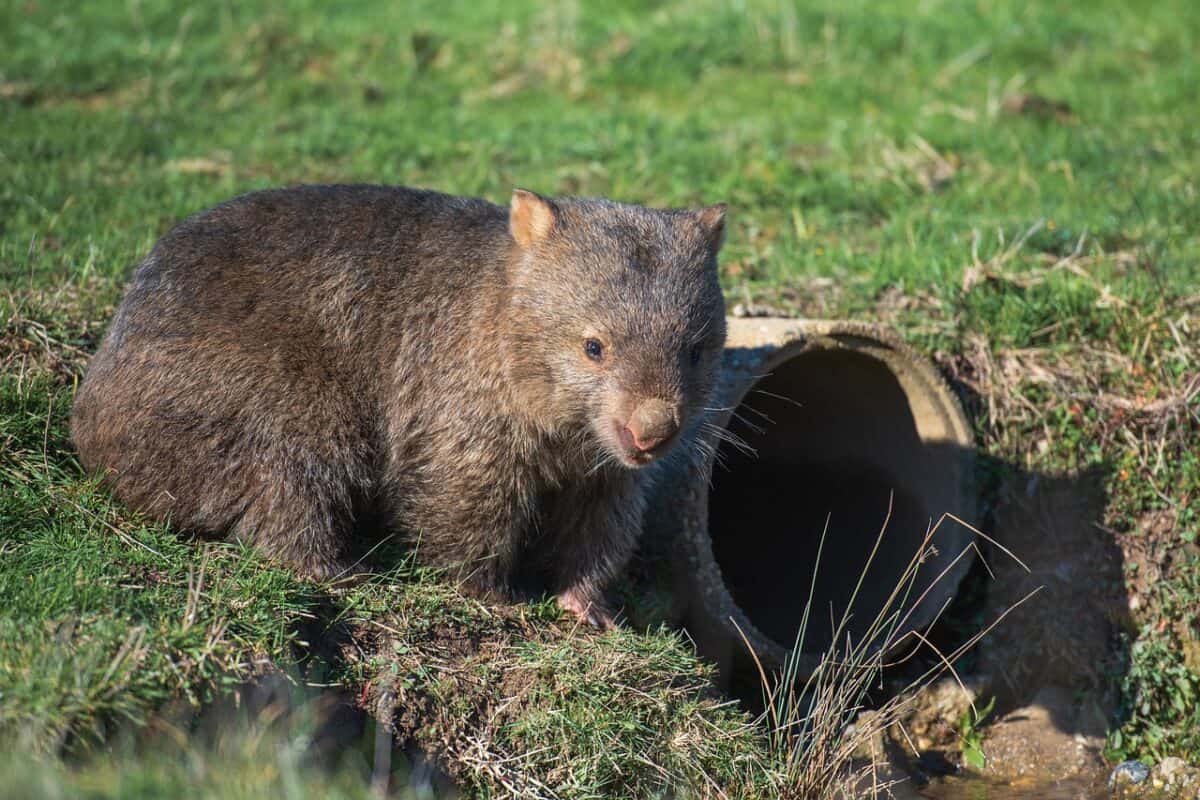
Wombats represent an unusual case among digging animals as they are primarily herbivores that create elaborate burrow systems yet don’t typically dig for food directly. However, their powerful digging adaptations are worth examining as they occasionally excavate to access nutritious root systems during drought conditions. These marsupials possess extraordinarily strong limbs with shovel-like claws and a backward-facing pouch that prevents soil from entering while digging. Their barrel-shaped bodies and immense strength allow them to push aside large objects, including rocks weighing up to 200 pounds. Common wombats (Vombatus ursinus) create burrow systems spanning up to 100 feet with multiple entrances, chambers, and connecting tunnels. While primarily consuming grasses and sedges harvested above ground, during extreme dry periods they’ve been observed digging to access moisture-rich roots and tubers that other herbivores cannot reach. Research on southern hairy-nosed wombats (Lasiorhinus latifrons) has demonstrated how their digging activities significantly impact soil composition and water infiltration in arid environments. Their abandoned burrows provide essential habitat for numerous other species, including endangered reptiles, highlighting their role as ecosystem engineers.
Meerkats: Cooperative Desert Foragers
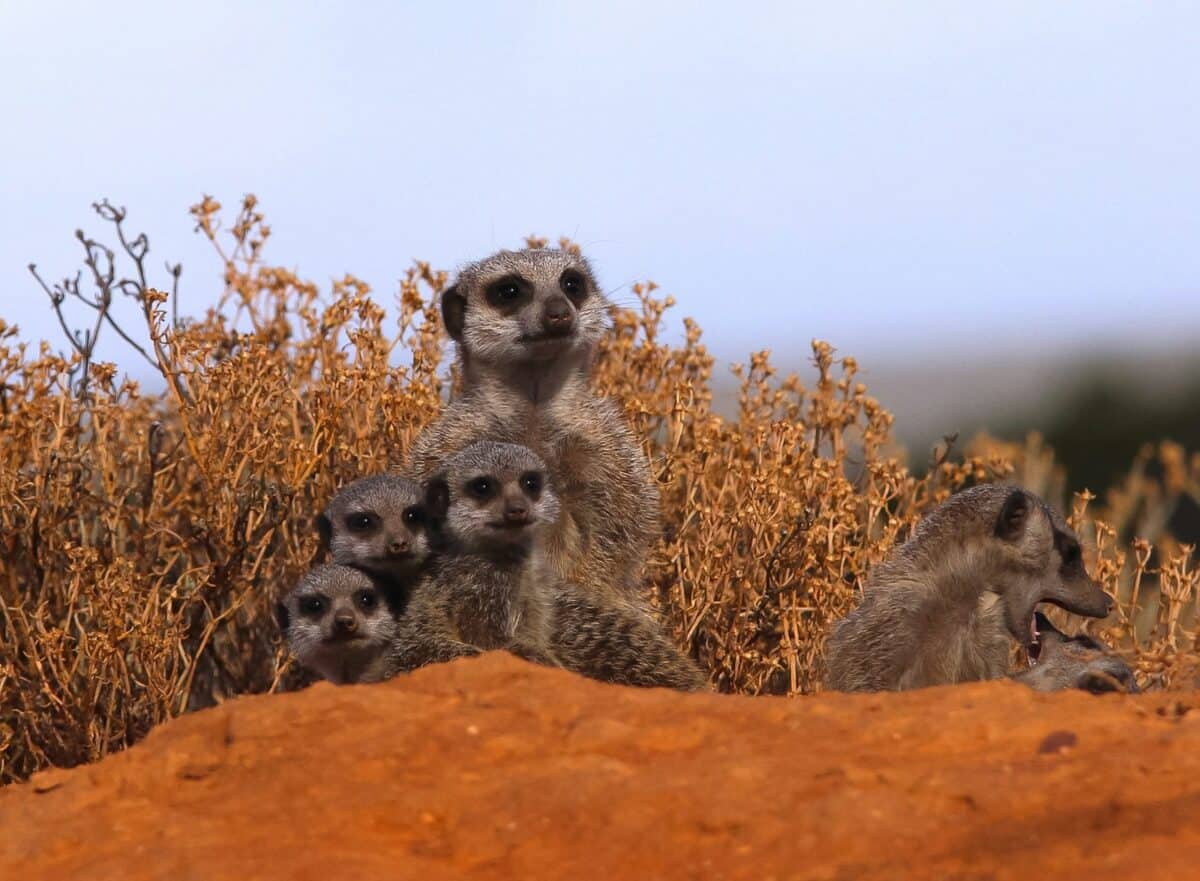
Meerkats (Suricata suricatta), those charismatic members of the mongoose family made famous through nature documentaries, demonstrate sophisticated social coordination in their digging behavior. Native to southern Africa’s arid regions, these small carnivores spend up to eight hours daily digging for food, primarily insects, spiders, small reptiles, and scorpions. Their elongated, curved claws and powerful forelegs enable efficient excavation, while specialized dark patches around their eyes reduce glare, enhancing their ability to spot prey while digging in bright sunlight. What distinguishes meerkats from many other digging specialists is their cooperative approach—family groups coordinate their foraging efforts, with some individuals serving as lookouts while others dig. Research has documented that meerkats can sift through approximately one kilogram of sand per minute when foraging intensively. Their sensitive noses can detect prey odors through several inches of soil, and they’ve developed resistance to certain venoms, allowing them to consume scorpions that would be dangerous to many other similarly-sized mammals. Meerkat digging activities help aerate desert soils and may facilitate water penetration during infrequent rainfall events, potentially benefiting plant growth in their harsh environment.
Echidnas: Spiny Ant Hunters
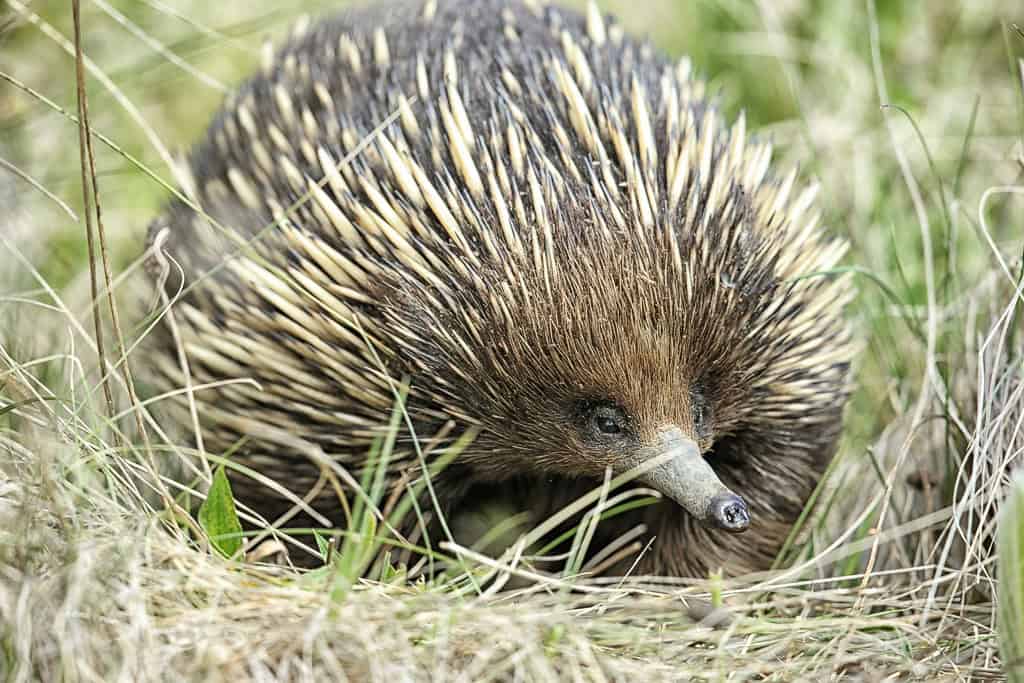
Echidnas, Australia’s spiny monotremes, represent some of Earth’s most ancient mammals and possess highly specialized adaptations for extracting ants and termites from soil and rotting wood. Unlike many digging mammals that rely primarily on powerful forelimbs, echidnas employ a more specialized approach. Their stout limbs and broad feet feature elongated claws, while their snouts act as both sensory organs and extraction tools. The short-beaked echidna (Tachyglossus aculeatus) possesses a remarkable electroreception ability, detecting electrical signals from insect prey through sensors in its snout—a trait shared only with platypuses among mammals. Its narrow, 7-inch tongue can extend at a rate of 100 times per minute, collecting ants and termites with sticky saliva. Despite lacking teeth, echidnas have keratinous pads in their mouths that crush prey against the palate. Research indicates that echidnas turn over more than 200 cubic meters of soil annually in some Australian ecosystems, making them significant bioturbators. Their digging activities contribute to soil health by incorporating organic matter, reducing compaction, and potentially helping mitigate the impact of wildfires by breaking up fuel continuity on forest floors.
Avian Diggers: Birds That Excavate for Food

While mammals dominate discussions of digging animals, several bird species have evolved remarkable adaptations for excavating to access food. Woodpeckers, while primarily known for drilling into trees, frequently dig in soil to extract ants and other insects. The northern flicker (Colaptes auratus), a woodpecker species found across North America, spends significant time on the ground using its specialized bill to dig for ants, consuming thousands daily during peak feeding periods. Even more specialized are species like the burrowing owl (Athene cunicularia), which modifies existing burrows and occasionally excavates its own, creating underground chambers where it can ambush prey like insects and small rodents. Hoopoes (Upupa epops) use their long, curved bills to probe soil for insect larvae, leaving distinctive probe marks in soft terrain. Perhaps most impressive are hornbills in Africa’s arid regions, which use their massive bills to dig for insects, small vertebrates, and even plant tubers during dry seasons. The African ground hornbill (Bucorvus leadbeateri) can excavate substantial amounts of soil seeking prey and has been observed digging up to 8 inches deep to extract large insects or reptiles. These avian diggers demonstrate how the challenge of accessing subterranean food has driven evolutionary adaptations across diverse animal groups.
The Ecological Impact of Digging Animals

The collective activity of digging animals represents a profound ecological force that shapes landscapes and influences ecosystem functions across the globe. Ecologists use the term “ecosystem engineers” to describe species whose physical activities significantly modify habitats, and many digging animals exemplify this concept. Their excavations create heterogeneity in soil structure, enhancing water infiltration, nutrient cycling, and plant diversity. Research in Australia has demonstrated that areas with active populations of digging mammals retain up to 80% more water following rainfall events compared to areas where these species have been lost. By turning over soil, diggers incorporate organic matter deeper into soil profiles, accelerating decomposition processes and potentially enhancing carbon sequestration. Their activities frequently create microhabitats that support distinct communities of smaller organisms—a single abandoned aardvark burrow, for instance, may house dozens of other vertebrate species. In North American grasslands, prairie dog digging activities have been shown to increase plant species richness by up to 40% compared to uncolonized areas. Even modest-sized diggers like earthworms and ants collaborate with larger excavators in this ecosystem service, collectively moving billions of tons of soil annually worldwide. As many digging specialists face population declines due to habitat loss, their disappearance may have cascading effects on ecosystem health that extend far beyond the loss of the species themselves.
From the mighty grizzly bear uprooting alpine meadows to the diminutive mole navigating its subterranean highways, digging animals represent one of nature’s most fascinating adaptive strategies for accessing food. These remarkable creatures have evolved specialized physical features—powerful limbs, elongated claws, sensitive snouts, and protective adaptations—that

- The Birds That Soar Over New Mexico’s Desert Skies - July 30, 2026
- Penguins Take Turns Babysitting - July 30, 2026
- Nature’s Fastest Animals — They Would Win Any Race! - July 30, 2026