

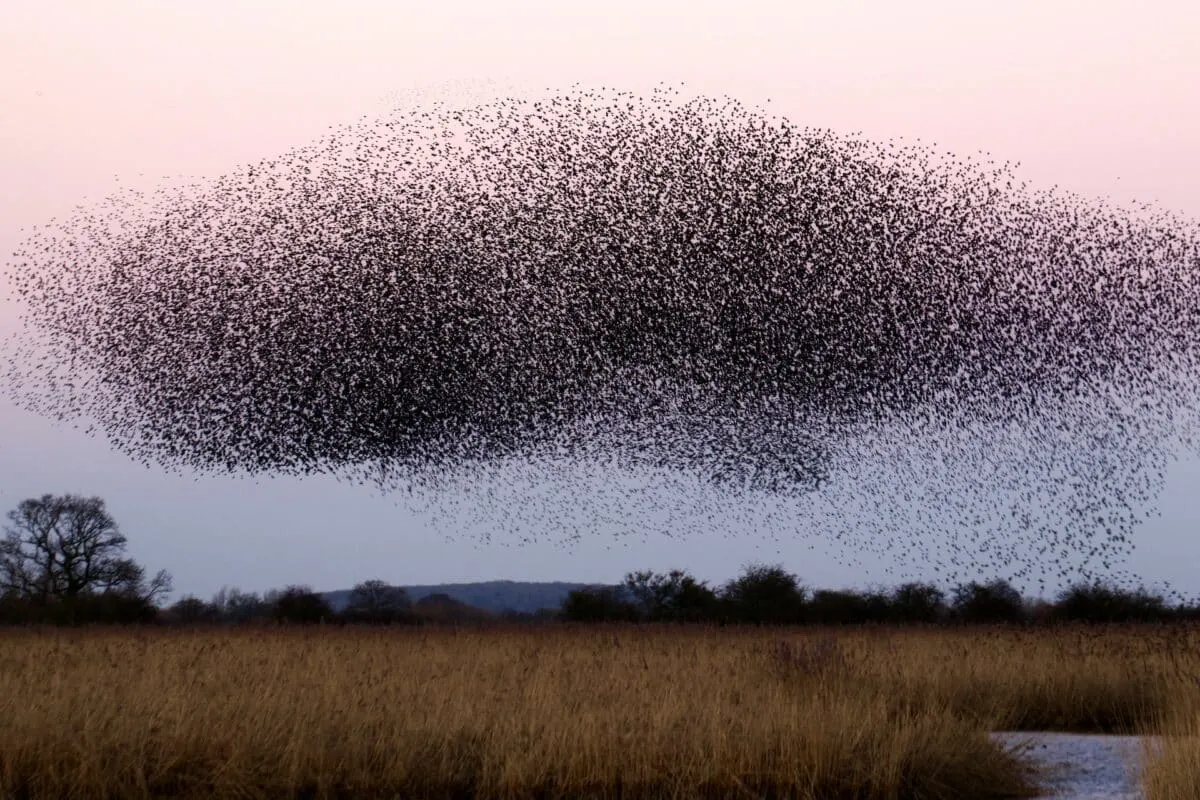
Insects might not always be the most popular creatures among humans, yet they are indispensable. Their roles in maintaining ecological balance are crucial to the health of various ecosystems worldwide. While the thought of buzzing or crawling critters might make some people squirm, understanding the significance of these small creatures can lead to a greater appreciation for their invaluable contributions. Here are ten insects that play a critical role in our ecosystems.
1. Honeybees (Apis Mellifera)
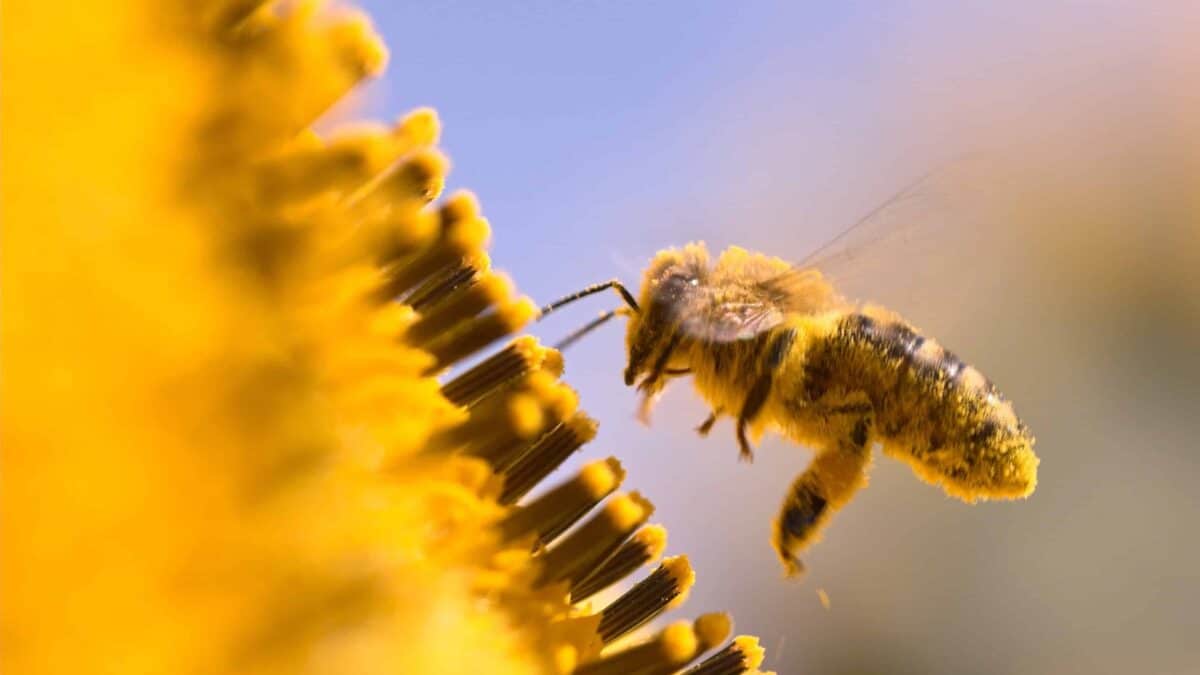
Honeybees are perhaps the most well-known pollinators. Their role in agriculture is vital, as they pollinate a significant percentage of the crops we rely on for food. This includes fruits, vegetables, and nuts. Beyond the agricultural benefits, honeybees are essential for maintaining biodiversity in wild plant communities, supporting the existence of various plant and animal species.
2. Lady Beetles (Coccinellidae)
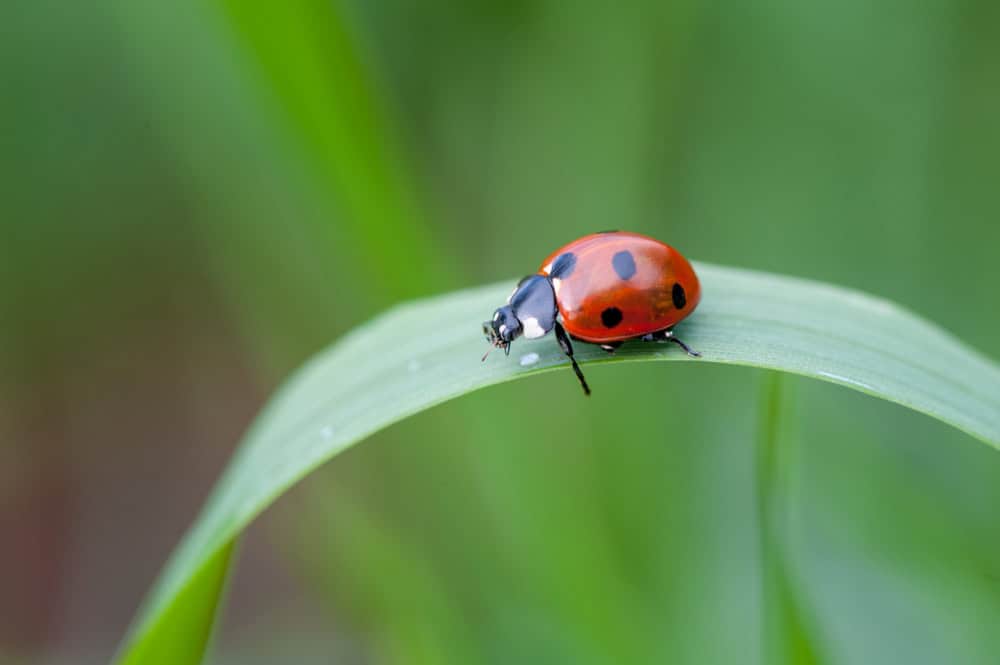
Commonly known as ladybugs, these insects are a gardener’s best friend. They are natural predators of aphids, mites, and other insect pests that can devastate crops and ornamental plants. This pest control reduces the need for chemical pesticides, promoting healthier agricultural and garden ecosystems.
3. Ants (Formicidae)

Ants are incredible ecosystem engineers. They disperse seeds, aerate the soil, and recycle nutrients. By breaking down organic matter, ants enrich the soil, promoting healthier plant growth. Certain ant species have mutualistic relationships with plants, offering protection from herbivores in exchange for nectar.
4. Butterflies (Lepidoptera)

Butterflies are not just admired for their beauty; they are also effective pollinators. They feed on nectar and inadvertently transfer pollen from one flower to another, contributing to plant reproduction. Additionally, butterflies serve as prey for birds and other wildlife, making them a crucial component of the food web.
5. Earthworms (Lumbricina)
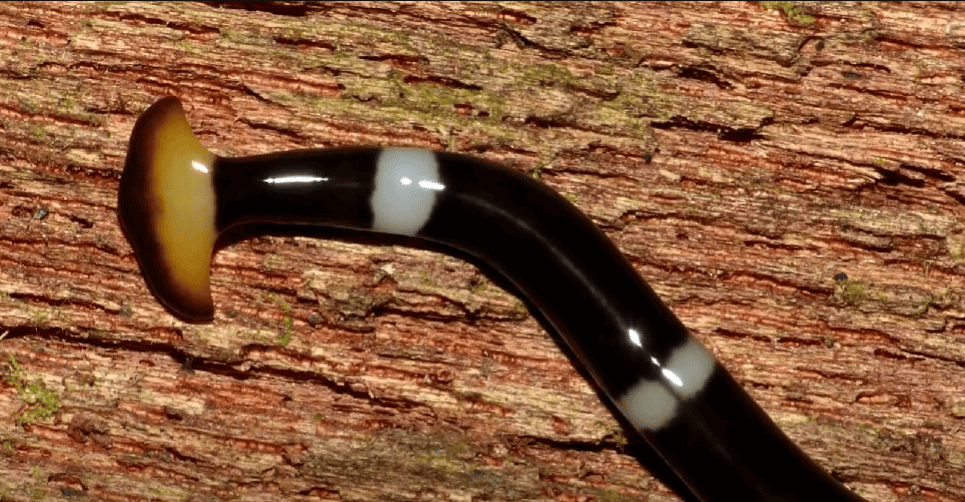
Though technically not insects, earthworms are often grouped with them due to their similar roles in the ecosystem. Earthworms are natural tillers of the soil. Their burrowing activities aerate the soil, enhance its structure, and facilitate nutrient cycling, promoting robust plant growth.
6. Dragonflies (Anisoptera)

Dragonflies are effective predators, particularly of mosquitoes and other small, flying insects. By controlling these populations, dragonflies help maintain a balanced ecosystem. Furthermore, the presence of dragonflies is often a good indicator of clean, healthy water bodies.
7. Termites (Isoptera)

Termites play a significant role in breaking down tough plant fibers, such as cellulose. In doing so, they recycle nutrients back into the soil. While they can be pests in human structures, their contribution to nutrient cycling in natural habitats is invaluable.
8. Praying Mantises (Mantodea)
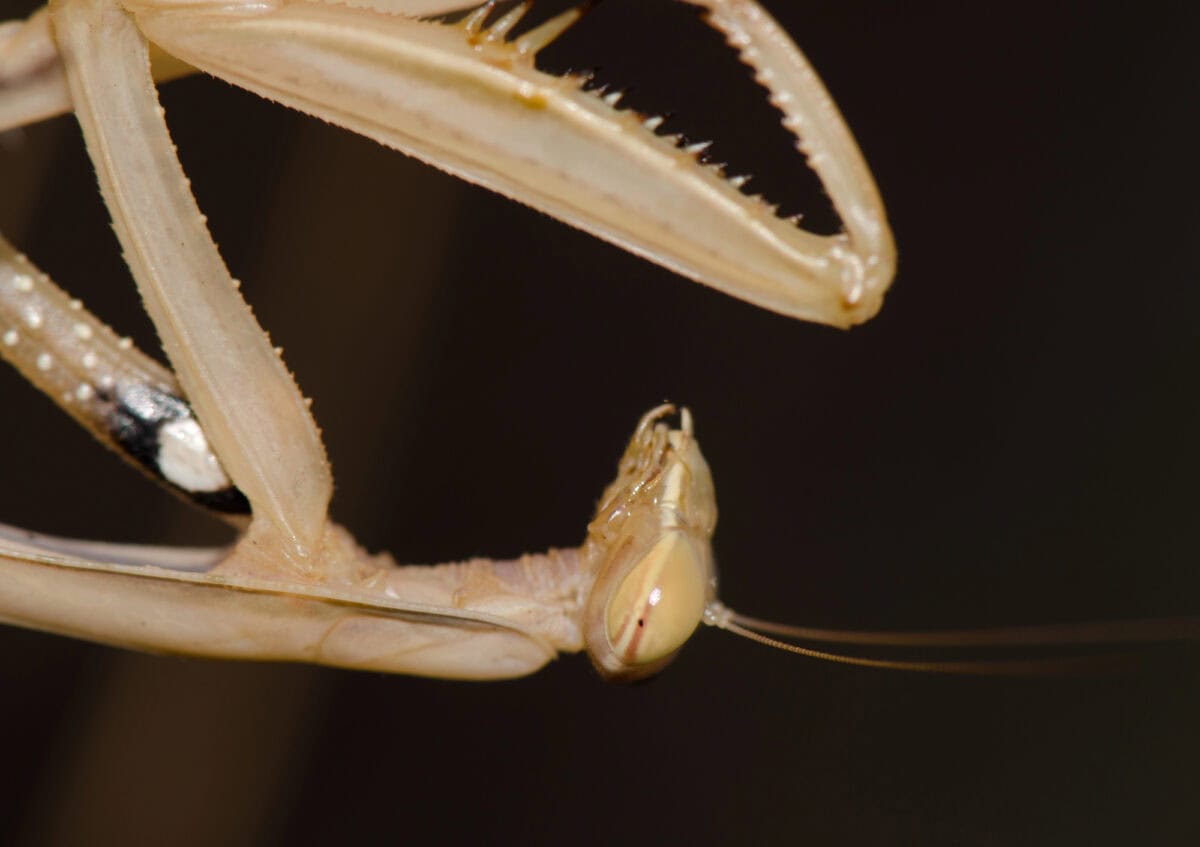
Praying mantises are formidable predators that feed on a variety of insects. They help control the populations of pests, including caterpillars and beetles. This makes them beneficial to both agricultural lands and natural gardens. Their presence indicates a healthy, biodiverse ecosystem.
9. Fireflies (Lampyridae)
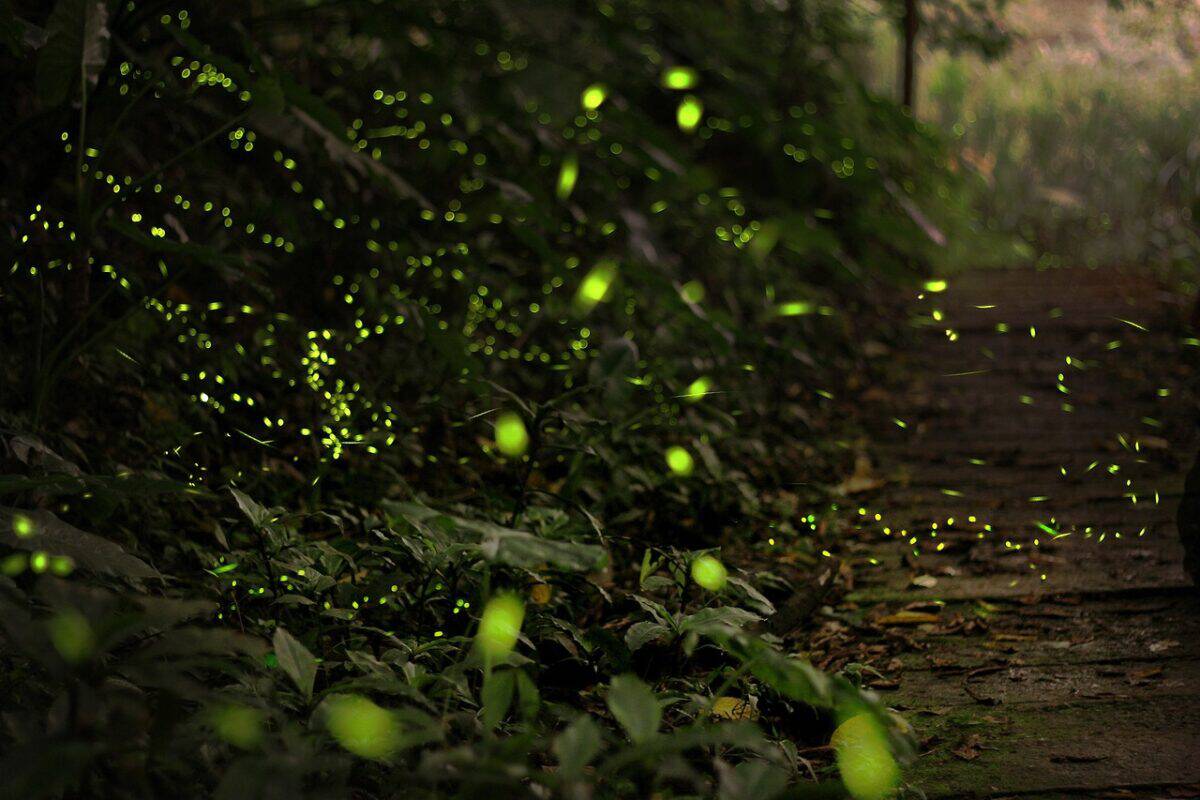
Fireflies, also known as lightning bugs, are more than just summer’s enchanting lights. These insects are predators in both their larval and adult stages, feeding on pests like snails, slugs, and other small invertebrates. Beyond their pest-control benefits, they also contribute to the ecosystem’s genetic diversity by acting as pollinators.
10. Cicadas (Cicadoidea)
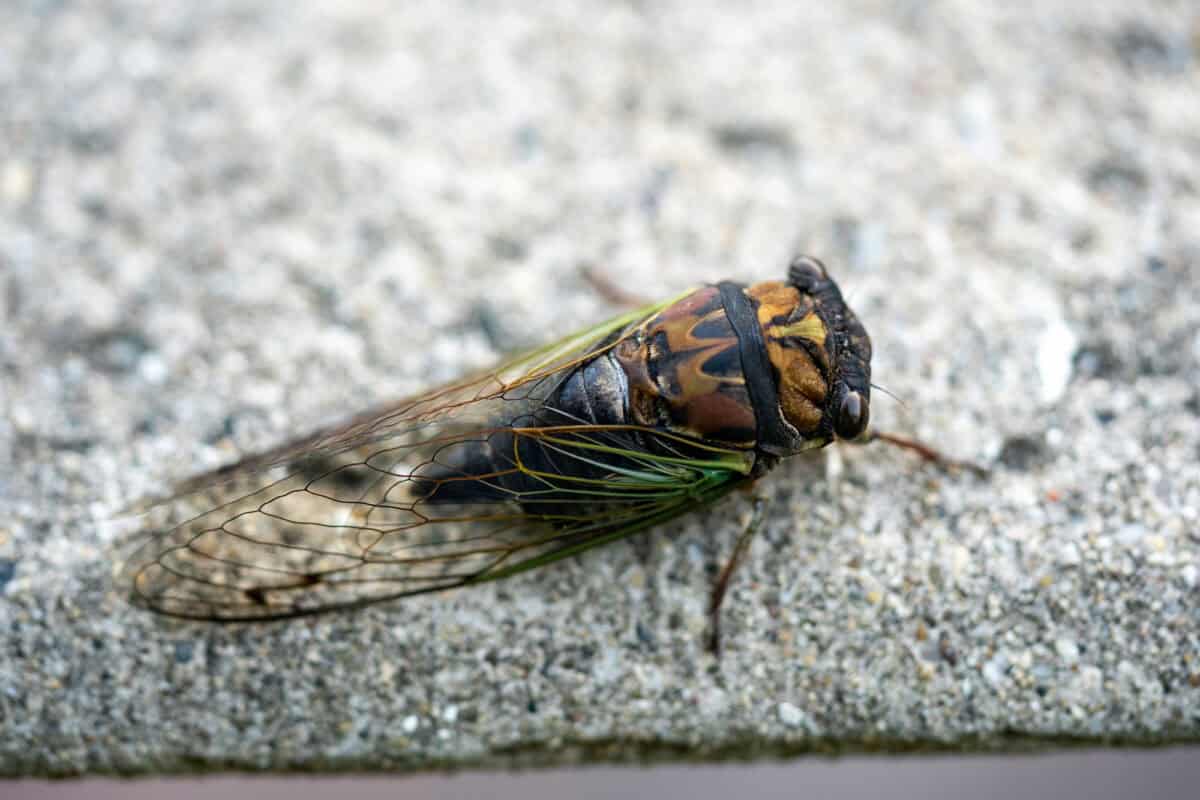
Every few years, cicadas emerge in massive numbers. Despite concerns about their noise, cicadas play an essential role in their ecosystems. When they die, their bodies decompose, enriching the soil with nutrients. Their emergence also provides a feast for a variety of predators, supporting the food web.
Conclusion
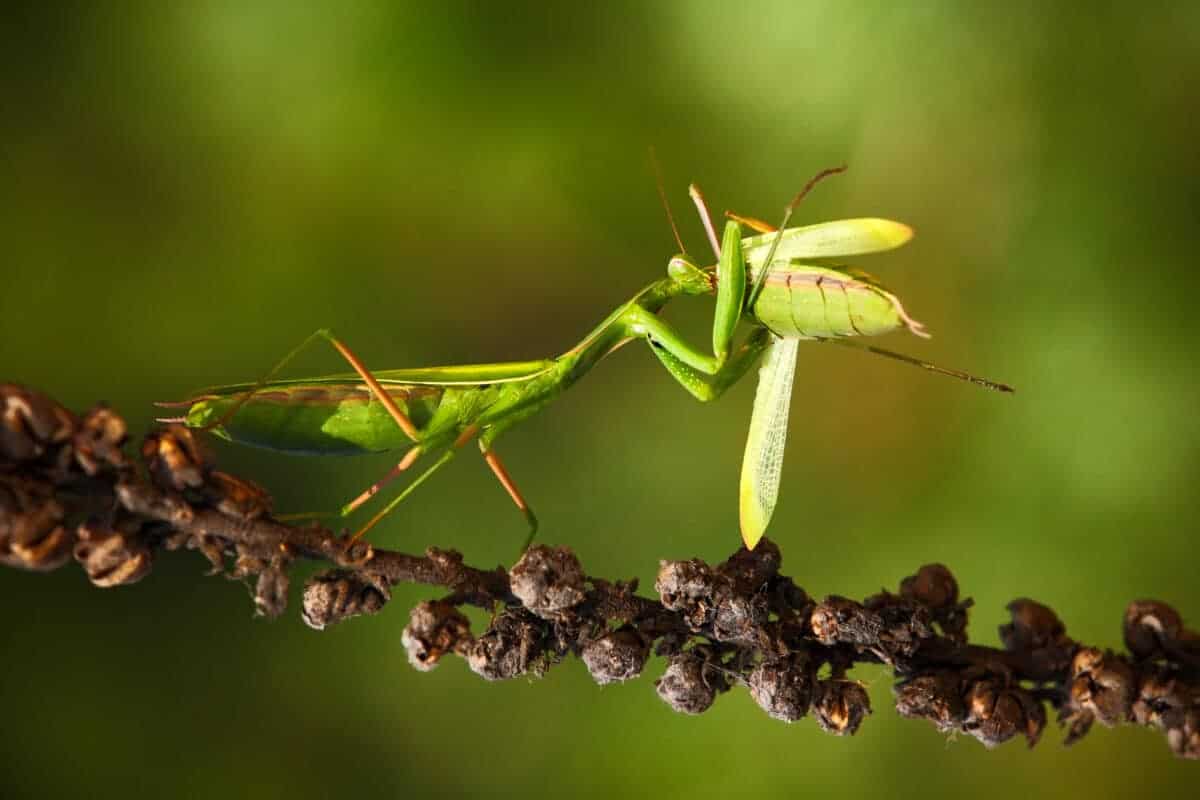
Insects are integral to the health of our ecosystems. From pollination and pest control to soil aeration and nutrient recycling, they perform functions vital for ecological balance. By fostering an appreciation for these insects and their roles, we can work towards conserving these indispensable creatures and ensuring the sustainability of our environment.

As a little kid, I fell in love with nature, wildlife, and animals. Living in the USA, South Africa, Italy, China and Germany gave me the opportunity to discover the world's Wildlife. My favorite animals are Mountain Gorillas, Siberian Tigers, and Great White Sharks.
I'm a certified PADI Open Water Diver, went to Everest Base Camp and Trekked Gorillas in Uganda. I hold a Master of Science in Economics and Finance.
Please send any feedback to feedback@animalsaroundtheglobe.com
- 12 Sea Animals Believed to Bring Luck or Doom - July 29, 2026
- The Lizard That Can Run on Water – Nature’s Real-Life Jesus Lizard - July 29, 2026
- Why Some Fish Can Live in Both Freshwater and Saltwater - July 29, 2026