

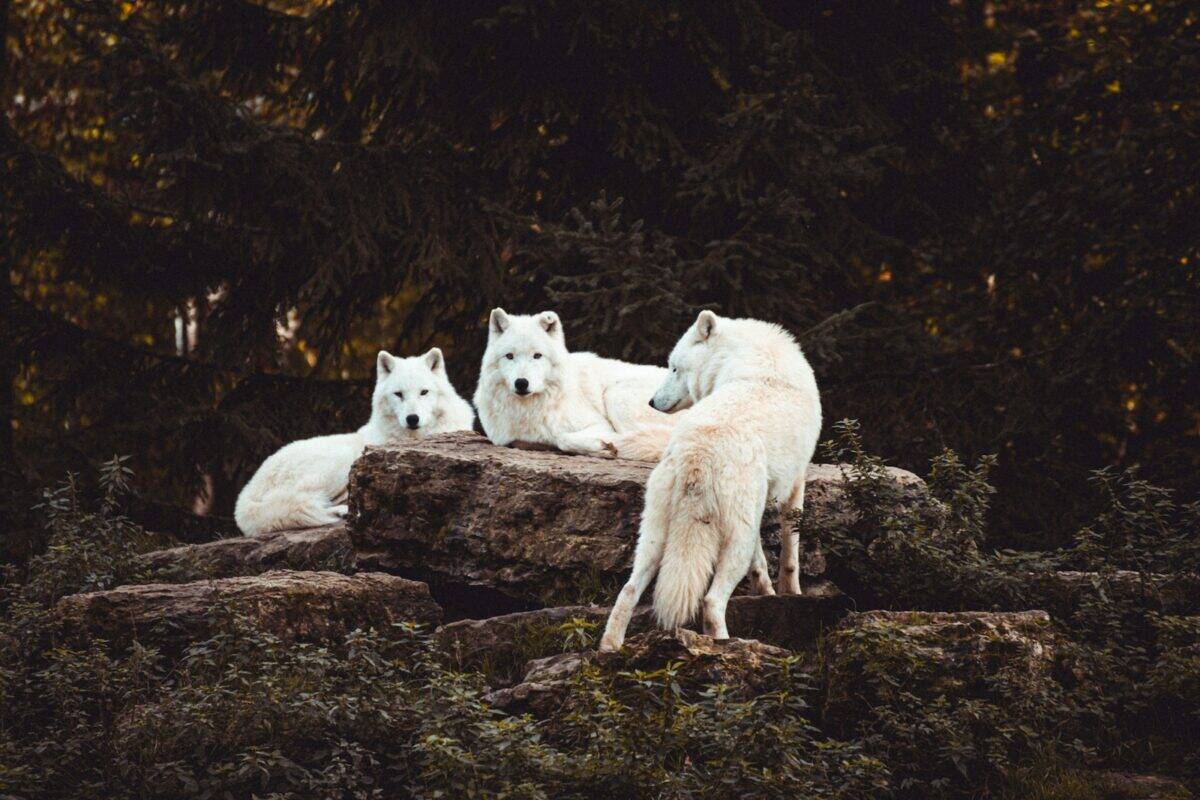
The mysterious howl of a wolf echoing through a forest is one of nature’s most spine-tingling sounds. For wildlife enthusiasts, glimpsing these elusive predators in their natural habitat represents a rare and unforgettable experience. Wolves, once nearly eradicated from much of their historical range, have made remarkable comebacks in several regions, offering wildlife watchers new opportunities to observe them. However, spotting wolves requires patience, knowledge, and respect for these magnificent but shy animals. This comprehensive guide will equip beginners with the essential information needed to maximize their chances of responsibly observing wolves in the wild, from understanding wolf behavior and habitat preferences to knowing what equipment to bring and ethical viewing practices to follow.
Understanding Wolf Species and Distribution
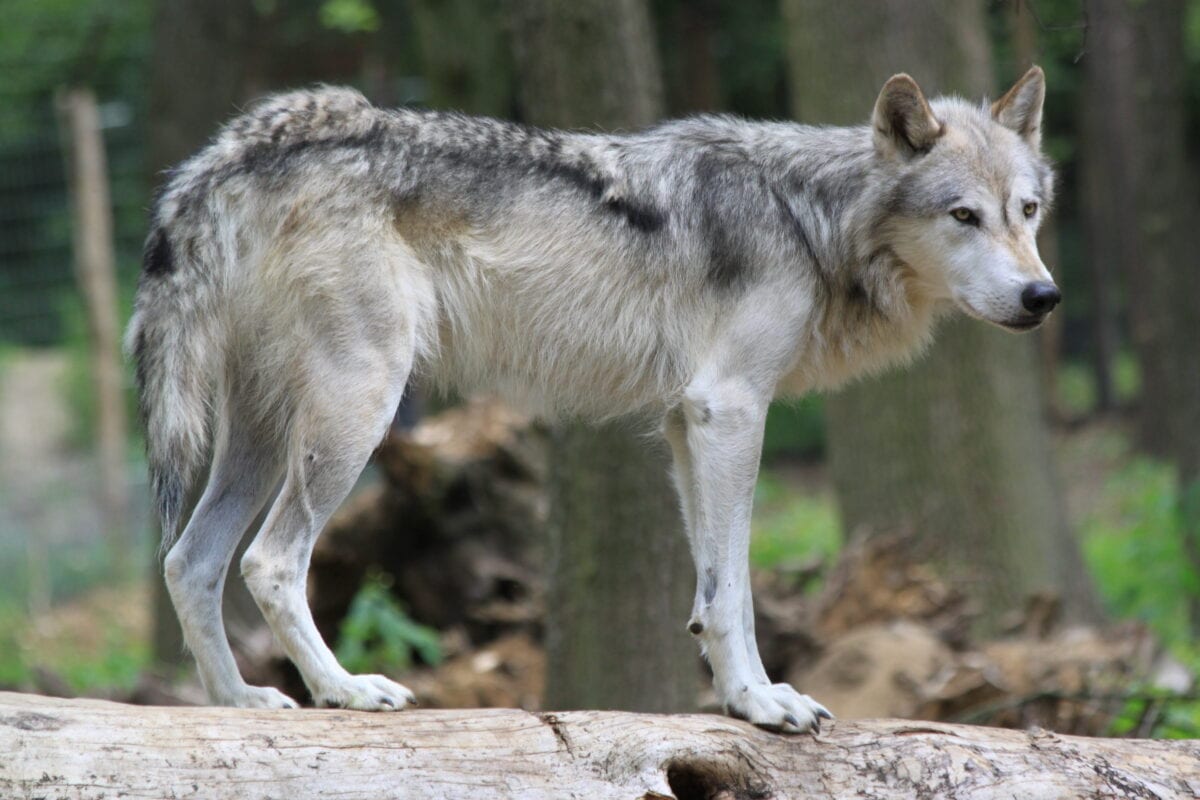
Before setting out to spot wolves, it’s important to understand which species you might encounter. The gray wolf (Canis lupus) is the most widespread, found across parts of North America, Europe, and Asia. In North America, you’ll find gray wolves primarily in Alaska, Minnesota, Michigan, Wisconsin, Montana, Idaho, Wyoming, and parts of Washington, Oregon, and California. The Mexican gray wolf, a subspecies, inhabits small areas of Arizona and New Mexico. Red wolves (Canis rufus), critically endangered, are limited to a small recovery area in eastern North Carolina. Each population has adapted to its local environment, with variations in size, coat color, and behavior. Understanding which wolf species inhabits your target viewing area will help you know what to look for and set realistic expectations for your wildlife watching expedition.
Prime Wolf Habitats and Viewing Locations

Wolves inhabit diverse environments but generally prefer areas with adequate prey, limited human disturbance, and some forest cover. In North America, Yellowstone National Park stands as perhaps the premier wolf-watching destination, particularly the Lamar Valley, often called “America’s Serengeti.” The wolves reintroduced there in the mid-1990s have established visible packs that can sometimes be observed hunting or interacting. Other excellent locations include Denali National Park in Alaska, Voyageurs National Park in Minnesota, and Isle Royale National Park in Michigan. In Europe, the wilderness areas of Poland, Romania, and northern Spain offer opportunities to spot wolves, while in Asia, parts of Mongolia and Russia host healthy wolf populations. Research specific viewing areas within these regions before your trip, as wolf activity can vary seasonally and rangers or local guides can provide up-to-date information on recent sightings.
Seasonal Considerations for Wolf Watching

Timing your wolf-watching expedition correctly can dramatically improve your chances of success. Winter offers several advantages: wolves are more visible against snow, they tend to be more active during daylight hours in colder months, and their prey is often concentrated in valleys and lowlands. In Yellowstone, January through March is considered prime wolf-watching season. Spring brings the emergence of pups from dens, though viewing is more challenging as vegetation thickens. Summer can be difficult for wolf watching due to abundant foliage, dispersed prey, and in some locations, excessive heat that reduces daytime activity. Fall, particularly during the rut season of their prey species like elk, can offer good opportunities as wolves follow these herds. Additionally, wolves are more vocal during their breeding season (January-February), making them easier to locate by sound. Plan your trip according to these seasonal patterns for the best possible experience.
Essential Equipment for Wolf Spotting

Successful wolf watching requires proper equipment, with quality optics being the most important investment. Binoculars with at least 8×42 magnification are essential, while a spotting scope (20-60x zoom) allows for detailed observation at greater distances without disturbing the animals. A sturdy tripod is necessary to stabilize your spotting scope. Dress in layers of neutral-colored, quiet clothing appropriate for the climate and season, with thermal underwear in colder conditions. Waterproof hiking boots with good ankle support are crucial, as is rain gear regardless of forecast. Bring a field guide to wolf behavior, a notebook for recording observations, and a camera with a telephoto lens if you wish to photograph your sightings. Don’t forget essentials like water, high-energy snacks, a first aid kit, map, compass, and/or GPS, plus any area-specific safety items recommended by local authorities. Cell phone service is often unreliable in prime wolf habitat, so prepare accordingly.
Understanding Wolf Behavior Patterns
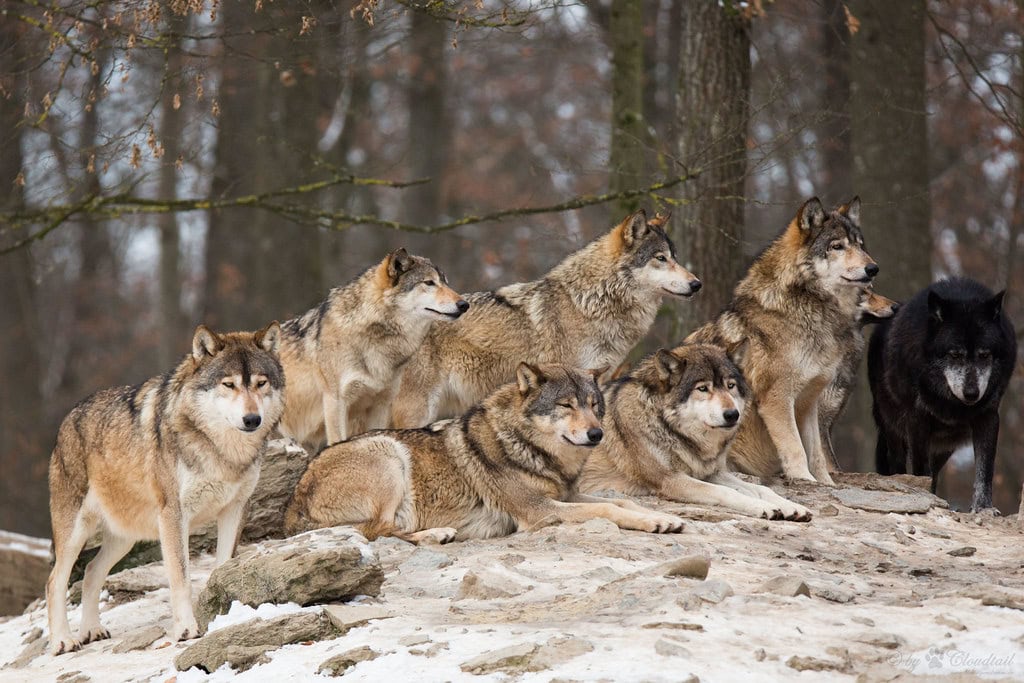
Wolves are crepuscular, meaning they’re most active during dawn and dusk, though this varies by season and location. They typically travel and hunt in packs led by an alpha pair, covering vast territories that can range from 50 to over 1,000 square miles. Learning to recognize wolf hunting patterns can improve your chances of observation. Wolves often patrol territory edges, follow game trails, and frequent meadows where prey animals feed. They communicate through a complex system of howling, body language, and scent marking. When hunting, wolves may split up to ambush prey or work together to chase and exhaust larger animals. Understanding that wolves are naturally wary of humans is crucial—if you spot wolves acting unafraid of people, this is abnormal behavior that should be reported to park rangers. Wolves almost never pose a danger to humans, but maintaining a respectful distance ensures both your safety and minimizes disturbance to these wild animals.
Distinguishing Wolves from Similar Species

One of the most common challenges for beginners is correctly identifying wolves and distinguishing them from similar species. Coyotes, the most frequently confused look-alike, are notably smaller than wolves (20-50 pounds versus a wolf’s 70-150 pounds) with more pointed features, bushier tails held low, and narrower chests. Wolves have broader, blockier heads, larger paws, and longer legs relative to their body size, giving them a lanky appearance compared to coyotes. In areas where both species overlap, size alone isn’t always conclusive, as a large coyote might appear similar to a small wolf at a distance. Other potential confusion species include large dog breeds, particularly German Shepherds, Huskies, or wolfdog hybrids. Wild wolves typically move with greater purpose and efficiency than domestic dogs, showing a distinctive smooth, ground-covering trot. In some regions, you might also need to distinguish between wolf species—gray wolves are generally larger than red wolves, for instance. Learning these distinctions before your trip will help prevent false identifications.
Tracking and Identifying Wolf Signs

Even when wolves themselves remain elusive, learning to recognize their signs can enhance your wildlife experience and confirm their presence. Wolf tracks are larger than coyote or dog tracks, typically measuring 4-5 inches long by 3-4 inches wide, with four toe pads, a heel pad, and visible claw marks. The front tracks are larger than the rear, and wolves typically travel with a direct, energy-efficient gait that creates a nearly straight line of prints. Wolf scat resembles large dog droppings but often contains more hair and bone fragments from prey. It’s frequently deposited on trails or prominent locations as territorial markers. Look for signs of wolf kills, characterized by larger prey like elk or deer being consumed more thoroughly than mountain lion kills, with crushed large bones and scattered remains. Signs of digging might indicate a den site (though these should never be approached closely). Tufts of fur caught on branches or rocks and tree trunks scratched by wolves marking territory are other indicators. These signs not only confirm wolf presence but can tell stories about their behavior, diet, and movements.
Wolf Vocalization and Communication

Learning to recognize wolf vocalizations can dramatically improve your wolf-watching success and deepen your appreciation for these social predators. The iconic howl—a long, mournful call that rises and falls in pitch—serves multiple communication purposes: it helps pack members locate each other, defend territory, and reinforce social bonds. Howling often intensifies during breeding season and can be heard over distances of up to six miles in favorable conditions. Beyond howling, wolves use a rich vocabulary of barks, growls, whines, and yips to communicate different messages. Short barks often signal alarm, while growls express dominance or threats. Whines and whimpers frequently indicate submission or greeting behaviors among pack members. If you hear wolves howling, note the direction and listen for answering howls, as this can help pinpoint their location. Early morning and evening are typically the best times to hear wolf vocalizations. Some wolf watchers bring recording equipment to document these haunting sounds, though playback should never be used to attempt to attract wolves, as this disrupts their natural behavior patterns.
Ethical Wildlife Viewing Practices
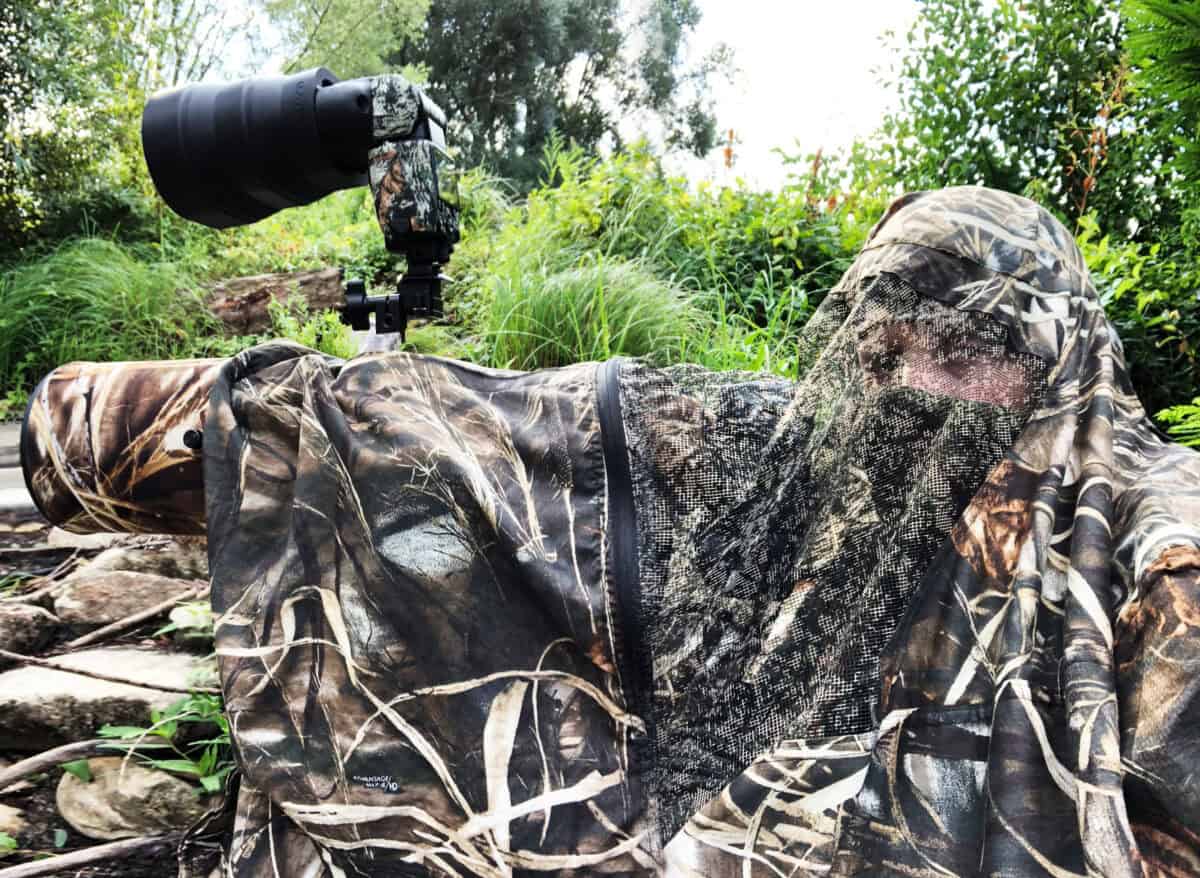
Responsible wolf watching prioritizes the animals’ welfare above the observer’s desire for a closer look or better photograph. Always maintain a minimum distance of 100 yards (91 meters) from wolves—the length of a football field is a good reference. Use your optics to bring wolves “closer” rather than attempting to approach them physically. Never feed wolves or leave food where they might find it, as this creates dangerous habituation. Keep noise to a minimum while wolf watching, speaking only in whispers and silencing electronic devices. If you find yourself between wolf pack members or between wolves and their prey or den, back away slowly to avoid disrupting natural behaviors. Stay on designated trails in protected areas, and never approach den sites or rendezvous areas where pups may be present. Wolves with pups can become defensive, and human presence near these sensitive locations can cause wolves to abandon or relocate their young. Following these ethical guidelines ensures your presence doesn’t negatively impact the very wildlife you’ve come to appreciate, while also setting a positive example for other wildlife watchers.
Group Tours and Guided Experiences
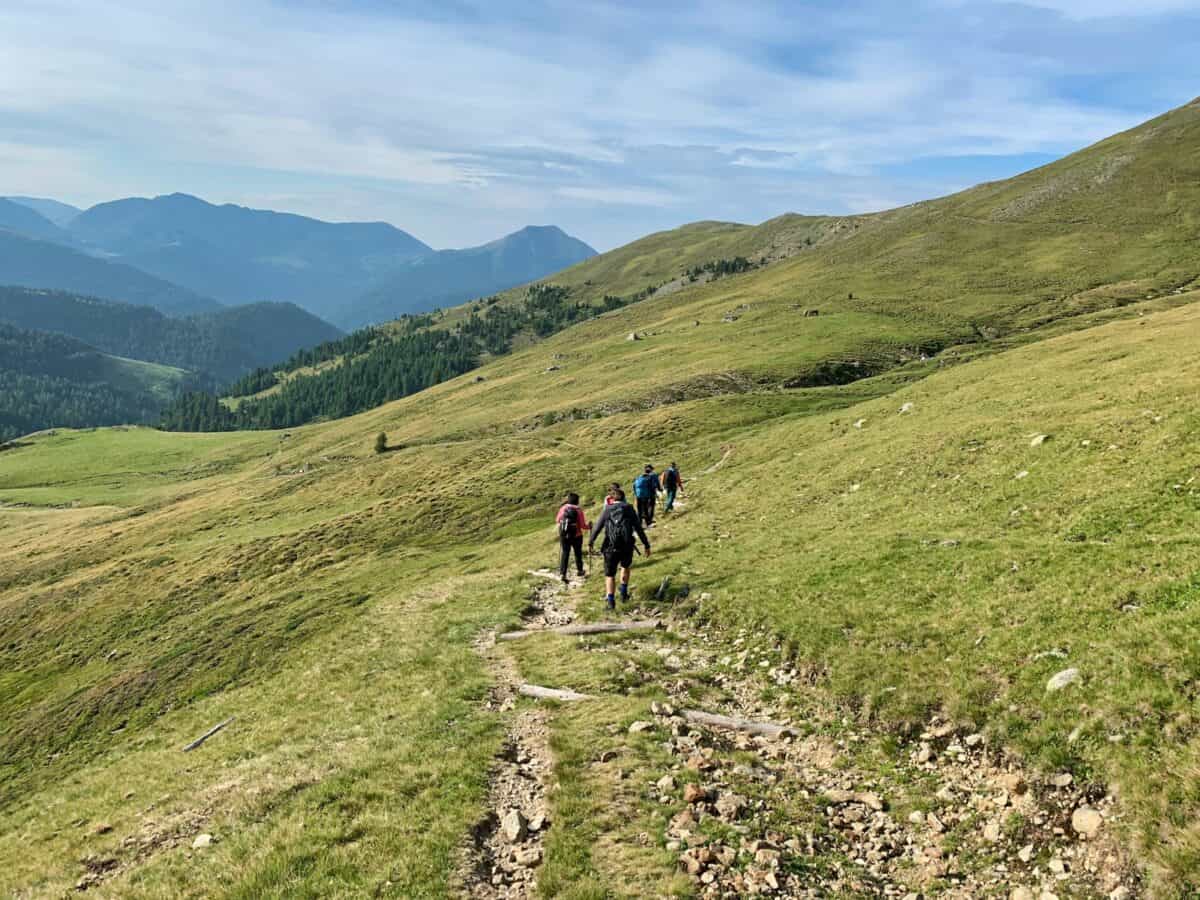
For beginners, joining a guided wolf-watching tour offers significant advantages over independent exploration. Experienced guides know local wolf territories, understand pack movements, and can interpret behaviors that might puzzle newcomers. In places like Yellowstone, specialist wildlife tour companies employ naturalists who track wolf activity daily and maintain radio communication with other guides, dramatically increasing your chances of successful sightings. These professionals can also identify individual wolves and packs, adding depth to your experience by sharing the ongoing stories and histories of these animals. While some tours are general wildlife excursions, others focus specifically on wolves, often starting before dawn to maximize viewing opportunities. Tours vary widely in size, duration, and cost—from half-day outings to week-long immersive experiences with accommodations included. Research options thoroughly, reading reviews and checking what equipment is provided versus what you need to bring. Many tours fill months in advance, especially during prime viewing seasons, so early booking is advisable. For photographers, specialized photo safaris with professional wildlife photographers offer technical guidance alongside wolf-finding expertise.
Safety Considerations in Wolf Country

While wolves rarely pose a direct threat to humans, staying safe in wolf country involves preparation and awareness. Always hike with a partner when possible and inform someone of your itinerary and expected return time. Carry bear spray, which is effective against any large predator in the unlikely event of an aggressive encounter. If you do encounter a wolf at close range, maintain eye contact, stand tall, and back away slowly—never run, as this might trigger a chase response. Make yourself look larger by raising arms and opening jackets. In the extremely rare case of a wolf approaching rather than retreating, shout, clap hands, throw objects near (not at) the animal, and use bear spray if necessary. Keep dogs leashed in wolf territory, as domestic canines can attract wolves through curiosity or territorial responses. Be aware of seasonal factors affecting wolf behavior, particularly if pups might be present. Learn to recognize signs of habituation (lack of fear) in wolves, which indicates a potentially dangerous situation that should be reported to wildlife authorities. These safety measures address extremely unlikely scenarios—most wolf watchers will never experience any threatening behavior from these naturally shy animals.
Photography Tips for Wolf Watchers

Photographing wild wolves presents unique challenges that require specialized equipment and techniques. A telephoto lens of at least 400mm is generally considered the minimum for quality wolf images, with many serious wildlife photographers using 600mm or longer lenses. A sturdy tripod is essential, as is a fast camera capable of shooting in low light conditions—wolves are often active at dawn and dusk when lighting is challenging. Familiarize yourself with your equipment before your trip, as fumbling with settings can mean missing fleeting opportunities. When composing shots, include environmental context to tell a more complete story rather than just capturing “portrait” images. Patience is perhaps the most crucial element—successful wolf photographers often spend days or weeks waiting for the perfect moment. Rather than chasing after wolves for closer shots (which stresses the animals and rarely produces good results), position yourself where wolves are likely to appear and wait. Consider weather conditions and how they affect both wolf behavior and photography—fresh snow, for instance, provides high contrast that highlights wolf movements and behaviors. Remember that even if you don’t capture professional-quality images, the experience of observing these magnificent predators in their natural environment is the true reward.
Observing wolves in the wild offers a window into the complex social lives of these apex predators and the ecological systems they help balance. The experience connects us to something primeval and reminds us of wilderness values increasingly absent from our modern lives. Beyond the thrill of the sighting itself, successful wolf watching requires developing naturalist skills—patience, attention to detail, and ecological understanding—that enhance all outdoor experiences. These encounters, whether brief glimpses or extended observations, create lasting memories and often inspire deeper conservation commitments. As wolf populations continue their tentative recovery in some regions while facing new threats in others, responsible wolf watching not only provides personal enjoyment but also builds constituent support for conservation efforts that ensure future generations can experience the wonder of hearing a wolf howl echo across a wild landscape.

- How Crickets Chirp Using Their Wings - July 20, 2026
- The Largest Sea Turtle Ever Rescued Off North Carolina - July 20, 2026
- The Ocean’s Escape Artist: Why Octopuses Outsmart Us All - July 20, 2026