


Nature has perfected numerous survival strategies throughout millions of years of evolution, but perhaps none are as fascinating as those employed by creatures that seem to defy death itself. From organisms that can regenerate their entire bodies to those that can survive in the vacuum of space, these remarkable adaptations push the boundaries of what we consider possible in biology. This article explores 15 extraordinary species that have developed astonishing mechanisms to cheat death, effectively achieving forms of biological immortality or extreme resilience that continue to mystify scientists and challenge our understanding of mortality.
13. Turritopsis dohrnii The Immortal Jellyfish
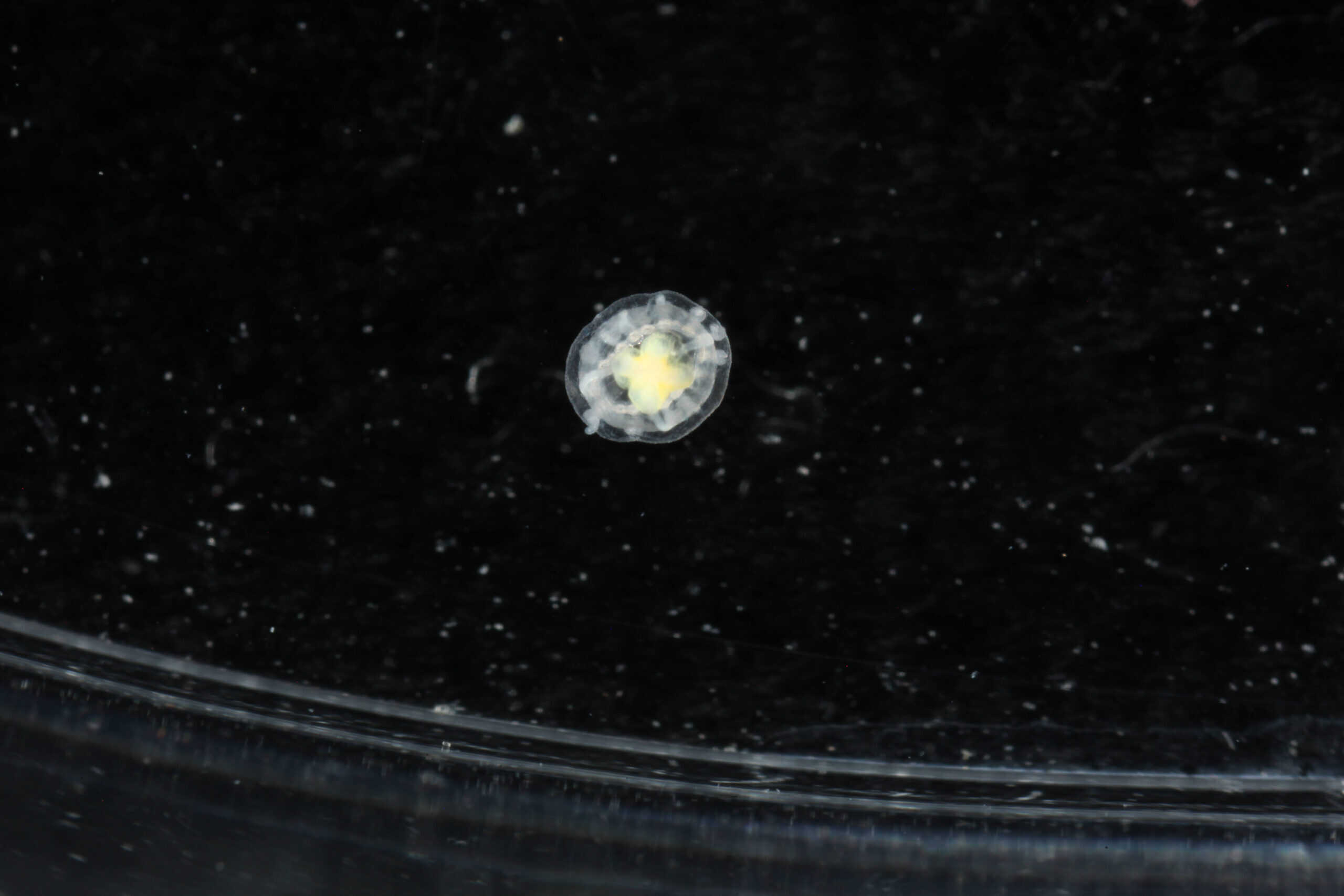
Perhaps the most famous death-defier in the animal kingdom, Turritopsis dohrnii has earned the nickname “the immortal jellyfish” for its remarkable ability to revert to an earlier stage of its life cycle. When facing environmental stress, starvation, physical damage, or even old age, this tiny jellyfish (measuring only 4.5mm across) can transform its mature cells back into their immature state through a process called transdifferentiation. Essentially, the adult medusa reverts to a polyp—its juvenile form—beginning its life cycle anew. Theoretically, this cycle could continue indefinitely, making the jellyfish biologically immortal. Discovered in the 1880s in the Mediterranean Sea, scientists only recognized its age-reversing capabilities in the 1990s. This unique adaptation represents one of the most extraordinary examples of cellular plasticity in nature and continues to be studied for potential applications in human regenerative medicine.
12. Tardigrades The Indestructible Water Bears
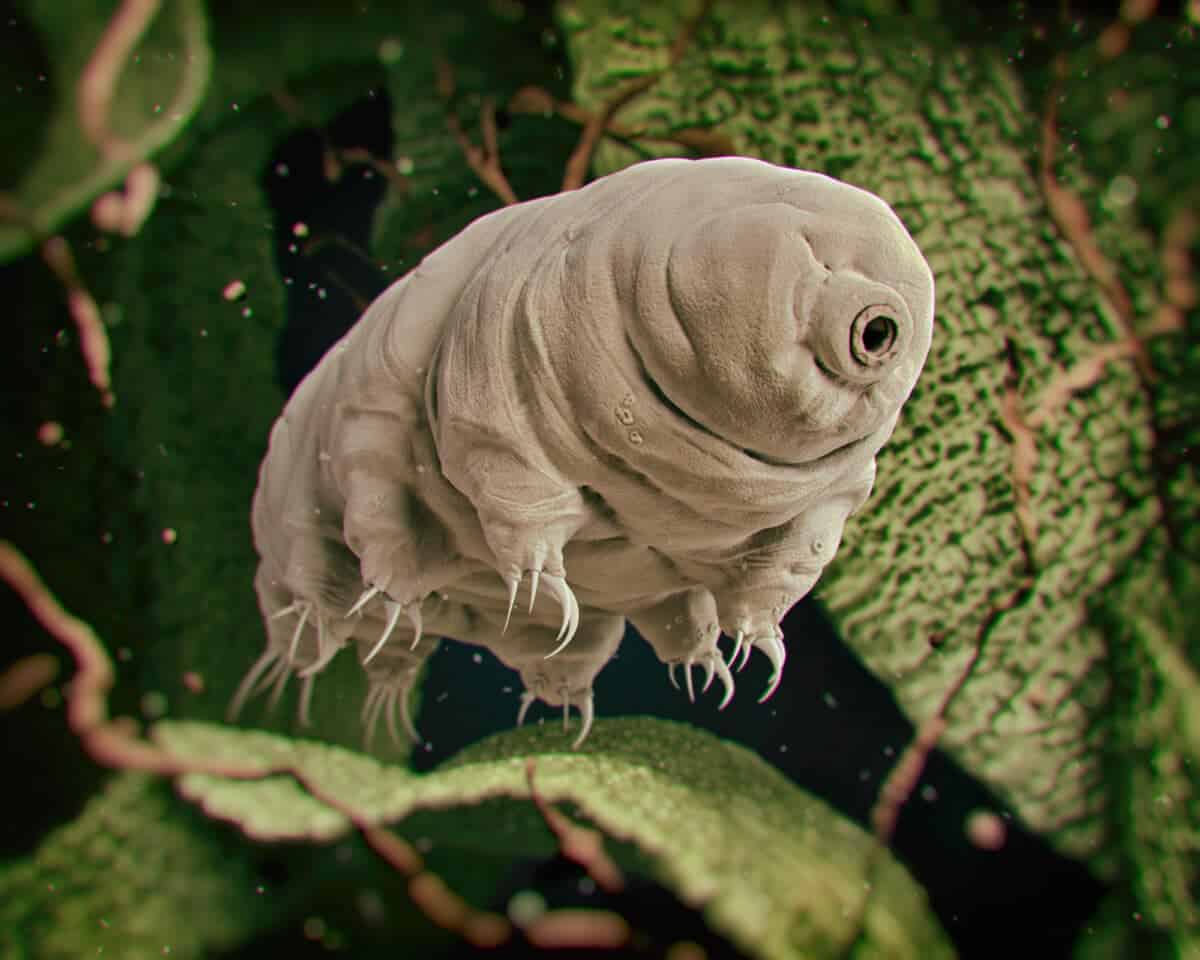
Tardigrades, affectionately known as water bears or moss piglets, are microscopic eight-legged animals that have developed perhaps the most impressive death-defying adaptations on Earth. These tiny creatures (typically 0.5mm long) can survive extreme conditions that would be fatal to almost any other organism. When faced with dehydration, tardigrades enter a state called cryptobiosis, where they expel almost all water from their bodies, retract their heads and limbs, curl into a dehydrated ball called a “tun,” and reduce their metabolism to less than 0.01% of normal. In this state, they can survive temperatures from near absolute zero (-458°F/-272°C) to 300°F/149°C, pressures six times greater than those in the deepest ocean trenches, radiation levels thousands of times higher than the lethal dose for humans, the vacuum of space, and up to 30 years without food or water. When returned to favorable conditions, they rehydrate and resume normal activity within hours. Their remarkable survival mechanisms involve special proteins that protect their cells from damage, making them perhaps the most resilient animals known to science.
11. Hydra The Mythical Reality
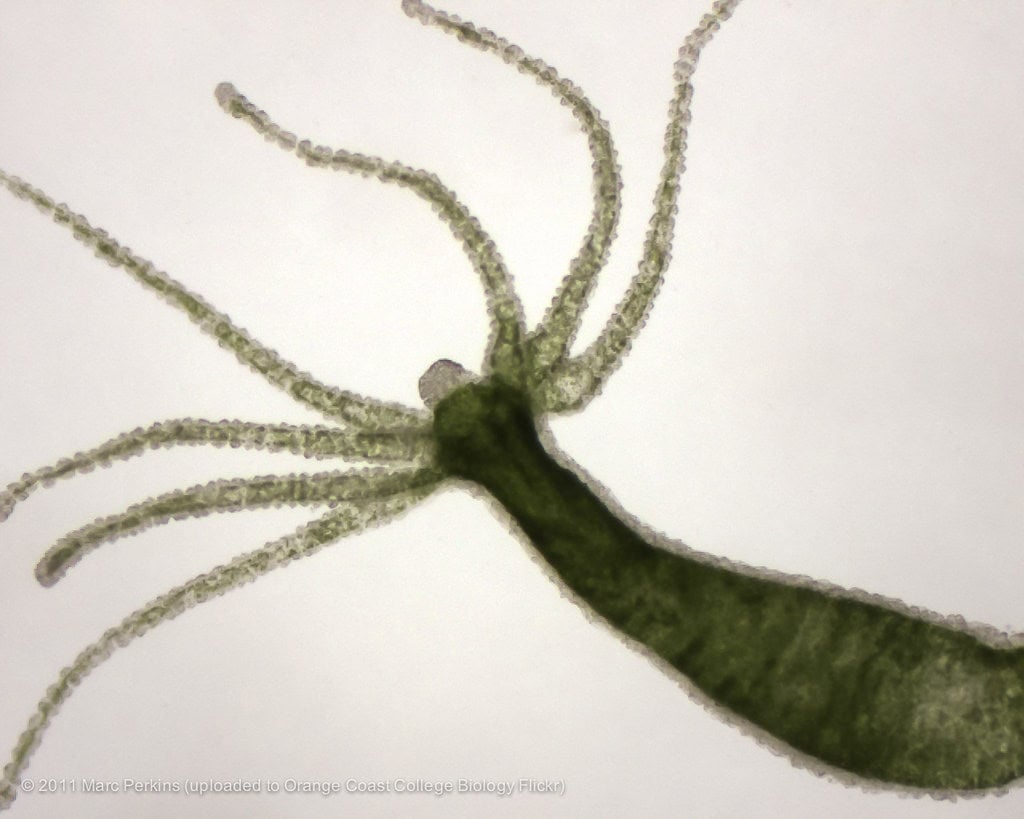
Named after the multi-headed monster of Greek mythology, hydras are tiny freshwater relatives of jellyfish and corals that show no signs of aging or senescence. These small tube-shaped animals, measuring between 0.1-1 inch (2.5-25mm) in length, possess stem cells that continuously differentiate and replace cells throughout their bodies, effectively renewing themselves indefinitely. A hydra’s body is in a constant state of regeneration, with cell turnover occurring every 20 days. This perpetual renewal means that, barring predation or disease, hydras potentially could live forever. Their biological immortality stems from their abundant expression of FoxO genes, which play crucial roles in stem cell maintenance and have been linked to longevity in many species, including humans. Scientists have observed individual hydras living more than 10 years in laboratory conditions without showing any signs of aging or increased mortality rates over time—remarkable for an organism with such a short generational turnover.
10. Planarian Flatworms Masters of Regeneration

Planarians represent one of nature’s most impressive regenerators, capable of death-defying feats that border on the miraculous. These small, freshwater flatworms (typically measuring 0.1-0.5 inches/3-15mm) can regenerate their entire bodies from fragments as small as 1/279th of their original size. This extraordinary ability stems from their abundant population of adult stem cells called neoblasts, which comprise roughly 30% of all cells in their bodies. When a planarian is cut into pieces, these neoblasts rapidly migrate to the wound site and differentiate into whatever cell types are needed to rebuild the missing parts—including a complete brain and digestive system. Perhaps most remarkably, a single neoblast transplanted into an irradiated (stem cell-depleted) planarian can rescue the animal and regenerate an entire body. This regenerative capacity effectively grants planarians biological immortality, as they can continually replace aging or damaged tissues and even reproduce asexually through fission. Studies have shown planarians maintained in laboratory settings for over 15 years without signs of aging, challenging our understanding of senescence and mortality.
9. Bdelloid Rotifers Frozen Survivors

Bdelloid rotifers have developed an extraordinary ability to suspend life and cheat death through a process called anhydrobiosis. These microscopic aquatic animals, typically measuring between 0.1-0.5mm, can survive complete desiccation by entering a dormant state where their metabolism virtually stops. When dried out, they contract into a barrel shape, reducing their body volume by up to 60%, and produce protective compounds like trehalose and specialized proteins that preserve their cellular structures. In this dehydrated state, bdelloid rotifers can survive for extraordinary periods—in 2021, scientists successfully revived rotifers that had been frozen in Siberian permafrost for 24,000 years. When reintroduced to water, these ancient organisms rehydrated and began reproducing normally. Even more remarkably, bdelloid rotifers have evolved without sexual reproduction for over 40 million years, exclusively reproducing asexually through parthenogenesis. This celibate lifestyle should theoretically lead to extinction through the accumulation of harmful mutations, yet they’ve survived by developing unique mechanisms to repair DNA damage and incorporate foreign DNA fragments into their genomes, effectively “stealing” beneficial genes from other organisms.
8. Naked Mole-Rats Cancer-Free Centenarians
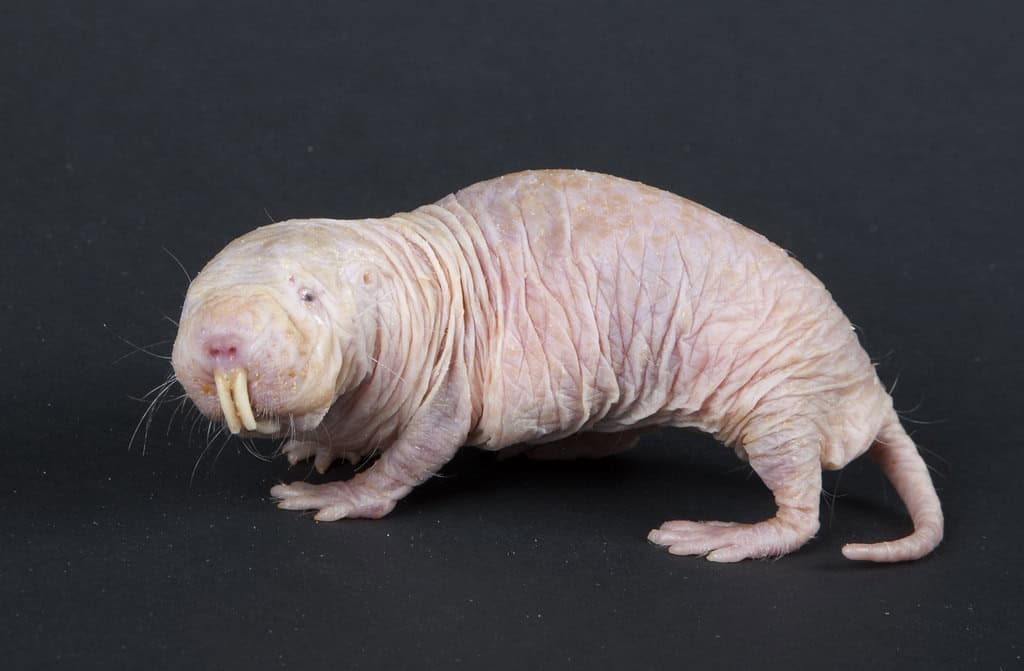
The naked mole-rat (Heterocephalus glaber) has evolved extraordinary mechanisms to cheat death that make it one of the most fascinating mammals on Earth. Despite their unappealing appearance, these subterranean rodents native to East Africa have developed remarkable longevity, living up to 30+ years—nearly 10 times longer than similarly-sized mice. Most extraordinarily, naked mole-rats show negligible senescence, maintaining reproductive capacity, bone density, cardiovascular health, and cognitive function well into their third decade of life. They appear virtually immune to cancer due to unique cellular defenses, including hypersensitivity to cell crowding (early contact inhibition) and the production of high-molecular-weight hyaluronan that prevents tumor formation. Their cells also show remarkable resistance to oxidative stress and can survive in extremely low-oxygen environments that would kill most mammals. Living in eusocial colonies like insects, with a breeding queen and worker castes, their social structure may contribute to their longevity by distributing reproductive stress. Recent research suggests they may even challenge our understanding of the mortality curve, as their risk of death does not increase with age as it does in virtually all other animals, making them one of nature’s most successful death-defying species.
7. Greenland Shark The Ocean’s Ancient Wanderer

The Greenland shark (Somniosus microcephalus) employs perhaps the slowest approach to cheating death in the animal kingdom. These Arctic dwellers hold the record for the longest-lived vertebrates on Earth, with lifespans estimated to reach at least 400 years, possibly extending to 500+ years. Their extraordinary longevity was confirmed in 2016 when researchers used radiocarbon dating of eye lens proteins to determine their age, finding one female specimen approximately 392 ± 120 years old. These sharks grow at an incredibly slow rate of less than 1cm per year and don’t reach sexual maturity until around 150 years of age. Their remarkably slow metabolism—an adaptation to cold, deep waters of the North Atlantic—contributes significantly to their longevity. With body temperatures hovering around 28.8°F (-1.8°C), just above the freezing point of seawater, their tissues contain natural antifreeze proteins. This cold-adapted, slow-burning lifestyle dramatically reduces cellular damage accumulation and metabolic waste that typically contribute to aging. Additionally, Greenland sharks show exceptional resistance to cancer and parasites, with unique immune system adaptations that researchers are studying for potential human medical applications.
6. Bristlecone Pines Millennia-Old Sentinels

Great Basin bristlecone pines (Pinus longaeva) have mastered the art of extreme longevity in the plant kingdom, effectively cheating death for thousands of years. Growing in the harsh, high-altitude environments of Nevada, Utah, and California, these gnarled conifers include specimens confirmed to be over 5,000 years old, with “Methuselah” in California’s White Mountains dated at approximately 4,855 years and a recently discovered unnamed tree estimated at 5,070+ years. Bristlecones achieve their exceptional longevity through several remarkable adaptations. Unlike most organisms, they show no evidence of reproductive or functional decline with age—5,000-year-old trees produce viable seeds just as effectively as younger specimens. They grow incredibly slowly, adding less than 1 inch of diameter per century, which results in extremely dense, resinous wood highly resistant to insects, fungi, rot, and disease. Perhaps most fascinatingly, bristlecones employ “sectorial cambial dieback,” effectively allowing portions of the tree to die while other sections continue living. This compartmentalization means up to 90% of a tree’s cambium layer can be dead, with thin strips of living tissue sustaining the entire organism for millennia. Their harsh mountain habitat, while challenging, actually contributes to their longevity by limiting competition, pests, and diseases that would threaten trees in more hospitable environments.
5. Certain Species of Lobsters Potentially Endless Growth
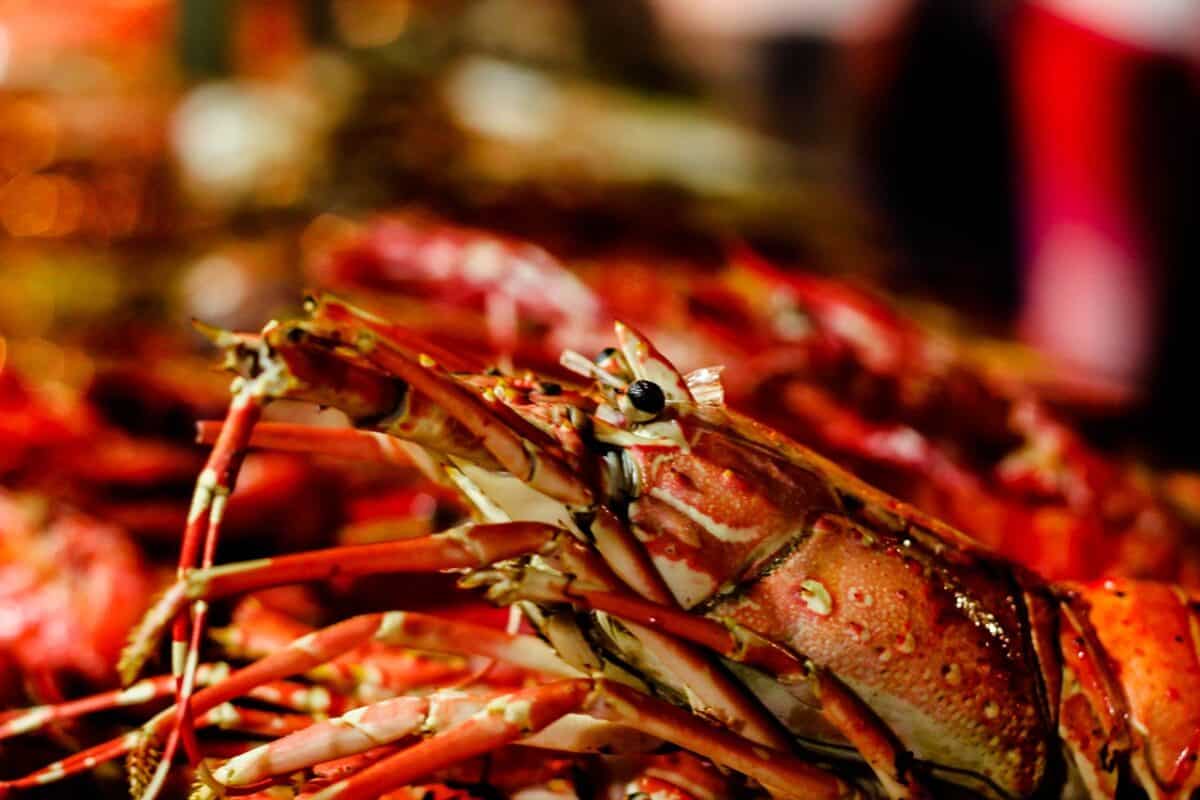
Some lobster species have developed biological mechanisms that allow them to potentially cheat death through a process known as negligible senescence. Unlike most animals, certain lobsters (particularly the American lobster, Homarus americanus) don’t experience a decline in reproductive capacity or increased mortality rates as they age. This remarkable trait stems from their continuous production of telomerase, an enzyme that rebuilds telomeres—the protective caps on chromosomes that typically shorten with each cell division in most organisms, eventually leading to cell death. Lobsters continue producing telomerase throughout their lives, theoretically allowing unlimited cell regeneration. Additionally, these crustaceans never stop growing, continuing to molt and increase in size throughout their lives, albeit at a slower rate as they age. Their exoskeletons are regularly shed and regenerated, a process that may contribute to their biological rejuvenation. The oldest documented American lobster was estimated to be 140 years old, weighing 44 pounds (20kg), though their theoretical maximum lifespan remains unknown. In practice, wild lobsters eventually die from predation, disease, or the increasing energy demands and risks associated with molting as they grow larger. Nevertheless, their cellular machinery appears designed for potential immortality, making them fascinating subjects for aging research.
4. Ginkgo Biloba The Living Fossil

The Ginkgo biloba, often called a “living fossil,” has perfected the art of evolutionary survival and cheating death on both individual and species levels. As the sole surviving member of an ancient order of plants that dates back over 270 million years, ginkgos remained virtually unchanged through the rise and fall of dinosaurs and survived the catastrophic events that caused mass extinctions. Individual ginkgo trees exhibit extraordinary longevity, with documented specimens in China and Japan exceeding 2,500-3,000 years of age. Unlike most organisms, ginkgos show remarkably little senescence; their growth rate doesn’t slow significantly with age, and their reproductive capacity remains robust even after millennia. Research published in 2020 revealed the molecular basis for this immortality-like trait: ginkgo trees maintain robust defenses against environmental stressors and continue producing protective compounds regardless of age. Their cambium stem cells show no evidence of aging-related deterioration or programmed cell death mechanisms that typically limit lifespan in other plants. Additionally, ginkgos possess exceptional resistance to insects, disease, pollution, and even radiation—ginkgo trees were among the few living things to survive the atomic bombing of Hiroshima, with several specimens located just 1-2 km from the blast hypocenter regrowing from their scorched trunks and still alive today. This combination of individual hardiness and evolutionary persistence makes the ginkgo one of nature’s most successful death-defying organisms.
3. Sea Anemones Cellular Regeneration Experts
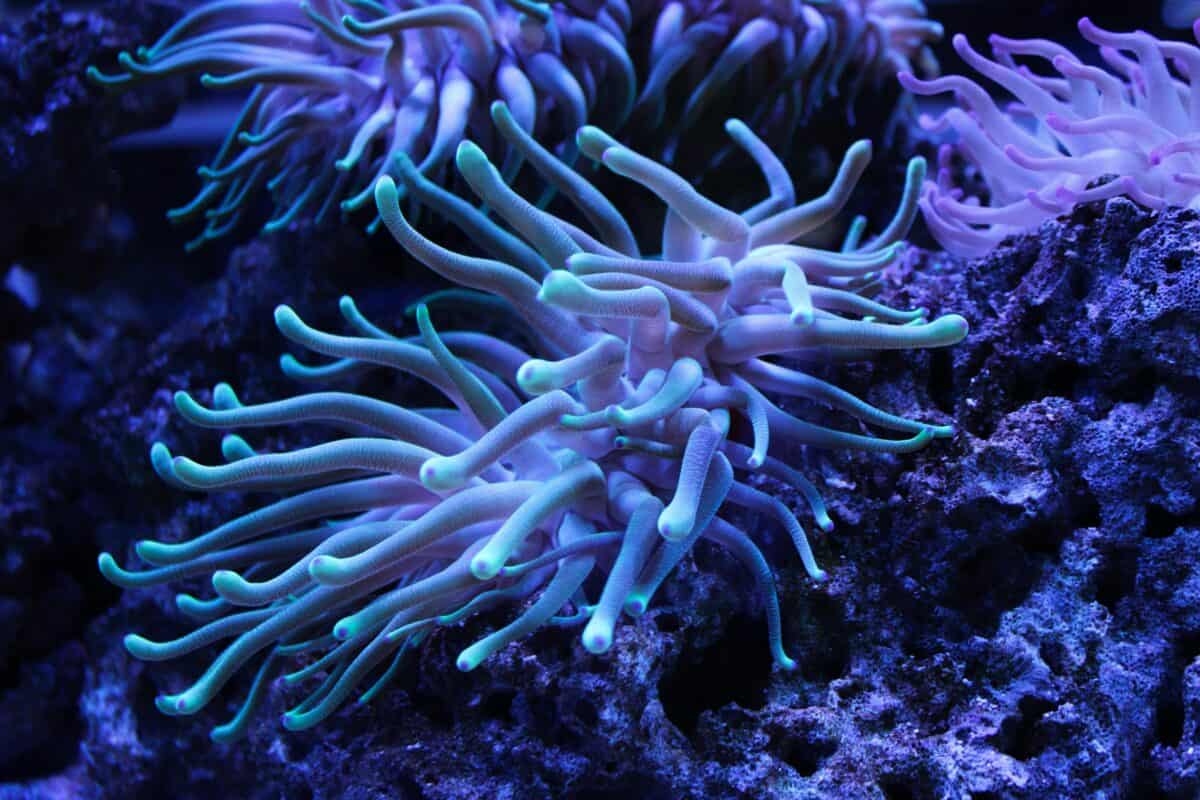
Sea anemones represent some of nature’s most successful death-defiers through their extraordinary cellular regeneration capabilities. These seemingly simple animals, relatives of corals and jellyfish, possess biological mechanisms that grant them potential immortality. Species like Nematostella vectensis can regenerate any part of their body, including their entire nervous system, through the activation of specialized stem cells. Unlike most animals, whose cells become increasingly specialized and lose regenerative potential during development, sea anemones maintain a remarkably plastic genome throughout their lives. Their cells can dedifferentiate (revert to a stem-cell-like state) or transdifferentiate (switch from one cell type to another) as needed for repair and regeneration. Research has shown that anemones express “youth” genes throughout their lifespan that maintain cellular integrity, and they can replace damaged cells indefinitely. Some species reproduce by simply splitting in half (fission), with each half regenerating its missing portions—effectively creating two genetically identical individuals and bypassing the aging process entirely. In laboratory settings, individual anemones have been maintained for over 80 years without showing signs of senescence. Field studies suggest that some wild anemones may be centuries old, with age-related mortality virtually non-existent. Their remarkable regenerative abilities have made them important models for studying the genetic basis of longevity and regeneration.
2. Axolotls Regeneration Champions

The Mexican axolotl (Ambystoma mexicanum) has developed extraordinary regenerative abilities that allow it to cheat death in ways that seem almost supernatural. These neotenic salamanders can regenerate entire limbs, portions of vital organs including the heart and brain, spinal cord, tail, and even parts of their eyes—all without scarring and with full functionality restored. When an axolotl loses a limb, a mass of undifferentiated cells called a blastema forms at the wound site within hours. Over the next several weeks, these cells differentiate to perfectly reconstruct the missing appendage, complete with bones, muscles, nerves, and blood vessels in their original arrangement. Perhaps most remarkably, axolotls can regenerate the same structures repeatedly without degradation in quality or speed. They achieve this through several unique mechanisms, including their ability to reprogram mature cells back to a stem-cell-like state and their remarkable resistance to cancer despite such cellular plasticity. Axolotls also maintain their juvenile characteristics throughout life through a condition called neoteny, never undergoing metamorphosis into a terrestrial adult form. This developmental arrest may contribute to their regenerative capabilities by preserving embryonic healing mechanisms that are lost in most other vertebrates during maturation. Though they typically live 10-15 years in captivity, their biological machinery effectively allows them to replace damaged or lost body parts indefinitely, making them invaluable subjects for regenerative medicine research.
1. Antarctic Glass Sponges Millennial Survivors

Antarctic glass sponges (family Hexactinellidae) have perfected an extraordinary strategy for cheating death through extreme metabolic efficiency and remarkable longevity. These ancient animals, which construct intricate glass-like skeletons from silica, are among the Earth’s longest-lived animals, with documented specimens estimated to be over 10,000 years old. Living at depths of up to 7,000 meters in the frigid Antarctic waters, these sponges grow at an incredibly slow rate—typically less than 0.2mm per year—allowing some individuals to reach massive sizes exceeding 2 meters in height. Their extraordinary longevity stems from an ultra-efficient metabolism.
Conclusion:

The natural world is full of surprises, and the animals featured in this list remind us just how astonishing evolution can be. These lesser-known creatures—many of them small, obscure, or hidden in remote corners of the planet—possess adaptations that rival or surpass anything found in comic books or science fiction. Whether it’s surviving the vacuum of space, producing electric shocks, regenerating entire limbs, or mimicking other species with uncanny accuracy, each of these animals demonstrates the boundless creativity of life on Earth. Beyond inspiring awe, these extraordinary abilities have real-world implications. Scientists and engineers are studying many of these organisms to develop new materials, medical treatments, robotics, energy systems, and more. In this way, the natural “superpowers” of these animals not only expand our understanding of biology but also spark innovations that could shape the future of human technology. Ultimately, recognizing and protecting these remarkable species is not just a matter of conservation—it’s a recognition that some of the planet’s most incredible solutions to complex problems are already alive and well in the natural world.

As a little kid, I fell in love with nature, wildlife, and animals. Living in the USA, South Africa, Italy, China and Germany gave me the opportunity to discover the world's Wildlife. My favorite animals are Mountain Gorillas, Siberian Tigers, and Great White Sharks.
I'm a certified PADI Open Water Diver, went to Everest Base Camp and Trekked Gorillas in Uganda. I hold a Master of Science in Economics and Finance.
Please send any feedback to feedback@animalsaroundtheglobe.com
- This Animal Can Live Without a Head for Weeks - July 11, 2026
- The Amazing Reasons Behind a Prairie Dog’s “Jump Yip” - July 11, 2026
- 13 Common Birdwatching Mistakes and How to Fix Them - July 11, 2026