

There is something almost magical about the way a dog senses when you are not okay. You haven’t said a word. You’re just sitting there, quietly falling apart inside. Then suddenly, a warm, furry body is pressed against your leg, a nose nudges your hand, and somehow, inexplicably, everything feels just a little more bearable. It sounds almost too simple to be true. Yet science backs it up, and millions of dog owners around the world will swear by it with their whole hearts.
Their ability to sense our moods, respond to our emotions, and stay close to us is rooted in thousands of years of shared evolution. The bond between human and dog goes far deeper than a shared sofa or a game of fetch in the park. An emotional support animal can provide comfort, companionship, and therapeutic benefits for those facing emotional or mental health challenges, such as anxiety, panic attacks, depression, chronic stress, ADHD, or post-traumatic stress disorder.
So which breeds are genuinely built for this role? Not all dogs are equal when it comes to emotional attunement. Some breeds just seem to have an extra gear when it comes to human comfort. Let’s dive in and find out which ones truly stand apart.
1. Golden Retriever: The Gold Standard of Emotional Support

Here’s the thing about Golden Retrievers – they do not just love you. They study you. Goldens possess a very high degree of emotional intelligence, and most of them are known for “scanning” their owners’ faces to correctly gauge their mood. That is not a metaphor. They are literally reading you like a book, and they respond accordingly.
Known for their friendly and gentle nature, Golden Retrievers are highly sociable and compassionate dogs with a natural instinct to comfort and connect with people, while also being very easy to train and one of the most reliable breeds out there. Honestly, it’s almost unfair how well-rounded they are.
A Golden Retriever is an extremely comforting dog, and they have even been used to help people, especially children, recovering from trauma after tragedy, making them most suited to those who need pet therapy within a family, particularly one with children. For children with autism or a history of trauma, they are an especially powerful match. Today, they remain one of the most common breeds for emotional support.
2. Labrador Retriever: The Loyal, Happy-Go-Lucky Healer
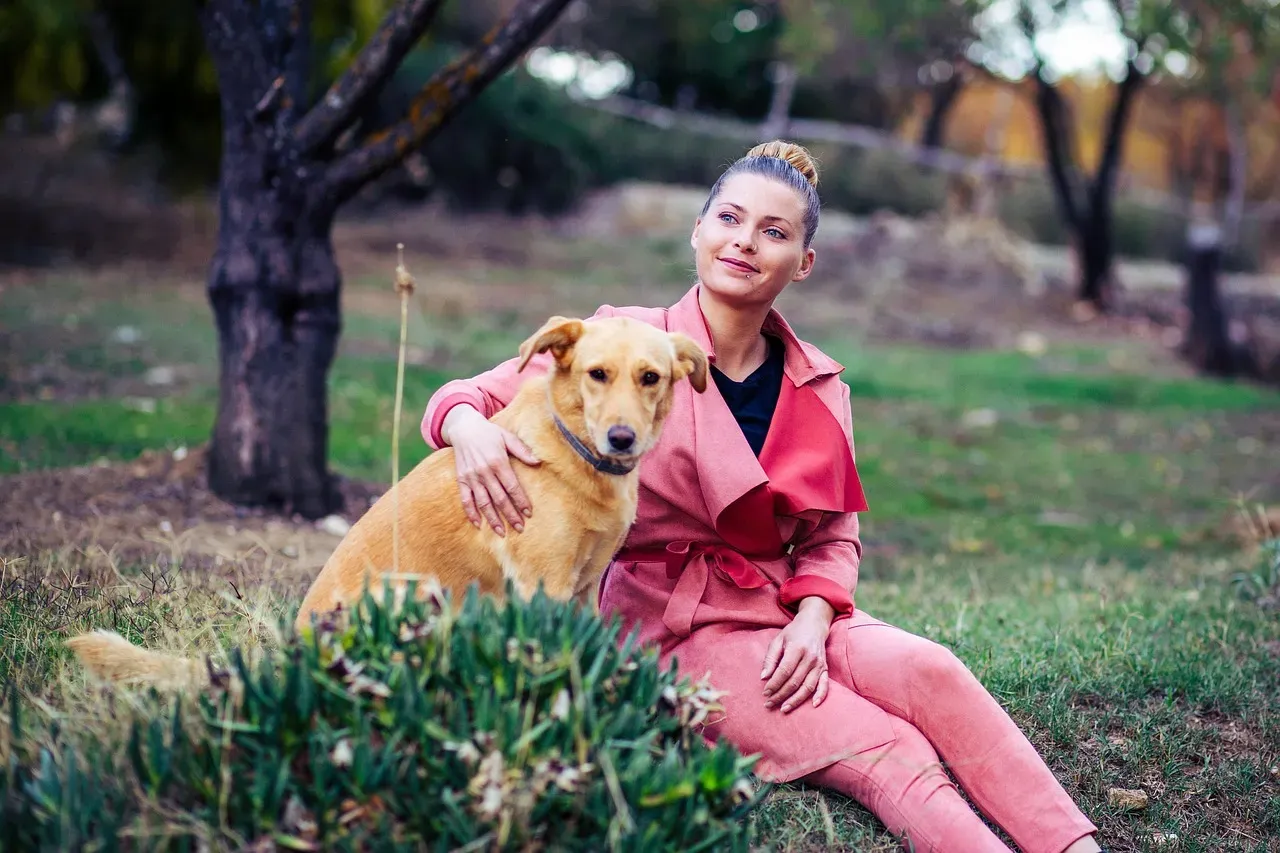
If emotional support had a mascot, it would probably be a Labrador wearing a goofy grin. With their calm demeanor and confidence, Labradors make exceptional emotional support dogs. They are easily trained and eager to please, and they are also known for being attuned to their owners and very responsive.
Their patience and calm demeanor, combined with a strong desire to please their owners, make them exceptional support animals, and for those dealing with constant stress and sadness, having a Labrador retriever nearby can bring a sense of calm and comfort when it’s needed most. Think of them like that one reliable friend who never flakes, never judges, and always shows up.
The Labrador Retriever is an outgoing and active breed, encouraging their humans to go outside and get some exercise with them, and physical activity and social interaction are excellent for keeping depression at bay. That gentle push toward the outdoors might be exactly the therapy you didn’t know you needed.
3. Cavalier King Charles Spaniel: Born to Comfort

The nickname of the breed, “The Comfort Spaniel,” speaks volumes about its ability to ease hardships and make people less distressed. That’s not just a cute label – it reflects centuries of careful breeding specifically aimed at human companionship. These dogs were literally made for this.
The Cavalier King Charles Spaniel was specifically bred for being a human companion, and as expected, it lives for human interaction. Unlike some other working breeds that need a “job,” the Cavalier is satisfied with the connection. Their simplicity of purpose is almost poetic. No need for them to herd sheep or guard a castle. Just being with you is enough.
Cavaliers are affectionate dogs that love to cuddle with their owners, and if they notice you are feeling sad or upset, they come to you right away to offer comfort and try to cheer you up. They are famous for following their owner from room to room – if you move from the kitchen to the living room, they will wake up from a deep sleep just to be near you. Now that’s devotion.
4. Poodle: The Empath in Elegant Disguise

Most people think of Poodles as fancy show dogs with elaborate haircuts. Let’s be real – that reputation sells them dramatically short. Poodles are highly intelligent dogs that enjoy being close to their owners just as much as they enjoy solving puzzles. They are, in many ways, the intellectuals of the dog world.
Poodles have a natural ability to sense when something’s off and often respond with comfort and affection on their own, and their instinctive empathy is usually more than enough. You don’t need to train them to comfort you. They just do it, instinctively, like it’s written into their nature.
Poodles are highly intelligent and come in various sizes, including standard, miniature, and toy, allowing for flexibility based on living situations, and their hypoallergenic coats are an added benefit for individuals with allergies. So whether you live in a studio apartment or a sprawling home, there’s a Poodle size that fits your life perfectly.
5. Shih Tzu: Royal Roots, Genuine Heart

Shih Tzus are an ancient breed originally bred as companion dogs for Chinese royalty, and that history still shows in how deeply attached they become to their humans. Think about that for a second. Their entire evolutionary purpose, across thousands of years, has been to make their person feel loved and cared for. That’s not a coincidence.
Members of the breed are ideal emotional support animals since they thrive on human interaction and put the owner at the center of their attention, and Shih Tzus are naturally skilled at forming deep bonds with their humans. You are quite literally their whole world. That kind of devotion is rare.
They thrive on human companionship and are well-suited for indoor living, and with their long, flowing coats and expressive eyes, Shih Tzus make excellent emotional support animals, as they are attentive, loving, and have a knack for forming deep bonds with their owners. Shih Tzus also tend to be quite comfortable living in smaller spaces, so if you live in a one-bedroom apartment, this is a good breed to consider.
6. Beagle: The Cheerful Little Soul That Warms Every Room

It could be the soulful eyes or the floppy ears, but there’s something about a Beagle that immediately warms the heart. I think it’s a combination of both, honestly. There’s an openness to a Beagle’s face that makes you feel like you’re being greeted by an old friend every single time.
Gentle, affectionate, and playful, the Beagle is a very happy breed by nature. That natural happiness is actually contagious in the best possible way. Spend ten minutes with a Beagle and try to stay miserable. It’s nearly impossible. They are ultra-friendly and eager to please, get along well with other dogs and humans alike, and the friendly Beagle is a true friend and ideal emotional support dog.
Beagles, when properly trained, can be wonderful therapy dogs. They are usually confident, bouncy, and always ready to play. Their energy is more invigorating than exhausting, and for someone dealing with depression or low motivation, that enthusiasm can be genuinely transformative.
7. Bernese Mountain Dog: The Gentle Giant With a Calming Presence
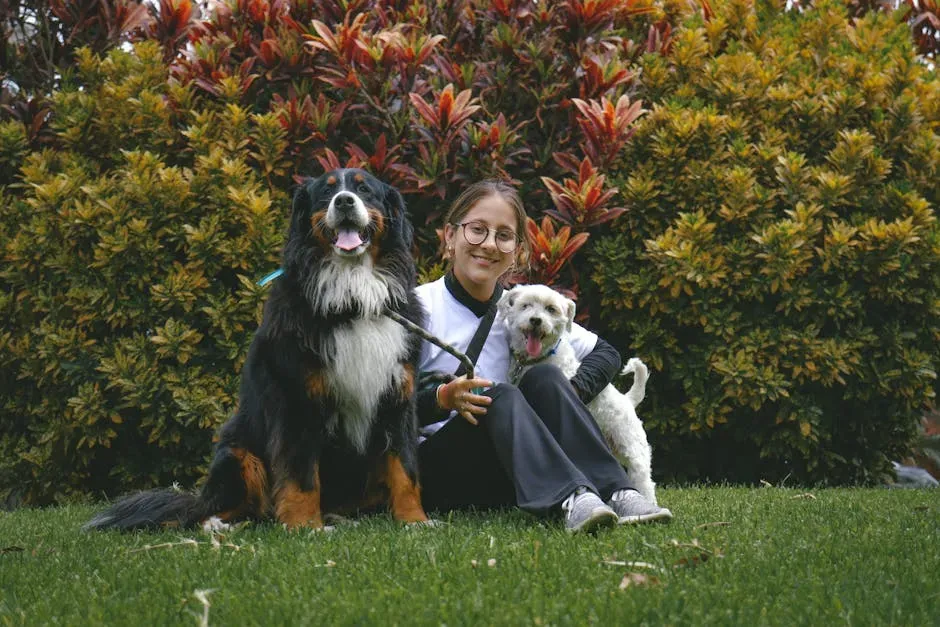
Don’t let the size fool you. A Bernese Mountain Dog approaching you slowly, tail wagging, is one of the most disarming sights imaginable. Good-natured and affectionate, the Bernese Mountain Dog can help alleviate the symptoms of depression and anxiety with their placid personality, and while they get along well with the whole family, they usually become attached to one particular person.
A Bernese Mountain Dog naturally exudes a calm presence that can put both parents and patients at ease. There is something about leaning against a large, warm, completely unbothered dog that resets your nervous system in a way nothing else quite can. It’s like being wrapped in a living, breathing weighted blanket.
They are best suited for homes with some outdoor space, given their larger build. However, their profound gentleness and emotional attunement make them especially valuable for individuals who need a sense of protection alongside comfort. It’s a rare combination.
8. Bichon Frise: Small Dog, Enormous Joy

The Bichon Frise is peppy, playful, and curious, and its cheerful demeanor is paired with outstanding intelligence and adaptability. They look like a fluffy white cloud that decided to run around and make everyone smile. I know that sounds dramatic, but spend an afternoon with one and tell me I’m wrong.
Gentle, friendly, and loving, the Bichon Frise is a great breed for those who want an affectionate therapy dog. Bichon Frises are surprisingly intelligent and quite cheerful, and they can easily brighten up anyone’s day or act as a constant source of comfort.
Known for their sweet and playful nature, this breed loves having tasks to complete and is eager to please, and they also love affection and will spend as much time with their owner as possible, making them a great choice for a playful, loving, and comforting therapy dog. For anyone battling loneliness or the kind of grey, heavy sadness that creeps in slowly, a Bichon Frise can feel like sunshine in dog form.
9. Corgi: More Comfort Than Their Royal Reputation Suggests
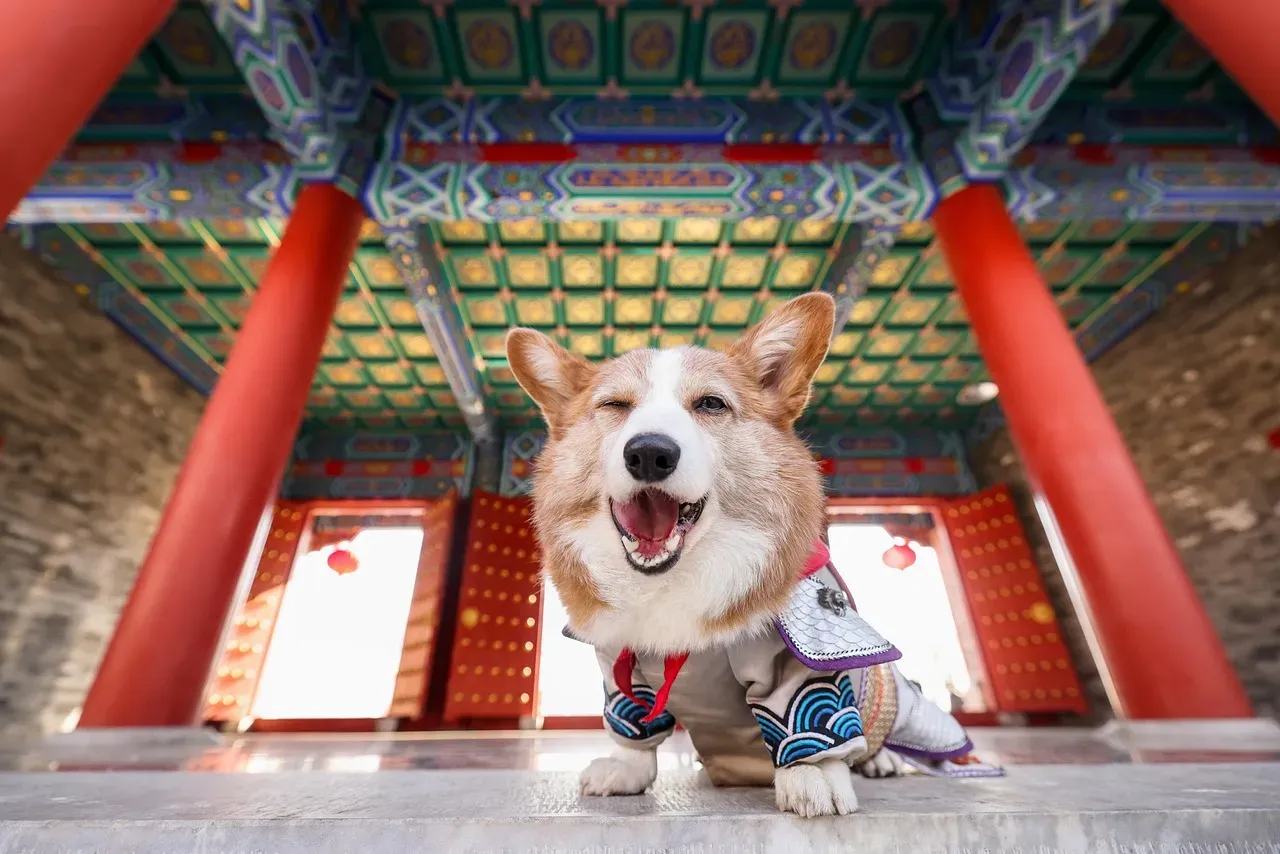
Corgis are famously known as the favorite breed of England’s Queen Elizabeth II, which contributed to their popularity worldwide, and while they might not be as commonly chosen as emotional support dogs compared to some other breeds on this list, corgis still offer plenty of comfort and companionship. They are an underrated choice, and honestly, that surprises most people when they hear it.
Their compact body boasts a larger-than-expected personality, and playful and affectionate, Corgis are a mix of obedient and adventurous. Their playful nature can help lift spirits and reduce stress, making them wonderful emotional companions. It’s hard to stay in a dark headspace when a Corgi is bouncing around the room looking thoroughly delighted with existence.
Though smaller in size, Corgis have big hearts and a strong bond with their humans, proving they are just as good at providing emotional support as many other breeds. They are loyal to their core, and for someone who needs a steadfast, joyful presence at their side, a Corgi quietly delivers that every single day.
10. Pug: The Irresistibly Cheerful Mood-Lifter

Even-tempered, outgoing, loving, affectionate, calm, and playful – there’s so much to love about the Pug. They look like they were designed by someone who thought, “What if a dog, but also a little comedian?” The result is a breed that has an almost supernatural ability to make people laugh and feel lighter.
Pugs are small in size but big in heart, and they are particularly suitable for individuals looking for a breed with a strong sense of companionship and a knack for lifting spirits. A person with a disability may particularly benefit from a Pug, as they have strong emotional senses and can provide comfort and support in times of distress.
Their cheerful and curious nature brings entertainment and joy, and Pugs work great as therapy dogs, particularly with children who have various neurodevelopmental disorders, as they bond with children particularly well and their enthusiasm is infectious. For someone who simply needs to smile more, few breeds deliver that as reliably as a Pug.
A Final Thought: The Right Dog Changes Everything

What stands out across every single breed on this list is not a trick, not a special talent, not even advanced training. It is something far simpler and far more profound. Their role is to provide comfort simply through their presence. That presence, that quiet, steady warmth of a dog nearby, is something no app, gadget, or quick fix can replicate.
The best emotional support dog breeds are those that offer therapeutic benefits like anxiety relief and comfort reinforcement without any type of formal or specialized training, and while all dogs have the potential, some breeds excel at the role due to their emotional awareness, trainability, adaptability, and people-pleasing traits. The key is matching the right dog to the right person.
Choosing an emotionally attached breed means choosing a lifestyle where the dog is a central participant, and for the right owner, this bond is the most rewarding part of life. So if you have ever wondered whether a dog could genuinely change your emotional landscape – the answer, backed by science and sealed with a wagging tail, is a resounding yes. The only real question is: which one will you choose?
