

In the vast tapestry of Earth’s biodiversity, certain creatures possess abilities that seem to defy our understanding of what’s biologically possible. While popular culture celebrates the strength of gorillas or the speed of cheetahs, countless lesser-known animals have evolved extraordinary capabilities that remain largely unrecognized by the general public. From surviving in space to producing natural antifreeze, these remarkable adaptations demonstrate nature’s incredible ingenuity. This article explores fifteen animals with superpowers that sound like science fiction but are firmly rooted in evolutionary reality. These biological marvels not only captivate our imagination but also inspire scientific research and technological innovation across multiple fields.
12. Tardigrades The Virtually Indestructible Micro-Animals

Tardigrades, often called water bears or moss piglets, are microscopic eight-legged animals that have developed perhaps the most impressive survival capabilities on Earth. Measuring just 0.5 mm when fully grown, these tiny creatures can withstand conditions that would be fatal to almost all other known life forms. They can survive temperatures from near absolute zero (-458°F or -272°C) to well above boiling (300°F or 149°C), pressures six times greater than those in the deepest ocean trenches, radiation levels thousands of times higher than what would kill a human, and the vacuum of space. Their most remarkable ability may be cryptobiosis—a state where they expel almost all water from their bodies and reduce their metabolic activity to near zero, allowing them to survive without food or water for up to 30 years. When reintroduced to water, they simply rehydrate and continue their lives. Scientists are studying tardigrade proteins to develop better ways to preserve sensitive biological materials, including vaccines and organs for transplantation.
11. Mantis Shrimp Nature’s Underwater Prizefighters

The peacock mantis shrimp may be colorful and relatively small (typically 4-6 inches long), but it possesses one of the most powerful and fastest punches in the animal kingdom. Their specialized forelimbs, called dactyl clubs, can accelerate faster than a .22 caliber bullet—reaching speeds of 50 mph underwater—generating forces exceeding 1,500 newtons. This punch is so powerful it creates cavitation bubbles that collapse with a bang loud enough to stun or kill prey even if the punch misses. The mantis shrimp’s striking ability is so formidable that they can break aquarium glass with repeated hits. Beyond their physical prowess, mantis shrimp also possess the most complex vision system known to science, with 16 photoreceptor types (compared to humans’ three), allowing them to see polarized light and a spectrum of colors we cannot comprehend. Their remarkable club structure has inspired engineers to design new impact-resistant materials for body armor, sports equipment, and vehicle components.
10. Axolotls The Regeneration Masters

The axolotl (Ambystoma mexicanum), a salamander native to lakes near Mexico City, possesses regenerative abilities that make it the envy of medical researchers worldwide. Unlike most amphibians, axolotls remain in their aquatic larval form throughout their lives, a phenomenon called neoteny. Their most extraordinary power is their ability to regenerate entire complex body parts, including limbs, portions of vital organs like the heart and brain, spinal cord sections, and even parts of their eyes—all without forming scar tissue. Perhaps most remarkably, they can regenerate the same body part multiple times with no decrease in functionality. Axolotls accomplish this feat through a process that involves reverting mature cells near the injury site back to a stem-cell-like state, then regrowing the missing part according to the body’s blueprint. Researchers are studying axolotl regeneration mechanisms in hopes of developing new treatments for human injuries, amputations, and degenerative diseases. Unfortunately, axolotls are critically endangered in the wild, with fewer than 1,000 individuals remaining in their natural habitat.
9. Pistol Shrimp The Underwater Sonic Weapon

The pistol shrimp (or snapping shrimp) might be small—typically measuring just 1-2 inches—but it packs a punch that makes it one of the loudest animals on Earth. One of its claws has evolved into a specialized sonic weapon that snaps shut with such speed and force that it creates a cavitation bubble that reaches temperatures nearly as hot as the sun’s surface (around 8,000°F or 4,400°C) for a fraction of a millisecond. When this bubble collapses, it produces a sound reaching 218 decibels—louder than a gunshot and powerful enough to stun or kill small fish. The resulting shock wave can travel at 62 mph (100 km/h) through water and can momentarily raise the local water temperature by several degrees. Colonies of pistol shrimp create such persistent noise that they’ve been known to interfere with submarine sonar and underwater research equipment. This remarkable adaptation serves multiple purposes: hunting prey, defending territory, and communicating with potential mates. Engineers study this mechanism to develop more efficient water cutting tools and ultrasonic medical devices.
8. Lyrebirds The World’s Greatest Mimics
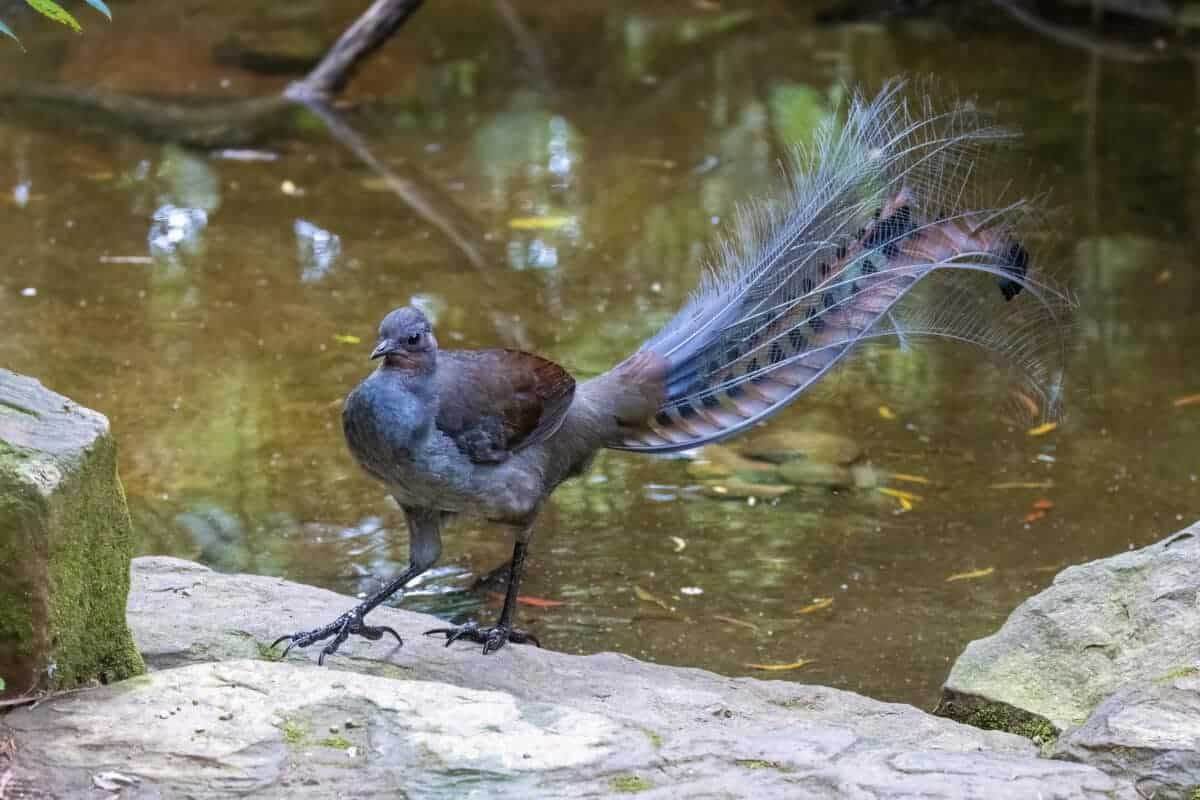
The superb lyrebird (Menura novaehollandiae) of Australia possesses perhaps the most sophisticated vocal mimicry abilities in the animal kingdom. Unlike other mimicking birds that can copy a few sounds, lyrebirds can perfectly replicate virtually any sound they hear in their environment—from the songs of other bird species (sometimes dozens) to the mechanical sounds of human civilization. Researchers have documented lyrebirds accurately mimicking camera shutters, car alarms, chainsaws, construction equipment, musical instruments, human speech, and even the complex sounds of a logging operation with multiple tools operating simultaneously. A single lyrebird can incorporate up to 80 different imitations into its repertoire. This extraordinary ability stems from their syrinx (the avian vocal organ), which has unique structural adaptations allowing unprecedented control over sound production. Male lyrebirds use these impressive vocal displays during elaborate courtship performances that can last for hours. Their remarkable abilities are not merely copied but learned—young males spend years perfecting their repertoire by listening to adult males and environmental sounds. Their brain’s exceptional capacity for sound memory and reproduction continues to fascinate neurobiologists studying the mechanisms of learning and memory.
7. Bombardier Beetles Living Chemical Warfare Specialists

Bombardier beetles have evolved one of the most sophisticated chemical defense systems in nature—essentially a controlled explosion chamber in their abdomen. When threatened, these beetles mix two separately stored chemicals (hydrogen peroxide and hydroquinones) in a specialized chamber containing catalytic enzymes. This triggers a violent exothermic reaction that brings the mixture to near boiling point (212°F/100°C) and creates explosive pressure. The beetle then aims its abdominal tip with remarkable precision and releases a high-speed jet of caustic spray, complete with an audible popping sound, toward their attacker. This spray can reach distances up to 20 times the beetle’s body length and can be fired in multiple directions through a rotatable “nozzle.” The entire reaction happens in milliseconds, yet the beetle’s internal chambers are lined with protective compounds that prevent self-harm. What makes this system even more remarkable is that it represents a sophisticated chemical reactor that performs complex chemistry using minimal energy input. Engineers at MIT have studied bombardier beetles to develop spray technologies for pharmaceuticals, fire extinguishers, and fuel injection systems.
6. Sea Cucumbers Masters of Defensive Shape-Shifting
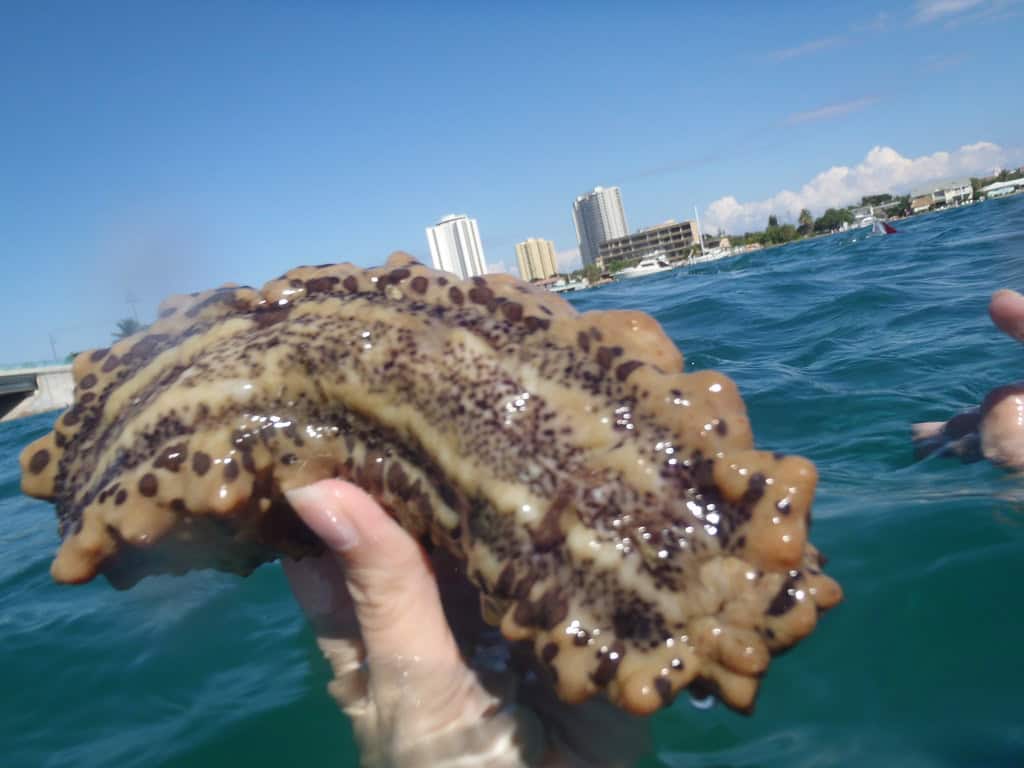
Sea cucumbers, those seemingly passive tube-shaped echinoderms, possess multiple extraordinary defensive capabilities that sound like superhero powers. When threatened, some species can liquefy their body tissue within seconds, transforming from a solid creature to a fluid-like state that can pour through small cracks or crevices before re-solidifying in a safer location. This remarkable ability comes from their unique connective tissue, which can rapidly change from solid to liquid states under neural control. Even more dramatically, certain species practice a defensive technique called evisceration—expelling their internal organs (including intestines, respiratory trees, and sometimes reproductive organs) through their anus or body wall to distract predators while they escape. The expelled organs contain toxic compounds called holothurins that can immobilize or kill small predators. Perhaps most remarkably, sea cucumbers can then completely regenerate their expelled organs within a few weeks. Some species also possess modified tentacles called Cuvierian tubules that, when threatened, can be shot out as sticky toxic threads that entangle predators. These extraordinary defense mechanisms have inspired research into new biomaterials with dynamic properties for medical applications and soft robotics.
5. Alpine Ibex The Gravity-Defying Climbers

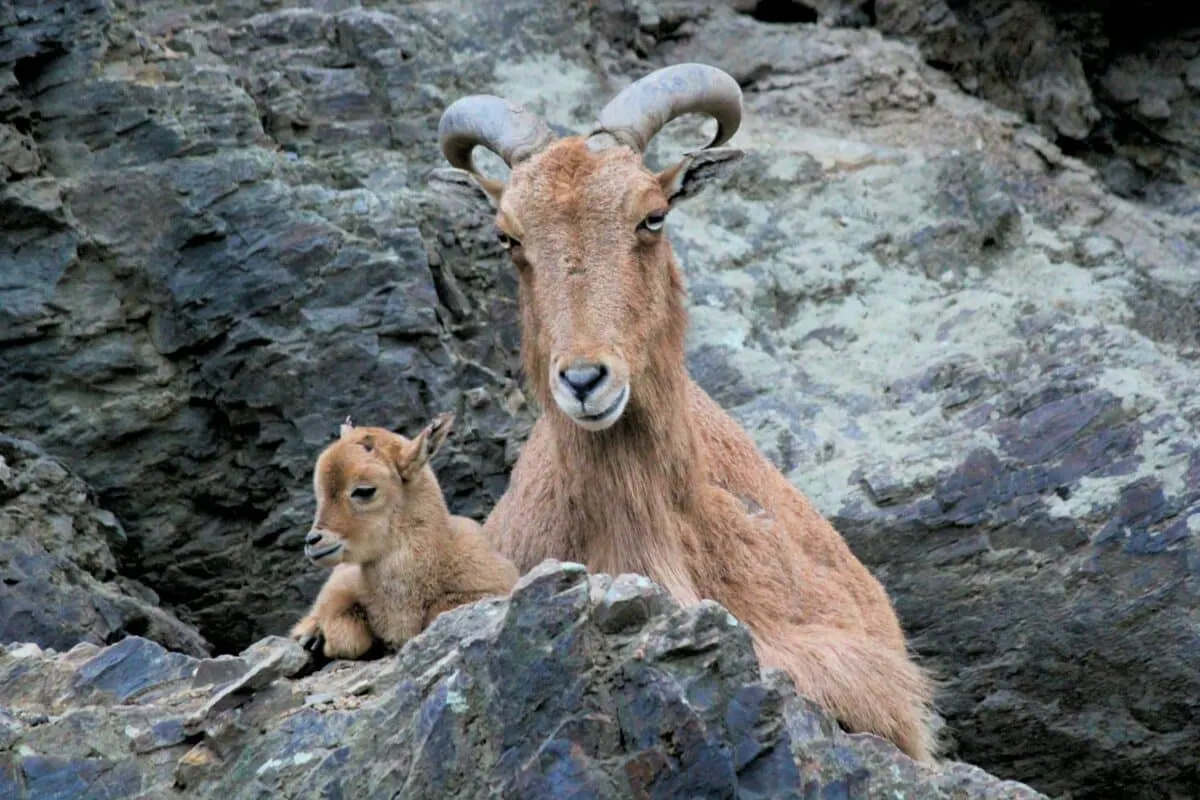
The Alpine ibex (Capra ibex) possesses extraordinary climbing abilities that seem to defy the laws of physics. These wild goats can scale nearly vertical dam walls with slopes approaching 90 degrees, often seeking mineral salts that leach from the concrete. Their remarkable climbing prowess comes from several specialized adaptations. Their hooves feature a hard outer edge for digging into minute surface irregularities and a soft, rubber-like inner pad that creates friction against smooth surfaces—functioning similar to high-performance climbing shoes. Their legs contain specialized tendons and muscles that act as shock absorbers and energy-storing springs, allowing them to maintain balance on precipitous ledges just inches wide. Perhaps most impressively, ibexes possess an extremely low center of gravity and specialized balance organs that enable them to navigate terrain where a single misstep would be fatal. Male ibexes can weigh up to 280 pounds (127 kg) and carry massive curved horns up to 3 feet (1 meter) long, making their climbing feats even more remarkable. Researchers studying ibex movement have helped inform designs for all-terrain robots and advanced climbing gear. Their incredible spatial awareness and coordination on vertical surfaces remain unmatched by any human climber.
4. Naked Mole-Rats The Cancer-Proof, Pain-Resistant Underground Marvels
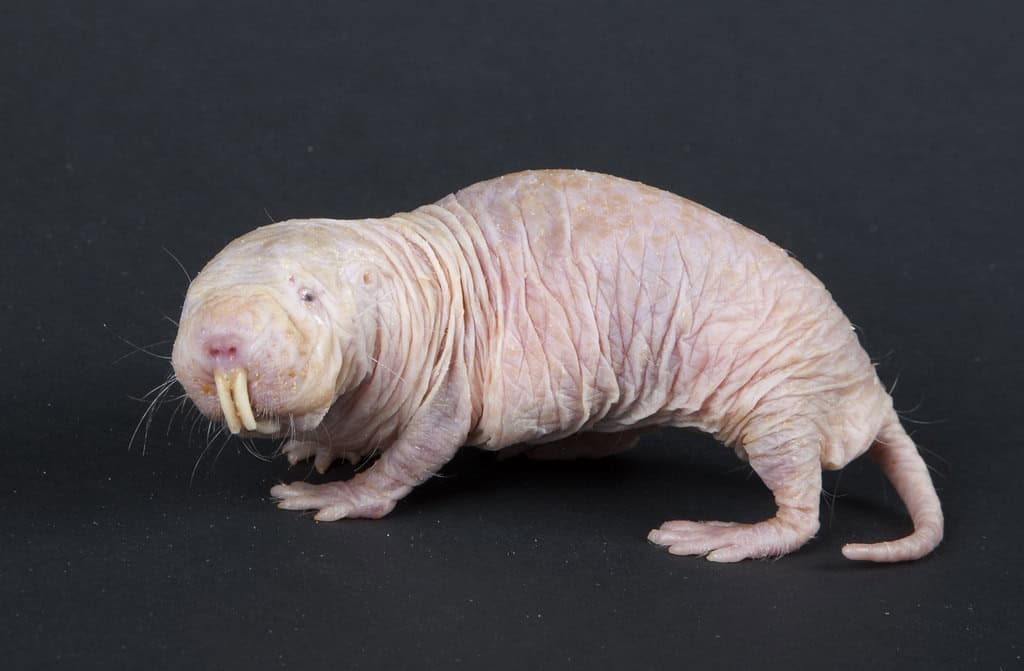
The naked mole-rat (Heterocephalus glaber) may be one of the strangest-looking mammals, but its unusual appearance belies several extraordinary physiological abilities that make it a subject of intense scientific interest. These eusocial rodents are virtually immune to cancer due to unique cellular mechanisms, including hyaluronan (a substance between their cells) that prevents tumors from developing. They also demonstrate exceptional longevity, living up to 30+ years—nearly 10 times longer than similarly sized rodents. Perhaps most remarkably, naked mole-rats are almost entirely insensitive to pain caused by acids and chemicals that would be excruciating to other mammals. This adaptation likely evolved to help them survive in their underground tunnels, where high carbon dioxide levels create an acidic environment. They can survive up to 18 minutes without oxygen by switching their metabolism to run on fructose instead of glucose—a capability previously unknown in vertebrates. Additionally, they’re unable to regulate their body temperature like typical mammals (they’re cold-blooded, like reptiles) and show virtually no signs of aging throughout their extended lifespan. Scientists are studying naked mole-rats for insights into treating cancer, chronic pain, and age-related diseases in humans.
3. Mimic Octopus The Ultimate Underwater Shapeshifter

The mimic octopus (Thaumoctopus mimicus), discovered in 1998 in Indonesia, possesses perhaps the most sophisticated impersonation abilities in the animal kingdom. Unlike other octopuses that change color and texture to blend with their surroundings, the mimic octopus can transform its body shape, color, movements, and behavior to impersonate at least 15 different marine species. It can convincingly mimic toxic flatfish, venomous sea snakes, dangerous lionfish, stinging jellyfish, and even crabs and seaweed—selecting its disguise based on which predator it’s encountering. For example, when threatened by damselfish, it mimics a banded sea snake, their natural predator. This octopus achieves these transformations through precise control of specialized skin cells (chromatophores, iridophores, and leucophores) combined with remarkable muscular control that allows it to reconfigure its body shape. What makes this ability even more extraordinary is that it requires both physical transformation and behavioral mimicry—the octopus must move like the animal it’s impersonating. Scientists believe this represents a form of intelligence previously unknown in invertebrates, as it requires the octopus to recognize dangerous species, memorize their appearance and behavior, and select the appropriate disguise for each situation.
2. Leaf-Cutter Ants Earth’s First Farmers

Leaf-cutter ants (Atta and Acromyrmex genera) practice a form of agriculture that predates human farming by over 50 million years. These industrious insects don’t actually eat the leaves they harvest—instead, they use them to cultivate specialized fungus gardens that serve as their primary food source. A mature leaf-cutter colony, which can contain up to 8 million individuals, can harvest over 500 pounds (230 kg) of leaves annually. What makes their agricultural system extraordinary is its sophistication: the ants maintain ideal temperature and humidity levels for fungal growth, create specialized waste chambers to prevent contamination, and produce antibiotics from glands on their bodies to combat parasitic fungi that might threaten their crop. The worker ants exist in specialized castes, with at least seven different body sizes, each performing specific tasks from harvesting to garden maintenance. Perhaps most remarkably, when a new queen leaves to establish a colony, she carries a starter culture of the fungus in a specialized pocket in her mouth, ensuring agricultural continuity. This ancient farming system represents one of the most successful symbiotic relationships on Earth. Scientists studying leaf-cutter ant colonies have gained insights into sustainable agriculture, antibiotic production, and efficient transportation systems.
1. Electric Eels Living Batteries With Hunting Precision

The electric eel (Electrophorus electricus) possesses one of the most sophisticated bioelectrical systems in nature, capable of generating electrical discharges up to 860 volts—enough to stun a horse or knock a human unconscious. Despite their name, they aren’t true eels but rather a type of knifefish. Their electrical power comes from three specialized electric organs that make up approximately 80% of their body, containing thousands of modified muscle cells called electrocytes. When activated, these cells create a directed current through the water that serves multiple functions. Recent research has revealed that electric eels use different types of electrical discharges with remarkable sophistication: low-voltage pulses work like radar to detect hidden prey, while high-voltage discharges immobilize victims. Most impressively, they can control their electrical output with extraordinary precision, using doublets or triplets of high-voltage pulses to cause involuntary muscle contractions in prey, effectively forcing hidden fish to reveal themselves through muscle twitches. Electric eels can even create a circuit by curling their bodies around larger prey, doubling the electrical impact. These living batteries have inspired designs for biocompatible power sources for medical implants and self-powered sensors.
Conclusion:

From micro-animals that survive in the vacuum of space to deep-sea fish with mirror-based eyes, these 15 lesser-known species remind us that the most astonishing superpowers in nature often lie hidden in plain sight—or deep within ecosystems few have explored. Each of these creatures demonstrates how evolution, given time and pressure, can produce solutions far more innovative than anything humans have engineered. Their abilities—whether it’s regenerating limbs, producing deadly chemical blasts, or mimicking multiple species on command—not only stretch the limits of biology but also inspire breakthroughs in medicine, engineering, and robotics. Studying these biological marvels doesn’t just expand our understanding of life on Earth—it may one day help improve human health, create new materials, or even guide the search for life beyond our planet. Ultimately, these animals show us that in nature, the extraordinary is often the norm—and that our world is still full of secrets waiting to be uncovered.

As a little kid, I fell in love with nature, wildlife, and animals. Living in the USA, South Africa, Italy, China and Germany gave me the opportunity to discover the world's Wildlife. My favorite animals are Mountain Gorillas, Siberian Tigers, and Great White Sharks.
I'm a certified PADI Open Water Diver, went to Everest Base Camp and Trekked Gorillas in Uganda. I hold a Master of Science in Economics and Finance.
Please send any feedback to feedback@animalsaroundtheglobe.com
- 15 Sharks That Do Not Deserve Their Bad Reputation - July 21, 2026
- 11 Creatures That Can Survive a Nuclear Blast - July 21, 2026
- 10 Animals That Embody the Zodiac Sign of Capricorn - July 21, 2026