

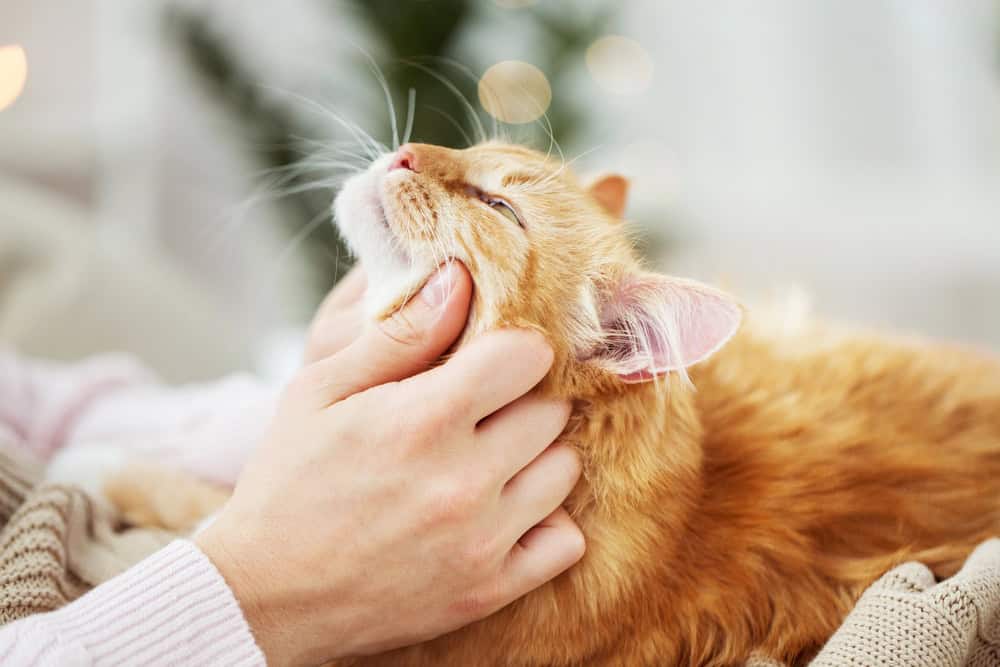
The relationship between cats and their owners is complex and often misunderstood. While dogs are known for their overt displays of affection and separation anxiety, cats have gained a reputation for being aloof and independent. But do our feline companions actually miss us when we’re not around, or are they simply content with solitude? This article explores the fascinating emotional lives of cats, examining scientific evidence and behavioral indicators to determine whether cats form meaningful attachments to their human caregivers and experience feelings of longing during separation.
Understanding Feline Attachment

Contrary to popular belief, scientific research suggests that cats do form attachments to their owners. A 2019 study published in Current Biology found that cats display attachment behaviors similar to those observed in dogs and human infants. Researchers adapted the “Ainsworth Strange Situation Test” — originally developed to assess attachment security in human infants — to evaluate cats’ responses to their owners. The study revealed that approximately 65% of cats demonstrated secure attachment to their caregivers, showing reduced stress when reunited and using their owners as a secure base for exploration. This evidence challenges the stereotype that cats are purely independent creatures and indicates they form emotional bonds that could lead to missing their owners during separation.
Signs That Cats Miss Their Owners
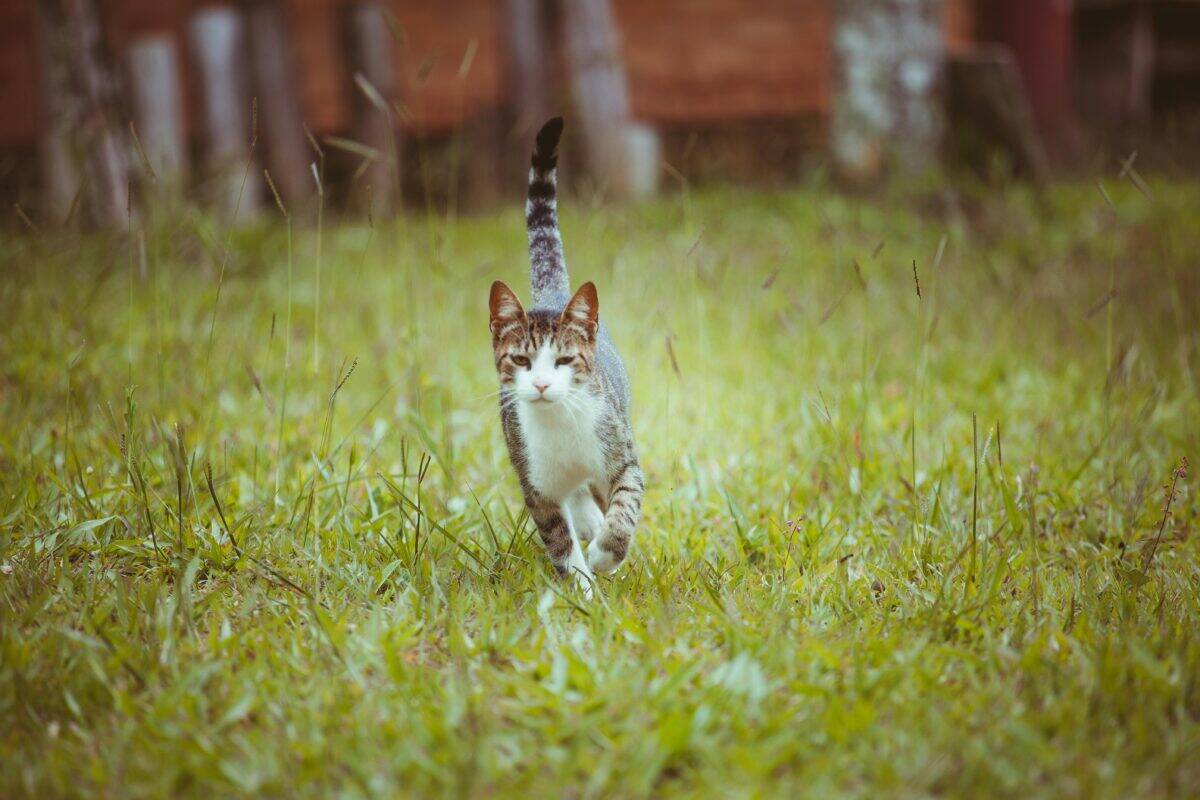
When cats miss their owners, they may display a variety of behavioral indicators. These can include excessive vocalization (increased meowing or yowling), changes in eating habits, increased sleep, decreased playfulness, or demonstrating excessive affection upon reunion. Some cats might wait by the door or window, watching for their owner’s return, while others may spend time in areas with strong owner scents, such as their bed or favorite chair. More concerning signs might include destructive behavior, inappropriate elimination outside the litter box, or excessive grooming leading to hair loss. Each cat expresses their emotions differently, so it’s important for owners to understand their pet’s unique behavioral baseline to recognize changes that might indicate loneliness or stress.
The Science of Feline Emotions

Cats possess complex emotional lives, though they express their feelings differently than humans. Research in feline neuroscience has shown that cats have similar brain structures responsible for emotions as humans do, including the amygdala and limbic system. These structures process emotional responses including attachment, fear, and pleasure. Cats produce oxytocin—often called the “love hormone”—when interacting positively with their owners, suggesting a neurochemical basis for their attachments. However, cats evolved as both predators and prey, which influenced their emotional expression to be more subtle. Their emotional repertoire includes contentment, fear, anxiety, frustration, and attachment, all of which can contribute to feelings of missing an absent owner. While we cannot directly ask cats about their emotional states, neurobiological evidence supports the conclusion that they experience genuine emotional connections.
Individual Differences in Cat Attachment

Not all cats form the same level of attachment to their owners. Like humans, cats have distinct personalities that influence how they bond with people. Research by animal behaviorists has identified various feline personality traits including sociability, boldness, and sensitivity. More sociable cats typically form stronger attachments and may be more likely to miss their owners. Early socialization also plays a crucial role—kittens exposed to positive human interaction during their critical developmental period (2-7 weeks) often form stronger human bonds later in life. Additionally, breed tendencies can influence attachment behaviors, with some breeds like Siamese, Burmese, and Ragdolls typically showing more people-oriented traits. A cat’s individual history, including past traumas or positive experiences with humans, further shapes their capacity for attachment and likelihood of missing their owners.
Short-Term vs. Long-Term Absences

The duration of an owner’s absence significantly impacts how cats respond. For short-term separations—such as a typical workday—most well-adjusted cats cope adequately, occupying themselves with sleeping, window-watching, or solo play. Many cats have adapted to these routine absences and may show minimal distress. However, longer absences can trigger more pronounced reactions. Studies suggest that after 24-48 hours of owner absence, cats may begin displaying stress behaviors more frequently. Extended separations of several days to weeks can lead to more significant behavioral changes, including depression-like symptoms. During extended absences, cats may experience disruptions to their sense of security and routine, potentially leading to greater emotional distress. The transition from “my owner is temporarily away” to “my owner has disappeared” appears to occur gradually, with increasing signs of distress corresponding to longer separation periods.
How Cats Express Missing Their Owners

Since cats cannot verbalize their feelings, they communicate through behavior and body language. When missing their owners, many cats demonstrate increased vocalization, attempting to “call” for their absent human with louder or more frequent meowing. Changes in body language may include drooping tails, flattened ears, or reduced overall activity. Some cats express their feelings through environmental interactions—scratching furniture more frequently, knocking objects off surfaces, or disturbing household items that carry their owner’s scent. Upon reunion, an enthusiastic greeting with purring, rubbing, or following behavior can indicate that a cat has missed their owner. These greetings may be particularly effusive after longer absences. While these behaviors don’t precisely mirror human expressions of longing, they represent the feline equivalent of missing someone important to their social and emotional well-being.
The Role of Routine and Environment

Cats are creatures of habit who thrive on predictability, making routine disruptions particularly stressful. When an owner departs, especially for extended periods, the cat’s daily schedule often changes dramatically. Feeding times may shift, play sessions disappear, and the social environment alters significantly. These disruptions can contribute to a cat’s sense of missing their owner beyond just the absence of the person themselves. Environmental factors also play a role in how intensely cats experience separation. Cats in enriched environments with climbing opportunities, hiding spaces, toys, and window views may cope better with owner absence. Conversely, cats in unstimulating environments may experience greater distress during separation. The presence of other familiar humans or animal companions can also moderate separation responses, though this varies based on the cat’s sociability and existing relationships with these individuals.
Separation Anxiety in Cats
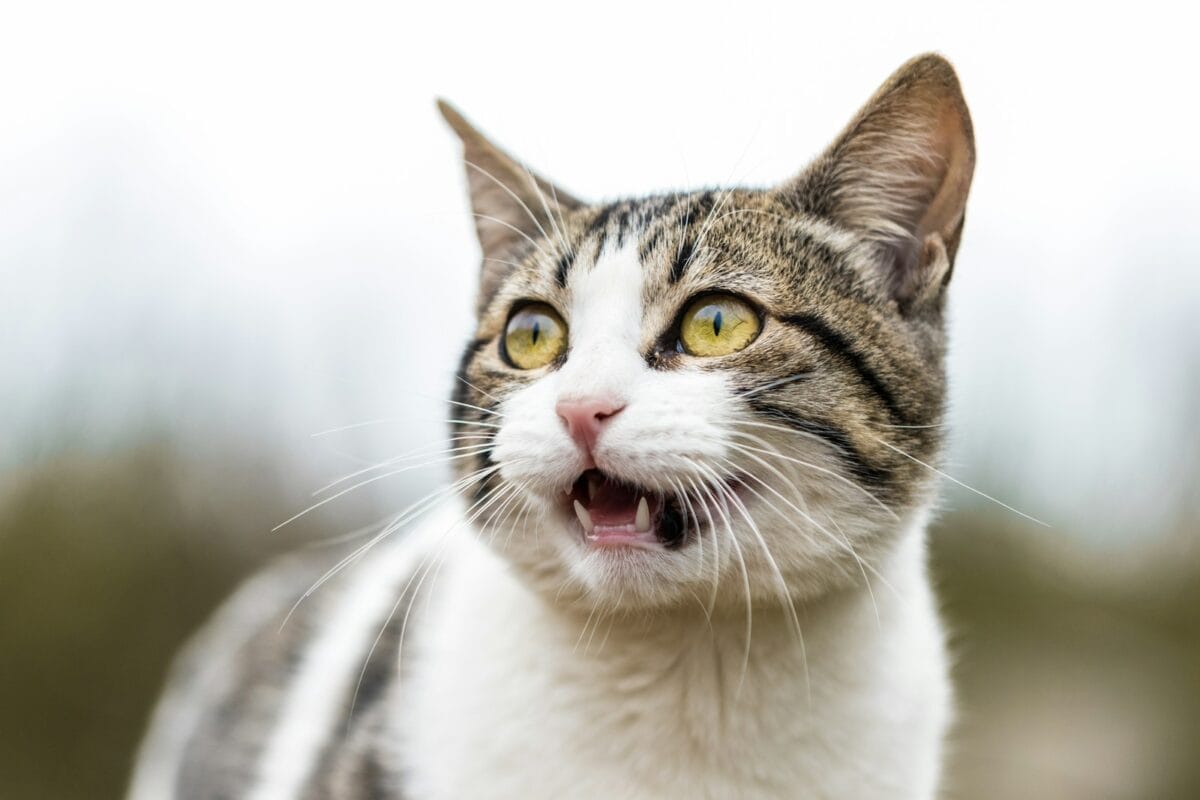
While less common than in dogs, clinical separation anxiety does occur in cats and represents an extreme manifestation of missing their owners. Feline separation anxiety affects approximately 13-17% of cats and is characterized by excessive distress when separated from a particular person. Symptoms include inappropriate elimination (urinating or defecating outside the litter box), destructive behavior, excessive vocalization, psychogenic grooming (excessive grooming leading to hair loss), appetite changes, vomiting, or diarrhea. These behaviors typically begin shortly after the owner’s departure or in anticipation of departure. Separation anxiety differs from normal “missing” behaviors in its intensity and potential for self-harm or property damage. Risk factors include early weaning, being an only pet, environmental changes, or traumatic experiences. Cats with this condition require veterinary intervention, potentially including behavior modification, environmental enrichment, and sometimes medication to manage their extreme distress.
How Cat Age Affects Attachment Behaviors

A cat’s age significantly influences how they form attachments and respond to separation. Kittens generally form attachments more readily during their socialization period (2-7 weeks), but these bonds continue developing throughout adolescence. Young adult cats (1-3 years) often display the most active responses to owner absence, potentially showing more obvious signs of missing their owners through increased vocalization or activity changes. Middle-aged cats (4-10 years) typically have established secure relationships with their owners and may show more subtle signs of missing them. Senior cats (11+ years) often become more dependent on their owners due to age-related changes in their physical capabilities and increased need for security. They may demonstrate stronger attachment behaviors and more evident signs of distress during separation. Additionally, cognitive changes in senior cats, including cognitive dysfunction syndrome (similar to dementia in humans), can amplify separation distress as they may become disoriented or forget that their owner’s absence is temporary.
Preparing Your Cat for Your Absence

Helping cats cope with separations requires thoughtful preparation. For planned absences, gradually acclimating your cat to your departure can reduce stress. Begin with short departures, gradually increasing time away while providing positive associations with your absence through treats or toys. Environmental enrichment is crucial—provide scratching posts, climbing trees, hiding spots, puzzle feeders, and window perches to keep your cat mentally stimulated. Automated feeders can maintain regular meal schedules, while interactive toys provide entertainment. For longer absences, arranging for a familiar pet sitter to visit daily is preferable to boarding for most cats, as it maintains their territorial security. Leaving items with your scent (unwashed clothing or bedding) can provide comfort. Some cats benefit from calming pheromone diffusers like Feliway or natural calming supplements recommended by veterinarians. Video or audio recordings of your voice may also comfort some cats, though individual responses vary.
Reunion Behaviors Explained

The way cats react when owners return offers valuable insights into their emotional attachment. Common reunion behaviors include approaching with tail held high (indicating positive excitement), rubbing against the owner’s legs (transferring scent and reestablishing connection), purring, kneading, or following the owner around the home. Some cats display “emotional flooding”—alternating between seeking attention and walking away, which researchers interpret as processing the emotional stimulation of reunion. Other cats might initially seem aloof, only to seek connection later, once they’ve adjusted to the owner’s return. Particularly after longer absences, some cats express momentary “annoyance” behaviors like tail twitching or walking away briefly before returning for affection—interpreted as a feline version of expressing their displeasure at being left. These varied reunion responses reflect the complex emotional processing cats experience and their individual attachment styles. Notably, the intensity of reunion behaviors often correlates with the length of separation and the strength of the bond with the owner.
Misconceptions About Feline Independence
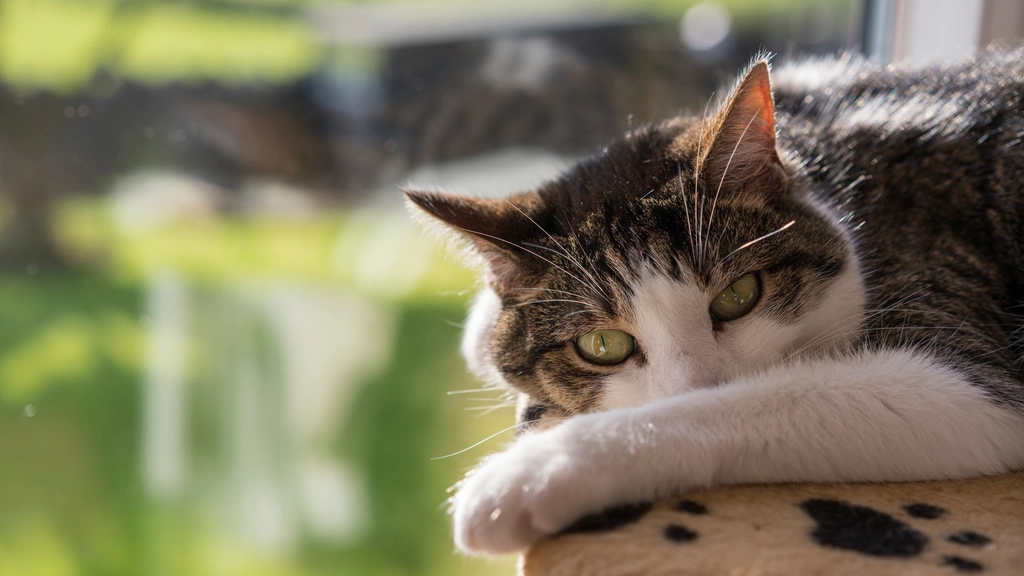
The stereotype of the emotionally detached, completely independent cat is largely a misconception that has persisted in popular culture. While cats evolved from less social ancestors than dogs and retain many solitary hunting behaviors, domestic cats have developed significant social capacities during their 10,000+ years of living alongside humans. Research by animal behaviorists like Dr. John Bradshaw indicates that cats view their relationships with humans as social partnerships rather than as predator-prey or parent-offspring relationships. Cats demonstrate social flexibility, forming colonies when resources permit and developing complex social hierarchies. Their independence is better understood as self-sufficiency rather than emotional detachment. Modern research continues to reveal cats’ capacity for forming strong, specific bonds with their human caregivers. Their more subtle communication style compared to dogs has contributed to misinterpretations of their emotional depth. Understanding that independence and attachment can coexist helps explain why cats can simultaneously value their autonomy while genuinely missing their owners.
Conclusion: The Emotional Lives of Our Feline Friends
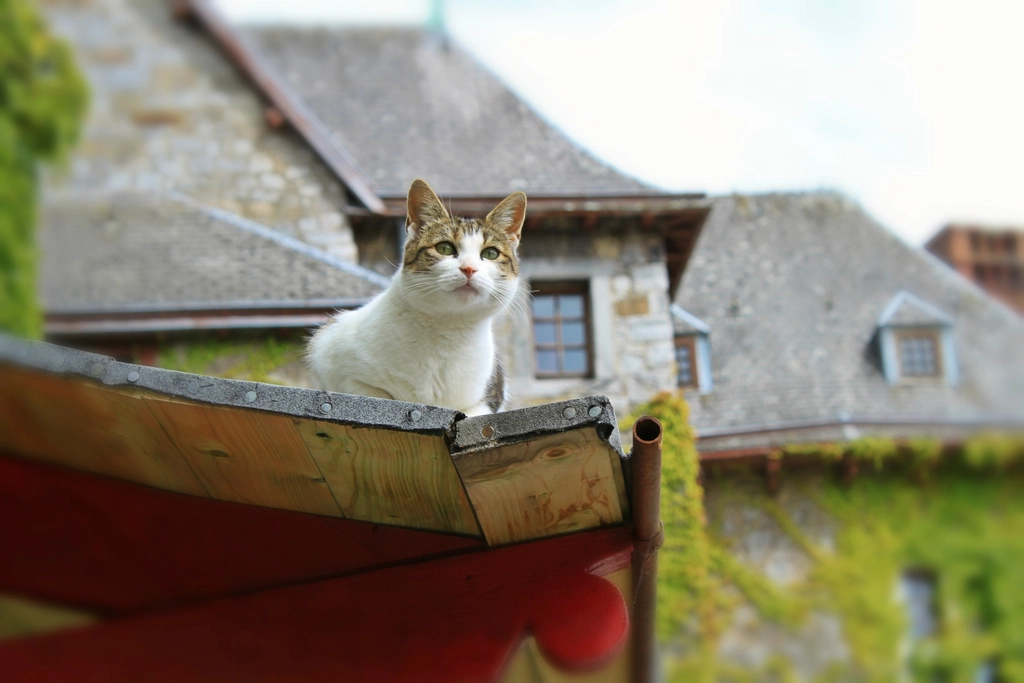
The evidence strongly suggests that yes, most cats do miss their owners when they’re away, though they express these feelings differently than humans or dogs might. Scientific research into feline attachment, behavioral indicators, and neurological responses all point to cats forming genuine bonds with their human caregivers that can lead to feelings of loss during separation. The notion of the completely aloof, emotionally detached cat is largely a misconception that fails to recognize the complex emotional capabilities of these animals. While each cat’s personality, history, and attachment style influence how intensely they miss their owners, the capacity for emotional connection is clearly present in the domestic cat. Understanding our cats’ emotional needs helps us build stronger relationships with them and provide better care during necessary separations. By recognizing and respecting both their need for independence and their capacity for attachment, we can develop deeper, more rewarding bonds with our feline companions.

As a little kid, I fell in love with nature, wildlife, and animals. Living in the USA, South Africa, Italy, China and Germany gave me the opportunity to discover the world's Wildlife. My favorite animals are Mountain Gorillas, Siberian Tigers, and Great White Sharks.
I'm a certified PADI Open Water Diver, went to Everest Base Camp and Trekked Gorillas in Uganda. I hold a Master of Science in Economics and Finance.
Please send any feedback to feedback@animalsaroundtheglobe.com
- 14 Stunning Animals You Can See in India - July 18, 2026
- The Most Enormous Lobster Ever Pulled From Maine Waters - July 18, 2026
- The Most Dangerous Waters for Sharks in North America - July 18, 2026