

Few conservation topics ignite as much passionate debate as trophy hunting. For some, it represents a critical funding source for wildlife protection and habitat preservation. For others, it’s an outdated, cruel practice that threatens biodiversity and contradicts conservation ethics. This complex intersection of wildlife management, economics, ethics, and conservation requires careful examination beyond emotional reactions. This article delves into the multifaceted relationship between trophy hunting and conservation, exploring the evidence, controversies, and realities that define this contentious practice.
The Definition and History of Trophy Hunting

Trophy hunting differs significantly from subsistence or recreational hunting. It specifically targets animals with exceptional characteristics—like large horns, tusks, or body size—primarily to collect these specimens as trophies rather than for meat or population control. While hunting has ancient roots in human history, trophy hunting as we know it emerged during the colonial era, particularly in Africa, where European hunters pursued the “Big Five” (lion, leopard, rhinoceros, elephant, and Cape buffalo) as status symbols. By the early 20th century, as wildlife populations declined precipitously, conservation movements began emerging, ironically often led by hunters concerned about dwindling game populations. Today’s trophy hunting industry generates hundreds of millions of dollars annually across countries in Africa, North America, and parts of Europe and Asia, with complex regulatory frameworks varying significantly by region.
The Economic Argument: Does Money Flow to Conservation?

Proponents of trophy hunting point to its economic contributions as its strongest justification. In many African nations with trophy hunting programs, the industry generates an estimated $200-$300 million annually. Countries like Namibia and Zimbabwe have implemented community-based natural resource management programs where portions of hunting revenues flow directly to local communities and conservation initiatives. For example, Namibia’s communal conservancy program has expanded wildlife habitat by over 86,000 square kilometers while reportedly increasing populations of elephants, lions and other species. However, critics highlight that the percentage of hunting fees actually reaching conservation efforts and local communities can be dismally low—sometimes less than 3% according to some studies, with much revenue lost to corruption, foreign operators, and administrative costs. This stark discrepancy in reported benefits has made the economic argument both trophy hunting’s strongest defense and most contested claim.
Population Management and Ecological Impact

Wildlife managers often cite the role of selective hunting in maintaining healthy wildlife populations. When properly regulated, trophy hunting programs typically target older males past their reproductive prime, theoretically minimizing impact on population growth while generating conservation funding. In some cases, careful removal of specific individuals can reduce competition for resources and improve overall herd health. However, research increasingly questions these assumptions. Studies on species like lions and elephants reveal that removing dominant males can disrupt complex social structures, leading to increased infanticide, altered reproductive patterns, and weakened gene pools. Trophy hunting can also create artificial selection pressures favoring smaller horns or tusks—a phenomenon documented in bighorn sheep and elephants—potentially compromising species’ long-term adaptability. These conflicting ecological impacts highlight the need for species-specific, science-based approaches rather than generalizations about hunting’s population effects.
Conservation Success Stories Linked to Trophy Hunting

Several notable conservation programs incorporate trophy hunting as a management strategy. The markhor, Pakistan’s national animal, saw its population increase from approximately 275 in 2011 to over 1,200 by 2019, partly attributed to a strictly limited trophy hunting program that directed 80% of permit fees (up to $150,000 per animal) to local communities, incentivizing anti-poaching efforts. Similarly, Namibia’s community conservancy model has been lauded for recovering populations of black rhinos, elephants, and lions while expanding habitat protection. The North American Model of Wildlife Conservation, partly funded through hunting licenses and fees, has helped restore populations of white-tailed deer, wild turkeys, and other species from near-extinction levels in the early 20th century. These examples demonstrate that under specific conditions—strong governance, community involvement, and science-based quotas—trophy hunting programs can contribute to conservation gains, though debates continue about whether these outcomes could be achieved through non-consumptive alternatives.
Conservation Failures and Cautionary Tales

For every conservation success story linked to trophy hunting, there are troubling counterexamples. Tanzania’s lion population declined by approximately 66% outside protected areas between 1993 and 2014, despite—or some argue because of—its trophy hunting industry. Cecil the lion’s 2015 killing in Zimbabwe highlighted poor enforcement of hunting regulations when the famous lion was lured from a protected area. Canned hunting operations in South Africa, where captive-bred lions are released into enclosed areas for guaranteed kills, demonstrate how profit motives can undermine ethical standards and conservation principles. Trophy hunting programs for argali sheep in Central Asia have frequently benefited corrupt officials rather than conservation. These failures often stem from common factors: inadequate scientific monitoring, weak governance, corruption, excessive quotas, and prioritization of short-term revenue over sustainability. They illustrate that trophy hunting’s conservation outcomes depend entirely on implementation quality, not just the concept itself.
Alternative Conservation Funding Models

As criticism of trophy hunting intensifies, alternative conservation funding models have gained traction. Photographic safari tourism generates significantly more revenue than hunting in many regions—Kenya, which banned trophy hunting in 1977, earns over $1 billion annually from wildlife tourism. The revenue potential differs dramatically by location, however, as photographic tourism requires infrastructure and scenic appeal that hunting operations often don’t need. Conservation trust funds, such as Bhutan’s Bhutan for Life initiative, secure long-term funding through international partnerships and sustainable financing mechanisms. Carbon credit programs reward habitat preservation by monetizing forest conservation. Payment for ecosystem services models compensate communities for maintaining watersheds, forests, and wildlife habitat. Direct wildlife philanthropic ventures like the Lion Recovery Fund channel donations to on-the-ground conservation. While none of these alternatives offers a universal solution applicable across all contexts, their growing success challenges the assertion that trophy hunting remains indispensable to conservation funding.
The Ethical Dimension: Animal Welfare and Rights

Beyond pragmatic conservation outcomes, trophy hunting raises profound ethical questions about humanity’s relationship with wildlife. Animal welfare concerns include the suffering potentially caused by non-fatal wounds, extended pursuit times, and the psychological impact on social species when group members are killed. More fundamentally, animal rights perspectives question whether humans have the moral authority to kill sentient beings for recreation, regardless of conservation benefits. Trophy hunting also raises issues of neo-colonialism when wealthy foreigners exercise power over wildlife valued by local communities. Indigenous perspectives on hunting often emphasize respect, necessity, and complete utilization of the animal—values sometimes at odds with trophy-oriented approaches. These ethical dimensions cannot be resolved through science alone, as they involve deeply held values and philosophical perspectives about human-wildlife relationships and our responsibilities toward other species. While pragmatic conservation arguments focus on outcomes, these ethical questions address whether the means themselves can be justified.
The Regulatory Landscape and International Treaties

Trophy hunting operates within a complex web of national laws and international agreements. The Convention on International Trade in Endangered Species of Wild Fauna and Flora (CITES) regulates international trade in wildlife specimens, including hunting trophies, through permit systems based on species’ threat levels. The European Union, United States, and other major trophy importing regions have implemented additional restrictions beyond CITES requirements for certain species. Trophy hunting bans have been implemented in various countries, including Kenya (1977), Botswana (temporarily from 2014-2019), and Costa Rica, each with different conservation outcomes. International conservation organizations like the International Union for Conservation of Nature (IUCN) have developed sustainable hunting guidelines that emphasize science-based quotas, transparency, community benefits, and adaptive management. This regulatory patchwork creates significant variation in how trophy hunting is managed globally, with effectiveness largely dependent on monitoring capacity, enforcement resources, and political will to prioritize conservation over short-term economic gains.
Local Communities and Indigenous Perspectives

Local and indigenous communities living alongside wildlife bear both the costs and potential benefits of conservation. When trophy hunting programs effectively channel benefits to these communities, they can transform wildlife from a liability (that damages crops, kills livestock, and threatens human safety) into a valuable resource worth protecting. In Zimbabwe’s CAMPFIRE program, participating communities have received millions in hunting revenues, funding schools, clinics, and water projects while reducing poaching incentives. However, indigenous groups hold diverse views on trophy hunting. Some embrace it as a sovereignty right and economic opportunity aligned with traditional sustainable use practices, while others oppose it as contrary to cultural values of respect for wildlife. Even within communities receiving hunting benefits, revenue distribution often proves unequal, with elites capturing disproportionate shares. The most successful models feature genuine community ownership, transparent revenue sharing, and decision-making authority over wildlife management—features often promised but inconsistently delivered in many trophy hunting programs.
Scientific Research on Population Impacts

Scientific understanding of trophy hunting’s population impacts continues evolving through field research. Studies on African lions show that excessive trophy hunting can reduce population viability by triggering social disruption when pride males are killed, leading to infanticide and demographic decline. Research on elephants demonstrates that poaching and trophy hunting targeting older bulls with larger tusks has accelerated selection for tusklessness and smaller tusk size—genetic changes with potential ecological consequences as these modified traits affect feeding behavior and habitat manipulation. Mountain sheep studies reveal similar artificial selection concerns, with horn size decreasing in hunted populations. However, research also shows that strictly regulated, science-based quotas targeting post-reproductive males can be sustainable for certain species and populations. Meta-analyses suggest trophy hunting’s impacts vary dramatically by species, local ecological conditions, and management quality. This mixed evidence underscores the importance of species-specific approaches guided by robust monitoring data rather than blanket policies, with the precautionary principle suggesting conservative quotas when data remains incomplete.
Media Portrayal and Public Perception

Public perception of trophy hunting has been powerfully shaped by media coverage, especially through social media where trophy photos can generate intense outrage. The 2015 killing of Cecil the lion by an American dentist catalyzed unprecedented global attention, prompting policy changes by airlines, governments, and conservation organizations. Trophy hunting documentaries, news features, and social media campaigns have increasingly highlighted ethical concerns while sometimes oversimplifying complex conservation realities. Research shows public opinion has shifted significantly against trophy hunting in Western countries, with one 2021 survey finding 75% of Americans oppose trophy hunting foreign species. This shifting perception has real conservation implications, affecting tourism choices, charitable giving, corporate policies on trophy shipments, and political pressure for regulatory changes. The trophy hunting community has responded with communication campaigns emphasizing conservation contributions, though these often struggle against the emotional impact of trophy images. This perception battle illustrates how conservation increasingly operates at the intersection of science, values, and public sentiment, with social license potentially as important as biological sustainability.
The Future of Trophy Hunting in Conservation

Trophy hunting’s future role in conservation faces mounting challenges and possibilities for reform. Growing ethical concerns, changing public attitudes, and emerging alternatives suggest a potential long-term decline in trophy hunting’s prominence as a conservation tool. Conservation organizations increasingly advocate for reforms rather than outright bans, emphasizing stronger scientific oversight, genuine community benefits, and transparent governance. Technological innovations in wildlife monitoring, from DNA analysis to camera traps, could enable more precise population management and accountability. Trophy hunting operations willing to embrace higher ethical standards, transparent conservation contributions, and collaboration with scientific researchers may adapt successfully, while those resistant to reform likely face diminishing social acceptance. Some regions may transition toward photographic tourism, conservation payments, or blended models incorporating limited hunting with other revenue sources. Rather than an all-or-nothing approach, the most successful conservation strategies will likely involve context-specific combinations of tools suited to local ecological, cultural, and economic realities, with trophy hunting’s role varying accordingly.
Conclusion: Beyond the False Dichotomy
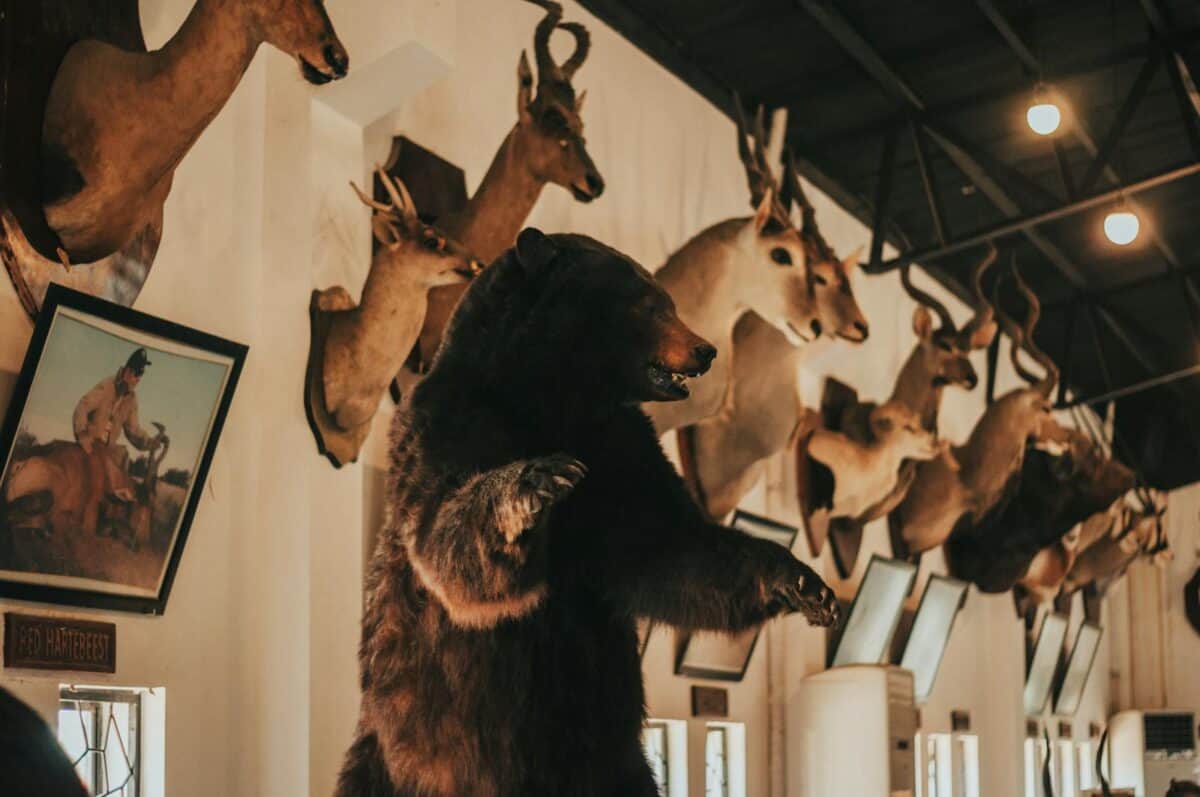
The relationship between trophy hunting and conservation defies simplistic characterization as either entirely beneficial or wholly detrimental. The evidence reveals a nuanced reality where outcomes depend on specific implementation details, governance quality, cultural contexts, and ecological factors unique to each situation. Moving forward requires abandoning entrenched ideological positions in favor of evidence-based approaches that prioritize measurable conservation outcomes, ethical wildlife treatment, and meaningful community benefits. The most promising path lies not in universal policies but in context-specific solutions that acknowledge both conservation pragmatism and evolving ethical standards regarding wildlife. As conservation challenges intensify amid habitat loss and climate change, success will require all stakeholders—hunters, animal welfare advocates, scientists, local communities, and policymakers—to engage with the full complexity of wildlife conservation beyond divisive rhetoric about trophy hunting itself.

- The Secret Language of Dolphins Decoded by Researchers - July 20, 2026
- 7 Animals That Can Survive Extreme Environments You Couldn’t - July 20, 2026
- The Longest Snake Ever Found in the U.S. - July 20, 2026