

Beneath our feet lies a hidden world of architectural marvels and complex social organization. Ant colonies, often referred to as superorganisms, create elaborate underground metropolises that rival human cities in their complexity and efficiency. These tiny creatures, through collective intelligence and division of labor, construct subterranean networks that can house millions of individuals, span thousands of square feet, and persist for decades. The underground mega-cities of ants represent one of nature’s most remarkable feats of engineering and social coordination, accomplished without central planning or blueprints. From sophisticated ventilation systems to agricultural chambers and waste management solutions, these insect civilizations showcase evolutionary ingenuity that has allowed ants to become one of Earth’s most successful organisms, inhabiting nearly every terrestrial environment for over 100 million years.
The Scale and Scope of Ant Mega-Cities

The sheer magnitude of ant colonies often goes unappreciated due to their largely invisible nature. The largest documented ant colony belonged to Argentine ants (Linepithema humile) spanning 3,700 miles across Europe’s Mediterranean coast, containing billions of workers living in millions of interconnected nests. Leaf-cutter ant colonies can excavate soil volumes equivalent to humans digging a tunnel the width of the Panama Canal, with colonies reaching depths of 25 feet and containing up to 8 million individuals. A single mature colony of Atta leafcutter ants can move 40 tons of soil during construction, creating an intricate network featuring hundreds of chambers connected by highways that radiate outward up to 100 meters from the central nest. These mega-cities exist on a scale proportionally more vast than any human metropolis, especially considering the tiny size of their builders, with some colonies lasting over 30 years—far beyond the lifespan of any individual ant.
Collective Intelligence in Construction
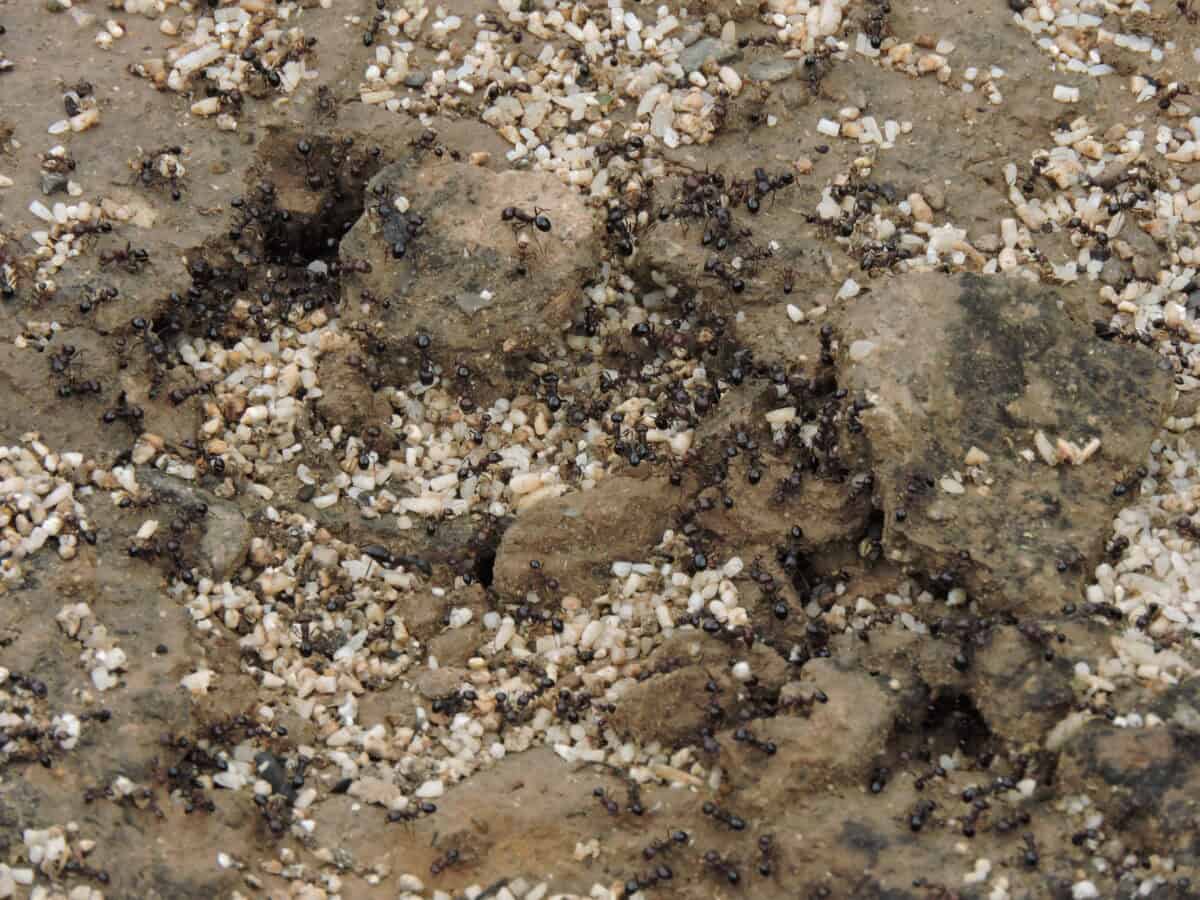
The construction of ant mega-cities occurs without architects, blueprints, or foremen. Instead, ants rely on a phenomenon known as stigmergy—a form of self-organization where the trace left by an action in the environment stimulates subsequent actions. When an ant deposits soil particles infused with pheromones, other ants detect these chemical signals and know to continue building in that location. This decentralized coordination system allows thousands of individuals to work harmoniously without direct communication. Computer scientists and robotics engineers study this “swarm intelligence” to develop algorithms for solving complex problems without central control. Research at universities like Stanford has demonstrated that ants can assess optimal chamber size, structural integrity, and efficient tunnel networks through simple individual behaviors that collectively create sophisticated architectural outcomes. These construction processes represent emergence—where complex systems arise from relatively simple interactions—making ant colonies prime examples of biological complexity arising from simpler components.
Sophisticated Ventilation Systems
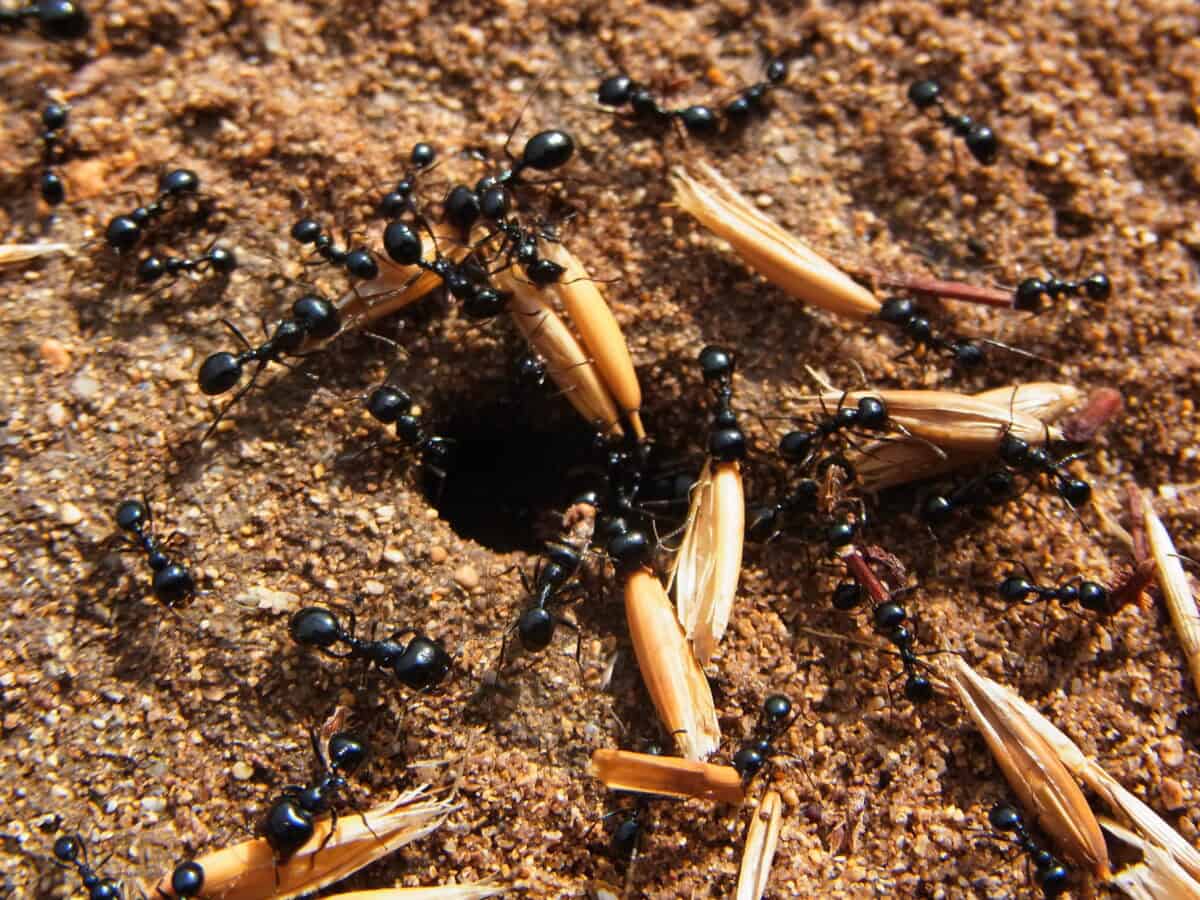
Perhaps one of the most remarkable engineering feats of ant colonies is their built-in ventilation systems. Without formal knowledge of fluid dynamics, ants construct their nests with precisely positioned entrance and exit tunnels that create passive airflow through the Bernoulli principle. Florida harvester ant colonies (Pogonomyrmex badius) build tall, chimney-like structures that capture surface winds, while deeper chambers connect to these vertical shafts at specific angles that maximize air circulation. Studies conducted by entomologists at Arizona State University have shown that these ventilation systems maintain consistent temperature and humidity levels throughout the colony, even when external conditions fluctuate dramatically. The ventilation tunnels also prevent carbon dioxide buildup, which would otherwise make deeper chambers uninhabitable. Some species like Atta leafcutters construct special turrets that enhance this airflow system, creating a passive air conditioning system that regulates temperature within 1-2 degrees Celsius throughout their extensive underground networks—a remarkable achievement for creatures without thermometers or engineering degrees.
Agricultural Chambers and Food Production

Many ant species have developed sophisticated agricultural systems within their underground cities. Leafcutter ants (Atta and Acromyrmex genera) operate the oldest known farming systems on Earth, dating back 50 million years. These ants don’t directly consume the leaves they harvest; instead, they use them as substrate to cultivate specific fungi in dedicated underground chambers. The fungi gardens require precise environmental conditions, with temperature maintained at 25-30°C and humidity levels around 90%. Worker ants continuously monitor these gardens, removing contaminants and applying antimicrobial secretions that prevent unwanted mold growth. Different chambers are used for different stages of fungal growth, creating an assembly-line production system. Similarly, harvester ants create specialized granaries for seed storage, with specific chambers designed to maintain optimal humidity to prevent premature germination. Some species even “plant” seeds near their nests to ensure future harvests—an early form of agriculture that humans developed independently millions of years later. These agricultural innovations have allowed ants to thrive in environments where direct food sources might be scarce or seasonal.
Waste Management and Sanitation

Ant colonies implement sophisticated waste management systems that would impress any urban planner. Most species designate specific chambers as waste repositories, typically located far from brood chambers and food storage areas to prevent contamination. Midden workers—ants specialized in waste management—transport refuse, dead ants, and other detritus to these dedicated chambers. Research published in the journal PLOS ONE revealed that some species, including Atta leafcutters, create external waste dumps positioned to prevent rainwater from washing contaminants back into the nest. These waste management specialists often develop stronger immune systems than other workers and may be older ants nearing the end of their lives, minimizing colony-wide infection risks. More remarkably, certain species like Atta colombica have been observed creating chemical “highways” that waste-carriers must follow, preventing contamination of other routes. This sophisticated sanitation system helps explain how densely populated ant colonies avoid the disease outbreaks that historically plagued human cities with similar population densities, making their underground metropolises more sustainable than many human equivalents throughout history.
Nurseries and Brood Care

The future of ant colonies depends on specialized chambers dedicated to raising the next generation. Brood chambers are constructed with particular attention to temperature and humidity control, as ant larvae and pupae require specific conditions to develop properly. In species like the Florida harvester ant (Pogonomyrmex badius), brood chambers are relocated throughout the day to maintain optimal temperature—moved deeper during hot midday hours and closer to the surface to capture warmth during cooler periods. This “vertical thermoregulation” demonstrates how ants modify their architecture for biological needs. Research conducted at Rockefeller University found that nurse ants constantly monitor brood development, segregating larvae by age and nutritional needs into different sub-chambers. The architectural design of nursery chambers often features smaller entrances than other rooms, providing additional security and climate control. Some species, including many Pheidole varieties, create special “sorting chambers” where eggs and young larvae receive particular attention before being moved to age-appropriate nurseries. This sophisticated brood care system, facilitated by specialized architecture, ensures high survival rates and colony growth despite the challenges of subterranean living.
Royal Chambers and Colony Leadership
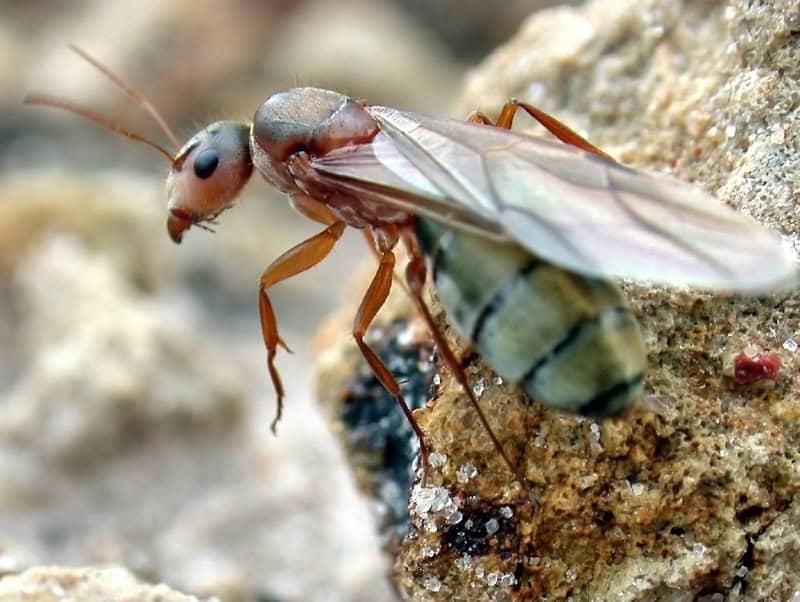
Queen ant. Image by Openverse
At the heart of many ant mega-cities lies the royal chamber, housing the colony’s queen (or queens in some species). These specialized chambers are architectural masterpieces, designed for both protection and functionality. In species like Atta leafcutters, the queen’s chamber is located deep within the nest, surrounded by multiple layers of tunnels and smaller chambers that serve as security checkpoints. Research by myrmecologists at the University of São Paulo documented that these royal chambers maintain the most stable temperature and humidity levels in the entire colony, ensuring optimal conditions for egg production. The chamber size is precisely proportioned to accommodate the queen, her attendants, and egg-laying activities. In many species, including Solenopsis fire ants, the royal chamber connects to multiple escape tunnels that can be used if the colony faces threats. Some species, like army ants (Eciton), create living chambers where worker ants link their bodies together to form protective walls around the queen—a temporary but effective architectural solution during their nomadic phases. The centrality and special design of royal chambers underscore the colony’s biological imperative to protect its reproductive core while maintaining the efficient organizational structure of the wider underground city.
Transportation Networks and Traffic Management

Ant colonies have evolved remarkably efficient transportation systems that would make urban planners envious. The tunnel networks connecting chambers are not haphazardly constructed but follow mathematical principles that optimize travel efficiency. Research published in the Proceedings of the National Academy of Sciences revealed that ant tunnels typically intersect at 60-degree angles, creating hexagonal patterns that minimize travel distance while maintaining structural integrity. Unlike human highways that often become congested, ant tunnels implement innate traffic management solutions. Studies conducted at the Max Planck Institute documented that in narrow passages, ants instinctively form lanes, with those carrying food given right-of-way over unladen travelers. Some species construct highways of varying widths, with main arterial routes wider than secondary passages, creating a hierarchical transportation network. Harvester ants (Pogonomyrmex) clear vegetation around trunk trails leading from the nest, creating the equivalent of ant superhighways that can extend over 100 feet. These transportation networks are continually maintained and expanded as the colony grows, with older unused tunnels being repurposed or sealed off to maintain efficiency. The sophisticated traffic management within these networks allows thousands of ants to move simultaneously through the colony without the gridlock that plagues human cities.
Water Management and Flood Control

One of the greatest engineering challenges for underground dwellers is water management, and ants have evolved ingenious solutions to this problem. Fire ants (Solenopsis invicta) construct nests with hydrophobic soil particles on the outer layers, creating water-resistant barriers. During floods, these ants can form living rafts, but their primary defense is architectural—constructing chambers with slight inclines that channel water away from critical areas. Research conducted at the Georgia Institute of Technology demonstrated that many ant species create drainage systems within their nests, with specific tunnels designed to direct water away from brood and food storage chambers. Desert-dwelling species like Cataglyphis construct special water-catchment chambers that collect and store rare rainfall, using clay particles to seal these reservoirs and prevent evaporation. Army ants (Eciton) build temporary nests called bivouacs with multiple exit points at different heights, ensuring escape routes during sudden flooding. Perhaps most impressively, some species including certain Camponotus carpenter ants incorporate naturally water-repellent materials like plant resins into their construction, creating chambers that remain dry even in waterlogged soil. These sophisticated water management systems allow ant colonies to survive in environments ranging from flood-prone rainforests to arid deserts where water conservation is critical.
Temperature Regulation and Climate Control

Maintaining optimal temperature is crucial for ant colony survival, particularly for protecting temperature-sensitive eggs and larvae. Ant mega-cities incorporate sophisticated passive climate control systems that maintain remarkable temperature stability. Research published in the journal Insectes Sociaux documented how harvester ants adjust the diameter and orientation of surface openings seasonally—wider in summer to increase ventilation and narrower in winter to conserve heat. Ants in the genus Formica build mound nests with dark materials that absorb solar radiation, positioning the mound to maximize sun exposure in colder climates. The internal structure features a complex of chambers arranged vertically to create convection currents that distribute heat throughout the nest. Desert-dwelling Cataglyphis ants construct deeper nests with narrower tunnels in hot regions, using soil depth as natural insulation against extreme surface temperatures. Studies using thermal imaging at the University of Würzburg revealed that some colonies maintain temperature differentials of up to 15°C between their deepest chambers and the surface environment. This remarkable climate control allows ant mega-cities to maintain internal temperatures within the narrow biological optimum of 25-30°C, even when external temperatures range from freezing to over 40°C—achieving with simple materials what human buildings require complex HVAC systems to accomplish.
Defensive Architecture and Security Systems
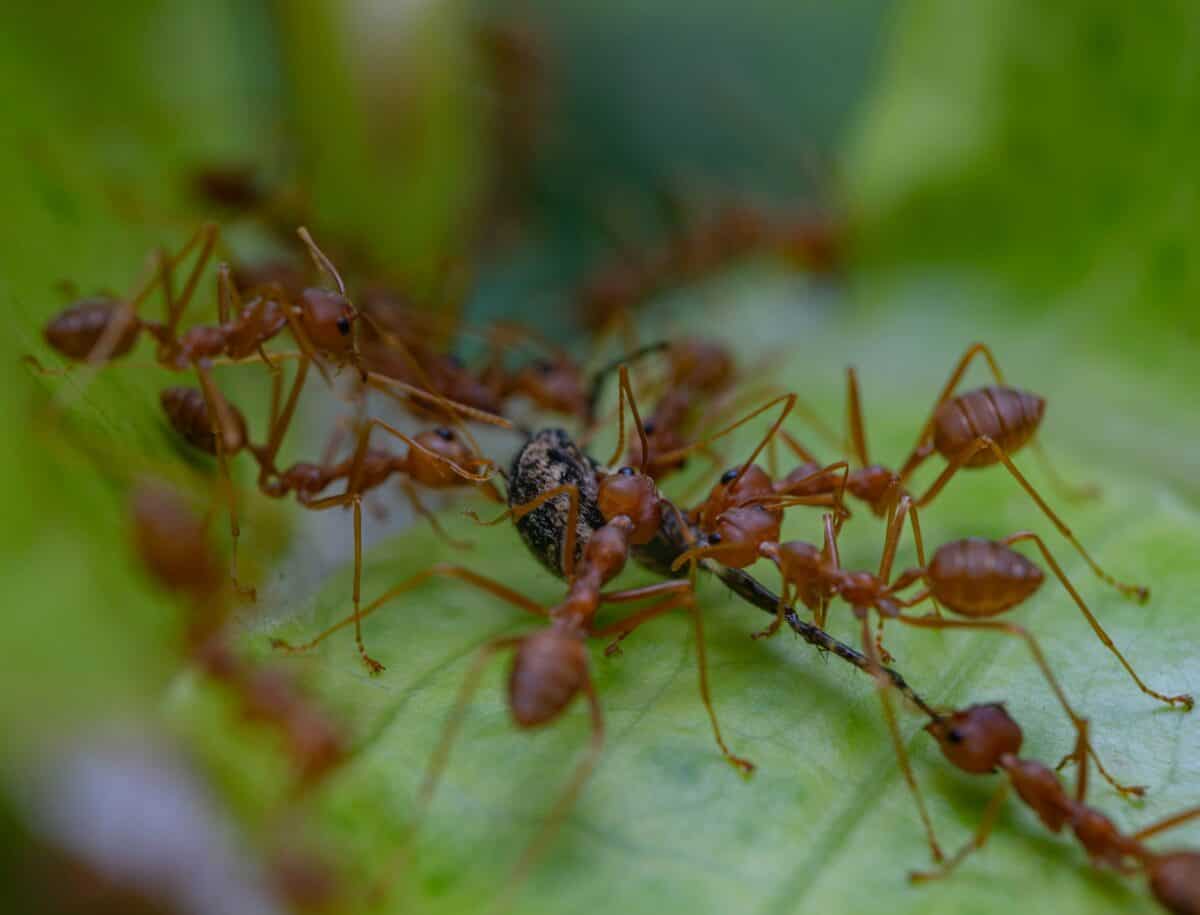
Ant mega-cities incorporate sophisticated defensive features that protect against predators, competing colonies, and environmental threats. Entrance tunnels often feature switchbacks and narrow passages that force potential invaders to navigate single-file, where defender ants can easily overwhelm them. Some species, including Pheidole and Atta, construct multiple dummy entrances that contain no access to the main colony, diverting predators from true entrances. Research conducted at the University of California documented that fire ant colonies build specialized chamber systems near entrances where defender ants remain on standby, ready to mobilize against threats. In warfare between neighboring colonies, ants may rapidly seal connecting tunnels with soil plugs to prevent enemy access. Florida harvester ants (Pogonomyrmex badius) incorporate charcoal particles into their nest entrances, which may serve as both structural reinforcement and antimicrobial protection. Perhaps most impressively, leafcutter ants maintain specialized “soldier” chambers near colony entrances, housing larger workers with powerful mandibles that serve exclusively in colony defense. These chambers feature wider corridors to accommodate the larger soldiers and strategic positioning that allows rapid deployment to any threatened area. The defensive architecture of ant mega-cities represents an evolutionary arms race against numerous threats, resulting in fortification systems that have allowed colonies to survive for millions of years in hostile environments.
Expansion and Renovation Strategies
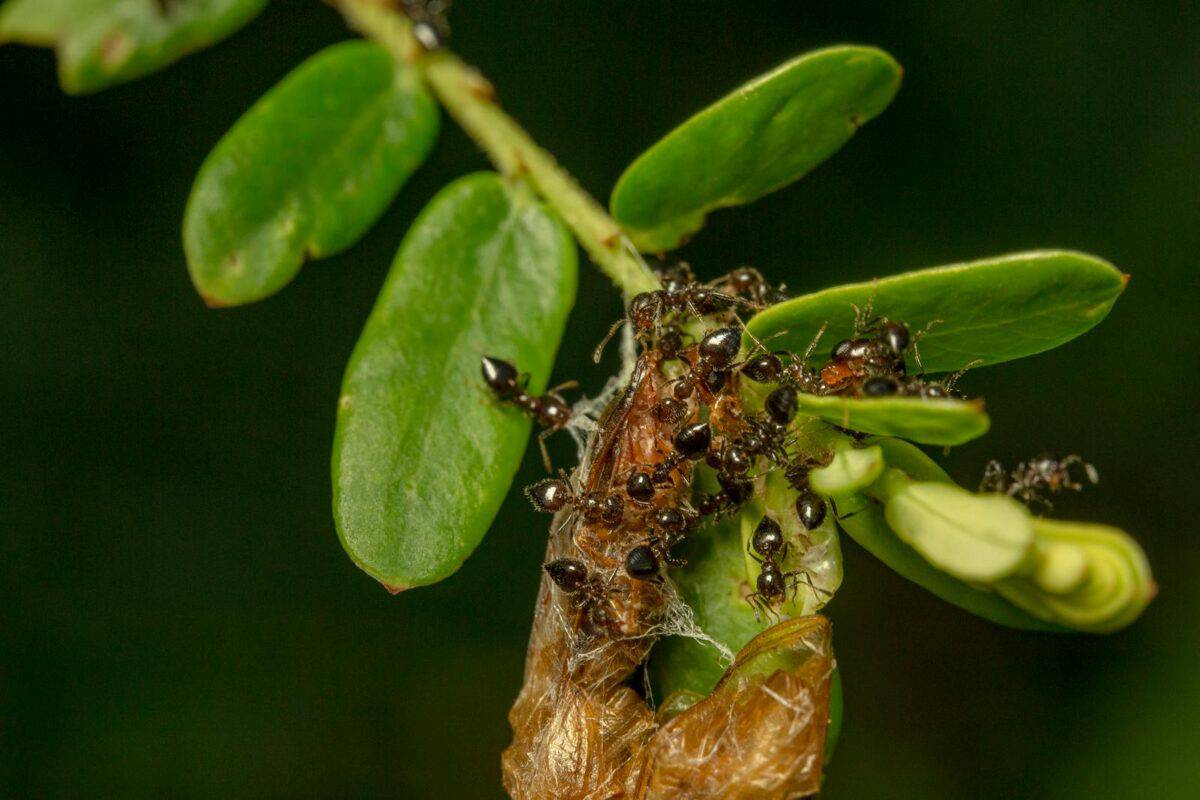
Ant mega-cities are not static structures but dynamic systems that expand and evolve throughout the colony’s lifetime. As populations grow, workers continuously excavate new chambers and tunnels according to collective needs. Research published in the Journal of Experimental Biology revealed that nest expansion follows consistent patterns, with new chambers typically constructed adjacent to existing ones, maintaining efficient spatial organization. During seasonal changes, many species renovate their nests—deepening tunnels during dry periods when soil is easier to excavate and reinforcing structures before rainy seasons. When environmental conditions deteriorate, species like Argentine ants (Linepithema humile) can implement “budding,” where a portion of the colony, including queens, relocates to establish satellite nests connected to the main colony. Some species, including Temnothorax ants, have been observed conducting “house hunting”—scout ants locate potential new nest sites, assess their quality based on multiple criteria, and recruit nestmates to promising locations through quorum sensing. Perhaps most remarkably, when faced with obstacles like rocks or roots during expansion, ants adjust their architecture around these immovable objects rather than attempting to remove them, showing adaptive problem-solving in their construction methods. These expansion and renovation strategies allow ant mega-cities to remain optimally functional throughout decades of use, adapting to changing colony needs and environmental conditions.
The Remarkable Underground World of Ants: Nature’s Master Architects

The underground mega-cities created by ants represent one of nature’s most remarkable feats of collective intelligence and architectural ingenuity. Through decentralized decision-making and simple behavioral rules, these tiny insects create structures that solve complex engineering challenges including ventilation, climate control, food production, and waste management. Their architectural solutions have evolved over 100 million years, resulting in sustainable systems that human cities are only beginning to implement. As we face growing challenges in urban design and sustainability, the self-organizing principles demonstrated in ant colonies offer valuable insights for human innovation. The next time you notice a small anthill, remember that it may be just the entrance to a vast, bustling metropolis beneath your feet—a testament to what can be accomplished through cooperation and evolutionary design rather than conscious planning.

- The Secret Language of Dolphins Decoded by Researchers - July 20, 2026
- 7 Animals That Can Survive Extreme Environments You Couldn’t - July 20, 2026
- The Longest Snake Ever Found in the U.S. - July 20, 2026