

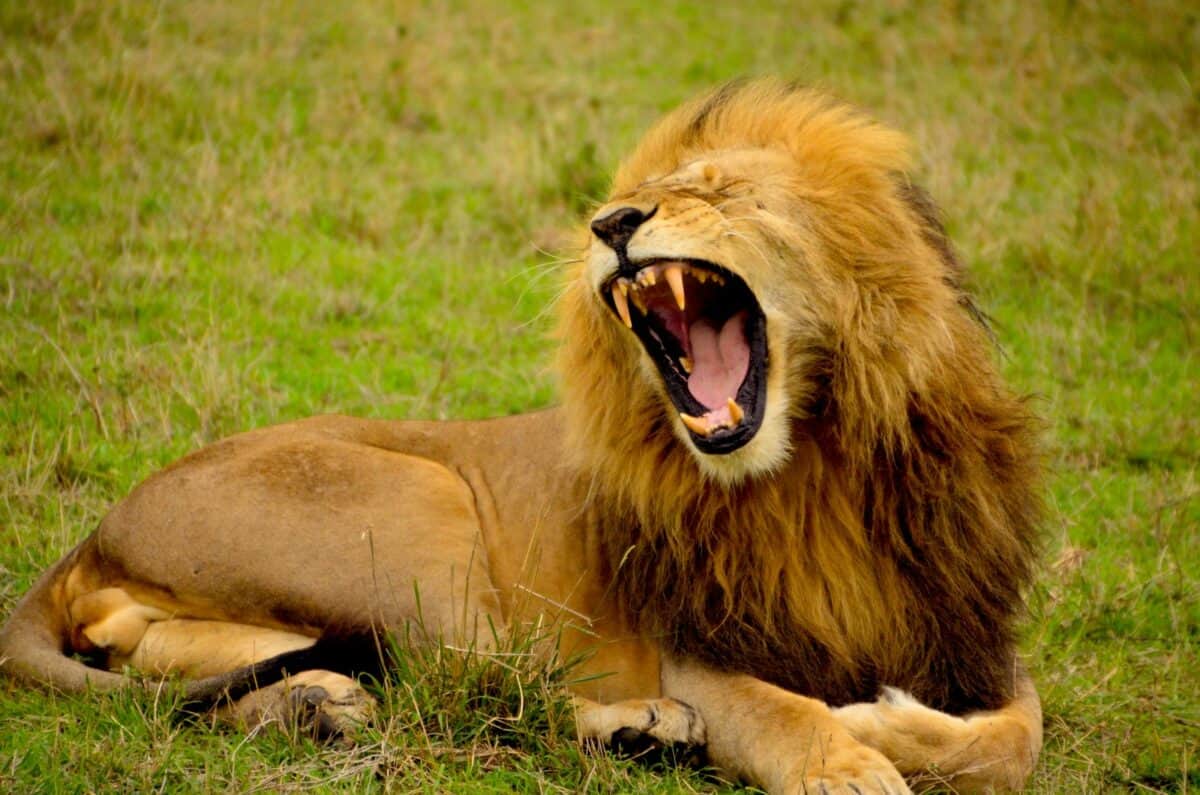
Imagine standing in the heart of Africa, the sun sinking low, and dust swirling as the earth trembles beneath your feet. Suddenly, a lion’s roar slices through the air, echoing off the acacia trees. The African Big Five—lion, leopard, elephant, buffalo, and rhinoceros—have inspired awe, fear, and fascination for generations. Most people think they know these legendary beasts, but the truth is, there’s a whole world of surprises lurking in the savannah, beyond the photographs and documentaries. Animal lovers, fasten your seatbelts, because you’re about to discover 20 wild facts that just might change the way you see the kings and queens of Africa’s wild lands.
20. The Term Big Five Came From Hunters

Before the age of wildlife safaris and conservation, the phrase “Big Five” wasn’t about who was the most photogenic. Early big game hunters coined the term to describe the five most dangerous animals to hunt on foot. The risk and thrill came not from size alone, but from the animals’ unpredictability and ferocity when threatened. These animals were considered trophies, with their heads mounted on walls as proof of bravery. Today, the term is embraced by conservationists and tourists alike, but its origins are deeply rooted in a more perilous chapter of Africa’s history. The Big Five have transcended their reputation as trophies, now standing as living icons of the wild. Their legacy continues to shape African culture and tourism in ways few would expect.
19. African Lions Live in Social Groups Called Prides

Lions are unique among big cats because they’re the only ones who live in organized social groups, known as prides. These prides can consist of up to 40 individuals, including related females, their cubs, and a coalition of males. In contrast to the solitary life of leopards, lions rely on teamwork to hunt, raise their young, and defend territory. Female lions do most of the hunting, while the males protect the pride from intruders. The social bonds within a pride are powerful, with mothers sharing parenting duties and cubs tumbling together in play. This sense of community makes lions not just formidable hunters, but also caring family members.
18. Leopards Are Masters of Camouflage

If you blink, you might miss a leopard even if it’s right in front of you. Their spotted coats are not just beautiful—they’re designed for stealth. Leopards can virtually disappear into tall grass, tree branches, or rocky outcrops, becoming invisible to both prey and predators. This ability to blend in lets leopards get incredibly close to their prey before striking, giving them an edge as ambush hunters. Even experienced safari guides sometimes struggle to spot a leopard, making every sighting feel like a rare stroke of luck. Their secretive nature is part of what makes them so enchanting and elusive.
17. African Elephants Are the Largest Land Mammals

You might know elephants are big, but did you know just how big? African elephants are the largest land mammals on Earth, with some males tipping the scales at over six tons and standing more than 10 feet tall at the shoulder. Their sheer size gives them few natural predators, but it also comes with a massive appetite—an adult elephant can eat up to 300 pounds of vegetation every day. Their trunks, with over 40,000 muscles, are capable of both uprooting trees and picking up a single blade of grass. These gentle giants are a symbol of strength, wisdom, and endurance across Africa.
16. Buffalo Herds Have Their Own Secret Voting System

African buffalo may look like simple grazers, but they have a surprisingly democratic way of making decisions. When it’s time to move, the herd’s females will stand up, shuffle, and sit back down, all facing the direction they want to travel. The majority direction is chosen, and the herd follows suit. This “voting” system helps the group avoid danger and find the best grazing spots. Buffalo herds are tight-knit, often protecting calves from predators by forming a protective wall. The group’s unity is its greatest strength, making them one of the most formidable animals in the wild.
15. Both Black and White Rhinos Are Actually Gray

Despite their names, black and white rhinos are both gray. The confusion comes from a mistranslation: “white” was derived from the Afrikaans word “wijde,” meaning “wide,” referring to the white rhino’s broad mouth. Black rhinos have a pointed, hooked lip suited for browsing bushes, while white rhinos have a wide, flat mouth for grazing grass. Their color might not set them apart, but their personalities and feeding habits certainly do. Rhinos are often solitary and can be aggressive if threatened, making them both fascinating and formidable.
14. Lion Roars Can Be Heard Miles Away

A lion’s roar is one of the most powerful sounds in the animal kingdom. It’s so loud that it can be heard up to five miles away, especially on a still African night. Roaring is a way for lions to communicate their presence, mark territory, and keep rival prides at bay. The deep, chest-rattling sound is produced by a unique structure in the lion’s vocal cords, allowing them to generate a volume that can make your hair stand on end. Hearing a lion roar in the wild is one of those experiences that stays with you forever.
13. Leopards Are the Strongest Climbers

While all the Big Five are impressive in their own right, leopards take the gold medal for tree climbing. They can haul prey twice their weight up into the branches, where they stash it away from scavengers like hyenas and lions. This skill means leopards can feast in peace, high above the ground, and keep their kills fresh for days. Their powerful limbs, flexible bodies, and long tails help them balance and move with cat-like grace. Watching a leopard scale a tree with a heavy carcass is a jaw-dropping sight.
12. Elephants Mourn Their Dead

There’s something deeply moving about how elephants respond to loss. When a member of the herd dies, elephants will often gather around the body, touching it gently with their trunks and standing vigil for hours or even days. They have been known to return to the bones of deceased relatives, picking them up and examining them with what looks like reverence. These mourning rituals hint at a level of emotional intelligence and empathy rarely seen in the animal world. It’s a reminder that elephants are not just giants of the land, but also giants of the heart.
11. Buffalo Are Unpredictably Dangerous

Don’t let their cow-like appearance fool you—African buffalo are among the most dangerous animals in Africa. Sometimes called “the Black Death,” they’re responsible for more injuries to hunters than any other African mammal. When threatened, buffalo can charge with terrifying speed and force, using their massive horns as weapons. They never forget a threat and have been known to ambush hunters who previously attacked them. Their unpredictable nature has earned them a reputation as one of the most feared animals in the bush.
10. Rhino Horns Are Made of Keratin

Many people believe rhino horns are made of bone, but they’re actually composed of keratin—the same protein found in your hair and fingernails. This makes rhino horns unique among the Big Five. Unfortunately, myths about the medicinal properties of rhino horn have fueled poaching, driving some rhino species to the brink of extinction. Conservationists are working fiercely to debunk these myths and protect the remaining rhinos. The truth is, rhino horns are more closely related to a horse’s hoof than to ivory.
9. Lions Have a “Majestic” Mane for a Reason

A male lion’s mane isn’t just for show. It serves as a sign of health, strength, and virility, with darker, fuller manes indicating a lion in peak condition. The mane also offers physical protection during fights, shielding the neck and head from bites and scratches. Female lions are attracted to males with impressive manes, making it an important factor in mating success. The mane is a lion’s crown, setting them apart from all other big cats and giving them a regal appearance that has captured human imagination for centuries.
8. Leopards Have the Widest Range of Any Big Cat in Africa

Unlike lions, which stick to open plains, leopards are found in a dizzying variety of habitats—savannas, forests, mountains, and even semi-desert regions. Their adaptability allows them to thrive in areas where other big cats can’t survive. Leopards are solitary, elusive, and rarely seen for long, making each encounter a treasure. Their ability to live close to humans, often without detection, is a testament to their remarkable survival skills. If you’ve ever felt like someone’s watching you from the shadows, it just might be a leopard.
7. Elephants Communicate with Infrasound

You might think elephants are silent, but they actually communicate using sounds too low for human ears to detect. These “infrasound” rumbles travel for many miles, allowing elephants to stay in touch with each other even when separated by great distances. Infrasound plays a key role in coordinating herd movements, warning of danger, and maintaining social bonds. Scientists have only recently begun to understand the complexity of elephant communication, revealing a secret language that connects herds across the African wilderness.
6. Buffalo Calves Form “Nurseries”

Buffalo calves aren’t left to fend for themselves. Instead, mothers group their young together in what’s known as a “nursery.” Several adult females supervise the calves while the rest of the herd grazes or moves to new territory. This communal care ensures the calves are protected from predators and can learn essential survival skills from each other. The nursery system strengthens social bonds within the herd and increases the chances of survival for the next generation. It’s a heartwarming example of animal teamwork at its best.
5. Rhinos Have Poor Eyesight but Excellent Senses of Smell and Hearing

Rhinos might not see well, but they make up for it with an incredible sense of smell and keen hearing. They rely on these senses to detect predators or other threats, often reacting to the faintest scent or distant noise. Their poor vision can sometimes make them seem unpredictable or skittish, but their other senses keep them well aware of what’s happening around them. This combination of traits means rhinos are both vulnerable and formidable, depending on the situation. Their world is painted with scent and sound rather than sight.
4. Lionesses Synchronize Births

In a remarkable show of cooperation, lionesses within a pride often synchronize their pregnancies so that their cubs are born around the same time. This means there are always several cubs at similar ages, allowing mothers to share nursing duties and increase the pups’ chances of survival. Synchronized births help the pride defend and raise their young more efficiently, as a group of cubs is less likely to fall prey to predators. It’s a strategy that highlights the importance of teamwork in the harsh African wilderness.
3. Leopards Are Nighttime Hunters

If you want to catch a glimpse of a leopard on the prowl, your best bet is to venture out at night. Leopards are primarily nocturnal, using the cover of darkness to stalk and ambush their prey. Their night vision is superb, allowing them to move silently and strike with deadly precision. This nocturnal lifestyle helps them avoid competition with lions and hyenas, who are more active during the day. Spotting a leopard after sunset is like catching a glimpse of a living shadow.
2. Elephants Create Waterholes for Other Animals

Elephants aren’t just the largest animals on the savannah—they’re also some of the most important. With their massive tusks and trunks, elephants dig waterholes during dry spells, which then provide drinking water for countless other species. These waterholes become lifelines for animals during droughts, turning elephants into true “ecosystem engineers.” Their actions help shape the landscape and support an entire community of wildlife, making them critical to the health of their habitats.
1. Buffalo Remember and Hold Grudges

It’s almost eerie how sharp a buffalo’s memory can be. They’re known to remember individuals who have threatened or harmed them, sometimes seeking revenge months or even years later. This trait makes them both fascinating and formidable. Stories abound of buffalo ambushing hunters or vehicles that once disturbed their herd. Their strong social bonds extend to fierce loyalty and long-lasting memories, proving there’s much more to these animals than meets the eye.
Conclusion

The African Big Five are full of surprises, each with their own quirks, secrets, and strengths. Whether it’s the silent language of elephants, the democratic ways of buffalo, or the stealthy prowess of leopards, there’s always more to learn about these legendary animals. Next time you think you know everything about Africa’s most iconic creatures, remember that the wild is always ready to astonish you again. Which of these facts caught you off guard?

As a little kid, I fell in love with nature, wildlife, and animals. Living in the USA, South Africa, Italy, China and Germany gave me the opportunity to discover the world's Wildlife. My favorite animals are Mountain Gorillas, Siberian Tigers, and Great White Sharks.
I'm a certified PADI Open Water Diver, went to Everest Base Camp and Trekked Gorillas in Uganda. I hold a Master of Science in Economics and Finance.
Please send any feedback to feedback@animalsaroundtheglobe.com
- 12 Animals That Look Like Monsters - July 17, 2026
- 13 Animals With Record-Breaking Speed or Strength - July 17, 2026
- The Most Camouflaged Creature Lurking in Pacific Waters - July 17, 2026