


A recent study by researchers at Tokyo University of Agriculture has found that domestic cats can distinguish between their owner’s scent and that of a stranger. This discovery sheds light on the sophisticated olfactory abilities of cats and their capacity to recognize familiar humans through smell.
Understanding the Study
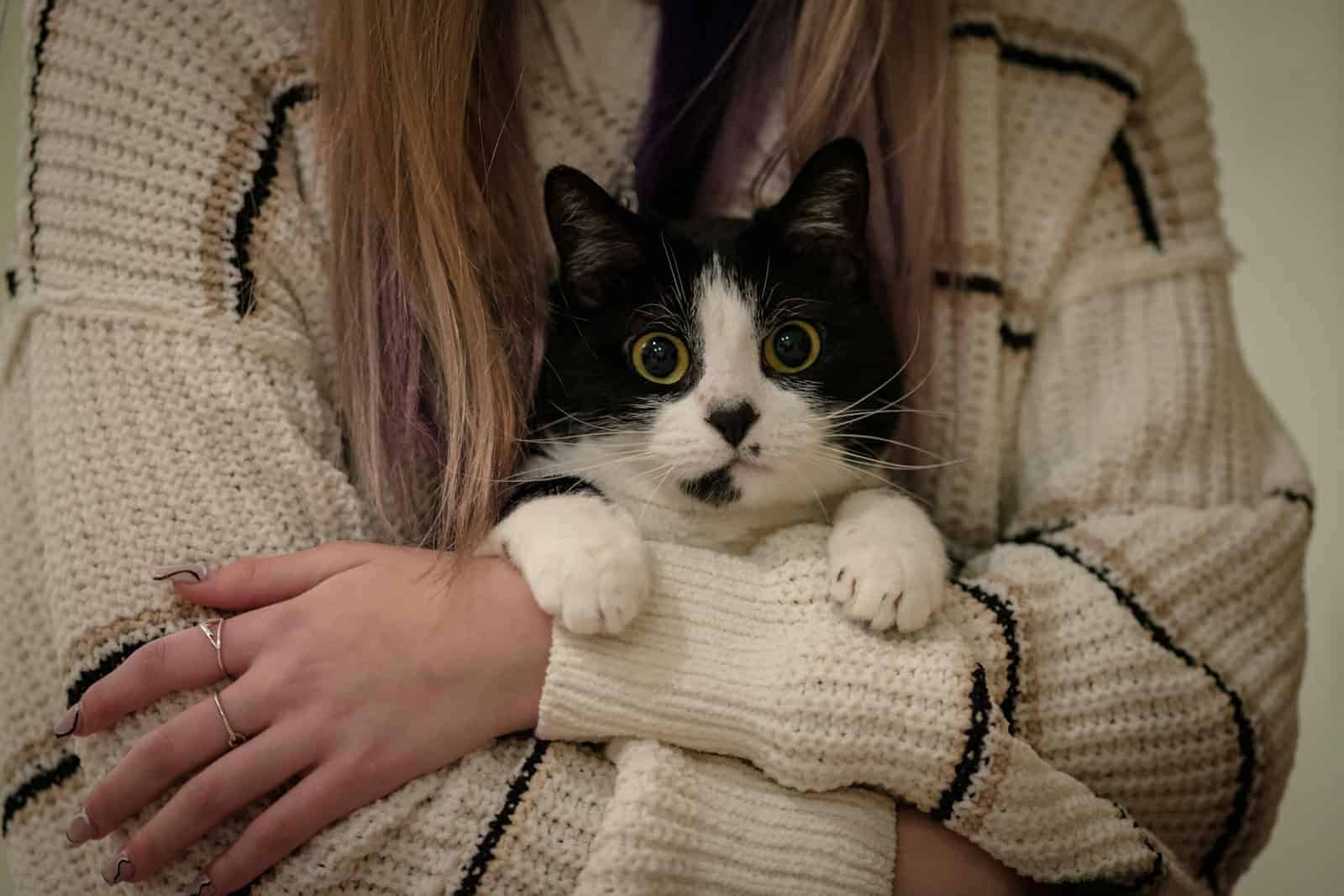
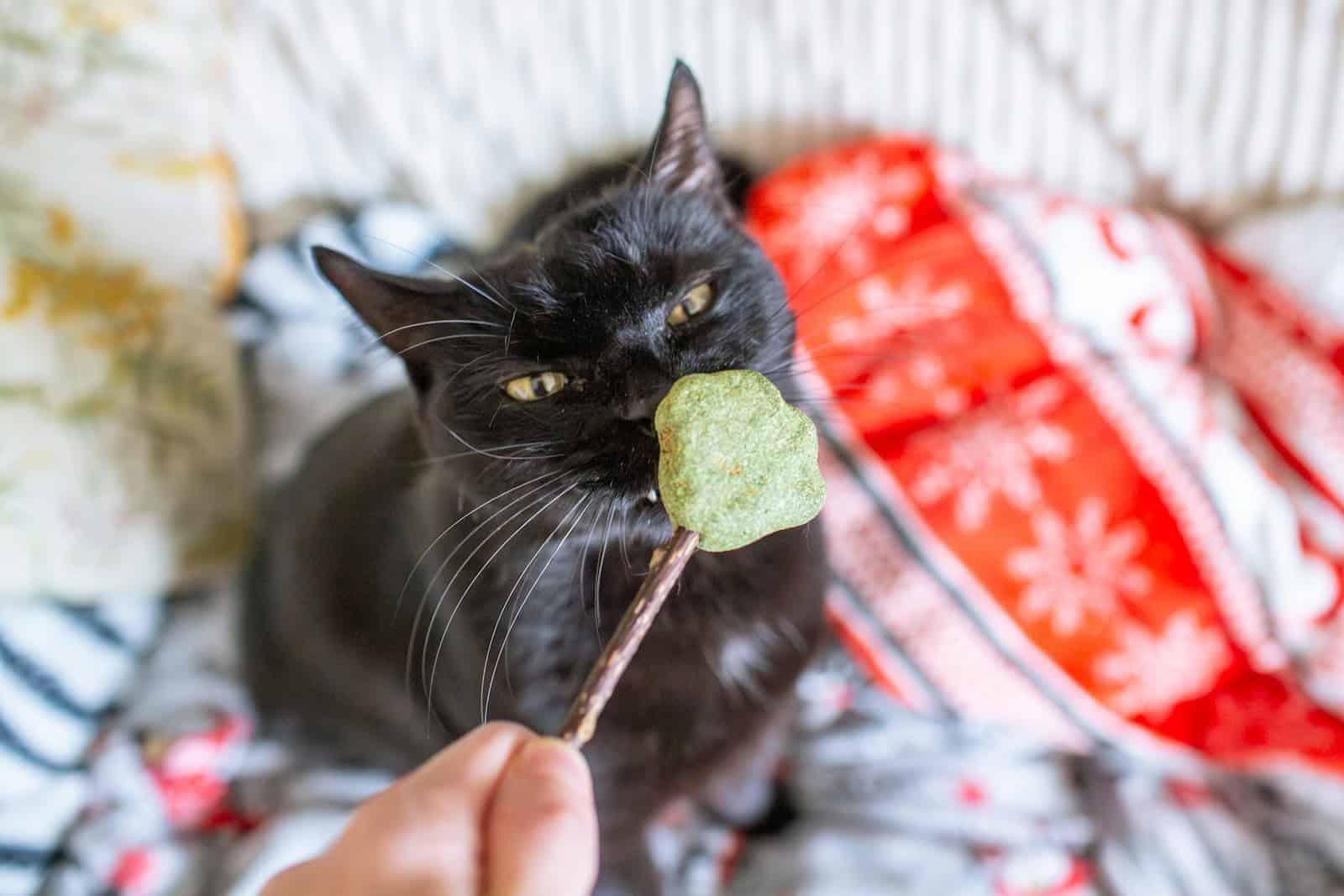
In the study, 30 domestic cats were presented with plastic tubes containing scent samples from their owners, unfamiliar individuals, and unscented controls. The scent samples were collected from areas such as the armpit, behind the ear, and between the toes. The researchers observed that cats spent significantly more time sniffing the tubes containing the scent of strangers compared to those with their owner’s scent or the unscented controls.
Implications of the Findings
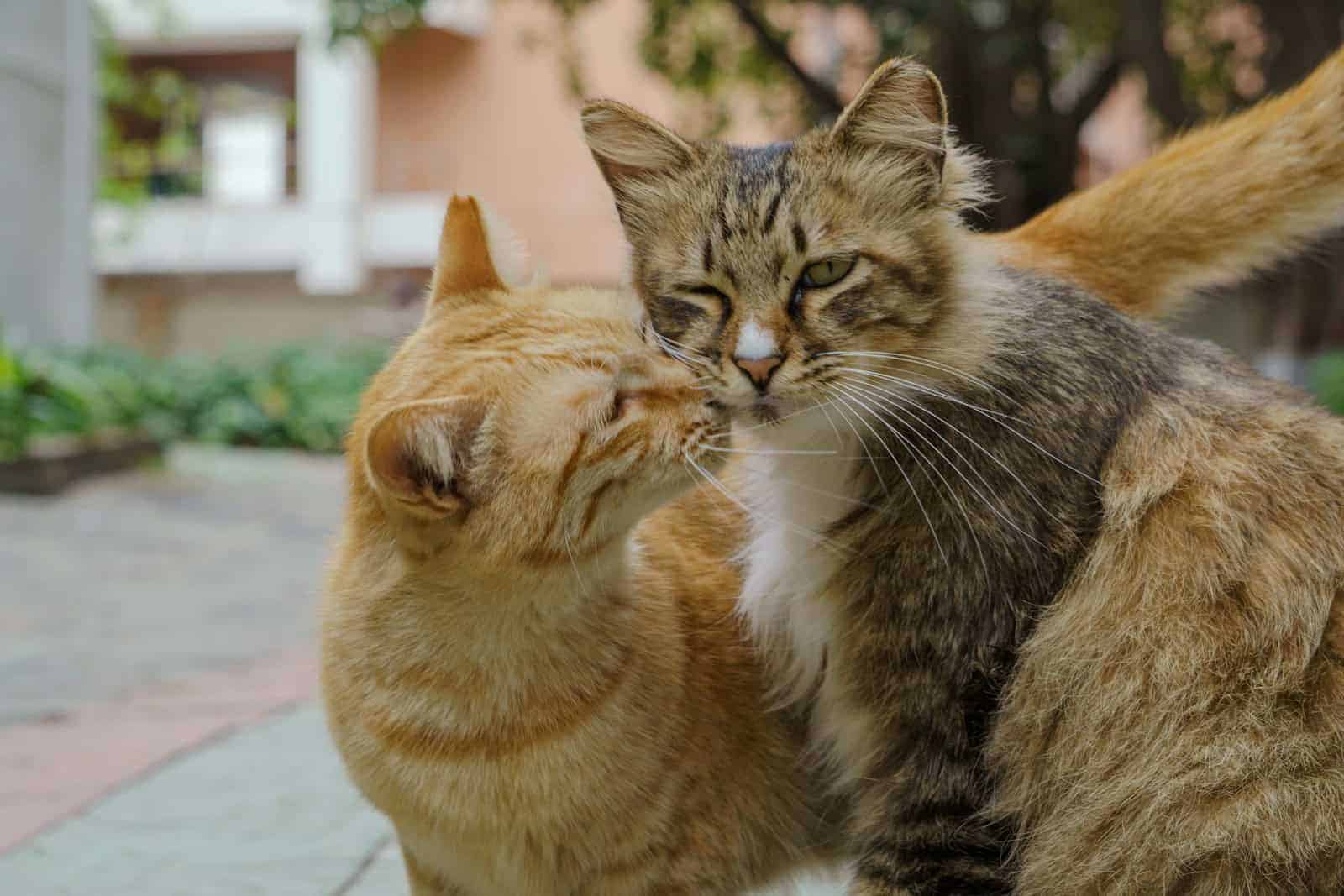
The findings suggest that cats use their sense of smell to differentiate between familiar and unfamiliar humans. While it remains unclear whether cats can identify specific individuals solely by scent, the study indicates that they can recognize when a person is familiar to them. This ability may play a role in how cats interact with different people in their environment.
Olfactory Recognition in Cats
Cats have long been known to rely on their sense of smell for communication and environmental awareness. This study adds to the growing body of research demonstrating the importance of olfaction in feline behavior. Previous studies have shown that cats can distinguish between human voices and respond to their owner’s emotional states, further highlighting their perceptive abilities.
Behavioral Observations
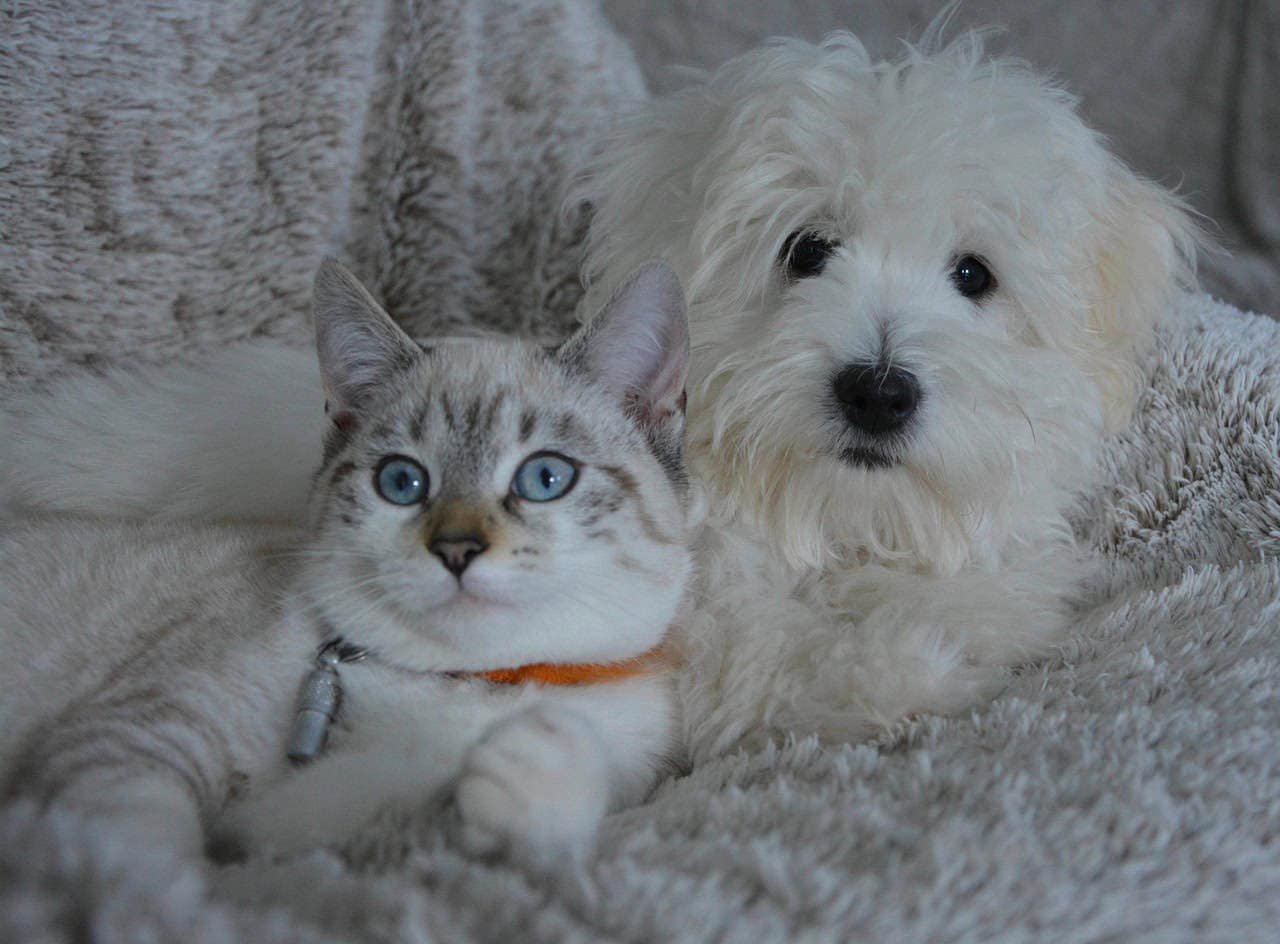
During the study, researchers noted that many cats engaged in face-rubbing behaviors after sniffing the scented tubes. This action is a form of scent-marking, suggesting that cats may be evaluating and responding to the scents presented to them. Additionally, some cats displayed a shift in nostril usage, starting with the right nostril and moving to the left as the scent became more familiar, indicating a nuanced processing of olfactory information.
Personality Factors
The study also explored how individual cat personalities might influence their responses to scents. Male cats with more neurotic tendencies were observed to sniff the tubes more persistently, possibly indicating a heightened need for confirmation. In contrast, more relaxed male cats and all female cats exhibited more consistent sniffing behavior, suggesting that personality traits can affect olfactory exploration.
Conclusion
This research provides valuable insights into the complex sensory world of domestic cats and their ability to recognize humans through scent. While cats may often appear aloof, their keen sense of smell allows them to discern familiar individuals, reinforcing the unique bond between cats and their owners.

adventuring, photography and videography. I am currently working towards a BSc in Biodiversity and Ecology at Stellenbosch University to go on to specialise in Marine Sciences one day.
Please send any feedback to Feedback@animalsaroundtheglobe.com
- Top 21 Must-see Birds For Bird Watchers In America - July 20, 2026
- Italy Mourns Hero Police Dog Killed by Food Laced with Nails - July 20, 2026
- Pigeon Turns into Fashionista and Wears Bread - July 19, 2026