

Dog owners often wonder how to give their pets a little extra nutrition without overcomplicating things. The right additions can support digestion, energy levels, and overall vitality in simple ways that fit into everyday routines.
Pumpkin for Better Digestion

Plain canned pumpkin stands out as one of the most common suggestions from veterinarians when a dog experiences occasional digestive upset. The soluble fiber it contains helps regulate bowel movements by absorbing excess water or adding bulk where needed.
Many owners stir a tablespoon or two into their dog’s regular food once or twice a day. This approach delivers vitamin A and antioxidants while keeping calorie counts low, making it suitable for dogs of various sizes and activity levels.
Carrots for Dental Health and Crunch

Raw or lightly steamed carrots offer a satisfying crunch that some vets link to natural teeth cleaning during chewing. Their beta carotene content converts to vitamin A, which supports eye health and immune function over time.
Dogs tend to enjoy the sweetness without any added sugars. Slicing them into manageable pieces prevents choking risks and turns them into an easy training reward or meal topper that fits most feeding schedules.
Blueberries for Antioxidant Support

These small berries earn frequent mentions in veterinary nutrition discussions because of their high levels of antioxidants. They may help combat oxidative stress that builds up from daily activity and aging.
A handful mixed into kibble or frozen as a cool summer snack works well for many dogs. Their low calorie profile and natural sweetness make them appealing without encouraging overeating, though portion control still matters for smaller breeds.
Sweet Potatoes for Steady Energy

Cooked sweet potatoes provide complex carbohydrates that release energy gradually rather than causing spikes. Vets often note their potassium and fiber content as helpful for maintaining steady blood sugar levels in active dogs.
Mashing a small amount into meals adds moisture and flavor that picky eaters sometimes appreciate. Baking or steaming keeps preparation straightforward while preserving nutrients that might diminish with excessive boiling.
Green Beans for Low Calorie Volume
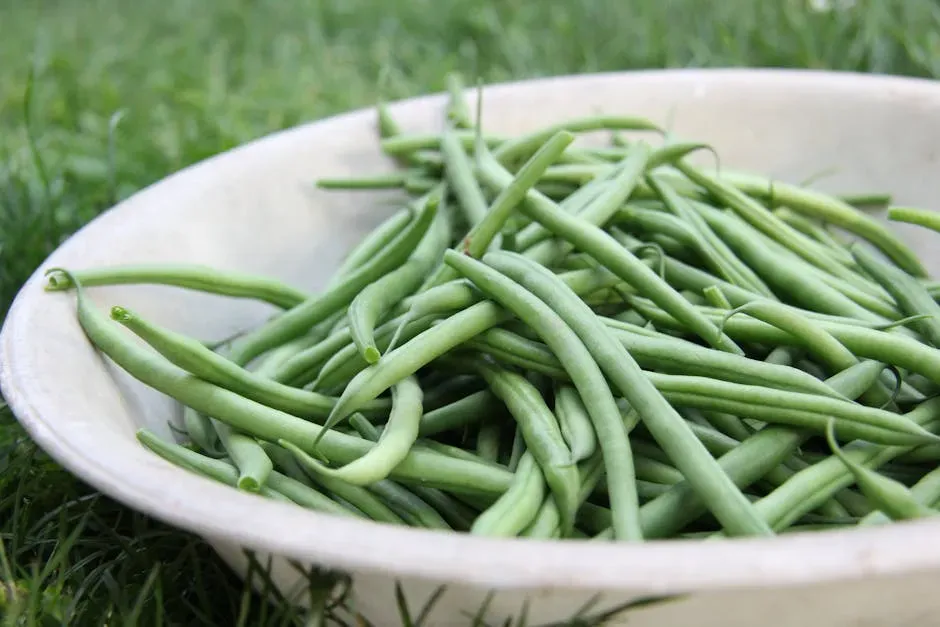
Plain green beans, whether fresh or frozen, serve as a filling option that adds bulk with minimal calories. Their vitamin K and fiber support bone health and digestion without contributing much to daily energy intake.
Chopped pieces blend easily into wet food or can be offered as a between meal nibble. This choice proves especially useful for dogs on weight management plans where owners want to increase meal satisfaction without extra pounds.
Plain Yogurt for Probiotic Benefits

Unsweetened, plain yogurt introduces live cultures that some veterinarians associate with improved gut balance. The calcium it supplies also contributes to strong teeth and bones when used in moderation.
A teaspoon or two stirred into food works for most adult dogs, though lactose intolerant pets may need alternatives like lactose free versions. Avoiding flavored varieties prevents unnecessary sugars that could upset sensitive stomachs.
Eggs for High Quality Protein

Cooked eggs deliver complete protein with amino acids that support muscle maintenance and coat condition. Vets frequently recommend them as a safe addition because they are easy to digest and widely available.
Scrambled or hard boiled eggs mix well with regular meals a few times a week. Removing the shell eliminates any risk of digestive irritation while keeping preparation quick and straightforward for busy households.
Fish Oil for Skin and Coat

Omega 3 fatty acids from fish oil often appear on veterinary lists for dogs with dry skin or dull fur. These supplements may reduce inflammation and promote a healthier skin barrier over consistent use.
Liquid or capsule forms allow precise dosing based on a dog’s weight. Starting with smaller amounts helps owners monitor tolerance before settling into a regular routine that complements the existing diet.
Apples for Natural Freshness

Apple slices without seeds or core provide a crisp texture and mild sweetness that many dogs enjoy. Their fiber content supports digestion while the natural chewing action may help freshen breath temporarily.
Owners typically offer a few thin slices as an occasional treat rather than a daily staple. This keeps sugar intake in check and prevents any digestive discomfort that larger quantities might cause in sensitive pets.
Broccoli for Vitamin Boost
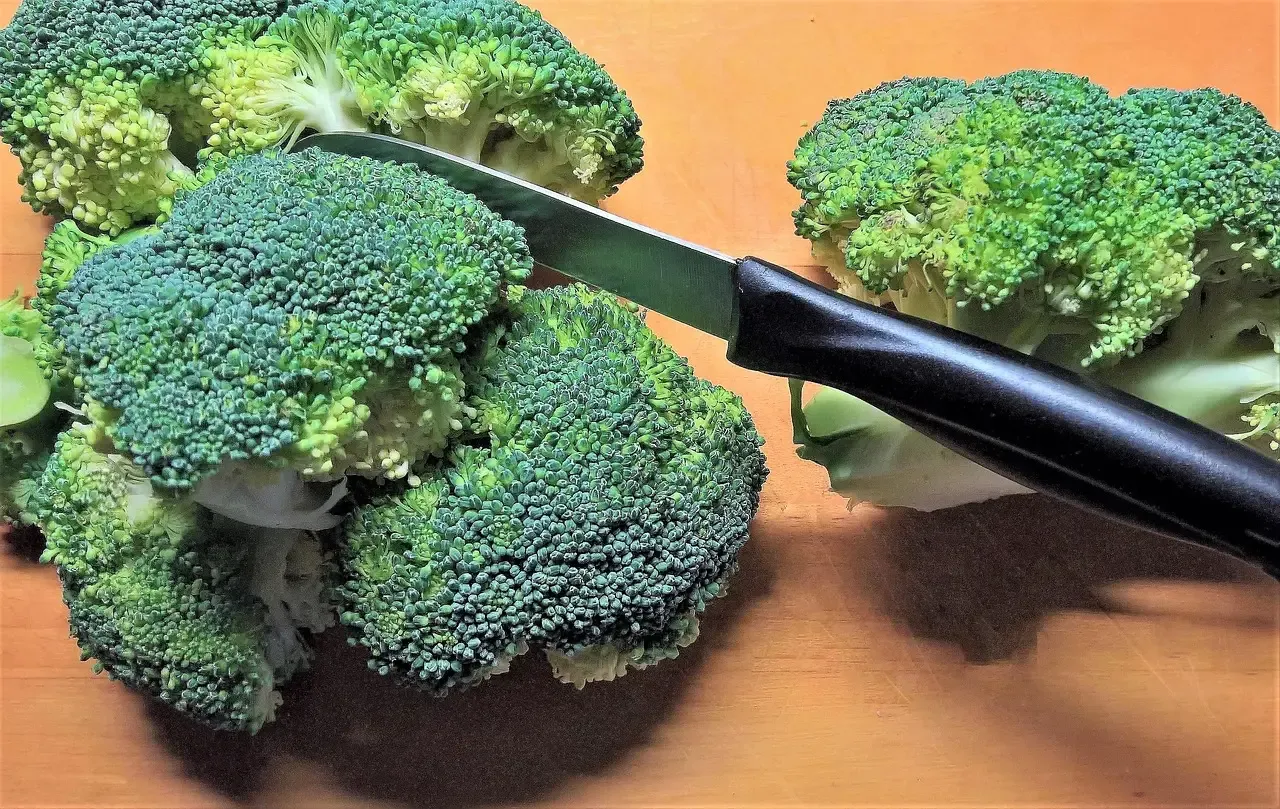
Lightly steamed broccoli florets introduce vitamins C and K along with minerals that support immune and bone health. Vets often suggest them as a vegetable option that adds variety without overwhelming a dog’s system.
Small portions mixed into meals prevent gas that can occur with larger servings. This addition works best when introduced gradually so owners can observe how their dog responds over the first few days.
After looking at these options, it becomes clear that thoughtful additions can genuinely enhance a dog’s daily nutrition when chosen with care. The real value lies in consistency and paying attention to how each dog responds individually rather than expecting dramatic overnight changes.
