


Conservation success stories often get overshadowed by news of species decline and habitat destruction. However, across the United States, numerous wildlife species have made remarkable comebacks thanks to dedicated conservation efforts, legal protections, and ecological restoration. These recoveries demonstrate that with proper management and protection, even the most threatened species can rebound. From iconic national symbols to lesser-known creatures, these sixteen species showcase America’s conservation achievements and provide hope for biodiversity preservation. Their stories illustrate that while the challenges of conservation are substantial, strategic intervention can reverse the trajectory of species once perched on the edge of extinction.
15. American Bald Eagle

The American bald eagle stands as perhaps the most iconic conservation success story in U.S. history. Once abundant throughout North America, by the 1960s, this national symbol had plummeted to fewer than 500 nesting pairs in the lower 48 states. The devastating decline resulted primarily from widespread use of the pesticide DDT, which caused eagles to lay thin-shelled eggs that broke during incubation. The 1972 ban on DDT, coupled with protections under the Endangered Species Act in 1973, created a turning point for the species. After decades of recovery efforts, bald eagles were removed from the endangered species list in 2007. Today, their population exceeds 300,000 individuals nationwide, with nesting pairs documented in every continental state. This dramatic recovery represents not just a biological success but a cultural victory that demonstrates how public support for conservation can drive meaningful change.
14. American Alligator

The American alligator’s recovery stands as one of the Endangered Species Act’s earliest triumphs. By the 1960s, unregulated hunting and habitat loss had pushed these ancient reptiles to the brink of extinction. Listed as an endangered species in 1967, the alligator received crucial federal protection that prohibited hunting and enabled population monitoring. Conservation efforts, habitat preservation, and strict regulation of the alligator products market allowed populations to rebound dramatically. By 1987, the species had recovered sufficiently to be removed from the endangered list. Today, an estimated 5 million alligators inhabit the southeastern United States, particularly in Florida and Louisiana, where they play crucial roles in wetland ecosystems. The alligator’s recovery demonstrates how effective legal protection combined with scientific management can restore a species while allowing for sustainable use through carefully regulated hunting programs that actually contribute to conservation funding.
13. Gray Wolf
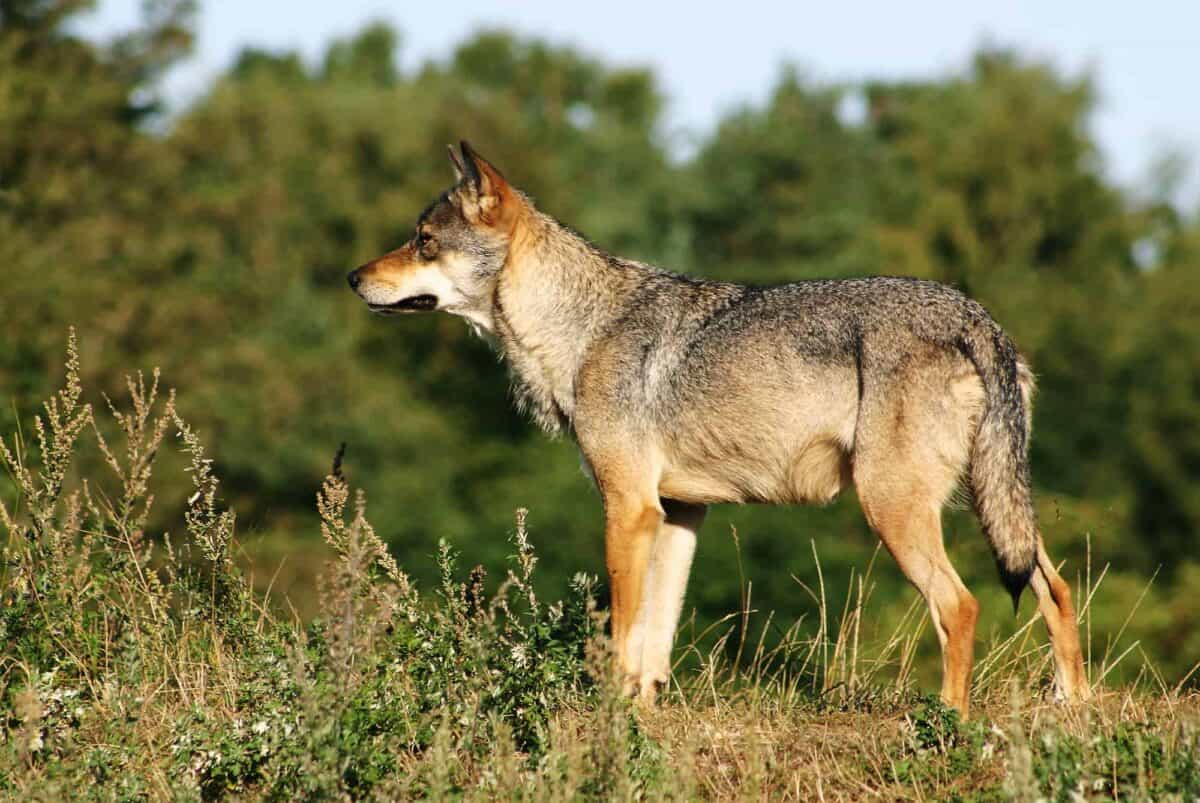
The gray wolf’s recovery represents one of the most controversial yet significant conservation achievements in American history. Once nearly eradicated from the lower 48 states through systematic hunting, trapping, and poisoning campaigns, wolves had been reduced to just a few hundred individuals in northern Minnesota and Michigan by the 1970s. Their listing under the Endangered Species Act in 1974 marked the beginning of a remarkable comeback. The reintroduction of 31 wolves to Yellowstone National Park and central Idaho in 1995-1996 proved transformative, not only establishing new populations but demonstrating wolves’ capacity to restore ecological balance. Today, approximately 6,000 wolves inhabit the contiguous United States across several recovered populations in the Northern Rockies, Western Great Lakes, and Pacific Northwest. Despite ongoing political battles over their management, wolves have reclaimed portions of their historical range and once again fulfill their ecological role as apex predators, influencing everything from deer populations to river systems through trophic cascades.
12. Southern Sea Otter

The southern sea otter’s path from near extinction to recovery exemplifies persistence in conservation. Once abundant along the California coast with a population estimated at 16,000-20,000, these charismatic marine mammals were hunted to near extinction for their luxurious fur. By 1938, only about 50 otters remained in a small refuge near Big Sur. Protected under the Marine Mammal Protection Act and Endangered Species Act, and supported by innovative conservation programs, the population has gradually increased. Current estimates place their numbers at approximately 3,000 individuals along the central California coast. Though still below historical levels, this represents a significant recovery from the brink of extinction. Southern sea otters serve as a keystone species in kelp forest ecosystems, controlling sea urchin populations that would otherwise decimate kelp forests. Their recovery has highlighted the importance of marine protected areas and comprehensive ecosystem management in conservation planning. Ongoing research into disease threats and habitat quality continues to inform recovery efforts for this beloved coastal species.
11. Peregrine Falcon

The peregrine falcon’s recovery represents one of the most dramatic wildlife comebacks in American conservation history. These magnificent raptors, capable of diving at speeds exceeding 200 mph, were devastated by DDT contamination that caused eggshell thinning and reproductive failure. By 1975, only 324 known nesting pairs remained in the United States. An ambitious recovery program launched in the 1970s combined captive breeding, hack-site releases, and habitat protection to reestablish wild populations. The Cornell University Peregrine Fund and similar organizations raised and released over 6,000 falcons between 1974 and 1999. These efforts, coupled with the 1972 DDT ban, allowed peregrine populations to rebound dramatically. Removed from the endangered species list in 1999, peregrines now number approximately 3,000 breeding pairs across North America. The species has even adapted to urban environments, nesting on skyscrapers and bridges in major cities nationwide. Their recovery showcases how targeted scientific intervention combined with pollution control can restore even highly specialized predator species.
10. American Crocodile

The American crocodile’s recovery in southern Florida demonstrates conservation success for a species at the northern limit of its range. Once facing extinction due to habitat destruction and hunting, the American crocodile population in Florida had dwindled to fewer than 300 individuals by the 1970s. Listed as endangered in 1975, the species received crucial protection for its remaining habitat in mangrove swamps and estuaries. Unexpectedly, the crocodiles found sanctuary in the cooling canals of the Turkey Point Nuclear Generating Station near Miami, where warm water and limited human access created ideal conditions for nesting. Today, the Florida population has increased to approximately 2,000 individuals, leading to the species’ downlisting to threatened status in 2007. Monitoring programs show continued population growth and range expansion northward along Florida’s coasts. The crocodile’s recovery highlights the importance of protecting critical habitat and the potential for wildlife to adapt to modified environments when given adequate protection and space.
9. California Condor

The California condor’s recovery represents perhaps the most intensive species rescue operation in U.S. conservation history. North America’s largest bird, with a 9.5-foot wingspan, was reduced to just 22 individuals worldwide by 1982. In a desperate last attempt to save the species, all remaining wild condors were captured by 1987 to establish a captive breeding program. The primary threats had included lead poisoning from ammunition in carcasses, power line collisions, and habitat loss. Through meticulous captive breeding efforts at facilities like the San Diego Zoo and Los Angeles Zoo, condor numbers gradually increased. Reintroduction began in 1992, and today the population stands at over 500 birds, with more than half flying free in California, Arizona, Utah, and Baja California, Mexico. While still endangered and dependent on intensive management, the condor’s recovery from the brink of extinction demonstrates the power of ex-situ conservation and the value of investing in even the most critically endangered species. Ongoing challenges include continued lead ammunition threats and the need for expanded habitat protection.
8. Grizzly Bear

The recovery of grizzly bear populations in the contiguous United States showcases the effectiveness of coordinated conservation for large carnivores. Once roaming across much of western North America, grizzlies were reduced to less than 2% of their historical range by the 1970s, with only 600-800 bears remaining in isolated pockets. Listed as threatened in 1975, the species benefited from hunting bans, habitat protection, and comprehensive recovery plans implemented across multiple jurisdictions. The Greater Yellowstone Ecosystem population has grown from approximately 136 bears in 1975 to over 700 today. Similar progress has occurred in the Northern Continental Divide Ecosystem in Montana, now home to about 1,000 bears. While still absent from most of their historical range and facing challenges from habitat fragmentation and human conflict, grizzlies have made remarkable progress. Their recovery has required extensive collaboration between federal and state agencies, tribal governments, private landowners, and conservation organizations. The bears’ comeback demonstrates how careful management and coexistence strategies can allow even large predators to recover in landscapes with significant human presence.
7. Black-footed Ferret

The black-footed ferret’s recovery represents a dramatic back-from-the-brink conservation story. Once believed extinct, a small population of this specialized prairie predator was discovered in Wyoming in 1981. With only 18 individuals remaining, every ferret was captured to establish a captive breeding program—the species’ last hope. The ferrets’ decline had been driven by widespread prairie dog eradication (their primary prey) and sylvatic plague. Through careful genetic management and breeding protocols, the captive population expanded enough to support reintroductions beginning in 1991. Today, approximately 300-400 black-footed ferrets live in the wild across multiple reintroduction sites in the Great Plains and Rocky Mountain states, with a sustainable captive population maintained as insurance. While still endangered, innovative conservation tools like sylvatic plague vaccines for prairie dogs and continued habitat restoration offer promising paths forward. The ferret’s recovery journey showcases the critical importance of saving even the last few individuals of a species and the potential for restoration through scientific breeding programs and ecosystem recovery.
6. Whooping Crane
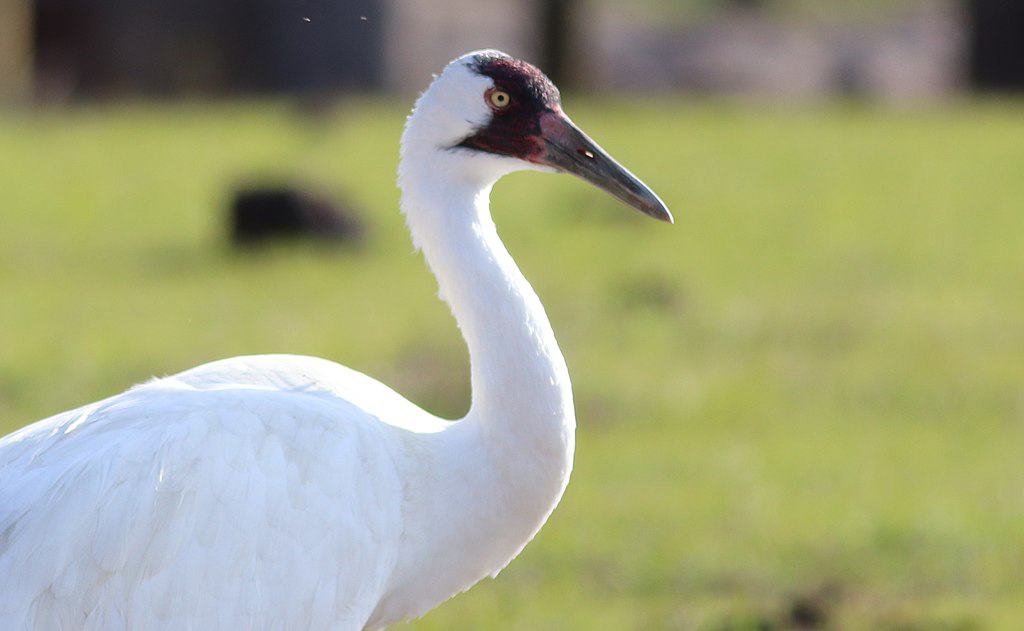
The whooping crane’s recovery illustrates extraordinary persistence in saving North America’s tallest bird. Standing nearly five feet tall with striking white plumage, these majestic birds were reduced to just 15 individuals worldwide by 1941 due to hunting and wetland drainage. The sole remaining wild flock migrated between Wood Buffalo National Park in Canada and Aransas National Wildlife Refuge in Texas. Through rigorous protection, habitat preservation, and innovative breeding programs, the population has grown to approximately 800 birds today, including several reintroduced populations. Conservation strategies have included costume-reared chicks, ultralight aircraft-led migrations, and partnerships with private landowners along migration routes. While still endangered, the increasing numbers and multiple populations provide a buffer against extinction. The whooping crane recovery program has pioneered techniques in avian conservation and demonstrated the importance of international cooperation, as the species’ survival depends on habitat protection across two countries and multiple states. Each spring and fall migration represents a testament to conservation determination spanning more than 70 years.
5. Steller Sea Lion

The eastern population of Steller sea lions represents a marine conservation success story along the Pacific coast. These massive pinnipeds—males can weigh up to 2,500 pounds—experienced a severe population crash in the late 20th century. By the 1970s, the eastern population (ranging from California to Alaska) had declined significantly due to hunting, harassment, and fishery interactions. Listed as threatened under the Endangered Species Act in 1990, the species benefited from crucial protections at rookery sites, fishing restrictions in key habitats, and reduced hunting pressure. These measures allowed the eastern population to increase at approximately 4.3% annually for decades. By 2013, the eastern stock had rebounded from approximately 18,000 to over 70,000 individuals, leading to its removal from the endangered species list. The recovery demonstrates the effectiveness of spatial protections for marine mammals and the importance of managing fisheries with ecosystem considerations. While the western population in Alaska and Russia continues to struggle, the eastern population’s recovery provides valuable lessons for marine conservation.
4. Louisiana Black Bear

The Louisiana black bear, the inspiration for the original teddy bear, has staged a remarkable comeback in the southeastern United States. A subspecies of the American black bear native to Louisiana, Mississippi, and eastern Texas, it was nearly eliminated by the 1950s due to extensive deforestation of bottomland hardwood forests and overhunting. By 1992, when listed as threatened under the Endangered Species Act, fewer than 300 bears remained. Recovery efforts focused on habitat restoration and connectivity, particularly through the USDA’s Wetland Reserve Program, which reforested over 200,000 acres of former agricultural land. Combined with reintroduction programs and strict hunting prohibitions, these efforts allowed the population to rebound to approximately 750 bears by 2016, when the subspecies was delisted. The recovery required extensive collaboration between federal agencies, state wildlife departments, private landowners, and conservation organizations. Today, the Louisiana black bear serves as a symbol of successful landscape-scale conservation in working forests and agricultural regions, demonstrating how habitat restoration can benefit both wildlife and human communities through improved flood protection and water quality.
3. Channel Island Fox
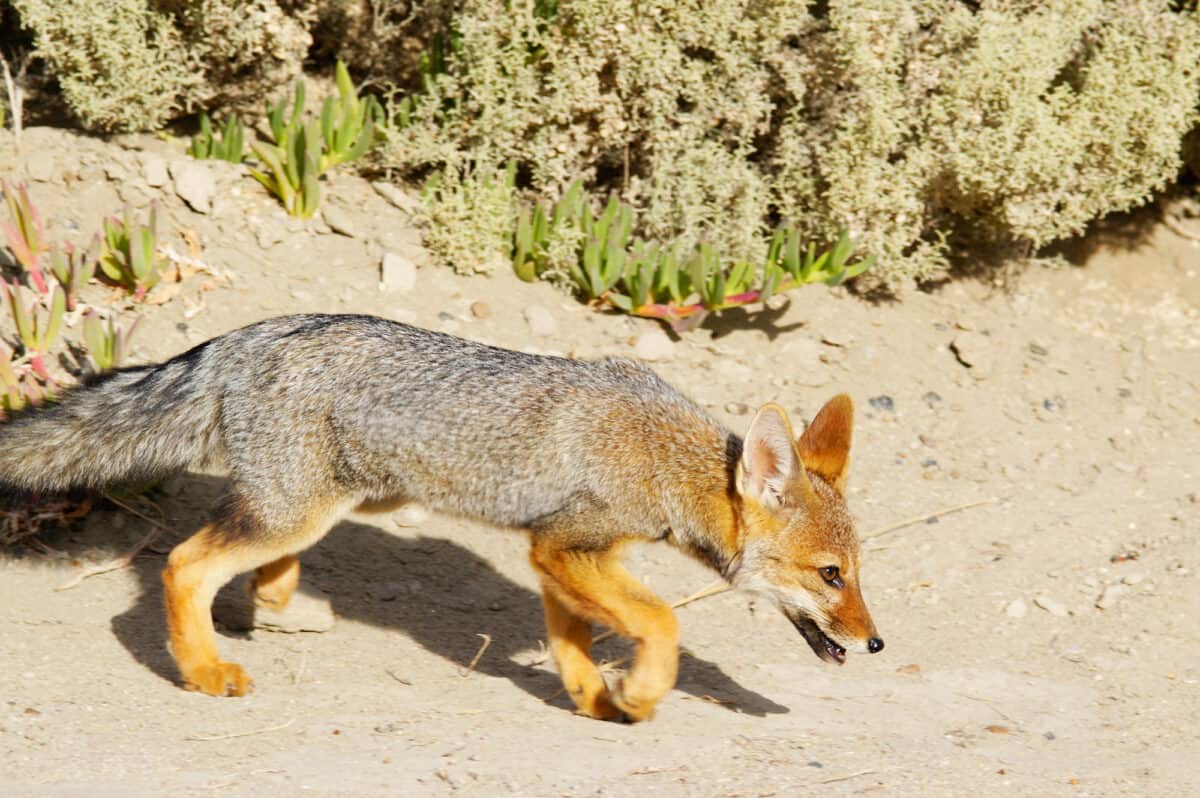
The Channel Island fox recovery represents one of the fastest endangered species recoveries in U.S. history. These diminutive foxes, each about the size of a house cat, are endemic to six of California’s Channel Islands, having evolved in isolation for thousands of years. In the 1990s, fox populations on four islands collapsed catastrophically—San Miguel Island’s population plummeted from 450 to just 15 individuals by 1999. The primary threats were predation by golden eagles (which had moved in after bald eagles disappeared due to DDT) and disease. Listed as endangered in 2004, the foxes benefited from a comprehensive recovery program that included captive breeding, golden eagle relocation, bald eagle reintroduction, and removal of non-native ungulates that had attracted the golden eagles. The results were dramatic: fox populations rebounded from fewer than 200 across all four endangered populations to over 6,000 by 2016, enabling their delisting that same year. The 12-year journey from near-extinction to recovery demonstrates how understanding complex ecological relationships and addressing multiple threat factors simultaneously can produce rapid conservation results for island species.
2. American Burying Beetle
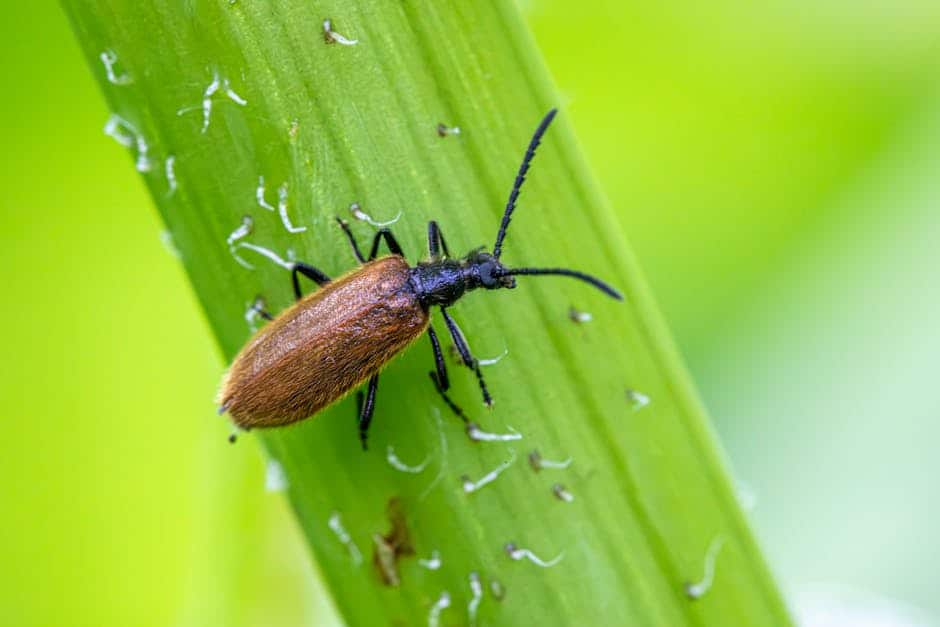
The American burying beetle’s recovery illustrates conservation success for a less charismatic but ecologically important insect species. This large, colorful beetle once ranged across 35 eastern and central states but by 1989 was known from only two locations—Block Island, Rhode Island, and eastern Oklahoma. Listed as endangered that year, it was the first insect to receive federal protection. The beetle’s decline had been linked to habitat fragmentation, light pollution, and the loss of appropriately-sized carrion for reproduction. Conservation efforts included captive breeding programs at institutions like the Roger Williams Park Zoo, which pioneered techniques for rearing these specialized insects. Reintroduction efforts in states including Ohio, Massachusetts, Missouri, and Rhode Island have established new populations, while habitat protection has strengthened existing ones. By 2020, sufficient recovery had occurred to downlist the species from endangered to threatened status. Today, populations exist in nine states, with several considered self-sustaining. The beetle’s partial recovery demonstrates the importance of including invertebrates in conservation planning and how focused efforts can reverse declines even in highly specialized insect species.
1. Brown Pelican
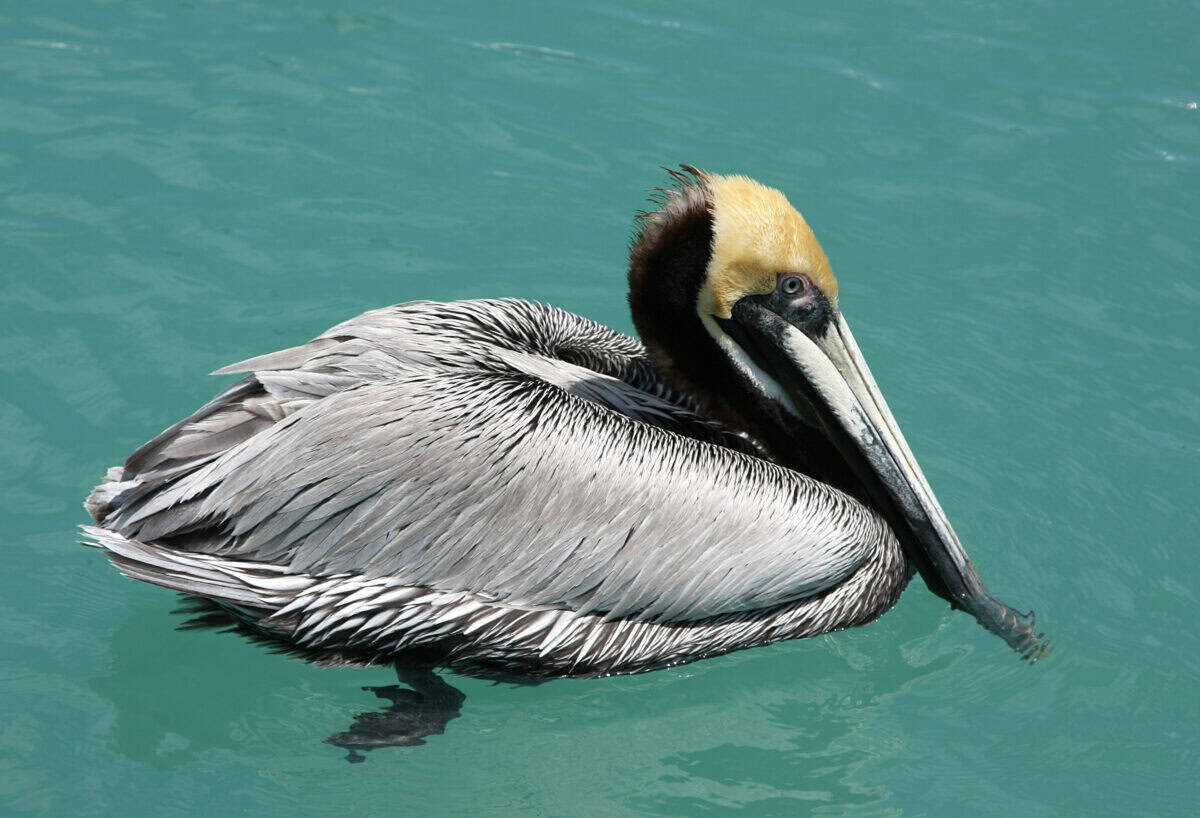
The brown pelican’s recovery along American coastlines epitomizes the far-reaching benefits of environmental legislation. This iconic coastal bird had disappeared from much of its range by the 1960s, primarily due to DDT contamination that caused catastrophic reproductive failure through eggshell thinning. Louisiana, where the pelican serves as the state bird, lost its entire population by 1963. Listed as endangered in 1970, the species’ fortunes began to improve following the 1972 DDT ban. Reintroduction efforts, particularly in Louisiana where over 1,200 nestlings from Florida were released between 1968 and 1980, helped reestablish populations throughout the Gulf Coast. The Atlantic coast population recovered naturally once DDT contamination declined. By 2009, brown pelican numbers had rebounded so dramatically—to more than 650,000 birds worldwide—that the species was removed from the endangered species list. Today, pelicans are common sights along both the Atlantic and Gulf coasts, as well as the Pacific coast where the California subspecies has also recovered. Their comeback represents a powerful example of how addressing environmental contamination can allow natural recovery of wildlife populations.
Conclusion:

The recovery stories of these 16 U.S. animal species serve as powerful reminders that extinction is not inevitable. From majestic birds like the bald eagle and whooping crane to elusive predators like the gray wolf and black-footed ferret, each species has rebounded through a combination of science-based conservation, legal protection, habitat restoration, and public support. These success stories underscore the importance of landmark legislation like the Endangered Species Act, as well as the tireless work of biologists, conservationists, tribal nations, landowners, and volunteers across the country. While many of these species still face ongoing threats and require continued management, their return from the brink proves that positive change is possible—even for the most imperiled wildlife. In a world where biodiversity is under unprecedented pressure, these hard-won victories offer hope and inspiration. They show that with commitment, collaboration, and the right tools, we can not only halt species decline but actively reverse it—restoring balance to ecosystems and securing a richer natural legacy for future generations.

As a little kid, I fell in love with nature, wildlife, and animals. Living in the USA, South Africa, Italy, China and Germany gave me the opportunity to discover the world's Wildlife. My favorite animals are Mountain Gorillas, Siberian Tigers, and Great White Sharks.
I'm a certified PADI Open Water Diver, went to Everest Base Camp and Trekked Gorillas in Uganda. I hold a Master of Science in Economics and Finance.
Please send any feedback to feedback@animalsaroundtheglobe.com
- 12 Sea Animals Believed to Bring Luck or Doom - July 29, 2026
- The Lizard That Can Run on Water – Nature’s Real-Life Jesus Lizard - July 29, 2026
- Why Some Fish Can Live in Both Freshwater and Saltwater - July 29, 2026