


Animal camouflage represents one of nature’s most ingenious adaptations—a sophisticated blend of coloration, patterning, and behavior that has evolved over millions of years to help creatures survive in their natural habitats. But as human activity rapidly transforms landscapes worldwide, many species face an unprecedented challenge: their carefully evolved disguises no longer match their surroundings. From moths in industrial regions to urban-dwelling predators, animals across the globe are experiencing a mismatch between their camouflage strategies and modern environments. This article explores how animal camouflage functions in today’s changing world, examining both the remarkable adaptations that continue to serve species well and the concerning instances where environmental modifications have outpaced evolutionary responses.
The Evolutionary Foundations of Camouflage
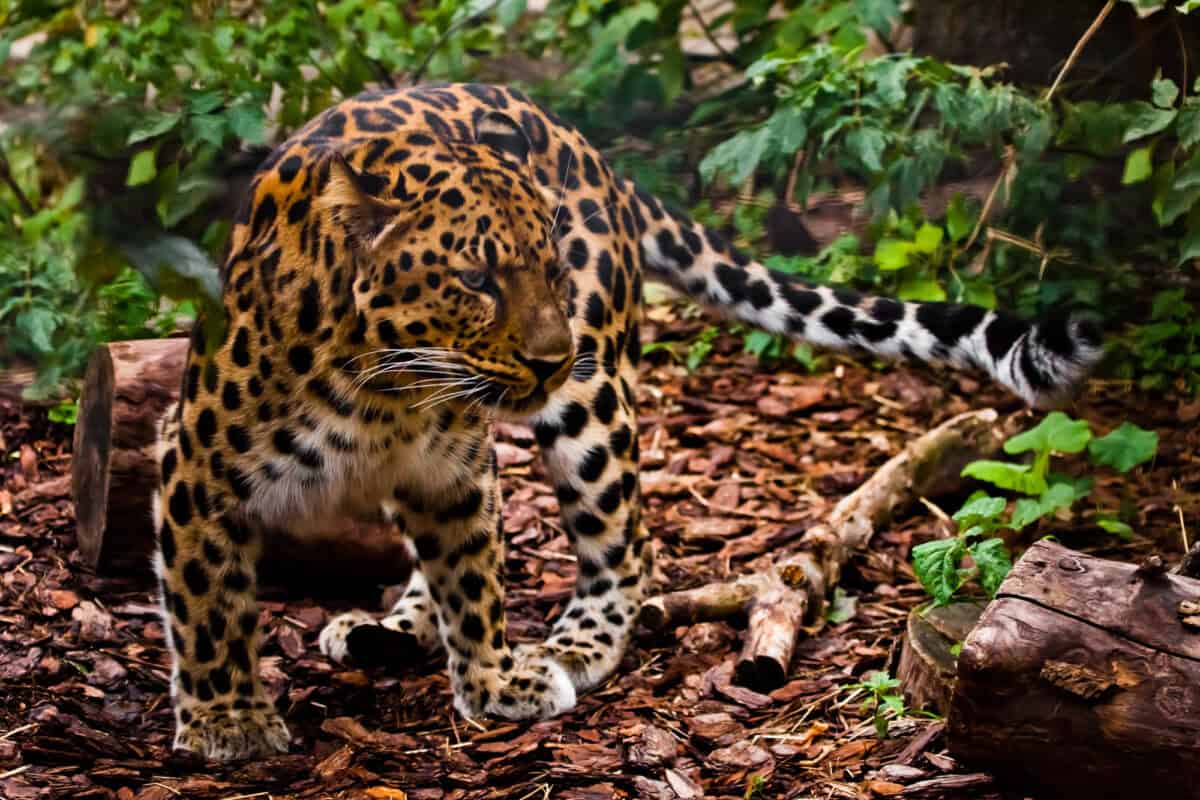
Camouflage evolved as a critical survival mechanism, developing through natural selection over countless generations. At its core, effective camouflage relies on reducing detection by either predators or prey. The fundamental principle involves visual deception—making an animal difficult to distinguish from its surroundings or disguising its outline to prevent recognition. These adaptations didn’t develop overnight; they represent the culmination of evolutionary pressures spanning millennia, with better-concealed individuals surviving longer and passing their genes to subsequent generations.
The remarkable diversity of camouflage strategies—from the simple background matching of deer to the complex disruptive patterns of leopards—reflects the varied environments in which species evolved and the specific threats they faced. This evolutionary heritage now faces unprecedented challenges as environments change at rates far exceeding natural evolutionary timeframes.
Types of Camouflage Strategies in Nature

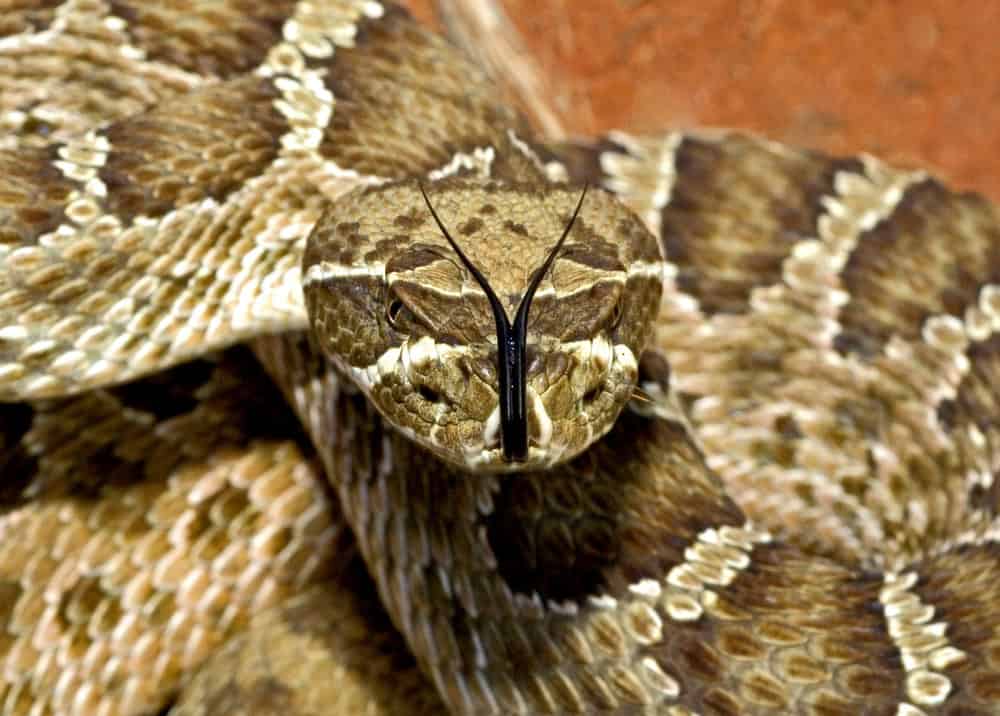
Animals employ several distinct camouflage strategies, each tailored to specific environmental conditions and predatory threats. Background matching (cryptic coloration) involves coloration and patterning that resembles the animal’s typical surroundings—like the sandy hues of desert-dwelling species or the mottled patterns of forest floor inhabitants. Disruptive coloration uses contrasting markings to break up an animal’s outline, making its shape less recognizable, as seen in zebras and many spotted cats.
Countershading—darker coloration on top and lighter underneath—counteracts shadows and flattens appearance, common in fish and birds. Masquerade involves resembling an inanimate object, exemplified by stick insects and leaf-mimicking butterflies. Some animals utilize transparency (like jellyfish) or employ silvery scales that reflect their surroundings (common in pelagic fish). These diverse strategies evolved in response to specific environmental conditions, making them vulnerable when those conditions change dramatically.
Urban Adaptation: When Camouflage Meets City Life

Urban environments present novel challenges and opportunities for camouflaged species. Some animals have demonstrated remarkable adaptability to city settings—pigeons, whose gray coloration evolved for rocky cliff faces, find themselves perfectly matched to concrete buildings and bridges. Urban foxes in many cities benefit from their reddish-brown fur blending with brick structures and fallen leaves in parks. However, not all species fare so well.
Many ground-nesting birds with earth-toned plumage designed for natural settings become dangerously visible on manicured lawns. The artificial lighting of cities further complicates matters by eliminating the darkness that nocturnal creatures rely upon for concealment. Some species show signs of adaptation—research indicates urban populations of certain birds and mammals are developing darker colorations to better match human-made structures and polluted environments. These adaptations represent real-time evolutionary responses to anthropogenic changes, though they occur too slowly for many species to keep pace with rapid urbanization.
Industrial Melanism: The Classic Case Study

Perhaps the most famous example of camouflage adaptation to modern environments is industrial melanism, observed in the peppered moth (Biston betularia) of England. Prior to the Industrial Revolution, most peppered moths displayed a light, speckled coloration that effectively concealed them against lichen-covered trees. As coal-burning factories blackened tree trunks with soot in the 19th century, these light-colored moths became conspicuous targets for predators. Meanwhile, a naturally occurring dark variant of the moth—previously rare because it stood out against light-colored trees—suddenly gained a survival advantage in the newly darkened environment.
Within decades, the frequency of dark moths increased dramatically in industrial areas, from just 2% to over 95% of the population. When air quality regulations reduced pollution in the mid-20th century and trees regained their lighter appearance, the trend reversed, with light-colored moths again becoming predominant. This case provides a textbook example of natural selection in action and demonstrates how rapidly camouflage effectiveness can shift with environmental changes.
Agricultural Landscapes: New Challenges for Concealment
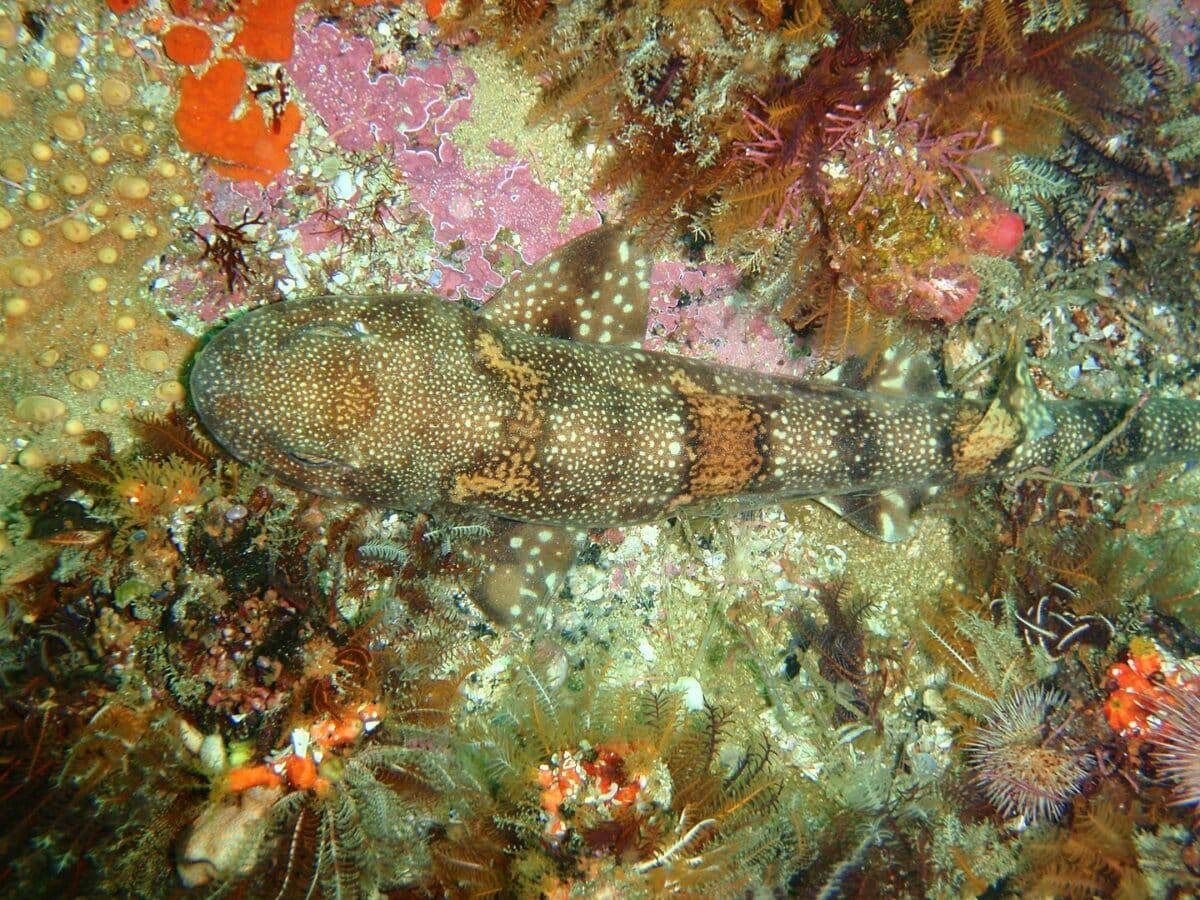
Modern agriculture has transformed vast swathes of diverse natural habitats into homogeneous landscapes, profoundly affecting camouflage strategies. Species adapted to complex environments with varied vegetation structures and color palettes now find themselves in monotonous fields of single crops. Ground-nesting birds like partridges and quail, evolved to blend with diverse grasslands, become vulnerable in the uniform green of commercial crop fields.
The seasonal rhythms of agriculture create additional challenges—animals camouflaged for year-round cover must survive periods when fields are suddenly harvested, leaving them exposed. Pesticide use further compounds these problems by eliminating the insect diversity that many camouflaged predators rely upon. Some adaptable species like coyotes have adjusted their hunting patterns and territory ranges to accommodate these altered landscapes, while less flexible species face population declines. Agricultural practices that maintain hedgerows, field margins, and diverse crop rotations help preserve habitat complexity and support camouflage effectiveness for native wildlife.
Climate Change and Seasonal Camouflage Mismatches
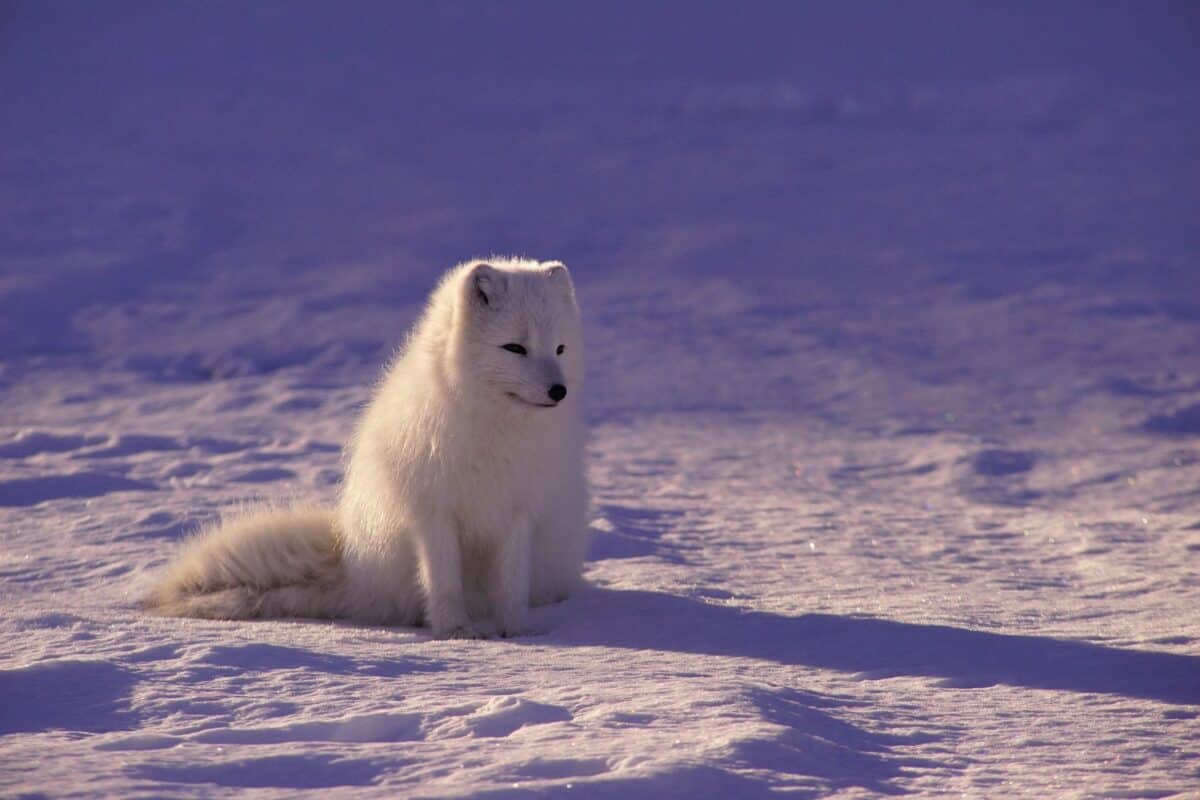
Climate change is creating dangerous temporal mismatches for species with seasonal camouflage adaptations. Several mammals and birds in northern latitudes, including snowshoe hares, Arctic foxes, and ptarmigans, molt from brown summer coats to white winter pelage or plumage as days shorten in autumn. This color change evolved to match reliable seasonal snow cover. As climate change reduces snow duration and alters its timing, these animals increasingly experience periods where their white coloration stands out starkly against snowless brown backgrounds.
Research in the Rocky Mountains has documented increased predation rates on snowshoe hares during these mismatch periods, with one study estimating an 11% decline in survival probability when camouflage fails to match the environment. The fixed photoperiod triggers for seasonal coat changes cannot rapidly evolve to match changing snow patterns, creating an evolutionary trap. Some populations show signs of adaptation—Arctic fox populations in areas with decreased snow cover are maintaining their summer coloration longer or retaining a bluish-gray winter coat rather than white—but these changes may not occur quickly enough to prevent population declines in many seasonally camouflaged species.
Aquatic Environments Under Pressure

Aquatic environments present their own unique challenges for camouflaged species in the modern world. Water pollution, particularly in freshwater systems, alters visibility and background colors that many fish and invertebrates evolved to match. Increased turbidity from agricultural runoff and industrial discharge can render transparent organisms suddenly visible or force species adapted to clear waters to adjust their colorations. Coral bleaching eliminates the colorful backgrounds that numerous reef fish depend on for effective camouflage, leaving their bright patterns conspicuous against bleached white coral.
Ocean acidification threatens the structural integrity of shells used by camouflaged crustaceans and mollusks. Marine debris introduces novel backgrounds that no species has evolved to match. Some aquatic species demonstrate remarkable plasticity—certain cephalopods like octopuses and cuttlefish can rapidly change their appearance to match changing surroundings, giving them an advantage in altered environments. However, even these masters of disguise face limits to their adaptability when habitats change too drastically or quickly.
Light Pollution: Illuminating the Hidden

Artificial light at night represents one of the most pervasive yet underappreciated threats to camouflaged nocturnal animals. Night-active species evolved their camouflage strategies for darkness, relying on shadows and limited visibility to conceal their movements. Light pollution from cities, roads, and commercial developments effectively eliminates this cover. Nocturnal predators like owls lose their advantage when hunting in illuminated areas, while prey species become more visible and vulnerable. Research indicates that artificially lit environments can reduce foraging success for some predators while increasing predation risk for normally concealed prey.
Moths, evolved to be cryptic at rest during daylight, become easy targets when attracted to artificial lights at night. Aquatic environments suffer similar effects, with light penetrating water bodies and exposing normally concealed fish and invertebrates. The ecological consequences extend beyond immediate predator-prey interactions—altered feeding patterns and movement behaviors can disrupt entire ecosystems. Wildlife-friendly lighting practices, including directed illumination, red-spectrum lights, and motion sensors, can help mitigate these impacts while still meeting human needs.
Rapid Evolution in Anthropogenic Environments

Despite the challenges, some species demonstrate remarkable evolutionary responses to anthropogenic environments. Urban populations of birds and mammals frequently show darker coloration than their rural counterparts—a phenomenon termed “urban melanism” that helps them blend with human-made structures. Research on fence lizards (Sceloporus undulatus) near industrial facilities has documented the development of darker, more mottled skin patterns that match polluted substrates within just decades.
Similarly, studies of Gulf killifish (Fundulus grandis) revealed rapid adaptation to match changing underwater visibility conditions in polluted waters. These examples highlight that natural selection can drive evolutionary changes in camouflage on much shorter timescales than previously thought possible. However, this capacity varies tremendously between species. Animals with short generation times, high genetic diversity, and phenotypic plasticity (the ability to modify appearance based on environmental conditions) adapt more readily than long-lived species with slow reproduction rates. Understanding these dynamics helps conservation biologists identify which species might successfully adapt to changing environments and which will require more protective management approaches.
When Camouflage Becomes a Liability

In some modern contexts, traditionally effective camouflage can become actively dangerous for wildlife. Roads present a particularly lethal example—animals whose coloration evolved to conceal them in natural settings often become nearly invisible to drivers at night or in low light conditions. Species like deer, whose dappled brown coloration perfectly matches forest undergrowth, become roadside hazards when this same camouflage renders them difficult for motorists to detect. Similarly, predators attracted to roadside vegetation that harbors prey may be struck while hunting.
Water birds with reflective plumage that helps them blend with water surfaces sometimes mistake wet asphalt for water bodies, landing on roads with tragic consequences. Conservation efforts increasingly include wildlife-specific infrastructure modifications to address these hazards, such as roadside reflectors that illuminate animal presence for drivers, fencing that directs wildlife to safe crossing structures, and the use of materials that reduce deceptive surface appearances. These measures acknowledge that while animal camouflage evolved over millennia, modern human environments have emerged in just decades, creating evolutionary traps that many species cannot navigate without assistance.
Conservation Implications and Adaptive Management
Understanding camouflage effectiveness in modern environments has significant implications for conservation strategies. Habitat restoration efforts increasingly consider not just general ecological requirements but specific camouflage needs of target species. For example, reintroduction programs for ground-nesting birds now evaluate substrate coloration and vegetation structure to ensure released animals can effectively conceal themselves and their nests. Protected area design increasingly incorporates buffer zones that shield wildlife from artificial lighting and maintain visual backgrounds that support evolved camouflage strategies.
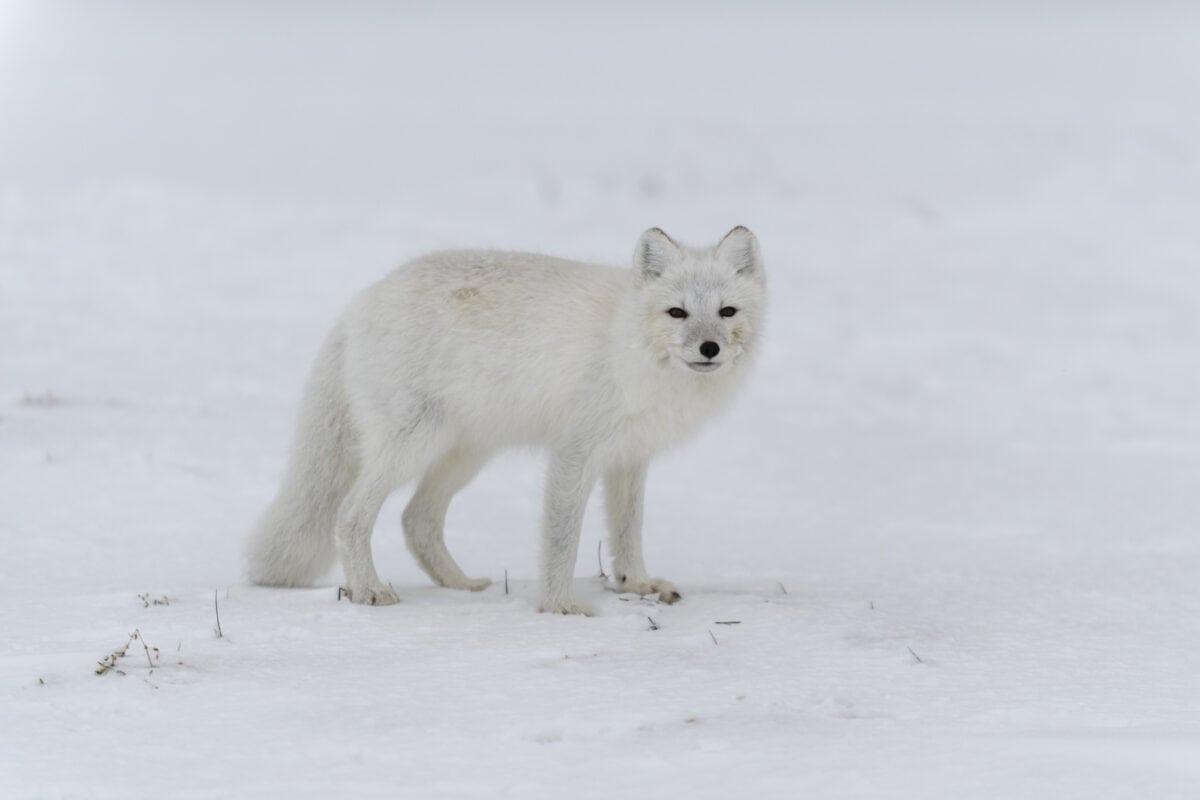
Climate vulnerability assessments for species with seasonal color changes now factor in camouflage mismatch risks when prioritizing conservation actions. Some innovative approaches even include direct intervention—in parts of Norway, conservationists have experimented with dyeing the fur of captive Arctic foxes scheduled for release to better match snowless conditions in warming winters. While controversial, such measures reflect growing recognition that traditional conservation approaches may need supplementation as environments change faster than evolutionary processes can accommodate. The most effective strategies maintain or restore environmental conditions that support natural camouflage while simultaneously protecting populations during vulnerable periods of mismatch.
Conclusion: Balancing Adaptation and Conservation in a Changing World
The relationship between animal camouflage and modern environments highlights the complex evolutionary challenges facing wildlife in the Anthropocene. While some species demonstrate remarkable adaptability, with populations evolving new colorations or behaviors within decades, many others face increasing vulnerability as their camouflage strategies become mismatched with rapidly changing surroundings. The science of camouflage effectiveness offers important insights for conservation biology, suggesting which species might adapt naturally and which will require more intensive management interventions.
Human modifications to landscapes need not universally undermine camouflage effectiveness—thoughtful design choices in urban planning, agricultural practices, lighting technologies, and infrastructure development can maintain or restore visual environments that support wildlife concealment strategies. As we navigate an increasingly human-dominated world, understanding and accommodating the camouflage needs of wild species represents an important aspect of responsible environmental stewardship, one that acknowledges both the remarkable evolutionary heritage of animal adaptations and our responsibility to ensure they remain effective in landscapes we continue to transform.

From exploring the marine wonders in the Azores and witnessing the vast savannas of Kenya, to delving deep into the rich biodiversity of South Africa and traversing iconic landscapes in Australia and the US like Yellowstone, Chris's experiences are vast.
With a penchant for diving alongside sharks, the ocean holds a special place in his heart.
Through his academic insights, he champions wildlife conservation, striving with 'Animals Around The Globe' to cultivate a profound connection between humans and animals, enhancing our mutual appreciation.
Connect with him at Feedback@animalsaroundtheglobe.com.
- Why Spiders Don’t Get Stuck in Their Own Webs - July 20, 2026
- What Scientists Found in a 10,000-Year-Old Beehive - July 20, 2026
- This Spider Builds Fake Decoys of Itself - July 20, 2026