
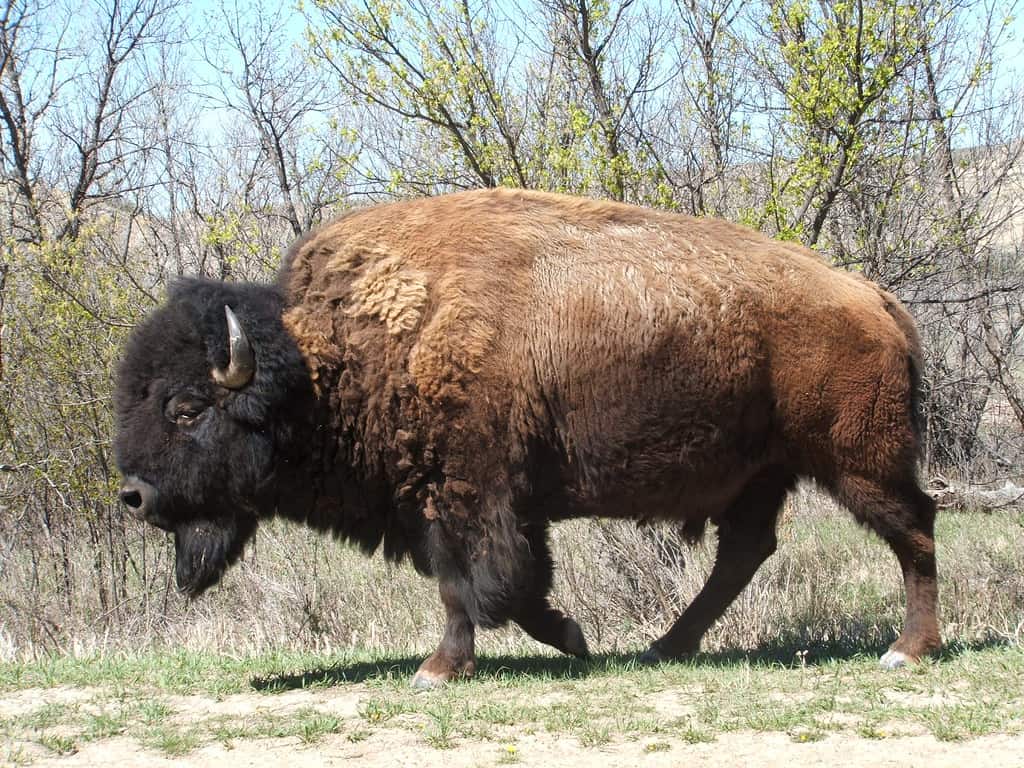
When hiking or visiting national parks across North America, encountering wildlife can be an awe-inspiring experience. Among these magnificent creatures, the American bison stands out as an iconic symbol of wilderness and the untamed spirit of the continent. However, while these massive mammals may appear docile from a distance, approaching a lone bison can lead to dangerous, even deadly, consequences. Understanding why respecting the space of these solitary giants is crucial could be the difference between a memorable wildlife viewing experience and a tragic encounter. This article explores the many reasons why you should always maintain a respectful distance from lone bison, and what to do if you find yourself face to face with one of these impressive but potentially dangerous animals.
Understanding Bison Behavior and Psychology

Bison are naturally social animals that typically live in herds, so when you encounter a solitary bison, there’s often a reason for its isolation. A lone bison may be sick, injured, old, or a bull temporarily separated from the herd during mating season. This isolation can make them more unpredictable and potentially more dangerous than those in groups. Solo bison often become more vigilant and defensive, as they don’t have the security of the herd around them. Their stress levels may be elevated, making them quicker to perceive threats and more likely to react aggressively to perceived intrusions into their space. Understanding this altered psychological state is crucial for safely navigating an encounter with a lone bison in the wild.
The Impressive Physical Capabilities of Bison
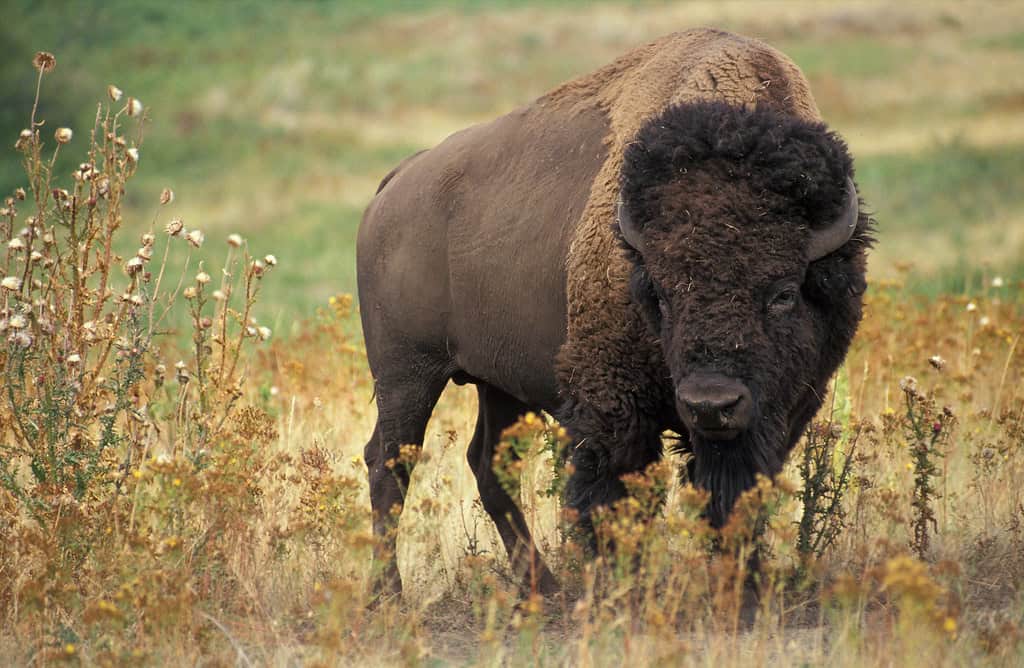
Despite their massive size—weighing up to 2,000 pounds and standing 6 feet tall at the shoulder—bison are remarkably agile and fast. They can run at speeds of 35-40 miles per hour, easily outpacing the average human who can typically sprint at about 15 miles per hour. Their muscular build allows them to change direction quickly, making evasion difficult once they’ve decided to charge. Additionally, bison can jump up to 6 feet vertically and can swim across rivers with powerful strokes. Their horns, which can span up to 2 feet across, serve as effective weapons when threatened. These physical attributes make bison formidable wild animals that demand respect and space, regardless of how peaceful they may appear while grazing.
Misconceptions About Bison Temperament

A dangerous misconception about bison is that they’re similar to domestic cattle in temperament. While they may appear to be grazing peacefully like cows, bison remain wild animals with unpredictable behaviors. They haven’t undergone the centuries of selective breeding for docility that cattle have experienced. Another common misunderstanding is that bison will display obvious warning signs before charging. While they sometimes do show signs like pawing the ground, raising their tail, or making grunting sounds, they can also charge with little to no warning, especially if they feel cornered or threatened. Perhaps most dangerously, many visitors mistakenly believe that bison won’t approach humans, when in fact they will readily advance toward people who enter their personal space.
The Statistics of Bison Attacks

The numbers tell a sobering story about bison encounters gone wrong. According to the National Park Service, bison have injured more people in Yellowstone National Park than any other animal. Between 1978 and 1992, 56 people were injured by bison in Yellowstone, and more recent data shows that bison attacks continue to be a significant safety concern. In a five-year period from 2015 to 2019, approximately 25 people were gored or otherwise injured by bison in the park. Most of these incidents occurred when people approached within 10 feet of the animals to take photos or attempt to pet them. The majority of victims were between 3 and 50 feet from the bison when the attacks occurred, highlighting that even keeping what seems like a reasonable distance may not be sufficient.
Territorial Behavior in Lone Bison

A lone bison often establishes a temporary territory, particularly if it’s a bull during rutting season (July to September). During this period, males become more aggressive as they compete for females and establish dominance. They may claim areas with good grazing opportunities or water sources, and will defend these territories vigorously against perceived intruders—including humans. Even outside of rutting season, a solitary bison may become territorial around feeding areas or resting spots. This territorial behavior manifests as increased vigilance, with the bison keeping a close eye on anything approaching its space. As humans enter this invisible boundary, the bison’s behavior may escalate from alert observation to aggressive defense, potentially resulting in a charge if the person doesn’t retreat.
Warning Signs to Watch For

While bison can charge without warning, they often display several indicators of increasing agitation that savvy observers can detect. A bison that’s becoming uncomfortable may initially stop what it’s doing and raise its head to stare directly at you—this focused attention is your first clue to back away. As irritation increases, the bison may paw at the ground, similar to a bull preparing to charge. Another warning sign is when a bison raises its tail into an upright position; this “flag” often precedes aggressive movement. Snorting, head shaking, or making short bluff charges (where the animal runs forward briefly then stops) are all serious warnings that an attack may be imminent. If you observe any of these behaviors, increase your distance immediately by backing away slowly without turning your back on the animal.
Safe Viewing Distances and Practices
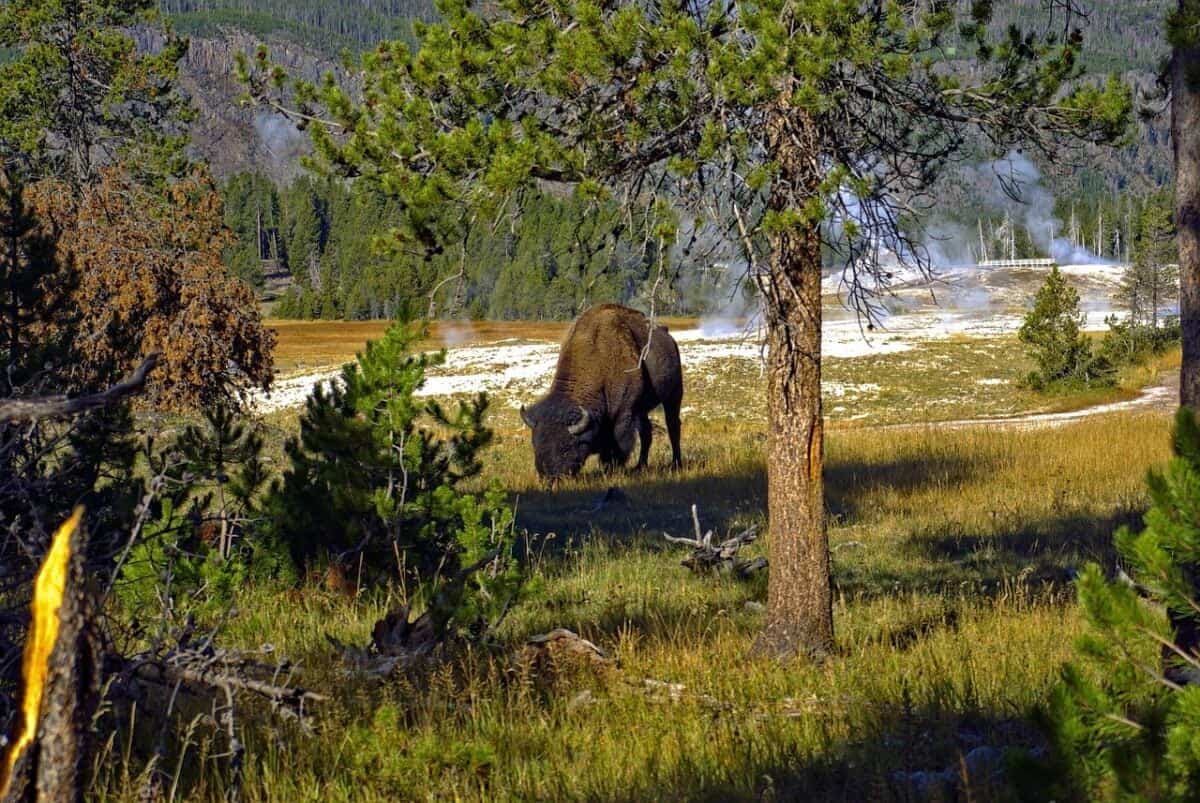
The National Park Service recommends staying at least 25 yards (75 feet) away from bison at all times. This distance should be considered an absolute minimum, and greater distances are preferable, especially when dealing with a lone bison that may be more on edge than those in herds. Use binoculars or telephoto camera lenses to get a closer look without physically approaching the animal. When viewing bison from your vehicle, remain inside with windows rolled up and doors closed. If hiking in bison country, stay on designated trails, make noise to avoid surprising them, and carry bear spray, which can also be effective against charging bison if used correctly. Always maintain awareness of your surroundings and have an escape route planned in case a bison decides to approach.
What to Do If a Bison Approaches You

If you find yourself in the dangerous situation where a bison is approaching, your response can mean the difference between safety and serious injury. First, remain calm and avoid sudden movements that might trigger the bison’s predator response. Do not run—running can provoke a chase response, and you cannot outrun a bison. Instead, back away slowly while facing the animal, giving it as much space as possible. If you’re in a group, do not cluster together but spread out to avoid appearing as a threat. If possible, seek shelter behind a substantial object like a vehicle or large tree. As a last resort, if a bison charges and contact seems inevitable, lie flat on the ground in a face-down position, protect your head with your arms, and remain still until the bison moves away. Playing dead removes you as an active threat in the bison’s perception.
The Conservation Status of American Bison

Understanding the historical context and current conservation status of bison adds another dimension to why we should respect these animals. Once numbering in the tens of millions across North America, American bison were hunted to near extinction in the late 19th century, with fewer than 1,000 individuals remaining by 1890. Through conservation efforts, their numbers have rebounded to approximately 500,000 today, though only about 30,000 are in conservation herds; the rest are raised as livestock. Most conservation herds are small and isolated, which creates genetic challenges for the species. Each individual bison is therefore precious from a conservation perspective, and maintaining respectful wildlife viewing practices helps ensure these animals can continue their recovery without developing fear responses to humans that might complicate conservation efforts.
Cultural Significance to Indigenous Peoples

For many Native American tribes, particularly those of the Great Plains, the bison holds profound cultural and spiritual significance. Historically, Indigenous peoples developed a relationship with bison based on respect and reciprocity. Tribes like the Lakota, Blackfeet, and Comanche relied on bison for nearly every aspect of their existence—from food and clothing to shelter and tools. Beyond material needs, bison feature prominently in creation stories, ceremonies, and spiritual practices. Today, many tribes are actively involved in bison restoration efforts, seeing it as both cultural reclamation and ecological healing. When visitors disrespect bison by approaching too closely or treating them like attractions rather than sacred beings, it can be viewed as continuing the historical disregard for Indigenous relationships with these animals. Understanding this cultural context provides another compelling reason to maintain a respectful distance from bison in the wild.
Legal Consequences of Approaching Bison

Beyond the physical dangers, approaching bison too closely can result in significant legal consequences. In national parks where bison are present, such as Yellowstone and Grand Teton, federal regulations prohibit visitors from approaching or disturbing wildlife. Violating these regulations can result in fines ranging from $150 to $5,000, potential jail time of up to six months, and being banned from the park. Rangers actively enforce these rules, and with the prevalence of smartphones and social media, evidence of violations is often well-documented. In recent years, the National Park Service has been increasingly strict about enforcing wildlife distance regulations, as incidents of visitors approaching bison for selfies or close-up photos have resulted in injuries and evacuations. These legal consequences serve as an additional deterrent to approaching lone bison, complementing the more immediate physical risks.
Educational Opportunities from Safe Distances

Respecting a lone bison’s space doesn’t mean missing out on the educational value of wildlife observation. In fact, observing from a safe distance often provides better opportunities to witness natural behaviors without influencing the animal’s actions. Many national parks offer ranger-led programs that teach visitors about bison biology, behavior, and conservation, including how to interpret different postures and movements. Visitor centers typically feature exhibits, videos, and interpretive materials that provide close-up looks at bison features and behaviors that would be dangerous to observe in person. For photography enthusiasts, investing in quality telephoto lenses allows for impressive images without endangering yourself or disturbing the animals. By embracing these educational alternatives, visitors can develop a deeper appreciation for bison while modeling responsible wildlife viewing practices for others.
Conclusion: The Importance of Respect and Distance

Respecting a lone bison is not merely a matter of personal safety but represents our broader relationship with wildlife and wild spaces. When we maintain appropriate distances and observe without interfering, we acknowledge that these magnificent animals deserve to exist on their own terms, not as props for our entertainment or social media posts. This respect extends beyond individual encounters to impact conservation efforts, public safety, and the preservation of cultural values associated with these iconic animals. As visitors to bison habitat, we bear the responsibility to learn about proper wildlife etiquette before our trips and to make decisions that prioritize both our safety and the well-being of the animals we hope to observe. By doing so, we ensure that future generations can continue to experience the awe of seeing wild bison roaming the American landscape.

- The Secret Language of Dolphins Decoded by Researchers - July 20, 2026
- 7 Animals That Can Survive Extreme Environments You Couldn’t - July 20, 2026
- The Longest Snake Ever Found in the U.S. - July 20, 2026