

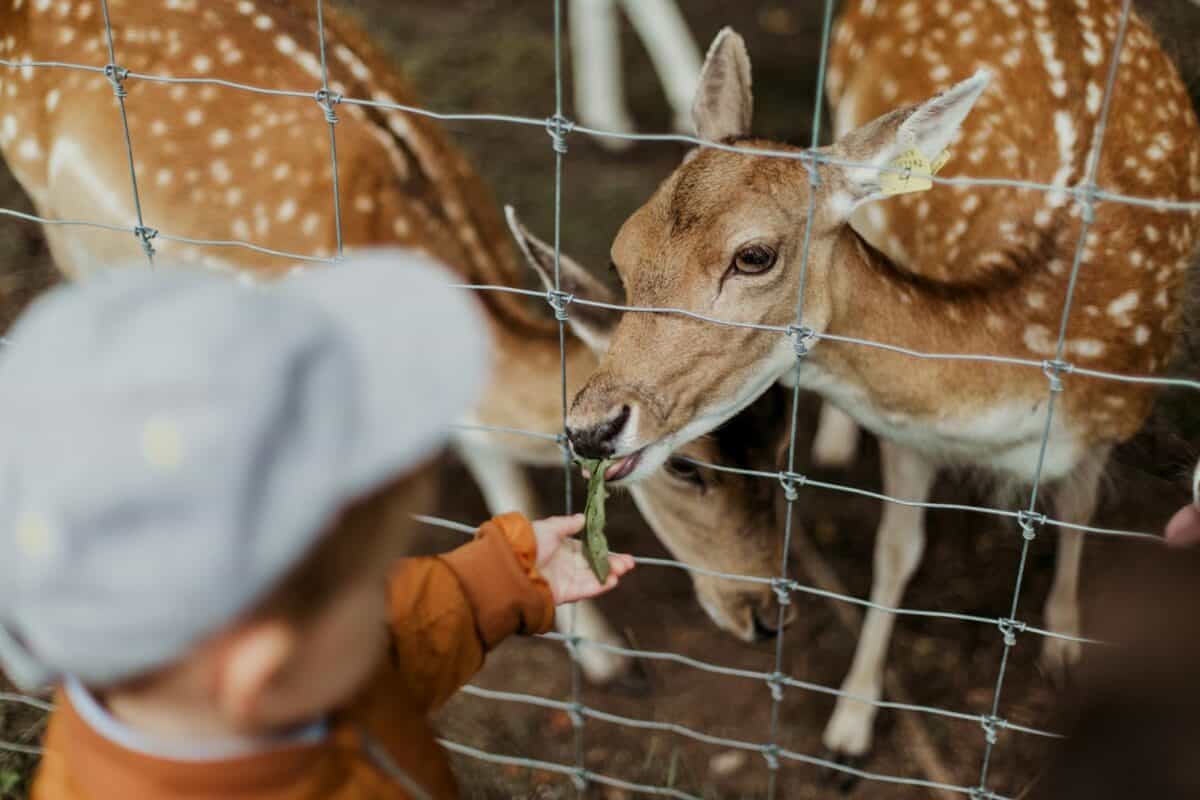
It’s a scene many of us have experienced: a deer cautiously approaching at a park’s edge, squirrels scampering close to picnic tables, or ducks eagerly swimming toward visitors at a local pond. The temptation to offer these animals a morsel of food can be incredibly strong. After all, what harm could come from sharing a bit of bread with ducks or offering nuts to a chipmunk? As it turns out, these seemingly innocent interactions can trigger a cascade of negative consequences for wildlife, ecosystems, and even human safety. While feeding wild animals might provide a momentary connection with nature, the long-term impacts are rarely visible in that fleeting interaction. This article explores the compelling reasons why, despite our best intentions, we should resist the urge to feed wildlife in any setting.
The Ecological Disruption of Artificial Feeding
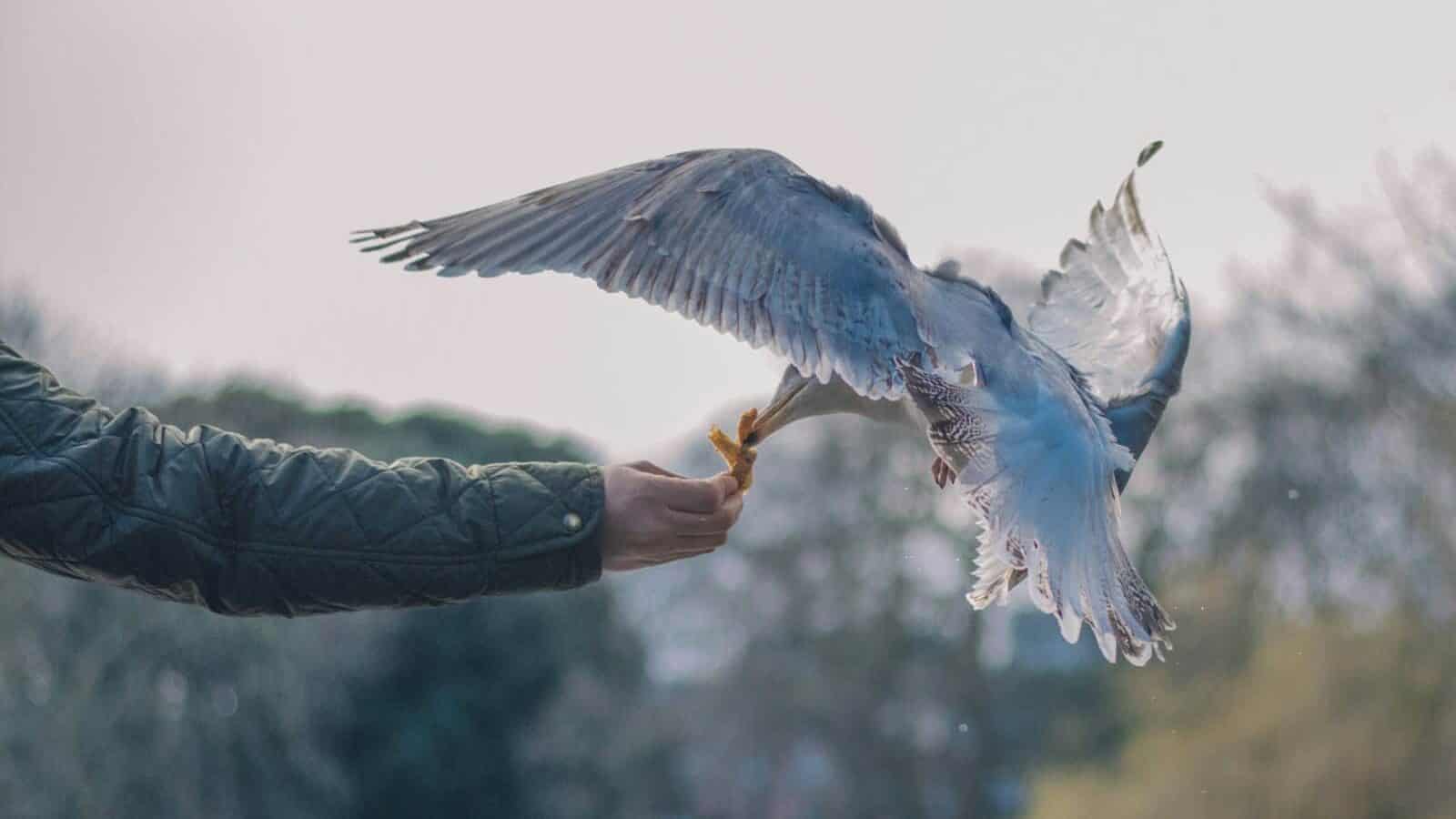
When humans introduce artificial food sources into natural ecosystems, they disrupt ecological balances that have evolved over thousands of years. Wildlife populations naturally fluctuate based on the carrying capacity of their environment—the maximum population size that can be sustained with available resources. Artificial feeding can artificially inflate wildlife populations beyond what the natural habitat can support. Research has shown that areas where wildlife feeding is common often see population densities three to five times higher than similar natural habitats without human interference. These unnaturally dense populations can lead to resource depletion, increased competition, and habitat degradation that affects not just the fed species but entire ecological communities. The ripple effects can transform entire ecosystems, altering everything from vegetation patterns to predator-prey relationships in ways that may take decades to reverse.
Nutritional Deficiencies and Health Problems
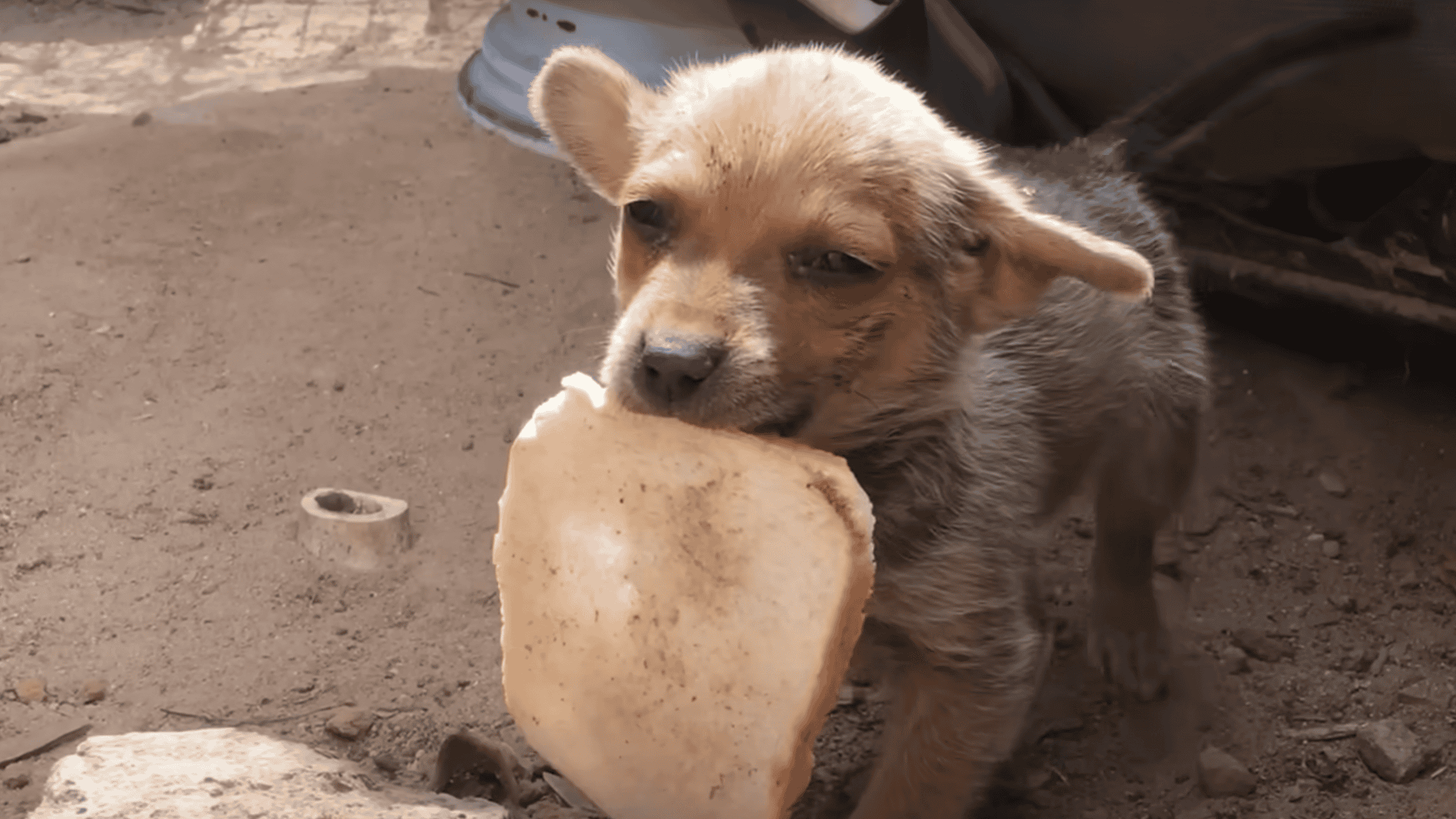
Human food rarely provides the proper nutrition wild animals need to thrive. Animals have evolved specific dietary requirements that human food doesn’t fulfill. For example, bread—commonly fed to waterfowl—lacks essential nutrients and can cause a condition called “angel wing” in developing ducks and geese, a wing deformity that prevents flight. A study published in the Journal of Wildlife Management found that mallard ducks fed bread-heavy diets showed significantly lower protein intake and reduced immune function compared to those on natural diets. Similarly, deer fed corn during winter can develop acidosis, a potentially fatal condition caused by rapid changes in their digestive pH. Even foods that seem appropriate, like nuts for squirrels, can create imbalanced diets when provided in excess. Wildlife rehabilitators regularly treat animals suffering from malnutrition and metabolic disorders directly linked to well-intentioned human feeding.
Dependency and Loss of Natural Behaviors
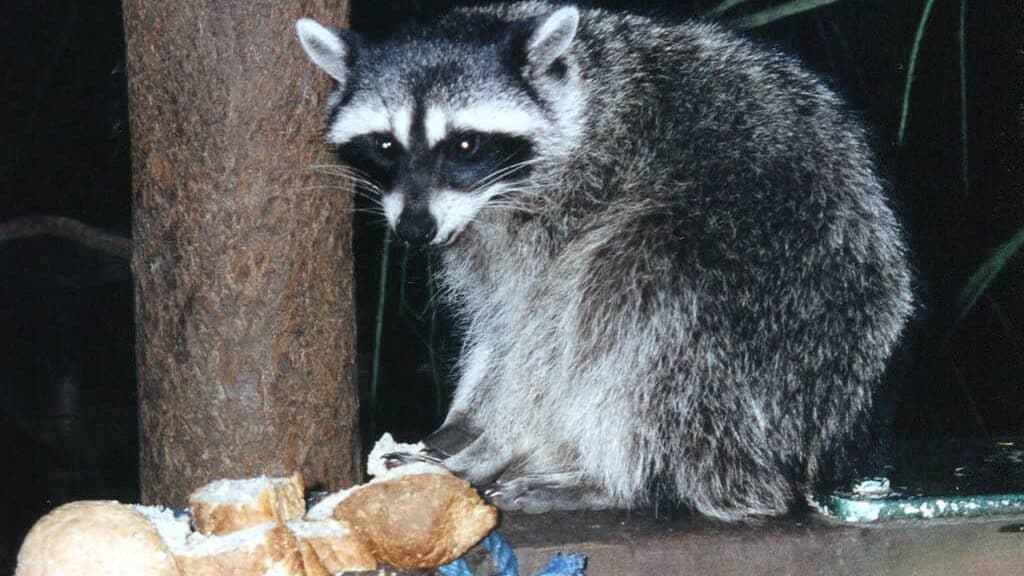
Regular feeding creates dependency, with wildlife gradually losing their ability to forage naturally. Young animals are particularly vulnerable, as they may never properly learn crucial survival skills. Research from the University of Washington tracked urban raccoons that were regularly fed by humans and found they spent 50% less time teaching foraging behaviors to their young compared to their rural counterparts. This dependency becomes especially dangerous during times when human-provided food suddenly disappears, such as when people move away or travel. Animals that have come to rely on artificial food sources may struggle to find sufficient nutrition through natural means, particularly if their dependency occurred during critical developmental periods. Additionally, artificial feeding can disrupt migration patterns in bird species, with some individuals remaining in unsuitable habitats during harsh winters rather than migrating, simply because of reliable human-provided food sources.
Increased Disease Transmission
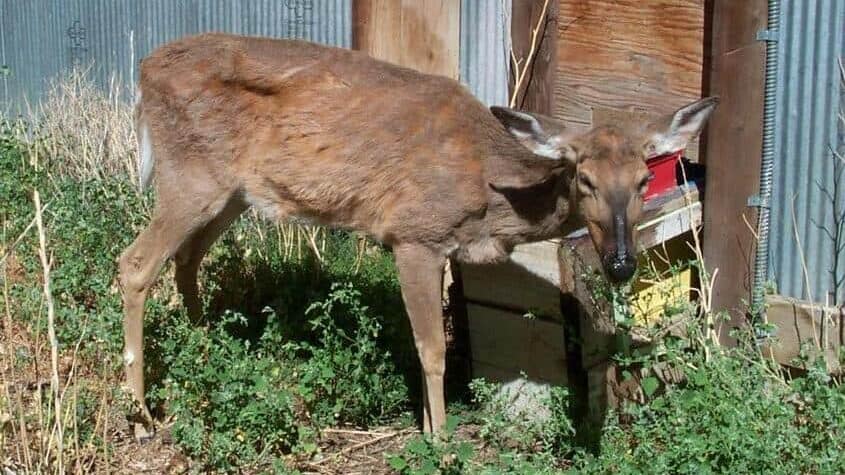
Feeding sites become hotspots for disease transmission as animals congregate in unnaturally high densities. When wildlife gathers closely around food sources, pathogens spread more easily through direct contact, shared food, or contaminated surfaces. The Wildlife Society Bulletin has documented multiple disease outbreaks traced directly to wildlife feeding stations, including salmonellosis in songbirds and chronic wasting disease in deer populations. One study in Wisconsin found that areas with supplemental deer feeding had chronic wasting disease rates nearly three times higher than areas where feeding was prohibited. These diseases can devastate wildlife populations and, in some cases, pose zoonotic risks to humans. Additionally, artificial feeding often causes animals to interact across species that would normally avoid each other, creating novel pathways for disease transmission that wouldn’t exist in natural settings. The COVID-19 pandemic has reinforced the importance of maintaining appropriate boundaries with wildlife to reduce the risk of zoonotic disease transmission.
Dangerous Human-Wildlife Conflicts
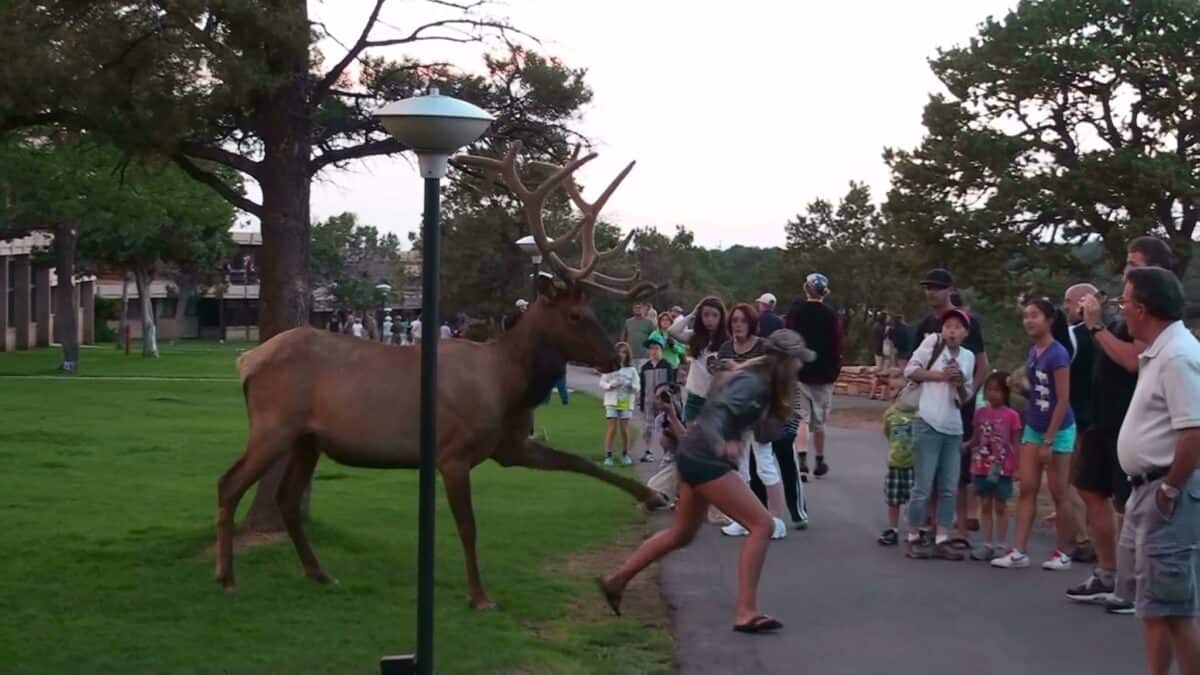
Animals that associate humans with food often lose their natural wariness, leading to potentially dangerous encounters. Wildlife officials report that most aggressive wildlife incidents involve animals that have been previously fed by humans. Bears that obtain food from humans are particularly problematic—according to the National Park Service, a fed bear is a dead bear, as these animals often must be euthanized after becoming food-conditioned and aggressive. In Yosemite National Park alone, property damage from bears seeking human food exceeds $100,000 annually. Even smaller animals pose risks—deer habituated to humans cause numerous injuries each year, and raccoons can become surprisingly aggressive when they expect food. Children are especially vulnerable to these encounters, as they may not recognize warning signs from wildlife. Once an animal associates humans with food, reversing this conditioning is extremely difficult, and the animal’s behavior often becomes increasingly bold and potentially dangerous.
Environmental Contamination and Habitat Degradation
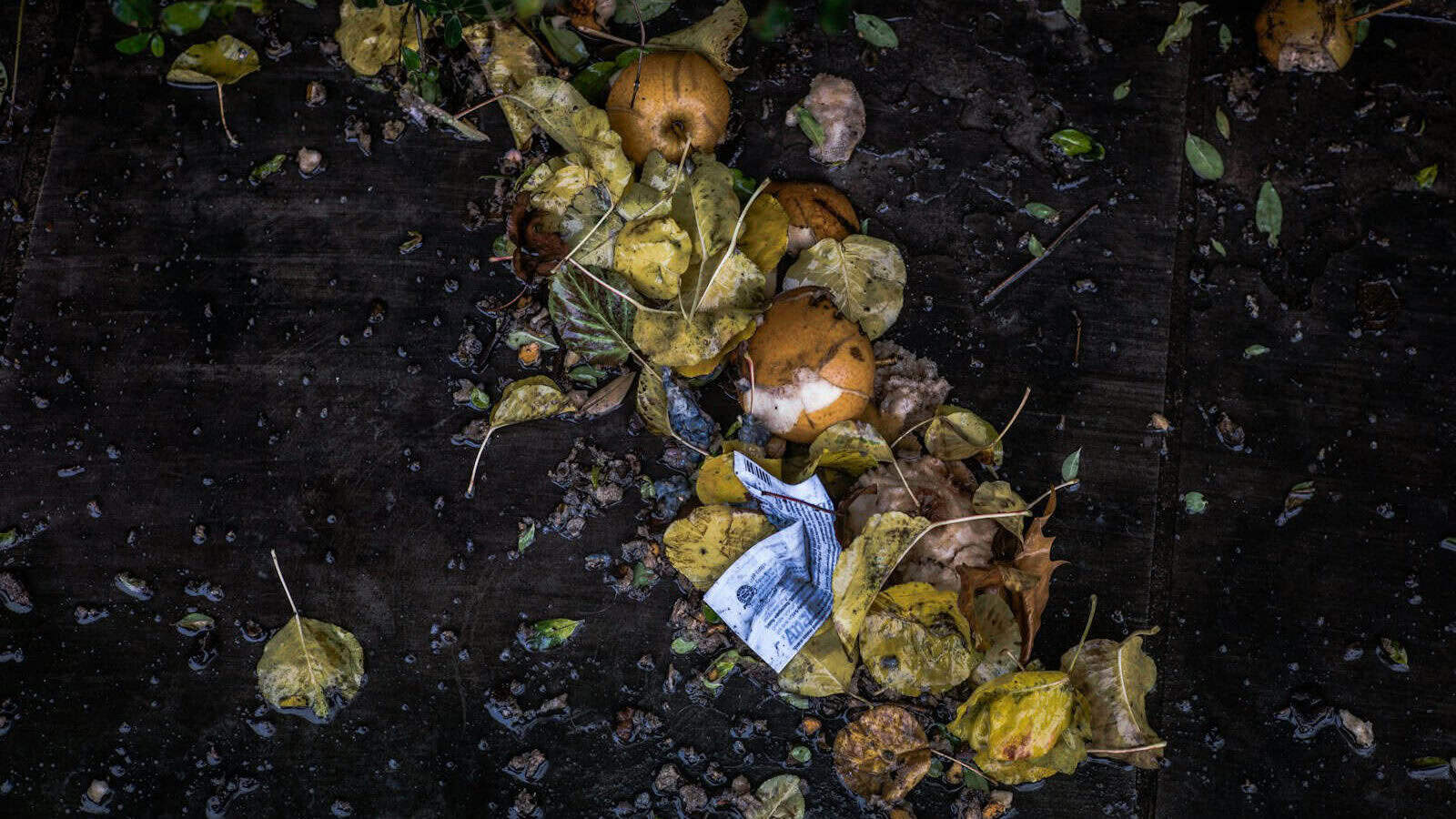
Uneaten food left in natural areas creates environmental contamination issues. Food waste attracts non-target species, including invasive species and pests like rats, which can outcompete native wildlife and spread disease. Excess nutrients from decomposing food can also enter waterways, contributing to algal blooms and water quality issues. A study of urban lakes with high duck-feeding activity found nitrogen and phosphorus levels up to 400% higher than similar lakes without feeding, leading to harmful algal blooms that depleted oxygen and killed fish. The physical impact of concentrated wildlife activity around feeding sites also causes habitat degradation through trampling, soil compaction, and overgrazing. In popular wildlife feeding areas, vegetation is often severely damaged or eliminated entirely, leading to erosion, reduced biodiversity, and degraded habitat quality that affects the entire ecosystem long after feeding stops.
Disruption of Natural Migrations and Movements
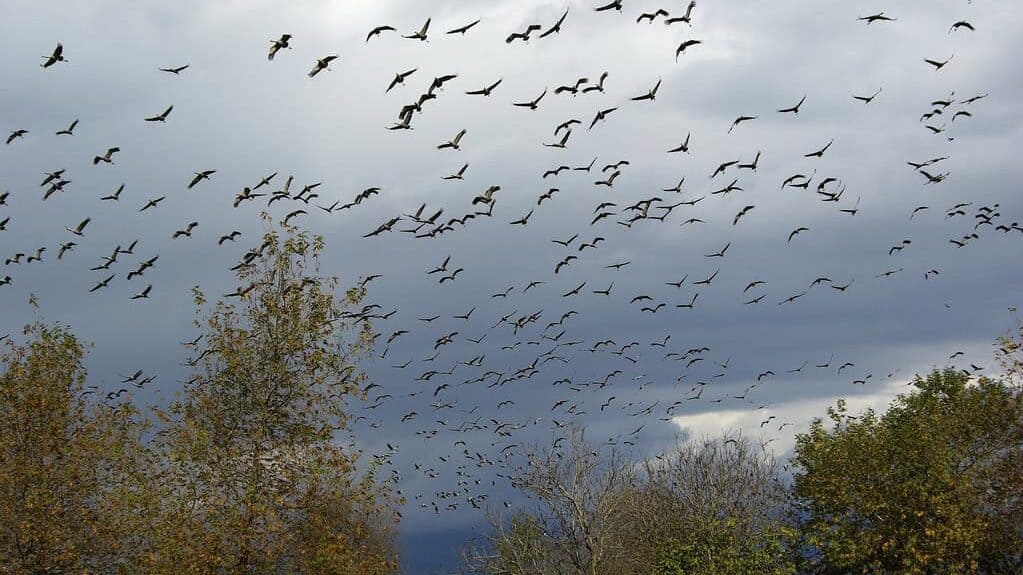
Artificial feeding can significantly alter wildlife movement patterns and migrations that are essential to ecosystem health. Migratory birds may delay or completely skip seasonal migrations when reliable food is available year-round, keeping them in areas that may become dangerous during harsh weather. A 15-year study by the Cornell Lab of Ornithology found that certain songbird species in areas with heavy winter bird feeding showed altered migration timing by up to three weeks compared to rural populations. For larger mammals like deer and elk, artificial feeding concentrations can disrupt natural dispersal patterns that help maintain genetic diversity and prevent overgrazing. These disruptions ripple through ecosystems, affecting everything from seed dispersal to predator movements. Natural animal movements serve important ecological functions, including seed dispersal, nutrient cycling, and population regulation—all of which can be compromised when artificial feeding alters these patterns.
Legal Consequences of Wildlife Feeding
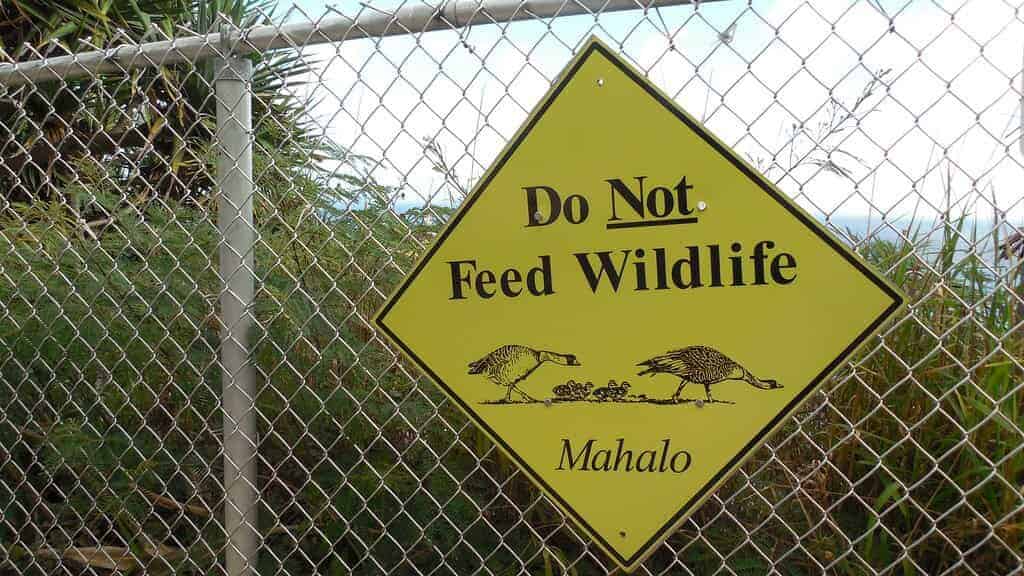
Many jurisdictions have enacted laws against feeding wildlife, with substantial penalties for violations. These regulations exist for ecological and public safety reasons, not simply as arbitrary restrictions. In national parks, feeding wildlife is strictly prohibited, with fines ranging from $100 to $5,000 and potential jail time for serious cases. Many states have implemented specific regulations against feeding deer and other large mammals due to disease concerns, particularly chronic wasting disease. Cities increasingly have ordinances against feeding urban wildlife like pigeons, squirrels, and raccoons. Even feeding birds can be restricted in certain contexts—such as during avian influenza outbreaks. Individuals who continue feeding wildlife despite warnings may face escalating penalties, particularly if the feeding results in property damage or human injury. These regulations are based on scientific evidence and are designed to protect both wildlife and human communities from the negative consequences of artificial feeding.
The Negative Impact on Urban Wildlife Management
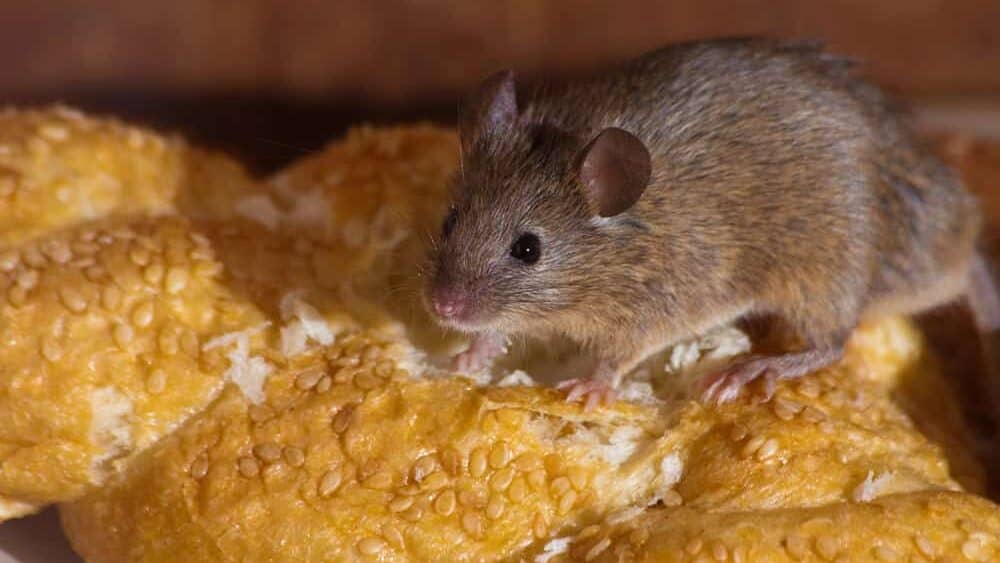
Wildlife feeding in urban and suburban areas creates particular challenges for wildlife management professionals. When animals are regularly fed, traditional management techniques become less effective, and human-wildlife conflicts increase. Urban wildlife officials report that neighborhoods with regular wildlife feeding typically generate 3-5 times more nuisance wildlife complaints than similar areas where feeding doesn’t occur. Feeding creates artificially high concentrations of animals like raccoons, skunks, and coyotes in residential areas, leading to property damage, pet attacks, and public health concerns. Wildlife managers must then allocate limited resources to address these preventable problems. Additionally, the presence of habituated wildlife near human communities increases the likelihood of vehicle collisions, home invasions by animals seeking food, and other conflicts that often end poorly for both humans and animals. Many cities spend hundreds of thousands of dollars annually addressing issues directly related to wildlife feeding that could be better directed toward habitat conservation and wildlife education.
Alternatives to Feeding That Actually Help Wildlife
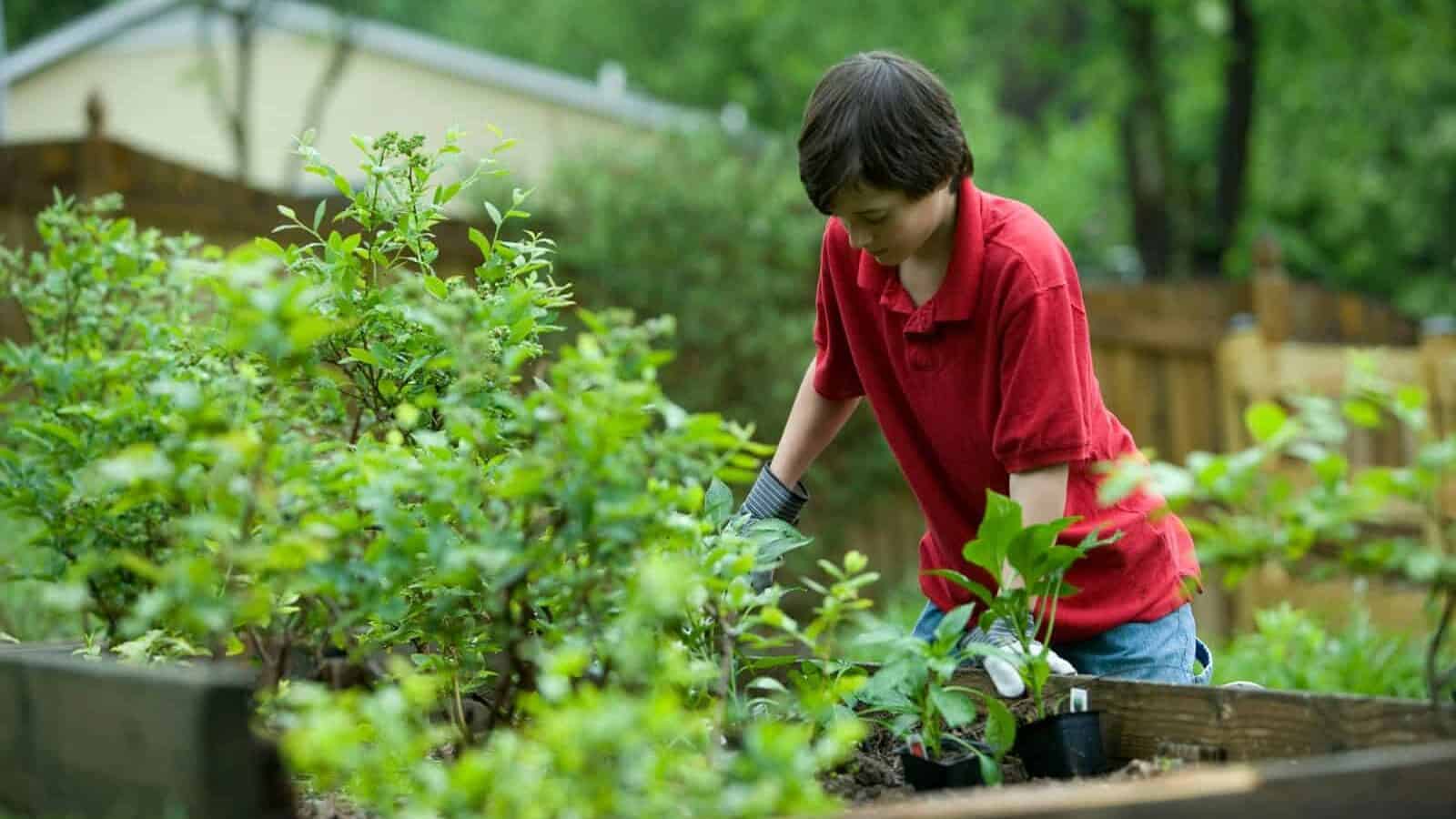
Instead of feeding, there are many ways to support wildlife that provide genuine benefits rather than harm. Habitat preservation and restoration offer the most significant positive impact on wildlife populations. Even small actions like planting native species in home gardens can create sustainable food sources and shelter for local wildlife. A study in the journal Conservation Biology found that urban yards with at least 70% native plant coverage supported 3-4 times more bird and butterfly species than conventional landscapes. Creating water sources like properly maintained bird baths or backyard ponds (cleaned regularly to prevent disease spread) provides essential resources without the negatives of feeding. Supporting conservation organizations that protect and enhance wildlife habitat makes a difference at a larger scale. For those who enjoy wildlife observation, investing in binoculars and maintaining a respectful distance allows for meaningful wildlife connections without interference. These alternatives provide sustainable support for wildlife while maintaining the natural behaviors and ecological relationships essential to healthy ecosystems.
Teaching Children About Responsible Wildlife Interaction
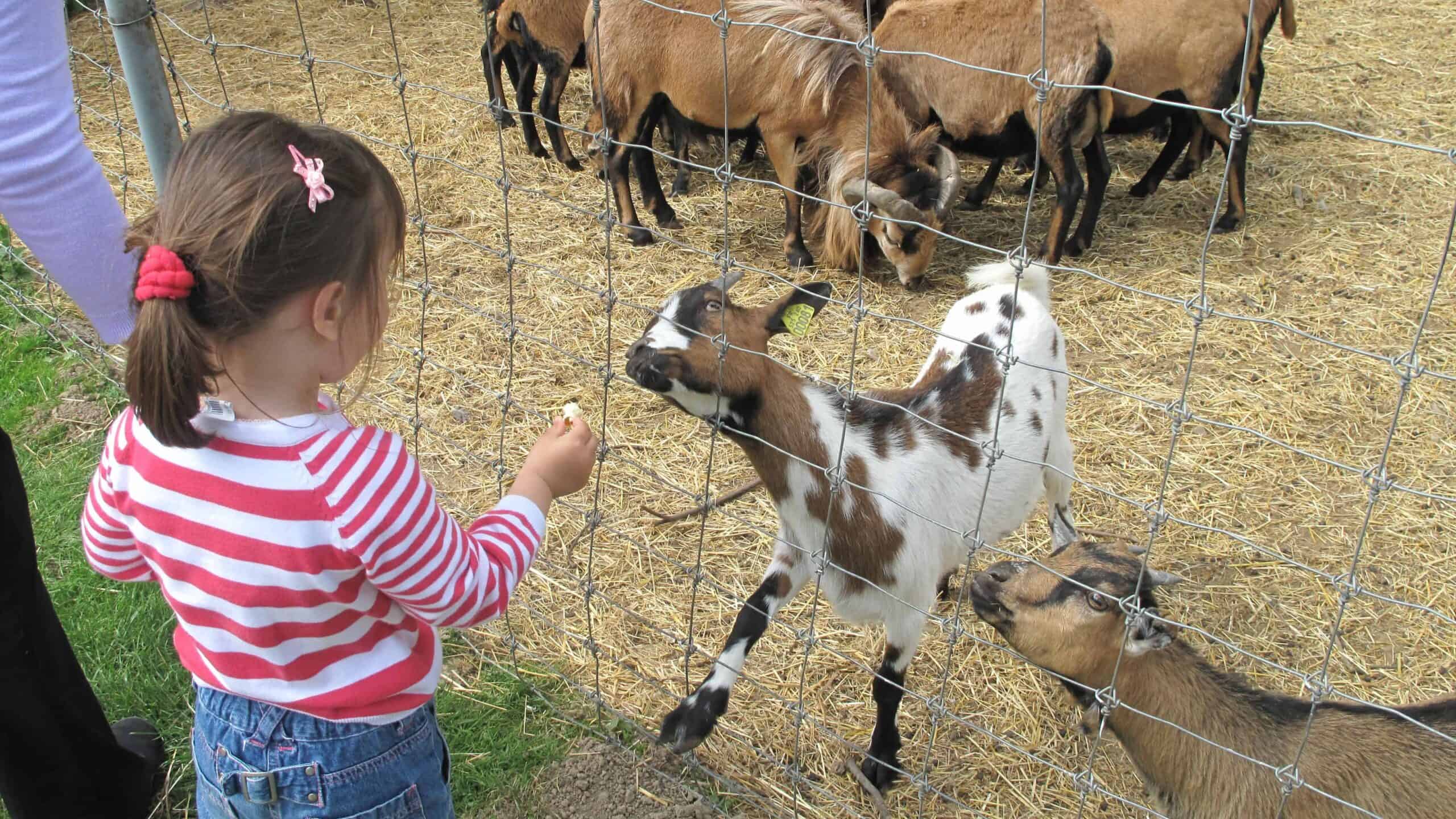
Children naturally want to connect with animals, making it crucial to teach them appropriate wildlife interaction from an early age. When children learn why feeding wildlife is harmful, they develop a deeper understanding of ecological relationships and carry these values into adulthood. Educational programs that emphasize observation over interaction have shown significant benefits for both children and wildlife. Research published in the Journal of Environmental Education found that children who participated in wildlife observation programs (rather than feeding or direct contact) demonstrated greater knowledge retention and stronger pro-conservation attitudes than control groups. Parents and educators can foster healthy wildlife appreciation by modeling respectful distance, using binoculars or wildlife cameras, and exploring the fascinating behaviors animals exhibit when undisturbed by human interference. By teaching children to admire wildlife from an appropriate distance and understand the complex needs of different species, we help nurture the next generation of conservation-minded citizens who appreciate that true animal welfare often means resisting the urge to intervene in their natural lives.
When Professional Wildlife Feeding Is Appropriate

While recreational feeding by the public is problematic, there are limited circumstances where professional wildlife feeding serves important conservation purposes. Wildlife rehabilitation centers provide specialized diets to injured or orphaned animals as part of recovery efforts, following strict protocols to prevent dependency and maintain wild behaviors. During extreme environmental emergencies like severe droughts or after natural disasters, wildlife agencies may implement carefully managed supplemental feeding programs based on scientific evaluation of risks and benefits. These professional interventions differ fundamentally from casual public feeding in several ways: they use species-appropriate foods in measured amounts, include strategies to prevent habituation, are temporary with clear exit strategies, and are conducted by trained professionals who monitor impacts. For example, the supplemental feeding program for endangered Florida Key deer during Hurricane Irma was temporary, used appropriate food, and was discontinued as soon as natural vegetation recovered. Even in these professional contexts, feeding is considered a last resort when other conservation strategies are insufficient, and the ecological risks are carefully weighed against potential benefits.
True respect for wildlife means appreciating animals on their terms, not ours. While the desire to connect with wildlife through feeding comes from a place of compassion, the evidence overwhelmingly shows that this well-intentioned act ultimately causes harm. The momentary joy of having a wild animal take food from our hands pales in comparison to the satisfaction of knowing we’re supporting healthy, self-sufficient wildlife populations through more appropriate means. By maintaining the natural boundaries between humans and wildlife, we protect the very qualities that make these animals special—their wildness, independence, and remarkable adaptations to natural environments. When we resist the urge to feed wildlife and instead support conservation efforts, create natural habitat, and observe animals respectfully from a distance, we contribute to a world where wildlife can thrive according to their natural patterns for generations to come. Our restraint becomes an act of profound respect, acknowledging that sometimes the kindest thing we can do for the animals we admire is simply to let them be wild.

- How Crickets Chirp Using Their Wings - July 20, 2026
- The Largest Sea Turtle Ever Rescued Off North Carolina - July 20, 2026
- The Ocean’s Escape Artist: Why Octopuses Outsmart Us All - July 20, 2026