

In the shadow of Yosemite’s towering granite cliffs and amidst its crystal-clear waters, a remarkable conservation success story has been unfolding. After decades of declining populations and local extinctions, native turtle species are making a comeback in one of America’s most beloved national parks. This revival isn’t happening by chance—it represents the culmination of dedicated community efforts, scientific research, and passionate conservation work. The return of these shelled reptiles to their ancestral waters symbolizes hope for ecosystem restoration and demonstrates how collective human action can reverse environmental damage. From concerned citizens to park rangers, from wildlife biologists to local schoolchildren, the journey to bring turtles back to Yosemite showcases conservation at its most inspiring and effective.
The Historical Presence of Turtles in Yosemite

Before European settlement and the establishment of Yosemite National Park in 1890, western pond turtles (Actinemys marmorata) thrived in the region’s waterways. Archaeological evidence and ecological studies indicate these native chelonians were once abundant throughout the Yosemite Valley and surrounding areas. Historical accounts from early park visitors and indigenous peoples describe frequent sightings of these distinctive reptiles basking on rocks and logs along the Merced River and in valley ponds. The western pond turtle played an integral role in the aquatic ecosystems of Yosemite, serving as both predator and prey within the food web while helping to maintain water quality through their feeding habits. Their presence represented a healthy, functioning ecosystem where native species coexisted in natural balance.
The Decline of Native Turtle Populations
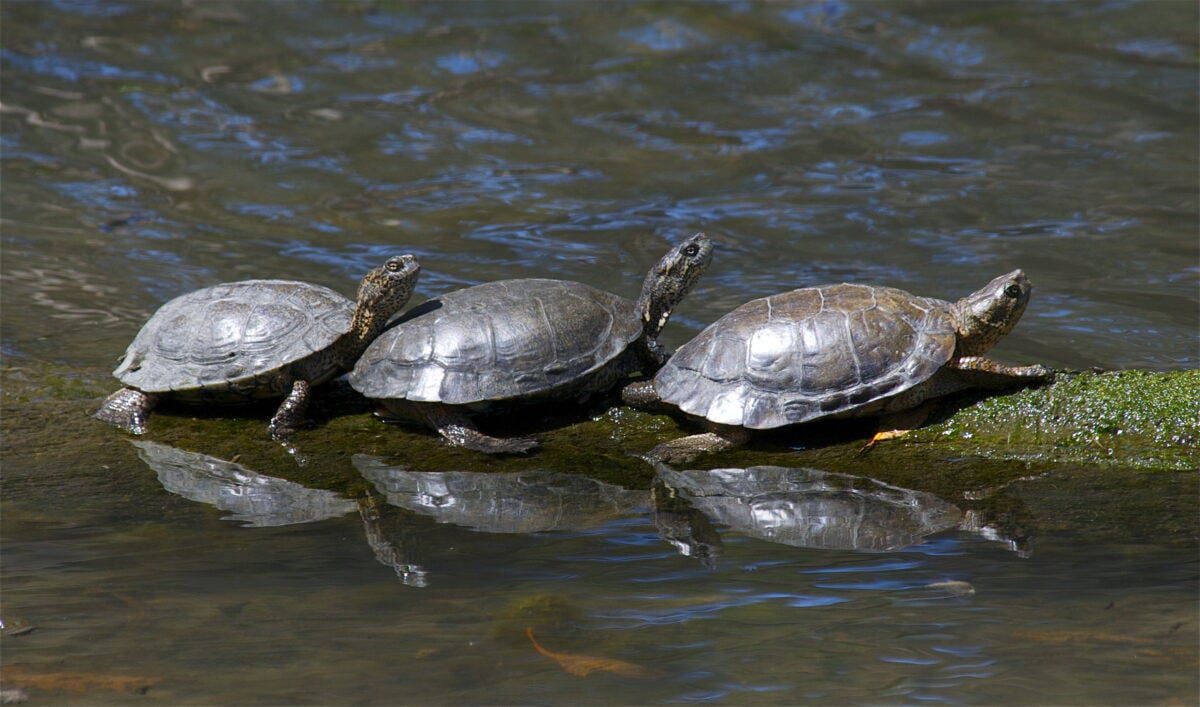
By the mid-20th century, western pond turtle populations had plummeted throughout Yosemite. Multiple factors contributed to this decline, with habitat alteration being a primary culprit. The channelization of the Merced River, construction of roads and facilities, and modification of natural wetlands eliminated crucial turtle habitat. Introduced predators, particularly raccoons with artificially high populations sustained by human food sources, devastated turtle eggs and hatchlings. Non-native bullfrogs and fish preyed on young turtles while competing for food resources. Climate change further stressed populations through altered water levels and temperature regimes. Perhaps most damaging was the introduction of non-native red-eared sliders, released by well-meaning but misguided pet owners, which outcompeted native turtles for basking sites and food. By the 1990s, western pond turtle sightings in Yosemite had become extremely rare, with some researchers fearing they had been extirpated from the park entirely.
Recognition of the Problem and Initial Assessment
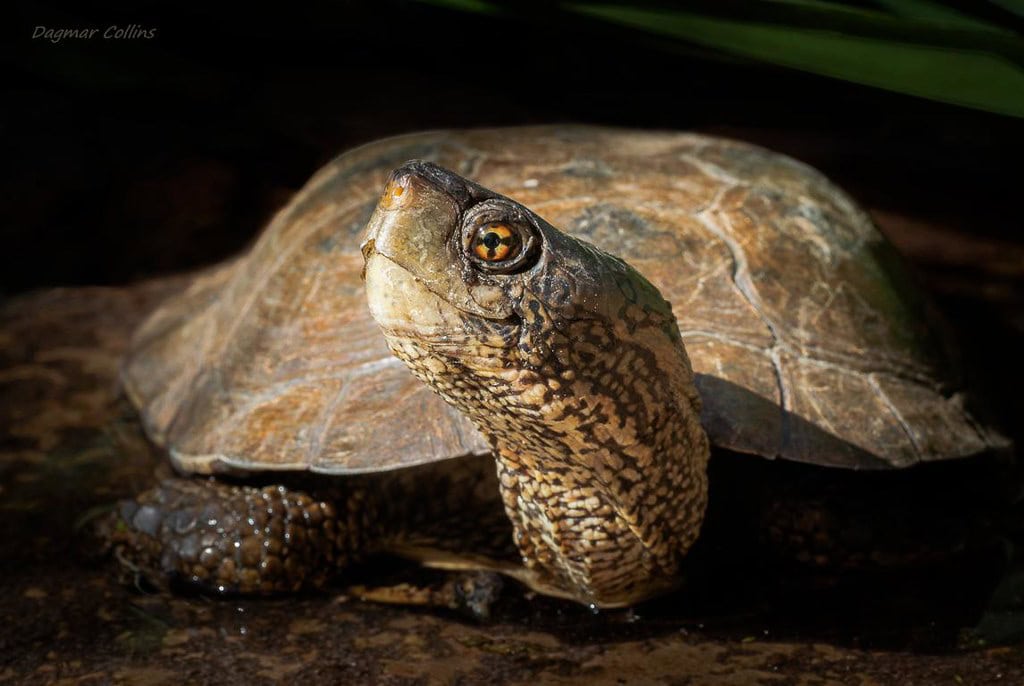
The critical situation facing Yosemite’s turtles first gained serious attention in the early 2000s when park biologists conducted comprehensive aquatic surveys throughout the park’s watersheds. These assessments revealed alarmingly low numbers of western pond turtles—fewer than 40 individuals were documented in the entire park, primarily in isolated pockets disconnected from each other. This fragmentation prevented natural gene flow and reproduction, further threatening the remaining population. In 2005, the Western Pond Turtle Working Group, comprising scientists from the National Park Service, California Department of Fish and Wildlife, and several universities, designated Yosemite’s population as “critically imperiled.” This official recognition catalyzed action, prompting the development of the Yosemite Turtle Recovery Plan in 2007, which established clear goals, methods, and timelines for restoration efforts. The plan emphasized the need for both immediate intervention to save existing turtles and long-term strategies to address underlying causes of decline.
Formation of the Yosemite Turtle Alliance

The Yosemite Turtle Alliance emerged in 2008 as a grassroots response to the turtle crisis, bringing together an unprecedented coalition of stakeholders. What began as informal meetings between concerned park rangers and local wildlife enthusiasts quickly evolved into a structured organization with over 500 members. The Alliance united diverse participants: park staff provided institutional support and access; research scientists contributed technical expertise; local indigenous communities shared traditional ecological knowledge; schools participated through educational programs; and tourists and community members volunteered time and financial resources. By creating this broad-based coalition, the Alliance ensured that turtle conservation became a community priority rather than an isolated government initiative. Monthly meetings, an active social media presence, and regular community events maintained momentum and engagement. This collaborative approach proved essential, as it addressed the multifaceted challenges facing turtle recovery while fostering a sense of shared responsibility for Yosemite’s wildlife heritage.
Habitat Restoration Initiatives

Habitat restoration formed the cornerstone of turtle recovery efforts, focusing on recreating the complex environments these reptiles need throughout their life cycle. Beginning in 2010, volunteers and park staff removed artificial riprap along two miles of the Merced River, replacing it with natural bank features including gradual slopes and native vegetation. Engineers designed and installed specialized “turtle basking platforms” in strategic locations, providing essential sunning spots where turtles could regulate their body temperature. Crews restored six seasonal wetlands that serve as crucial nursery areas for hatchlings, incorporating specific design elements like shallow, warm areas for young turtles and deeper pools for overwintering. Particularly innovative was the creation of “turtle nesting beaches”—carefully constructed sandy areas with proper sun exposure and soil composition for egg-laying, protected by predator-exclusion fencing. Between 2010 and 2022, these efforts restored over 30 acres of prime turtle habitat throughout the park, focusing on connectivity between suitable areas to allow for population movement and genetic exchange.
Tackling Invasive Species Threats
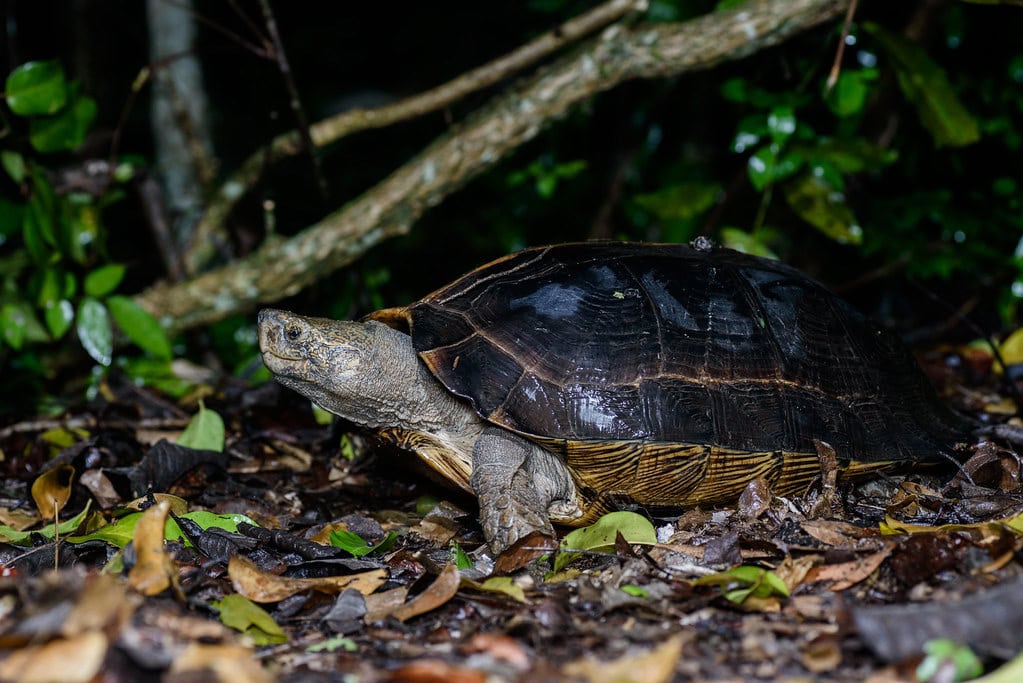
Addressing non-native species proved essential for turtle recovery success. The Alliance implemented a multifaceted approach targeting the most problematic invasives. Between 2011 and 2016, specialized trapping efforts removed over 600 non-native red-eared sliders from park waters, with careful protocols ensuring humane treatment of captured turtles. These removed sliders were rehomed through partnerships with reptile sanctuaries and educational facilities. Concurrently, bullfrog management became a priority, with targeted night operations removing over 2,000 adult bullfrogs and thousands of tadpoles from key turtle habitats. The program also addressed predator imbalances by implementing wildlife-proof food storage throughout the park, which naturally reduced artificially high raccoon populations by approximately 40% within three years. This reduction dramatically improved turtle nest survival rates from less than 10% to over 60% in monitored areas. These efforts demonstrated the interconnected nature of ecosystem restoration, as addressing one imbalance often created cascading positive effects throughout the food web.
The Captive Breeding Program
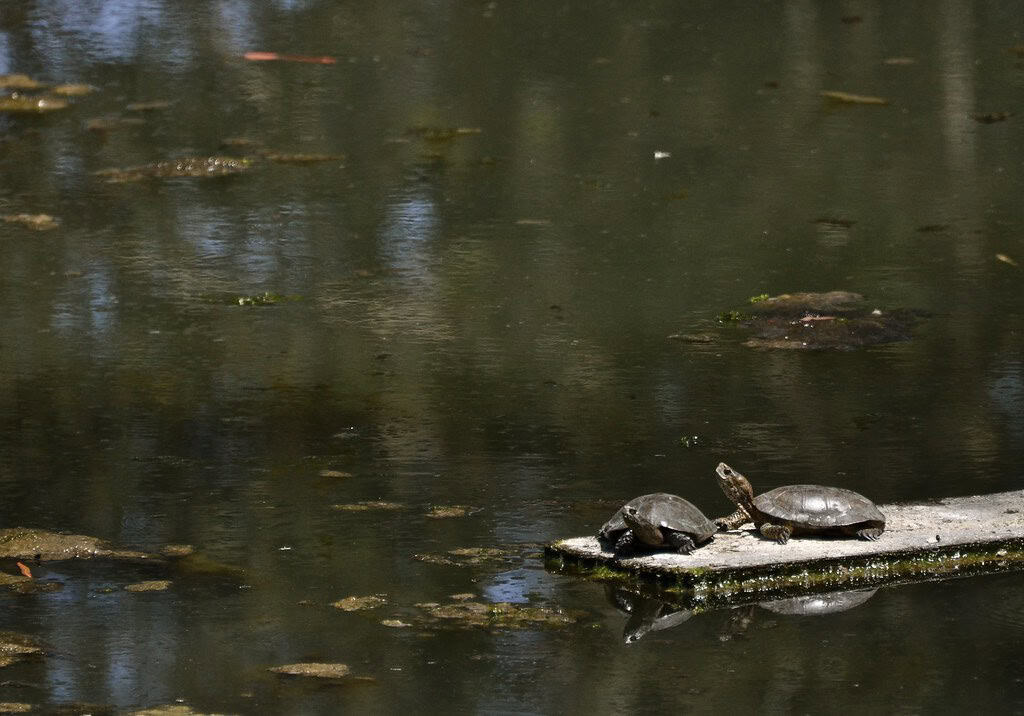
With wild populations dangerously low, a carefully designed captive breeding program became essential for recovery. In 2012, the San Francisco Zoo partnered with the National Park Service to establish a specialized facility dedicated to western pond turtle reproduction. The program began with twelve genetically diverse adult turtles collected from remaining Yosemite populations, housed in state-of-the-art enclosures that mimicked natural conditions including seasonal temperature fluctuations and appropriate nesting substrates. Meticulous genetic management ensured offspring maintained maximum genetic diversity, critical for population resilience. Between 2014 and 2022, this program successfully produced over 240 hatchlings. Rather than releasing turtles immediately, the program implemented a “head-start” approach, raising hatchlings in protected conditions for 12-18 months until they reached a size less vulnerable to predation—approximately 4 inches in shell length. This careful approach dramatically improved survival rates compared to earlier reintroduction attempts. The program continues today, gradually scaling back as wild populations become self-sustaining, with the goal of eventually eliminating the need for captive breeding entirely.
Reintroduction and Monitoring Efforts
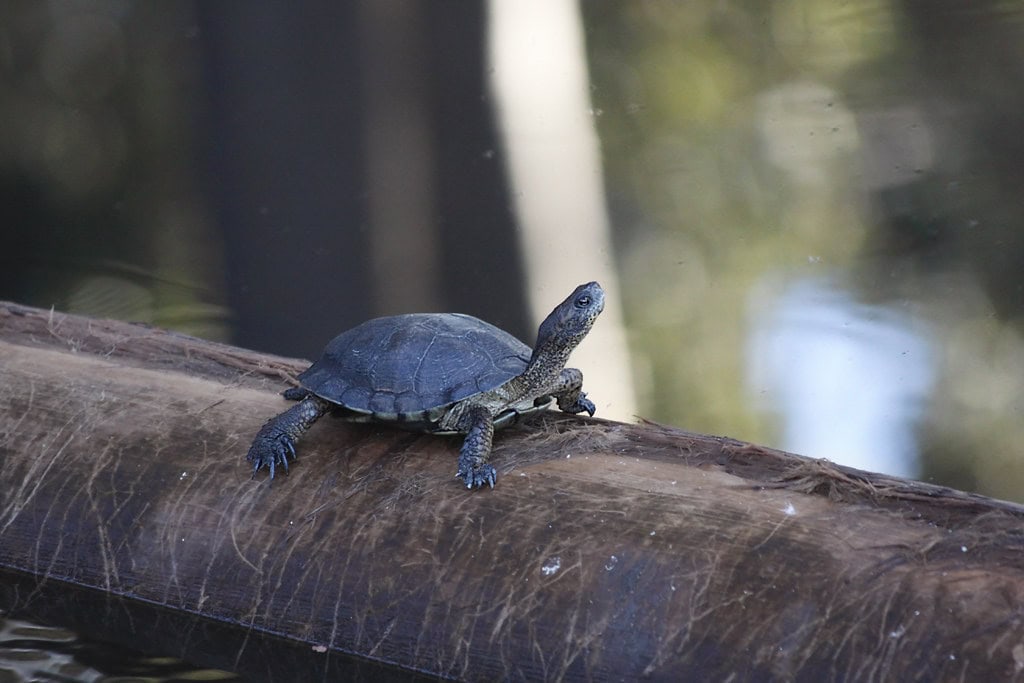
The first major reintroduction of captive-bred western pond turtles occurred in spring 2015, when 28 head-started juveniles were released into restored habitat in the western portion of Yosemite Valley. Each turtle carried a tiny radio transmitter allowing biologists to track movements and survival for up to two years. This initial cohort showed an impressive 82% survival rate, far exceeding expectations. Encouraged by this success, the program expanded with annual releases, totaling 196 turtles by 2022. Monitoring protocols evolved to include environmental DNA sampling, allowing scientists to detect turtle presence in water samples without direct observation. Citizen science augmented professional monitoring, with visitors reporting turtle sightings through a dedicated smartphone app that had logged over 600 verified observations by 2023. Particularly exciting was the documentation of natural reproduction beginning in 2019, when monitors discovered the first wild-laid and successfully hatched nest in over two decades. By 2022, researchers had confirmed at least 14 wild nests with successful hatchlings, signaling the beginning of a self-sustaining population.
Educational and Public Awareness Campaigns
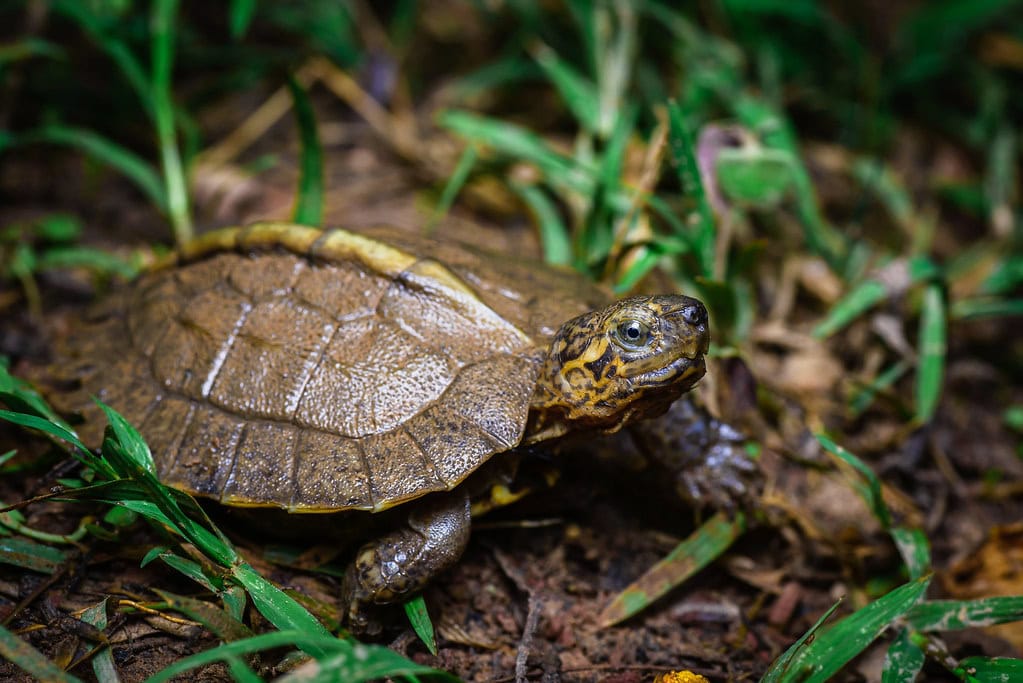
Education formed a critical component of the recovery strategy, focusing on both visitors and local communities. The “Turtles of Yosemite” interpretive program, launched in 2013, has since reached over 50,000 park visitors through ranger-led talks, interactive displays, and field observation opportunities. Program evaluations show that 87% of participants report increased knowledge about turtle conservation issues. The Alliance developed a K-12 curriculum now used in 28 schools throughout the region, connecting classroom learning with field experiences where students participate in actual monitoring activities. A particularly successful initiative was the “Don’t Let It Loose” campaign, which educated pet owners about the ecological consequences of releasing non-native species and provided quarterly amnesty events where unwanted pet turtles could be surrendered without penalty. Since its inception, this program has prevented the release of an estimated 150 non-native turtles into California waterways. These educational efforts transformed public perception, with community surveys showing that recognition of western pond turtles as an important native species increased from 23% in 2010 to 78% in 2022.
Policy Changes and Legal Protections
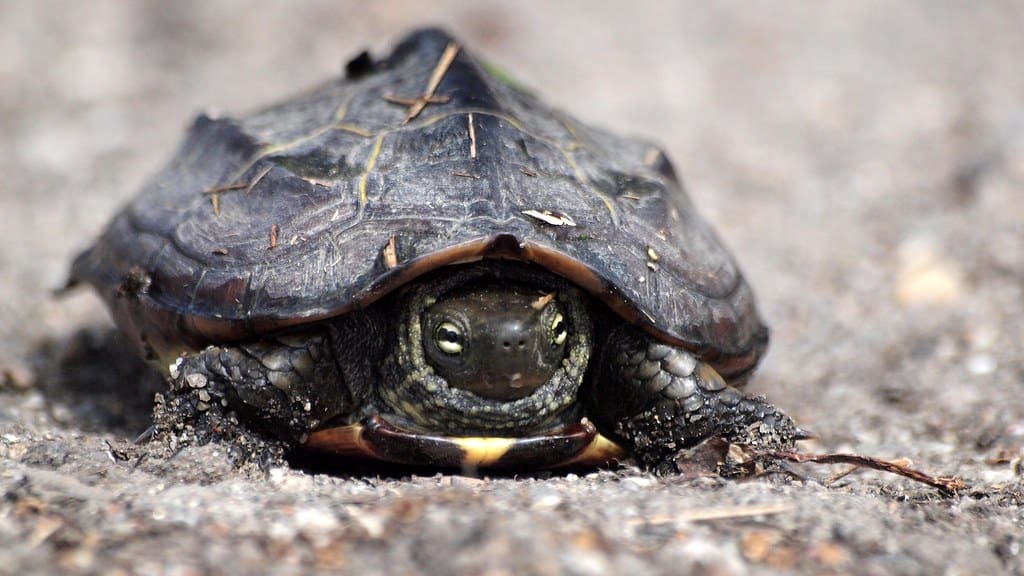
Sustainable turtle recovery required supportive policy frameworks extending beyond park boundaries. In 2014, largely due to advocacy from the Yosemite Turtle Alliance, the western pond turtle received protected status as a California Species of Special Concern, providing additional legal safeguards. The park implemented new regulations restricting certain activities in sensitive turtle habitats, including seasonal closures of specific shoreline areas during nesting season. Particularly significant was the 2017 revision of the Merced River Plan, which incorporated specific provisions for turtle habitat protection and restoration as legally mandated management objectives. At the county level, the Alliance successfully advocated for changes to development codes requiring turtle-friendly design features in projects near waterways, such as wildlife underpasses beneath roads to reduce turtle mortality. The California Department of Fish and Wildlife responded by establishing dedicated funding for western pond turtle conservation, allocating $1.2 million statewide between 2018 and 2023. These policy achievements created a supportive regulatory environment essential for long-term recovery success.
Measuring Success: Population Recovery Data
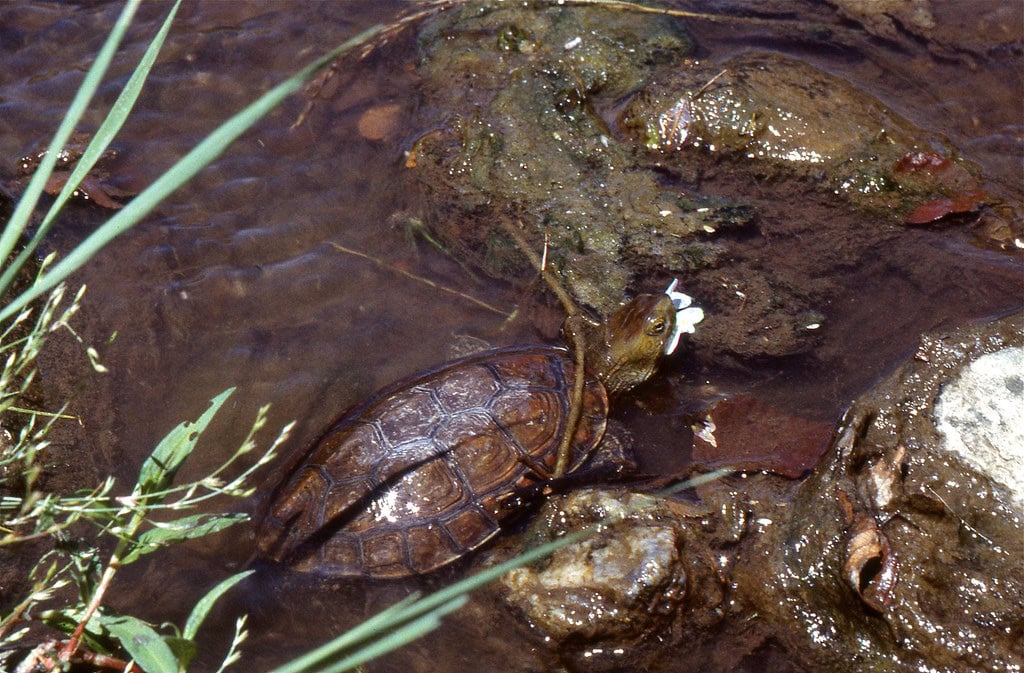
Current data confirms the remarkable recovery trajectory of Yosemite’s western pond turtles. Annual population surveys conducted between 2010 and 2023 document a steady increase from fewer than 40 individuals to approximately 320 turtles throughout the park. Age structure analysis shows a healthy demographic profile with individuals of all age classes, indicating successful reproduction and recruitment. Genetic testing reveals maintained diversity despite the population bottleneck, largely due to careful breeding program management. Particularly encouraging is the spatial distribution data showing turtles recolonizing historical habitat throughout the Yosemite Valley and beginning to expand into other suitable areas within the park. Mark-recapture studies indicate annual adult survival rates exceeding 90%, comparable to healthy populations elsewhere in California. Nest success monitoring shows steady improvement, with the percentage of nests producing hatchlings increasing from 12% in 2015 to 64% in 2023. While still below historical numbers, these metrics confirm that western pond turtles have established a viable, growing population in Yosemite—a remarkable achievement given their near-extirpation just two decades ago.
Ongoing Challenges and Future Directions

Despite significant progress, turtle recovery in Yosemite faces continuing challenges requiring adaptive management. Climate change presents perhaps the most serious long-term threat, as increasingly frequent droughts affect water levels in critical turtle habitats. In response, managers are identifying and protecting climate refugia—areas likely to maintain suitable conditions despite changing climate patterns. Continuing urbanization in surrounding areas creates water quality issues and habitat fragmentation affecting turtle populations beyond park boundaries. The Alliance is addressing this by expanding conservation efforts to create protected wildlife corridors connecting Yosemite to other suitable habitat areas. Genetic management remains a concern, as the current population descended from a small founder group may face inbreeding depression without careful management. Future plans include potential translocations from genetically distinct populations to enhance diversity. Funding sustainability presents another challenge, with the Alliance developing an endowment to ensure long-term support for monitoring and management. The recovery plan now enters its consolidation phase, focusing on expanding the turtle’s range within the park while transitioning from intensive intervention to maintenance-level conservation.
The Broader Impact: A Model for Community-Based Conservation

The Yosemite turtle recovery story has transcended its original goals to become a model for community-based conservation worldwide. The project has been featured in three international conservation conferences, with aspects of its approach now replicated in turtle conservation programs across four continents. The multi-stakeholder alliance structure has proven particularly influential, demonstrating how diverse interests can align around conservation objectives. The program’s integration of scientific monitoring with citizen science has established protocols now adopted by the National Park Service for other species recovery efforts. Perhaps most significantly, the Yosemite turtle project has transformed community relationships with the park, creating a sense of shared stewardship that extends beyond turtle conservation to other environmental initiatives. Independent economic analysis estimates that volunteer contributions to the project exceed $1.7 million in equivalent labor value, demonstrating the substantial resources communities can mobilize for conservation. The turtle has become a charismatic ambassador species, its recovery symbolizing the possibility of healing human-damaged ecosystems through dedicated collective action.
Conclusion: The Ripple Effects of Turtle Conservation
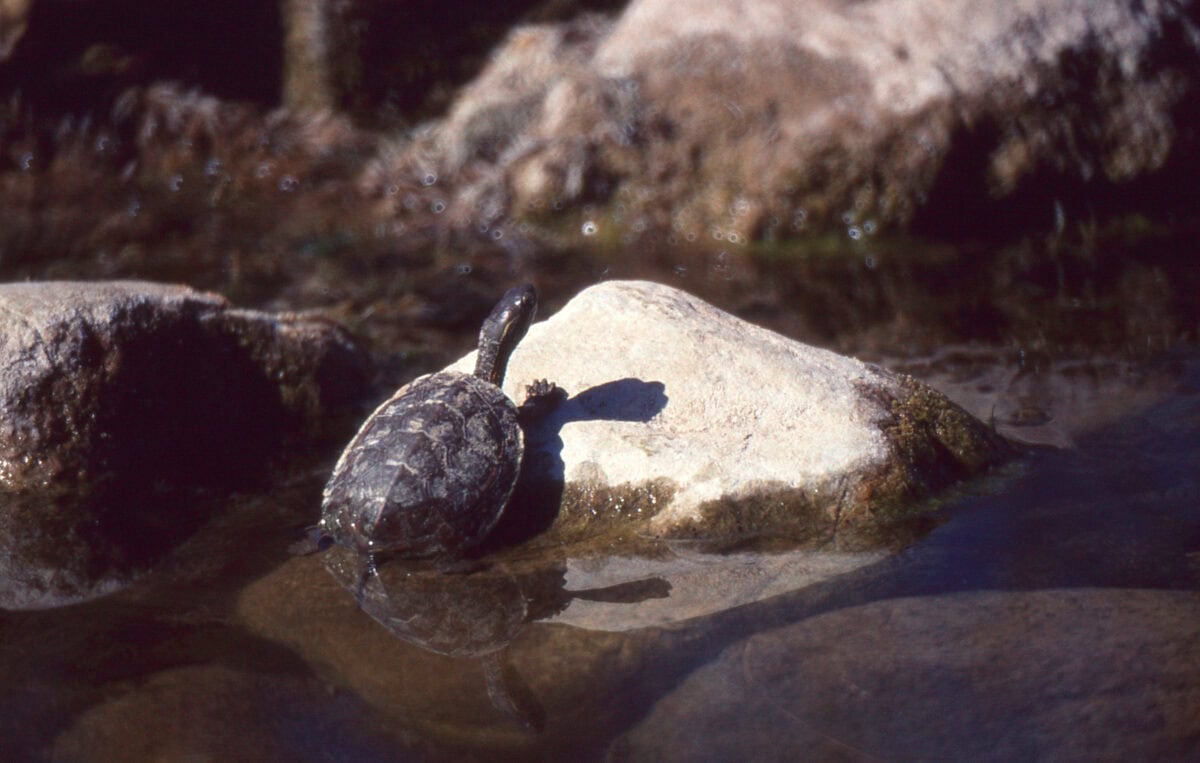
The return of western pond turtles to Yosemite represents far more than the recovery of a single species—it demonstrates the profound potential of community-driven conservation to heal damaged ecosystems. Through the dedicated efforts of scientists, volunteers, park staff, and local communities, these ancient reptiles once again inhabit the waters of Yosemite, fulfilling ecological roles that had been vacant for decades. The success of this project offers a template for addressing the biodiversity crisis facing our planet, showing how focused, collaborative action can reverse seemingly irreversible ecological damage. As visitors to Yosemite now regularly spot turtles basking on logs in the Merced River or swimming in valley ponds, they witness living proof that humans can be positive agents of ecological change. In a time of daunting environmental challenges, the turtles of Yosemite offer something precious and necessary: a reason for hope.

- The Secret Language of Dolphins Decoded by Researchers - July 20, 2026
- 7 Animals That Can Survive Extreme Environments You Couldn’t - July 20, 2026
- The Longest Snake Ever Found in the U.S. - July 20, 2026