

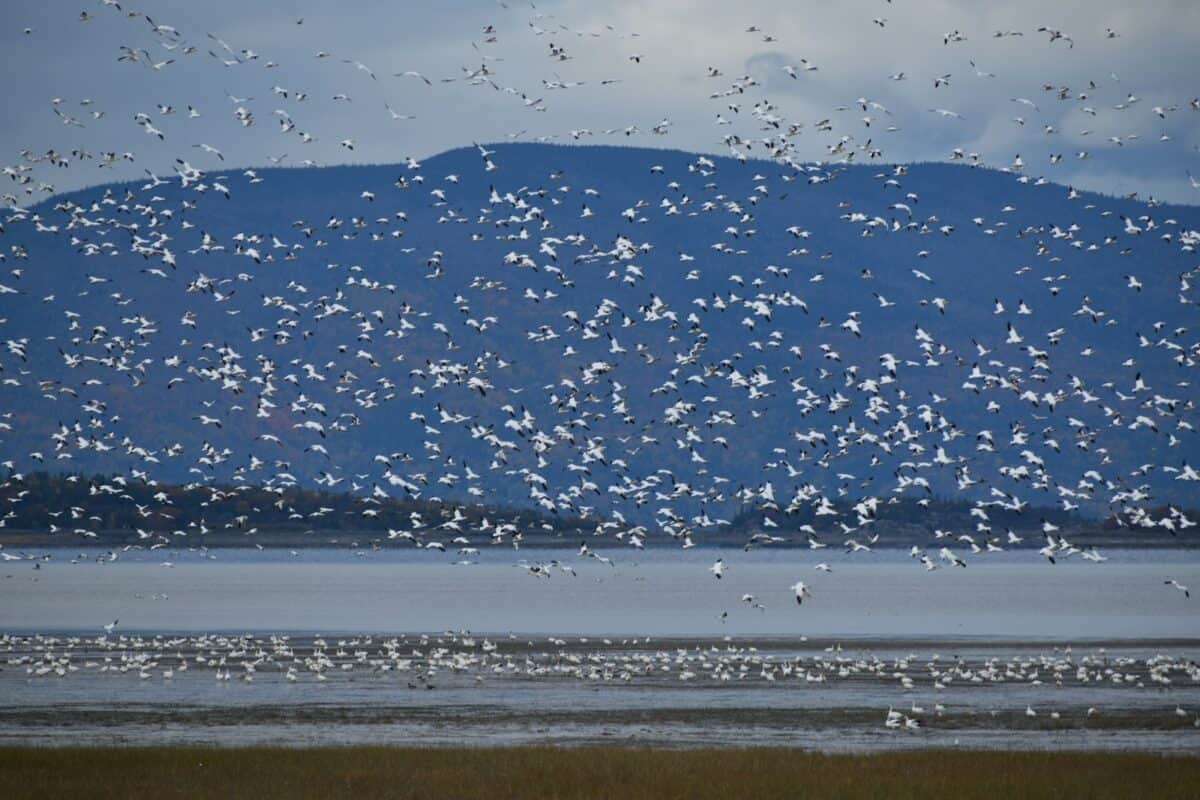
Migration is one of nature’s most impressive phenomena, with countless species traveling vast distances across land, sea, and air to breed, feed, and survive. These ancient pathways, perfected over millennia of evolution, follow the rhythm of seasons and the availability of resources. But what happens when these age-old routes intersect with one of humanity’s most destructive activities—war? As conflict zones expand across the globe, animals increasingly find their migratory paths crossing through battlefields, militarized zones, and areas ravaged by human conflict. The consequences are often devastating, yet remarkably understudied. This intersection of natural movement and human violence reveals profound impacts on wildlife conservation, ecosystem health, and even the course of evolution itself.
The Collision of Ancient Pathways and Modern Warfare
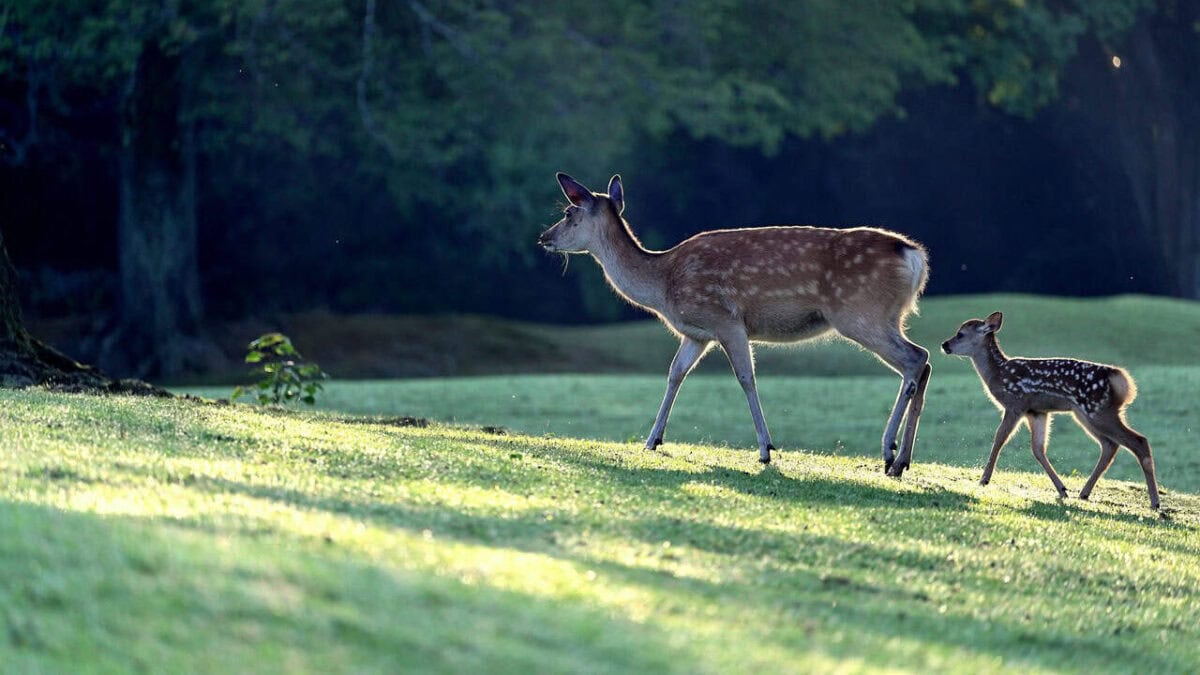
Animal migration routes have been established over thousands or even millions of years, with species developing precise timing and pathways optimized for survival. These routes often cross multiple countries and continents, following coastlines, mountain ranges, river valleys, and other natural corridors. Meanwhile, human conflicts have historically concentrated in resource-rich areas, strategic locations, or contested territories—many of which overlap with these critical wildlife corridors.
The Middle East, Eastern Europe, Central Africa, and Southeast Asia host both significant biodiversity hotspots and some of the world’s most persistent conflict zones. This spatial overlap creates a dangerous intersection where animals must navigate through landscapes transformed by violence, military activity, and infrastructure destruction.
Direct Casualties: When Animals Become Collateral Damage
Perhaps the most immediate impact on migratory animals in war zones is direct mortality. Birds flying over active conflict areas may be struck by artillery, aircraft, or caught in explosions. A 2018 study in eastern Ukraine documented significant bird casualties during peak migration seasons coinciding with heavy fighting. Similarly, land animals may trigger landmines that remain active long after conflicts end.
In Cambodia, researchers have recorded elephants, tigers, and other large mammals killed by landmines decades after the country’s civil war. Marine creatures face threats from naval warfare, underwater explosions, and toxic pollutants released during maritime conflicts. The Persian Gulf War of 1991 resulted in massive oil spills that killed an estimated 30,000 seabirds and severely impacted marine migration routes. These direct casualties represent just the visible portion of war’s impact on animal movement.
Barrier Effects: How War Creates New Boundaries
War transforms landscapes in ways that create new barriers to animal movement. Military fortifications, including trenches, walls, and security fences, physically block migration routes. The heavily militarized Korean Demilitarized Zone (DMZ) has completely severed ancient migration corridors for numerous Asian wildlife species. Psychological barriers also emerge, as animals develop avoidance behaviors in response to the sounds, lights, and vibrations associated with warfare.
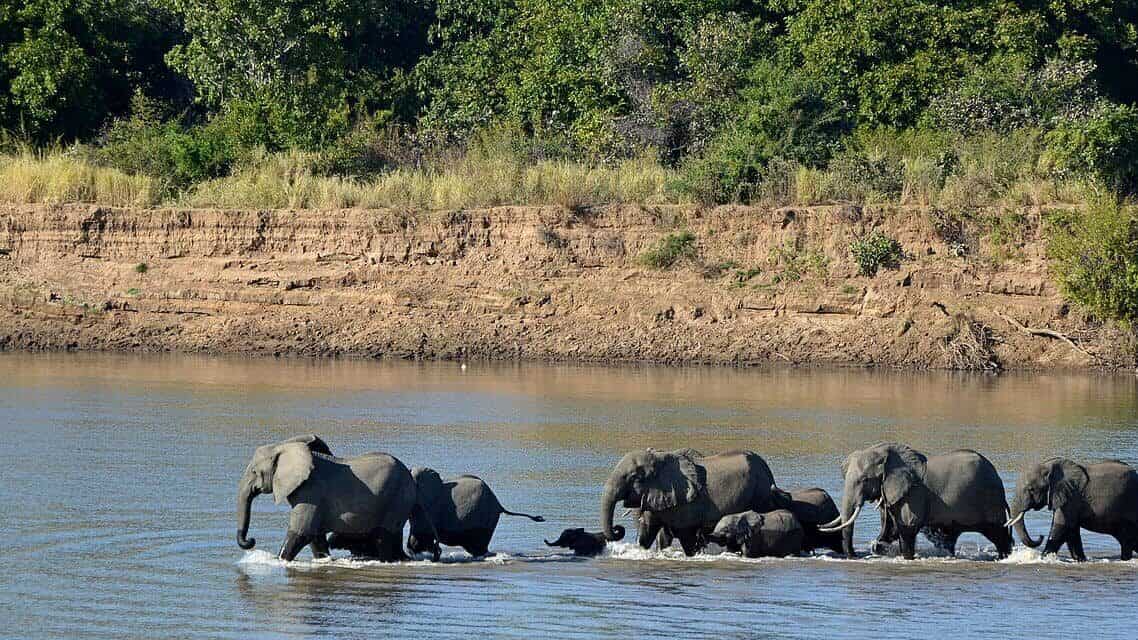
Studies of elephants in conflict-affected regions of Africa show they alter their movement patterns to avoid areas of human fighting, sometimes abandoning traditional migration routes entirely. Such barrier effects can fragment populations, preventing animals from reaching crucial breeding grounds or food sources, with potential long-term genetic consequences. When migration routes that have functioned for thousands of years suddenly become impassable, entire ecological systems may be disrupted.
Environmental Contamination and Its Lasting Legacy
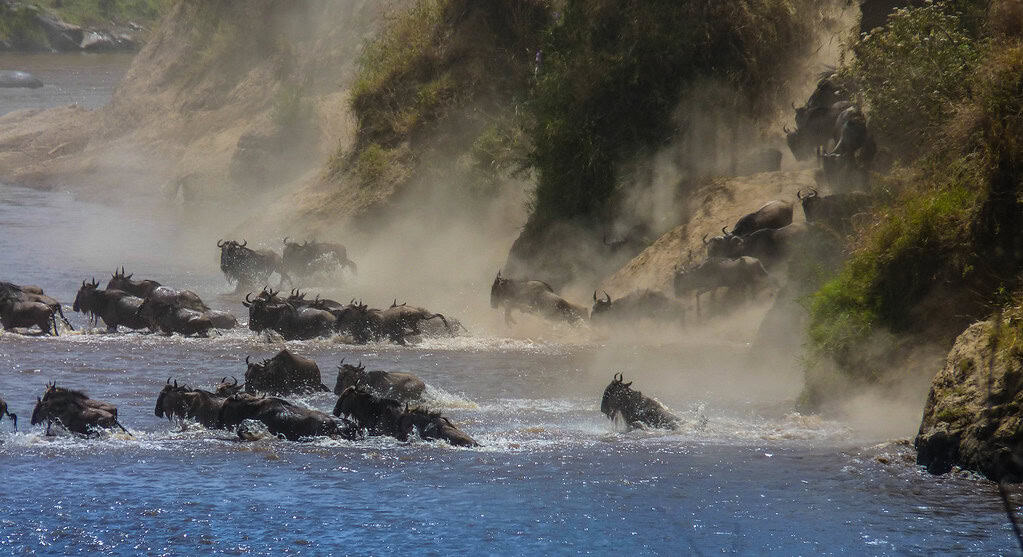
Modern warfare leaves an invisible toxic footprint that persists long after fighting ends. Chemical weapons, depleted uranium ammunition, fuel spills, and destroyed industrial facilities release contaminants into soil, water, and air along migration routes. In Vietnam, Agent Orange defoliant used during the war continues to affect wildlife habitats and migration corridors more than 50 years later. These toxins bioaccumulate in migratory animals, with compounds moving up the food chain and spreading far beyond conflict zones when animals continue their journeys.
Migratory birds exposed to war-related pollutants in the Middle East have been found carrying these contaminants to breeding grounds in Europe and Asia. Water pollution is particularly problematic for aquatic migrations, as rivers and streams can transport war-related toxins hundreds of miles downstream, affecting fish runs and amphibian movements. These chemical legacies create what scientists call “conflict-mediated pollution corridors” that follow migratory pathways.
The Paradoxical Protection of No-Man’s Lands
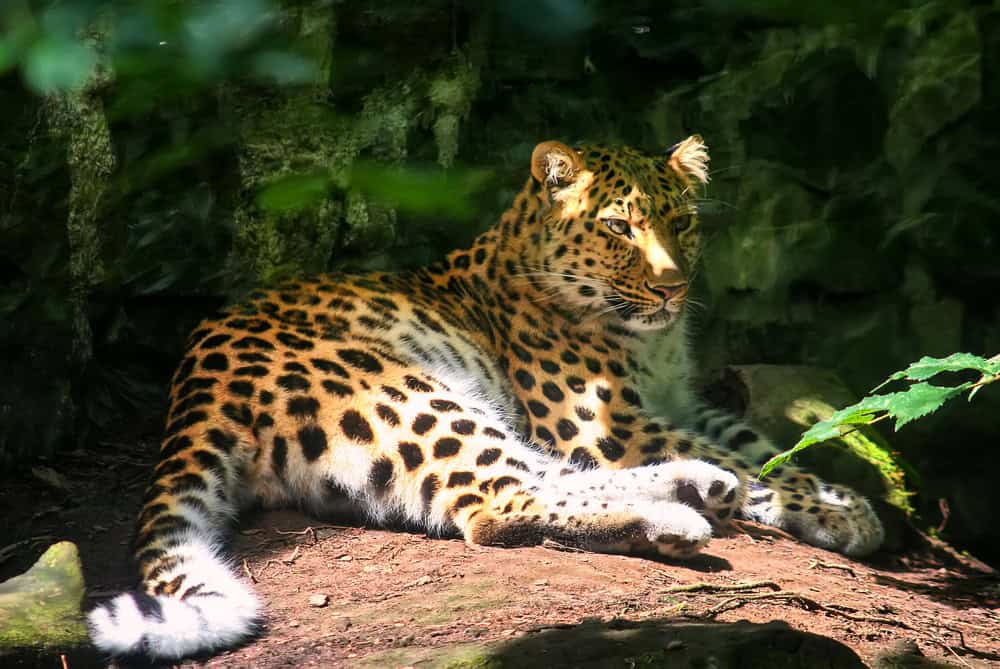
War creates a paradoxical relationship with wildlife conservation. While active conflict zones devastate animal populations and migration routes, some militarized boundaries inadvertently create protected areas where human activity is restricted. The Korean DMZ has become an unintentional wildlife sanctuary, home to endangered red-crowned cranes and Amur leopards that thrive in the absence of development. Similar phenomena have been observed in Cyprus’s buffer zone and former Iron Curtain regions in Europe.
These de facto reserves sometimes protect resident wildlife while simultaneously blocking migratory species that need to cross these boundaries. The conservation value of these conflict-created sanctuaries depends heavily on their location relative to migration corridors and the specific needs of different species. For some animals, these areas provide crucial refuge; for others, they represent impenetrable barriers that disrupt essential movement patterns.
Human Displacement and Wildlife Exploitation

War displaces both humans and animals, creating complex secondary effects on migration. As people flee conflict zones, refugee settlements often appear along wildlife corridors, creating new obstacles and increasing human-wildlife conflict. Desperate circumstances drive increased hunting and poaching as food security diminishes during wartime. In South Sudan, wildlife migrations have been severely impacted by both direct conflict effects and the desperate subsistence hunting by displaced populations.
Conservation efforts typically collapse during wartime, with park rangers fleeing or being reassigned to military duties, leaving migratory corridors unprotected. Illegal wildlife trafficking often flourishes in conflict zones where governance has broken down, targeting migrating animals when they’re concentrated and vulnerable. Research in the Democratic Republic of Congo documented how militant groups systematically exploited wildlife migrations for profit, targeting elephants during their seasonal movements.
Adaptation: How Animals Respond to War

Animals demonstrate remarkable adaptability when confronted with war-altered landscapes. Researchers have documented species developing new migration patterns that circumvent conflict zones, sometimes traveling significantly longer distances to avoid dangerous areas. Behavioral changes also emerge, with many species becoming more nocturnal in war zones to avoid daytime military activities. Some migratory birds have been observed flying at higher altitudes over conflict areas, though this requires greater energy expenditure.
These adaptations come with significant costs—longer routes require more energy, alternative pathways may offer fewer resources, and changed timing can disrupt carefully evolved synchronization with food sources or breeding conditions. Not all species possess equal adaptive capacity; those with highly specialized migration requirements or limited physiological flexibility face greater challenges. Over time, these pressures may drive evolutionary changes, potentially creating new migratory traditions that persist long after conflicts end.
Cascading Ecological Effects
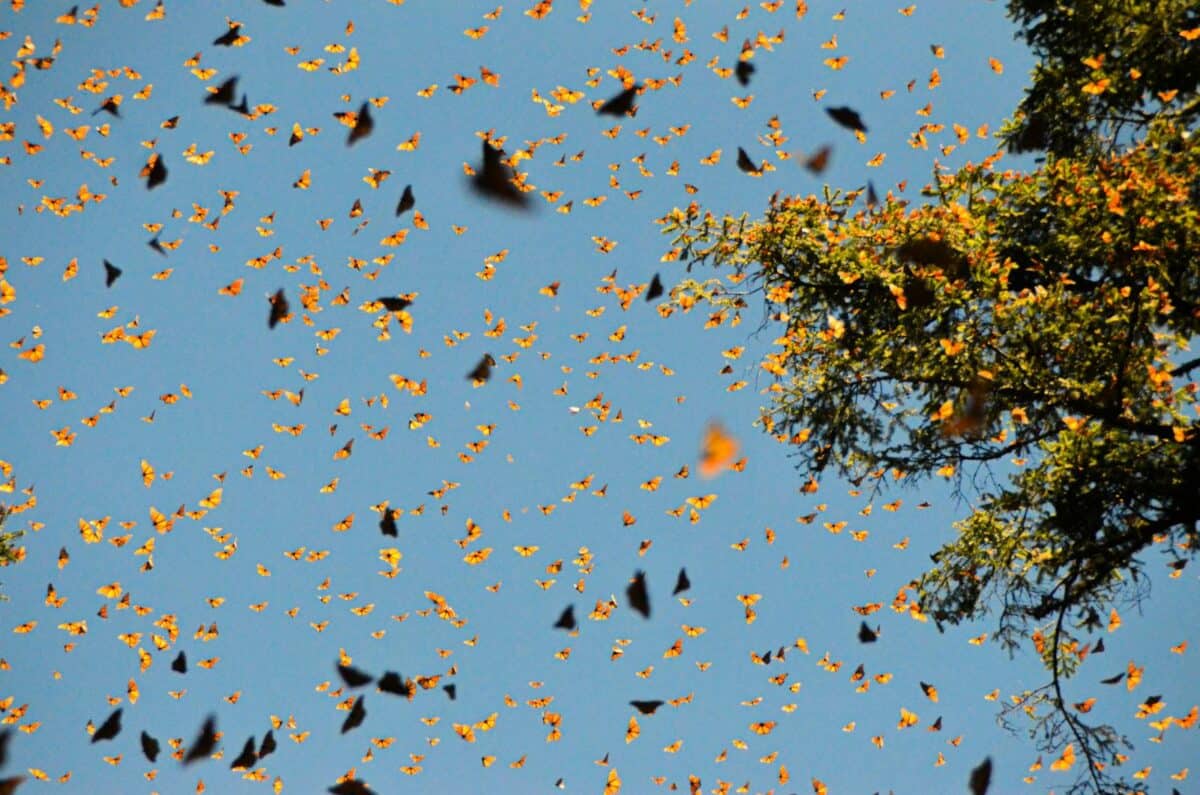
The disruption of animal migration through war zones triggers complex ecological cascades that ripple through ecosystems. When seed-dispersing birds alter their migratory routes, plant regeneration patterns change in both conflict areas and distant connected habitats. Predator migrations interrupted by war can lead to prey population explosions in some areas while creating predator-prey imbalances elsewhere. Pollinator migrations disrupted by conflict affect plant reproduction across vast areas.
A study in the Caucasus region found that warfare-related changes to butterfly migration patterns resulted in measurable changes to plant community composition over a decade. These cascading effects demonstrate how war’s impact on animal movement extends far beyond the conflict zone itself, affecting ecosystem processes hundreds or thousands of miles away. The interconnected nature of ecological systems means that disruptions to migratory species can have particularly far-reaching consequences.
Conservation Challenges in Conflict Zones
Protecting migratory wildlife in war zones presents extraordinary challenges for conservation organizations. Access restrictions, security concerns, and collapsed governance make traditional conservation approaches nearly impossible to implement. International organizations have developed specialized conflict-zone conservation strategies, including satellite monitoring of migrations when ground access is impossible, training local communities as wildlife guardians when formal protection is absent, and developing rapid response protocols for post-conflict ecological restoration.
Conservation diplomacy has emerged as a specialized field, with wildlife corridors sometimes serving as neutral spaces for cooperation between otherwise hostile parties. The International Committee of the Red Cross has expanded its mandate in some regions to include protection of critical migratory corridors as part of humanitarian action. Despite these innovations, conservation funding typically plummets during conflicts precisely when wildlife faces its greatest threats, creating significant protection gaps for migratory species.
Post-Conflict Recovery: Healing Migration Routes

When conflicts end, migration routes require deliberate restoration efforts to recover their functionality. Demining programs specifically targeting migratory corridors have been implemented in several post-conflict zones, including Angola and Croatia, prioritizing the clearance of key wildlife pathways. Habitat restoration along damaged migration routes often becomes part of broader post-conflict reconstruction efforts. The most successful recovery programs incorporate indigenous and local knowledge about traditional animal movements, combining this with modern conservation science.
Transboundary peace parks have been established in several post-conflict regions, protecting migration corridors across formerly hostile borders. The Peace Parks Foundation in southern Africa has pioneered this approach, creating protected corridors that reconnect wildlife populations separated by civil wars. Recovery timelines vary dramatically depending on conflict duration, weapon types used, and the ecological resilience of the affected species, with some migration routes requiring decades to return to functionality.
Case Study: Syrian Civil War’s Impact on Bird Migration
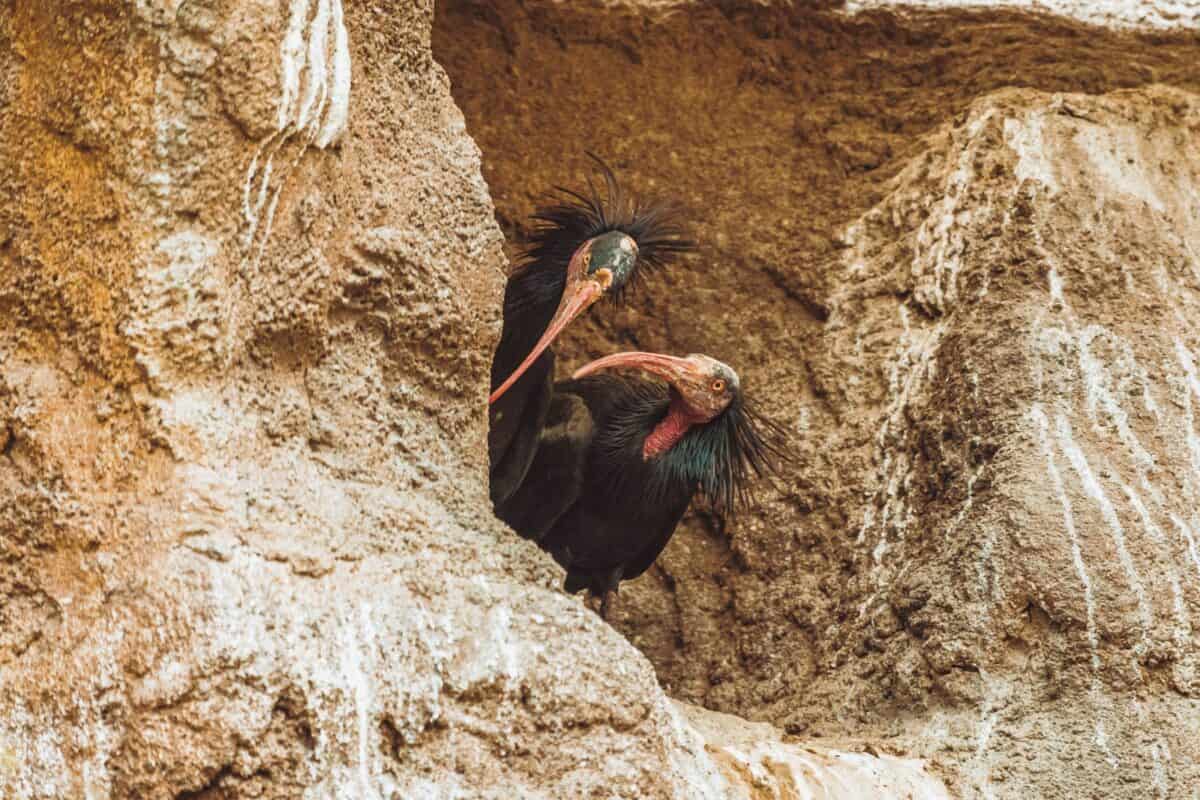
The Syrian conflict provides a stark case study of war’s impact on animal migration. Syria sits at the crossroads of three major bird migration flyways connecting Europe, Asia, and Africa, with millions of birds traditionally passing through the region annually. Since civil war erupted in 2011, researchers have documented profound changes in migration patterns. Satellite tracking studies of white storks revealed significant route alterations avoiding Syrian territory, with birds making energy-costly detours around conflict zones.
The Northern Bald Ibis, critically endangered and once native to Syria, had its reintroduction program completely derailed by the conflict, with captive-bred birds and their wild guides killed during fighting. Wetland drainage and water diversion for military purposes eliminated crucial stopover sites for waterfowl migrations. Acoustic monitoring demonstrated that nighttime artillery and bombing disrupted nocturnal migrations, with birds showing disoriented flight patterns and emergency landings during conflict activities. This case demonstrates how a single regional conflict can impact migratory species across three continents.
Legal Frameworks: Protecting Migrations During Conflict

International humanitarian law and environmental agreements offer limited protection for wildlife migrations during wartime. The Geneva Conventions contain provisions against environmental destruction that can be interpreted to include protection of critical migration habitats, though enforcement remains weak. The Ramsar Convention on Wetlands specifically identifies the protection of migratory waterbird habitat as a priority, even during conflicts. The Convention on Migratory Species has developed emergency response protocols for warfare affecting critical migration corridors, though implementation depends on voluntary compliance.
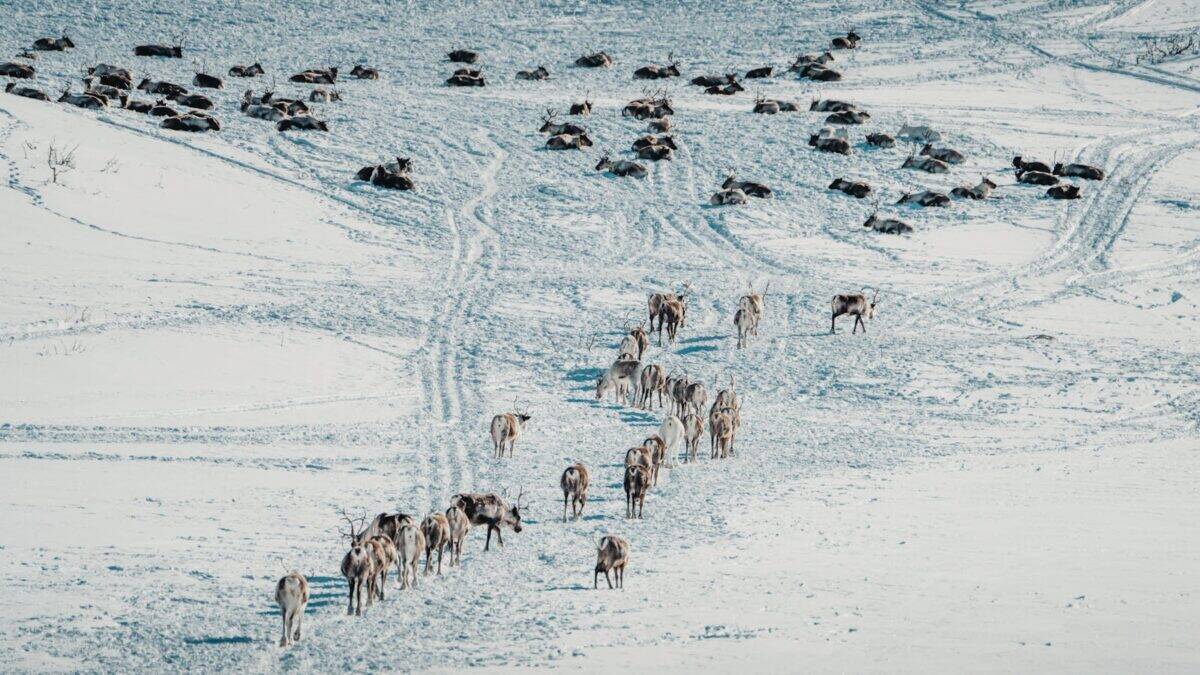
Some military forces have incorporated wildlife migration considerations into their operational planning—NATO exercises in Norway are adjusted to avoid disrupting reindeer migrations, demonstrating that military necessity and wildlife protection can sometimes be reconciled. Environmental legal scholars have advocated for strengthening protections for migration routes under the “ecocide” framework, which would criminalize severe environmental damage during wartime, including the deliberate targeting of migration corridors.
The Future: Migration in an Era of Expanding Conflict
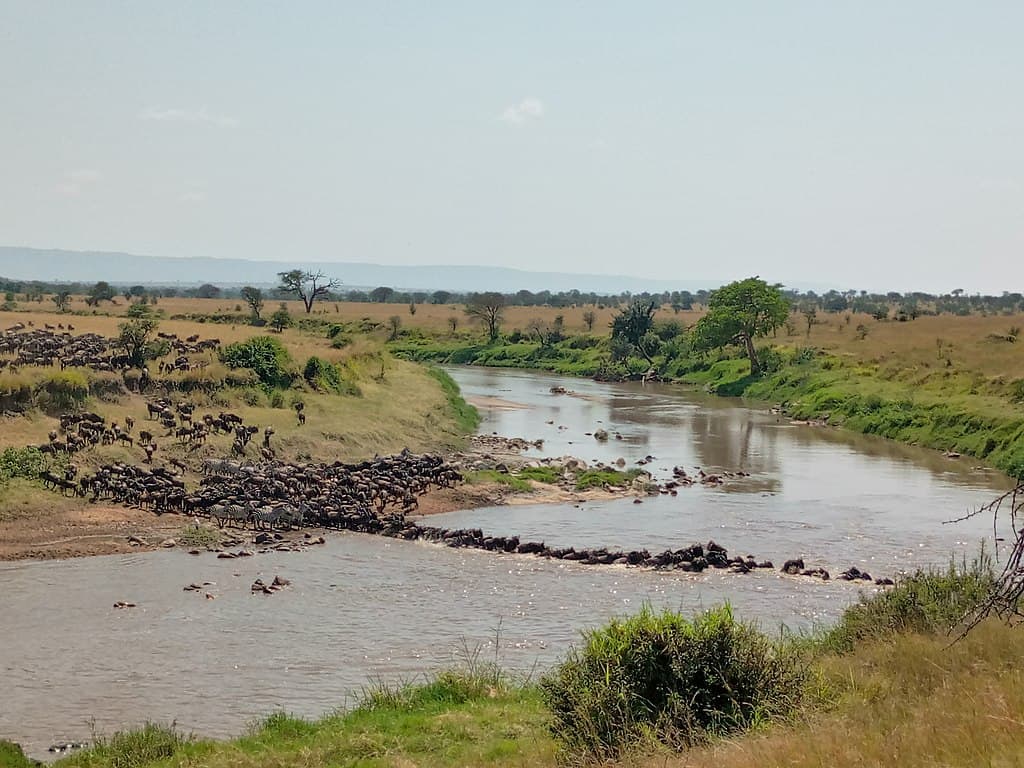
As climate change intensifies and resource competition grows, security experts predict increasing conflicts in regions that overlap with critical migration corridors. Climate-driven human migration and wildlife migration are increasingly occurring in the same spaces, creating complex humanitarian and conservation challenges. Advanced tracking technologies offer hope for better understanding and protecting animal movements during conflicts. Satellite monitoring, drone surveillance, environmental DNA sampling, and acoustic monitoring networks can track migrations remotely when direct observation is impossible.
Predictive modeling of conflict risk is being integrated with migration mapping to anticipate threats to wildlife movement before fighting begins. Conservation organizations are developing specialized “migration corridor diplomacy” approaches that maintain dialogue across conflict lines specifically focused on wildlife passage. Some innovative peace agreements now include specific provisions for protecting migration routes as part of post-conflict governance, recognizing that ecological recovery supports human recovery. As warfare evolves in the 21st century, so too must our approaches to protecting the ancient pathways of animal migration that sustain global biodiversity.
Conclusion

The intersection of animal migration and human conflict reveals the profound interconnectedness of ecological and human systems. When war disrupts these ancient pathways, the consequences extend far beyond the immediate battlefields, affecting ecosystems and biodiversity across continents and generations. The adaptability of migratory species offers both hope and concern—while some animals find new routes and behaviors to survive, these adaptations come with significant costs and may not be sustainable long-term.
As our understanding of these complex interactions grows, so does our responsibility to incorporate wildlife migration protection into both conservation planning and conflict mitigation efforts. Perhaps most powerfully, the journey of animals through war zones offers a poignant reminder that nature’s boundaries and movements follow different maps than our human conflicts—a perspective that might ultimately contribute to more holistic approaches to both peace-building and environmental protection.

From exploring the marine wonders in the Azores and witnessing the vast savannas of Kenya, to delving deep into the rich biodiversity of South Africa and traversing iconic landscapes in Australia and the US like Yellowstone, Chris's experiences are vast.
With a penchant for diving alongside sharks, the ocean holds a special place in his heart.
Through his academic insights, he champions wildlife conservation, striving with 'Animals Around The Globe' to cultivate a profound connection between humans and animals, enhancing our mutual appreciation.
Connect with him at Feedback@animalsaroundtheglobe.com.