


Migration is one of nature’s most remarkable phenomena—a complex process that allows birds to travel thousands of miles between breeding and wintering grounds. But what happens when this finely-tuned navigational system fails? When a bird “forgets” or cannot migrate as expected, the consequences can be profound and often life-threatening. This intricate behavior, governed by both instinct and learning, is vulnerable to disruption from environmental changes, human interference, and biological factors. The story of birds that fail to migrate offers a fascinating window into avian cognition, adaptation, and the delicate balance between nature and nurture in animal behavior.
The Biological Blueprint of Migration

Bird migration isn’t simply learned behavior—it’s deeply encoded in avian biology. Research has shown that migratory birds possess an innate directional preference, often referred to as “migratory restlessness” or Zugunruhe. This manifests as increased nocturnal activity during migration seasons, even in captive birds that have never migrated. Studies with European warblers have demonstrated that birds raised in isolation still orient in the appropriate migratory direction, suggesting a genetic component to migration.
This innate programming includes timing mechanisms tied to photoperiod (day length), which trigger hormonal changes that prepare birds physically for long journeys. However, this biological blueprint can be disrupted by numerous factors, from genetic mutations to environmental stressors, potentially causing a bird to “forget” its migratory instinct.
The Learning Component of Migration
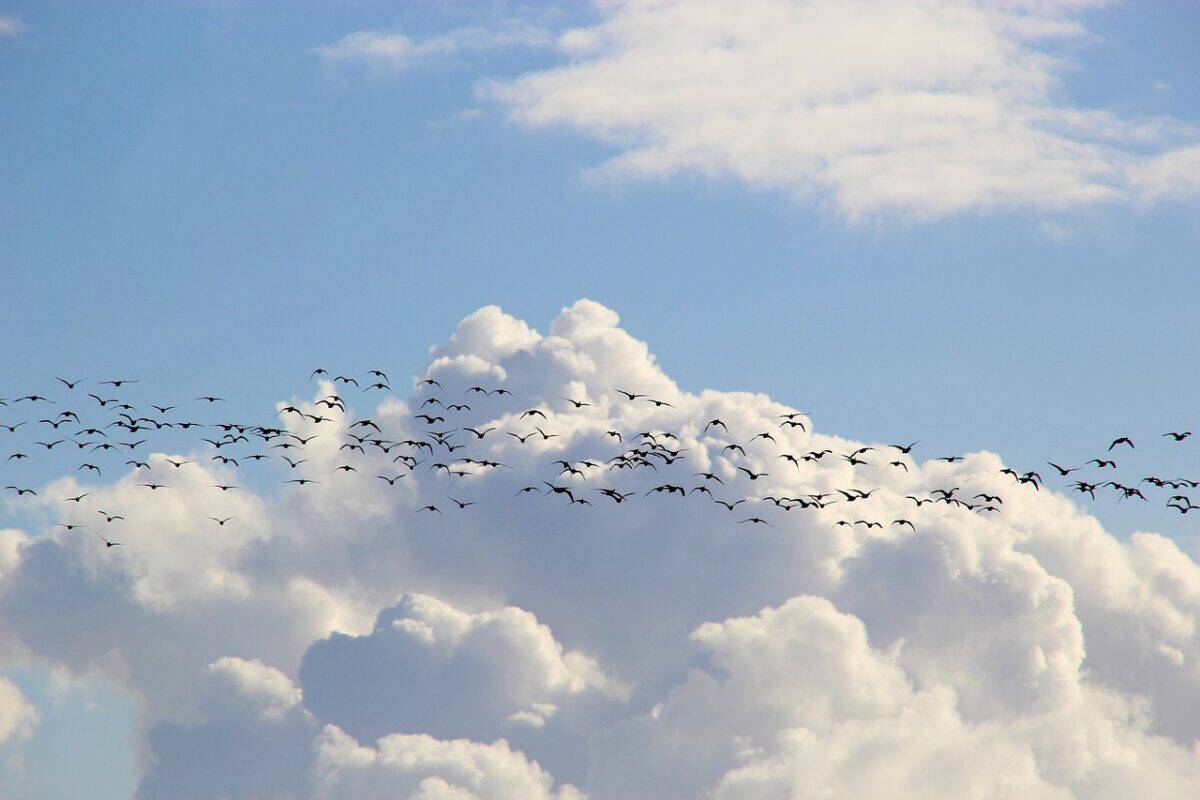
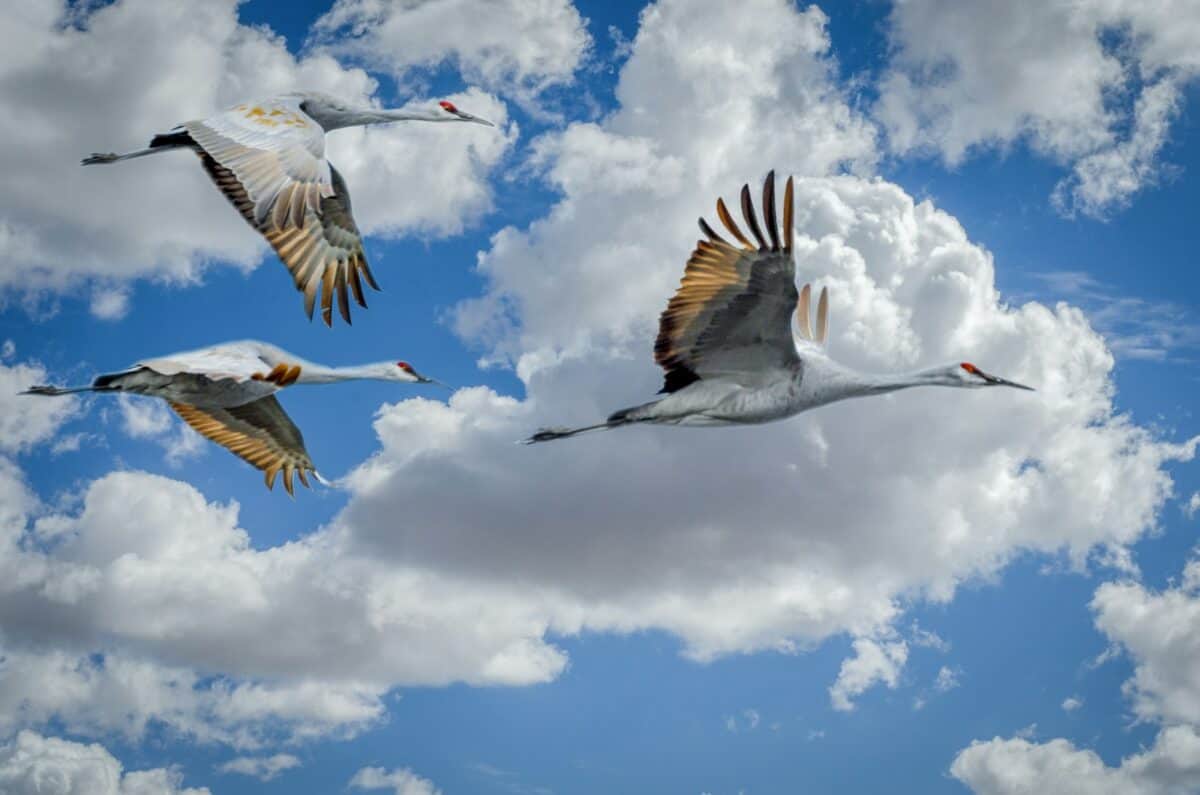
While genetics provide the foundation for migration, many species rely on learning and experience to perfect their migratory routes. Young birds of many species, including cranes and geese, learn migration routes by following experienced adults during their first journeys. For these species, isolation from the flock can mean never learning crucial migration pathways. In a notable conservation effort with whooping cranes, researchers used ultralight aircraft to teach captive-raised birds their ancestral migration routes.
Without this intervention, these birds would have lacked the cultural knowledge necessary to complete migration. For species with strong learning components to migration, “forgetting” can occur when this knowledge transfer is interrupted across generations, resulting in permanent loss of traditional migratory routes.
Environmental Triggers and Disruption

Birds rely on environmental cues to time their migrations precisely. Changing day length (photoperiod) serves as the primary trigger, while secondary cues include temperature patterns, food availability, and even barometric pressure. When these environmental signals become inconsistent or altered due to climate change, birds may “forget” when to migrate.
Research published in the journal Nature has documented numerous species now migrating earlier in spring and later in fall due to warming temperatures. Some European blackcaps have even stopped migrating altogether, establishing year-round populations in areas that were previously only summer habitat. These changes demonstrate how environmental disruption can fundamentally alter migratory behavior, effectively causing birds to “forget” their traditional timing and patterns.
Physiological Consequences of Failed Migration
When birds fail to migrate as expected, their bodies often suffer serious physiological consequences. Migration involves complex physiological preparations, including fat deposition, muscle development, and changes in metabolic rate. Birds that don’t migrate when they should may experience disrupted hormone cycles and inappropriate physical changes.
For instance, a warbler that doesn’t migrate south might not develop the insulating feathers needed for northern winters. Studies have documented increased mortality rates among birds that fail to migrate, with starvation being a primary cause. The mismatch between a bird’s physiological state and its environment can create severe stress on multiple body systems, often leading to weakened immune function and increased vulnerability to disease.
Navigation Systems and Their Failure

Birds navigate during migration using multiple sophisticated systems, including celestial navigation (using stars and sun), sensing Earth’s magnetic field, recognizing landscape features, and even detecting infrasound (low-frequency sound) from oceans and mountains. Research has shown that different species rely on different combinations of these navigation methods. When a bird “forgets” how to migrate, it may actually be experiencing failure in one or more of these navigation systems.
For example, studies have found that exposure to even weak electromagnetic fields can disrupt birds’ magnetic compass orientation. Light pollution in urban areas can obscure celestial cues that night-migrating birds depend on. These disruptions to navigational cues can leave birds disoriented and unable to find their way, effectively making them “forget” their migratory paths despite their innate drive to migrate.
Human Interference and Habitat Changes

Human activities increasingly interfere with bird migration, sometimes with the effect of birds appearing to “forget” their traditional patterns. Urban development has created both barriers and artificial habitats that alter migratory behavior. Research in the United Kingdom has documented European blackbirds abandoning migration entirely in urban areas, where artificial heat and consistent food supplies make year-round residence possible.
Bird feeding can similarly disrupt migration; studies have shown that some normally migratory species now overwinter in northern areas where bird feeders provide reliable food. More directly, habitat destruction along migratory routes has eliminated crucial stopover sites, forcing birds to alter traditional pathways or abandon migration altogether when the energetic costs become too high without these refueling locations.
Climate Change Effects on Migration Memory
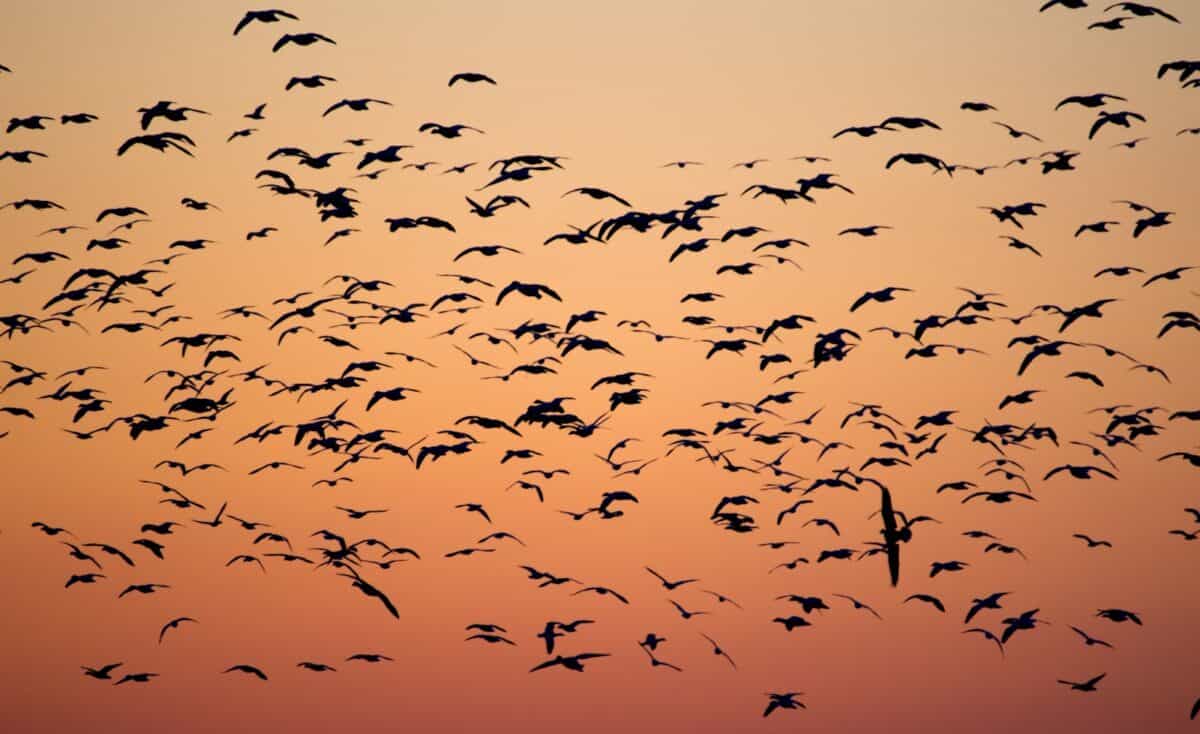
Climate change is perhaps the most pervasive factor causing birds to “forget” traditional migration patterns. As winters become milder in northern regions, the selective pressure for migration decreases. Research published in Global Change Biology has documented at least 27 European bird species showing reduced migratory behavior in response to warming temperatures. Short-distance migrants appear particularly prone to these changes.
The American robin, once a reliable migrant throughout much of its range, now frequently overwinters in northern areas where winters have moderated. These changes aren’t truly “forgetting” in the cognitive sense but represent adaptive responses to changing conditions. However, problems arise when climate change creates mismatches between migration timing and resource availability, such as when birds arrive at breeding grounds too early or too late relative to insect emergence or plant flowering.
The Phenomenon of Resident Populations

When migratory birds “forget” to migrate, they sometimes establish resident populations in what were traditionally only breeding or wintering grounds. This phenomenon has been well-documented in several species. The European blackcap, a warbler that traditionally migrated from northern Europe to Africa, has established year-round populations in the United Kingdom over recent decades.
These resident populations can develop genetic and behavioral differences from their migratory counterparts remarkably quickly. Research published in Current Biology found that resident blackcaps have evolved different beak shapes and feeding strategies compared to migratory individuals of the same species. These resident populations represent a form of rapid evolution in response to changing conditions, demonstrating how “forgetting” to migrate can sometimes lead to new evolutionary pathways.
Individual Variation in Migratory Behavior

Not all individuals within a migratory species share identical migratory tendencies. Research has revealed substantial variation in the strength of migratory instinct among individuals of the same species. Some birds show strong migratory restlessness and are highly motivated to migrate, while others exhibit weaker tendencies. This variation creates a spectrum of behavior, with some individuals more likely to “forget” migration than others.
Studies with European blackcaps have identified a genetic basis for this variation, with specific genes associated with migratory behavior showing different patterns between migratory and resident birds. This individual variation provides the raw material for natural selection, allowing bird populations to adapt to changing environmental conditions over time. When conditions favor resident behavior, individuals with weaker migratory tendencies are more likely to survive and reproduce, gradually shifting population-level behavior away from migration.
Partial Migration: A Middle Ground

Many bird species practice partial migration, where some individuals migrate while others remain resident year-round. This flexible strategy represents a middle ground between full migration and complete residency. Species like American robins, European robins, and blue jays exhibit partial migration, with northern populations more likely to migrate than southern ones. When environmental conditions change, partially migratory species can readily adjust the proportion of migrants in their population.
Research published in the Proceedings of the Royal Society B has shown that partially migratory populations can shift toward greater residency within just a few generations when conditions favor non-migratory behavior. This flexibility makes partially migratory species particularly resilient to environmental changes, as they don’t truly “forget” migration but rather adjust its frequency according to conditions.
Conservation Implications

When birds “forget” or alter their migratory patterns, significant conservation challenges can emerge. Species that change their range or timing may move into protected areas at different times than expected, potentially missing the protection these areas were designed to provide. Conservation efforts must increasingly account for shifting migratory behaviors when designing protected area networks.
For highly endangered migratory species like the whooping crane, disruptions to migration knowledge can threaten entire recovery programs. Conservation scientists now work to maintain both the genetic basis for migration and the cultural transmission of specific routes. Techniques include captive breeding programs that preserve migratory genetics and human-guided migration training to teach captive-raised birds appropriate routes. These efforts recognize that both the biological capacity and learned components of migration must be preserved to maintain this critical behavior.
Ecological Ripple Effects
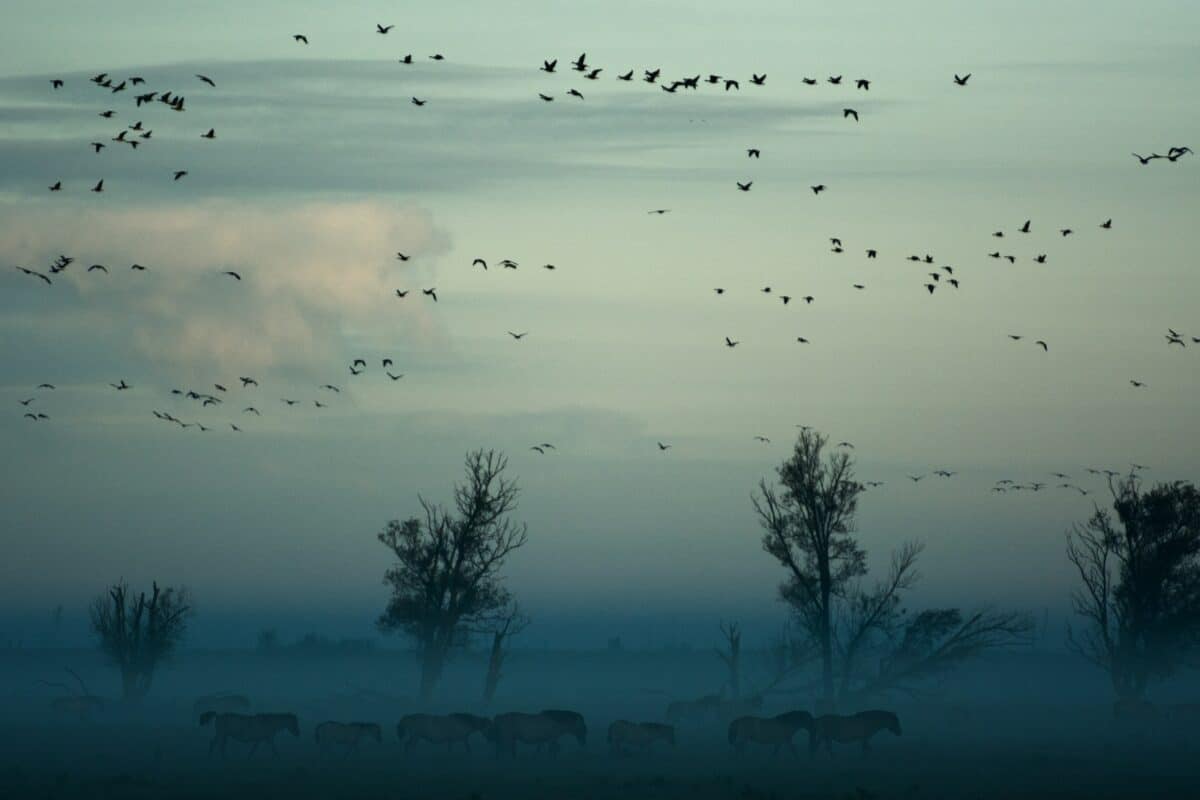
When birds alter or abandon migration, the ecological consequences extend far beyond the birds themselves. Migratory birds serve crucial ecological functions in multiple habitats throughout the year, including seed dispersal, pollination, and insect control. Studies in Scandinavia have found that resident bird populations cannot fully replace the ecological services of migrants, particularly in controlling spring insect outbreaks.
When birds “forget” to migrate, these ecological relationships are disrupted. Research in the journal Science has documented cascading effects through food webs when migratory timing changes, affecting everything from plant phenology to predator populations. Some of the most concerning impacts occur when migratory birds fail to reach tropical wintering grounds, where they play vital roles in forest regeneration through seed dispersal. These ecological ripple effects highlight how changes in migratory behavior can transform entire ecosystems.
Conclusion: The Fragile Dance of Migration

When birds “forget” how to migrate, we witness the delicate interplay between instinct and learning, between genetic programming and environmental influence. This phenomenon reveals both the vulnerability and resilience of natural systems in the face of rapid environmental change. While some species face serious threats from disrupted migration, others demonstrate remarkable adaptability, quickly establishing new patterns that may better suit current conditions.
The study of altered migration patterns offers valuable insights for conservation, highlighting the importance of preserving both the genetic basis for migration and the cultural knowledge of specific routes. As human influence on the planet continues to grow, understanding and protecting the ancient phenomenon of bird migration becomes increasingly important—not just for the birds themselves, but for the countless ecological relationships that depend on their remarkable journeys across the globe.

From exploring the marine wonders in the Azores and witnessing the vast savannas of Kenya, to delving deep into the rich biodiversity of South Africa and traversing iconic landscapes in Australia and the US like Yellowstone, Chris's experiences are vast.
With a penchant for diving alongside sharks, the ocean holds a special place in his heart.
Through his academic insights, he champions wildlife conservation, striving with 'Animals Around The Globe' to cultivate a profound connection between humans and animals, enhancing our mutual appreciation.
Connect with him at Feedback@animalsaroundtheglobe.com.
- The Great Lakes Are Now Home to Tropical Fish — Here’s Why - July 19, 2026
- Red Pandas Use Their Tails Like Blankets - July 19, 2026
- 15 Ways To Attract Ruby Throated Hummingbirds To Your Mississippi Garden - July 19, 2026