
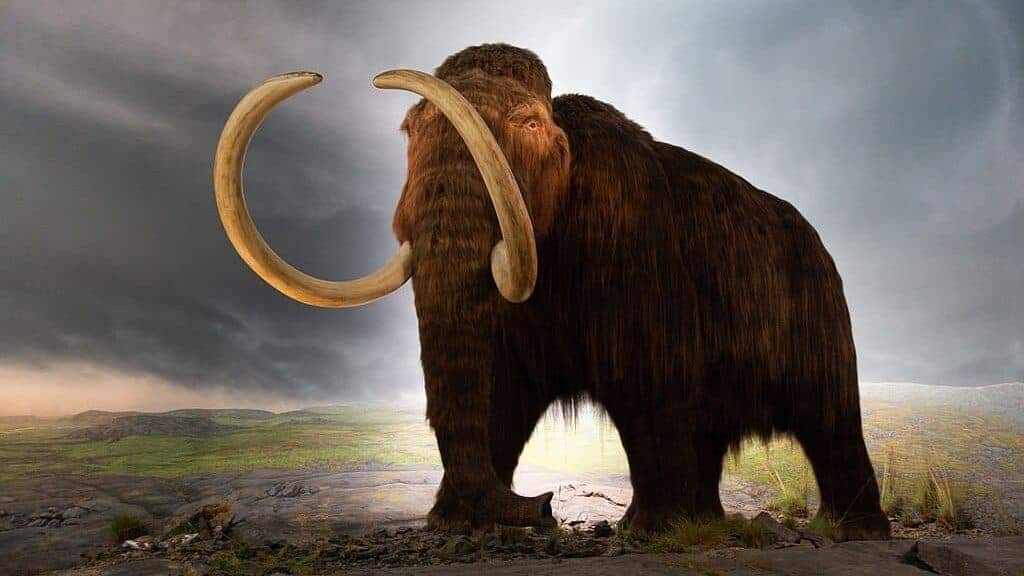
The woolly mammoth, a majestic ice age giant that once roamed the frigid tundra landscapes, disappeared from Earth approximately 4,000 years ago. Today, scientists are contemplating a remarkable possibility: using genetic engineering to resurrect these prehistoric creatures. However, this isn’t just about bringing back an extinct species for the sake of scientific achievement. Researchers propose that reintroducing mammoths to their former habitats could help combat climate change by restoring and preserving the arctic tundra ecosystem. This concept, while seemingly pulled from science fiction, raises profound scientific, ethical, and ecological questions. Could mammoth de-extinction truly help save our planet’s northern ecosystems, or are we venturing into dangerous territory by attempting to rewrite natural history?
The Extinction of the Woolly Mammoth
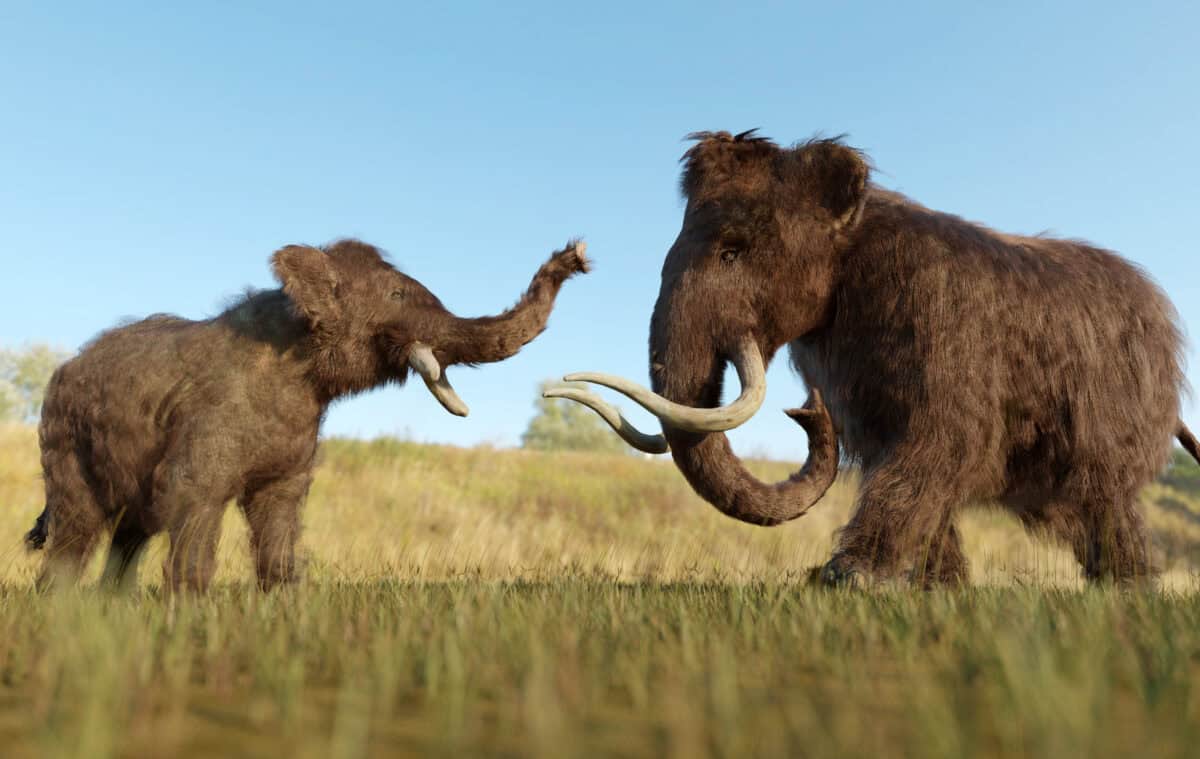
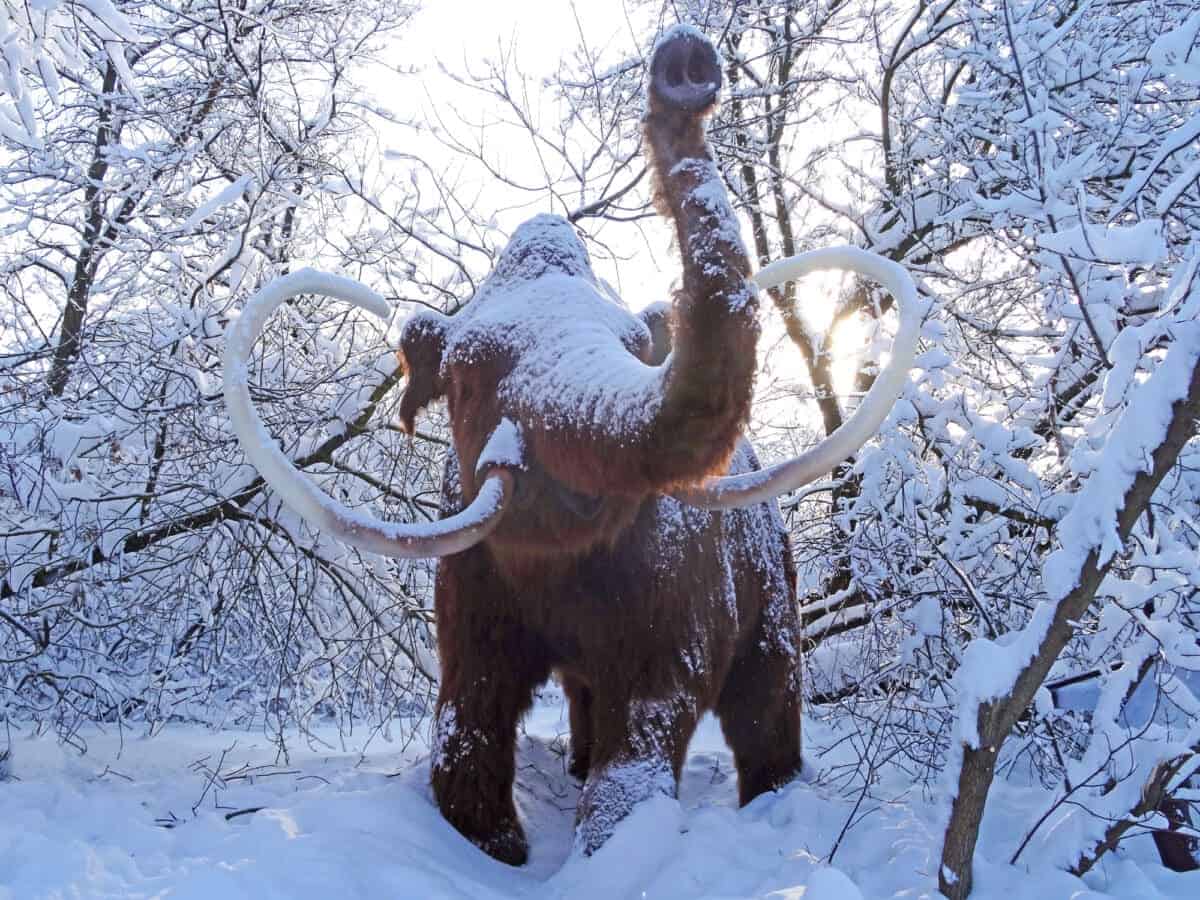
Woolly mammoths (Mammuthus primigenius) were once abundant across the Northern Hemisphere, particularly in the vast steppe-tundra that stretched from present-day Spain to Canada during the Pleistocene epoch. Standing up to 11 feet tall and weighing up to 6 tons, these magnificent creatures were well-adapted to cold environments with their thick fur, small ears, and layers of insulating fat. Despite thriving for hundreds of thousands of years, mammoths began disappearing around 12,000 years ago as the last ice age ended, with the final populations persisting on remote Wrangel Island until about 4,000 years ago.
The extinction of the woolly mammoth was likely caused by a combination of climate change and human hunting. As Earth warmed, the mammoth steppe ecosystem began transforming, reducing suitable habitat. Simultaneously, early humans became efficient predators of these animals, potentially delivering the final blow to already vulnerable populations. This extinction event wasn’t merely the loss of a single species but represented a significant shift in the Arctic ecosystem’s functioning.
The Current State of the Tundra

Today’s tundra is an ecosystem in crisis. Covering approximately 10% of Earth’s surface, primarily in the Arctic regions of North America, Europe, and Asia, this biome is characterized by its permafrost (permanently frozen subsoil), low-growing vegetation, and extreme temperatures. The tundra acts as a massive carbon sink, with the permafrost storing an estimated 1,700 billion tons of carbon—nearly twice the amount currently in the atmosphere.
Climate change is causing this frozen ground to thaw at alarming rates. As permafrost melts, microbes break down previously frozen organic matter, releasing carbon dioxide and methane—powerful greenhouse gases that further accelerate global warming in a dangerous feedback loop. Scientists have observed this thawing occurring up to 70 years ahead of previous predictions, with some areas experiencing permafrost degradation of more than 15 inches per year. Without intervention, the continued release of these trapped greenhouse gases could dramatically accelerate climate change worldwide.
The Mammoth Steppe Hypothesis
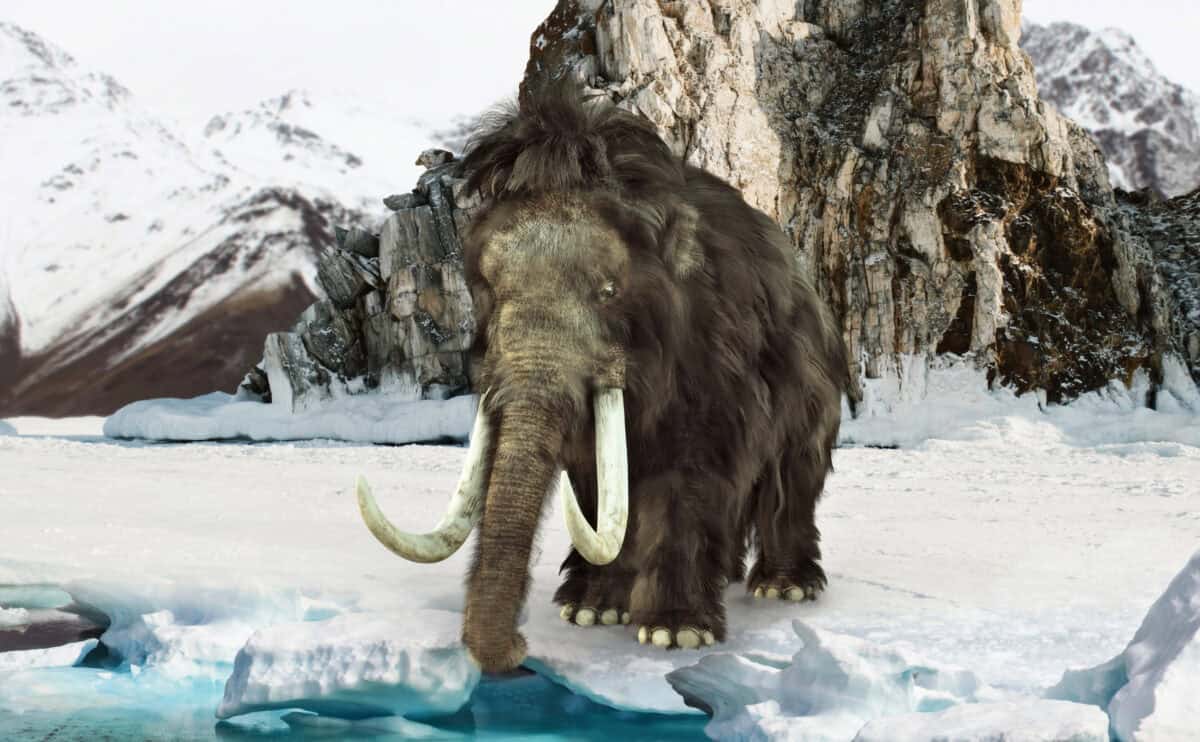
The mammoth steppe hypothesis, championed by Russian scientist Sergey Zimov and his son Nikita, suggests that large herbivores like woolly mammoths once played a crucial role in maintaining the tundra ecosystem. These massive animals trampled shrubs and moss, allowing grass to dominate the landscape. Their continuous movement compacted the snow in winter, reducing its insulating effect and helping the ground remain colder. Additionally, their grazing patterns prevented the dominance of less productive plant species, promoting a grassland ecosystem that efficiently reflected sunlight and sequestered carbon.
When mammoths disappeared, this ecosystem dynamic changed dramatically. Without large herbivores to maintain the grasslands, the landscape shifted toward shrub and moss dominance, which insulate the ground more effectively. This increased insulation, combined with darker vegetation absorbing more heat, has contributed to accelerated permafrost thaw. The Zimovs’ hypothesis suggests that reintroducing large herbivores—potentially including resurrected mammoths—could reverse this process and help preserve the permafrost, thereby preventing the massive release of stored carbon.
Colossal Undertaking: The Science of De-extinction

The scientific effort to resurrect the woolly mammoth is spearheaded by Colossal Biosciences, a company co-founded by Harvard geneticist George Church and entrepreneur Ben Lamm. Their approach doesn’t aim to create a perfect clone but rather a hybrid “mammophant”—an Asian elephant genetically modified with mammoth DNA to express cold-adapted traits. Using CRISPR gene-editing technology, scientists identify and splice mammoth genes associated with cold tolerance, such as those for smaller ears, thicker hair, and additional fat layers, into elephant DNA.
This process is immensely complex. Scientists must identify which genes are responsible for specific traits, ensure these genes function properly when inserted into elephant DNA, and overcome significant reproductive challenges. Even with successful genetic modifications, creating viable embryos requires either advanced artificial womb technology (which doesn’t yet exist for elephants) or surrogate elephant mothers—both presenting enormous technical and ethical hurdles. Colossal announced in 2023 that they’ve made progress on over 60 mammoth genes, but experts estimate that a living mammoth-elephant hybrid is still at least a decade away, with many scientific challenges still to overcome.
Pleistocene Park: A Real-world Experiment

While geneticists work on mammoth de-extinction, the Zimov family has already begun testing the mammoth steppe hypothesis through their ambitious project called Pleistocene Park. Established in 1996 in northeastern Siberia, this 14,000-hectare experimental nature reserve aims to recreate the ecosystem of the Pleistocene epoch by reintroducing large herbivores that historically inhabited the region. Currently, the park hosts bison, musk oxen, horses, reindeer, and other grazers that serve as ecological proxies for extinct megafauna.
Initial results from Pleistocene Park have been promising, showing that large herbivores can indeed transform the landscape. Areas with abundant grazers have shown a shift from moss and shrub dominance to more productive grasslands. Perhaps most importantly, soil temperatures in grazed areas are measurably colder than in ungrazed control plots, suggesting that the animals’ impact on vegetation and snow compaction helps preserve the permafrost. While these early findings support the core concept behind mammoth resurrection, the experiment continues to gather crucial data about ecosystem dynamics that would inform any future mammoth reintroduction efforts.
Ecological Impact: The Mammoth as Ecosystem Engineer

Woolly mammoths were quintessential “ecosystem engineers”—species that significantly modify their environment and create habitat for other organisms. Their feeding habits cleared woody vegetation, promoting grassland growth. Their massive bodies created paths through dense vegetation, facilitating movement for other species. Even their dung played a vital role, redistributing nutrients and seeds across the landscape. Perhaps most importantly, their interaction with soil and vegetation helped maintain the permafrost, which is crucial for carbon sequestration.
Modern research suggests that reintroducing mammoth-like creatures could produce similar ecological benefits. Computer models indicate that large herbivores could reduce permafrost temperatures by up to 3.8 degrees Celsius by altering vegetation composition, increasing ground reflectivity, and compacting insulating snow layers. With permafrost containing twice as much carbon as currently exists in the atmosphere, preventing its thaw could be a significant tool in fighting climate change. However, ecologists caution that today’s Arctic ecosystems have evolved for thousands of years without mammoths, and their sudden reintroduction could disrupt existing ecological relationships in unpredictable ways.
Climate Change Mitigation Potential

The potential climate benefits of mammoth reintroduction stem from their ability to help preserve permafrost and promote carbon-sequestering grasslands. When permafrost thaws, microbes decompose organic matter that has been frozen for millennia, releasing carbon dioxide and methane. By compacting snow (reducing its insulating effect) and clearing heat-absorbing shrubs, large herbivores like mammoths could help keep the ground colder, thereby slowing or preventing permafrost thaw.
Quantifying this potential impact is challenging but promising. A 2020 study published in Scientific Reports estimated that restoring large herbivore populations across the Arctic could prevent the emission of approximately 0.5 gigatons of carbon annually—equivalent to taking about 110 million cars off the road. While this represents only a fraction of global emissions (which total approximately 40 gigatons annually), it could be a significant piece of the climate solution puzzle, especially considering the potential for runaway permafrost thaw to trigger climate tipping points. However, achieving meaningful climate impact would require introducing thousands of mammoth-like creatures across vast territories, presenting logistical challenges beyond the already difficult task of creating these animals.
Ethical Considerations of De-extinction

The concept of mammoth de-extinction raises profound ethical questions that extend beyond scientific feasibility. Animal welfare concerns are paramount: would these creatures, genetically engineered to resemble an extinct species, suffer from unforeseen health issues? Could they adapt to a world that has changed dramatically since their ancestors roamed the Earth? The use of Asian elephants—an endangered species—as genetic templates and potential surrogates further complicates the ethical landscape, as does the question of whether resources devoted to de-extinction might be better spent on conserving currently endangered species.
Philosophical questions about humanity’s relationship with nature also emerge. Some argue that de-extinction represents an unhealthy continuation of humans’ desire to control nature, potentially distancing us further from accepting ecological limits and natural processes. Others suggest that since humans contributed to mammoth extinction, we have a moral obligation to restore what we’ve destroyed if technologically possible. Indigenous communities whose ancestors coexisted with mammoths hold diverse perspectives, with some supporting restoration efforts and others questioning whether such interventions respect natural cycles. These ethical dimensions highlight that mammoth de-extinction isn’t merely a scientific challenge but a complex moral issue requiring thoughtful consideration.
Alternative Approaches to Tundra Preservation

While mammoth de-extinction captures public imagination, scientists are exploring numerous other approaches to preserve the tundra and its carbon-sequestering capabilities. More immediately implementable strategies include expanding protected areas in the Arctic, reducing industrial development that damages permafrost, and implementing strict emissions reductions to slow overall warming. Some researchers advocate for more active interventions, such as artificially reflective surfaces to keep permafrost cold or methods to drain thaw lakes that accelerate permafrost degradation.
The reintroduction of existing large herbivores represents a middle path between conventional conservation and radical de-extinction. Projects like Pleistocene Park demonstrate that bison, horses, musk oxen, and reindeer can produce many of the ecological benefits attributed to mammoths without the technological complexities and ethical questions of genetic engineering. Research suggests that strategic reintroductions of these species across the Arctic could deliver significant climate benefits within decades rather than the longer timeframes associated with mammoth de-extinction. These approaches aren’t mutually exclusive—the ideal solution may involve multiple strategies working in concert to protect these critical ecosystems.
Scientific Critiques and Skepticism

Despite the exciting potential, many scientists remain skeptical about both the feasibility and effectiveness of mammoth de-extinction as a climate solution. Paleontologists point out that our understanding of mammoth ecology, while improving, remains incomplete. We cannot be certain that genetically modified elephants would behave ecologically like true mammoths, potentially undermining their expected impact on the tundra. Climate scientists question whether even successful mammoth reintroduction could meaningfully influence permafrost dynamics at the necessary scale and speed to address our urgent climate crisis.
Ecologists raise concerns about unintended consequences. Modern Arctic ecosystems have adapted to mammoth absence for thousands of years, and reintroducing megafauna could disrupt existing ecological relationships. Some researchers question the mammoth steppe hypothesis itself, suggesting that climate—not herbivores—was the primary driver of past ecosystem changes. Geneticists emphasize the enormous technical challenges still facing de-extinction efforts, with many arguing that the resources devoted to mammoth resurrection might yield greater environmental benefits if directed toward conventional conservation efforts or other climate solutions with proven effectiveness.
The Broader Implications for Conservation
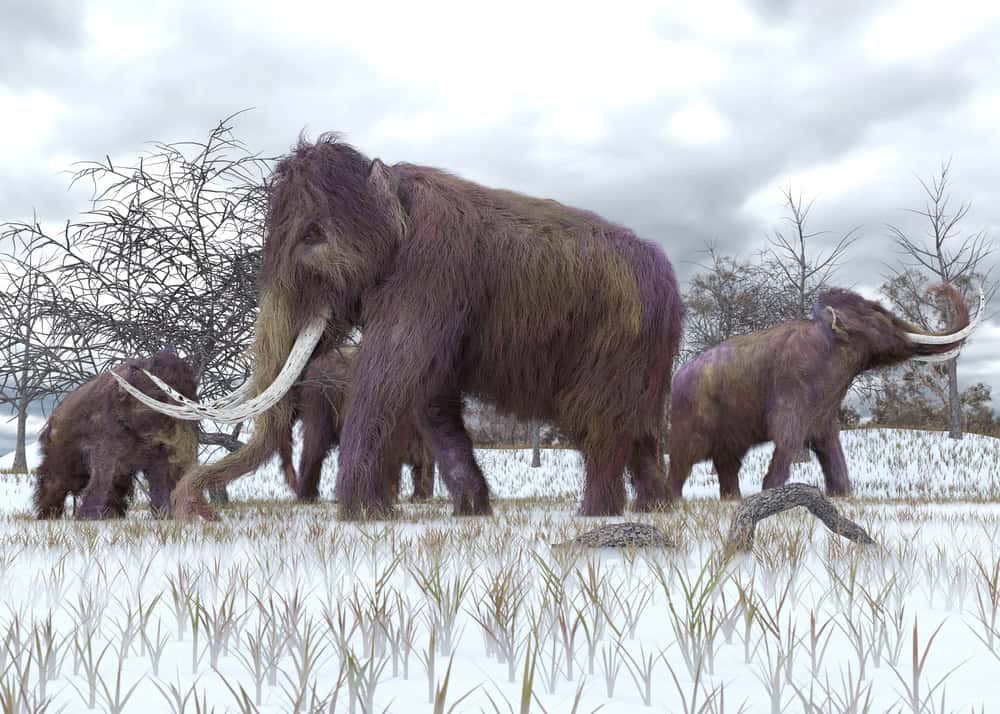
The mammoth de-extinction debate has sparked important conversations about the future of conservation science. Traditionally, conservation has focused on preserving existing species and habitats, but emerging technologies are expanding our options to include restoration of lost ecological functions through de-extinction, ecological replacement with similar species, or genetic engineering of existing organisms to fill ecological niches. This represents a potential paradigm shift from conservation as preservation to conservation as active ecological engineering.
This shift raises important questions about humanity’s role in managing ecosystems. If we develop the capability to resurrect extinct species or engineer new ones to serve ecological functions, what principles should guide these interventions? Many conservation biologists advocate for a focus on ecosystem function rather than species composition—suggesting that the goal should be healthy, resilient ecosystems rather than perfect historical recreation. Others emphasize that even with advanced biotechnology, the most effective conservation strategies may still include traditional approaches: protecting habitats, reducing exploitation, and mitigating climate change. The mammoth de-extinction project, regardless of its ultimate success, is already contributing to this evolution in conservation philosophy.
Conclusion: Balancing Innovation and Ecological Wisdom
The question of whether mammoth de-extinction could save the tundra defies simple answers. The scientific evidence suggests that large herbivores do influence tundra ecosystems in ways that could help preserve permafrost and sequester carbon, potentially contributing to climate change mitigation. However, the path from this ecological understanding to successfully implementing mammoth reintroduction faces enormous scientific, ethical, and practical challenges that cannot be underestimated.
Perhaps the most valuable aspect of the mammoth de-extinction project is how it has expanded our thinking about conservation possibilities and human responsibilities toward the planet. Whether or not woolly mammoth-elephant hybrids ever roam the tundra, the research inspired by this goal is already yielding insights into ecosystem dynamics, climate processes, and genetic technologies that could benefit conservation broadly.
The mammoth de-extinction debate reminds us that addressing climate change and biodiversity loss will likely require both innovative technologies and ecological wisdom. While we should remain open to revolutionary approaches like de-extinction when supported by sound science, we must also recognize that protecting existing ecosystems, reducing emissions, and restoring damaged habitats remain our most proven and immediately actionable strategies. The woolly mammoth’s greatest contribution to the modern world may ultimately be as a symbol of our evolving relationship with nature—one that increasingly blends reverence for natural processes with recognition of our power and responsibility to repair what we’ve damaged.
As we face unprecedented ecological challenges, the story of the mammoth encourages us to draw inspiration from the past while creating new tools for Earth’s future. Whether through de-extinction or more conventional approaches, the urgent task of preserving the tundra’s vital carbon stores represents one of humanity’s most important ecological imperatives in the coming decades.

- Why You Should Never Approach a Sleeping Hippo - July 21, 2026
- The Truth About Hyena Intelligence and Social Power - July 21, 2026
- The Glasswing Butterfly: Nature’s Invisible Beauty - July 21, 2026