

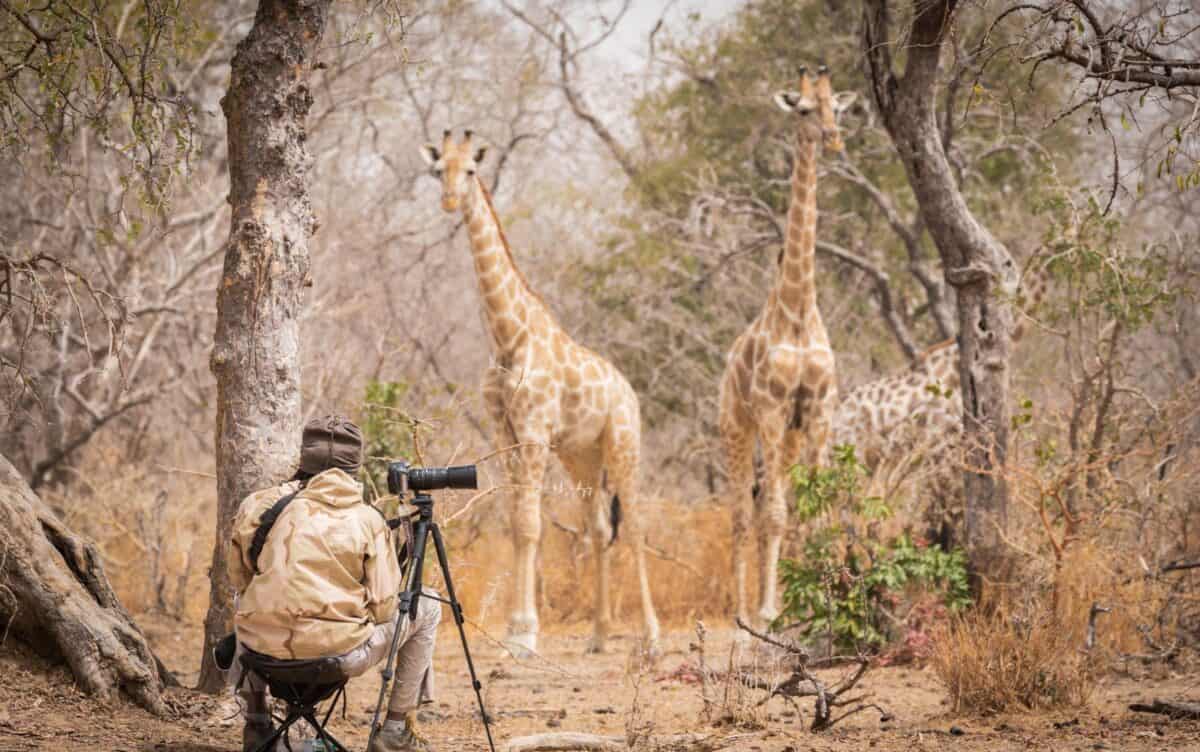
Wildlife photography allows us to capture the beauty and behavior of animals in their natural habitats, creating powerful connections between viewers and the natural world. However, with this privilege comes significant responsibility. As interest in wildlife photography grows, so does the potential impact on the animals we seek to photograph. This comprehensive guide will walk beginners through the essential principles and practices of ethical wildlife photography, ensuring your passion for capturing stunning images doesn’t come at the expense of wildlife welfare.
Understanding Wildlife Photography Ethics
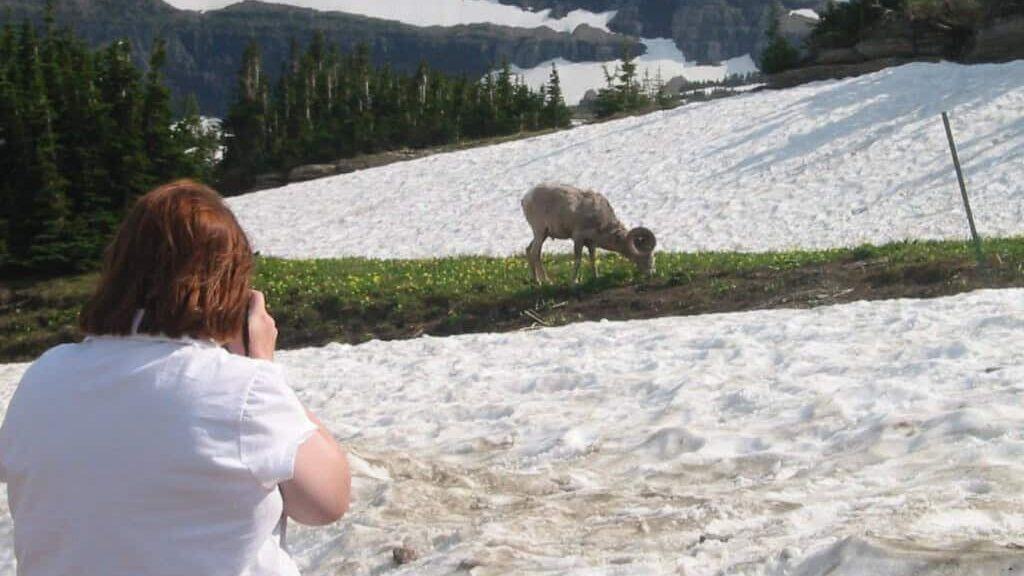
Ethical wildlife photography is guided by one fundamental principle: the welfare of the subject always comes before the photograph. This means making decisions that prioritize an animal’s well-being over getting the “perfect shot.” Wildlife photography ethics involve respecting animals’ natural behaviors, habitats, and boundaries while minimizing stress and disruption. As photographers, we are guests in wild animals’ homes, and our presence should leave no lasting negative impact. Understanding these core ethics helps create not only better photographs that authentically represent wild animals but also ensures the sustainability of wildlife photography for generations to come. The most compelling wildlife images are those captured through patience and respect, not manipulation or disturbance.
Essential Equipment for Minimal Impact
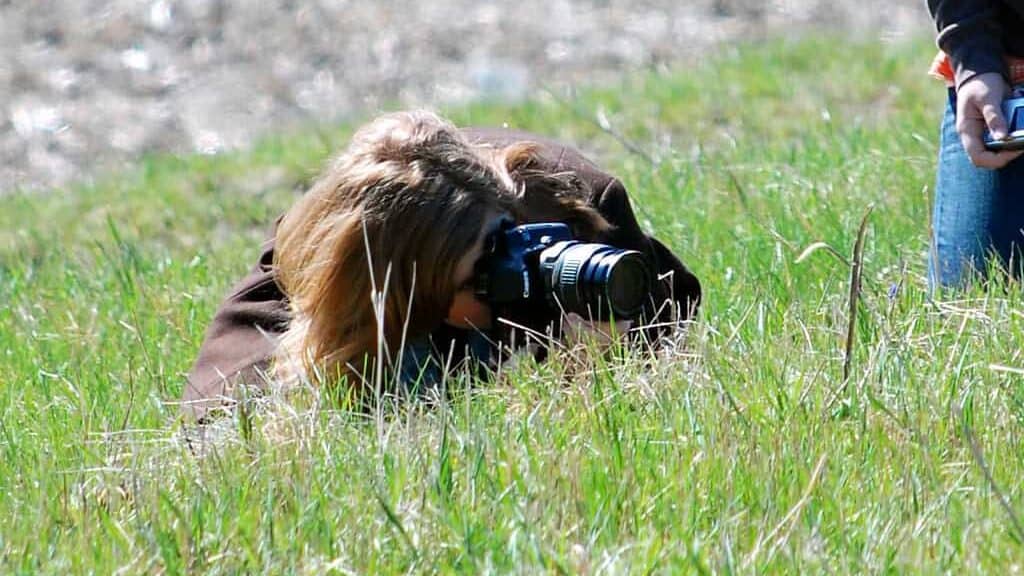
The right equipment is crucial for ethical wildlife photography, allowing you to maintain a safe distance while still capturing detailed images. A telephoto lens (minimum 300mm, though 400-600mm is ideal for most wildlife) lets you photograph animals without approaching too closely. Consider a sturdy tripod to stabilize your camera during long waits and prevent camera shake with heavy lenses. Neutral-colored clothing that blends with the environment helps minimize your visual presence. Depending on your location, consider weather protection for your gear and possibly a blind or hide for unobtrusive observation. Remember that the best equipment investment isn’t always about getting the most expensive gear, but rather tools that allow you to work at appropriate distances for your subjects. Even entry-level telephoto lenses can enable ethical photography when used thoughtfully.
Research Before You Shoot
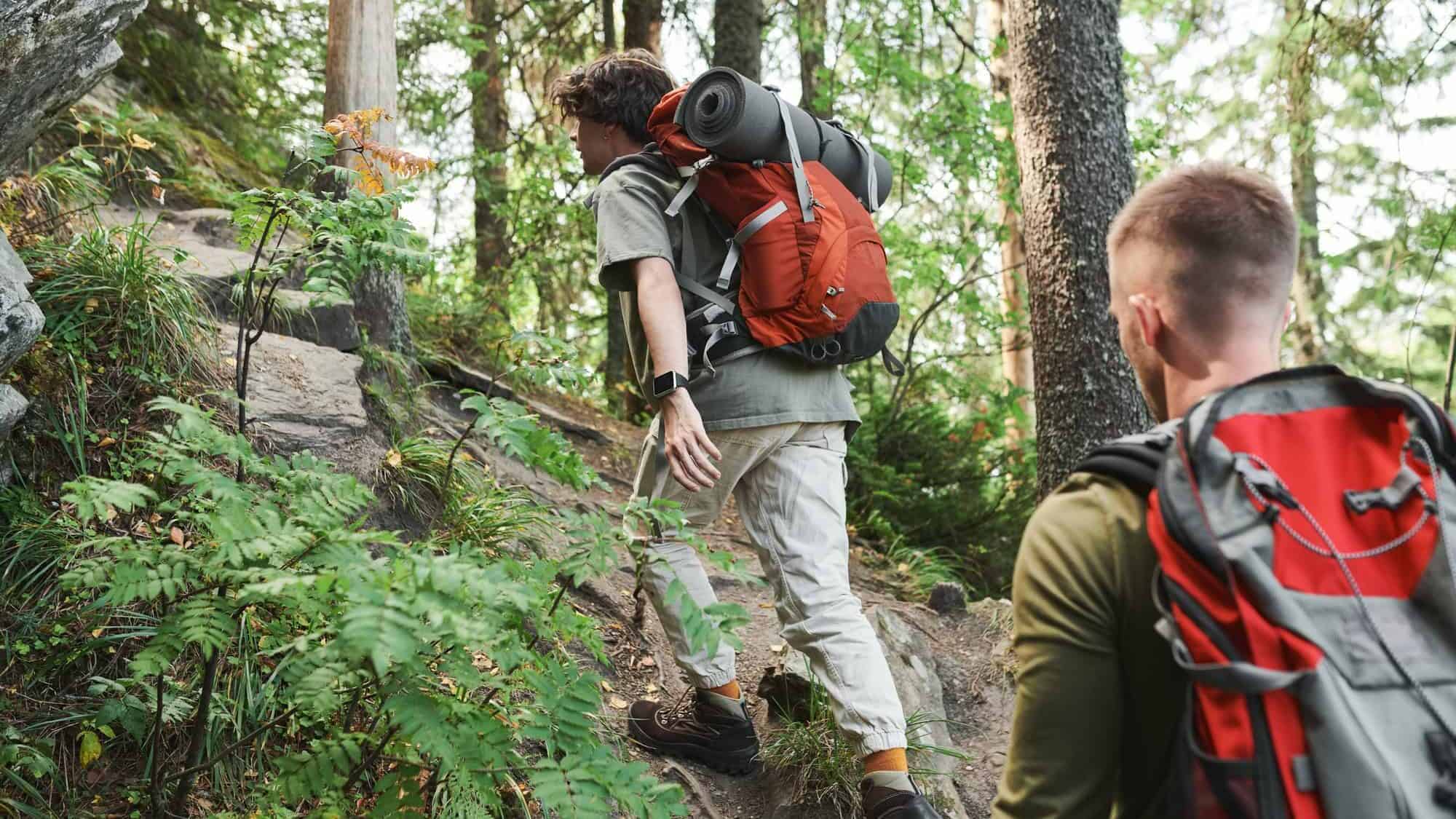
Thorough research is essential before heading into the field. Learn about the species you hope to photograph—their behaviors, habitats, daily routines, and sensitivity to human presence. Understanding an animal’s body language helps you recognize signs of stress or discomfort, signaling when to back away. Research the specific location and any regulations or guidelines that may apply, including protected areas, seasonal restrictions, or permit requirements. Connect with local guides, conservation organizations, or experienced photographers familiar with the area who can provide valuable insights. The more knowledgeable you are about your subjects and their environment, the more respectful your approach will be and the more authentic your images. This preparation also increases your chances of successful photography by helping you anticipate behavior and be in the right place at the right time without causing disruption.
Maintaining Proper Distance
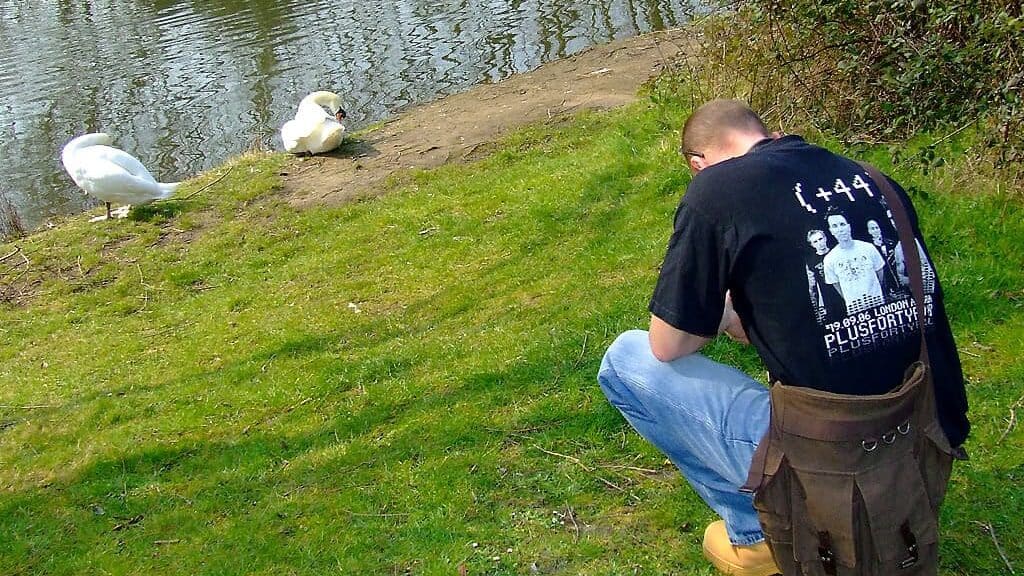
Keeping an appropriate distance from wildlife is perhaps the most fundamental ethical practice in wildlife photography. The correct distance varies by species, situation, and environment, but the general rule is to remain far enough away that the animal shows no awareness of or reaction to your presence. Use your telephoto lens to close this distance visually rather than physically. If an animal changes its behavior—stops feeding, turns repeatedly to look at you, displays alarm calls, or moves away—you’re too close and should back up immediately. For many species, professional photographers use the “rule of thumb”: if you can cover the animal with your thumb when your arm is extended, you’re at a reasonable distance. Remember that some animals may appear unbothered while actually experiencing stress, so err on the side of caution. The photographs that result from patient, distant observation often capture more natural and compelling behavior than close-up approaches.
The Art of Patience and Observation
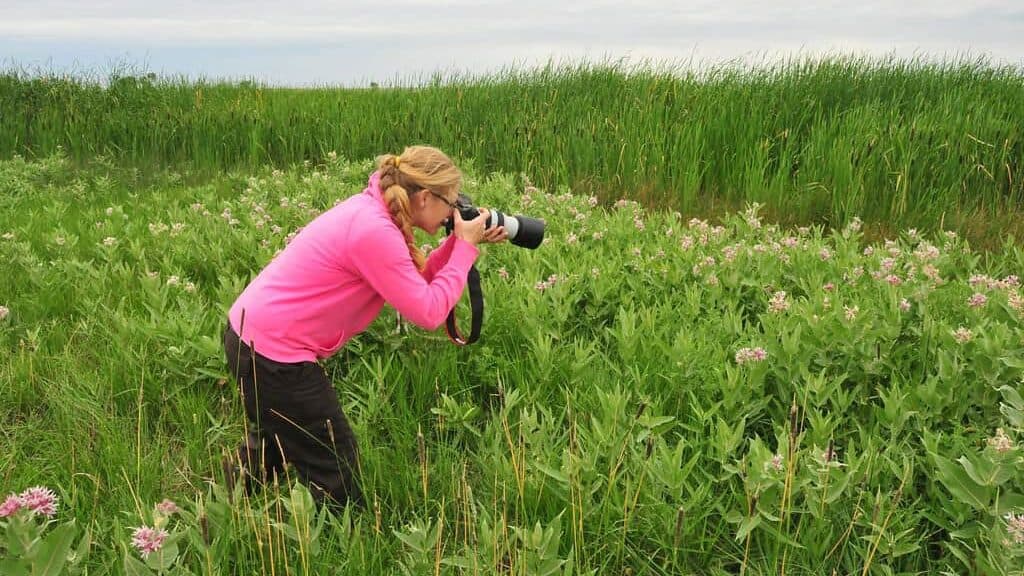
Patience is the wildlife photographer’s greatest virtue and most powerful tool. Great wildlife images rarely happen quickly—they’re the result of hours, days, or even weeks of waiting and observing. Rather than pursuing animals or attempting to manipulate situations, find a suitable location, settle in, and wait for wildlife to present natural behavior. This approach yields more authentic images and minimizes disturbance to animals. Use this waiting time to observe subtle behaviors and patterns you might otherwise miss. Many professional wildlife photographers spend more time watching than photographing, developing an intimate understanding of their subjects. Observation skills improve with practice, helping you anticipate important moments and be ready when they occur. Consider keeping a field journal to record behaviors, lighting conditions, and successful approaches to enhance future photography sessions. Remember that sometimes the most memorable wildlife encounters may not result in photographs at all, but the experience itself becomes valuable.
Understanding and Respecting Wildlife Behavior
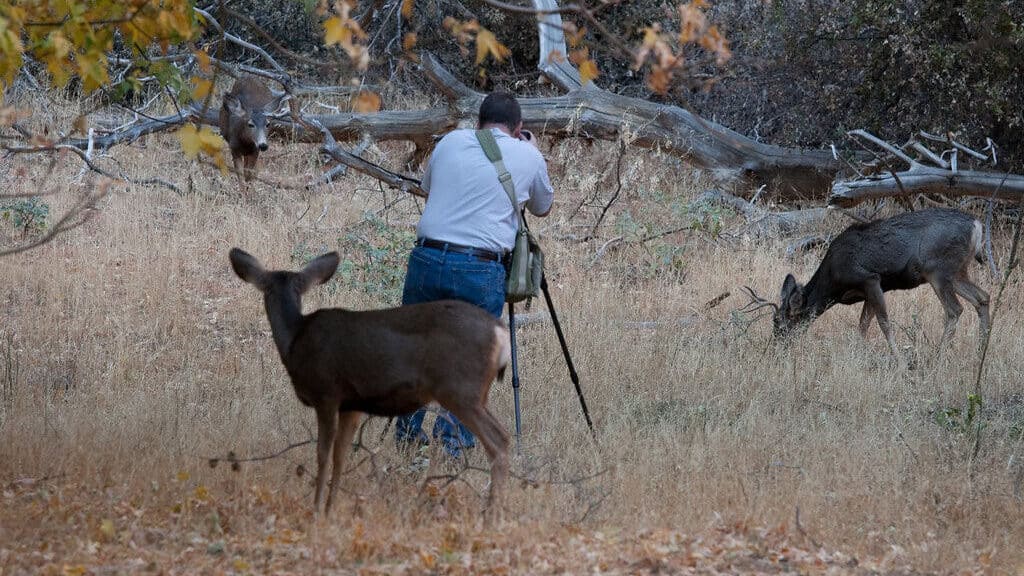
Recognizing animal behavior patterns is crucial for ethical wildlife photography. Learn to identify signs of stress, which may include alert postures, ceased feeding, alarm calls, defensive displays, or retreat. Different species display stress in various ways—some may freeze rather than flee, but this doesn’t mean they’re comfortable with your presence. Be especially cautious during sensitive times such as breeding seasons, when parents are caring for young, during migration, or in extreme weather conditions when animals may already be stressed. Never attempt to elicit reactions by making noises, throwing objects, or otherwise interfering with natural behavior. Maintain extra distance from nesting sites, dens, or burrows. The ability to “read” an animal’s comfort level takes time to develop but becomes an essential skill for the ethical wildlife photographer. When in doubt about whether your presence is causing distress, always choose to back away and give the animal more space.
The Ethics of Baiting and Calling
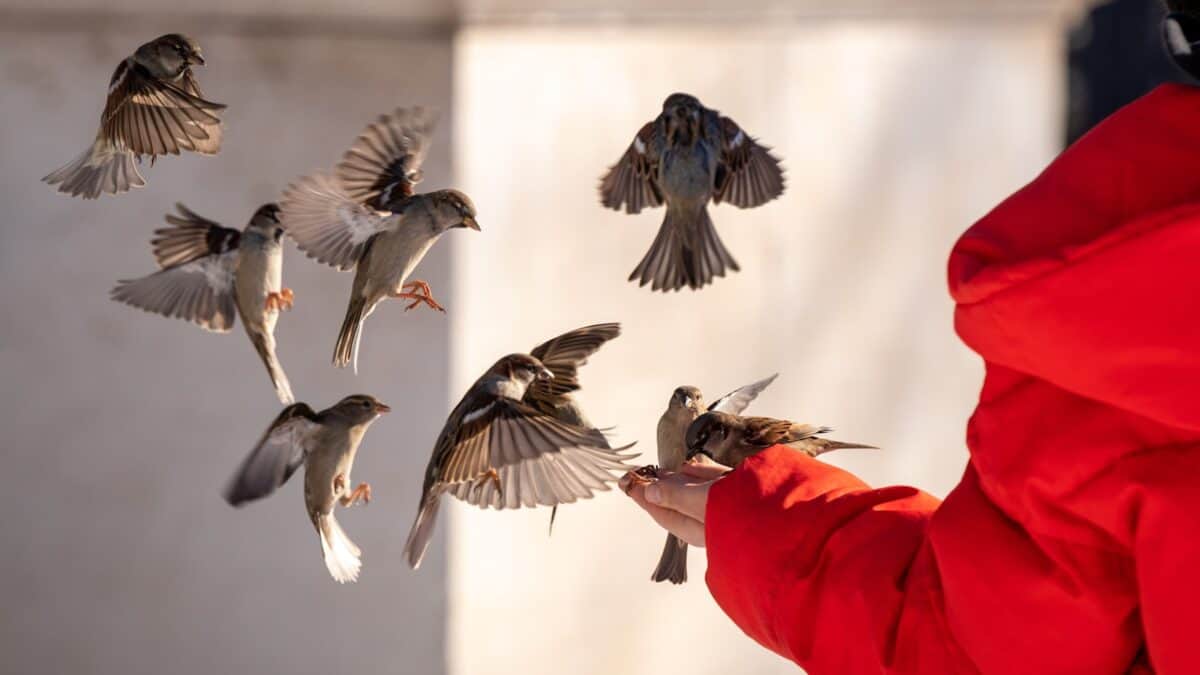
Baiting (using food to attract wildlife) and calling (using sounds to draw animals closer) are controversial practices in wildlife photography. Most conservation organizations and ethical guidelines discourage these methods as they can alter natural behavior, create dependence on humans, lead to habituation, and potentially endanger both animals and people. Feeding wildlife can lead to nutritional problems, teach animals to associate humans with food (which may lead to conflict), and alter natural feeding patterns. While some controlled environments may permit baiting under specific guidelines, beginners should avoid these practices entirely. Instead, develop field craft skills that allow you to find and photograph animals ethically. If you encounter wildlife that appears habituated to humans, maintain ethical standards even if the animals seem approachable. When viewing others’ wildlife photography, be critical of images that show signs of baiting or manipulation, and avoid supporting photographers who use these techniques.
Navigating Habitat with Minimal Impact

Moving through wildlife habitats requires careful consideration to minimize your physical impact. Stick to established trails and paths whenever possible to avoid damaging vegetation or disturbing hidden nests or burrows. When off-trail movement is necessary, tread lightly and be aware of where you place your feet and equipment. Never break branches, clear vegetation, or otherwise alter the environment to improve your view or composition. In sensitive environments like wetlands or alpine areas, damage can persist for years after your visit. Carry out all trash and equipment, leaving no trace of your presence. Consider the cumulative impact of multiple photographers—even if your individual actions seem minor, repeated disturbance by many visitors can significantly stress wildlife and damage habitats. Some photographers choose to document environmental concerns they observe, using their images to raise awareness about habitat threats while being careful not to contribute to these problems themselves.
Working with Local Communities and Guides
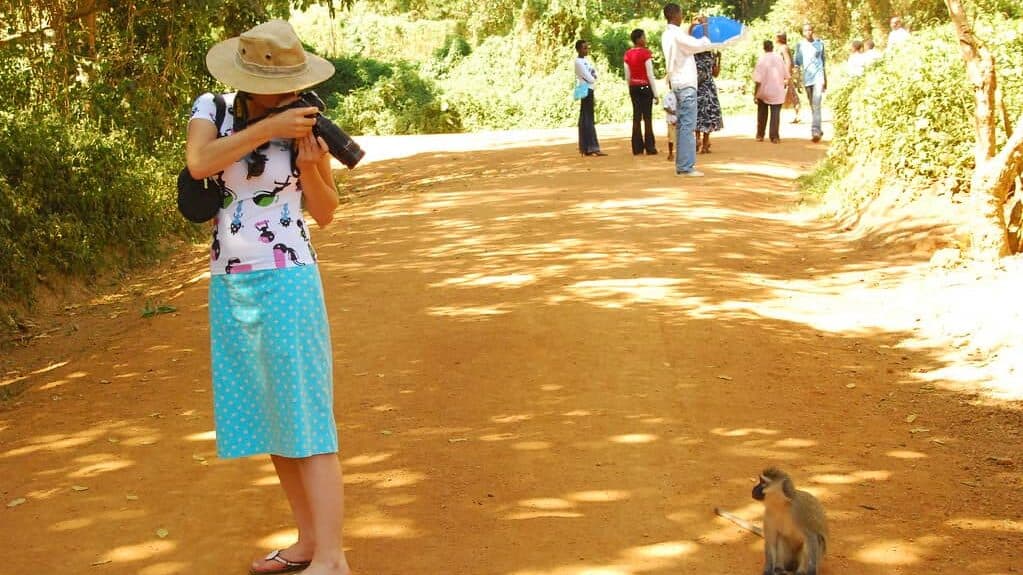
Engaging respectfully with local communities is an essential component of ethical wildlife photography, particularly when working in unfamiliar areas. Local guides often possess invaluable knowledge about wildlife behavior and locations that can help you find subjects while minimizing impact. Hiring local guides also provides economic benefits to communities, potentially creating incentives for wildlife conservation. When working with guides, clearly communicate your ethical standards and ensure they share your commitment to animal welfare. Respect local customs, regulations, and land access restrictions. Some areas may have cultural or spiritual significance that affects how or whether photography should take place. Learn about local conservation challenges and consider how your presence and images might positively contribute. Building relationships with communities can open doors to unique photographic opportunities while fostering mutual respect and understanding. Remember that as a visitor, you’re a representative of the broader wildlife photography community, and your behavior influences local attitudes toward photographers.
The Truth in Captioning and Editing

Ethical wildlife photography extends beyond field practices to how images are presented and shared. Honest captioning is crucial—clearly distinguish between photographs of truly wild animals and those taken in controlled settings, captivity, or game farms. Misrepresenting the circumstances of an image (such as claiming a captive animal is wild) damages public understanding of wildlife and natural behavior. When editing photos, maintain the integrity of what you observed. While basic adjustments to exposure, contrast, and color are standard practice, significant manipulations that alter the reality of a scene (removing elements, compositing images, or drastically changing colors) cross ethical boundaries unless clearly labeled as artistic interpretations. Consider including educational information with your images about the species, its conservation status, or behaviors observed. This context enhances the value of wildlife photography as a tool for awareness and education. Transparency builds trust with your audience and contributes to a culture of honesty in wildlife photography.
Using Social Media Responsibly

Social media has revolutionized wildlife photography sharing, but brings significant ethical considerations. When posting wildlife images, consider whether revealing specific locations might lead to overcrowding or disturbance, particularly for sensitive or rare species. Many photographers now withhold or generalize location information to protect vulnerable subjects. Be thoughtful about the message your images and captions convey—do they promote respectful wildlife viewing practices or potentially encourage harmful behaviors? Use your platform to educate followers about ethical approaches and conservation issues. Consider the impact of popularity metrics on your decision-making; the pursuit of “likes” should never compromise wildlife welfare. When encountering potentially unethical images or practices online, consider respectfully engaging to raise awareness rather than confrontational approaches. Many ethical violations stem from lack of knowledge rather than malicious intent. Social media communities can be powerful forces for establishing and reinforcing ethical standards when used thoughtfully.
Contributing to Conservation Through Photography
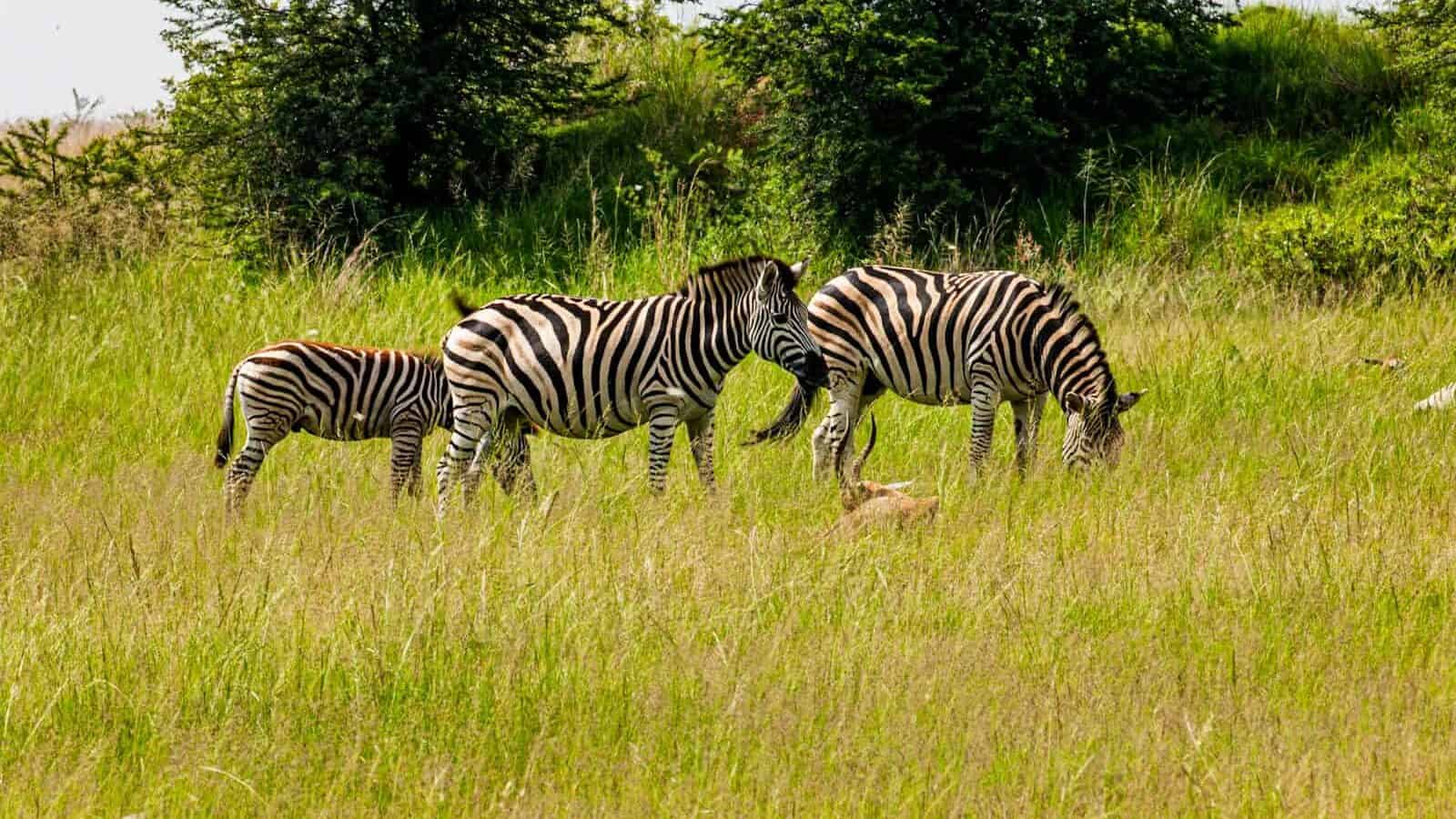
Wildlife photography can be a powerful conservation tool when approached ethically and purposefully. Consider how your images might support conservation efforts—whether by documenting threatened species or habitats, challenging harmful practices, or simply inspiring appreciation for wildlife. Many conservation organizations welcome contributions from photographers to help visualize their work and raise awareness. Some photographers partner with scientists to document species behavior or population dynamics, providing valuable data while creating compelling images. Even without formal partnerships, your photographs can tell stories that highlight conservation challenges or successes. When sharing images, include information about conservation status and threats facing the species or their habitats. Some photographers donate portions of print sales to conservation causes or use their platforms to promote fundraising efforts. By aligning your wildlife photography with conservation goals, your hobby or profession becomes part of the solution to environmental challenges rather than adding to them.
Ethical wildlife photography is not a fixed destination but a continuous learning process that evolves with increased knowledge, changing conservation priorities, and growing awareness. What begins as basic principles develops into nuanced understanding as you gain experience in the field. Remain open to new information about best practices, wildlife behavior, and conservation concerns. Connect with other ethical photographers through forums, social media groups, or photography clubs to share experiences and challenges. Consider formal learning through workshops led by photographers known for their ethical approaches or courses offered by conservation organizations. Remember that ethical standards may vary between cultures and contexts, requiring adaptability and respect. Periodically review your own practices and images with a critical eye, asking whether they represent your highest ethical standards. The reward for this commitment is not just better, more authentic wildlife images, but the knowledge that your passion for photography actively contributes to wildlife conservation rather than compromising it. In a world of increasing environmental pressures, ethical wildlife photographers become advocates for the natural world through both their images and their practices.

- How Crickets Chirp Using Their Wings - July 20, 2026
- The Largest Sea Turtle Ever Rescued Off North Carolina - July 20, 2026
- The Ocean’s Escape Artist: Why Octopuses Outsmart Us All - July 20, 2026