


When two predators set their sights on the same prey resource, a complex ecological drama unfolds. This competition shapes ecosystems, influences evolution, and drives behavioral adaptations that have fascinated scientists for generations. From African savannas where lions and hyenas clash over wildebeest to suburban backyards where hawks and house cats target the same songbirds, competitive interactions between predators create ripple effects throughout food webs. These relationships aren’t simply about which predator “wins” – they’re sophisticated ecological relationships that help maintain biodiversity and ecosystem balance. Let’s explore the fascinating dynamics that emerge when predators become competitors.
The Ecological Concept of Competition
Competition in ecology refers to the interaction between organisms that utilize the same limited resources, such as food, space, or mates. When two predator species target the same prey population, they engage in what ecologists call “exploitative competition.” This fundamental ecological process occurs when predators indirectly compete by reducing the availability of a shared resource. Unlike direct interference competition where physical confrontation occurs, exploitative competition can happen even when predators never encounter each other face-to-face. The mathematical representation of competition was formalized in the Lotka-Volterra competition model, which demonstrates how two species competing for the same resource cannot coexist indefinitely if their ecological niches completely overlap—a principle known as competitive exclusion.
Types of Predatory Competition

When predators compete for prey, their interactions generally fall into two categories: interference competition and exploitation competition. Interference competition involves direct confrontation—predators may fight, steal kills, or otherwise directly interact to gain advantage. A classic example is lions and hyenas in Africa, where physical confrontations over carcasses are common.
Exploitation competition is more subtle, occurring when predators independently harvest from the same prey population, reducing its availability for others without direct interaction. Additionally, apparent competition can emerge when two predator species indirectly affect each other by influencing their shared prey’s behavior or population dynamics. These competition types aren’t mutually exclusive; most predator-predator relationships involve elements of both interference and exploitation competition, creating complex ecological interactions that shape community structures.
The Competitive Exclusion Principle

The competitive exclusion principle, first articulated by G.F. Gause in the 1930s, states that two species competing for exactly the same resources cannot stably coexist. This ecological rule suggests that when two predators compete intensely for identical prey in identical ways, one will inevitably outcompete and potentially eliminate the other. For example, in studies of closely related bird species that feed on the same insects, subtle differences in beak shape often develop, allowing each species to specialize in slightly different prey items.
Without such differentiation, competitive exclusion predicts that the more efficient predator will eventually dominate. However, natural ecosystems rarely demonstrate perfect competitive exclusion because predators typically differ in hunting strategies, activity patterns, or preferred prey characteristics, allowing for resource partitioning and coexistence. The principle remains fundamental to understanding how competition shapes communities, driving evolutionary adaptations that reduce niche overlap between competing predators.
Resource Partitioning Strategies

Resource partitioning represents nature’s solution to competitive exclusion, allowing similar predators to coexist by exploiting different aspects of shared resources. When predators compete for the same prey species, they often develop specializations that reduce direct competition. These specializations can involve temporal partitioning (hunting at different times), spatial partitioning (utilizing different habitats), or prey characteristic partitioning (targeting different sizes or ages of the same prey species).
For instance, in African savannas, cheetahs, lions, and leopards all hunt similar ungulate species but minimize competition through different hunting strategies and prey size preferences. Cheetahs typically pursue smaller gazelles in open areas during daylight, leopards ambush medium-sized prey near cover, while lions often tackle larger ungulates through group hunting. These partitioning strategies aren’t just behavioral adaptations—they often drive physical adaptations like body size differences, specialized dentition, or locomotor adaptations that further reduce competitive overlap and allow multiple predator species to share ecosystems.
Intraguild Predation
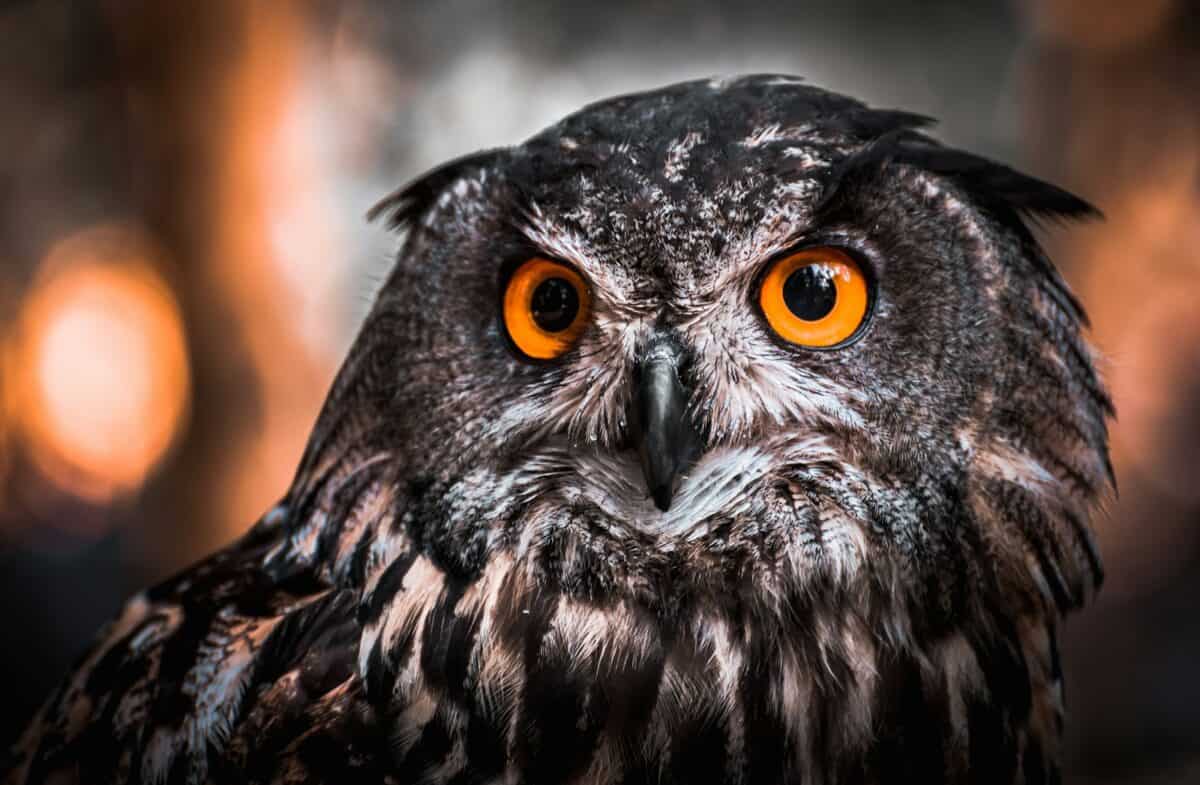
Intraguild predation represents a particularly intense form of predatory competition where one predator species not only competes with another for prey but actually consumes the competitor itself. This phenomenon combines the ecological effects of competition and predation into a single interaction. Large carnivores like wolves may kill and sometimes consume smaller predators such as coyotes that compete for ungulate prey. Similarly, larger owl species will hunt smaller owls that target the same rodent populations.
Intraguild predation creates complex dynamics within food webs, as the dominant predator gains both reduced competition and nutritional benefits from consuming its competitor. The risk of becoming prey typically forces subordinate predators to modify their behavior, often avoiding optimal hunting areas or times when dominant predators are active. This spatial or temporal shifting can create cascading effects throughout ecosystems, as the suppressed hunting activity of mid-level predators may release pressure on their primary prey species, demonstrating how intraguild predation can reshape entire ecological communities.
Mesopredator Release Phenomenon

Mesopredator release occurs when a dominant predator is removed from an ecosystem, allowing smaller, mid-ranking predators (mesopredators) to increase in abundance and activity. This ecological cascade often happens when apex predators like wolves, big cats, or sharks decline due to human activities. Without the competitive pressure and direct threat from apex predators, mesopredators—such as coyotes, raccoons, or smaller shark species—experience population booms and behavioral changes.
The ecological consequences can be significant and often detrimental. For example, after wolf populations were eliminated from large portions of North America, coyote populations exploded, changing predation patterns on smaller mammals and birds. Similarly, when dingoes were removed from areas in Australia, fox and cat populations increased dramatically, contributing to small marsupial extinctions. Mesopredator release illustrates how competition between predators actually serves as an important regulatory mechanism in healthy ecosystems, with top predators indirectly protecting biodiversity by controlling mesopredator abundance and behavior through competitive interactions.
Behavioral Adaptations to Competition
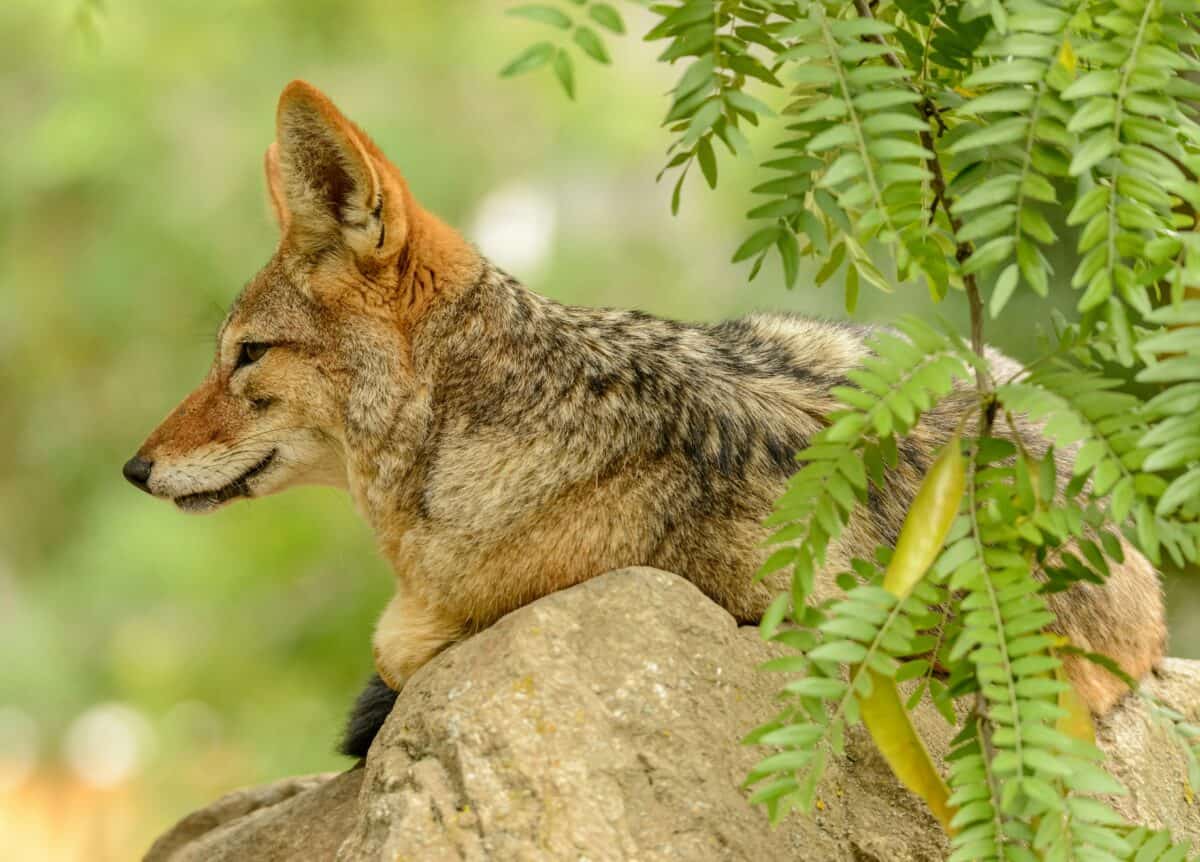
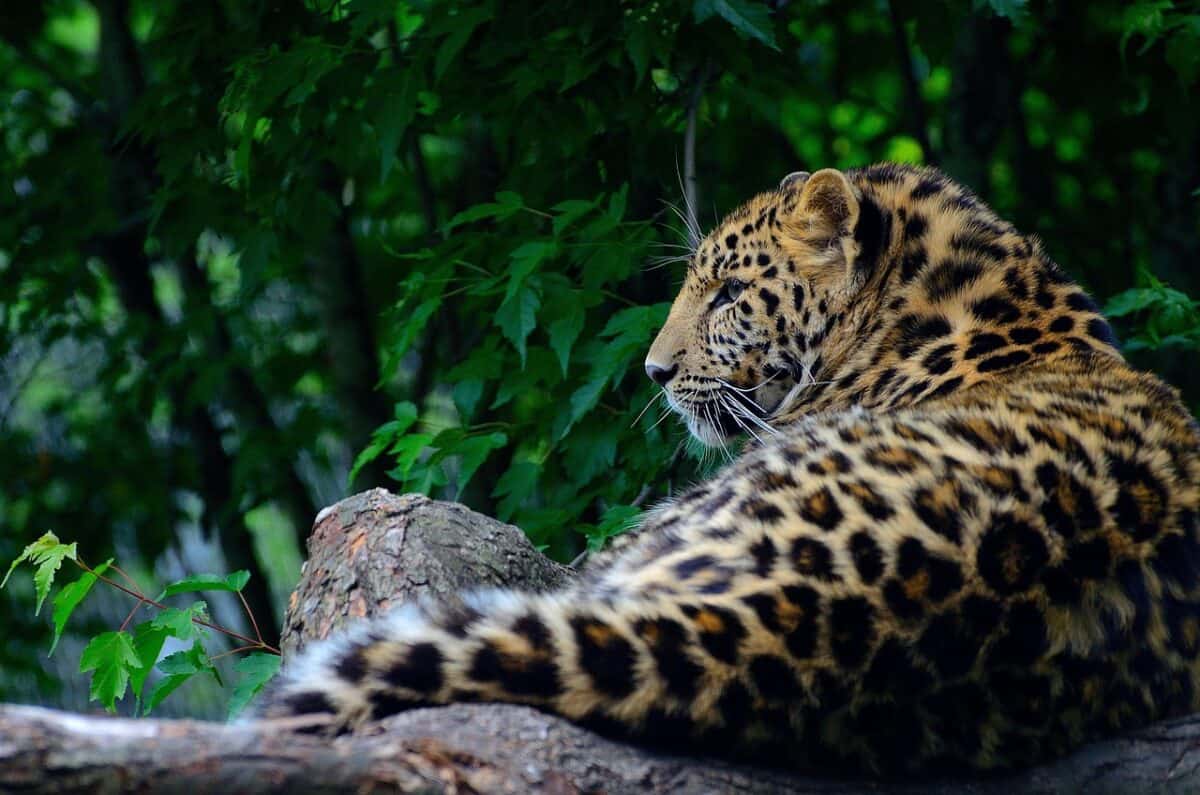
When predators compete for the same prey, they develop sophisticated behavioral adaptations to maintain competitive advantage. These adaptations include modified hunting techniques, adjusted activity patterns, and specialized prey selection strategies. For example, leopards in areas with high lion populations frequently drag kills into trees to avoid losing them to these larger competitors. Coyotes hunting in wolf territory may become more nocturnal or hunt in larger groups to improve competitive success.
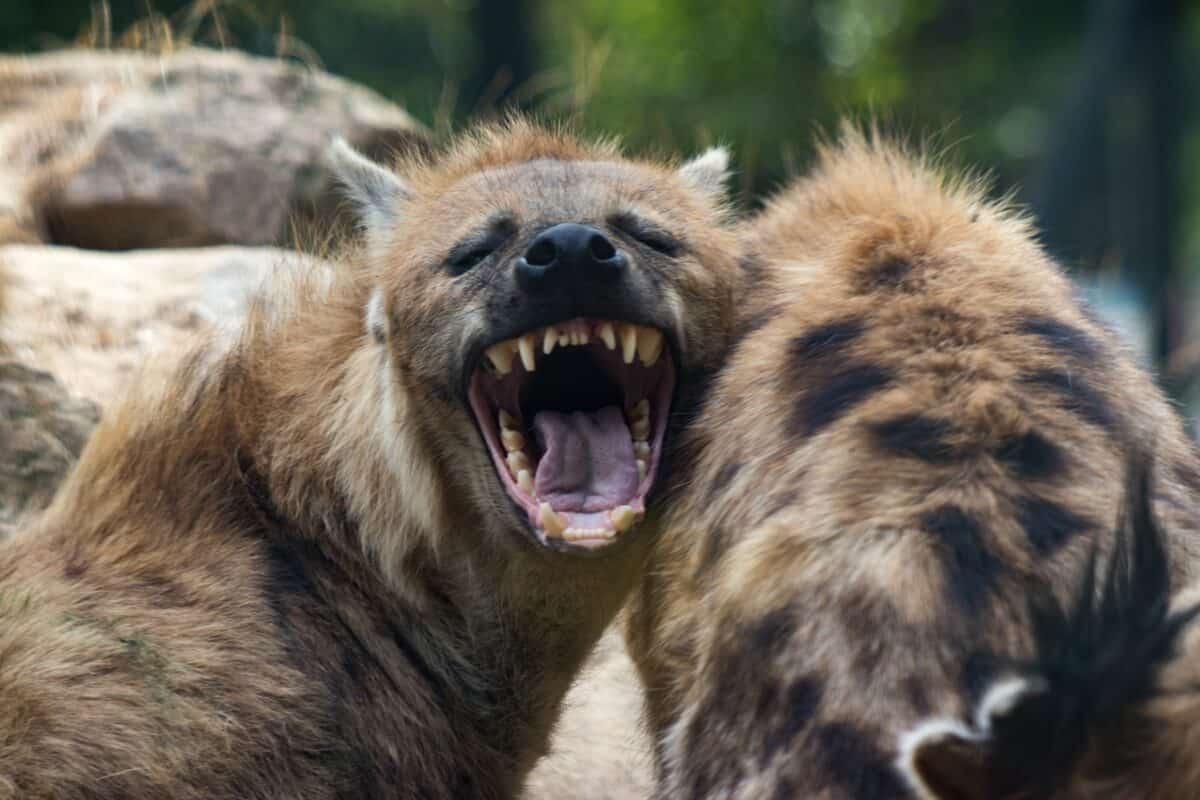
Some predators develop kleptoparasitic behaviors—specialized techniques for stealing kills from competitors, like hyenas that follow hunting lions or skuas that harass fishing seabirds. Competition can also drive predators to become more efficient hunters; studies show that some predator species invest in higher-risk hunting strategies when competition is intense, pursuing more dangerous prey or hunting in more challenging conditions. These behavioral shifts demonstrate the remarkable plasticity of predator behavior and highlight how competition serves as a powerful evolutionary force shaping hunting strategies across predator species.
Morphological Evolution Under Competition

Competition between predators for shared prey resources has been a powerful driver of morphological evolution throughout natural history. When predators consistently compete, natural selection often favors physical adaptations that reduce niche overlap. This process, called character displacement, can result in measurable differences in body size, dentition, sensory organs, or locomotion between competing species. For instance, competing feline predators often show distinct size differentials that allow them to specialize on different-sized prey, as seen in the significant size gap between tigers and clouded leopards in Asian forests.
The remarkable variation in beak shapes among Galapagos finches demonstrates how competition for food resources drives morphological diversification. Among marine predators, differences in tooth structure between competing shark species enable specialization on different prey types. Over evolutionary time, these morphological adaptations can become increasingly pronounced, sometimes leading to speciation events. The fossil record provides compelling evidence of this process, showing how competing predator lineages diverged morphologically while sharing the same geographic range and prey resources.
Competition Across Different Ecosystems
Predator competition manifests differently across diverse ecosystems, shaped by each environment’s unique characteristics. In terrestrial ecosystems, physical barriers, habitat complexity, and prey distribution patterns create distinct competitive landscapes. Forest environments with dense vegetation typically support more predator coexistence through spatial partitioning than open grasslands where direct competition is more common. Aquatic ecosystems present different competitive dynamics; marine environments often feature high predator diversity with complex three-dimensional competition across different depths and habitats.
Freshwater systems, especially isolated lakes, may demonstrate more intense competition due to spatial constraints. Island ecosystems frequently show simplified predator communities with specialized competitive adaptations due to their isolation. Human-modified landscapes create novel competitive scenarios, with native and invasive predators competing in disrupted food webs. Climate-specific adaptations also influence competition patterns—desert predators compete under extreme resource limitations, while tropical rainforests support highly specialized predator niches that reduce competitive overlap. These ecosystem-specific variations highlight how environmental context shapes the intensity and outcomes of predator competition across the planet.
Human Impacts on Predator Competition

Human activities have dramatically altered natural patterns of predator competition worldwide, often with far-reaching ecological consequences. Habitat fragmentation creates artificial boundaries that force predators into unnaturally close competition for diminished prey resources. The introduction of invasive predator species disrupts evolved competitive relationships—European red foxes introduced to Australia outcompete native predators through superior hunting efficiency and reproductive rates.
Climate change is shifting competitive dynamics by altering prey distributions and habitat suitability, forcing predators into new competitive interactions. Hunting and fishing practices that selectively target certain predator species can artificially advantage others, creating imbalanced competition. Wildlife management policies, like predator control programs, can inadvertently trigger mesopredator release effects. Even well-intentioned conservation efforts focused on single predator species recovery can create new competitive pressures on other predators in the ecosystem. Understanding these anthropogenic effects on predator competition has become essential for effective conservation planning, as restoring natural competitive relationships between predators often proves crucial for maintaining ecosystem health and biodiversity.
Case Studies of Predator Competition
The African savanna provides one of the most thoroughly studied examples of predator competition, where lions, hyenas, leopards, cheetahs, and wild dogs form a complex competitive network for ungulate prey. Research has documented how lions suppress hyena populations through direct killing and kleptoparasitism, while hyenas similarly impact cheetahs and wild dogs. In North American forests, the reintroduction of wolves to Yellowstone National Park created a natural experiment in predator competition, demonstrating how returning apex predators reshape coyote behavior and abundance.
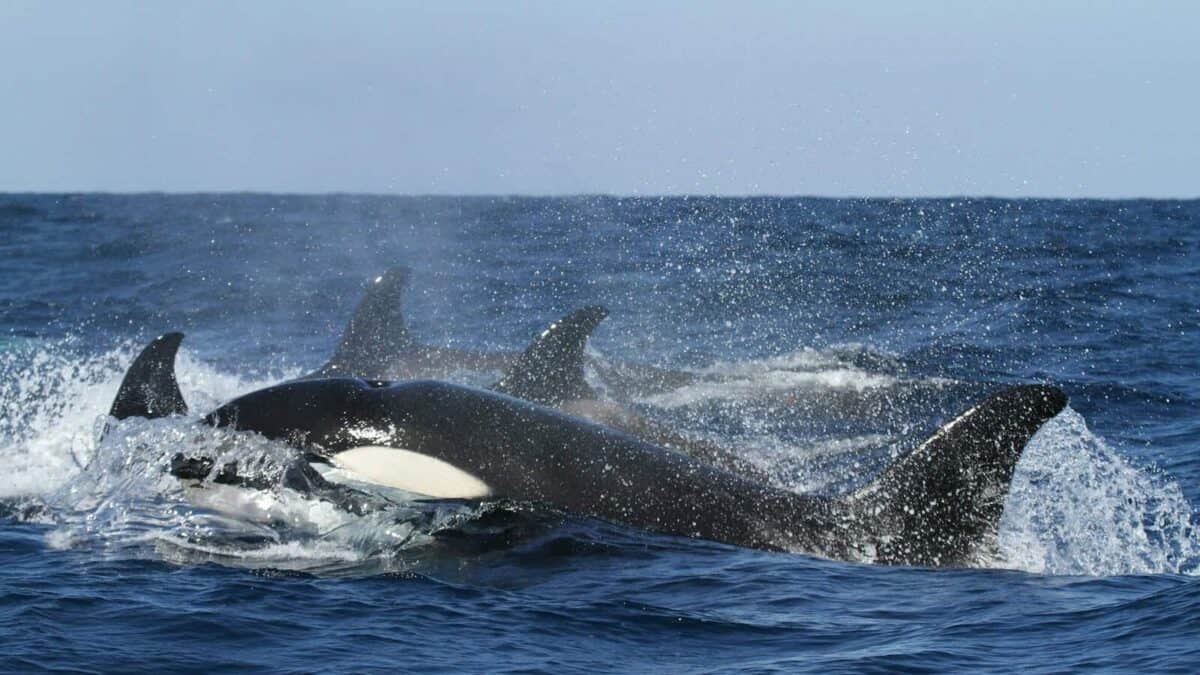
Marine environments offer equally compelling examples—great white sharks and orcas compete for seal prey along coastal regions, with studies showing that white sharks actually abandon productive hunting grounds when orcas appear. On smaller scales, fascinating competition occurs between spiders of different species that target the same insect prey, developing distinct web architectures and hunting strategies to reduce competitive overlap. The recolonization of European landscapes by recovering wolf and lynx populations provides ongoing case studies of predator competition reestablishment. These diverse examples across ecosystems illustrate both the universal principles and context-specific variations that characterize predator competition throughout the natural world.
Conclusion

The competition between predators for shared prey represents one of nature’s most significant ecological relationships, driving evolution, shaping communities, and maintaining ecosystem balance. As we’ve explored, these competitive interactions are far more complex than simple contests for food—they encompass sophisticated behavioral adaptations, morphological evolution, and multifaceted ecological effects that ripple throughout food webs.
Understanding predator competition has become increasingly urgent as human activities continue to disrupt these relationships through habitat modification, climate change, and direct impacts on predator populations. Conservation efforts increasingly recognize that protecting not just individual species but the competitive relationships between them is essential for ecosystem health. By appreciating the intricate dynamics of predator competition, we gain deeper insight into the ecological processes that have shaped our planet’s biodiversity and the conservation approaches needed to preserve these vital interactions for future generations.

From exploring the marine wonders in the Azores and witnessing the vast savannas of Kenya, to delving deep into the rich biodiversity of South Africa and traversing iconic landscapes in Australia and the US like Yellowstone, Chris's experiences are vast.
With a penchant for diving alongside sharks, the ocean holds a special place in his heart.
Through his academic insights, he champions wildlife conservation, striving with 'Animals Around The Globe' to cultivate a profound connection between humans and animals, enhancing our mutual appreciation.
Connect with him at Feedback@animalsaroundtheglobe.com.
- Why Spiders Don’t Get Stuck in Their Own Webs - July 20, 2026
- What Scientists Found in a 10,000-Year-Old Beehive - July 20, 2026
- This Spider Builds Fake Decoys of Itself - July 20, 2026