


Climate change stands as one of the most significant threats facing global biodiversity today. As temperatures rise, weather patterns shift, and ecosystems transform, thousands of animal species find themselves in an increasingly precarious position. According to the International Union for Conservation of Nature (IUCN), over 34,000 species are currently threatened with extinction, with climate change acting as a key driver for many. This crisis extends beyond the oft-discussed polar bears and coral reefs to impact creatures across every continent and ocean. From the smallest insects to the largest mammals, climate change is reshaping life on Earth at an unprecedented rate, challenging species’ ability to adapt and survive in rapidly changing environments.
The Scale of the Threat

The numbers paint a sobering picture of climate change’s impact on global biodiversity. The IUCN Red List indicates that approximately one million animal and plant species now face extinction, many within decades, with climate change acting as a major contributing factor. A 2019 study published in Nature Climate Change found that up to 16% of species globally could be at risk of extinction due to climate change alone.
For certain groups, the threat is even more severe – the IPCC estimates that 70-90% of warm-water coral reefs could disappear with a 1.5°C increase in global temperature, while a 2°C rise could result in a 99% loss. These statistics represent not just numbers, but entire species with unique evolutionary histories, ecological roles, and genetic information that could be permanently lost.
Impact on Marine Ecosystems

Marine animals face multiple climate-related threats, with ocean acidification being particularly devastating. As the ocean absorbs about 30% of human-produced carbon dioxide, seawater chemistry changes, making it increasingly difficult for corals, mollusks, and other calcifying organisms to build their shells and skeletons. Rising ocean temperatures have triggered mass coral bleaching events with increasing frequency – five global events have occurred since 1998, with the 2014-2017 event affecting 70% of coral reefs worldwide.
Additionally, warming waters disrupt the timing of migrations, breeding cycles, and plankton blooms that many marine species depend upon. Species like the North Atlantic right whale, hawksbill sea turtle, and bluefin tuna are particularly vulnerable as their feeding and breeding grounds change or disappear.
Arctic Species in Peril
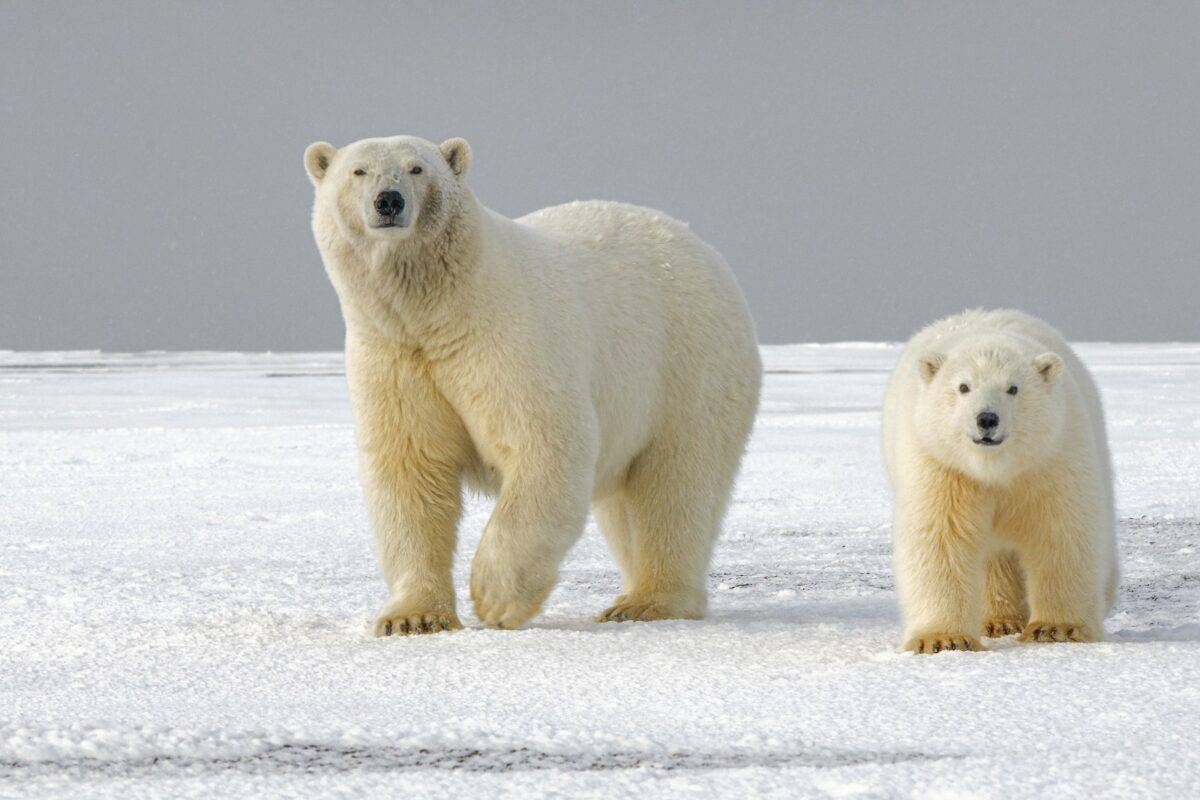
The Arctic is warming at more than twice the global average rate, creating an existential crisis for its specialized wildlife. Polar bears have become iconic symbols of climate change, as shrinking sea ice reduces their hunting grounds and forces longer fasting periods. Research published in Nature Climate Change predicts that most polar bear populations could collapse by 2100 without significant climate action.
Arctic species like ringed seals, walruses, narwhals, and snowy owls also face severe challenges as their ice-dependent habitats transform. The Arctic food web, built upon the productivity of algae growing beneath sea ice, is fundamentally changing. Species with highly specialized adaptations to cold environments often have limited ability to adjust to warmer conditions, making them particularly vulnerable to rapid Arctic warming.
The Plight of Amphibians

Amphibians are experiencing a global crisis, with climate change exacerbating existing threats. Their permeable skin, complex life cycles requiring both aquatic and terrestrial habitats, and ectothermic physiology make them exceptionally sensitive to environmental changes. According to the IUCN, 41% of amphibian species globally are threatened with extinction. Climate change contributes to this decline through altered precipitation patterns affecting breeding ponds, increased temperatures disrupting development, and shifts in disease dynamics.
The deadly chytrid fungus (Batrachochytrium dendrobatidis), which has decimated amphibian populations worldwide, may spread more effectively under changing climate conditions. Emblematic species like the golden toad of Costa Rica have already disappeared, while others like the Panamanian golden frog and Houston toad teeter on the brink of extinction.
Changing Forests and Their Inhabitants

Forest ecosystems worldwide are transforming due to climate change, with profound implications for their animal inhabitants. Rising temperatures and changing precipitation patterns alter forest composition and increase vulnerability to pests, diseases, and wildfires. In tropical forests, even small temperature increases can significantly impact species adapted to stable conditions.
The golden-shouldered parrot of Australia faces habitat loss as grasslands replace woodlands due to changing fire regimes. In North America, the Canada lynx is losing habitat as boreal forests retreat northward. Primates with limited ranges, like the Tana River mangabey in Kenya, face particular challenges as their forest habitats fragment and change. As tree species shift their ranges or decline, the complex web of relationships between plants, herbivores, and predators becomes disrupted, creating cascading effects throughout forest ecosystems.
Insects: Small Creatures, Big Problems

Insects, despite their small size, play crucial roles in ecosystem functioning through pollination, decomposition, and as food sources for other animals. Alarming research published in Biological Conservation suggests that over 40% of insect species are declining, with climate change as a significant factor. Shifting temperatures affect insect development, behavior, and survival, while altering the timing of plant flowering and availability of food resources.
Pollinators like bees and butterflies face particular challenges as climate change disrupts the synchronization between their life cycles and the plants they depend on. The monarch butterfly, which undertakes a remarkable multi-generational migration across North America, faces threats from changing weather patterns and shifts in milkweed distribution. As insects represent the foundation of many terrestrial food webs, their decline has far-reaching consequences for ecosystems worldwide.
Mountain-Dwelling Species Running Out of Room

Mountain ecosystems harbor unique biodiversity and are particularly vulnerable to climate change impacts. As temperatures rise, species adapted to specific elevation zones must move upslope to find suitable conditions. For many mountain-dwelling animals, this creates an “escalator to extinction” as they run out of mountain to climb. The American pika, a small alpine mammal related to rabbits, has already disappeared from many lower-elevation sites in the western United States.
Snow leopards face shrinking habitat as the tree line advances upward in Asian mountain ranges. High-elevation birds like the white-winged snowfinch in Europe face similar challenges. A study in Science found that mountain species worldwide are experiencing upward range shifts averaging 11 meters per decade. For species already restricted to mountain summits, there is simply nowhere left to go as suitable conditions disappear.
Freshwater Species Under Pressure
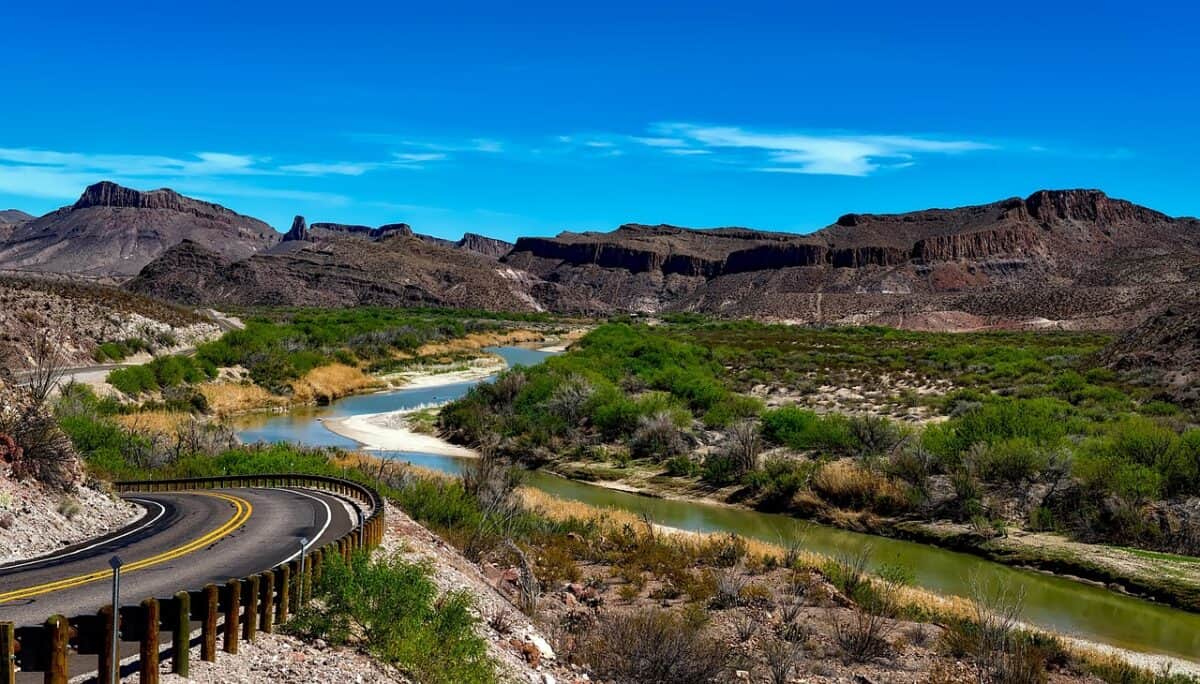
Freshwater ecosystems, though covering less than 1% of Earth’s surface, support approximately 10% of known species, including one-third of all vertebrates. These systems are highly vulnerable to climate change through altered precipitation patterns, increased water temperatures, and changing flow regimes. Coldwater fish species like salmon and trout face particular challenges as warming waters contain less dissolved oxygen and favor warm-adapted competitors.
The Rio Grande silvery minnow confronts increasing drought frequency in the southwestern United States, while European freshwater pearl mussels struggle with altered river conditions. Amphibians that breed in temporary ponds face reproductive failure as rainfall patterns change. Overall, freshwater species are disappearing at rates far exceeding those of terrestrial or marine species, with climate change amplifying existing pressures from pollution, habitat destruction, and water extraction.
Disruption of Migration Patterns
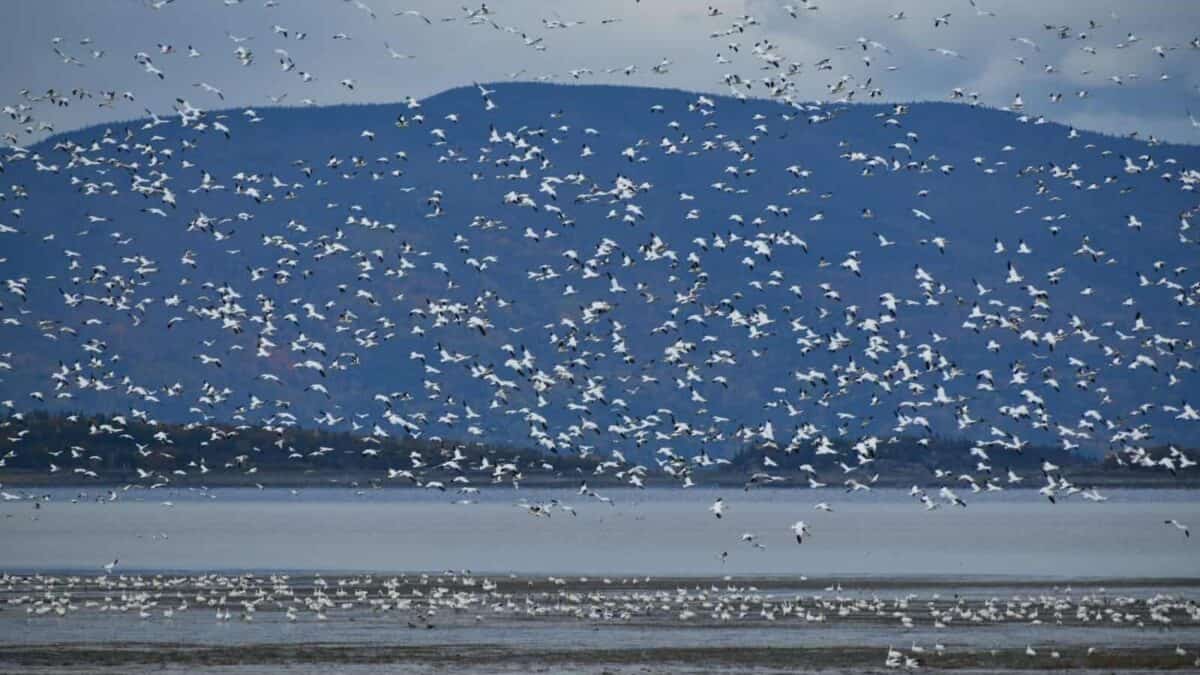
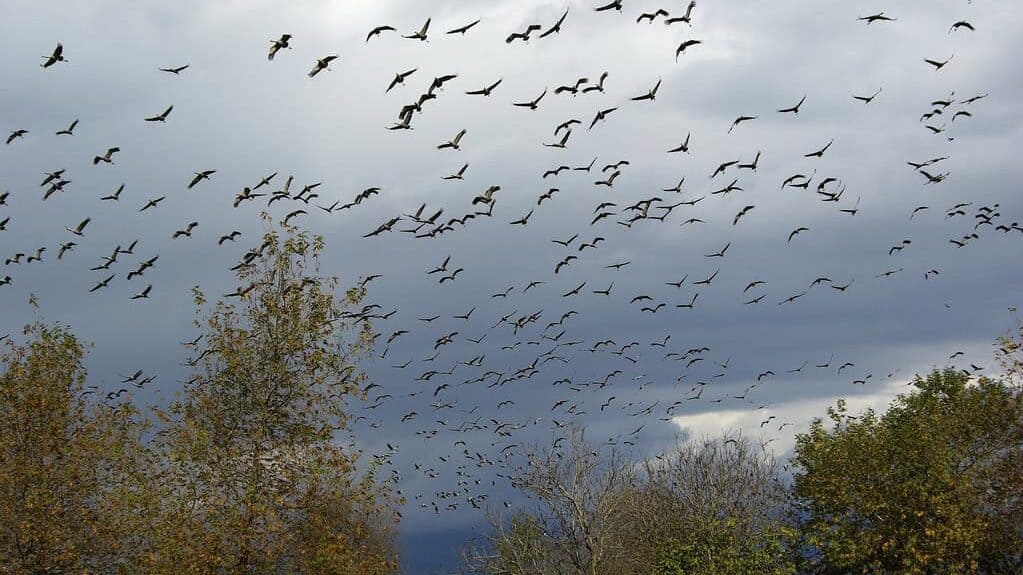
Many animal species rely on seasonal migrations to access resources, reproduce, and avoid harsh conditions. Climate change is disrupting these ancient patterns through altered timing of seasonal transitions, changed resource availability, and modified habitat conditions. Birds that migrate long distances based on day length cues may arrive at breeding grounds to find their insect food sources have already peaked due to earlier springs.
The Arctic tern, which makes the longest migration of any animal, faces changing conditions at both its Arctic breeding grounds and Antarctic feeding areas. Large mammals like caribou and wildebeest encounter new challenges as drought and altered vegetation patterns affect their traditional routes. Marine species from sea turtles to whales face shifts in ocean currents and food availability that complicate their migrations. As these patterns unravel, the intricate timing of ecological interactions developed over evolutionary time is increasingly misaligned.
Coral Reefs and Their Inhabitants
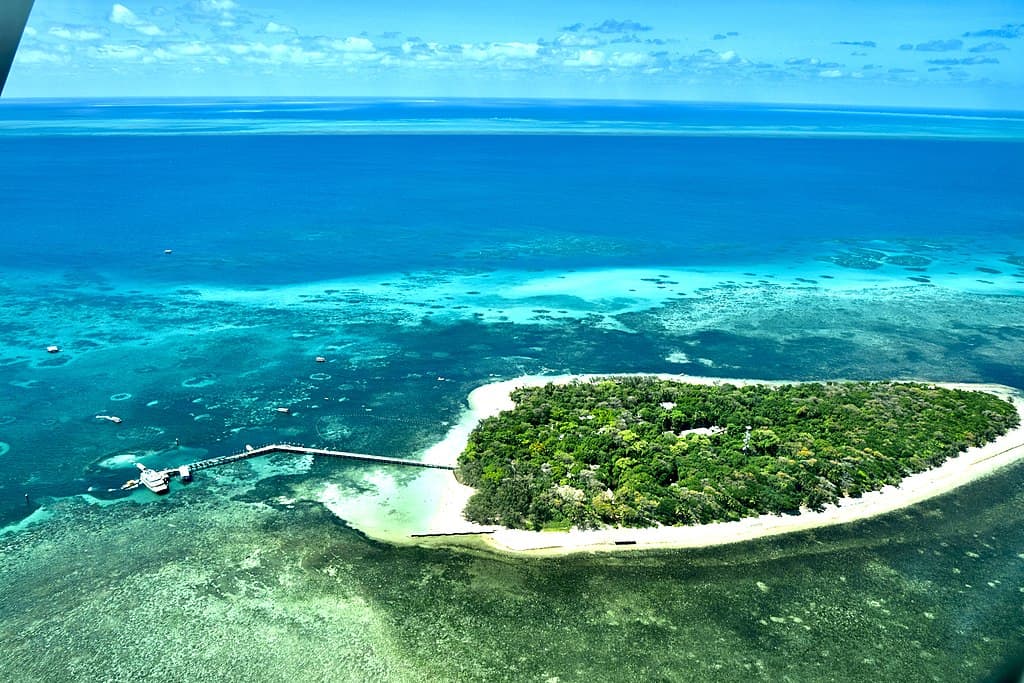
Coral reefs, often called the rainforests of the sea, support approximately 25% of all marine species while covering less than 1% of the ocean floor. These diverse ecosystems face existential threats from climate change through coral bleaching, ocean acidification, and increasingly powerful storms. When water temperatures exceed corals’ tolerance for extended periods, they expel their symbiotic algae, leading to bleaching and often death.
The Great Barrier Reef experienced severe mass bleaching events in 2016, 2017, 2020, and 2022, with some areas losing over 50% of their corals. As reefs degrade, thousands of specialized species lose critical habitat. The orange-spotted filefish, which feeds exclusively on certain coral species, disappeared from Japan following a 1998 bleaching event. Clownfish, made famous by “Finding Nemo,” struggle to detect predators in acidified waters. As reef structures deteriorate, entire communities of fish, crustaceans, mollusks, and other marine life face an uncertain future.
Climate Change and Invasive Species

Climate change often acts as a catalyst for invasive species, creating new opportunities for non-native organisms to establish and spread while simultaneously weakening native species’ resilience. As temperature and precipitation patterns shift, previously unsuitable habitats become available to invasive species, while native species adapted to historical conditions struggle to compete. In the Mediterranean Sea, warming waters have allowed tropical fish species to enter through the Suez Canal and establish permanent populations, displacing native species.
The mountain pine beetle has expanded its range northward and to higher elevations in North America as winters become milder, devastating conifer forests. On the Antarctic Peninsula, warming has enabled non-native plants and invertebrates to gain footholds in one of Earth’s most isolated ecosystems. These climate-facilitated invasions create additional pressures on native wildlife already coping with direct climate impacts.
Conservation Strategies in a Changing World
As the reality of climate change becomes increasingly apparent, conservation approaches must evolve to help vulnerable species adapt and survive. Protected area networks need expansion and redesign to account for shifting species ranges and changing ecosystems. Wildlife corridors connecting habitat patches allow animals to move as conditions change, while assisted migration – deliberately relocating species to more suitable areas – may become necessary for those with limited dispersal abilities.
Captive breeding programs provide insurance for the most endangered species, while genetic techniques like selective breeding for climate resilience and even genetic engineering are being explored as potential tools. Ecosystem-based approaches that enhance natural resilience, such as restoring wetlands, maintaining diverse forests, and protecting coral reef refugia, benefit multiple species simultaneously. Perhaps most importantly, reducing greenhouse gas emissions remains the fundamental solution to limit the magnitude of climate change and preserve biodiversity for future generations.
A Planet at the Crossroads
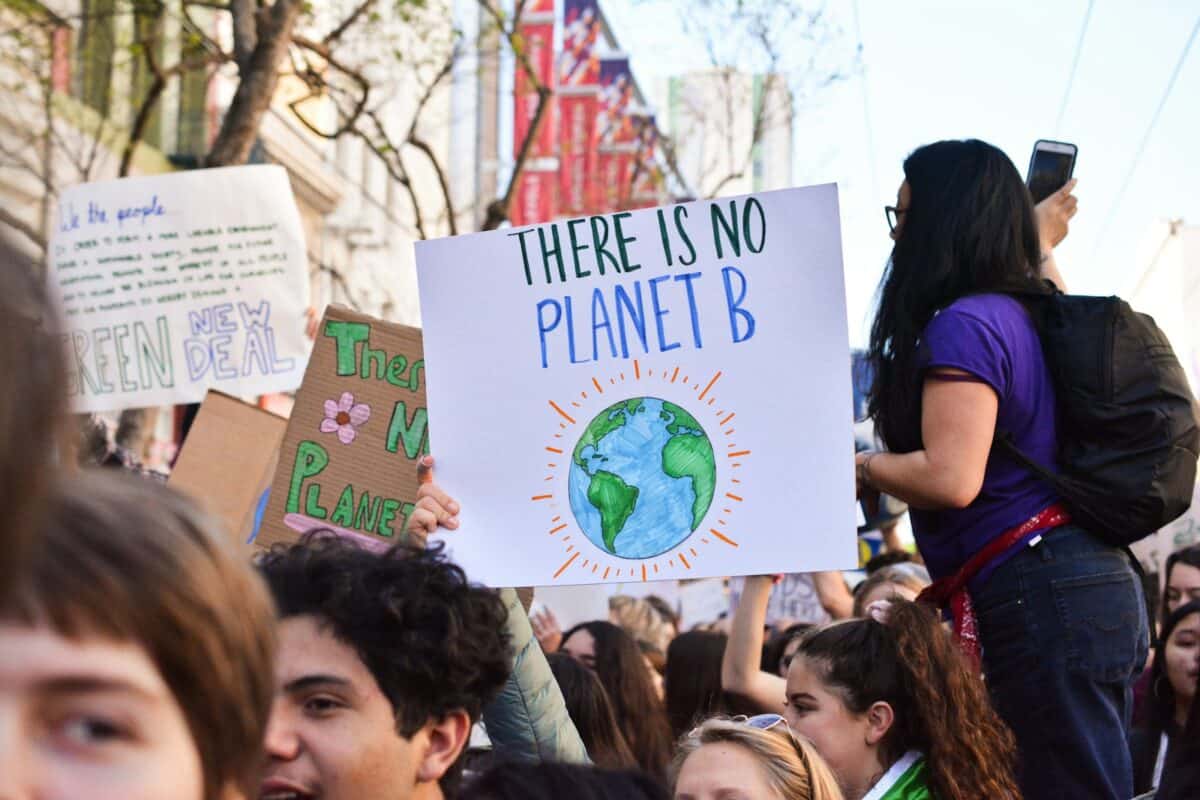
The fate of thousands of animal species hangs in the balance as humanity determines its response to climate change in the coming decades. The loss of each species represents not just the disappearance of a unique evolutionary creation, but the unraveling of ecological relationships developed over millions of years. Every extinction diminishes the biological diversity that provides resilience to natural systems and countless benefits to human societies through medicine, food security, and ecosystem services.
While the challenges are immense, coordinated action to reduce emissions, protect habitats, and implement innovative conservation strategies can still prevent many extinctions. The window for effective action is narrowing, but remains open – the question is whether we will seize this opportunity to preserve Earth’s extraordinary biodiversity for future generations or allow this unprecedented crisis to continue unabated.

From exploring the marine wonders in the Azores and witnessing the vast savannas of Kenya, to delving deep into the rich biodiversity of South Africa and traversing iconic landscapes in Australia and the US like Yellowstone, Chris's experiences are vast.
With a penchant for diving alongside sharks, the ocean holds a special place in his heart.
Through his academic insights, he champions wildlife conservation, striving with 'Animals Around The Globe' to cultivate a profound connection between humans and animals, enhancing our mutual appreciation.
Connect with him at Feedback@animalsaroundtheglobe.com.